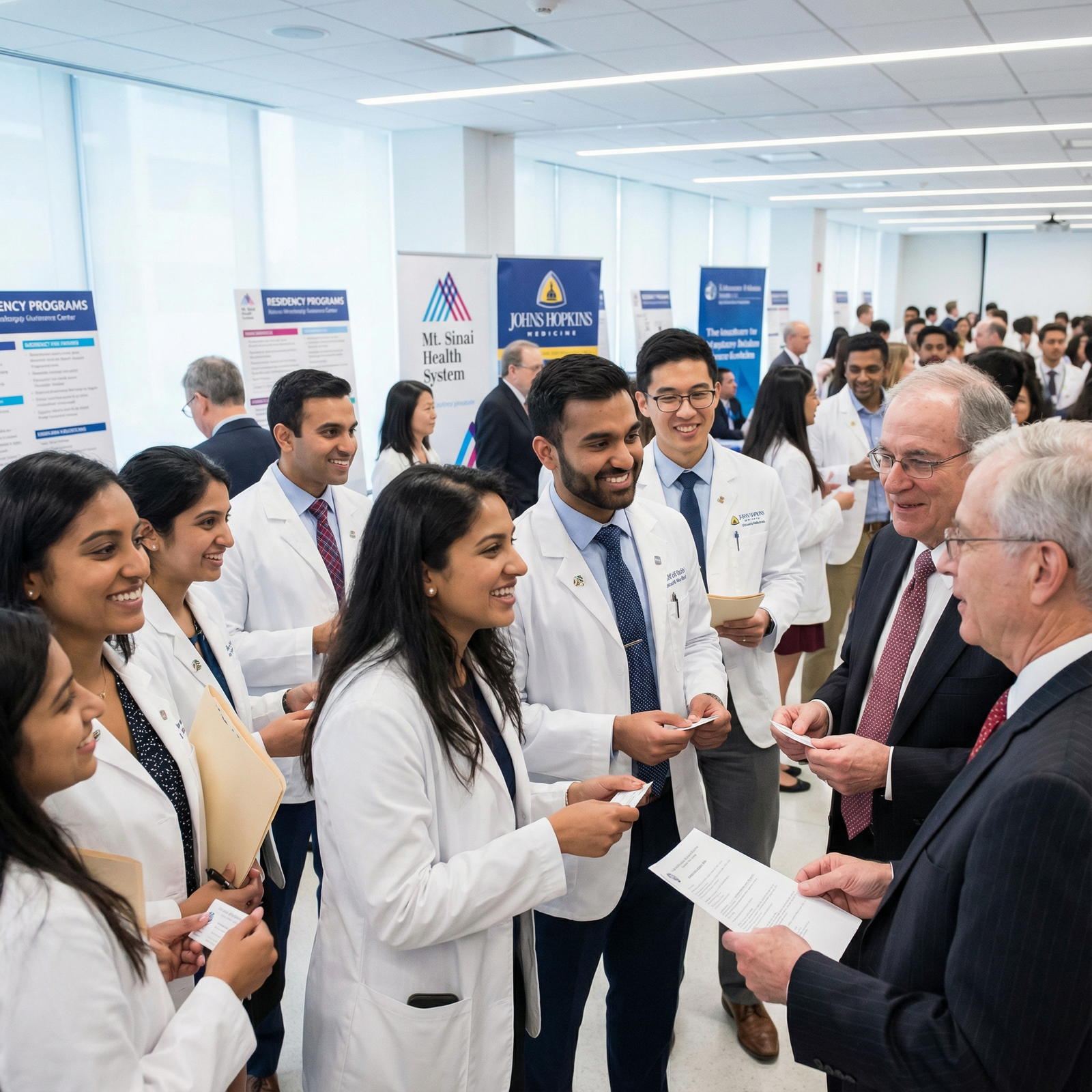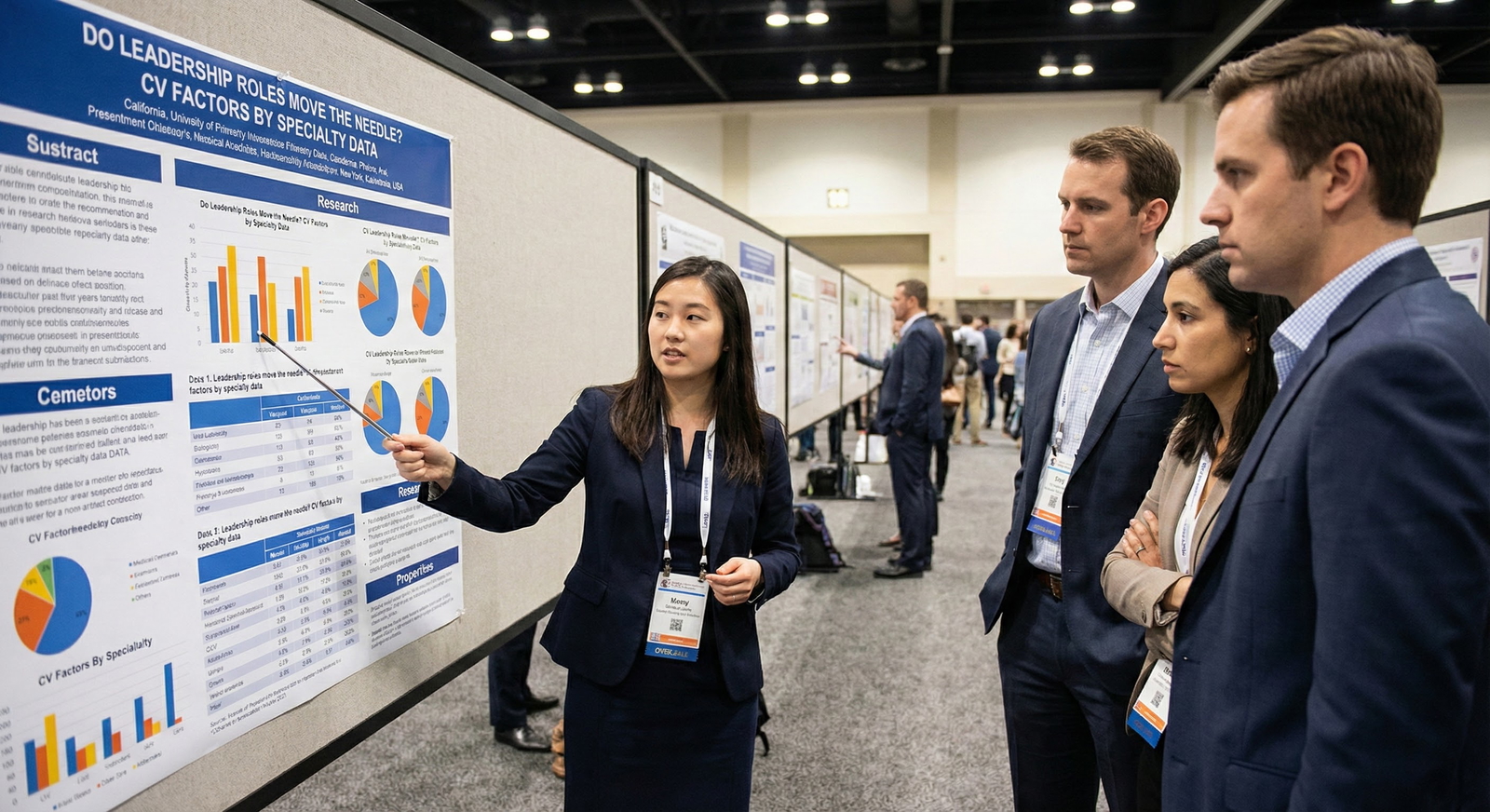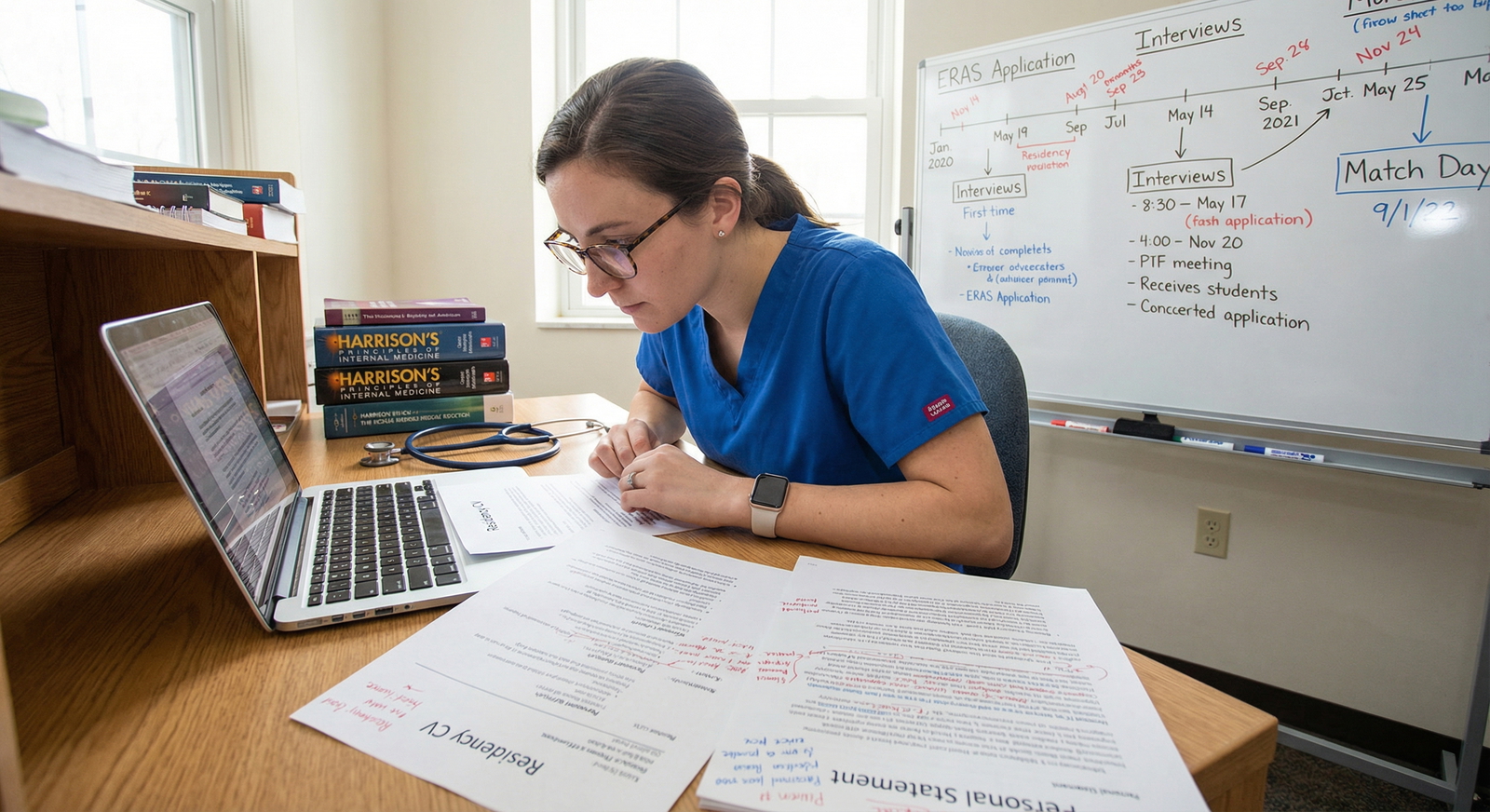
Crafting a standout CV for ophthalmology residency is both an art and a strategy. Ophthalmology is one of the most competitive specialties, and your CV is often the first (and sometimes only) detailed snapshot programs see before deciding on interview offers. This guide will walk you through how to build a compelling, well-structured ophthalmology residency CV, and how to position your experiences to stand out in the ophtho match.
Understanding the Ophthalmology Residency CV Landscape
Ophthalmology programs evaluate dozens to hundreds of applications per cycle. Most applicants have strong grades and solid board scores, so your medical student CV becomes a key differentiator. It tells your story: what you’ve done, what you care about, and how you’ll contribute as a future ophthalmologist.
Why Your Ophthalmology CV Matters So Much
Pre-screening for interviews
Before faculty ever meet you, your CV (along with ERAS/ SF Match application) is used to:- Confirm academic readiness
- Screen for research productivity
- Identify red flags or gaps
- Spot alignment with the program’s strengths (research, global health, medical education, etc.)
Agenda setting for interviews
Interviewers often skim your CV a few minutes before meeting you. The projects and roles you highlight become instant conversation topics. Strong, well-explained experiences:- Give them easy questions to ask
- Let you steer the conversation toward your strengths
- Make you more memorable when the committee ranks applicants
Signal of professionalism and attention to detail
Ophthalmology is a procedural, detail-heavy specialty. A sloppy CV raises subtle concerns about:- Accuracy of your application
- Your thoroughness in clinical care
- Your ability to communicate in writing
An excellent CV does not mean you need 15 publications or 8 leadership roles. It means you present whatever you have—small or large—in a clear, honest, and strategic way.
Core Structure: How to Organize an Ophthalmology Residency CV
Most programs see your data in ERAS or SF Match format, but having a polished, standalone CV is still useful for:
- Emailing potential research mentors
- Away rotation applications
- Scholarship or award applications
- Backup if someone asks for a PDF CV
Below is a structure tailored specifically for ophthalmology. Think of it as a blueprint for how to build a CV for residency in this specialty.
1. Contact Information & Professional Header
Place at the top:
- Full name (as it appears on official documents)
- Current email (professional, e.g., firstname.lastname@domain.com)
- Phone number
- Medical school and expected graduation year
- Optional: LinkedIn profile or professional website if well-maintained
Example:
Jane M. Smith, MS4
Fourth-Year Medical Student, XYZ School of Medicine (Expected 2026)
Email: jane.smith@medschool.edu | Phone: (555) 555-5555
LinkedIn: linkedin.com/in/janesmithmed
Avoid nicknames and non-professional emails.
2. Education
List in reverse chronological order:
- Medical school: Name, city, country, degree, expected or actual graduation date
- Undergraduate: Major(s), honors (e.g., summa cum laude), year of graduation
- Relevant graduate degrees (MPH, MS, PhD) if applicable
Include:
- Honors (e.g., Alpha Omega Alpha, Gold Humanism)
- Thesis titles if research-focused and relevant to ophthalmology or visual sciences
Example:
XYZ School of Medicine, MD (Expected May 2026)
Honors: AOA (Junior Inductee), Distinction in ResearchABC University, BS in Neuroscience, 2022
Honors: Magna Cum Laude, Departmental Honors Thesis on Visual Perception

Highlighting Ophthalmology-Relevant Experiences
This is where you can separate yourself from strong but generic applicants. Your goal is to show a clear, consistent interest in ophthalmology and a track record of initiative.
1. Clinical Experience (Ophthalmology and Beyond)
You don’t need a separate “Ophthalmology” heading, but it’s often helpful in this specialty because many reviewers are specifically scanning for it.
A. Ophthalmology Clinical Experiences
Include:
- Home institution rotation(s)
- Away/sub-internship rotations
- Pre-clinical shadowing if substantial
- International or underserved ophthalmology work
For each:
- Role/title
- Institution and location
- Dates (month/year – month/year)
- 2–4 bullet points describing what you did, focusing on initiative and impact
Example bullet points:
- Performed comprehensive eye exams under supervision, including slit lamp and fundus examinations for patients with diabetic retinopathy and glaucoma.
- Assisted in intravitreal injections and cataract pre-op evaluations; counseled patients on peri-operative care.
- Developed a patient education handout on post-operative cataract surgery expectations, now used in the clinic.
Be accurate: Don’t exaggerate clinical independence or procedural skills.
B. Non-ophthalmology Clinical Experiences
Show breadth and solid clinical foundation:
- Internal medicine, neurology, pediatrics, emergency medicine, etc.
- Highlight skills relevant to ophthalmology: communication, chronic disease management, interprofessional collaboration.
Sample phrasing:
- Managed complex patients with diabetes and hypertension in an outpatient continuity clinic, coordinating care with ophthalmology for screening and treatment of diabetic retinopathy.
This ties general clinical work back to eye care when appropriate.
2. Research: A Key Differentiator in Ophtho Match
Research is highly valued in ophthalmology. Even a modest research record, if clearly presented, can stand out.
Split into subsections if you have multiple projects:
- Ophthalmology Research
- Other Clinical/Basic Science Research (if significant)
For each project:
- Project title or brief description
- Your role (e.g., student researcher, data analyst, co-investigator)
- Supervisor/PI name and department
- Institution and dates
- Brief description of methodology or focus
- Outcome: posters, publications, in-progress manuscripts
Example:
Ophthalmology Research Assistant, Department of Retina Service
University Eye Center, City, State | 2023–Present
Mentor: Dr. Sarah Johnson
- Conducted chart review of 300 patients with neovascular AMD to evaluate visual outcomes after anti-VEGF treatment.
- Collected and cleaned data from OCT imaging and clinic notes; performed basic statistical analysis in R.
- Co-authored abstract accepted for poster presentation at the Association for Research in Vision and Ophthalmology (ARVO) 2024.
Even if a project is “in progress,” you can list it with honest status (e.g., “Manuscript in preparation,” “Data collection ongoing”).
Residency CV tips for ophthalmology research:
- Prioritize eye-related projects first.
- Spell out your specific contributions—avoid vague phrases like “involved in research.”
- List outcomes (even local presentations) to show productivity.
3. Publications, Presentations, and Posters
Programs will look at your scholarly output. Organize these cleanly, often under the umbrella of “Scholarly Activity” with subheadings:
- Peer-Reviewed Publications
- Manuscripts Under Review or In Preparation
- Book Chapters
- Conference Presentations and Posters
Use standard citation format (e.g., AMA). Number them if you have several, to signal productivity.
Example (peer-reviewed article):
- Smith JM, Johnson S, Lee A. Visual outcomes after anti-VEGF therapy for neovascular age-related macular degeneration in a diverse urban population. Ophthalmology. 2024;131(5):123-130.
Example (poster):
- Smith JM, Patel R, Nguyen T. Evaluating adherence to diabetic retinopathy screening guidelines in a student-run clinic. Poster presented at: American Academy of Ophthalmology Annual Meeting; November 2024; Chicago, IL.
If you only have a few items, that’s fine. Clarity and honesty matter more than volume, especially early in your training.
Leadership, Teaching, and Service: Show Who You Are Beyond the Clinic
Ophthalmology programs value residents who will teach, lead, and contribute to the department culture. These sections highlight that.
1. Leadership Roles
Include:
- Ophthalmology interest group positions
- Student government roles
- Committees (curriculum, diversity, wellness, etc.)
- Volunteer organization leadership
Each role should include:
- Title
- Organization, institution, dates
- 2–3 bullet points focused on outcomes, not just duties
Stronger vs. weaker bullets
- Weaker: “Attended ophthalmology interest group meetings and helped organize events.”
- Stronger: “Coordinated 4 ophthalmology career panels attended by 80+ students; increased group membership by 40% over two years.”
Focus on:
- Initiatives you started or improved
- Measurable results when possible
- Collaboration and communication skills
2. Teaching & Mentorship
Ophthalmology is a teaching-heavy specialty (medical students, residents, patients, technicians). Teaching experience looks particularly good on an ophthalmology residency CV.
Include:
- Teaching assistant roles
- Peer tutoring
- Near-peer teaching (e.g., MS4 teaching MS2s)
- Community health education
Specify:
- Audience (MS1s, MS2s, community members)
- Content (clinical skills, anatomy, ophthalmology topics)
- Format (small group, lectures, bedside teaching)
Example:
Small Group Facilitator, Clinical Skills Course
XYZ School of Medicine | 2023–2024
- Co-facilitated weekly sessions for 12 MS1 students on physical examination skills, communication, and documentation.
- Provided structured feedback on patient interviews and clinical reasoning.
If you’ve done any eye-specific teaching (screening events, community vision education), highlight it here or under a “Community Ophthalmology” subheading.
3. Service and Volunteering
Service roles, especially those related to vision care or underserved populations, can strongly reinforce your commitment to the field.
Examples to include:
- Student-run free clinic (especially if they have vision screening)
- Vision screening events in schools or community centers
- Global health trips with ophthalmology exposure (be careful to accurately represent your role)
Describe:
- What you did
- Who you served
- Any impact statistics (number of patients screened, etc.)
- Leadership or program development
Example bullet points:
- Coordinated a monthly free vision screening clinic at a community center, providing basic visual acuity checks and referrals; screened 120+ patients over 6 months.

Personalizing Your Ophthalmology CV: Skills, Interests, and Professional Identity
Once core sections are set, add targeted elements that make your CV feel complete and tailored to ophthalmology.
1. Skills Section: Use It Thoughtfully
Avoid generic lists like “hard-working, team player, organized.” Instead, focus on tangible skills relevant to ophthalmology and research.
Potential subsections:
Technical/Clinical Skills
- Basic ocular exam components (documented honestly and appropriate for a student)
- Gross ophthalmic photography or imaging exposure (if relevant)
- Suture skills (basic); avoid listing advanced surgical skills unless you truly have them and can explain how
Research & Data Skills
- Statistical software: SPSS, R, Stata, Python
- Data tools: REDCap, Excel (with description, e.g., “pivot tables, basic descriptive statistics”)
- Study design familiarity: retrospective chart review, survey design
Language Skills
- List additional languages with realistic proficiency (native, fluent, conversational, basic)
Example:
Research and Technical Skills
- REDCap data entry and management; basic statistical analysis in SPSS (t-tests, chi-square)
- Experience performing visual acuity checks and basic external eye exams under supervision
2. Awards, Honors, and Scholarships
Ophthalmology is competitive, and any recognition of excellence can be helpful, especially if:
- Academic: Dean’s list, AOA, honors in ophthalmology rotation
- Professional: Research awards, poster awards, national scholarships
- Service: Community engagement awards
List:
- Full name of award
- Institution or organization
- Year
- Optional one-line description if not self-explanatory
Example:
Dean’s Clinical Honor List, XYZ School of Medicine (Top 10% of class), 2024
3. Professional Memberships
Include memberships in:
- American Academy of Ophthalmology (AAO)
- American Society of Cataract and Refractive Surgery (ASCRS)
- ARVO
- Specialty or subspecialty organizations (e.g., Women in Ophthalmology, minority physician groups)
- General medical organizations (AMA, state medical societies)
If you held roles (committee member, student liaison), list them here or under leadership.
4. Hobbies and Personal Interests: Tailored but Authentic
Programs do read this section. It can:
- Humanize you
- Provide conversation starters
- Convey traits like discipline, teamwork, or creativity
Aim for:
- 3–6 brief, specific entries
- Real interests you can discuss comfortably
- Avoiding cliché (e.g., “reading, traveling, movies”) unless you can make them distinctive
Examples:
- Distance running (completed 3 half-marathons; organizing a charity 10K for our free eye clinic)
- Portrait photography with focus on capturing eye expressions
- Piano (15 years of classical training; perform in student wellness events)
Formatting and Strategy: Residency CV Tips That Ophthalmology PDs Notice
Beyond content, how you present your CV can subtly influence how it’s received.
1. Keep It Clean, Consistent, and Readable
- Use a professional font (e.g., Times New Roman, Garamond, Calibri, Arial) at 10–12 pt.
- Keep margins at ~1 inch.
- Use bold for headings, italics for roles or titles if helpful—but be consistent.
- Use bullet points, not paragraphs.
- Stick to a clear hierarchy of headings and subheadings.
Most ophthalmology residency applicants have CVs of 2–5 pages. Length is not a major criterion; clarity and quality of entries are.
2. Tailor Emphasis to Your Ophtho Narrative
You can’t rewrite your history, but you can decide what to emphasize:
If you’re research-strong:
- Move research experience and publications closer to the top.
- Expand your research bullet points; keep less relevant roles more concise.
If you’re service-oriented:
- Highlight community ophthalmology, free clinics, and longitudinal service.
- Use your bullets to connect service with your future as a compassionate ophthalmologist.
If you were a late decider:
- Emphasize the intensity of your engagement once you discovered ophthalmology.
- Connect previous interests (neuroscience, global health, engineering) to vision and eye care where appropriate.
3. Avoid Common Pitfalls
Inflating roles or skills
Never claim you “performed” procedures independently if you did them under supervision or only observed. Ophthalmologists will ask follow-up questions.Listing trivial or irrelevant items
One-off volunteer events, extremely short shadowing, or high school awards rarely add value unless truly unique or impactful.Inconsistent dates or unexplained gaps
Ensure your timeline is coherent. If there were breaks (LOA, personal reasons), be prepared to address them honestly.Typos and formatting errors
Proofread multiple times, and ask mentors or peers to review. Errors send the wrong message in a detail-oriented field.
4. Integrate CV With the Rest of Your Application
Your ophthalmology residency CV should be in harmony with:
ERAS/SF Match entries
- Dates, titles, and descriptions should match.
- If you shorten descriptions on the CV, keep them factually identical.
Personal statement
- Use your personal statement to expand on 1–2 key threads already visible in your CV (e.g., a long-term research project, a meaningful service experience).
- Avoid copying CV bullet points verbatim.
Letters of recommendation
- Consider providing your CV to letter writers.
- Politely highlight experiences you hope they can address (e.g., your role in a project, clinical strengths).
Putting It All Together: A Strategic Approach to CV Building in Ophthalmology
Rather than seeing your CV as a static checklist, treat it as a dynamic tool—one you refine over time to reflect your growth and direction toward ophthalmology.
Actionable steps to improve your CV right now:
Audit your current CV
- Is ophthalmology clearly visible (research, rotations, interest group, shadowing)?
- Are your bullets specific and outcome-focused?
- Are there redundant or low-yield entries you can trim?
Identify 2–3 gaps you can realistically address
- No direct ophtho research? Seek out chart reviews, QI projects, or small case series.
- Limited exposure? Arrange additional shadowing, clinics, or away rotations.
- Sparse leadership? Take on a defined role in your ophtho interest group or clinic.
Set a regular update schedule
- Update your medical student CV every 2–3 months.
- Log presentations, abstracts, and new roles as they happen; memory fades quickly.
Get specialty-specific feedback
- Ask an ophthalmology resident or faculty mentor to look over your CV.
- Specifically ask: “From this CV alone, what do you think my strengths and interests are?” If their answer doesn’t match your goals, adjust accordingly.
When built thoughtfully, your CV does more than list accomplishments; it tells a cohesive story about why you belong in ophthalmology and how you’ll contribute to your future program.
FAQs: Ophthalmology Residency CV and Ophtho Match
1. How many pages should my ophthalmology residency CV be?
Most ophthalmology residency applicants submit CVs between 2–5 pages. There’s no strict page limit, but:
- Under 2 pages may look sparse unless you’re very early in training.
- Over 5 pages may appear bloated or unfocused.
Focus on relevance and clarity. Prioritize ophthalmology-related content and major achievements.
2. How important is research for the ophtho match?
Research is valued highly, especially at academic programs, but it’s not mandatory to have multiple first-author publications. What matters most is:
- Demonstrated curiosity and follow-through
- Some exposure to ophthalmology-related or clinically relevant research
- Clear explanation of your role and what you learned
If you are light on research, strengthen other parts of your CV—clinical performance, service, leadership, and strong letters.
3. Should I include non-medical jobs or activities on my CV?
Include non-medical experiences if they:
- Demonstrate leadership, resilience, or unique skills (e.g., military service, extensive teaching, entrepreneurship)
- Represent significant time commitments
- Contribute to your overall narrative
Brief, low-impact high school jobs or very short roles are usually unnecessary unless clearly formative or unique.
4. How early should I start building my CV for ophthalmology residency?
Ideally, start during MS1 or MS2:
- Keep a running document of all experiences, dates, and contact info.
- Join the ophthalmology interest group early if you’re even mildly interested.
- Seek small, manageable research or shadowing opportunities.
Even if you decide on ophthalmology later, a structured CV from early on makes it far easier to pivot and highlight relevant elements.
By approaching your CV as a strategic, evolving document—and tailoring it to the expectations of ophthalmology programs—you position yourself strongly in the ophtho match. Use the structure and tips in this guide to refine, focus, and elevate your medical student CV, transforming it into a compelling portrait of your readiness for a career in eye care.