Understanding the Role of the CV for a US Citizen IMG in General Surgery
For a US citizen IMG (American studying abroad), the curriculum vitae (CV) is more than just a document—it is your narrative proof that you can thrive in a demanding, US-based general surgery residency. Program directors receive hundreds of applications; your CV must quickly answer three questions:
- Can this applicant handle the academic and technical demands of general surgery?
- Does this applicant understand the US clinical environment and team culture?
- Is there evidence of persistence, discipline, and genuine interest in surgery?
Unlike the ERAS “Common Application Form,” which is structured and limited, you’ll use a full CV for:
- Emailing program coordinators and faculty
- Attending and faculty introductions
- Research positions and observership applications
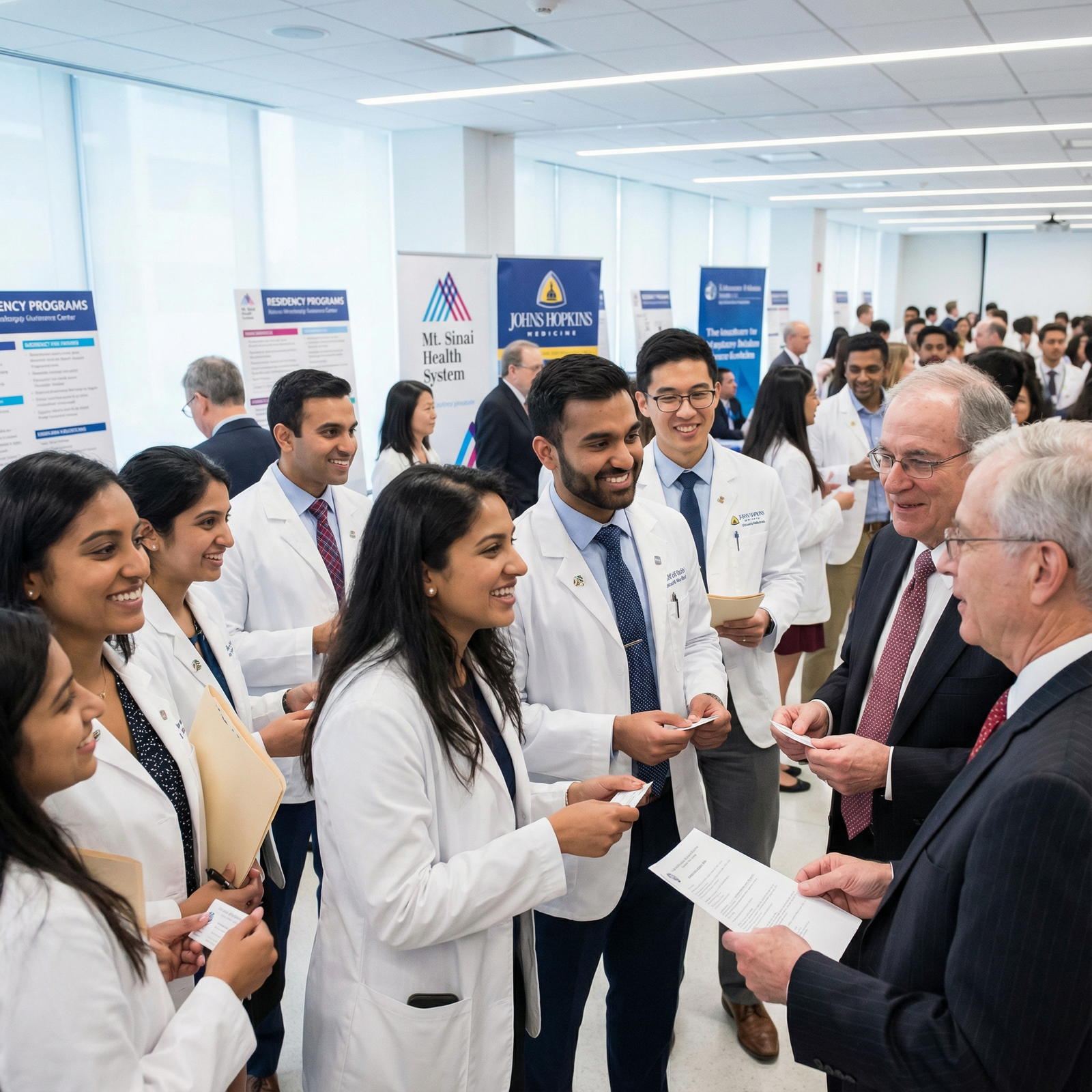
- Networking at conferences
- Scholarship, visa, or academic opportunities (if relevant)
Even though ERAS is central to the surgery residency match, a strong, polished CV reinforces and expands your ERAS story. Think of ERAS as the standardized snapshot, and your CV as the detailed brochure.
How a US Citizen IMG’s CV Is Read Differently
As a US citizen IMG/“American studying abroad,” program directors may look for specific reassurance:
- US clinical exposure: Have you actually worked in US hospitals, especially in surgery or acute care?
- Consistency of performance: Did you adapt well to a different system abroad while maintaining strong academic results?
- Clear surgical commitment: Is general surgery a genuine, long-term goal, not a backup?
- Evidence of professionalism and communication: Are there leadership, teaching, and teamwork roles?
Your CV must highlight these elements overtly. That means strategic content selection, but also smart organization and clean formatting.
Core Structure: What a Strong Surgery Residency CV Must Include
A general surgery–focused residency CV for a US citizen IMG should follow a familiar, logical structure. A common, effective order:
- Contact Information and Professional Profile (Optional)
- Education
- US Clinical Experience & Subinternships
- Medical Licensure & Exams
- Research & Scholarly Activity
- Surgical & Clinical Skills (Optional, carefully done)
- Honors, Awards, and Scholarships
- Leadership, Teaching, and Service
- Professional Memberships
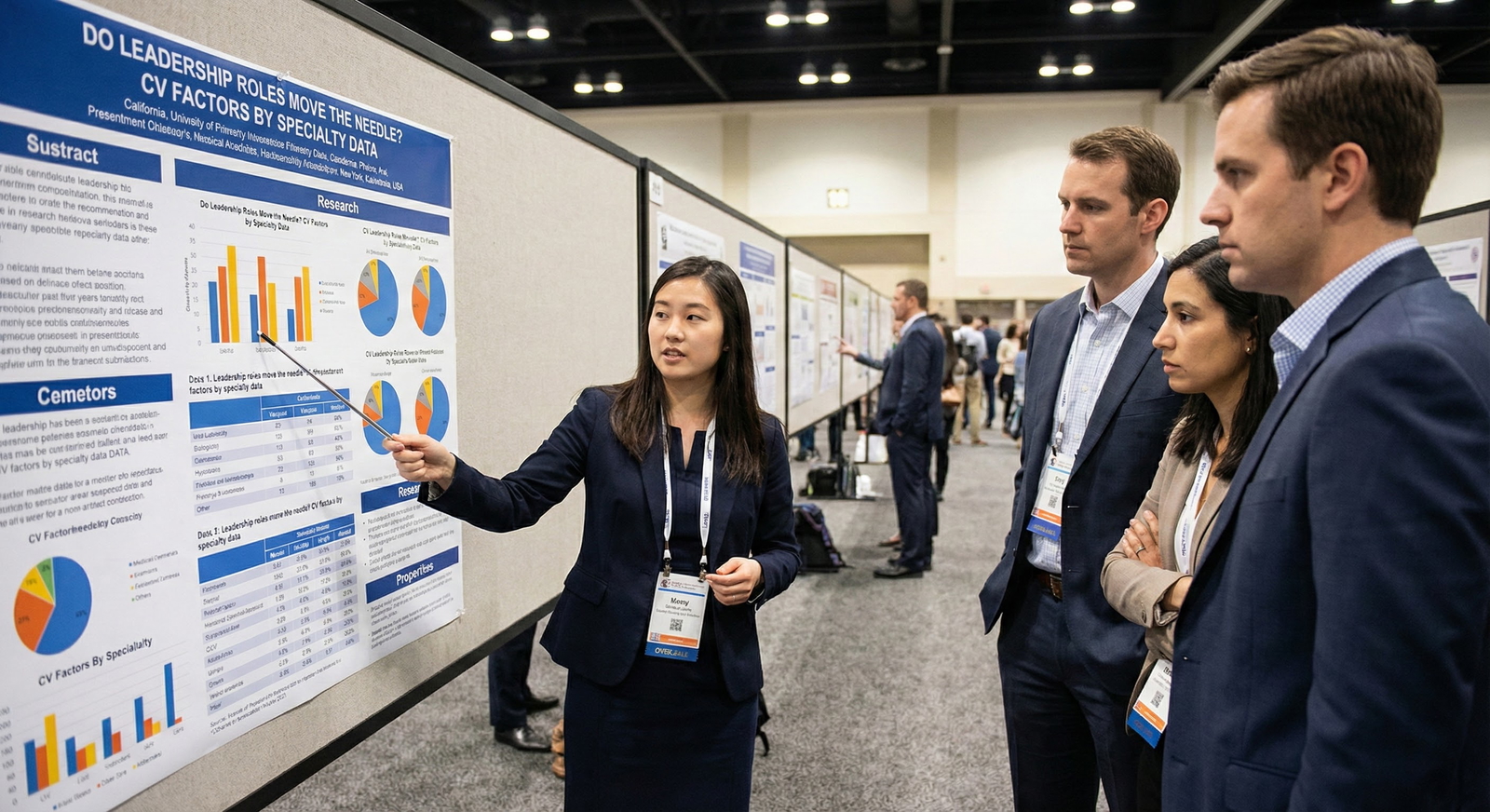
- Conferences, Presentations & Posters
- Publications & Abstracts (if separated)
- Additional Skills (Languages, Technical)
- Personal Interests (brief, curated)
1. Contact Information and (Optional) Professional Profile
Include:
- Full name (as used in ERAS)
- Current address (US address if you have one)
- Professional email (Firstname.Lastname@…)
- US phone number (Google Voice if needed)
- LinkedIn (optional but can be helpful if updated and professional)
Professional Profile (2–3 lines, optional but useful)
This can be particularly effective for a US citizen IMG to position your narrative:
Example:
US citizen IMG and final-year medical student at [University Name, Country] with extensive US clinical experience in general surgery and critical care. Strong interest in acute care surgery and surgical education, with research experience in outcomes after emergency laparotomy and a consistent record of leadership and teaching.
This should be factual, concise, and aligned with general surgery.
2. Education
List in reverse chronological order:
- Medical school: name, city, country, degree (e.g., MD or MBBS equivalent), start and (expected) graduation dates
- Undergraduate degree: major, institution, graduation date
- Important: If your school name is not widely recognized, add a short clarifier:
“World Federation for Medical Education–recognized medical school.”
Tips specific to US citizen IMGs:
- If your med school uses a non-US grading system, you may briefly note the scale:
“Graduated with Distinction (top 10% of class)” or “GPA: 8.7/10 (equivalent to A range).” - Highlight any US-based coursework or joint programs if they exist.
Avoid:
- Listing high school. It rarely adds value at the residency level.

Highlighting US Clinical Experience and Surgical Exposure
For a US citizen IMG targeting general surgery, your US clinical experience is often the single most important section after education. It must be:
- Prominent
- Clearly labeled
- Rich in specific, surgical-relevant content
3. US Clinical Experience & Subinternships
Create a dedicated section called:
“US Clinical Experience” or “Clinical Experience (United States)”
List in reverse chronological order. For each entry:
- Hospital/Institution name, City, State
- Department (e.g., General Surgery, Trauma Surgery, Surgical ICU)
- Role: “Clinical Elective,” “Sub-internship,” “Observer,” “Research Fellow,” etc.
- Dates (month–year to month–year)
- 3–5 bullet points focusing on responsibility, autonomy, and skills
Good bullet point examples for general surgery:
- “Participated in daily pre-rounds and rounds on 15–20 postoperative patients, presenting cases to residents and attendings with a focus on fluid management, infection prevention, and pain control.”
- “Assisted in the OR with preoperative preparation, instrument handling, and closure under close supervision in 30+ cases including laparoscopic cholecystectomy, appendectomy, and hernia repair.”
- “Developed and presented a case-based talk on early identification of anastomotic leak to the surgical team.”
If you have only observerships:
Be transparent but maximize learning outcomes:
- “Completed surgical observership with exposure to daily rounds, outpatient clinics, and OR observation in general surgery and surgical oncology.”
- “Participated in morbidity and mortality conferences; maintained independent case log and reading plan correlated with observed surgeries.”
Positioning for US citizen IMG:
Make sure “US” is visually obvious:
- Section header: US Clinical Experience
- Include “(US Clinical Elective)” in role description if helpful.
Exams, Research, and Surgical Skills: Building Evidence of Competitiveness
4. Medical Licensure & Exams
Program directors want quick reassurance regarding exam performance and progression.
Include:
- USMLE Step 1 – score (if you choose to report), pass date
- USMLE Step 2 CK – score, date
- Any COMLEX scores (if applicable)
- ECFMG Certification status (if already obtained or anticipated)
- Other relevant exams (e.g., IELTS/TOEFL if applicable—though less common as a US citizen)
Format example:
Medical Licensure & Examinations
- USMLE Step 1 – Pass, 01/2022
- USMLE Step 2 CK – 250, 10/2023
- ECFMG Certification – Anticipated 06/2025
If your scores are strong for surgery (often meaning clearly above average), listing them on the CV can be advantageous. If borderline, you may choose to omit scores and list only “Pass.” (They will still see scores in ERAS, but the CV becomes more neutral.)
5. Research & Scholarly Activity
For general surgery, research is a major “differentiator.” Even without dozens of publications, you can present your work to underscore curiosity and discipline.
Possible sub-sections:
- Research Experience
- Publications
- Abstracts & Posters
Research Experience
Even if not yet published, list:
- Project title or topic
- Institution, department, mentor name (if allowed)
- Dates
- 3–4 bullets describing your role and methods
Example (good detail):
Clinical Research Assistant – Outcomes After Emergency Laparotomy
Department of Surgery, [Hospital Name], [City, Country] | 01/2023 – Present
- Collected and managed data for 220+ patients undergoing emergency laparotomy, focusing on postoperative complications and 30-day mortality.
- Conducted chart reviews and extracted information on comorbidities, intraoperative findings, and postoperative ICU needs.
- Performed preliminary descriptive statistics using SPSS and contributed to abstract preparation for a national surgical conference.
Even research outside surgery can help if you emphasize transferable skills (data analysis, critical reading, teamwork).
Publications, Abstracts, Posters
- Use a consistent citation style (e.g., AMA or Vancouver).
- Separate peer-reviewed publications from abstracts and posters.
- Bold your name in multi-author works to highlight your role.
Example:
- Doe J, Smith R, Patel A. Thirty-day readmission rates after emergency laparotomy: A single-center retrospective analysis. J Surg Res. 2024;XXX:XXX–XXX. (Accepted, in press)
If you have no publications yet, still list “Manuscripts in preparation” only if they are genuinely underway and you are actively working with a mentor.
6. Surgical & Clinical Skills (Optional but Powerful if Done Right)
A “Skills” section can be helpful for a general surgery residency CV if it is concrete and honest. Avoid generic lists like “Hard-working, team player.”
Instead, consider:
- Procedural exposure (especially in US settings):
“Observational exposure to robotic cholecystectomy and colorectal resections (20+ cases).” - Perioperative skills:
“Experience writing postoperative orders under supervision; managing fluid and electrolyte replacement plans.” - ICU/acute care exposure:
“Assisted in daily management of ventilated patients in the surgical ICU including recording ventilator settings, interpreting basic ABG values under supervision.”
Checklist for this section:
- Keep it short (5–8 bullets max).
- Do not overstate (“assisted with” vs. “performed”).
- Never list unsupervised invasive tasks unless legally and ethically appropriate in that system.
Showcasing Leadership, Service, and the Human Side of a Surgeon
General surgery programs want residents who are resilient teammates, leaders under stress, and committed to patient care. Your non-academic sections should show this clearly.
7. Honors, Awards, and Scholarships
This section signals consistent excellence.
Include:
- Dean’s List or “Graduated with Distinction”
- Top percentage rankings
- Exam or academic prizes
- Scholarships (especially merit-based)
- Competitive research grants
Format:
Honors & Awards
- Dean’s List, [Medical School], 2021–2024
- Awarded Best Surgery Clerkship Student, [Hospital Name], 2023
- Merit Scholarship for Academic Excellence, [Medical School], 2020–2022
If awards are from your foreign school, they still matter; briefly clarify their significance if not intuitive (e.g., “awarded to top 5% of class”).
8. Leadership, Teaching, and Service
For a US citizen IMG, this section is especially important to demonstrate:
- Integration into teams
- Initiative
- Communication skills
- Connection to both US and local communities
Include roles such as:
- Class representative or student council positions
- Surgical interest group leadership
- Peer tutoring or anatomy TA roles
- Volunteer work (health fairs, free clinics, EMS, etc.)
- Any structured leadership training
Strong bullet examples:
- “Organized and led weekly peer-tutoring sessions in anatomy and physiology for first-year medical students, averaging 20 participants per session; developed case-based problems tailored to surgical relevance.”
- “Served as president of the Surgical Society, coordinating 8 skills workshops on suturing, knot-tying, and basic laparoscopic simulation in collaboration with local surgeons.”
Link back to surgery whenever natural—e.g., surgical skills workshops, trauma-awareness campaigns, or surgery-related community outreach.
9. Professional Memberships
Common examples:
- American College of Surgeons (ACS) – Resident and Associate Society (if eligible)
- Association for Academic Surgery (AAS)
- International or national surgical societies
- Medical student societies (surgery or research–oriented)
Listing memberships shows alignment with the professional community of surgery and a seriousness about the field.

Tailoring Your CV for General Surgery Programs in the US
Emphasize “Surgical Identity” Throughout
To compete in the general surgery residency match, your CV should collectively answer: “Why surgery, and why you?”
Ways to signal a strong surgical identity:
- Recurrent involvement in surgery-related activities every year of med school.
- Progressive responsibility (e.g., from surgical interest group member → organizer → leader).
- Research topics in surgical outcomes, trauma, critical care, or related fields.
- Electives and sub-internships concentrated in general surgery, trauma, surgical ICU.
Order Sections Strategically
For a US citizen IMG, smart ordering is key:
If you have strong US clinical experience and solid exams:
- Contact/Profile
- Education
- US Clinical Experience
- Medical Licensure & Exams
- Research
- Honors & Awards
- Leadership & Service
- Memberships
- Skills & Interests
If your research is exceptionally strong (multiple surgical publications), you might move Research above US Clinical Experience—but for most IMGs, clinical experience still comes first.
Align with What Programs Seek in General Surgery Residents
Program directors routinely mention:
- Reliability & work ethic – Show longitudinal commitments (e.g., 2–3 years in a leadership or volunteer role).
- Teamwork & communication – Show teaching, leadership, team sports, or collaborative projects.
- Ability to handle stress – Show experience in acute settings (ED, ICU, EMS) or challenging service roles.
- Curiosity & academic engagement – Show research, conferences, and continuing education.
Translate existing experiences into these themes using active verbs and specific outcomes: “led,” “organized,” “implemented,” “improved,” “evaluated,” “analyzed,” “presented.”
Avoid Common Pitfalls for US Citizen IMGs
Overloading with non-relevant activities
Ten lines about unrelated part-time jobs might dilute impact. Mention briefly if they demonstrate work ethic, but prioritize medicine and surgery.Including personal statements in the CV
Keep your narrative for the personal statement; your CV should remain structured and factual.Inflating your role
Program directors know what a medical student is realistically allowed to do. Overstating autonomy in the OR or ICU can raise red flags.Typos and inconsistent formatting
Surgical programs expect precision. Inconsistent fonts, misaligned bullet points, or spelling errors suggest carelessness.
Practical Steps: How to Build Your CV for Residency (Timeline & Strategy)
For a US citizen IMG, building a strong CV for the surgery residency match is a multi-year process, not a last-minute edit.
Pre-Clinical Years (Years 1–2)
Goals:
- Establish academic strength.
- Begin building a “surgical interest story.”
Actions:
- Join or found a surgical interest group (even abroad).
- Start or join a small research project (any specialty to learn basics).
- Volunteer in healthcare or community settings—preferably roles with direct responsibility and continuity.
- Keep a “CV log” with every activity, role, date, and contact person.
Early Clinical Years (Years 3–4)
Goals:
- Maximize performance on clinical rotations.
- Begin targeted surgical exposure and research.
Actions:
- Earn strong evaluations in surgery and related rotations (anesthesia, ICU, ED).
- Seek a mentor within surgery, even locally.
- Ask to participate in case reports, quality improvement, or audits in surgery.
- Attend local surgical conferences; keep track of dates and presentations for your CV.
US-Focused Phase (Electives, Sub-Is, Final Year)
Goals:
- Demonstrate that you can function in a US surgical team.
- Convert your narrative into documented US clinical experience.
Actions:
- Arrange US general surgery electives or sub-internships at institutions with residency programs if possible.
- Ask early for feedback on your performance and how you might be described in a letter of recommendation.
- Seek small but meaningful responsibilities in clinical care (notes, presentations, patient counseling under supervision).
- Refine your CV every 3–4 months, integrating new experiences.
Application Year
Goals:
- Polish, tailor, and use your CV strategically in the match.
Actions:
- Finalize your CV at least 1–2 months before ERAS submission.
- Align wording between CV and ERAS (no contradictions in dates, titles, or roles).
- Have a surgeon mentor (ideally US-based) review your CV for clarity and relevance to general surgery.
- Prepare multiple versions if needed (e.g., a slightly shorter one-page version for quick networking).
Formatting and Presentation: Residency CV Tips that Matter
Length and Layout
- 2–4 pages is typical for a medical student CV targeting surgery.
- Use a clean, professional font (e.g., 11–12 pt Calibri, Times New Roman, Arial).
- Ensure generous white space and clear section headings.
- Use bullet points, not dense paragraphs.
Consistency
- Dates aligned to the right or left consistently.
- Same date format throughout (e.g., “MM/YYYY – MM/YYYY”).
- Same bullet point style and indentation.
- Consistent tense:
- Past roles in past tense (“Assisted, Led, Analyzed”)
- Ongoing roles in present tense (“Assist, Lead, Analyze”)
File Naming and Sharing
- Save as PDF for emailing/printing:
Lastname_Firstname_CV_GeneralSurgery_2025.pdf - Avoid Word files for final versions to preserve formatting.
Aligning CV and ERAS
- All major experiences listed in ERAS should appear on your CV, even if more briefly.
- Dates and titles must match exactly between your CV and ERAS experience sections.
- If you are tailoring your CV for a specific program (e.g., heavy trauma focus), ensure the overall content is truthful and still consistent with ERAS.
FAQs: CV Building for US Citizen IMG in General Surgery
1. How is a residency CV different from the ERAS application for a US citizen IMG?
Your ERAS application is a standardized online form used for the official surgery residency match. Your CV is a separate, more flexible document you use for networking, emailing programs, research positions, away rotations, and interviews. For a US citizen IMG, your CV is particularly important to clearly highlight US clinical experience, exam performance summary, and any research or leadership that might not stand out in ERAS’s limited fields.
2. How long should my CV be for general surgery residency applications?
For most US citizen IMGs, a 2–4 page CV is appropriate. If you have extensive research and multiple publications, it may be on the longer side. Focus on clarity, organization, and relevance to general surgery rather than trying to limit to one page. Avoid padding with low-impact, short-term activities.
3. Do I need separate CV versions for different general surgery programs?
Typically, one well-structured, surgery-focused CV is enough. However, you might make small adjustments when emailing specific programs—for example, emphasizing trauma research for a trauma-heavy program, or global surgery activities for programs with international work. The core structure should remain the same, and all versions must stay consistent with your ERAS entries.
4. I have limited research experience. Can I still be competitive for general surgery, and how should I present my CV?
Yes, especially for community or mid-tier academic programs. Emphasize strong US clinical experience, excellent clinical evaluations, leadership, teaching, and consistent interest in surgery. For research, even small projects, QI initiatives, or case reports can be meaningful if you describe your role and outcomes clearly. Over time, seek at least one or two substantive scholarly activities; they not only enhance your CV but also demonstrate the curiosity and discipline important in general surgery.
By approaching CV building as a multi-year, strategic process rather than a last-minute task, you—especially as a US citizen IMG—can craft a document that convincingly shows your readiness, resilience, and commitment to a career in general surgery.