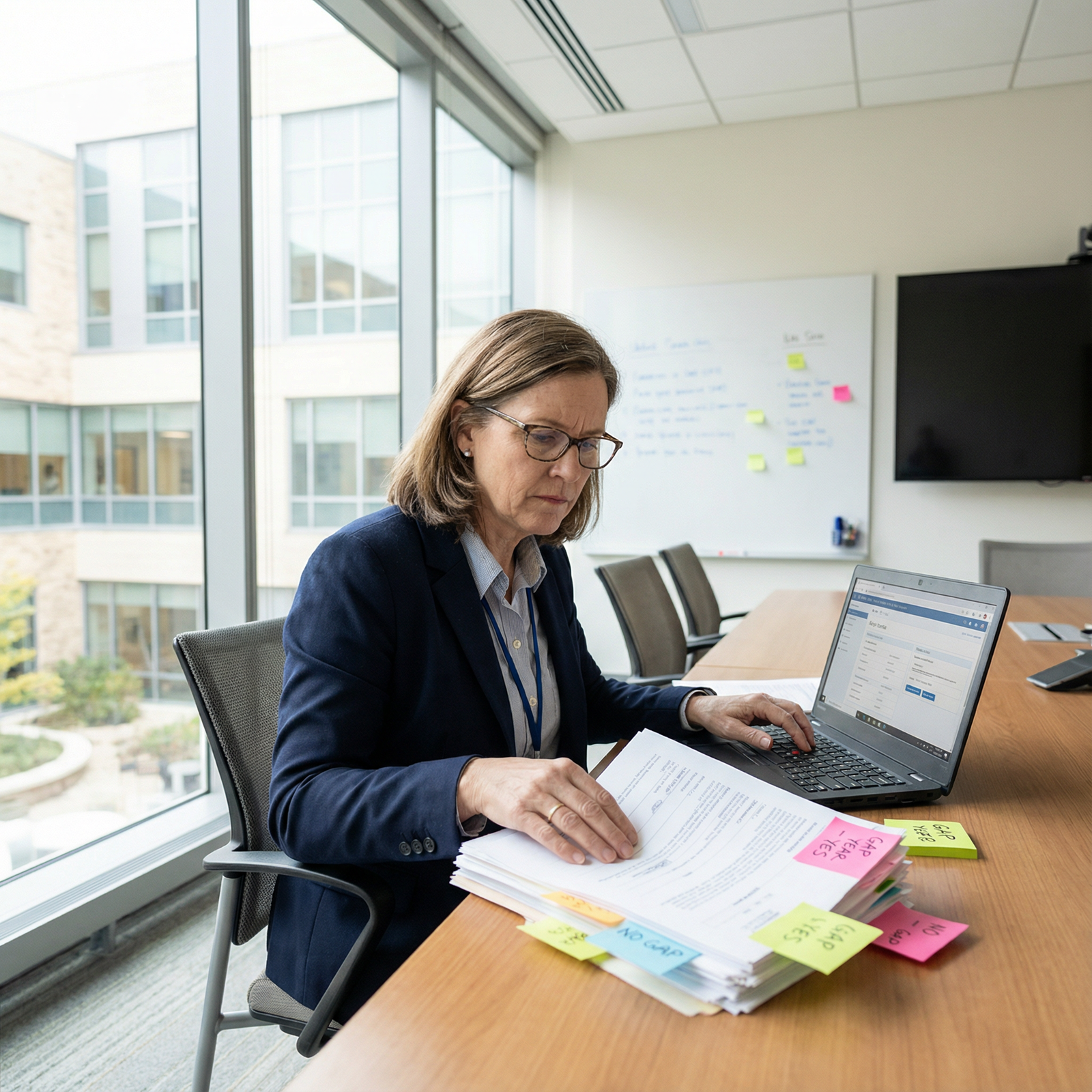
Introduction: Turning a Gap Year into a Strategic Career Investment
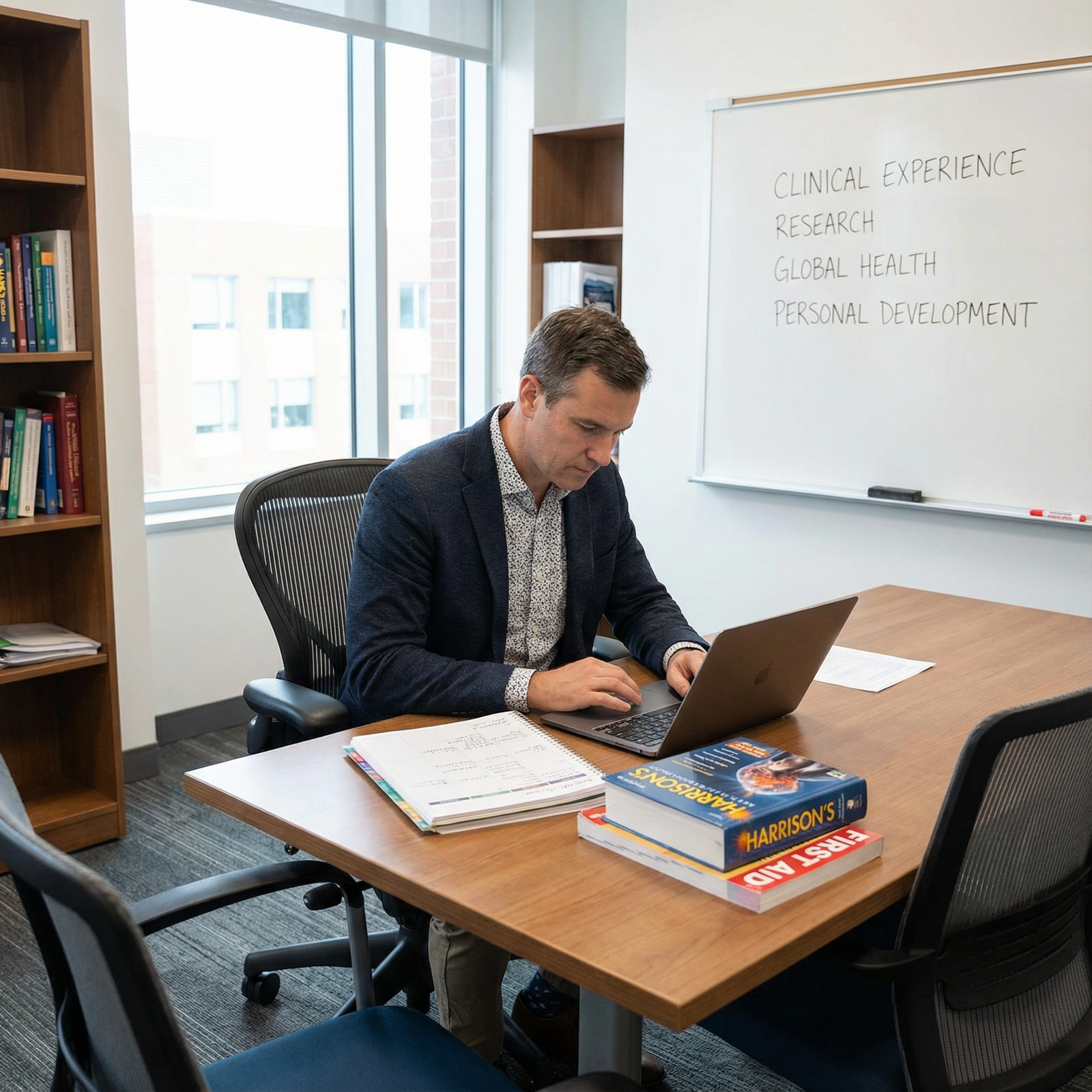
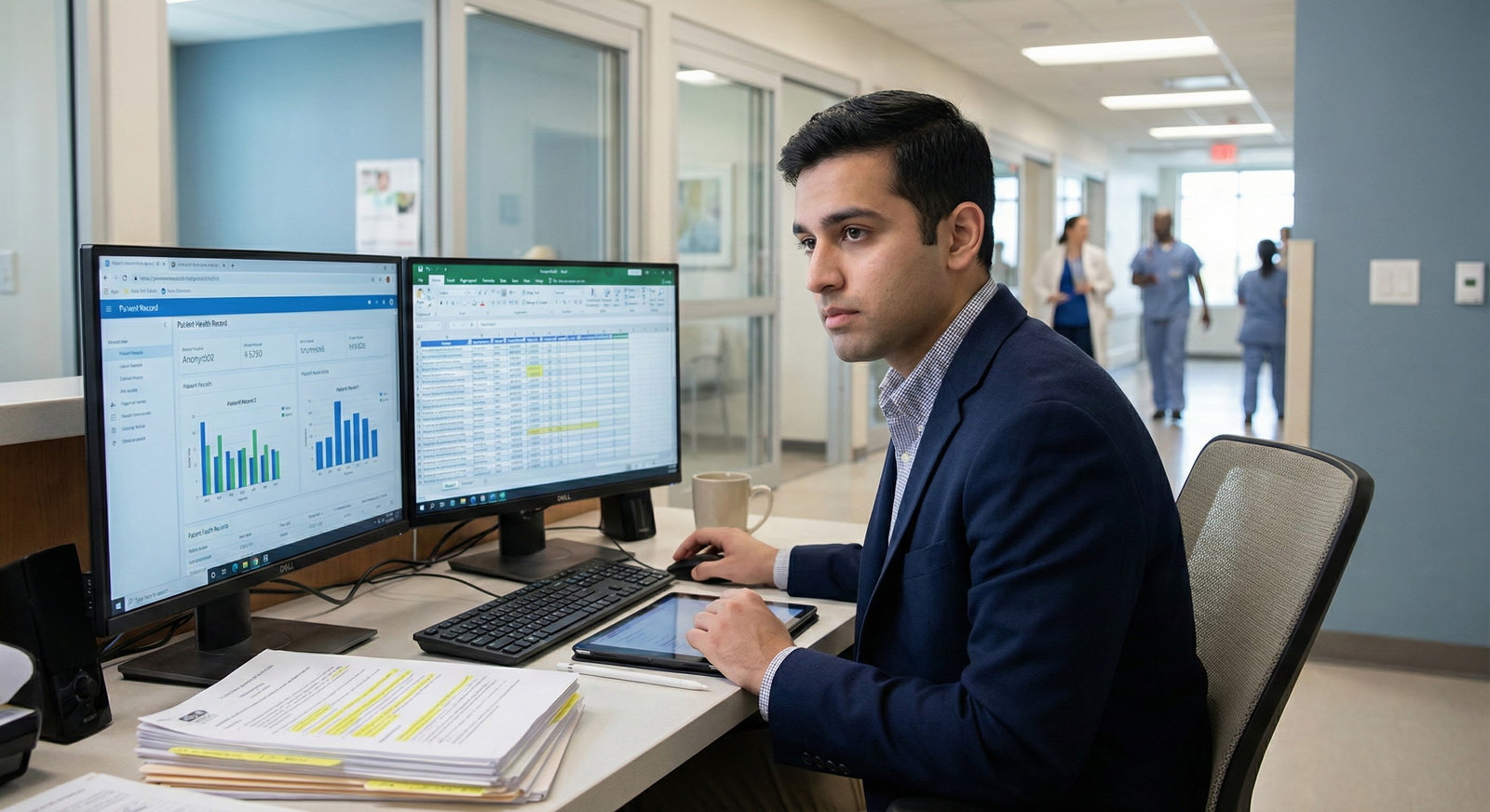
A gap year before residency can feel daunting, especially when peers progress straight into training. Yet, when used strategically, this time can become one of the most valuable phases of your medical education. Rather than a “pause” in your career, a well-planned gap year can be a high-yield period of skills enhancement, Professional Development, and focused career exploration.
Workshops and certifications are among the most impactful ways to structure a gap year. They help you build concrete, verifiable competencies that residency programs recognize and value. Beyond strengthening your residency application, these experiences can improve your confidence, clinical readiness, and clarity about the type of physician you want to become.
This guide will walk you through:
- Why a Gap Year can be advantageous before residency
- How targeted Workshops and Certifications support your Medical Education and career goals
- High-yield workshops and certifications to prioritize
- Practical tips for planning and integrating these experiences into your residency application narrative
By the end, you should have a clearer roadmap for transforming your gap year into a deliberate, powerful step toward the residency match.
Why Consider a Gap Year Before Residency?
A gap year is increasingly common among both U.S. and international medical graduates. Rather than being viewed negatively, residency program directors often appreciate candidates who can explain how they used this time to grow.
Personal and Professional Development Benefits
Personal Development and Maturity
A Gap Year can provide space to:- Reflect on your long-term goals and specialty interests
- Build emotional resilience and self-awareness
- Develop time management, self-directed learning, and leadership skills
These traits translate directly into better performance as a resident and team member.
Resilience and Adaptability
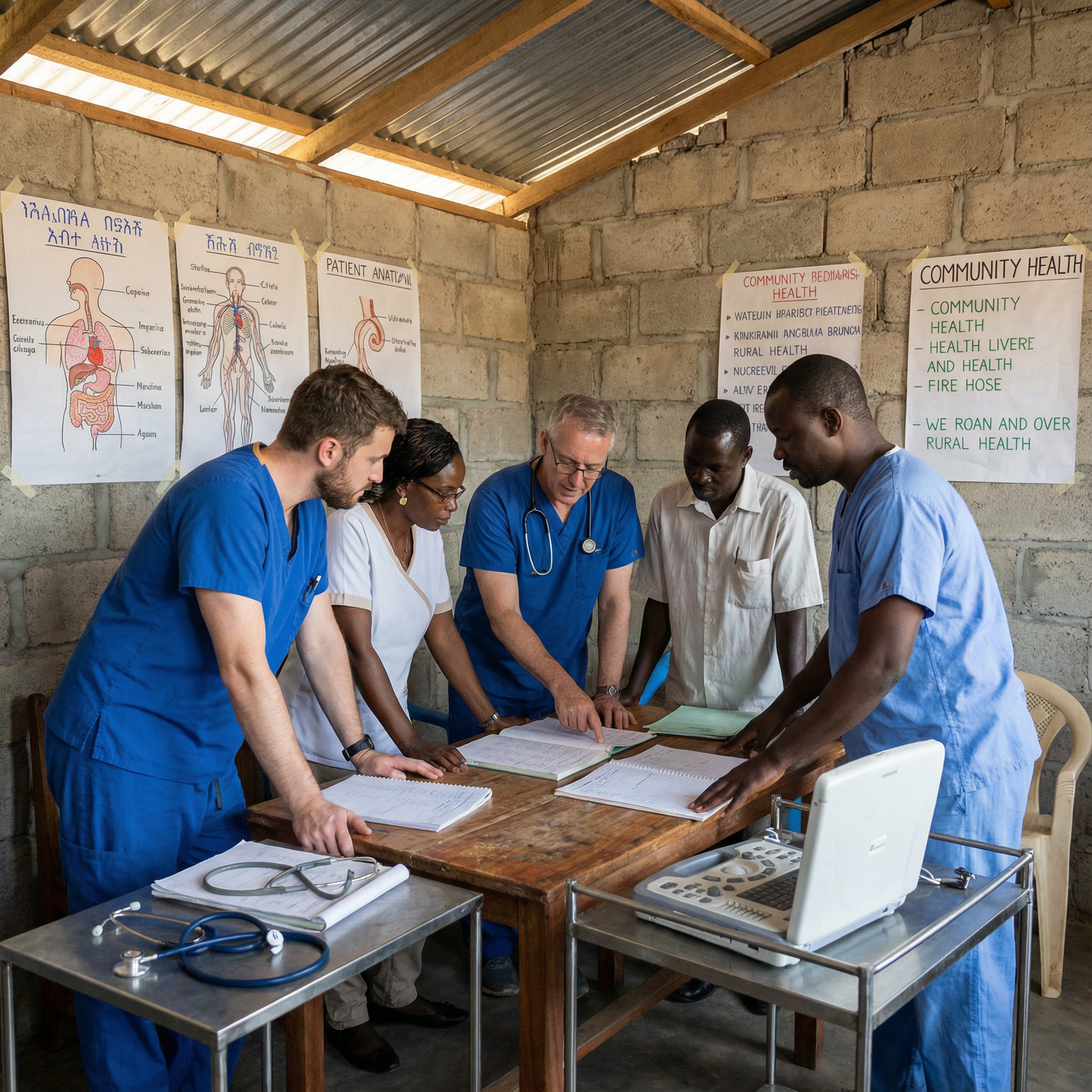
Stepping outside the traditional medical school structure—whether working in research, global health, telemedicine, or community projects—forces you to adapt. Experiences like:- Managing independent projects
- Navigating new healthcare systems
- Handling setbacks in research or exams
build resilience, a trait residency programs consistently rank as essential.
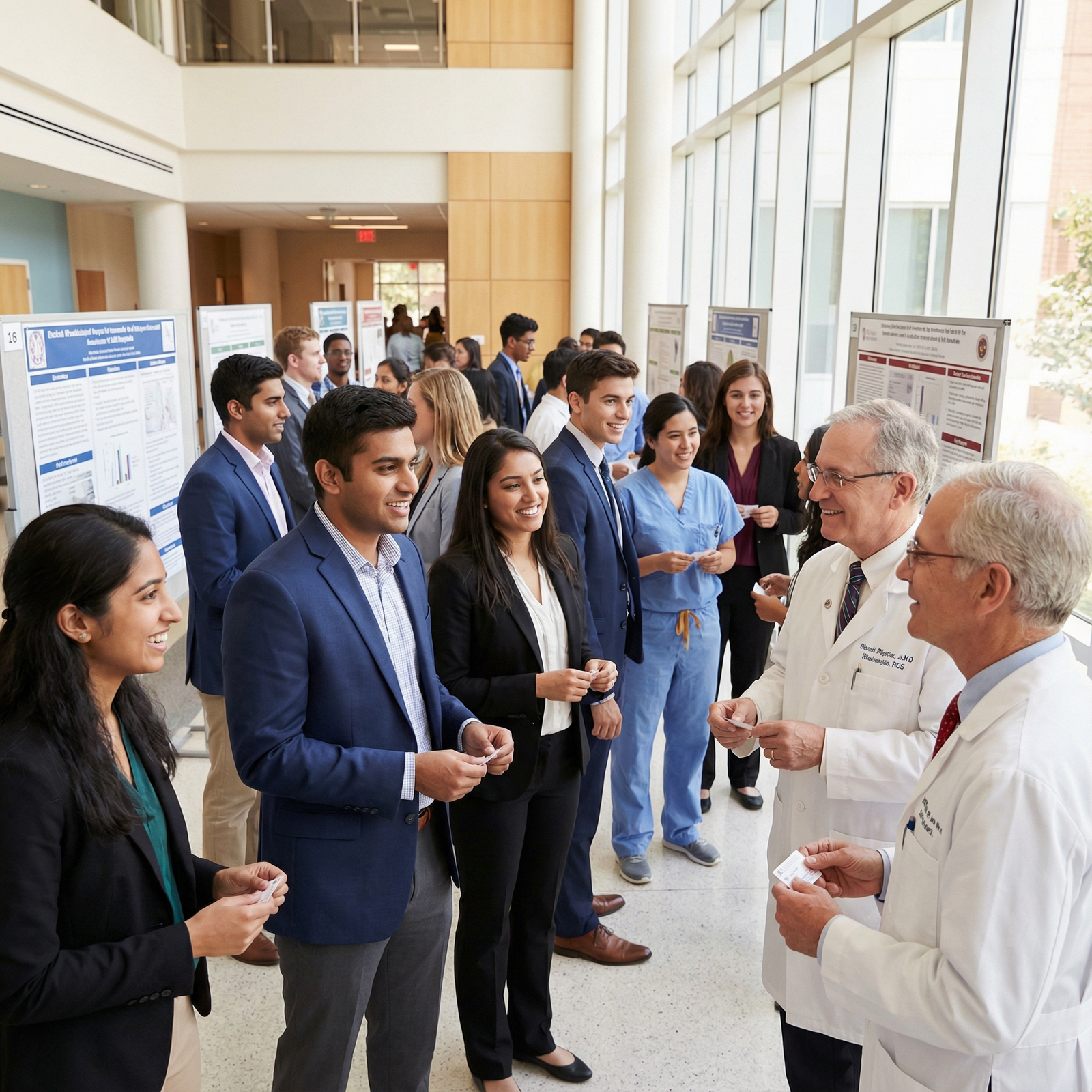
Networking and Mentorship
Workshops and certifications often connect you with:- Faculty and clinicians in your field of interest
- Researchers who may support publications or presentations
- Professional organizations that offer continued mentorship
These relationships can lead directly to strong letters of recommendation and future opportunities.
Enhanced Residency Applications
When thoughtfully chosen, your gap year activities:- Fill perceived gaps in your application (e.g., research, U.S. clinical experience, leadership)
- Provide concrete achievements: certificates, exam scores, workshops completed, and projects conducted
- Strengthen your personal statement and interview answers with real-world examples of growth and initiative
Residency programs are not simply seeking the highest scores—they want evidence of commitment, ongoing learning, and readiness for the demands of training. A strategic gap year can demonstrate all three.
Why Workshops and Certifications Matter in Medical Education
Workshops and certifications are powerful tools for skills enhancement because they transform your gap year from “time off” into structured Professional Development.
How They Strengthen Your Profile
Practical Clinical Skills
Many workshops provide hands-on practice in competencies you’ll use daily as a resident:- Resuscitation protocols
- Procedural skills (e.g., suturing, IV insertion, ultrasound basics)
- Communication with diverse patient populations
Specialized Knowledge in High-Demand Areas
Certifications in fields like Public Health, Telehealth, or Clinical Research highlight:- Your familiarity with evolving care models
- Your understanding of population health, data, and evidence-based practice
- Your ability to contribute beyond routine clinical care
Objective, Verifiable Credentials
Certificates from recognized organizations:- Look professional and concrete on your CV
- Offer credibility beyond “interests” or “exposure”
- Often require exams or skill demonstrations, signaling serious engagement
Evidence of Lifelong Learning
Residency selection committees favor candidates who:- Seek out learning opportunities independently
- Engage in workshops or courses outside required curricula
- Demonstrate consistent investment in Professional Development
Used strategically, workshops and certifications can help you “tell a story” of your gap year: what you chose to learn, why, and how it prepared you for residency.
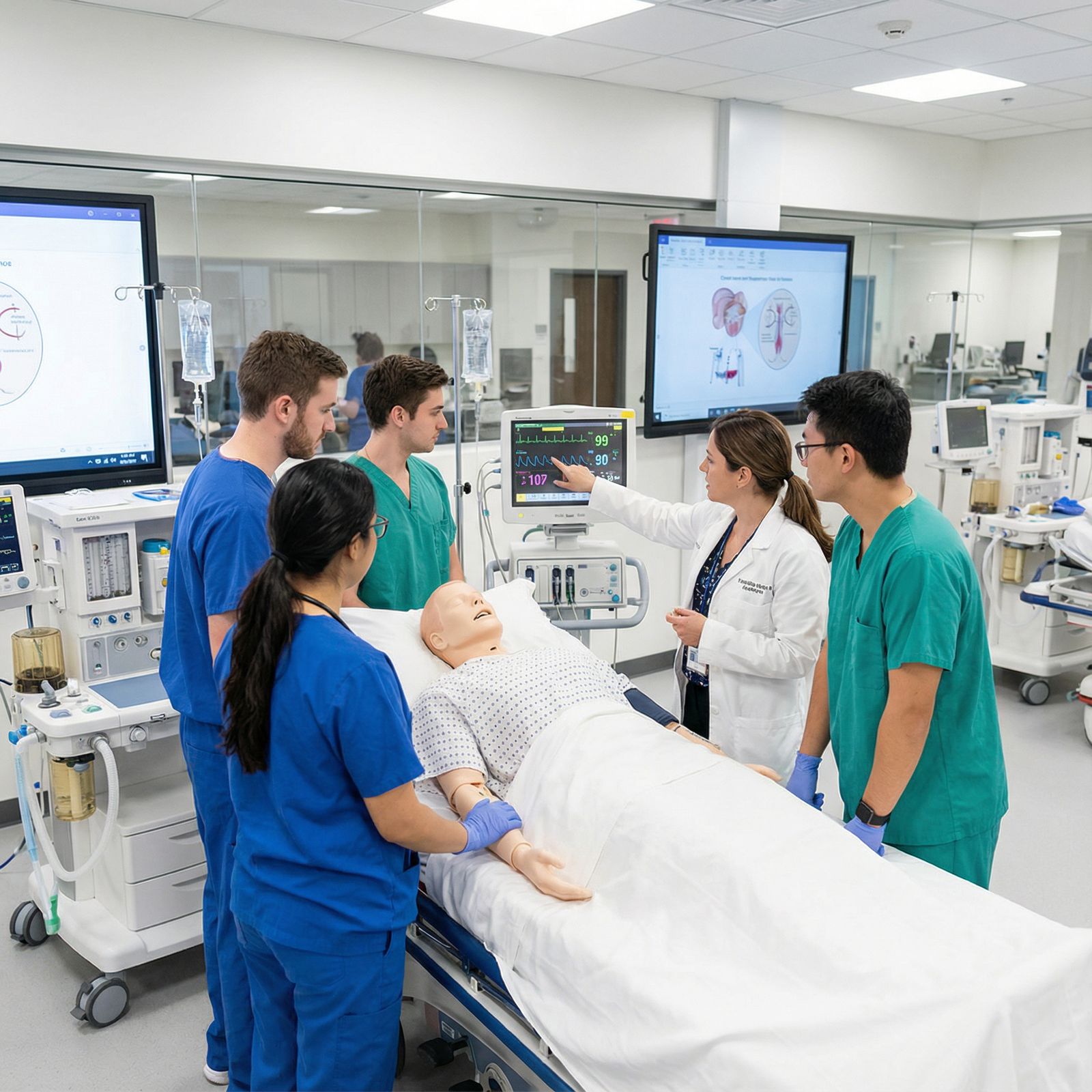
High-Impact Workshops to Prioritize During Your Gap Year
Not all workshops are equal in terms of relevance, depth, or recognition. Focus on those that are aligned with residency expectations and your career goals.
1. BLS and ACLS (and Beyond): Core Life Support Training
Basic Life Support (BLS) and Advanced Cardiac Life Support (ACLS) are foundational certifications for any clinician working in acute care.
Why They Matter
Universally Recognized and Often Required
Most hospitals and many residency programs expect incoming trainees to be current in BLS and often ACLS, especially in internal medicine, emergency medicine, anesthesia, and critical care.Immediate Clinical Relevance
These courses sharpen your ability to:- Recognize and respond to cardiac arrest and respiratory failure
- Work effectively in code situations
- Understand emergency algorithms that you’ll see on day one of residency
What You’ll Learn
BLS:
- High-quality adult, child, and infant CPR
- Use of Automated External Defibrillator (AED)
- Recognition of cardiac arrest, choking, and respiratory emergencies
ACLS:
- Advanced airway management
- Cardiac arrhythmia recognition and treatment
- Use of medications in resuscitation
- Team dynamics and leadership during codes
If your specialty interest is critical care, anesthesia, emergency medicine, or cardiology, consider additional certifications like PALS (Pediatric Advanced Life Support) or ATLS (Advanced Trauma Life Support) if eligible.
Where to Find
- American Heart Association (AHA)
- American Red Cross
- Hospital education departments
- Accredited training centers and simulation labs
2. Research Skills Workshops: Building Your Academic Profile
Engaging in research is one of the most effective ways to distinguish your application, especially for competitive specialties.
Why Research Workshops Are High-Yield
- They help you understand the full research process—from hypothesis to publication.
- They make you more efficient and valuable to a research team.
- They increase your chance of producing tangible outcomes (abstracts, posters, papers).
Typical Topics Covered
- Study design (retrospective vs prospective, RCTs, observational studies)
- Basic and intermediate biostatistics
- Research ethics and IRB applications
- Data management and analysis software (SPSS, R, STATA)
- Scientific writing for manuscripts and abstracts
- How to prepare a poster or oral presentation
Where to Find
- University research offices or clinical and translational science centers
- Medical school departments and summer research programs
- Professional societies (e.g., ACC, ATS, ACP, specialty-specific organizations)
- Online platforms offering research methodology courses (Coursera, edX, university extension programs)
Pro tip: Combine workshops with an actual project. Ask faculty, “I’ve completed training in research methods—are there ongoing projects I could contribute to?” This makes your new skills directly productive.
3. Medical Spanish and Other Clinical Language Workshops
As patient populations become more diverse, language and cultural competence have become core components of quality care.
Why Medical Spanish Is Especially Valuable
- Spanish is the second most commonly spoken language in the U.S.
- Effective communication reduces errors, improves adherence, and builds trust.
- Being able to perform at least basic history-taking and counseling in Spanish is a strong plus in many programs, especially in primary care, EM, OB/GYN, pediatrics, and psychiatry.
What a High-Quality Medical Language Workshop Should Offer
- Focused medical vocabulary and common clinical phrases
- Role-play of real patient encounters (history, consent, counseling, discharge)
- Cultural competence training: understanding beliefs, health literacy, and expectations
- Opportunities for conversation practice and feedback
Where to Find
- Community colleges and university language departments
- Language institutes with medical Spanish tracks
- Online platforms (Coursera, Udemy, edX) offering “Medical Spanish” or “Spanish for Healthcare Professionals”
- Hospital-based interpreter or language training programs
If you practice in areas with large populations speaking other languages (e.g., Mandarin, Arabic, Hindi), similar targeted language Workshops can be equally strategic.
4. Patient Advocacy, Ethics, and Communication Workshops
Residency isn’t just about medical knowledge—it’s also about judgment, professionalism, and communication.
Why These Workshops Matter
- Programs look for trainees who can navigate complex decisions and communicate clearly with patients and families.
- Ethical lapses or poor communication are among the top issues in trainee evaluations.
- These workshops prepare you for real-world dilemmas that rarely have simple answers.
Topics Often Covered
- Core bioethical principles: autonomy, beneficence, nonmaleficence, justice
- Informed consent and shared decision-making
- End-of-life care discussions and advanced directives
- Managing conflicts with patients, families, or healthcare teams
- Advocating for vulnerable populations and addressing health disparities
Where to Find
- American Medical Association (AMA) seminars and online modules
- Hospital ethics committees and grand rounds
- Specialty society ethics workshops
- University centers for bioethics or medical humanities
Being able to discuss a specific ethics or advocacy workshop in your interview—along with a case that challenged your thinking—can leave a strong impression.
Strategic Certifications to Consider in Your Gap Year
Certifications require deeper commitment and often formal assessment. They can significantly differentiate your CV, especially when aligned with your long-term interests.
1. Certification in Public Health (CPH) or Related Public Health Training
For those interested in population health, policy, primary care, or academic medicine, Public Health training is a strong asset.
Why Public Health Credentials Are Valuable
- They show you can think beyond the individual patient to communities and systems.
- They position you to engage in quality improvement, community outreach, or policy work.
- Public health frameworks are central to preventive medicine, primary care, and global health.
What You’ll Learn
- Epidemiology and biostatistics
- Health policy and healthcare systems
- Social determinants of health and health disparities
- Program design and evaluation
- Environmental and occupational health fundamentals
Where to Find
- Certified in Public Health (CPH) exam via the National Board of Public Health Examiners (NBPHE), typically after completing an MPH or equivalent coursework
- Short public health certificates or online programs (e.g., Johns Hopkins, Harvard, UNC, etc.)
- University-based post-baccalaureate public health programs
If a full CPH path is too long for your gap year, shorter, focused Public Health certificates can still significantly strengthen your profile.
2. Certified Clinical Research Associate (CCRA) and Related Research Credentials
If you envision a career that includes clinical trials or industry collaboration, a research-related certification can be especially valuable.
What CCRA and Similar Credentials Demonstrate
- Advanced understanding of Good Clinical Practice (GCP) and regulatory requirements
- Familiarity with clinical trial phases and study conduct
- Ability to monitor data quality and ensure protocol adherence
Where to Find
- Association of Clinical Research Professionals (ACRP) – CCRA and other certifications
- Society of Clinical Research Associates (SOCRA) – Certified Clinical Research Professional (CCRP)
- University-based clinical research certification programs
These credentials are particularly useful if you’re taking a gap year in a research-intensive environment or considering a physician–scientist pathway.
3. Certification in Nutrition Support (CNSC) or Applied Nutrition Training
Nutrition is central to almost every specialty—but often underemphasized in core medical curricula.
Why Nutrition Training Helps
- Malnutrition, obesity, and diet-related chronic disease are pervasive.
- Many patients ask nutrition-related questions that clinicians struggle to answer confidently.
- In specialties like internal medicine, surgery, critical care, and pediatrics, understanding enteral and parenteral nutrition is essential.
What You’ll Learn
- Principles of macro- and micronutrient requirements
- Nutrition assessment and screening in clinical settings
- Enteral and parenteral nutrition indications and complications
- Counseling strategies for lifestyle and dietary change
Where to Find
- National Board of Nutrition Support Certification (NBNSC) – CNSC (often pursued by those with specific experience in nutrition support, but related coursework is open more broadly)
- University nutrition departments and medical nutrition courses
- Online nutrition courses targeted at healthcare professionals
Even if you do not qualify yet for the CNSC exam, completing robust Clinical Nutrition courses can be highly valuable.
4. Wilderness Medicine Certifications
If you are drawn to emergency medicine, sports medicine, military medicine, or global health, Wilderness Medicine can be a unique differentiator.
Skills Gained
- Assessment and stabilization of patients in resource-limited settings
- Management of environmental injuries: hypothermia, heat stroke, altitude illness, bites, and stings
- Improvised splinting, transport, and evacuation strategies
Where to Find
- Wilderness Medical Society
- Wilderness Medicine courses through various accredited providers
- Some university-affiliated outdoor medicine programs
These certifications not only enhance your skill set but also demonstrate adaptability and comfort in challenging environments.
5. Telehealth Certification and Digital Health Training
Telemedicine is now embedded in modern healthcare delivery.
Why Telehealth Certification Is Timely
- Many residency programs now include telehealth rotations or clinics.
- Understanding virtual care etiquette, legal considerations, and documentation standards is increasingly expected.
- Demonstrates that you are prepared for technology-integrated models of care.
Core Topics
- Technical setup and best practices for virtual visits
- Privacy, security, and HIPAA considerations in telehealth
- Remote patient monitoring tools and integration into care plans
- Communication skills specific to virtual encounters
Where to Find
- Professional medical education organizations specializing in telehealth
- University-based digital health or telemedicine certificate programs
- Continuing Medical Education (CME) providers with telehealth tracks
Mentioning concrete Telehealth training in your application shows awareness of where healthcare is heading and positions you as a future-ready clinician.
Making the Most of Your Gap Year: A Strategic Plan
Simply collecting workshops and certifications is not enough. The key is intentional planning and integration with your overall residency strategy.
1. Clarify Your Goals Early
Ask yourself:
- What are my top 1–2 target specialties?
- What are the weaknesses or gaps in my current application (e.g., research, USCE, scores, leadership)?
- What skills or experiences would meaningfully strengthen my narrative for those specialties?
Use the answers to guide which Workshops and Certifications you prioritize.
2. Build a Structured Timeline
Organize your gap year into phases:
Phase 1 (Months 1–3):
- Core certifications (BLS/ACLS, Telehealth basics)
- Initial research or clinical observership arrangements
Phase 2 (Months 4–8):
- Deeper skills: Research workshops, Public Health or Nutritional certifications
- Begin or continue research projects, posters, or manuscripts
Phase 3 (Months 9–12):
- Application-focused: final workshops, mock interviews, personal statement writing
- Update CV to highlight completed certifications and workshops
- Request letters of recommendation based on your gap year work
3. Document and Reflect on Your Learning
Keep a simple Professional Development log:
- Workshop/certification name and provider
- Dates and duration
- Key skills learned
- How you applied or plan to apply those skills
This log becomes a goldmine for:
- Updating your CV
- Writing specific, compelling experiences in your personal statement
- Preparing for “Tell me about your gap year” in interviews
4. Network Intentionally
During each workshop or certification:
- Introduce yourself to instructors and faculty.
- Ask for advice about aligning your goals with additional training.
- Follow up with a concise email and request to stay in touch.
Strong mentors can later provide:
- Letters of recommendation
- Research or quality improvement project opportunities
- Honest advice about your specialty and career direction
5. Maintain Balance and Well-Being
A gap year is also a chance to:
- Recover from burnout
- Solidify healthy habits (exercise, sleep, stress management)
- Explore hobbies and interests that you can continue into residency
Residency programs increasingly value well-rounded, emotionally healthy applicants. Do not underestimate the importance of wellness in your long-term success.

Frequently Asked Questions (FAQ)
1. Will taking a Gap Year hurt my chances of matching into residency?
Not if you use it well and explain it clearly. A thoughtfully structured Gap Year focused on skills enhancement, Workshops, Certifications, research, or relevant clinical exposure is often seen as a strength. Be prepared to:
- Explain why you chose the Gap Year
- Describe what you did specifically (with tangible outcomes)
- Connect those experiences to how they made you a stronger residency candidate
Programs are more concerned about unexplained inactivity or lack of professional engagement, not about the mere presence of a gap year.
2. Are online workshops and certifications viewed as legitimate by residency programs?
Yes, many online programs are reputable and widely respected, especially those offered by:
- Major universities or academic medical centers
- Recognized professional societies (e.g., AMA, ACP, AHA)
- Established platforms partnering with universities (Coursera, edX, etc.)
What matters most is:
- The quality and recognition of the provider
- The relevance of the content to your career goals
- How well you can articulate what you learned and how you applied it
Be selective—prioritize accredited or well-known providers when possible.
3. How many certifications should I pursue during my Gap Year?
Aim for quality and coherence, not sheer quantity. A focused set of 3–6 meaningful workshops and 1–3 substantial certifications is often more impressive than a long list of short, unrelated courses.
Choose experiences that:
- Align with your target specialties
- Address clear gaps in your application
- Build on each other to tell a coherent story (e.g., Public Health + research + advocacy for internal medicine; BLS/ACLS + wilderness medicine for EM; Telehealth + Medical Spanish for primary care)
4. How can I highlight my gap year activities effectively in my residency application?
Use multiple components of the application:
- ERAS/CV: List workshops and certifications clearly with provider, date, and a concise description.
- Experience entries: Describe major projects, research roles, or teaching positions that arose from your gap year training.
- Personal statement: Share 1–2 key gap year experiences that changed your thinking or prepared you for residency.
- Interviews: Practice a 1–2 minute structured answer to “What did you do during your gap year?” that connects your activities to your future as a resident physician.
5. What if I’m limited by finances—how can I still enhance my skills?
Financial constraints are common, and many resources exist:
- Look for scholarships or fee waivers from professional organizations.
- Explore free or low-cost online courses (e.g., open courseware, free public health or research MOOCs).
- Utilize hospital-based or university-based workshops that may be free for trainees.
- Prioritize 1–2 high-impact, paid certifications (e.g., ACLS, core telehealth training) if possible and supplement with free resources.
Clearly showing that you maximized the opportunities available to you—regardless of budget—still sends a powerful message of initiative and resilience.
Used with intention, your gap year can become one of the most transformative chapters in your Medical Education. By selecting Workshops and Certifications that align with your specialty interests and long-term goals, you can transform this time into a structured period of Professional Development that meaningfully boosts your residency application—and your readiness to care for patients from day one.