
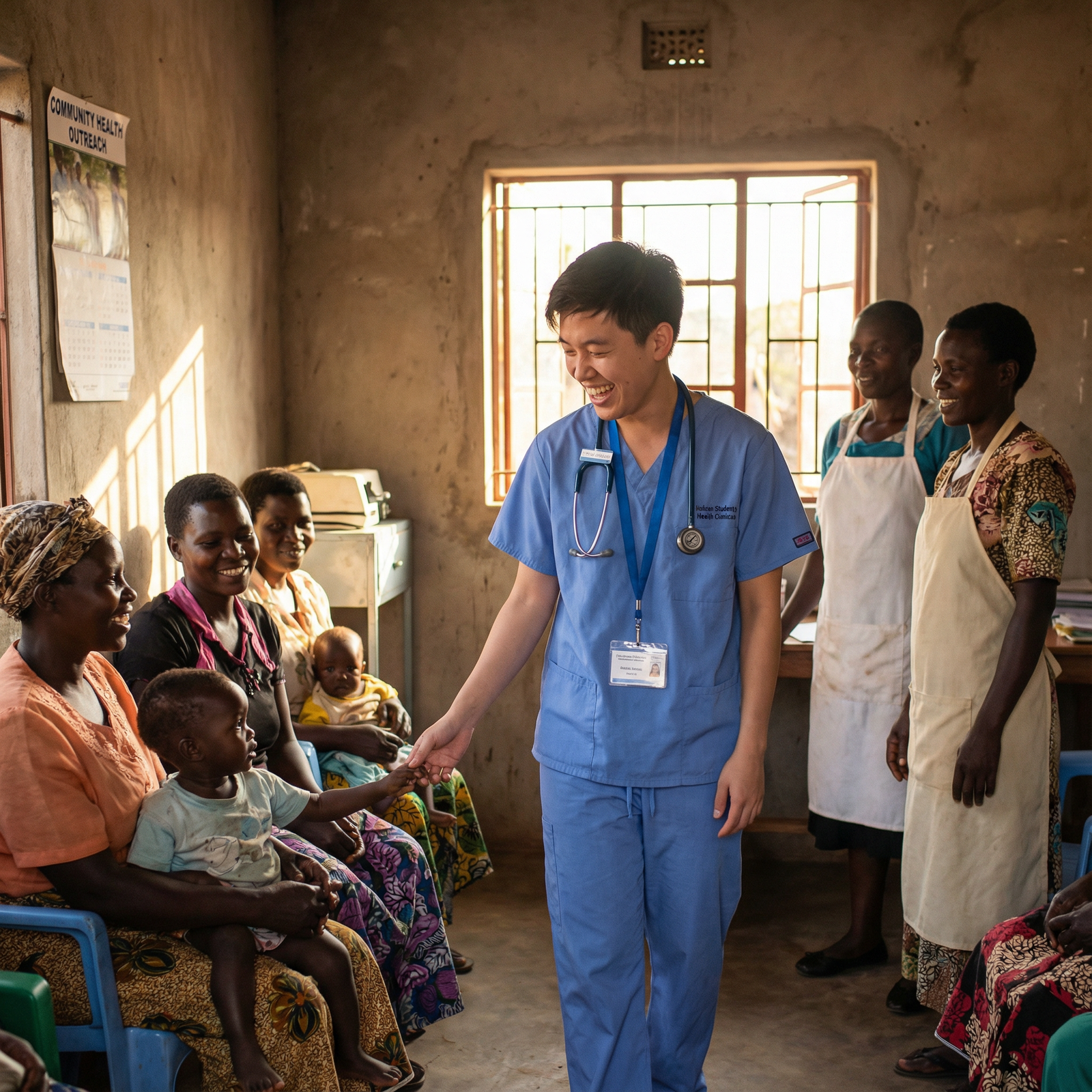
Introduction: Turning a Gap Year into a Strategic Career Move
In today’s competitive world of medical education and residency selection, a Gap Year is no longer seen as “time off.” When used intentionally, it becomes a powerful phase of career development, personal growth, and skill-building that can significantly strengthen your residency application.
For many medical students and recent graduates, a Gap Year between medical school and residency—or between pre-med and medical school—offers a rare chance to step outside traditional training environments. Purposeful travel, especially when linked to Volunteering, research, and Healthcare-related experiences, can transform your CV from solid to standout.
This guide explains how to travel with intention during a Gap Year, align your experiences with your long-term goals, and clearly showcase those experiences in your residency applications and interviews.
Understanding the Gap Year in Modern Medical Education
What Is a Gap Year in the Medical Training Path?
A Gap Year in medicine typically refers to a structured pause in formal training, often taken:
- Between undergraduate studies and medical school
- During medical school (e.g., after pre-clinical years or between 3rd and 4th year)
- Between medical school graduation and residency start
Far from being a red flag, a well-planned Gap Year can demonstrate maturity, self-awareness, and initiative—provided you use it purposefully and can articulate your reasons clearly.
Why Traveling During a Gap Year Can Be So Valuable
Not all Gap Years involve travel, but combining travel with meaningful work can yield particularly rich experiences. Thoughtfully planned travel can:
Cultivate essential physician skills
- Adaptability in unfamiliar environments
- Cross-cultural communication with patients and teams
- Problem-solving when resources are limited
- Resilience under stress and uncertainty
Expand your professional network
- Mentors in global health, public health, and clinical specialties
- Collaborators for future research
- Contacts in NGOs, academic centers, and international organizations
Deepen your understanding of healthcare systems
- Witness different models of care delivery
- Learn how social determinants of health play out globally
- See firsthand how resource limitations impact patient outcomes
Shape your personal and professional identity
- Clarify what kind of physician you want to be
- Build confidence and independence
- Strengthen your commitment to service and equity
Residency programs increasingly value applicants who bring a broader perspective on Healthcare, health systems, and patient populations—especially if they can reflect on these experiences thoughtfully.
Planning a Purposeful Travel Gap Year: Strategy Before Suitcases
Purposeful travel means that every major activity during your Gap Year can be traced back to concrete career development goals. Before you book flights, invest time in planning.
Step 1: Define Your Primary Goals
Ask yourself what you want your Gap Year to accomplish. Common goal categories include:
Clinical exposure
- Understanding healthcare in low-resource or different cultural settings
- Building comfort with diverse patient populations
Research and academic productivity
- Gaining experience with study design and data analysis
- Publishing abstracts, posters, or manuscripts
Skills and competencies
- Language acquisition (e.g., Spanish for U.S. clinical practice)
- Leadership and project management
- Teaching and health education
Personal growth and wellness
- Preventing burnout before residency
- Developing resilience and self-awareness
- Exploring long-term interests like global health or public health
Write these goals down. You’ll use them later when crafting your personal statement and interview answers.
Step 2: Choose a Primary Focus… and a Few Secondary Ones
Purposeful Gap Year travel doesn’t mean you must be “working” nonstop. However, it’s useful to have a primary focus such as:
- Global health volunteering
- International research
- Public health or NGO internships
- Language and cultural immersion with clinical shadowing
Then add 1–2 secondary focuses (e.g., language learning plus research; or volunteering plus wellness and reflection).
Step 3: Prioritize Structure and Accountability
Residency programs will look for organization, consistency, and impact in your Gap Year activities. Consider:
Affiliations
- Universities or academic medical centers
- Established NGOs or global health organizations
- Recognized volunteer or fellowship programs
Deliverables
- Research papers, abstracts, posters
- Program evaluations or quality improvement projects
- Curriculum or educational materials you developed
Having tangible outcomes strengthens your CV and makes your experience easier to explain.
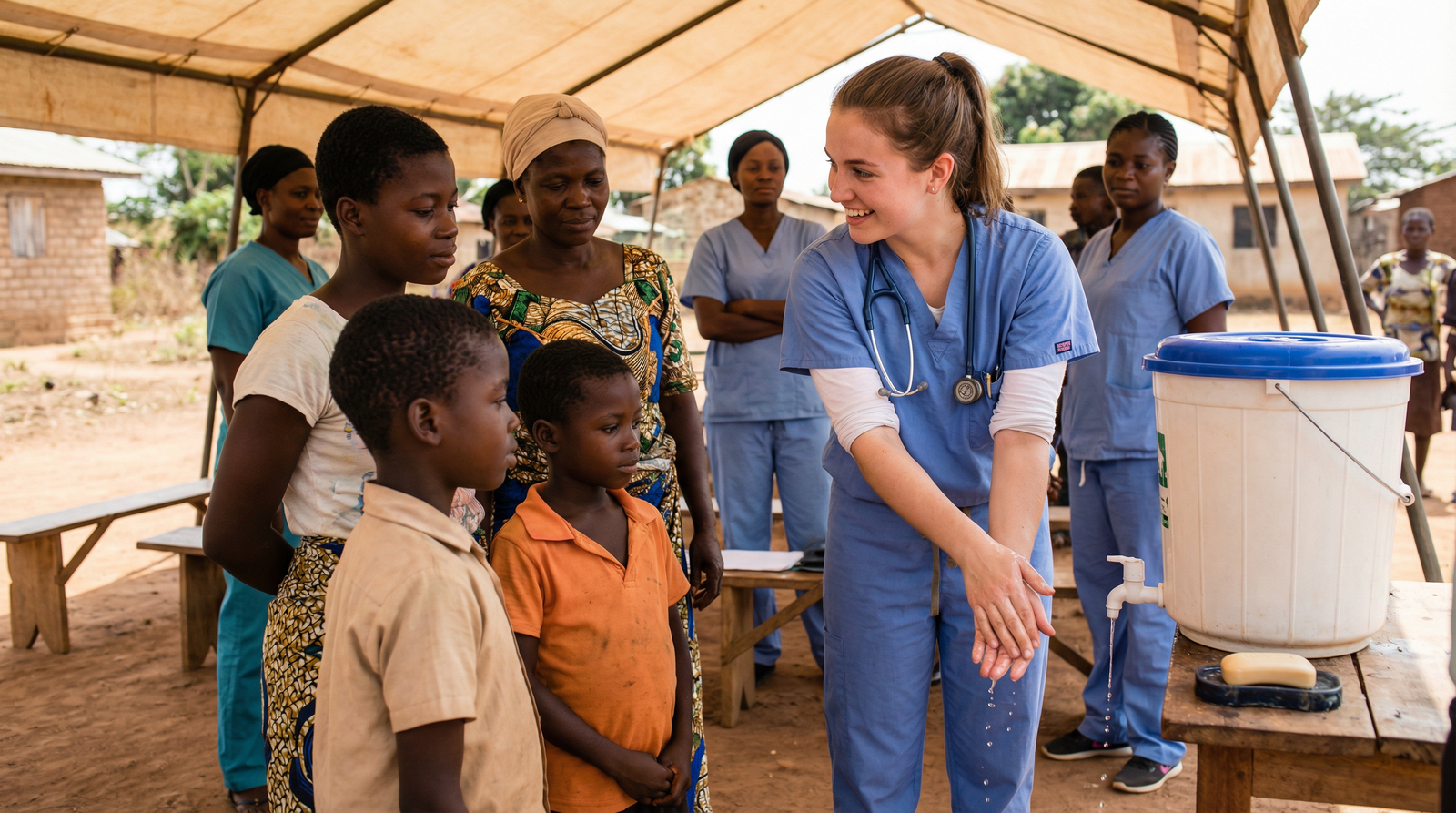
High-Impact Ways to Use Travel During Your Gap Year
1. Volunteering in Healthcare and Global Health Settings
Purposeful Volunteering can be the cornerstone of a strong Gap Year, but it must be done ethically and responsibly.
Types of Roles to Consider
Clinical support (within your scope)
- Assisting local clinicians with triage, health education, and translations
- Participating in mobile clinics or vaccination campaigns
Public health and community health
- Working with NGOs on health promotion and disease prevention
- Assisting with data collection for surveillance or program evaluation
Health education and capacity building
- Designing or delivering patient education sessions
- Supporting local staff with training materials or workshops
Ethical Considerations
- Never provide care beyond your level of training or local licensure.
- Avoid organizations that rely on short-term foreign volunteers to deliver core clinical services without sustainable local partnerships.
- Look for programs that emphasize capacity building, cultural humility, and local leadership.
Example: Volunteering with Global Health Initiatives
Emily, a graduating medical student, spent a Gap Year with a reputable NGO in rural East Africa. She:
- Assisted with community-based hypertension and diabetes screening
- Helped develop a simple flip-chart curriculum on nutrition and chronic disease
- Collected data for a quality improvement project on clinic follow-up rates
In her residency applications, Emily framed this experience around:
- Learning to work in interprofessional teams
- Understanding barriers to chronic disease management in low-resource settings
- Strengthening her interest in primary care and health equity
Residency interviewers repeatedly asked about this experience—giving her the chance to demonstrate maturity, cultural sensitivity, and commitment to underserved populations.
2. Pursuing Research and Scholarly Work Abroad
A Gap Year is also an opportunity to develop your academic profile through research linked to global or local healthcare issues.
Types of Research to Pursue While Traveling
Clinical or outcomes research
- Studies on treatment outcomes in low-resource settings
- Comparative analyses of care delivery models
Public health and epidemiology
- Disease prevalence, risk factors, or outbreak investigations
- Program evaluations for vaccination, maternal health, or HIV care
Implementation science and health systems research
- Interventions to improve adherence, access, or quality of care
- Task-shifting, telemedicine, or community health worker models
Cultural and social determinants research
- How cultural beliefs influence health-seeking behavior
- The impact of migration, poverty, or gender roles on health outcomes
Finding and Securing Research Opportunities
- Connect with faculty at your home institution who work in global health or international collaborations.
- Look for funded research fellowships (e.g., Fogarty, Fulbright, institutional global health fellowships).
- Ask potential mentors specific questions:
- What will my role be?
- What skills will I gain?
- Are there realistic opportunities for authorship or presentations?
Example: Research That Leads to Tangible Output
Jordan took a Gap Year to work on a maternal health project in Southeast Asia. His responsibilities included:
- Collecting data on antenatal visit attendance and barriers to care
- Conducting structured interviews with pregnant women and midwives
- Collaborating on data analysis with a biostatistics mentor
This work led to:
- A first-author abstract at a national conference
- A co-authored manuscript in a global health journal
On his CV and ERAS application, Jordan listed:
- “Research Experience” with clear bullet points of his responsibilities
- “Publications and Presentations” with properly formatted citations
Programs took note of his sustained commitment, academic productivity, and alignment with his stated interest in OB/GYN and women’s health.
3. Engaging in Educational Programs and Structured Training Abroad
Your Gap Year travel doesn’t have to be unstructured. Well-chosen educational programs can give your medical education a global dimension.
Types of Educational Experiences
Internships with NGOs or public health organizations
- Roles in project management, monitoring and evaluation, or health communication
- Opportunities to design or support health campaigns
Formal courses and certifications
- Short courses in tropical medicine, global health, or disaster medicine
- Online or in-person public health courses (e.g., epidemiology, biostatistics)
Language and cultural competency programs
- Intensive language courses with homestays
- Courses in medical Spanish or other clinically relevant languages
Example: Combining Coursework and Service
Lisa organized her Gap Year in South America around:
- A 3-month tropical medicine course linked to a local university
- A part-time internship with a community health NGO
- Spanish language classes and a homestay
She gained:
- In-depth exposure to diseases she’d rarely seen in her home country
- A stronger foundation in epidemiology and vector-borne disease control
- Working proficiency in Spanish, later crucial in her U.S.-based residency
In her personal statement, she connected these experiences to her long-term interest in infectious diseases and caring for immigrant and refugee populations.
4. Deep Cultural and Language Immersion with Healthcare Context
Residency programs increasingly value cultural humility and language skills. Travel solely for tourism is unlikely to impress, but immersive experiences that make you a better future physician can be highly impactful.
Valuable Immersion Activities
Language mastery with clinical relevance
- Spanish in Spain or Latin America for U.S. practice
- French in West Africa or Canada
- Other regionally important languages depending on your future practice locale
Cultural exchange with health-related involvement
- Volunteering at community centers or public hospitals as an observer
- Teaching health education in schools or community groups (within your training level)
Example: Language Immersion That Translates to Residency
Michael spent 9 months in Spain in a formal Spanish immersion program and:
- Achieved advanced proficiency in medical Spanish
- Volunteered at a community health center as a bilingual health educator
- Shadowed local physicians to understand how cultural norms influence care
When applying to internal medicine residency programs in the U.S., he highlighted:
- His ability to conduct basic clinical interviews in Spanish
- His understanding of cultural nuances that affect adherence and trust
- His commitment to serving Spanish-speaking communities
Programs with large Spanish-speaking patient populations saw immediate value in his Gap Year.
Presenting Your Gap Year Travel on Your CV and ERAS Application
Your Gap Year will only help you if residency programs can quickly understand:
- What you did
- Why you did it
- What you learned
- How it changed you as a future physician
Structuring Your CV for a Gap Year
A clear, organized structure might look like this:
- Contact Information
- Education
- Gap Year Experience (Travel and Global Health)
- Research Experience
- Volunteer and Community Service
- Publications, Abstracts, and Presentations
- Honors and Awards
- Skills (languages, certifications, leadership, technical)
- Professional Memberships and Activities
You can create a dedicated “Global Health & Gap Year Experience” or “International Experience” section to showcase the intentional nature of your activities.
Writing Strong Experience Entries
Be specific, concise, and impact-focused. Avoid vague descriptions like “volunteered in clinics abroad.”
Example Entry for Gap Year Global Health Experience
Global Health Volunteer
Volunteer Medical Clinic, Rural Zambia
January 2023 – December 2023
- Assisted local clinicians with triage, basic health assessments, and patient education in a primary care clinic serving ~150 patients/week.
- Co-developed and delivered a 6-session hypertension and diabetes education program for community health workers.
- Collected and analyzed data on follow-up visit adherence, contributing to a clinic quality improvement initiative that increased follow-up rates by 20%.
Linking Your Gap Year to Your Future Specialty
Whenever possible, connect your Gap Year experiences to your specialty interests:
- Internal Medicine / Family Medicine: Chronic disease management, primary care in underserved settings, continuity of care.
- Pediatrics: Child health campaigns, vaccination initiatives, school-based health education.
- OB/GYN: Maternal health, family planning, prenatal care in resource-limited contexts.
- Emergency Medicine: Disaster response, acute care settings, prehospital systems.
- Psychiatry: Mental health stigma across cultures, community-based mental health programs.
Use these themes intentionally in your personal statement, supplemental ERAS essays, and interviews.
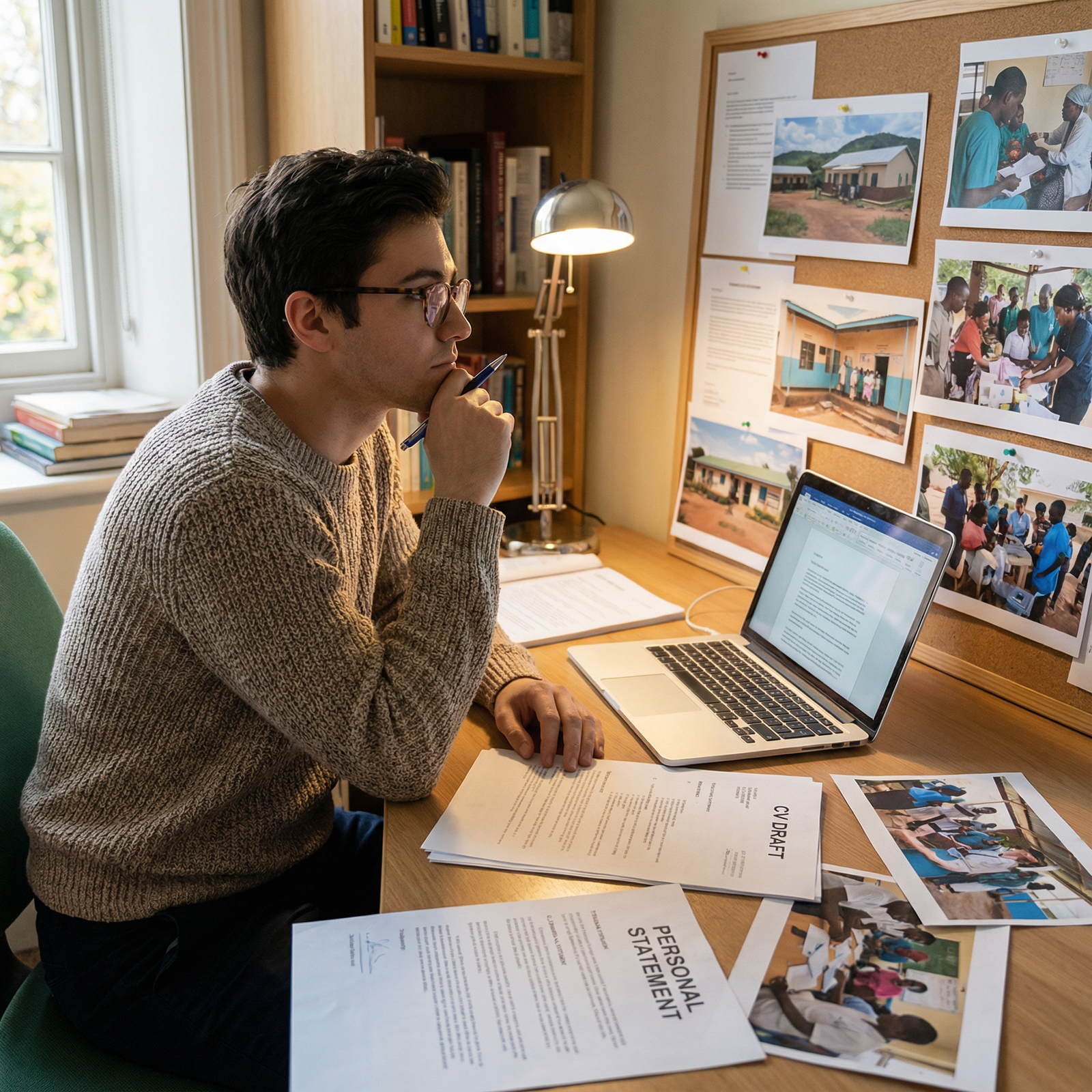
Practical Tips for a Successful and Safe Gap Year Abroad
Start Planning Early
- Ideally begin planning 9–12 months before your intended start date.
- Secure mentors, program placements, and funding in advance.
- Coordinate with your medical school or institution to ensure academic requirements and documentation are met.
Consider Funding and Budgeting
Purposeful travel can be costly, but many funding sources exist:
- Global health scholarships and fellowships
- Institutional travel grants
- Research funding through mentors or departments
- External grants (e.g., Fulbright, Fogarty, Rotary, regional global health organizations)
Create a realistic budget including:
- Program fees
- Housing and food
- Travel and visas
- Health insurance and travel insurance
- Emergency funds
Prioritize Safety and Health
- Register with your country’s travel registration program (if available).
- Check travel advisories, immunization requirements, and necessary prophylaxis.
- Obtain comprehensive health and evacuation insurance.
- Receive pre-travel counseling from a travel medicine clinic.
Maintain Professionalism and Boundaries
Remember that even during a Gap Year, you are representing the medical profession:
- Respect local staff, systems, and cultural norms.
- Seek supervision and feedback regularly.
- Be honest about your level of training and avoid practicing beyond your competence.
- Protect patient privacy and dignity in any photos or stories you share.
Frequently Asked Questions About Gap Year Travel Before Residency
1. Is taking a Gap Year before residency viewed negatively by programs?
Not if it’s intentional and well-explained. Most residency programs are comfortable with—often impressed by—Gap Years that clearly demonstrate:
- Ongoing engagement with medicine or public health
- Thoughtful career development and skill-building
- Personal growth and maturity
Issues arise only when there are large, unexplained periods of inactivity or when applicants cannot articulate what they gained from the time away.
2. How do I talk about my Gap Year travel during residency interviews?
Use a structured approach like STAR (Situation, Task, Action, Result):
- Situation: Briefly describe the setting (e.g., rural clinic, NGO project, language program).
- Task: Explain your role or the problem you were addressing.
- Action: Detail what you did, focusing on skills used (communication, leadership, adaptability).
- Result: Share the outcome and, crucially, what you learned and how it will make you a better resident.
Be sure to connect your stories to competencies programs care about: teamwork, professionalism, cultural sensitivity, communication, and resilience.
3. What if my Gap Year wasn’t entirely focused on healthcare?
That’s acceptable—as long as you can show how your experiences contributed to your development. For example:
- Teaching English abroad → strengthened communication and teaching skills
- Working in a non-medical NGO → improved project management and leadership
- Intensive language study → enhanced ability to serve diverse patient populations
Highlight the transferable skills and be honest about portions that were primarily for personal rejuvenation, framing them in the context of preventing burnout and returning to training with renewed focus.
4. How can I find reputable global health or volunteering programs?
Look for:
- Established partnerships with universities or major NGOs
- Clear supervision structures and defined roles for trainees
- Long-term presence in the community rather than short-term “voluntourism”
- Transparent ethics policies about scope of practice and sustainability
Ask faculty in your medical school’s global health office, previous students who have done similar work, or use networks like Consortium of Universities for Global Health (CUGH) to identify vetted programs.
5. What are the biggest mistakes to avoid during a Gap Year abroad?
Common pitfalls include:
- Choosing programs that allow or encourage you to act beyond your training
- Failing to plan for funding, leading to premature return or financial stress
- Not documenting your experiences (no logs, reflections, or concrete outcomes)
- Treating the year as entirely unstructured travel without clear goals
- Neglecting to stay engaged with mentors and professional references
Avoid these by planning early, setting clear objectives, choosing ethically sound programs, and staying connected with mentors who can later write strong letters on your behalf.
Purposeful travel during a Gap Year can turn a standard application into a compelling narrative of growth, service, and global awareness. By aligning your experiences with your long-term goals in medical education and career development, and by presenting them clearly on your CV and in interviews, you can enter residency not just as a strong candidate—but as a more grounded, culturally competent, and resilient future physician.


