The fastest way to blow a pre-match offer is to say nothing and just silently panic.
You’re not crazy for being afraid to ask questions. You’re also not crazy for wondering if one wrong sentence will make the offer vanish and get you secretly blacklisted by every PD in the country. I’ve been around enough interview days, debriefs, and back-channel conversations to know: applicants wildly overestimate how fragile offers are, and underestimate how much programs expect some questions.
Let’s untangle what’s actually safe to ask about a pre-match offer—and what sets off alarm bells.
First: What Even Is a Safe Question?
Let’s be blunt: you’re scared of three things:
- They’ll pull the offer.
- They’ll decide you’re “high maintenance.”
- Word will spread and other programs will think you’re a problem.
Those are the nightmares running in the background while you stare at the draft email.
So here’s the baseline rule that programs actually operate on, even if they don’t say it out loud:
- Logistical, factual, and clarifying questions → almost always safe
- Commitment, leverage, or “what can you do for me” questions → where you can get burned
A pre-match offer, whether it’s SOAP, early contract (in places that allow it), or just “we intend to rank you very highly” kind of language, is already a signal: they like you enough to stick their neck out a bit.
They expect you to have questions. Nervous does not equal needy.
What You Can Safely Ask Without Sounding Like a Problem
Here’s the stuff that 99% of programs are totally fine with—and honestly, they’d be a little surprised if you didn’t ask at least a couple of these.
1. Clarifying the Actual Offer
Many offers are weirdly vague. You read it four times and still don’t fully know what you’re agreeing to.
Safe things to clarify:
- Is this a binding contract, letter of intent, or just strong interest?
- Is there a deadline to respond? Can I have that in writing?
- Will I still be part of the official Match, or is this outside the Match?
- If it’s outside the Match: will you withdraw me from NRMP, or do I need to do that?
These are normal, adult questions. Not red flags.
You can frame it like:
“Thank you so much for the offer—this is truly exciting for me. I just want to make sure I fully understand the details before I respond. Could you clarify whether this is a binding contract or a non-binding intent? And will I still participate in the Match?”
That tone—grateful, interested, but not blindly signing your life away—is exactly what sane programs expect.
2. Salary, Benefits, and Schedule: You’re Not Greedy, You’re Responsible
You’re allowed to ask what your life will actually look like. You’re signing up for years, not a weekend shadowing.
Safe topics:
- Salary and step-wise raise structure
- Call schedule expectations (q4, night float, weekend call)
- Vacation and sick days
- Parental leave policy
- Health insurance coverage basics
Where people get into trouble is when they come off like they’re trying to negotiate salary or hours like a tech job offer. You’re not at that stage and this isn’t that kind of system.
Instead of:
“Is there any room to increase the salary or reduce call frequency?”
(goes straight into “high maintenance” territory)
Use:
“Could you share the typical PGY-1 salary and call schedule, and how that usually changes in PGY-2 and PGY-3?”
Totally safe. That’s literally stuff they put on the website sometimes anyway.
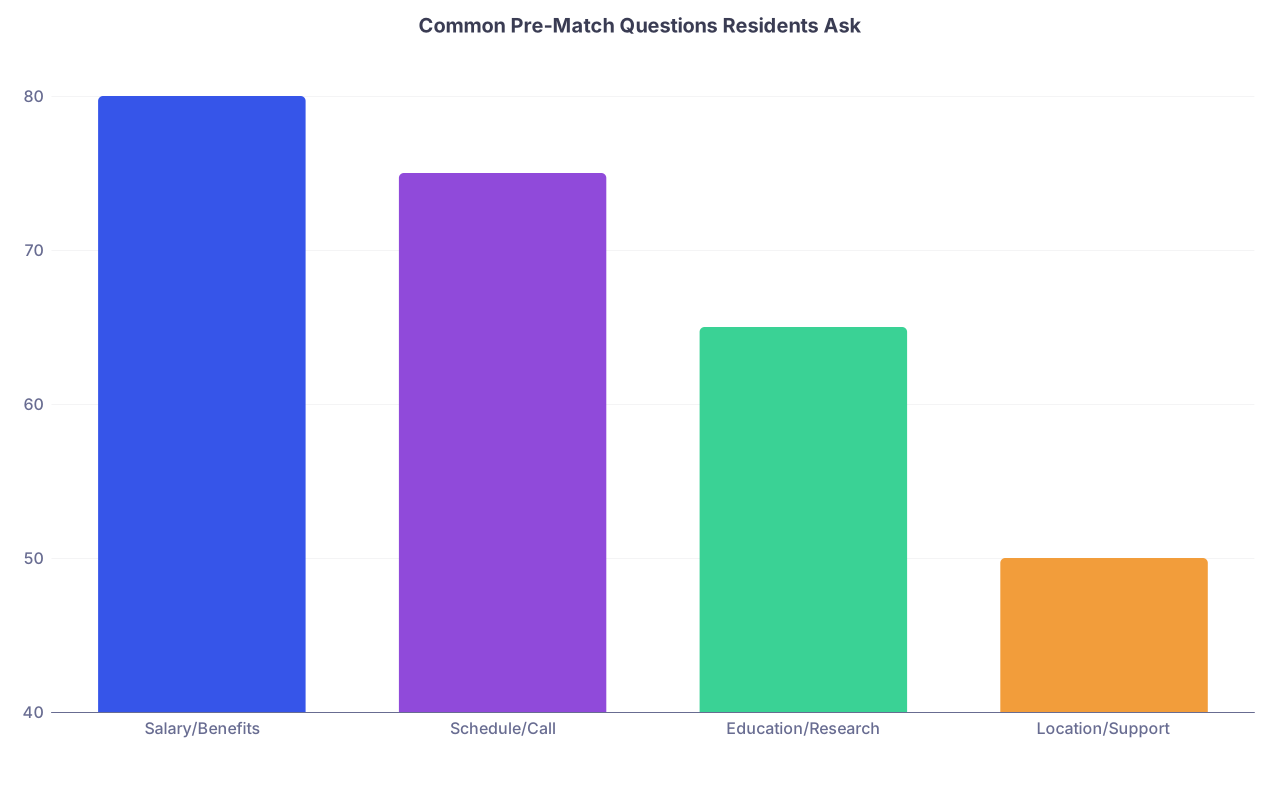
| Category | Value |
|---|---|
| Salary/Benefits | 80 |
| Schedule/Call | 75 |
| Education/Research | 65 |
| Location/Support | 50 |
3. Education, Research, and Fellowship Outcomes
These don’t make you look entitled. They make you look serious.
You can safely ask about:
- Typical fellowship placement (e.g., “Where have residents matched for cards/GI/heme-onc in recent years?”)
- Protected didactic time—does it actually stay protected?
- How research works: support, mentors, expectations
- How many residents go straight into practice vs fellowship
These questions say: “I’m thinking about my future and I care about training.” Programs love that.
A nice, normal way to phrase it:
“I’m very interested in eventually pursuing a cardiology fellowship. Could you share a sense of your recent fellowship matches and how the program supports residents interested in that path?”
Nobody is pulling an offer over that.
4. Support Systems: Wellness, Mentorship, Location Realities
Asking “Will I survive here without imploding?” is not only reasonable, it’s smart.
Safe topics:
- Mentorship structure (formal vs informal)
- How they handle struggling residents (remediation process, support)
- Resident wellness resources (therapy access, time to use it)
- Housing suggestions / typical commute / safety of the area
Even asking things like: “Do residents typically live near the hospital or a bit farther out?” is fine. Shows you’re picturing yourself there.
What you want to avoid is sounding like you’re already trying to build your escape route.
Slightly dangerous way:
“Do residents often leave the program early or transfer out?”
Better framing:
“How does the program support residents who are struggling clinically or personally? Are there formal structures in place for check-ins or mentorship if someone is having a hard time?”
Same underlying concern. Way less likely to trigger defensiveness.
The Stuff You Think Is Safe But Absolutely Makes Programs Nervous
Here’s where anxious applicants get blindsided: questions that sound logical to you, but land badly on the program side.
1. Anything That Sounds Like You’re Comparing Offers
Programs are insecure too. They don’t want to feel like they’re in a bidding war.
Risky questions:
- “Another program offered X—can you match that?”
- “I’m waiting to see if I get a pre-match from Y, can I get more time?”
- “If I accept your pre-match, will I still be able to see what happens with other programs?”
That last one is especially radioactive. It screams “I want to play both sides.” Programs do not like that.
If you need more time, your safest path is:
“I’m very interested in your program and genuinely excited about this offer. Would it be possible to have until [specific date] to make a final decision so I can discuss this fully with my family/mentors?”
You’re not saying “I’m shopping this around.” You’re saying “I take this seriously enough to think carefully.”
2. Questions That Hint You Won’t Actually Show Up
Programs are terrified of one thing: signing someone who ghosts or backs out.
Questions that set off alarms:
- “If I sign this offer but later decide another program is a better fit, what happens?”
- “Is there a penalty if I match somewhere else after accepting this?”
- “How enforceable is this contract really?”
You might just be trying to understand the legal side. From their perspective, they hear: “I am already imagining ditching you.”
If you’re genuinely confused about NRMP rules or the legality, ask an advisor, dean, or another resident first. Keep that part out of the conversation with the program if you can.
If you absolutely must clarify something, you can soften it:
“I want to be sure I’m fully aligned with NRMP policies and ethical guidelines. Is this agreement fully outside the Match and binding, or is it an expression of strong mutual intent within the Match framework?”
You’re framing it as professionalism, not escape plan.
3. Overly Personal Life Negotiations Before You’ve Even Started
You’re allowed to have a life. But pre-emptively negotiating your life before they’ve even onboarded you? That can look dicey.
Risky questions at the pre-match stage:
- “Can I guarantee a specific vacation block in PGY-1 for my wedding / bar exam / family trip?”
- “Can I avoid night float for personal reasons?”
- “Can I be placed only on certain rotations because of childcare?”
I’m not saying these needs aren’t real. They are. They just tend to go over better after you’ve signed and once you’re working with chief residents / schedulers who can actually move pieces around.
Early on, it can read as: “This person will be hard to schedule.”
You can keep it more general:
“How flexible is the program with major life events like weddings or serious family issues? Is there a process for requesting accommodations?”
That question is fine. You’re asking about philosophy and process, not demanding custom terms.
How to Actually Ask Without Sounding Needy or Hostile
The words matter, but the vibe matters more.
Here’s a simple structure to keep almost any question safe:
- Start with appreciation
- Affirm your interest
- Keep the question clear, neutral, and not accusatory
- Avoid implying suspicion or distrust
Example:
Bad version:
“I’m worried residents are overworked and not supported. How many hours do you really work per week and what do you do to prevent burnout?”
Better version:
“Thank you again for this offer—I’m very excited about the possibility of training with you. I care a lot about long-term sustainability. Could you share a realistic sense of typical weekly hours for PGY-1s and how the program approaches resident wellness?”
Same question. Less combat energy.
Who To Ask: PD vs Coordinator vs Residents
You’re also probably spiraling on: Who do I send this to without being annoying?
Quick rule-of-thumb:
- Program Coordinator: logistics, contracts, dates, salary, benefits, housing info
- Residents: lifestyle, culture, “what is it really like,” schedule vibes, fellowship outcomes in practice
- Program Director / APD: bigger-picture training philosophy, education structure, mentorship, major clarifications about the nature of the offer
You don’t need to funnel every question to the PD. In fact, you’ll look more competent if you don’t.
| Topic | Best Contact |
|---|---|
| Contract & deadlines | Program Coordinator |
| Schedule & call culture | Current Residents |
| Fellowship prospects | Residents or APD |
| Salary & benefits | Coordinator |
| Nature of pre-match offer | PD or APD |
Red Flags You’re Crossing Into “High Maintenance” Territory
Some self-check questions before you hit send:
- Am I asking the same thing in three slightly different ways because I’m anxious?
- Does my email sound like I’m interrogating them or trying to catch them in a lie?
- Would I be annoyed if a student emailed me this much about something I’d already explained once?
If yes to any of those, consolidate. One clean email with 3–5 focused questions is way better than a drip of tiny anxious follow-ups every 24 hours.
The most common way nervous applicants create problems isn’t what they ask. It’s quantity + tone + timing.
Timing: How Long Can You Think Before They Get Annoyed?
This is the part nobody answers honestly.
Programs vary, but a rough reality check:
- If they gave you a hard deadline, you can absolutely ask 1 clarifying email before that, ideally within a few days.
- If they didn’t give a deadline, replying within 3–5 days with questions is fine. Waiting 2–3 weeks in silence is not.
- If you need more time, asking once for a short extension is usually okay. Asking twice starts to look like you’re stalling and stringing them along.
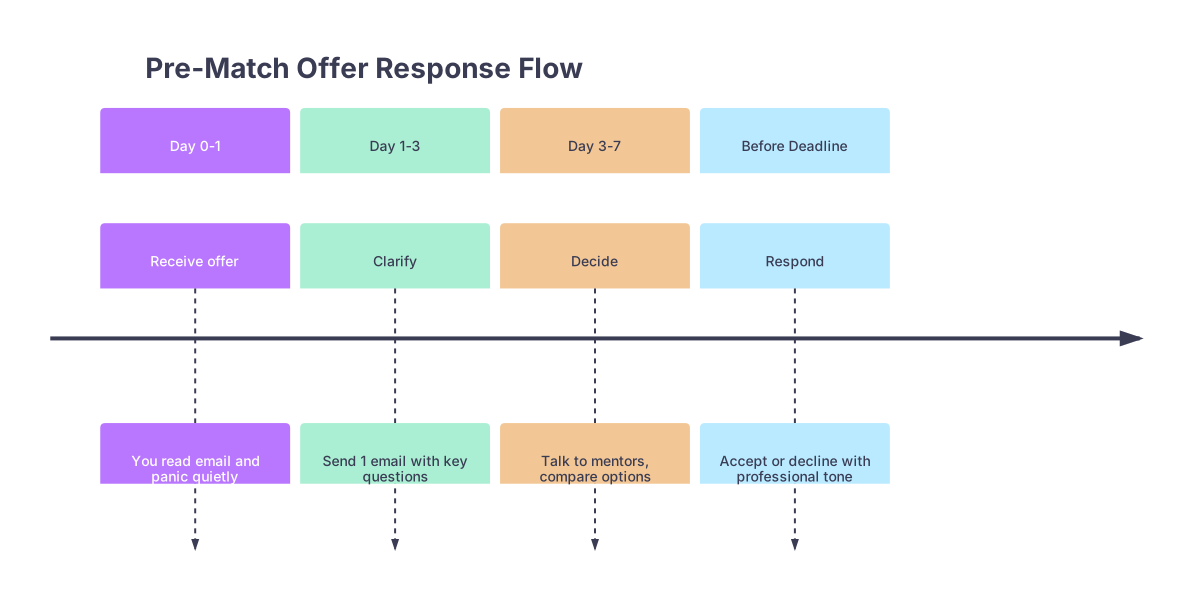
| Period | Event |
|---|---|
| Day 0-1 - Receive offer | You read email and panic quietly |
| Day 1-3 - Clarify | Send 1 email with key questions |
| Day 3-7 - Decide | Talk to mentors, compare options |
| Before Deadline - Respond | Accept or decline with professional tone |
You’re not a hostage. But you also can’t treat it like a med school acceptance you sit on for six weeks while stacking others.
How To Ask the Scary But Reasonable Question: “What Happens If I Don’t Match Here?”
Sometimes the offer is more like: “We plan to rank you very highly.”
And you’re thinking: “Okay…but what if something weird happens and I don’t match here? Am I screwed?”
Safe-ish way to ask:
“I really appreciate hearing that I’ll be ranked highly—that means a lot to me. Just so I understand the process, does your program typically fill all spots with ranked candidates, or do you sometimes have unfilled positions that go into SOAP?”
You’re not accusing them of lying about ranking you. You’re asking about their pattern.
Even better: run this question by current residents or your dean’s office instead of directly to the PD if you’re worried. Residents will often give you the unfiltered answer.
Scripts You Can Steal (So You Don’t Overthink Every Word)
Script: Initial Questions About the Offer
Dear Dr. [Name],
Thank you again for extending this pre-match offer—I'm genuinely excited about the possibility of joining your program. Before I make a final decision, I want to be sure I fully understand the structure of the offer.
- Is this agreement binding outside of the Match, or is it an expression of strong intent within the NRMP process?
- Is there a specific deadline you’d like my response by?
- Will I still be participating in the national Match, or would this replace that step?
I really appreciate your time and any clarification you can provide.
Best regards,
[Your Name]
Short, respectful, not pushy.
Script: Asking About Schedule & Education
Dear [Coordinator/Resident Name],
I’m very interested in the program and seriously considering the offer I received. I’d love to better understand what day-to-day life looks like for interns.
Could you share a rough sense of:
– Typical weekly hours and call structure for PGY-1
– How often residents are on nights
– How protected didactic time works in practiceAny insight would be really helpful as I think through this decision.
Best,
[Your Name]
Again—normal. This won’t freak anyone out.
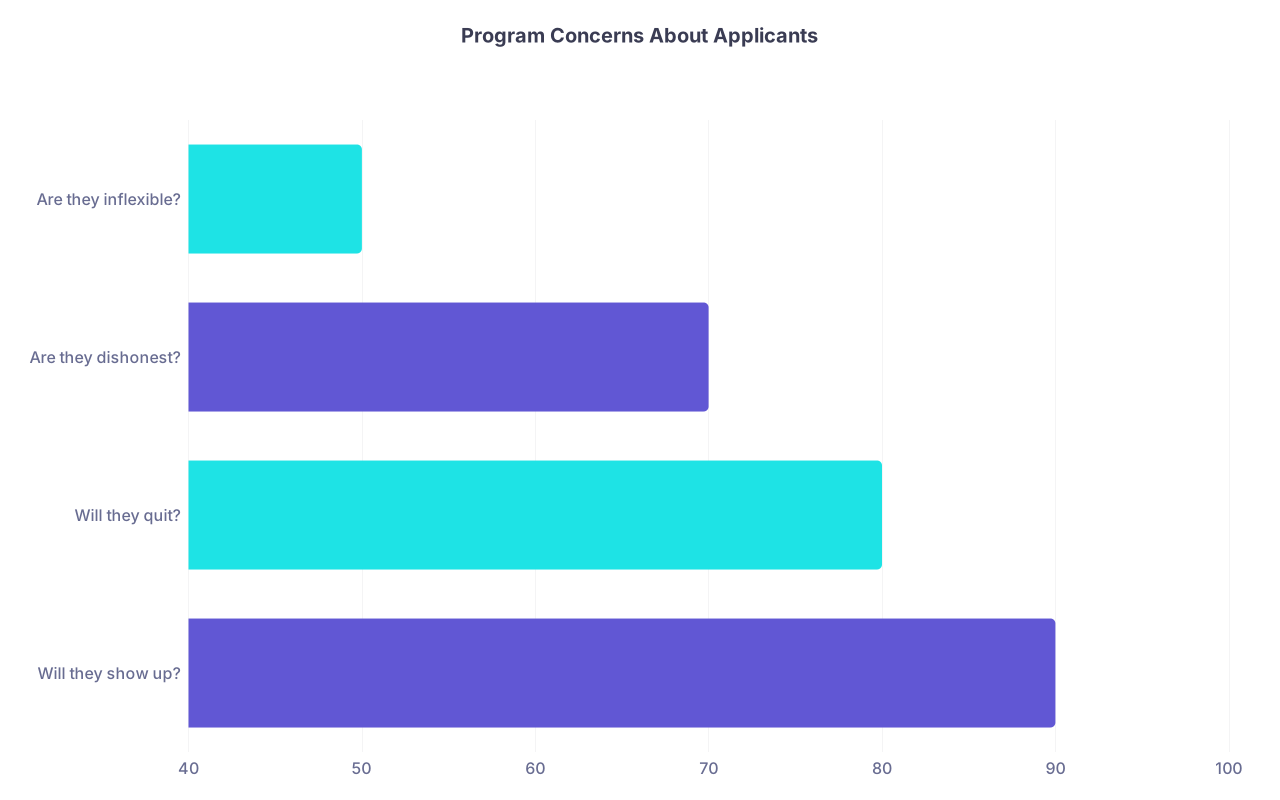
| Category | Value |
|---|---|
| Will they show up? | 90 |
| Will they quit? | 80 |
| Are they dishonest? | 70 |
| Are they inflexible? | 50 |
Quick Reality Check So You Can Breathe
Three things to walk away with:
- Factual, clarifying, and future-planning questions are safe. You’re not going to lose an offer because you asked what the call schedule is or whether the offer is binding.
- The danger zone is questions that hint you’re not committed, you’re shopping them against others, or you’re already negotiating special treatment. Avoid those or reframe them.
- One thoughtful email with 3–5 clear questions is professional. Ten fragmented, anxious emails over two weeks is how you accidentally become “the difficult applicant.”
You’re allowed to protect your future. You’re allowed to ask what you’re signing up for. You don’t have to choose between blind obedience and burning everything down with one question.
You just have to ask like someone they’d actually want to work non-stop with at 3 a.m. for the next three years.
That’s the bar. And you’re probably already above it—you’re just too scared to believe that.