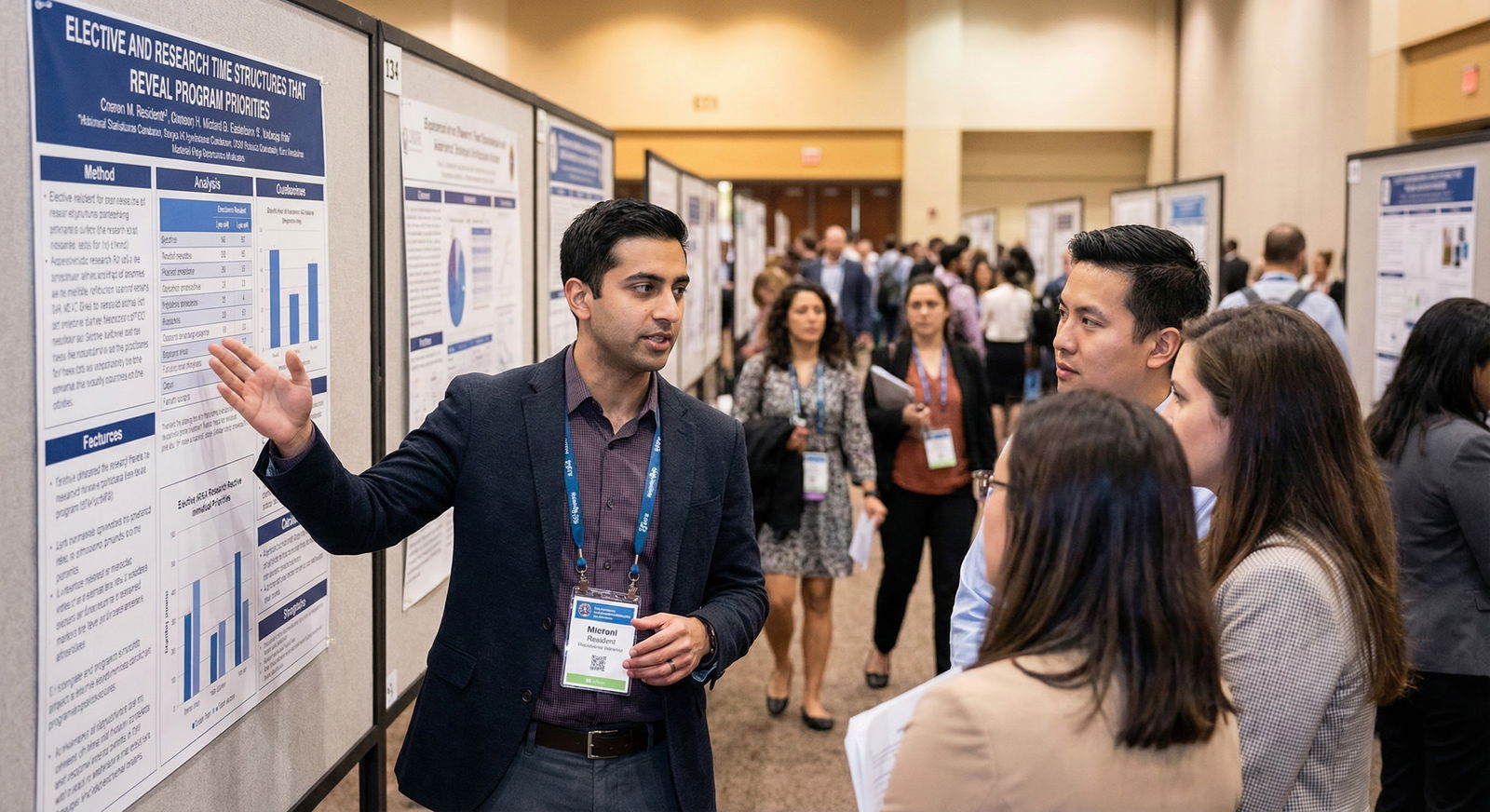
It’s late November. You’re on a second-look day at a program that had a rough reputation a few years back—bad word of mouth, maybe even a courtesy “avoid if possible” from a recent grad. Now the PD is telling a polished story: “We’ve really turned the corner. We’re improving. Culture is so much better.”
You’re sitting there thinking: Is this real progress or just rebranding with better slides?
Here’s how you actually tell.
Big Picture: What A Real “We’re Improving” Arc Looks Like
Let me be blunt: truly improving programs have a pattern. So do programs that are just doing damage control.
A genuinely improving program usually has:
- A specific inciting event (ACGME citation, mass exodus, leadership change).
- Concrete timeline: “In 2022 we did X, in 2023 we added Y.”
- Multiple independent data points that line up: resident vibes, schedule changes, recruitment outcomes, ACGME survey movement.
- Some honest scars: they’ll admit what sucked and still isn’t perfect.
A fake “we’re improving” story is vague, defensive, and over-sanitized. It sounds like PR. It leans on “we’re like a family” and “communication has improved a lot” without receipts.
Your job is to pressure-test their story from four angles:
- Time
- Traction
- Transparency
- Trajectory
Let’s go through those.
1. Time: How Long Have They Supposedly Been “Improving”?
Programs love to say, “We’re in a transition phase.” Some have been “in transition” longer than your entire med school career. That’s not transition; that’s dysfunction with better vocabulary.
Ask very specific timeline questions:
- “When did the major changes start?”
- “What were the 1–2 biggest changes in the last 12–18 months?”
- “What’s coming next year that isn’t active yet?”
You’re trying to place them in one of a few buckets:
| Stage | Typical Time Frame | Credibility Signal |
|---|---|---|
| Fresh Crisis | < 1 year | High risk |
| Early Rebuild | 1–2 years | Mixed, unstable |
| Mid-Rebuild | 2–4 years | Often real change |
| Stabilized New Normal | 4+ years | Most reliable |
Here’s how I’d read each:
Fresh crisis (<1 year)
ACGME citations, PD turnover, resident departures in the last year. Honestly? Assume chaos. Even great leadership can’t fix a residency in six months. At best, you’re the “transition generation” that absorbs pain so the next group benefits.Early rebuild (1–2 years)
Changes have started, but they’re still testing systems. Schedules get changed mid-year. Policies aren’t stable. Culture is inconsistent across sites. This can be worth the risk if leadership is outstanding and you have a high tolerance for uncertainty. But you are still a test case.Mid-rebuild (2–4 years)
This is where improvement stories become testable. Residents have lived under the “new way” long enough to tell you what really changed and what was just talk. Great time to join if the trajectory is clearly up.Stabilized new normal (4+ years)
If they’re still saying “we’re improving” but can’t point to anything significant in the last 1–2 years, that’s not improvement—that’s their baseline. Then you judge it like any other program, no bonus points for “working on things.”
Your question on interview day:
“Can you walk me through what’s changed in the last three years and how residents have experienced those changes?”
If they can’t answer that coherently, the story’s weak.
2. Traction: Are There Actual Receipts, Or Just Vibes?
A credible improvement story is backed by data and details, not adjectives.
Look for concrete signs in a few buckets:
A. Schedules and Workload
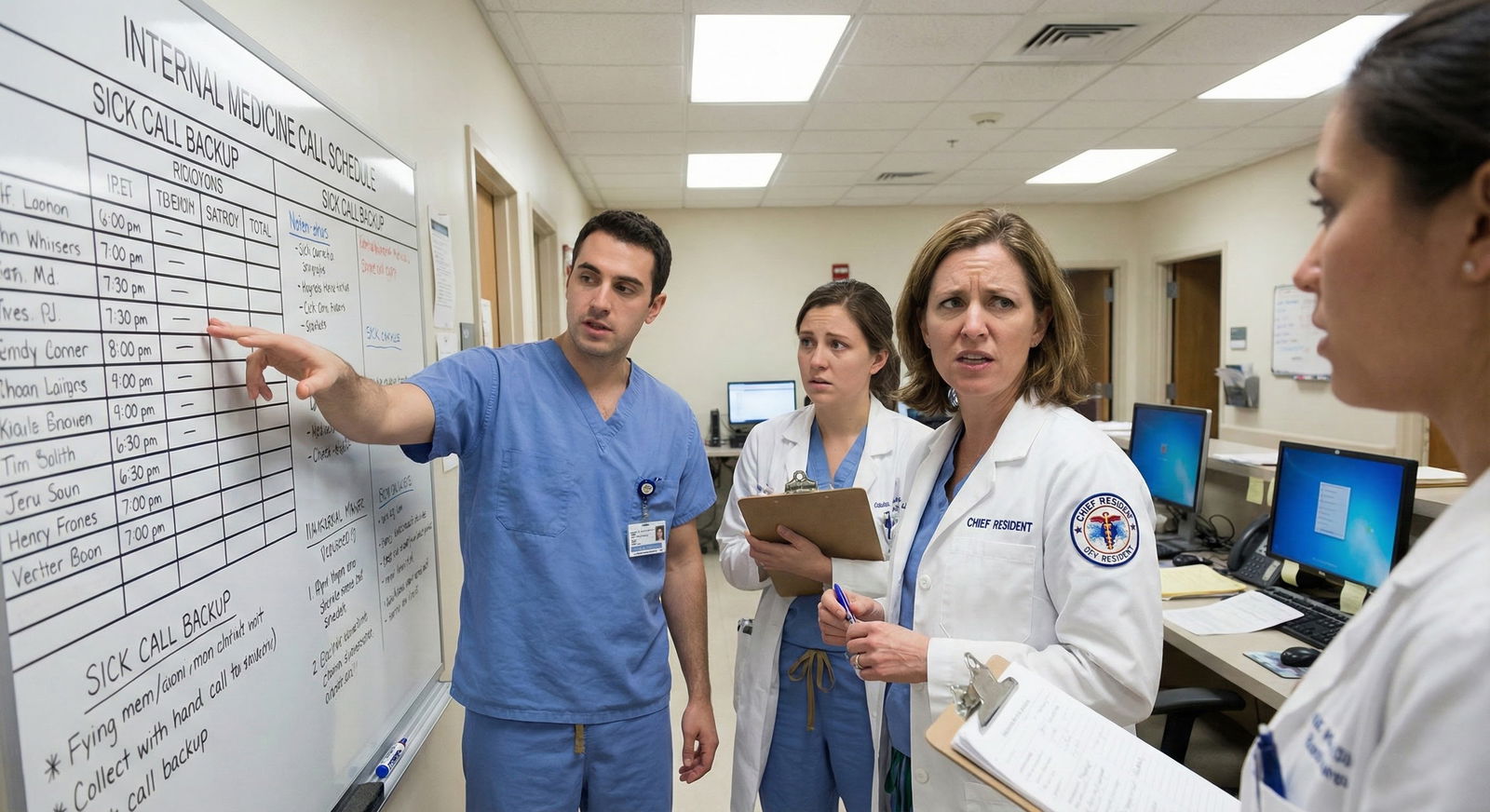
Real improvement shows up where it hurts: call schedules, clinic overload, documentation nonsense.
Ask:
- “What changed about the call schedule in the last 1–2 years? Why?”
- “How has documentation burden changed for residents?”
- “Have you added or removed any major services from resident coverage recently?”
You want specific answers like:
- “We removed residents from night cross-cover at Site B and hired nocturnists last July.”
- “We capped admissions at 8 and added a float resident after our ACGME survey flagged workload.”
Vague answers like “We’re trying to be more mindful of wellness” mean nothing.
B. ACGME Survey Trends
Most programs secretly obsess over those surveys. You should too.
Ask the PD or APD:
- “How have your ACGME survey results changed in duty hours, faculty teaching, and program responsiveness the last few years?”
- “What was one of the lowest-rated items, and what did you actually do about it?”
You’re looking for:
- Admission of previous low scores (that’s honesty).
- Direction of change, not perfection.
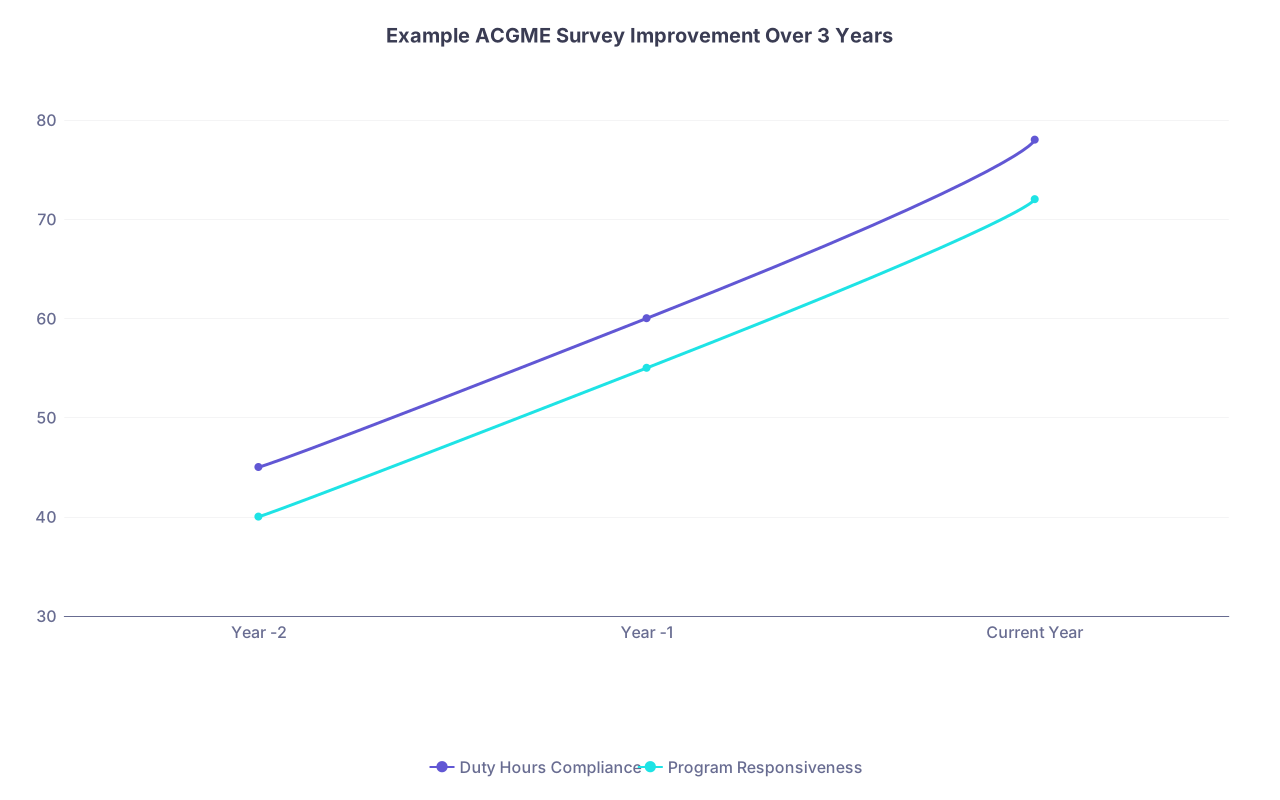
| Category | Duty Hours Compliance | Program Responsiveness |
|---|---|---|
| Year -2 | 45 | 40 |
| Year -1 | 60 | 55 |
| Current Year | 78 | 72 |
If they say, “We’ve always done great on the survey” but you’ve heard rumors of major problems, that mismatch is a red flag. Either they’re not reading their own data, or they’re not being straight with you.
C. Concrete Initiatives
Healthy programs can name recent, specific initiatives with outcomes attached.
Examples that are legit:
- “We created a chief resident for wellness with actual admin time and a budget.”
- “We removed residents from ICU transport duty; now RT and nursing cover it.”
- “We added midlevels to the ED night shift, and interns now cap earlier.”
Red flags:
- Wellness committee with no authority.
- “Resilience workshops” with no workload changes.
- Pizza and yoga but same abusive workflow.
Ask: “Can you give an example of a change residents asked for that you actually implemented in the last year?”
If they can’t produce even one, that “we listen to residents” slide is fluff.
3. Transparency: How Honestly Do They Talk About Their Problems?
This is non-negotiable. Every program has issues. Strong ones talk about those issues like adults.
You want to see:
Clear acknowledgment of the past:
“Three years ago our culture was rough. We had X, Y, Z problems.”Specific ownership:
“We lost three residents that year. That was a wakeup call.”Realistic present tense:
“We’ve improved a lot on workload, but we’re still weak on outpatient education, and here’s what we’re doing.”
Programs that worry me:
- Overly defensive: “I don’t know where those rumors came from; people exaggerate online.”
- Blame-focused: “It was just a few residents who weren’t a good fit.”
- Over-sanitized: “We’re always growing and evolving, but overall we’re excellent.”
On your side, ask versions of the same question to different layers:
- To PD: “What’s the program’s biggest current weakness?”
- To junior resident: “What’s one thing people complain about that leadership knows and hasn’t fixed yet?”
- To senior: “What has actually gotten better in your time here?”
You’re checking: do you get three different answers, or three versions of the same reality?
If residents’ answers sound scripted and identical to the PD’s language, that’s suspicious. Real people use their own words.
4. Trajectory: What Do The Residents’ Lives Look Like Right Now?
Forget the slides. Look at the people.
A. How Do Residents Look and Talk?
On interview day / second look, pay attention to:
- Do they look completely wrecked or generally tired-but-functional?
- Do they joke about their program in a normal “this is hard” way, or in a bitter “this place is toxic” way?
- Can interns talk about weekend plans without sounding like they’re planning a prison break?
You don’t need residents to be glowing. In fact, a little cynicism is healthier than fake enthusiasm. You’re listening for affectionate complaining, not despair.
Example of a healthy vibe:
“Yeah, wards at Site C can still be pretty rough, but at least nights were fixed this year. It’s way better than my intern year.”
Unhealthy:
“Things are supposedly changing, but honestly nothing feels different to us. Maybe the next class will benefit.”
B. Recent Match and Retention
Improving programs often show a lagged improvement in:
- The kinds of applicants they’re recruiting.
- Where grads are matching for fellowship.
- Retention of seniors and chiefs.
Ask:
- “Where have residents matched for fellowship in the last 2–3 years?”
- “Have any residents left the program in the last few years? What happened?”
You’re not looking for perfection. One resident leaving for family reasons? Fine. Several leaving mid-year or switching specialties because “it wasn’t a good fit”? That’s smoke.
5. How to Directly Test “We’re Improving” During Interviews
Here’s a practical script you can mentally run.
Step 1: Get Their Story
To PD/APD:
- “What were the 1–2 biggest challenges the program faced a few years ago?”
- “What have been the most meaningful improvements since then?”
Listen for:
- Timeframes
- Causes
- Concrete actions
Step 2: Cross-Check With Residents
To juniors:
- “What do you wish you had known about this program before matching?”
- “What’s actually better than you expected?”
To seniors:
- “What’s different now compared to your intern year?”
- “If you had to choose again today, would you still rank this program highly? Why or why not?”

| Step | Description |
|---|---|
| Step 1 | Ask PD about past problems |
| Step 2 | Note timeline and changes |
| Step 3 | Ask seniors about changes over time |
| Step 4 | Ask interns about current pain points |
| Step 5 | Compare stories for consistency |
| Step 6 | Improvement likely real |
| Step 7 | Improvement story not credible |
| Step 8 | Stories align? |
If PD says, “We fixed nights at the VA last year,” but interns say, “Nights at the VA are still miserable and unchanged,” believe the interns.
Step 3: Test For Resident Influence
To anyone:
- “Can you describe a time in the last year when residents gave negative feedback and something actually changed?”
Good answer:
- “We complained about the new EMR rollout, so they added more scribes and adjusted the note templates after a month.”
Bad answer:
- “Leadership is very open to feedback and always listening” … with no example.
6. Special Case: New PD / “We Just Got New Leadership!”
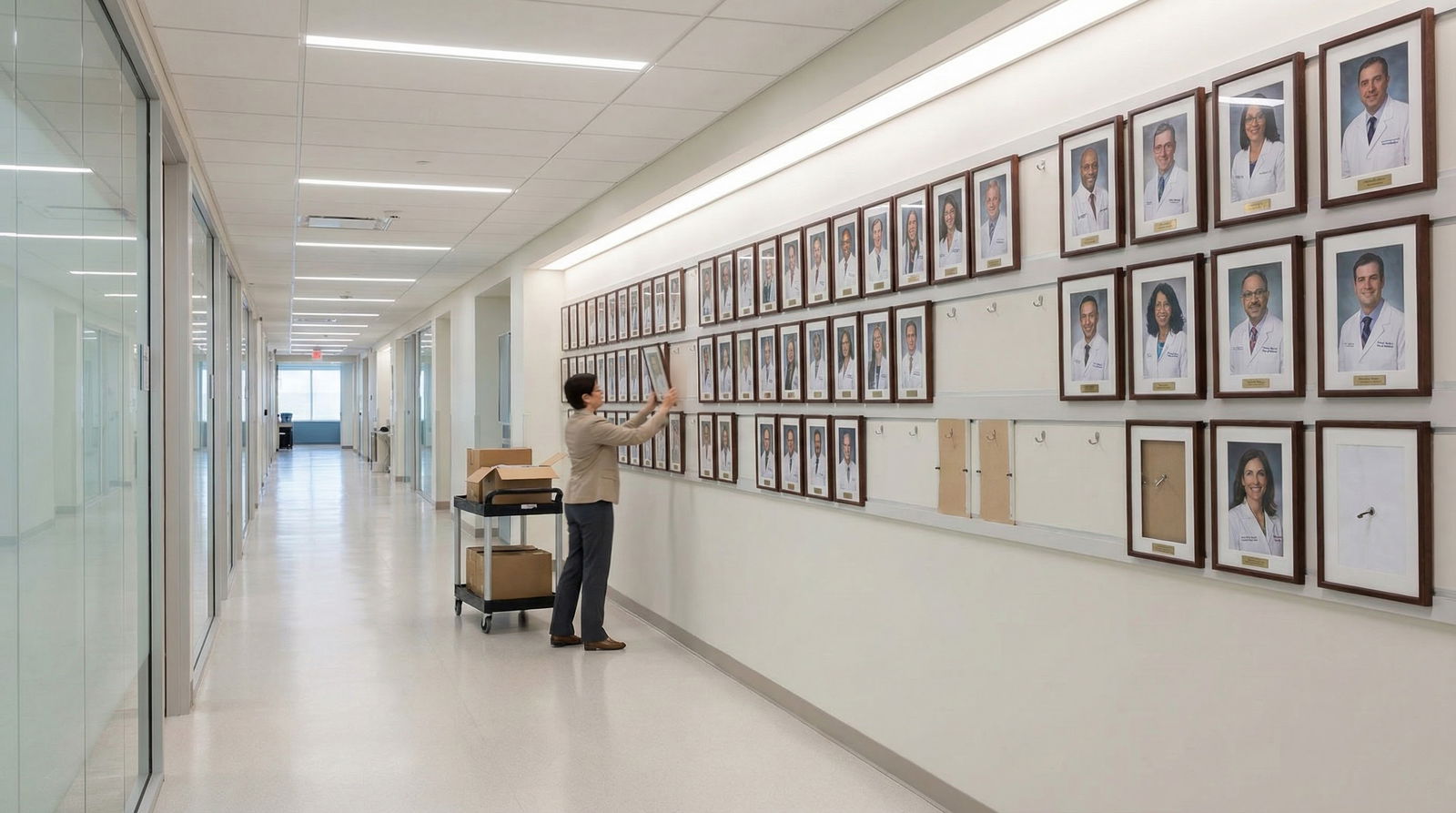
New leadership is the classic “we’re improving” excuse. Sometimes it’s real. Sometimes they swapped the nameplate and changed nothing else.
Here’s how I break it down.
A. How Recently Did the PD Start?
- < 6 months: Almost all talk, little structural change yet. Be cautious.
- 6–24 months: Sweet spot to judge early moves and resident perception.
- > 2 years: You’re seeing their actual track record, not their potential.
B. What Did They Actually Change?
Ask directly:
- “What’s one thing you’re proud to have changed since you became PD?”
- “What’s one big thing you haven’t been able to change yet?”
Residents should independently volunteer examples of PD impact:
- “Our new PD is actually present on the wards.”
- “They killed that terrible Saturday clinic.”
- “They’re way more responsive to emails and personal issues.”
If residents say, “We don’t really know them,” or “They seem nice but nothing’s really changed,” then the “new PD” story is speculative. You’re betting on a person, not a program.
7. Quick Heuristics: Fast Ways To Smell-Test The Story
Here’s the blunt checklist I’d run internally.
I tend to believe the ‘we’re improving’ story when:
- Residents’ descriptions across PGY levels sound consistent.
- They can point to 2–3 very specific changes in schedule/workload.
- ACGME survey issues are acknowledged with real responses.
- Graduating seniors say they’d choose the program again.
- They admit at least one current weakness without getting defensive.
I don’t buy it when:
- Everything is “great” now but no one can tell you exactly what changed.
- All the “improvements” are wellness slogans, not workload changes.
- There’s obvious tension or bitterness when residents talk about leadership.
- They dodge questions about resident departures or citations.
- Program leadership blames “disgruntled residents” for bad reputations.
If you walk away thinking, “That sounded like a TED talk, but I don’t actually know what’s different here,” that’s your answer. It’s not credible.

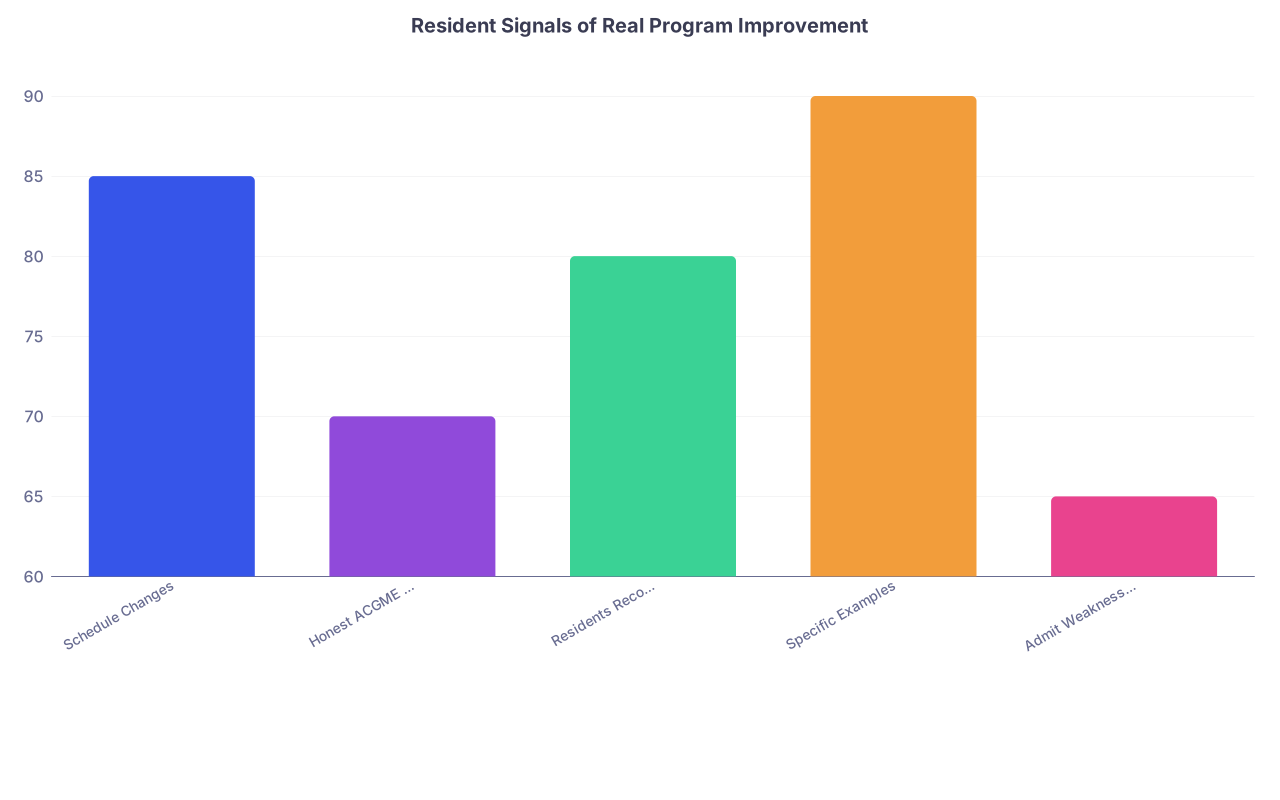
| Category | Value |
|---|---|
| Schedule Changes | 85 |
| Honest ACGME Discussion | 70 |
| Residents Recommend | 80 |
| Specific Examples | 90 |
| Admit Weaknesses | 65 |
FAQ: Residency “We’re Improving” Claims
1. Is it ever smart to rank a “rebuilding” program highly?
Yes, if the trajectory is clearly up and you’re comfortable with some instability. If leadership is strong, residents feel heard, and real structural changes are underway (not just talk), you can end up with a much better program by your PGY-3 year than what you “signed up for.” But don’t do this if you need predictability, have family constraints, or have low tolerance for chaos.
2. How do I ask about negative stuff without sounding antagonistic?
Frame questions around curiosity and improvement:
“I’ve heard every program has gone through some challenges in the last few years. What were some of yours, and what’s changed since then?”
Or to residents: “If you were in charge, what’s the first thing you’d fix here?” These land better than, “So why do people say this place is bad?”
3. What if residents and leadership completely disagree on how much things have improved?
Side with the residents. Leadership talks about plans and intentions; residents live the consequences. If PD says “Huge improvement!” and residents say “We haven’t really felt much difference,” that means changes haven’t actually reached the frontline. That’s not a program in “improvement”; that’s a program in denial or early theory phase.
4. Should I worry if a few residents left in recent years?
Context matters. One or two people leaving over several years—especially for family/location or specialty change—is normal. Multiple people leaving the same year, or several citing “culture” or “lack of support,” is a serious warning. Always ask, “How did the program respond when that happened?” The response is as important as the departure.
5. What’s the single best question to expose fake “we’re improving” stories?
Ask this to residents:
“What is actually better now than it was two years ago, and what do you think still hasn’t really changed despite what leadership says?”
Then shut up and let them talk. The gap between the brochure and the lived experience will show up fast.
Key takeaways:
- Don’t judge the speech; judge the timeline, traction, transparency, and trajectory.
- Cross-check leadership’s story against residents at different levels; believe the people living it.
- Real improvement is specific, measurable, and a little messy. Purely polished stories with no scars are almost never real.