

The way a program handles interview invitations is not “just logistics.” It is early diagnostic data.
Programs show you who they are by how they email, schedule, and follow up. You either pay attention or you walk into Match Day blind.
Below is a timeline guide to interview invite season—what to watch for week by week, what behaviors are normal, and what should make you pause hard before ranking a place.
Big Picture: The Critical Windows You’re Moving Through
At this point in the season, you are not just collecting interviews. You are collecting information about how programs function under pressure.
Use this structure in your head:
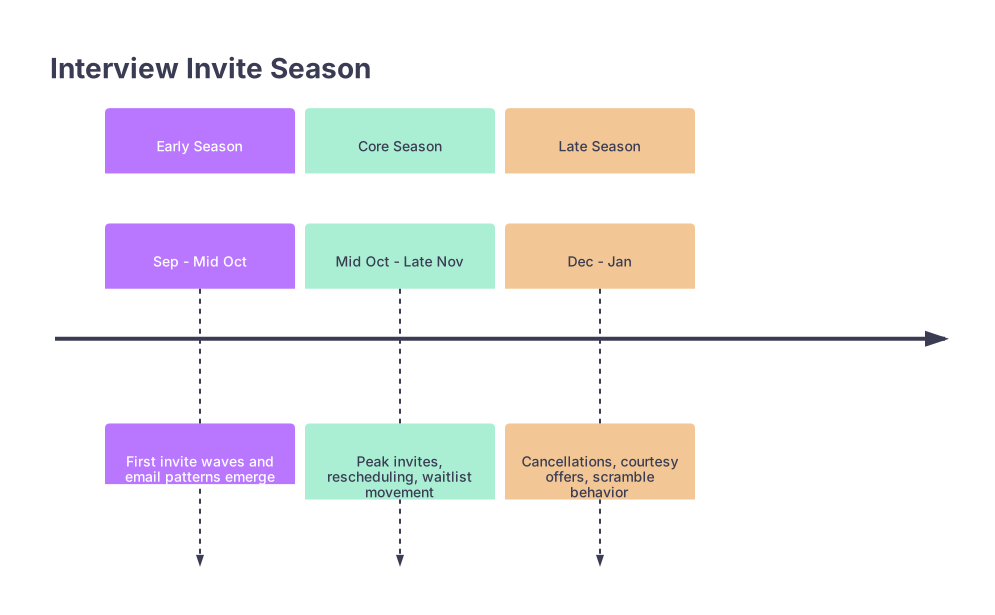
| Period | Event |
|---|---|
| Early Season - Sep - Mid Oct | First invite waves and email patterns emerge |
| Core Season - Mid Oct - Late Nov | Peak invites, rescheduling, waitlist movement |
| Late Season - Dec - Jan | Cancellations, courtesy offers, scramble behavior |
Your job across these three phases:
- Early season (Sep–mid Oct):
Track response speed and basic professionalism. - Core season (mid Oct–late Nov):
Track respect for your time and scheduling chaos vs order. - Late season (Dec–Jan):
Track desperation moves and burnout red flags.
We will walk through each phase chronologically and spell out the email and scheduling behaviors you should be logging.
Before Invite Season Starts: Set Up Your Tracking System (Aug–Early Sep)
If you wait until invites hit, you will drown. At this point you should be setting up infrastructure.
Week -4 to -2 (About 1 Month Before First Invites)
At this point you should:
Create a simple tracking sheet. Columns I recommend:
- Program name
- Specialty / track
- Date/time of invite
- Invite method (ERAS, Thalamus, Interview Broker, direct email)
- How many slots left when you clicked (if visible)
- Time to confirmation (did they confirm same day?)
- Reschedule policy / experience
- Notable email language (supportive / neutral / rude / chaotic)
- Tech issues (broken links, double-booked times, etc.)
- Red flag notes
- Overall “professionalism score” (1–5)
Residency Interview Email & Scheduling Scorecard Factor 1 (Bad) 3 (Mixed) 5 (Excellent) Invite clarity Confusing/missing Mostly clear, minor issues Very clear, step-by-step Scheduling system Manual, chaotic Functional but clunky Smooth, self-schedule platform Response to questions Ignored/late Answered but slow Prompt, helpful Reschedule handling Punitive/rigid Case-by-case, uneven Flexible, respectful Overall professionalism Concerning Neutral Impressive Harden your communications setup:
- Create filters/labels for:
“Residency”, “Interview”, “Invite”, “ERAS”, “Thalamus”, “Interview Broker”. - Whitelist likely senders (ERAS, Thalamus, VSLO, program domains like
@hospital.org). - Turn on push notifications for your main email on your phone.
- Create filters/labels for:
Decide your personal policies now:
- How many interviews you will accept before you start being selective.
- How many geographic “reach” interviews you are willing to take.
- Which dates are locked (family, exams, weddings).
You are building a system so that when the chaos hits, you capture signal rather than noise.
Early Invite Season: Sep–Mid October
At This Point You Should Be Watching For: Basic Professionalism
First invites usually start trickling in September and accelerate into early October. This is when the mask first slips.
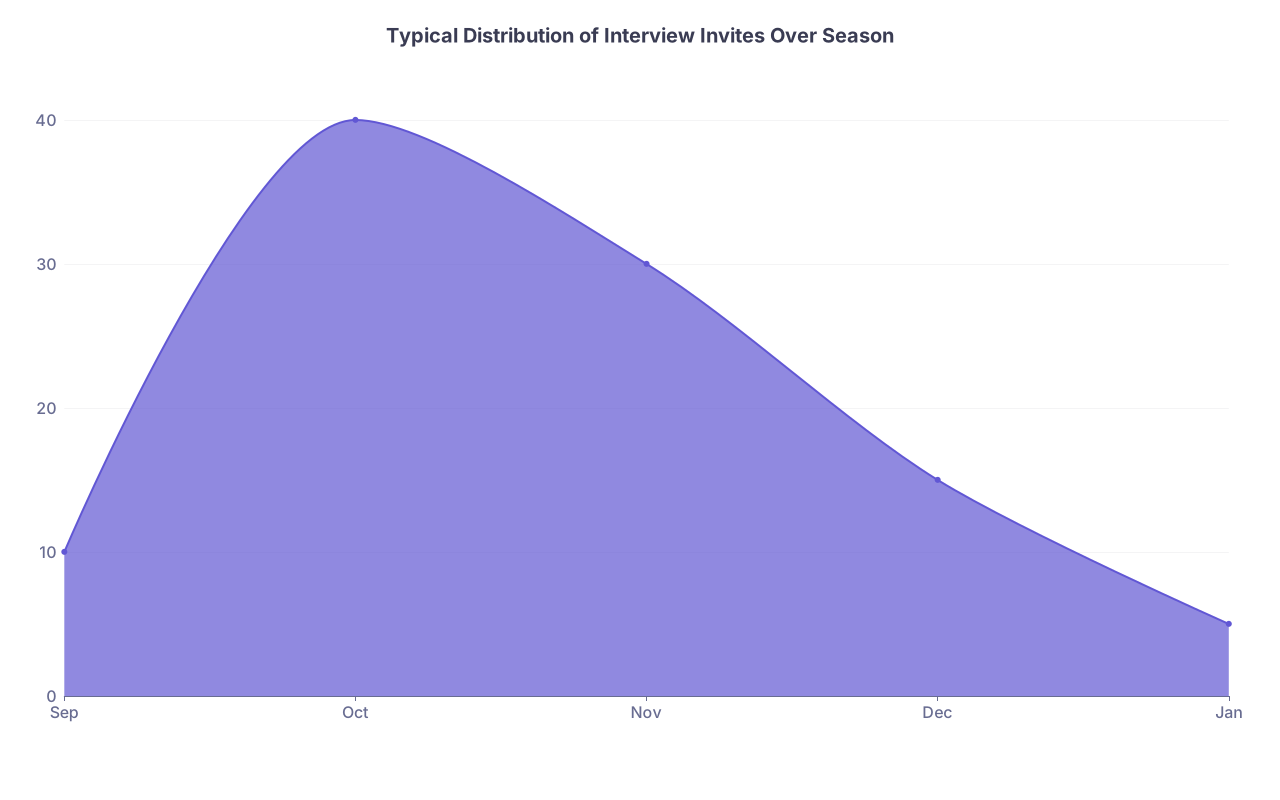
| Category | Value |
|---|---|
| Sep | 10 |
| Oct | 40 |
| Nov | 30 |
| Dec | 15 |
| Jan | 5 |
Week 1–2 of Invites: Initial Wave (Sep)
At this point you should:
Capture the details on every invite within 24 hours:
For each new invite, log:
- Timestamp of email.
- How much warning you were given before slots opened (if any).
- Whether instructions are clear or confusing.
- Overall tone of the email.
Red-flag email behaviors in this phase:
Zero context “You have been invited”
No greeting, no details, just a platform link.
Not an automatic dealbreaker, but it screams “we do not care about applicant experience.”Aggressive or condescending language
Example lines I have literally seen:- “Failure to respond within 24 hours will be interpreted as disinterest in our program.”
- “Do not contact us with questions answered on our website.”
This is pre-residency. When they should be on their best behavior.
Inconsistent or contradictory instructions
- One line says “reply to this email to accept,”
then a line below says “do not reply to this email.” - PDF with one date. Body with a different date.
That level of sloppiness tends to show up again in block scheduling, call schedules, and payroll.
- One line says “reply to this email to accept,”
Green-flag email behaviors in this phase:
- Clear subject line: “Interview Invite – [Program Name], [Specialty]”.
- Stepwise instructions:
“1. Log into Thalamus. 2. Select any available date. 3. You will receive confirmation within 24 hours.” - Human tone without fluff:
“We are pleased to invite you… Contact [name] if you encounter difficulties with scheduling.”
Scheduling behavior to track now:
- Self-scheduling platform vs email back-and-forth
Programs still doing manual “email us three dates that work for you” in 2026 are behind. Not evil. But behind. - Time zone clarity
If they say “interview 8:00–12:00” with no time zone and they are a national draw, that is a mark against them. This is basic.
- Self-scheduling platform vs email back-and-forth
Core Invite Season: Mid October–Late November
At This Point You Should Be Watching For: How They Handle Scarcity and Conflict
This is where programs start juggling waitlists, reschedules, and overbooking. You will see the true culture come through the cracks.
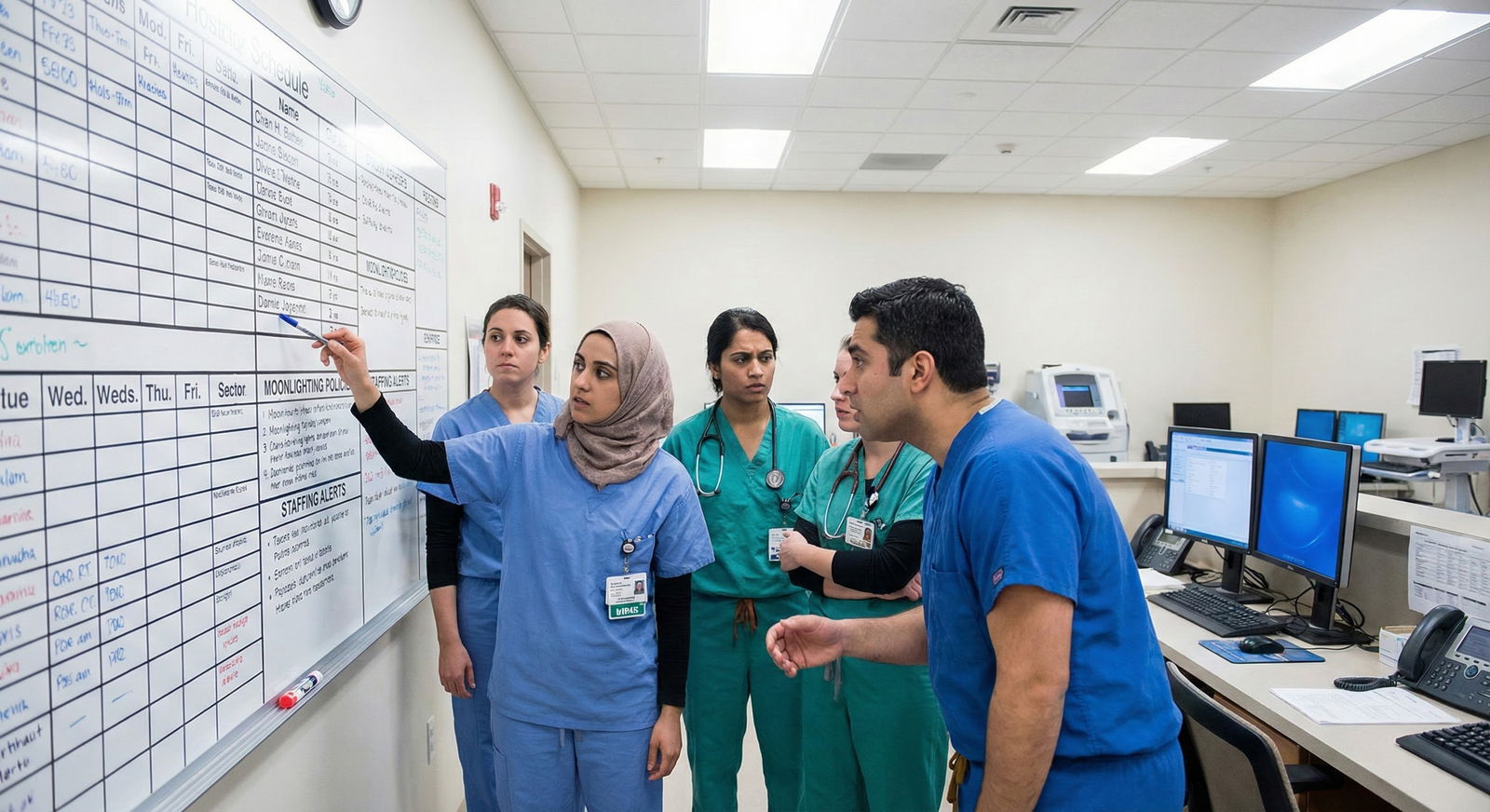
Week 3–5 of Invites: Scheduling Battles (Mid–Late Oct)
At this point you should:
- Start ranking programs by scheduling treatment in your notes, not by reputation alone.
Pay attention to:
Speed of confirmation
- Good: automated confirmation email + calendar invite within hours.
- Yellow flag: silence for days, you wonder if your slot is real.
- Red flag: they double-book and then unilaterally move you.
Rescheduling policies
Programs that say “No rescheduling for any reason” in October are telling you they do not care about the reality of 4th year.
Reasonable stance:- Limited rescheduling.
- Clear instructions.
- Willing to help if you have a required exam or emergency.
Serious red flags that often show up now:
Exploding offers (“Reply within 1–2 hours or lose it”)
When this is clearly policy, not a one-off mistake, it tells you something:- Poor planning.
- Low respect for your schedule.
- A power dynamic they are comfortable leaning on.
Mass date changes with minimal notice
If multiple applicants report:
“They moved my interview date twice with less than a week’s notice.”
Understand that this same chaos will apply to your call schedules and clinic days.Ambiguous waitlist language
If you get something like:
“You are in our ‘interested pool’ and may or may not receive an invite depending on our needs,”
log that wording. Comms like that tend to correlate with last-minute, frantic behavior in January.
Healthy behaviors that earn programs real points:
- Dedicated coordinator who signs emails with their name and phone number.
- Clear backup plan if the scheduling platform glitches.
- Explicit acknowledgement of your constraints:
“We understand you may be juggling many interviews. Let us know if you are having difficulty finding a date.”
At this point, in your spreadsheet, you should start adding short qualitative comments:
- “Coordinator very responsive and kind.”
- “Cold, transactional, but efficient.”
- “Chaotic, multiple conflicting messages.”
These become surprisingly helpful when you are building your rank list and everything starts to blur.
Week 6–8 of Invites: Peak Volume and Reshuffling (Early–Mid Nov)
At this point you should:
- Track how they handle your first problem with them.
Because you will have one:
- Needing to move a date.
- Discovering a conflict.
- Getting locked out of a platform.
- Not seeing the Zoom link.
What you are watching:
- Response time to your email.
- Tone of the reply.
- Whether they blame you or just fix it.
Serious red flag patterns I have seen repeatedly:
Guilt-tripping language
“We are disappointed you are not prioritizing our program.”
“As a reminder, you accepted this date and now need to change it.”
This is manipulative. They are not your spouse. They are a workplace.Threats baked into logistics
“We cannot guarantee your application will be reviewed if you cancel or reschedule.”
Translation: We rely on fear, not fit.
Pay attention to overbooking and last-minute compression:
Look for these in your cohort group chats or Reddit-type spaces:
- Many applicants being asked to move from one date to another “to even out numbers.”
- Interviews merged into fewer days with longer sessions to “accommodate demand.”
One-off adjustments are normal. Systematic chaos is not.
Start building a behavior score now, not later.
For each program, ask yourself:
- Email tone: respectful / neutral / dismissive?
- Scheduling: smooth / tolerable / nightmare?
- When you hit a snag, did you feel like a nuisance or a future colleague?
Give a quick 1–5. Do not overthink it. Gut impressions are data.
Late Invite Season: December–January
At This Point You Should Be Watching For: Desperation and Disrespect
By December, most core interviews are scheduled. Now you see which programs manage overflow with grace—and which start to panic.
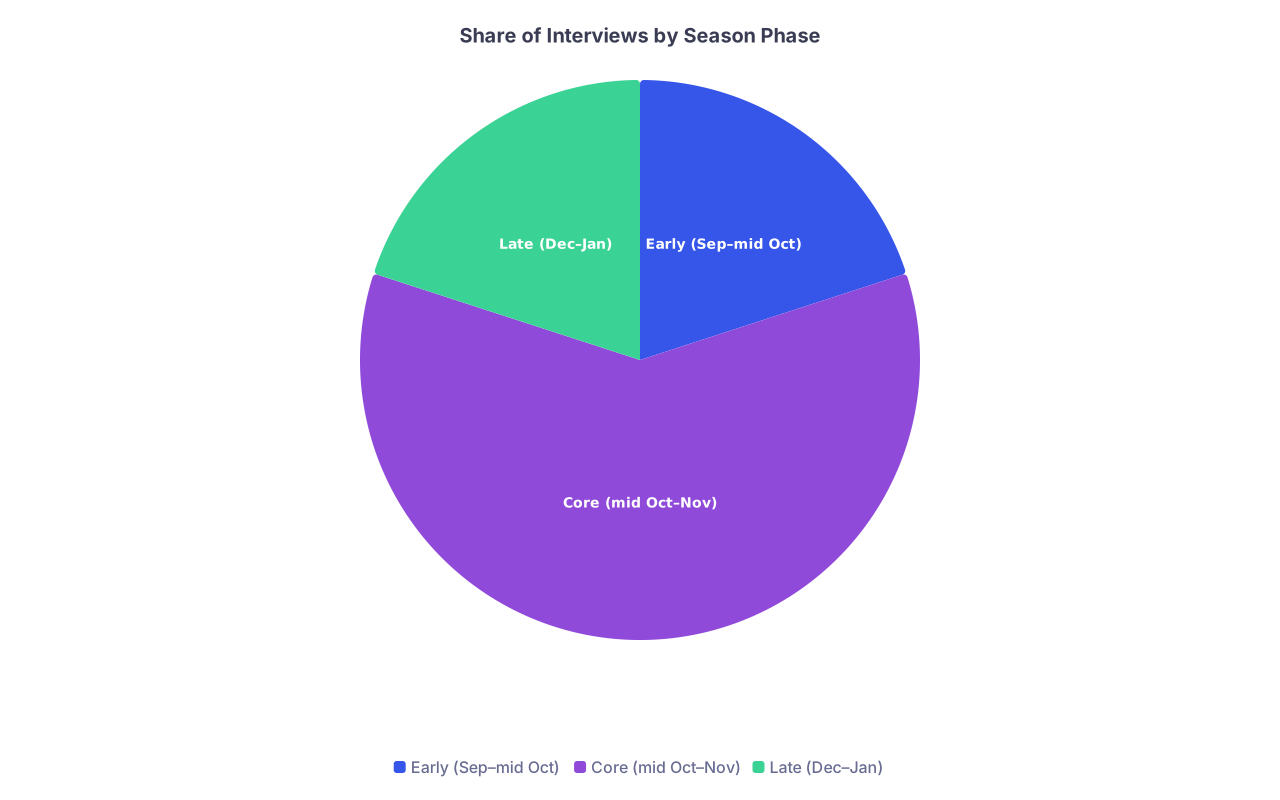
| Category | Value |
|---|---|
| Early (Sep–mid Oct) | 20 |
| Core (mid Oct–Nov) | 60 |
| Late (Dec–Jan) | 20 |
Early December: Cancellations and Backfill
At this point you should:
Watch the cancellation process closely:
- Do they send a clear, courteous cancellation email if they must adjust a date?
Or do they rely on a scheduling system auto-notice with no explanation? - Do they offer alternative dates with options?
Or just say “this is your new date” without asking?
Red-flag move: cancelling your interview entirely with no alternative, then ignoring follow-up questions. That speaks to how disposable they view residents.
- Do they send a clear, courteous cancellation email if they must adjust a date?
Interpret late invites correctly:
Not all late invites are bad. Some are normal backfill when applicants decline.
What you should log:
- Is the tone apologetic / straightforward (“We had cancellations and would be pleased to invite you”)? Fine.
- Or is it needy and off-putting (“We noticed you have not scheduled with us yet”? When they never invited you before.)
Late December–January: Waitlist Movement and Rank-List Behavior
At this point you should:
Be very deliberate about tracking rank-list season emails:
You will start getting:
- “We enjoyed meeting you.”
- “You will be ranked highly.”
- “You are a great fit.”
These can be benign or deeply manipulative.
Red-flag patterns:
Programs asking you to “confirm” they are your #1 or implying your ranking will “affect our decision.”
That crosses ethical lines. They know better.Programs sending obviously copy-pasted “you’re our top candidate” messages to many applicants (and you all compare notes).
Indicates dishonesty is culturally tolerated.
Keep an eye on how they handle late scheduling emergencies:
- If a storm, power cut, or COVID spike forces a last-minute change—how do they respond?
- Organized programs: fast, clear emails with alternative dates or virtual backups.
- Disorganized programs: silence, then blame when you ask.
What To Physically Track: Concrete Behaviors and Metrics
At this point you should stop relying on vague impressions and start collecting structured data. You will forget specifics by ranking time.
Here is a digestible set of behaviors and numbers to actually log:
Invite timing and clarity
- Date + exact time of invite.
- How much scheduling notice you received.
- Was the subject line clear?
- Was it obvious what you had to do next?
Scheduling flow
- Platform used (Thalamus, Interview Broker, ERAS scheduler, home-grown system, email-only).
- Number of clicks / steps to actually secure a slot.
- Any error messages or double-bookings.
Coordinator / admin behavior
- Average response time when you emailed a question.
- Whether they resolved the issue or bounced you around.
- Whether they actually read your email vs sending canned nonsense.
Rescheduling and flexibility
- Did you need to reschedule? Y/N.
- Was it allowed without drama? Y/N.
- How many days’ notice did they require?
- Did you feel punished or shamed?
Tone and professionalism
Give each program a simple 1–5 score on:
- Respect for your time.
- Clarity of communication.
- Basic courtesy.
You do not need a PhD in data science. Just enough structure so your mid-February self can reconstruct who actually treated you like a person.
A Simple Chronological Checklist
To pull this together, here is the timeline checklist you can literally copy into your planner.
August–Early September (Pre-Season)
At this point you should:
- Build your tracking sheet.
- Set email filters and notifications.
- Decide your maximum travel / interview load.
- Block non-negotiable dates on your calendar.
September–Mid October (Early Invites)
At this point you should:
- Log every invite within 24 hours.
- Note subject lines, clarity, and invite method.
- Start flagging:
- Aggressive wording.
- Confusing instructions.
- Obvious sloppiness in dates/times.
- Initial 1–5 professionalism score based on first contact.
Mid October–Late November (Core Season)
At this point you should:
- Track confirmation speed after scheduling.
- Note any:
- Exploding offers.
- Rigid “no reschedule ever” policies.
- Mass rescheduling with poor notice.
- Log your first “problem” with each program and how they handled it.
- Update professionalism scores based on rescheduling and email tone.

December–January (Late Season and Rank List Prep)
At this point you should:
- Track late invites and categorize:
- Normal backfill vs desperate outreach.
- Log all cancellations:
- Was an alternative offered?
- How apologetic / professional was the note?
- Capture rank-list season communication:
- Any unethical pressure to declare them #1.
- Over-the-top flattery that feels mass-produced.
- Finalize:
- Behavior score for each program.
- Short narrative comment you can scan in February.
Distinguishing Annoying from Dangerous
Not every annoyance is a red flag. Some are just 2020s-era medicine being clumsy.
Here is the mental split I use:
Annoying but tolerable:
- Slightly delayed confirmations.
- Generic language.
- A coordinator clearly drowning but trying.
Meaningfully concerning:
- Chronic chaos across multiple emails.
- Hostile or guilt-tripping tone.
- No respect for your time or constraints.
- Dishonest or manipulative talk about ranking.
| Behavior | Just Annoying | True Red Flag |
|---|---|---|
| Generic, bland invite email | ✅ | |
| 1–2 day delay confirming slot | ✅ | |
| Exploding 1–2 hour response deadline | ✅ | |
| Shaming language about rescheduling | ✅ | |
| One minor date error, quickly fixed | ✅ | |
| Multiple unannounced date changes | ✅ |
Programs that cannot manage a few hundred emails and 50–100 interview days in an orderly, humane way usually do not magically become structured and kind once you are on payroll.
Final Thoughts: What To Actually Remember
By the time you are forming your rank list, recall three things:
How they handled your time.
Rigid, chaotic, or guilt-laden scheduling during interview season almost always predicts similar behavior with call, coverage, and vacation once you are there.How they handled their own mistakes.
Everyone slips. Programs that own errors and fix them quickly are livable. Programs that blame you or lower the hammer when they are at fault are not.How you felt reading their emails.
If every message made your shoulders tense, believe your body. That is your preview of three to seven years of communication style.
Track the behaviors now, while they are fresh. Your future self will thank you.


