
The way a program talks about work–life balance tells you more than their case logs or their website ever will.
I’ve watched program directors workshop these talking points. I’ve sat in the room when they rewrote “we will work you hard” into “we value wellness.” I’ve heard faculty joke, off-mic, about how “they’ll figure it out once they’re here.”
You’re not crazy for feeling like the words don’t match the vibe. They often don’t.
Let me walk you through what those phrases actually mean when you hear them on interview day, in the recruitment dinner, and in those glossy slide decks.
The Language Games: How Programs Rebrand Overwork
The industry has figured out that you’re wary of burnout. So they’ve changed the vocabulary, not the workload.
There’s a pattern. Once you’ve heard enough of these pitches from the other side of the table, you recognize the scripts. They recycle the same phrases, and each phrase has a very specific, unspoken translation.
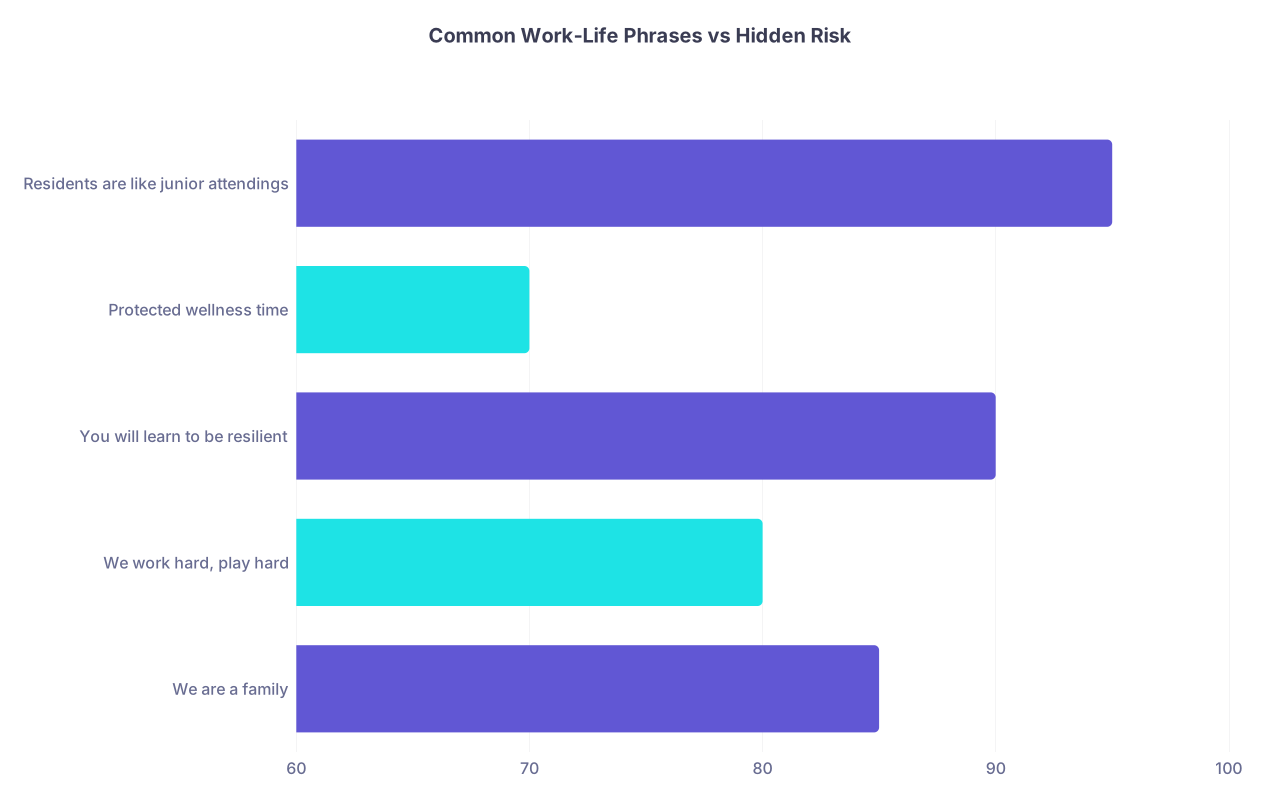
| Category | Value |
|---|---|
| We are a family | 85 |
| We work hard, play hard | 80 |
| You will learn to be resilient | 90 |
| Protected wellness time | 70 |
| Residents are like junior attendings | 95 |
(The “risk” here is how often, in my experience, that phrase correlated with a high-burnout, overworked program.)
Let’s decode some of the worst offenders.
“We’re like a family here”
This is probably the single biggest red flag when it comes with a certain tone.
Sometimes “family” means people actually help each other out. More often it means: blurred boundaries, guilt-tripping, and an expectation that you’ll sacrifice everything “for the team.”
Here’s what I’ve seen this phrase cover up for:
- A culture where saying no is framed as “letting your family down”
- Chiefs calling interns at home on post-call days for “just a quick thing”
- Weekend “optional” events that are socially mandatory
Residents will say this with a smile at the social. Ask them—privately—“What does ‘family’ mean on a bad day?” Watch their eyes. If they laugh a little too quickly, or immediately pivot to “we really support each other,” they’re telling you there’s pressure to be endlessly available.
If the PD says “we’re like a family” and a resident immediately stays silent or looks at the table, pay attention. I’ve watched that exact interaction more times than I can count.
“We work hard, play hard”
Translation: We absolutely burn you out, but we sponsor a bowling night.
This is the classic camouflage phrase for front-loaded, brutal rotations. A senior at one large Midwest IM program told me, “They said ‘work hard, play hard’ and they meant ‘six months of q4 28s your PGY-1, with an annual lake house trip as a band-aid.’”
When you hear this, ask two things:
- “What does a tough month look like? Be specific—hours, days off, call schedule.”
- “When was the last time something was removed from the schedule because residents were overworked?”
If they can’t give you a concrete example of intentionally cutting back, they do not actually temper the “work hard” part. The “play” is social media content.
“You will be very well prepared for anything after residency”
Sometimes this is genuine. More often it’s a rationalization for chaos.
I once heard a PD tell the CCC behind closed doors: “Yes, they’re complaining, but they’ll be amazing hospitalists when they get out of here.” That program had chronic under-staffing and routinely “flexed up” census beyond what the schedule technically allowed.
What this really means when it’s paired with vague wellness language:
- You’ll cover too many patients
- You’ll learn via sink-or-swim
- They justify overwork with “training value”
Listen for how they define “prepared.” If they equate “prepared” with “used to suffering and sleep deprivation,” walk away.
The “Wellness” Theater: When Perks Replace Protection
Here’s the ugly truth: it’s much easier for a program to buy yoga mats than to fix call schedules.
So they put on a wellness show.
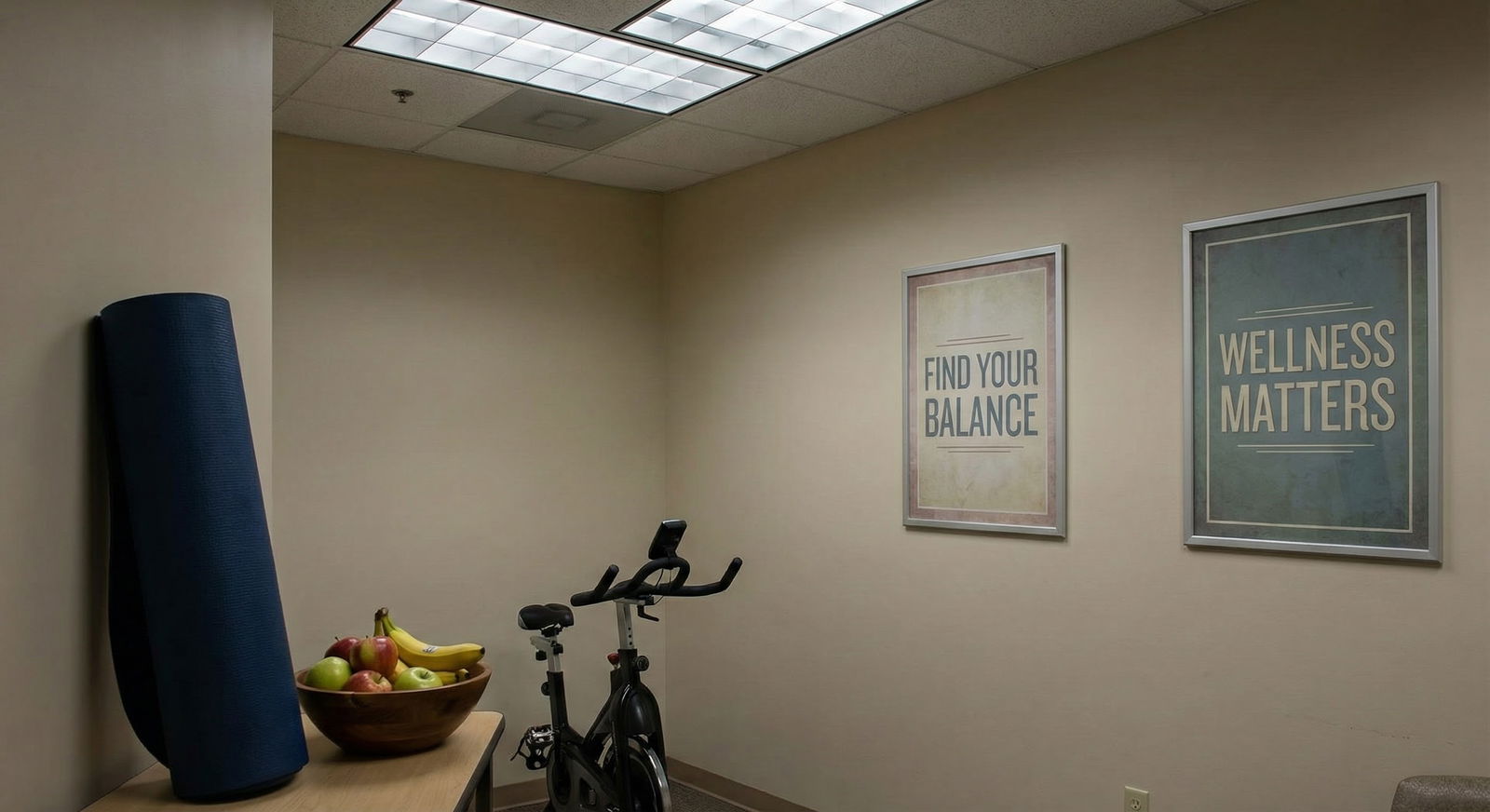
“We have great wellness initiatives”
The word “wellness” has been beaten into meaninglessness. You need to differentiate between performative wellness and structural wellness.
Performative wellness is:
- Yoga classes (you’re never free to attend)
- Free coffee and snacks
- A “quiet room” no one has time to use
- Wellness lectures at noon when you’re still on rounds
Structural wellness is:
- Cap enforcement that residents believe in
- Reliable days off that are actually off
- Attendings who routinely send residents home when work is done
- Coverage systems that don’t punish you for being sick
When a PD leads with the snack bar, that’s a bad sign. I sat in on a recruitment meeting once where the associate PD literally said, “Don’t forget to show them the espresso machine on the tour—that photographs well.” Not a word about how they’d just failed an ACGME survey on duty hour violations.
If you hear “wellness” and it’s immediately tied to objects (“we have Pelotons!”) and not policies, that’s your red flag.
“We protect your wellness time”
Here is a phrase that sounds great and is often useless.
Ask residents, not faculty: “Is wellness half-day truly protected? How often is it interrupted?” At one large coastal program, wellness half-days existed on paper. In reality, I asked three PGY-2s and they all said some version of, “I’ve had one actual wellness afternoon in two years.”
Real protection feels boringly dependable. Residents will describe it like a fact: “Yeah, we really are off by noon that day. If something comes up, the attending or NP covers, not us.”
Fake protection is always “usually,” “generally,” “when census allows,” or “as long as nothing crazy happens.” “Nothing crazy” happens about three days a year in most hospitals.
“We care about wellness—our chief resident is on the wellness committee”
Programs love to add a “Wellness Chief” or a wellness committee and then load them with symbolic tasks: organizing socials, sending out mindfulness emails, planning retreats. None of that touches workload.
I watched a wellness chief at a big-name academic program present three times to the faculty about intern burnout. They had survey data, quotes, everything. Faculty response: “Let’s plan a retreat.” Nobody cut an ICU rotation. Nobody dropped a clinic session.
Ask: “Have any schedules or duties changed in the last 2–3 years specifically because of wellness feedback?” If the best they can offer is “we added a retreat” or “we started Wellness Wednesday emails,” you have your answer.
When They Talk Around the Hours
Programs know you’re looking for specific numbers: hours per week, days off, call frequency. So the slippery ones stop giving specifics.
That dance is itself a red flag.
| Question Type | Green-Flag Response | Red-Flag Response |
|---|---|---|
| Average weekly hours | Gives a range and context | "Depends on the rotation" only |
| Days off | States exact policy and compliance | "We try our best" |
| Post-call | Clear home-by time expectation | "You leave when work is done" |
| Violations | Admits issues and fixes | Claims "never an issue" |
“Hours really vary—some days are long, some are short”
Everyone’s hours vary. That’s not an answer.
What you’re listening for is whether anybody is willing to say numbers out loud. At a solid, honest program, someone will say something like: “On wards, interns are here 6:30 to about 6 most days, later on admits; in clinic it’s more like 50–55 hours a week.” Or: “Our ICU months are 65–70 hours; electives are much lighter.”
At problematic programs, you get mush:
- “It’s compliant with ACGME”
- “You’ll never violate the 80-hour rule here”
- “Everyone’s perception of busy is different”
I once saw a resident try to give numbers and the PD cut in with, “It’s really rotation dependent, but we’re within ACGME guidelines.” That program later got cited for duty hour violations. Surprised? I wasn’t.
“We monitor duty hours very closely”
Ask, “Do people ever feel pressure to under-report?” and then stay quiet.
The most revealing thing isn’t the actual words. It’s the micro-second of hesitation, the glance at the chief, the nervous laugh. I remember one candidate asking that at a Q&A. The PGY-3 paused, then said, “Well, we try to be honest,” which told the sharp listeners everything they needed.
Also—if a PD says, “We’ve never had a duty hour violation,” they are either lying, residents are under-reporting, or the program runs at such low acuity that you shouldn’t be there for training anyway. Everyone else occasionally breaks 80 in reality and then fixes it.
Honest programs will say something like: “We had issues on nights two years ago, got cited on the ACGME survey, and we changed our cross-cover structure. It’s better now, but we still tweak.”
The lie isn’t having problems. The lie is pretending they never did.
How Residents Slip You the Truth (Without Saying It Directly)
Residents are not free to say exactly what they think in front of leadership. You’re expecting bluntness in a setting that punishes bluntness. So they speak indirectly.
Your job is to listen between the lines.

| Step | Description |
|---|---|
| Step 1 | Resident Thought |
| Step 2 | Say it directly |
| Step 3 | Soften language |
| Step 4 | Use phrases like busy but doable |
| Step 5 | Change topic to positives |
| Step 6 | Safe to say in front of PD |
Pay attention to how they answer, not just what they say
A few real patterns I’ve seen over and over:
You ask, “How do you feel about work–life balance here?”
- Green flag: “Honestly, intern year was rough on wards, but I get my days off. I still see my partner, I still have hobbies, I can plan things on my golden weekends.”
- Red flag: “You learn to manage your time. It’s really about your attitude.” That’s code for: the system is bad, you’re responsible for surviving it.
You ask, “Do you feel supported when you’re overwhelmed?”
- Green flag: “My attending picked up notes when I fell behind,” or “Our chiefs helped redistribute the list when we were drowning.”
- Red flag: “We lean on each other a lot,” with no mention of faculty changing anything. Translation: Residents save each other from a broken system while faculty look away.
You ask, “What’s the last thing residents successfully changed about the program?”
- Green flag: “We pushed to get rid of a brutal night float schedule, and now we have a swing system. It made things better.”
- Red flag: Long silence, then something like, “We started a wellness newsletter!” That means they have voice about optics, not about work.
Watch the body language when wellness comes up
I’ve sat at those lunches. When candidates ask about balance, these tells repeat like clockwork:
- Eyes go to the most senior resident in the room
- Quick glances toward the chief or PD
- Someone jumps in with a joke to deflect
- Residents answer in vague clichés: “It’s residency, you know…”
If a program truly protects work–life balance, residents don’t tense up when you mention it. They don’t look like they’re editing on the fly. They just tell you what life looks like.
The Subtle Red Flags in How They Talk About You
Listen carefully when programs describe you—future residents. It reveals what they expect from your life outside the hospital: basically nothing.
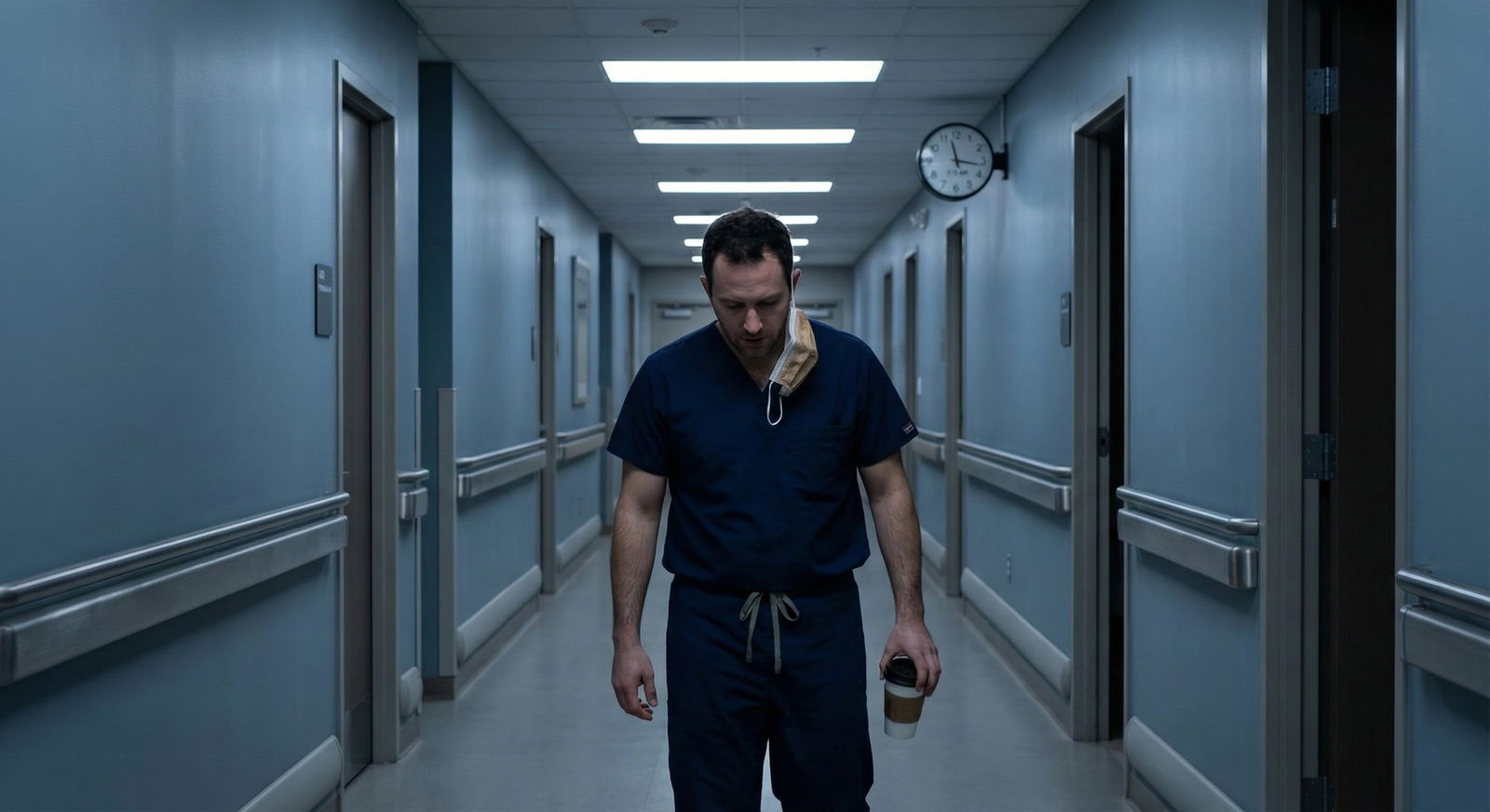
“We’re looking for resilient residents”
That word—resilient—is the new shield programs use to avoid fixing structural problems.
Faculty will say in recruitment committee meetings, “We need resilient people; this is a demanding hospital.” And everyone nods. They do not say, “We should fix the schedule so average people don’t break.” They want superhumans who won’t complain.
If the PD uses “resilient” more than once, probe: “How does the program respond when residents give feedback that they’re burning out?”
Bad answers center on individual coping: “We have resilience training, mindfulness sessions, access to counseling.” Good answers center on systemic change: “We cut a night, we added an APP, we removed weekend clinic.”
“Our residents are incredibly dedicated—they always go the extra mile”
That sounds flattering. It’s not.
This is how exploited labor is framed as virtue. I once heard an attending brag: “Our residents stayed until 10 pm getting dispositions sorted during the surge.” That’s not dedication. That’s failure of staffing.
Ask: “Does the program ever tell residents to go home if they’re staying late?” At healthy programs, you’ll hear stories of attendings pushing residents out the door. At toxic programs, the stories you hear are about residents praised for staying late. Listen to what behavior they celebrate.
“Our residents become like junior attendings”
Beware this one. That usually means two things:
- You’ll be given attending-level responsibility without attending-level support
- The hospital is quietly relying on you to plug gaps
“Junior attending” is great if it means strong autonomy with backup. It’s disastrous when it means “you’re writing all the notes, entering all the orders, covering too many patients because we won’t hire another nocturnist.”
A candidate once asked at a well-known program, “What’s backup like at night?” The answer: “You won’t need much—you’ll be like a junior attending by then.” That’s not an answer. That’s negligence wrapped in a compliment.
The Future Talk: When “Innovation” Is a Smokescreen
Programs now like to talk about being “at the forefront of the future of medicine.” AI, telehealth, expanded roles. This can be fantastic. It can also be a convenient way to disguise creep in responsibilities.
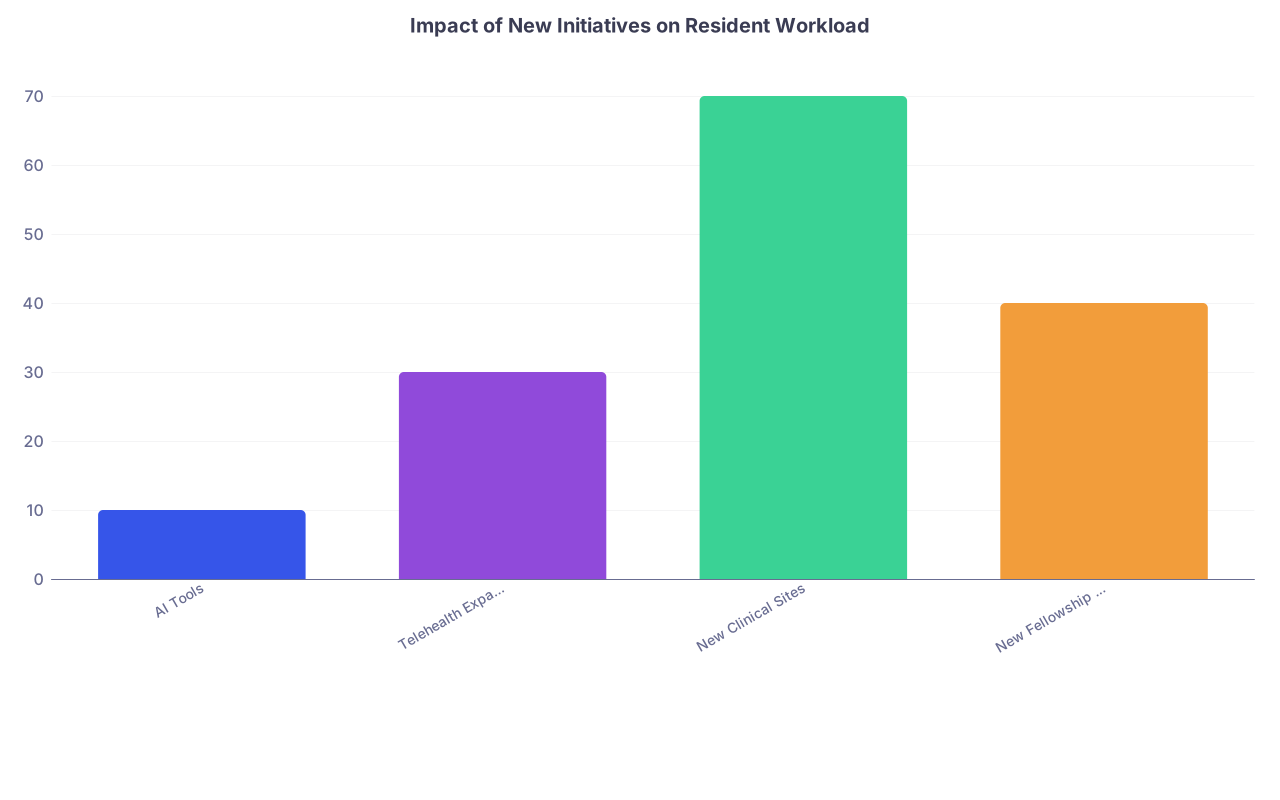
| Category | Value |
|---|---|
| AI Tools | 10 |
| Telehealth Expansion | 30 |
| New Clinical Sites | 70 |
| New Fellowship Tracks | 40 |
That bar isn’t data from a paper; it’s my rough estimate from watching new initiatives roll out. New sites and new tracks? They explode workload without warning, unless someone is guarding against it.
“We’re expanding to new sites / opening a new tower”
Here’s the translation: workflow chaos for at least 12–24 months. I was there when one big health system opened a new tower. Elevators didn’t work right for weeks. Labs got delayed. Transport was a mess. Residents were the human spackle filling every gap.
Ask very pointedly: “You’re expanding. How will that impact resident workload and call frequency in the next 2–3 years?” Also: “Will the number of residents increase to match the new volume?”
If they talk only about “amazing opportunities” and “seeing more pathology” and say nothing about added support, they’re planning to use you as expansion fuel.
“We’re integrating more telehealth and innovation”
Sounds modern. But someone has to do that extra telehealth work. Early on, it’s often residents, squeezed between existing responsibilities.
Clarify: “Does telehealth replace any in-person sessions or is it added on?” If it’s additive and they smile and say “It’s a great experience,” understand that you’re probably looking at more hours for the same pay.
I watched a program add a “telehealth continuity clinic block” that ended up being on top of regular inpatient work because “it’s just a few quick visits over lunch.” Residents started eating at 3 pm—if at all.
How to Test a Program’s Story in Real Time
You’re not going to get a PD to confess, “We overwork you and call it wellness.” But you can stress-test their narrative.

Here’s how the people on the inside do it when we’re quietly advising applicants.
Ask about extremes, not averages
Programs love to talk averages. Residents live in extremes.
Instead of, “What are your typical hours?” ask:
- “What was your worst month, and what did your life outside the hospital look like?”
- “Have you ever gone a full week without a real evening to yourself? How often does that happen?”
- “What percentage of your golden weekends did you actually get?”
You’re watching for whether these worst-case scenarios sound rare and exceptional, or like a normal rite of passage.
Ask for a recent example of saying “no” to service creep
Service creep is real. New notes, new consults, new quality initiatives—they all end up on residents unless someone refuses.
Ask residents or chiefs: “Can you think of a time the program leadership said ‘No, residents can’t take that on’ when the hospital wanted to add something?”
Solid programs will have an example: “Administration wanted us to staff an extra clinic half-day; PD said no until staffing was added.” Toxic programs will blank, then mumble something about “we just get it done.”
Get residents alone and give them an out
The truest answers come when PDs and coordinators are nowhere in sight. Use those rare unsupervised minutes.
But don’t ask, “Is it bad?” That puts them on the spot. Ask, “If you had to choose this program again, would you?” If they hesitate, that hesitation is your answer.
Or: “What type of applicant do you think thrives here and who struggles?” Residents will reveal more than they mean to. You’ll hear things like, “People with strong support systems do great” (translation: you will need external scaffolding to survive), or “If you need a lot of structure/if you have kids, it’s tough.”
When three different residents tell you their partner is in another city, that’s also data. Sometimes the people with families simply don’t last there.
Three Things to Remember
How a program talks about work–life balance is data. Vague, cliché-filled, wellness-theater language usually means they’ve chosen optics over actual protection.
Residents will tell you the truth indirectly. Watch their eyes, their hesitations, the stories they choose, and what they don’t answer as much as what they do.
Any program can work you hard. The only thing that matters is whether they also protect you—your time off, your voice, your sanity—or whether they expect you to be “resilient” enough to survive a system that isn’t interested in changing.