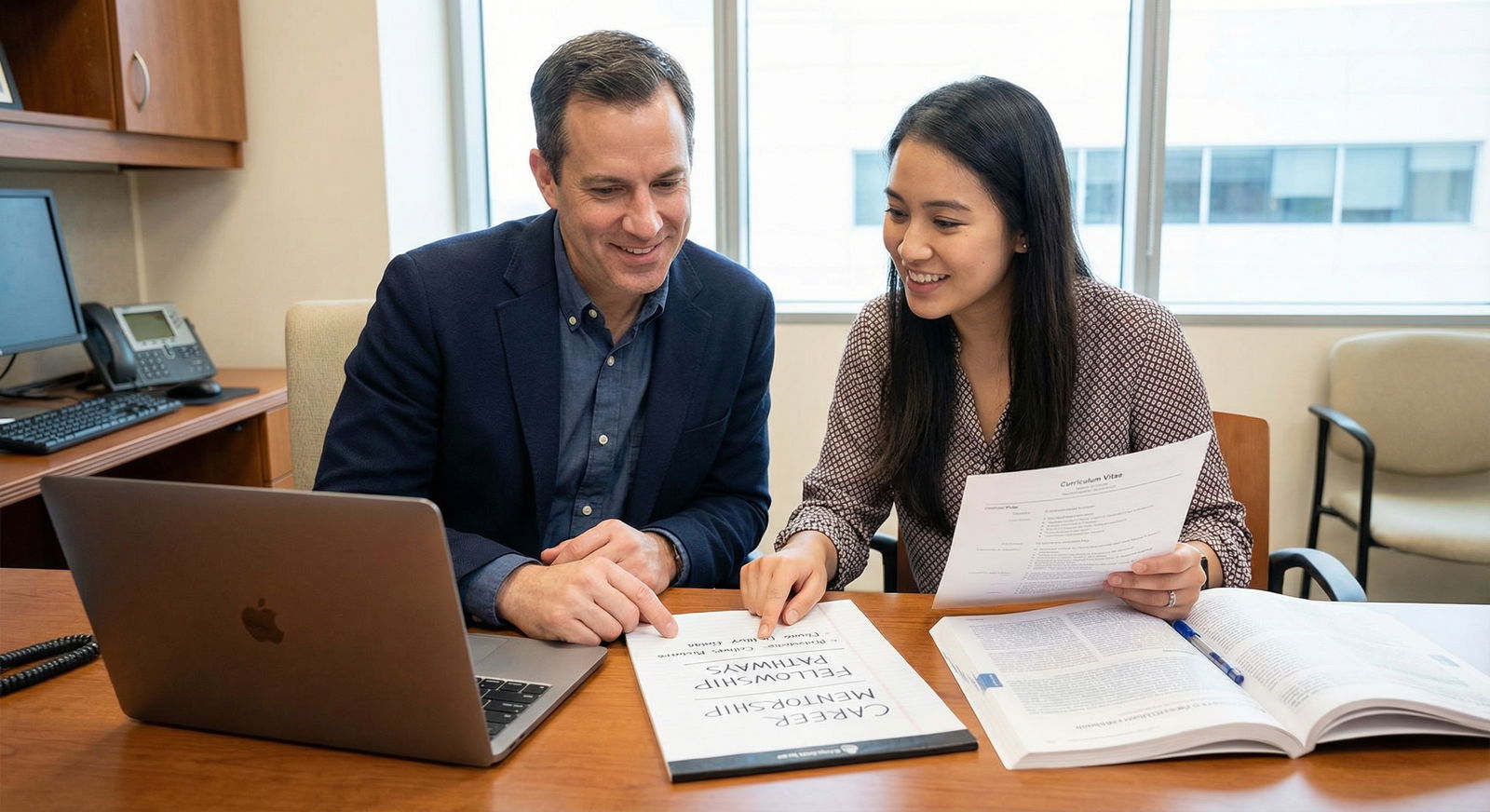
You’re a few weeks out from rank list certification. You think most of the work is done: ERAS submitted, interviews finished, thank-you notes sent. You’re tweaking your list at 1:00 a.m., obsessing over whether to put the “prestige” program over the place where you actually felt human.
What you do not see, while you’re refreshing Reddit, is this: across the country, program directors are on the phone with each other. Calling in favors. Swapping intel. Killing or saving applications in five‑minute conversations you’ll never hear about.
Let me walk you through how those backchannel calls really work, who actually gets them, and how they can quietly reshape your options without your consent—or your awareness.
What “Backchannel” Really Means (Not the Fantasy Version)
People toss around “backchannel” like it’s some mysterious conspiracy where PDs sit in a smoky room and trade residents like baseball cards. That’s not how it looks in real life.
Backchannel is simpler and more dangerous because it’s casual.
It’s the IM PD at a big academic center sending a two-line email to a friend: “Got an applicant from your shop. Any concerns?” Or the surgery PD calling your home chair: “If I rank this person high, am I going to regret it?” Or a smaller community program director picking up the phone to a well-known name and saying, “Sell me on this kid.”
Those calls fall into a few predictable categories:
| Type of Call | Main Purpose |
|---|---|
| Vetting / Red Flag | Catch hidden problems |
| Advocacy / Favor | Boost a specific applicant |
| Damage Control | Reframe known issues |
| Ranking Strategy | Compare multiple applicants |
None of this shows up on ERAS. None of it is documented in a way you’ll ever see. But it can move you from rank 40 to rank 5. Or from “probably interview” to “silent rejection.”
Who Actually Gets Backchannel Calls (And Who Doesn’t)
Let me be blunt: not every applicant generates phone traffic. Most do not.
You’re more likely to be discussed if:
- You’re applying to a competitive specialty or high-profile program (ortho, derm, ENT, plastics, big‑name IM, etc.).
- You’re from that PD’s medical school or a school they know well.
- You rotated there as a visiting student.
- You have a glaring mismatch: lower scores but huge letters; strong scores but terrible interview; a long leave of absence; professionalism flags.
- Someone is actively pushing you: your chair, your PD, a well-known mentor.
There’s a hierarchy of whose calls get attention. An email or call from “Associate Professor, Department of Internal Medicine, Unknown State University” is not the same as one from “Chair of Medicine, Massachusetts General.” Everyone pretends they weigh them equally. They don’t.
When you will not trigger calls
If you’re a mid‑pack applicant from a school nobody on that committee has ties to, applying to mid‑tier programs where no one knows you, and there are no red flags? You probably never come up outside of that program’s conference room.
That’s not always bad. It means your fate is mostly in the hands of your file and your interview, not someone’s offhand gossip. But it also means you don’t get rescued if your interview was flat or your application is better than it looks on paper.
What PDs Actually Say on These Calls
Let me give you the real language you never hear.
Faculty don’t say, “This is a problematic student with professionalism concerns.” They say things like:
- “I wouldn’t lose sleep if you didn’t take them.”
- “Strong academically, but we had… some issues with reliability.”
- “You’ll need a tight leash on them early on.”
- “They’re fine, but if you have stronger options, I’d go with those.”
- “Great clinically. Not my favorite personality around the team.”
Read between the lines. That’s how a PD politely warns another PD while minimizing their liability later. Nobody wants to be the one who explicitly blacklisted you.
And then there’s the other side—the advocacy calls:
- “This is one of our top graduates this year.”
- “If I were still running a program, I’d take them in a heartbeat.”
- “They had a rough patch, but they’ve really turned it around.”
- “High integrity. I’d trust them with my own family.”
Those little phrases carry more weight than your fourth research poster ever will.
How Much Power Do These Calls Really Have?
More than you think. Less than the conspiracy theories.
Most programs now have some structured scoring system. They present it at recruitment meetings, everyone nods, it goes in the slide deck. But when you’re sitting in a ranking meeting at 10 p.m. and trying to decide whether an applicant is #5 or #25, or whether to offer that last interview spot, the “structured score” gets flexible.
That’s where backchannel comes in. It’s the tiebreaker—and sometimes the executioner.
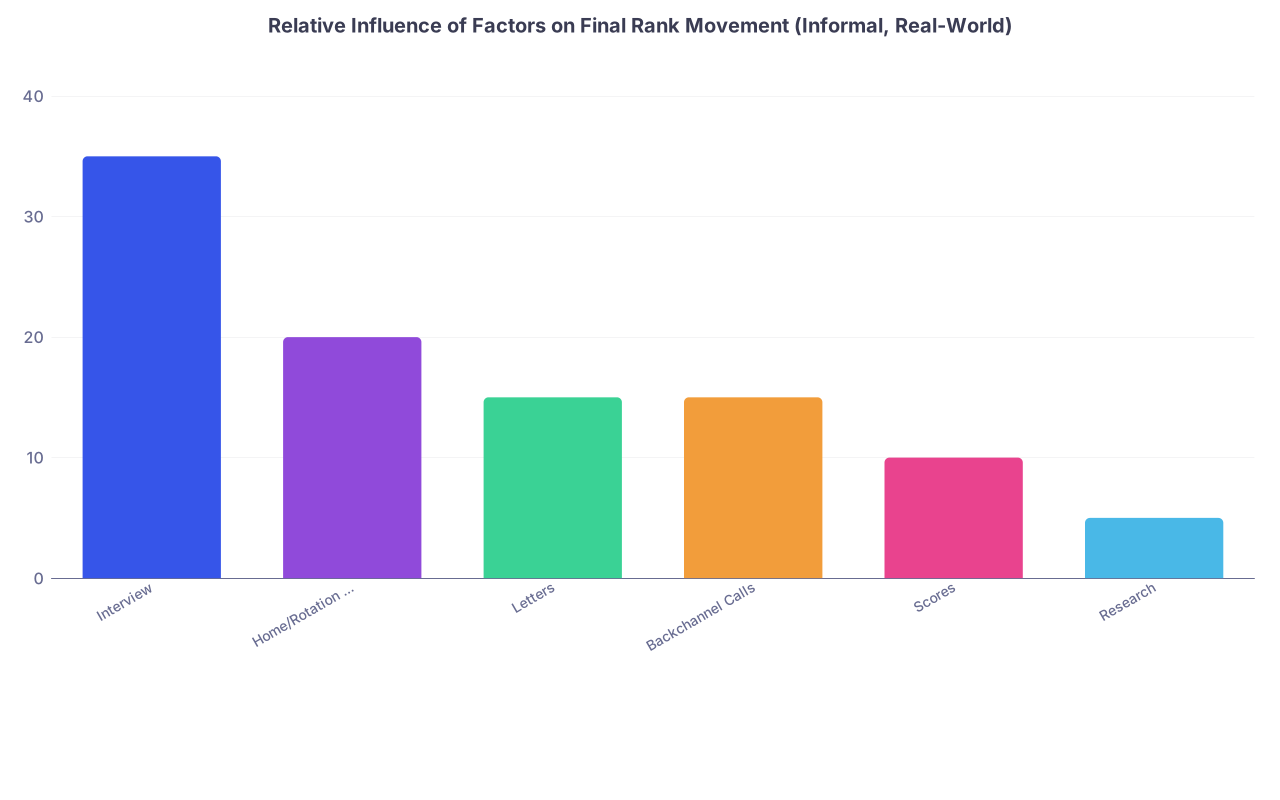
| Category | Value |
|---|---|
| Interview | 35 |
| Home/Rotation Performance | 20 |
| Letters | 15 |
| Backchannel Calls | 15 |
| Scores | 10 |
| Research | 5 |
Is that data published? Of course not. But if you sit in enough rank meetings, you see the pattern. Interview dominates, then how people performed in real life. After that, personal intel—backchannel—starts tipping the scales.
No one says, “We had a bad call, let’s drop them 30 spots.” They say, “Given what we heard, I feel more comfortable ranking X above Y.” And suddenly you’re just a bit lower. That’s all it takes if you’re on the bubble of where they actually match.
The Dark Side: When Backchannel Hurts You
Here’s the part most med schools never tell you, because it makes them look bad: your own institution can quietly damage your chances, and you’ll never know who did it.
1. The “polite negative” from your home PD or chair
Every PD knows certain other PDs they can call for “the real story.” If you had friction with your home program, chronic lateness, unprofessional emails, a “personality conflict” that led to being removed from a team—this is where it surfaces.
They won’t necessarily document it as a formal professionalism issue. That takes work and committees and due process. But a five‑minute phone call is easy.
Protect yourself by assuming that anything serious that happened in your clinical years can be communicated informally. If you’ve had issues, you need someone else who believes in you strongly enough to counterbalance that narrative.
2. Toxic attendings and off-the-record comments
Every program has that one attending who likes to “tell it like it is.” They’re charming over drinks and dangerous over the phone.
If you clashed with that person on a sub‑I, and they’re friends with a PD where you’re applying, they can do real damage. Not always intentionally malicious. Sometimes it’s just, “Yeah, they’re bright but… high maintenance.”
That phrase—“high maintenance”—is code for “proceed with caution.”
3. Over-sharing your personal life
I’ve seen this one too many times. A student overshares on a rotation—mental health history, relationship drama, family conflict—and trusts the wrong faculty member. That faculty then “helpfully” brings it up on a call:
“They’re good, but they’ve had some emotional stuff this year. I’d just make sure they have good support.”
It’s wrapped in concern. It lands like a grenade.
You are allowed to have a life and struggle like any human being. But during application season, you must be strategic about who hears what. Anything you tell one attending, assume their friend at another program could hear a version of it.
The Other Side: When Backchannel Saves You
It’s not all sabotage. Those same calls have rescued a lot of people.
1. The quiet champion who picks up the phone
Every year there are applicants with a weird blip: a bad Step attempt, a messy family situation, a leave of absence, a professionalism scare they grew out of. If someone credible says, “Listen, that’s not who they are now,” PDs listen.
I’ve seen students with 2 failed attempts and a solid comeback get ranked high because a respected chair said, “They had one terrible year. Since then, they’ve been one of our best interns on service. I’d hire them.”
Without that call, the application would have died in the initial screen.
2. The “you have to meet this person” nudge
Some applicants don’t look special on paper. Average scores, limited research, nothing flashy. But they lit up a rotation, ran the list, picked up the slack, and everyone trusted them.
A PD gets an email from someone they actually trust: “This student is a worker and a glue person. Not a superstar CV. But you want them on your team.” That student gets an interview they never would’ve gotten based on ERAS alone.
3. The tie-breaker in your favor
When programs are deciding between two similar applicants at the top of the list, backchannel endorsement is often the deciding factor.
“I know this person. We trained their chief. They were excellent.” That’s the kind of quick remark that bumps you two or three spots up. And that can easily be the difference between matching there or not.
Can You Influence Who Calls For You? Yes—But Not Directly
You cannot order a PD to make a call. You cannot see who called whom. But you can absolutely shape the environment that makes it more likely people speak up for you rather than against you.
Be intentional about whose letters you ask for
Think less about “famous name” and more about “who would pick up the phone for me and sound genuinely enthusiastic?”
A mid‑career, well‑liked, clinically respected attending who has placed multiple residents before is more valuable than the ultra-famous researcher who barely remembers you and writes the same generic letter for everyone.
During rotations, act like every attending has a PD on speed dial
Because many of them do. Especially in small specialties.
That doesn’t mean be fake. It means understand the long tail of your behavior. Blowing off one weekend note, disappearing post-call, rolling your eyes in front of a fellow—those little things are exactly what come up when someone asks, “Any concerns?”
On the flip side, the resident who helps the intern get out 30 minutes earlier every day? People remember that too.
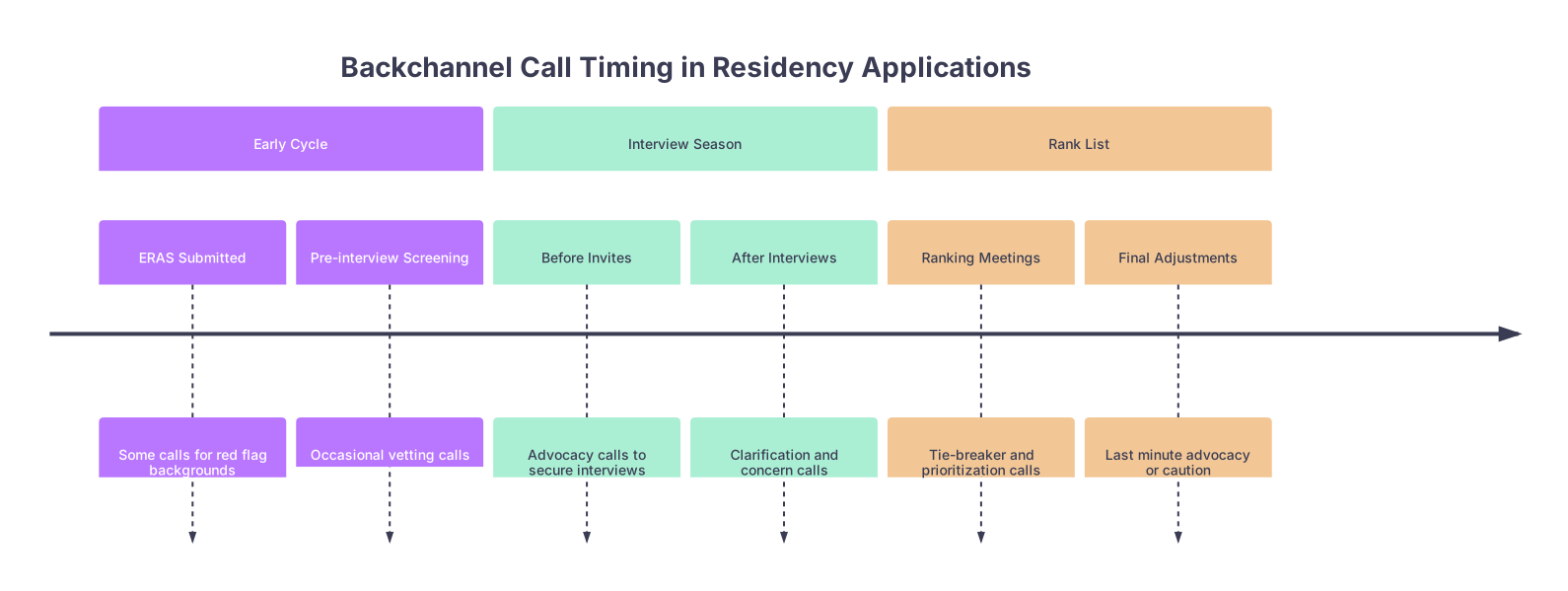
| Period | Event |
|---|---|
| Early Cycle - ERAS Submitted | Some calls for red flag backgrounds |
| Early Cycle - Pre-interview Screening | Occasional vetting calls |
| Interview Season - Before Invites | Advocacy calls to secure interviews |
| Interview Season - After Interviews | Clarification and concern calls |
| Rank List - Ranking Meetings | Tie-breaker and prioritization calls |
| Rank List - Final Adjustments | Last minute advocacy or caution |
How This Affects Your Rank List Strategy
Here’s where most applicants get it wrong. They think: “If PDs make backchannel calls, I should try to game my list based on who likes me most.”
That’s a losing game for two reasons:
- You will never have full information about who called and what they said.
- PDs can and do change their rank lists after conversations you never hear about.
Your only rational strategy is still to rank programs by where you genuinely want to train, full stop. But you should adjust your expectations about certain programs based on in-person signals.
Signs a program might be quietly high on you
- Multiple faculty on interview day mention, “We’ve heard great things from your home program.”
- A PD or APD references something not in your ERAS that shows they talked to someone.
- They explicitly say, “If you’re really interested in us, send me an email. It matters.”
Do not interpret any of that as a guarantee. But if you loved the place and they’re obviously doing their homework on you, it’s reasonable to keep them high on your list.
Signs a program may have cooled on you post-interview
This is subtle. But I’ve watched it happen.
- You had a concerning interaction on the interview day (weird comment, visible frustration, pushed back too hard on an interviewer) and the vibe changed.
- Someone at your home institution hinted: “Maybe don’t count on X as heavily.”
- A faculty who had been very communicative suddenly goes quiet or generic.
Could backchannel have contributed? Possibly. But again: you can’t reverse-engineer it. You just factor it in lightly and still rank by preference.
What You Should Not Do About Backchannel
Let me shut down a few bad ideas I see every year.
1. Do not ask faculty, “Can you make calls for me?” like it’s a transactional favor list
The people who are actually effective in backchannel advocacy are already doing this, quietly, for the students they believe in. Asking directly risks making you look entitled or naïve.
What you can say is something like:
“I’m very interested in Programs X and Y. If there’s any additional context or support that would help them see the best version of me, I’d be really grateful.”
Anyone who plays in that backchannel space knows what that means.
2. Don’t try to “correct” a narrative you’re only guessing about
Students will torture themselves: “Did my PD tank me? Did that attending say something?” Then they start sending awkward explanation emails to programs about issues that programs weren’t even aware of.
Unless a program directly raises a concern, you do not send unsolicited multi-paragraph defenses about your board score, your leave, or that one rotation. Over-explaining smells like guilt.
3. Don’t assume no contact means no chance
Silence does not equal “we hate you.” It usually equals “we’re overwhelmed and haven’t thought about you individually yet.” A lot of backchannel happens in the last 2–3 weeks before rank list certification, when programs are suddenly forced to put names in order and someone says, “Hey, does anyone know this person?”
How To Quietly Improve Your Backchannel Odds
You cannot control the whole game, but you’re not powerless.
Focus on three things:
Create at least one strong, real advocate
Not a “brand name.” A human who actually knows you, has watched you work, and is already connected to your specialty. That might be a clerkship director, a mentor from a sub‑I, or a former chief now in fellowship at a place you’re applying.Be boringly reliable on every rotation that matters
No drama. No late notes. No vanishing. If people see you as low-drama, high-output, that’s exactly how they’ll describe you in unscripted phone calls. “Solid. Trustworthy. Zero issues.”Know your story cold and own your weak spots
If you have a red flag, you need a clean, consistent, non-defensive narrative. The better you explain it to your mentors, the better they can contextualize it when they’re cornered on the phone: “Yes, they had X, but here’s what they did about it, and I’m not worried.”
A Quiet Truth: PDs Are More Risk-Averse Than You Think
This is the real driver behind backchannel.
Residency programs don’t want rock stars who might explode. They want people who will show up, not harass anyone, not disappear mid-year, not fail boards, and not become a Title IX headline.
When PDs pick up the phone, what they’re really asking is, “If I take this person, will I regret it? Am I taking on risk I can’t see from the file?”
If your mentors can honestly say, “No, they’re safe; they may not be flashy, but they’re steady,” that may be the strongest endorsement you can get in this hidden economy.
And if they can’t say that about you? That’s when backchannel gets ugly. Quietly, off the record, with you never in the room.
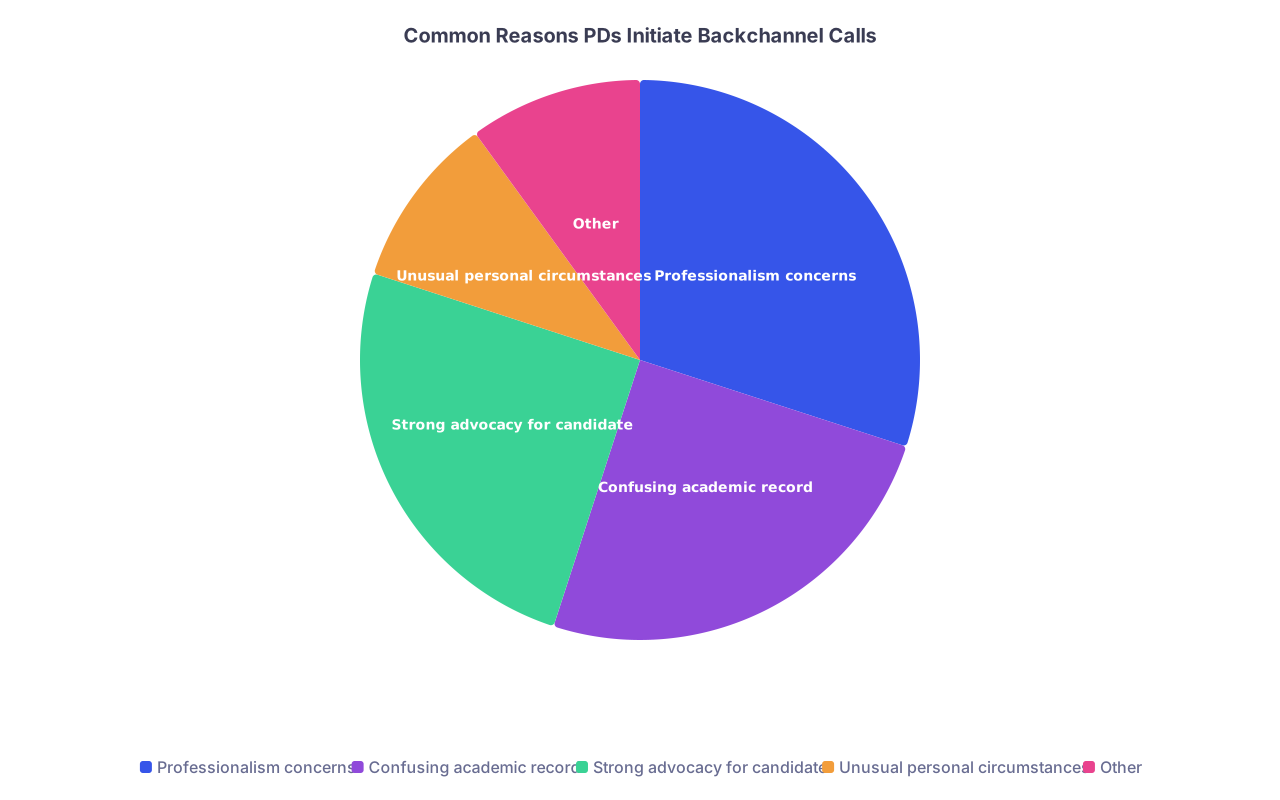
| Category | Value |
|---|---|
| Professionalism concerns | 30 |
| Confusing academic record | 25 |
| Strong advocacy for candidate | 25 |
| Unusual personal circumstances | 10 |
| Other | 10 |
Bottom Line: How To Live With a System You Can’t See
You’re operating in a market that has a parallel, invisible layer. PDs, chairs, and attendings trade impressions, warnings, and praise in a language you never hear.
You cannot fully control that. But you can decide who knows you well enough to speak for you. You can behave in ways that make those conversations boringly positive. And you can stop driving yourself insane trying to decode every silence.
Rank where you actually want to train. Build real relationships, not transactional ones. And understand that while backchannel can move you a few spots up or down, the core of your file—how you treated patients, teammates, and your own responsibilities—sets the baseline.
That part isn’t secret. That part you’ve been writing for years.