
Residency programs that sell themselves as “Step score factories” are lying to you—sometimes outright, sometimes by omission.
The idea that a residency can magically inflate board scores the way an MCAT prep course boosts practice tests is seductive. It’s also mostly fiction. What actually happens in so‑called “high board pass / high board score” programs is far less glamorous and a lot more uncomfortable to hear: they select high scorers, then take credit for outcomes those residents were likely to achieve anyway.
Let’s pull this apart.
The Myth: “This Program Will Raise My Board Scores”
The sales pitch is familiar:
- “100% board pass rate for 10 years.”
- “Average ABIM score well above the national mean.”
- “Our curriculum is designed to maximize your board performance.”
You hear it on interview day. You see it on the website. You might even have a senior tell you, “Go there, they churn out huge Step/board scores.”
Here’s the problem: the numbers rarely mean what you think they do.
Selection ≠ Training Effect
Programs do three quiet things that completely contaminate the “board performance” story:
They select residents who already test well.
Many “board powerhouse” IM or anesthesia programs filter heavily on USMLE Step 1/2 or COMLEX scores. Same in EM, rads, and some fellowships. If they fill with people who hit 250+ on Step 2, of course their board means look great.They terminate or push out residents at high risk of failing boards.
I have personally seen programs “not renew” contracts or gently redirect residents into non‑clinical paths after in‑training exam disasters. Those residents vanish from the marketing data.They aggressively gatekeep who sits for the boards.
Some programs delay or “strongly encourage” postponing the board exam if your in‑training score is low. Again: your weak exam performance never shows up in their pass‑rate brag slide.
By the time you’re staring at a “100% pass rate,” you’re not looking at educational causality. You’re looking at survivor bias.
The Data: Program Factors vs Individual Factors
Where do board outcomes actually come from? Large studies and specialty exam boards have been singing the same song for years:
- Prior test performance (USMLE/COMLEX, ITE scores) is the strongest predictor of board outcomes.
- Undergraduate and medical school performance (class rank, AOA, etc.) correlate better than any single residency variable.
- Program factors matter—but not the way brochures suggest.
The “Step score factory” narrative pretends your residency can override your prior trajectory. Reality: if you were a 220 Step 2 test taker with chronic study procrastination, no program brand is going to morph you into a 260 fellowship superstar by magic.
You still have to grind. And some environments make that grind easier or harder.
What Board Scores Actually Track: It’s Not the Logo on Your Badge
So what does move the needle during residency? Spoiler: not the glossy PowerPoint slide list of “structured board review sessions.”
The evidence and resident experience both point in the same direction.
1. In‑Training Exams Beat Marketing Slides
In almost every specialty, your in‑training exam (ITE) is a strong predictor of board performance. That’s not controversial; it’s published repeatedly.
Programs that actually improve board outcomes do a few unsexy things:
- They track ITE scores seriously, not performatively.
- They respond early when you’re trending down, not hand you a review book in PGY‑3.
- They adjust schedules—less ICU during critical study windows, less night float right before the exam.
That’s very different from “We have Tuesday noon board review with pizza.” Noon conference is not the thing that will save you.
2. Time and Cognitive Bandwidth Matter More Than Slogans
Residents fail boards for two dominant reasons:
- They did not put in sustained, structured study time.
- They were too exhausted, burnt out, or life‑crushed to use their time effectively.
A so‑called high‑powered program that works you 80 borderline‑violating hours, staffs you on paper thin teams, and hammers you with constant emotional load is not a “board powerhouse.” It’s a place where the already strong will survive and everyone else will quietly struggle.
Look closely for:
- How often residents are on nights in the six months before the board exam.
- How much jeopardy coverage they get pulled into.
- Whether elective blocks are actually protected or just “lighter call.”
If your real life is: q3 call, 14‑hour days, 2 days off a month and you’re trying to memorize guidelines… it doesn’t matter that “Dr. Smith gives great board lectures.”
3. Culture Around Failure: Shame vs Support
Here’s an underrated, ugly truth: in some “elite” programs, a board failure is treated like a personal and institutional humiliation. Residents get:
- Quietly ostracized.
- Given vague “try harder” lectures instead of a structured remediation plan.
- Left to self‑fund expensive board prep courses while on full call.
Guess what that does to performance on the second attempt? Anxiety spikes, studying becomes trauma‑driven, and performance often drops.
Programs that honestly help residents succeed with boards:
- Have a clear, written remediation plan.
- Assign a specific faculty mentor (not just “talk to your APD if you need anything”).
- Provide institutional support for a board prep course if needed, not blame you for the cost.
This is not glamorous. It’s not going on the website. But it’s what actually predicts that a borderline test taker will cross the line.
How Programs Game Their “Board Success” Numbers
Let’s call out a few common tricks. You will see these in the wild.

1. “100% Pass Rate” Without Denominator Transparency
“100% pass rate over 5 years.”
Pass rate of whom?
- Everyone who started the program?
- Everyone who graduated?
- Everyone who actually sat for the boards on time?
If a program dismisses two PGY‑2s for “poor performance,” encourages three PGY‑3s with low ITEs to delay boards, and then all 15 who sit for boards pass… congratulations, you now have a shiny 100% pass rate.
The part they don’t say out loud: multiple residents were filtered out before the exam.
2. Heavy Use of Minimum Cutoffs
Some programs tie promotion or graduation to minimum ITE thresholds. On paper this sounds “rigorous.” In practice, it’s a way to purge their denominator.
I’ve watched programs say things like, “You need to hit X percentile to qualify for graduation,” then very rarely document that this is also a way to protect their board statistics.
You should be asking: “What happens here if someone repeatedly scores low on the in‑training exam?” Listen carefully to whether the answer sounds supportive… or punitive.
3. Recruiting Self‑Selecting High Test Performers
Many “board powerhouse” programs openly advertise their love for high Step/COMLEX. Guess who applies? Test‑obsessed students who already live in UWorld and Anki.
Then, three years later, the program brags: “Look how amazing our board scores are!” No kidding—they front‑loaded the deck with people who would have done well almost anywhere.
To see this clearly:
| Program Behavior | What It Usually Means |
|---|---|
| Screens heavily on Step/COMLEX | Self‑selected group of high test performers |
| Gates board eligibility based on ITE | Protecting pass rate by shrinking denominator |
| Openly discusses remediation resources | Actually cares about marginal test takers |
| Reports pass rates *and* number eligible | Less gaming, more transparency |
What You Should Actually Look at When Choosing a Program
If you’re smart—and you are—you stop asking, “Is this a Step score factory?” and start asking, “Does this place make it easier or harder for me to succeed on boards and beyond?”
Here’s how to interrogate that.
1. Ask About Time, Not Just Curriculum
On interview day and second looks, stop letting them wave board review slides at you. Ask very specific, uncomfortable questions:
- “During the 6 months before the boards, how many weeks are residents routinely on nights or ICU?”
- “How many free weekends per month does a PGY‑3 have in that stretch?”
- “If someone is struggling with ITE scores, what specific schedule adjustments do you make?”
The squirming you see when you ask this tells you more than their ABIM bar graph.
2. Ask for Both Pass Rates and Raw Numbers
Press them:
- “Over the last 5 years, how many graduates in total?”
- “How many sat for the boards on time?”
- “Of those, how many passed on the first try?”
You won’t always get perfect numbers, but watch for how they respond. Programs proud of their support systems are usually comfortable being specific. Programs that rely on denominator‑games will suddenly go fuzzy.
3. Check How Seniors Actually Study
You want to see:
- Seniors on day shifts with some evenings free in the pre‑exam months.
- Real elective time, not “elective but you also cross‑cover three services.”
- A culture where talking about studying doesn’t trigger eye‑rolling or shame.
If all the PGY‑3s you meet say, “I’ll cram for boards after graduation,” that’s a red flag. Many never actually do. Life happens—jobs, kids, burnout, relocations.
The Bigger Lie: Step Scores as a Proxy for “Good Training”
The Step score factory myth is built on a deeper, more corrosive lie: that test scores are the best measure of whether a residency is high quality.
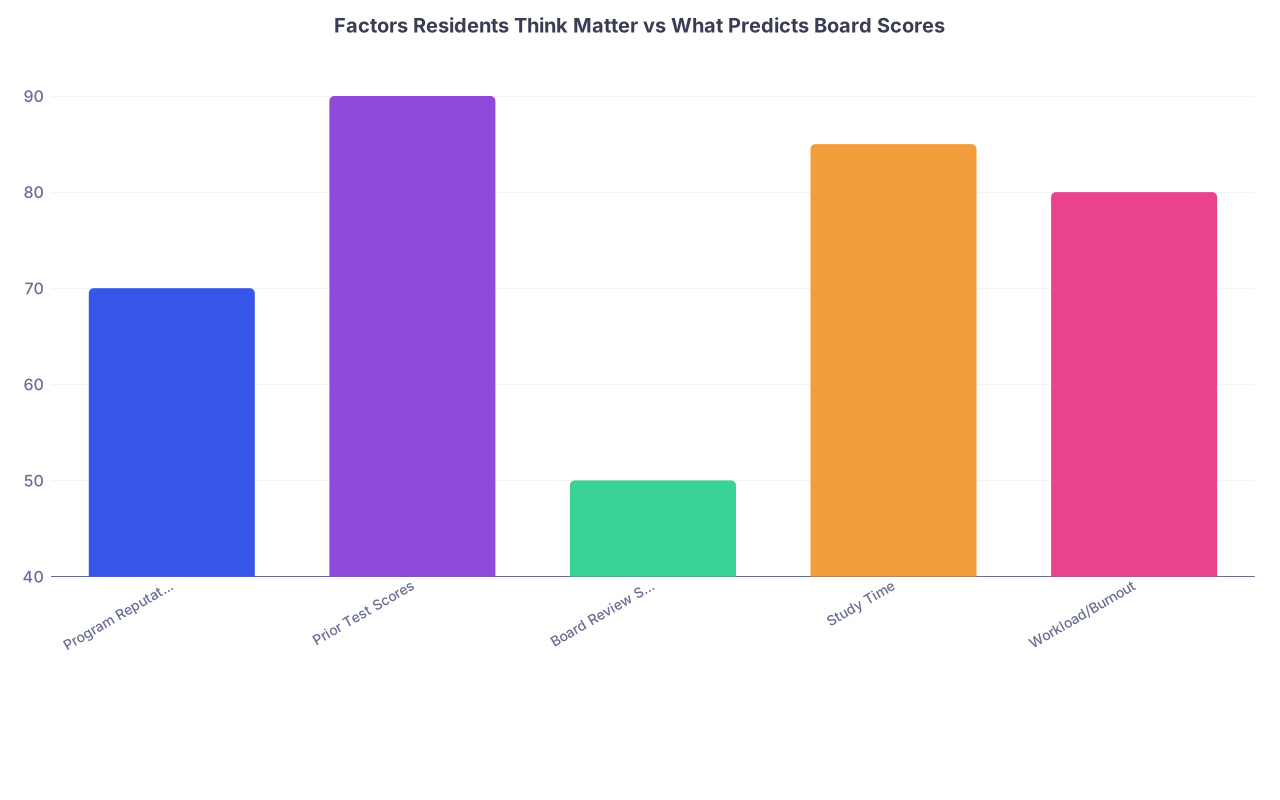
| Category | Value |
|---|---|
| Program Reputation | 70 |
| Prior Test Scores | 90 |
| Board Review Sessions | 50 |
| Study Time | 85 |
| Workload/Burnout | 80 |
Residents (and applicants) often overvalue:
- Big‑name faculty.
- Fancy research machines.
- The PD who shows a graph with their board mean at the 80th percentile.
But board exams are narrow. They test:
- Knowledge recall.
- Some clinical reasoning.
- Pattern recognition.
They don’t measure:
- How safely you cross‑cover 50 admitted patients.
- Whether you can have a hard goals‑of‑care conversation at 2 a.m.
- How you handle a crashing patient with 3 nurses and zero backup.
I’ve seen community programs with average test scores graduate residents who are clinically lethal—in a good way. Calm in a code. Efficient on the wards. Great with families.
I’ve also seen shiny “board machines” graduate residents who can crush a multiple‑choice exam but crumble when the EMR crashes or the nurse is in tears.
You’re not just training to pass a test. You’re training to practice unsupervised medicine.
Red Flags: When “Board Strength” Is Actually Toxic
Some specific patterns should make you nervous.
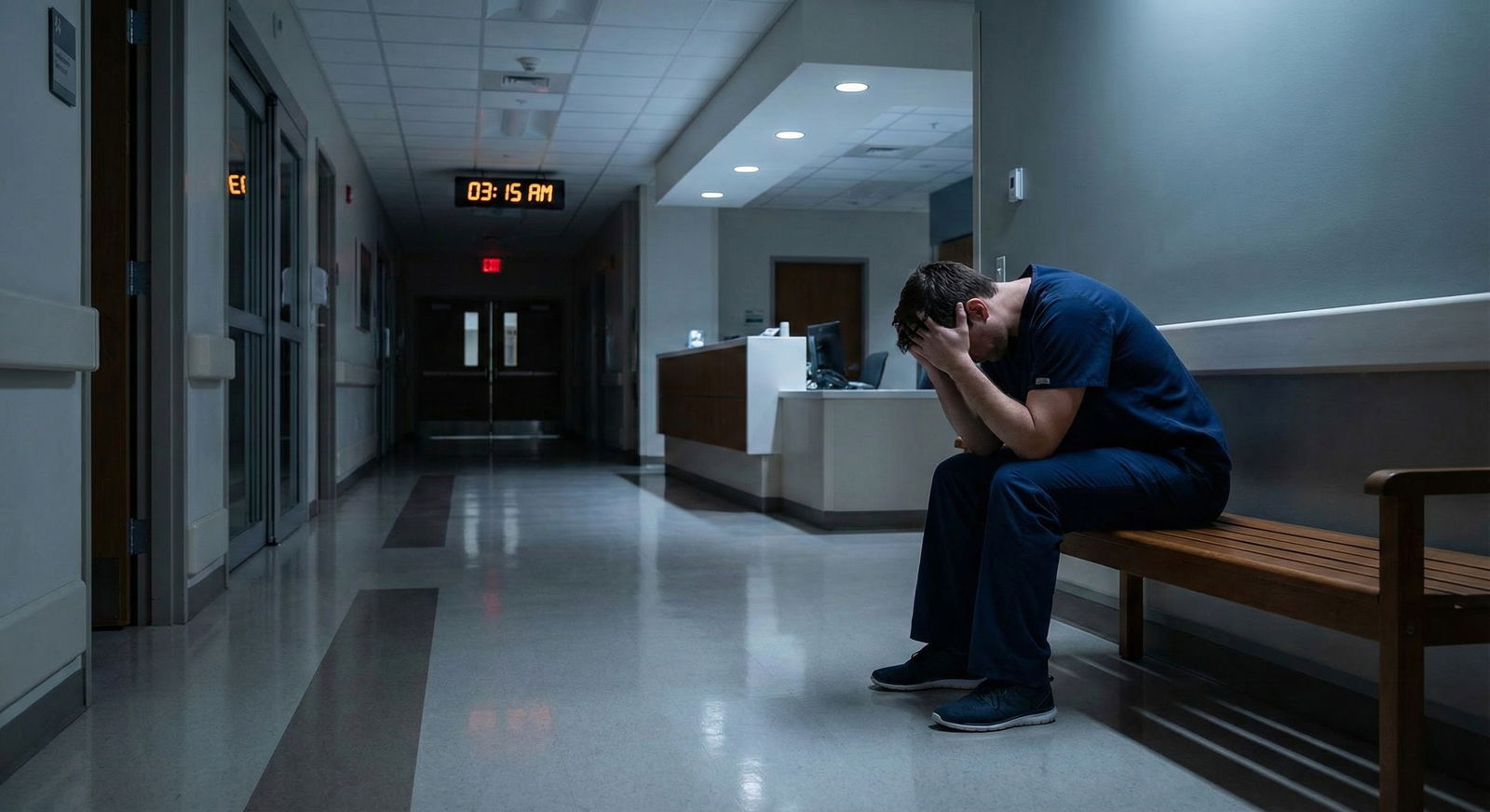
Red Flag 1: Shaming Language
Listen for things like:
- “Our residents don’t fail boards.”
- “We only take people we know can handle the rigor.”
- “If you’re not self‑motivated, this may not be the place for you.”
Translation: if you struggle, it’s your character flaw, not a shared problem to solve. That’s a terrible environment for anyone not already bulletproof.
Red Flag 2: Zero Transparency About Failures
Every program has had someone fail boards. If they claim otherwise, that’s either:
- A lie.
- Or proof they’re filtering residents so aggressively that safety and education take a back seat to image.
A normal, healthy answer when you ask about board failures sounds like: “We’ve had a few over the last decade. When that happens we do X, Y, Z to support them and they’ve all passed on subsequent attempts.”
Red Flag 3: “Just Study Harder” Culture
If the solution to every educational problem is “do more questions” or “read more,” your future is on you alone. No one is designing systems to make your success likely.
That’s not rigor. That’s laziness dressed up as high standards.
How to Actually Maximize Your Board Outcome (Regardless of Program)
This part nobody selling you a brand wants to say: your board outcome is 70–80% you.
The program can:
- Give you time or steal it.
- Support you or shame you.
- Spot problems early or ignore them.
But the internal work is yours. To tilt the odds:
- Use ITEs as early diagnostic tools, not just a scary annual event.
- Start question‑bank work earlier than your co‑residents will tell you is “normal.” PGY‑1 or early PGY‑2, not “after I finish ICU as a 3.”
- Ruthlessly protect some off‑time for study, even when the culture worships grinding.
And if you know you’re not a great test taker? Then yes, the right program environment matters more—because you need time, mentorship, and psychological safety. Not a place that treats any struggle as weakness.

| Step | Description |
|---|---|
| Step 1 | Incoming Test Ability |
| Step 2 | Board Outcome |
| Step 3 | Study Time Availability |
| Step 4 | Program Culture and Support |
| Step 5 | Workload and Burnout |
| Step 6 | Personal Life Stressors |
The Bottom Line
Three things to remember when you hear “Step score factory” on the interview trail:
- High board scores and pass rates usually reflect who programs select and who they quietly filter out, not some magical curriculum.
- The variables that matter for your board success are boring and local: protected time, reasonable workload, early response to low ITEs, and a culture that supports—not shames—strugglers.
- A “great” residency is not the one with the prettiest board bar graph. It is the one where you can become both board‑certified and clinically strong without destroying your mental health in the process.