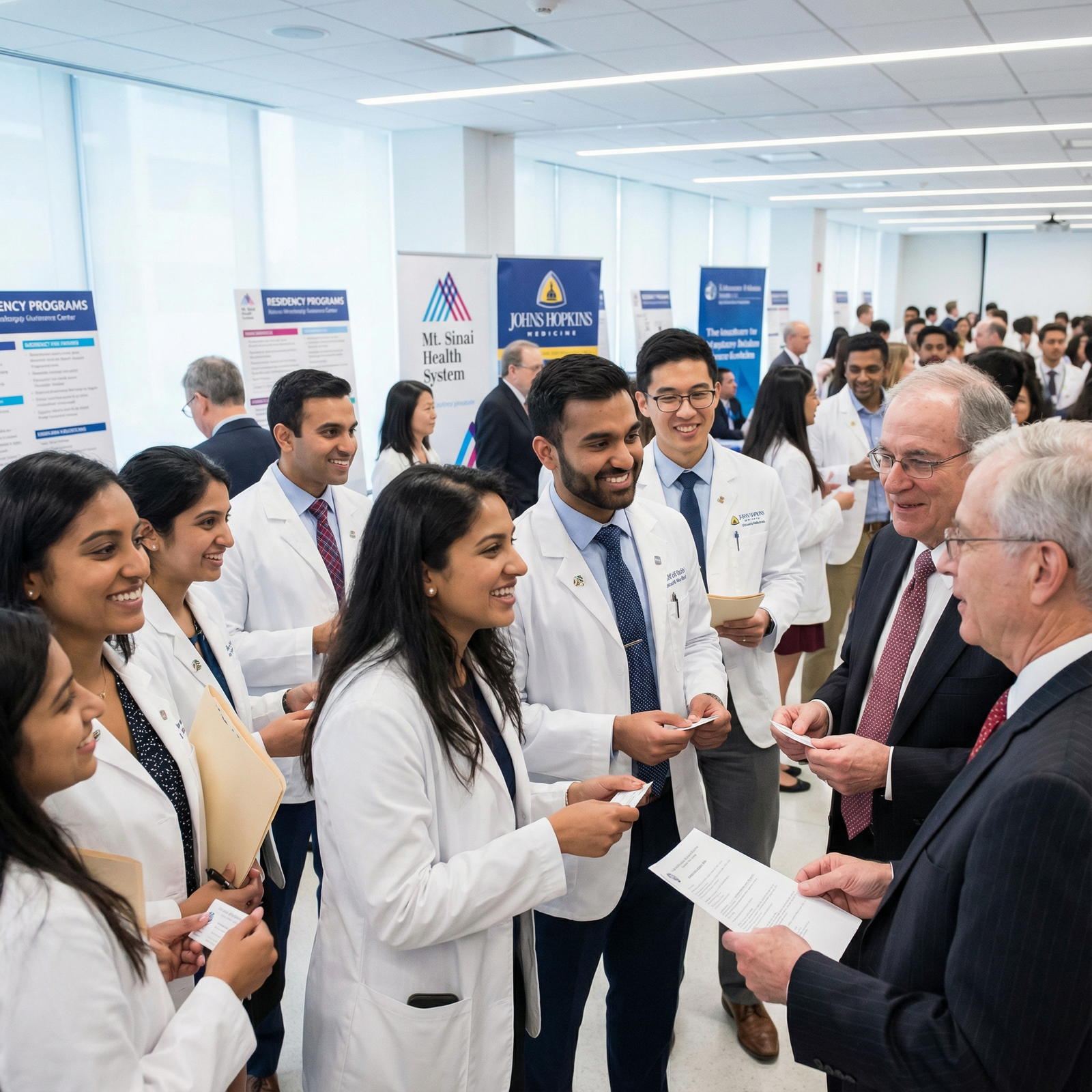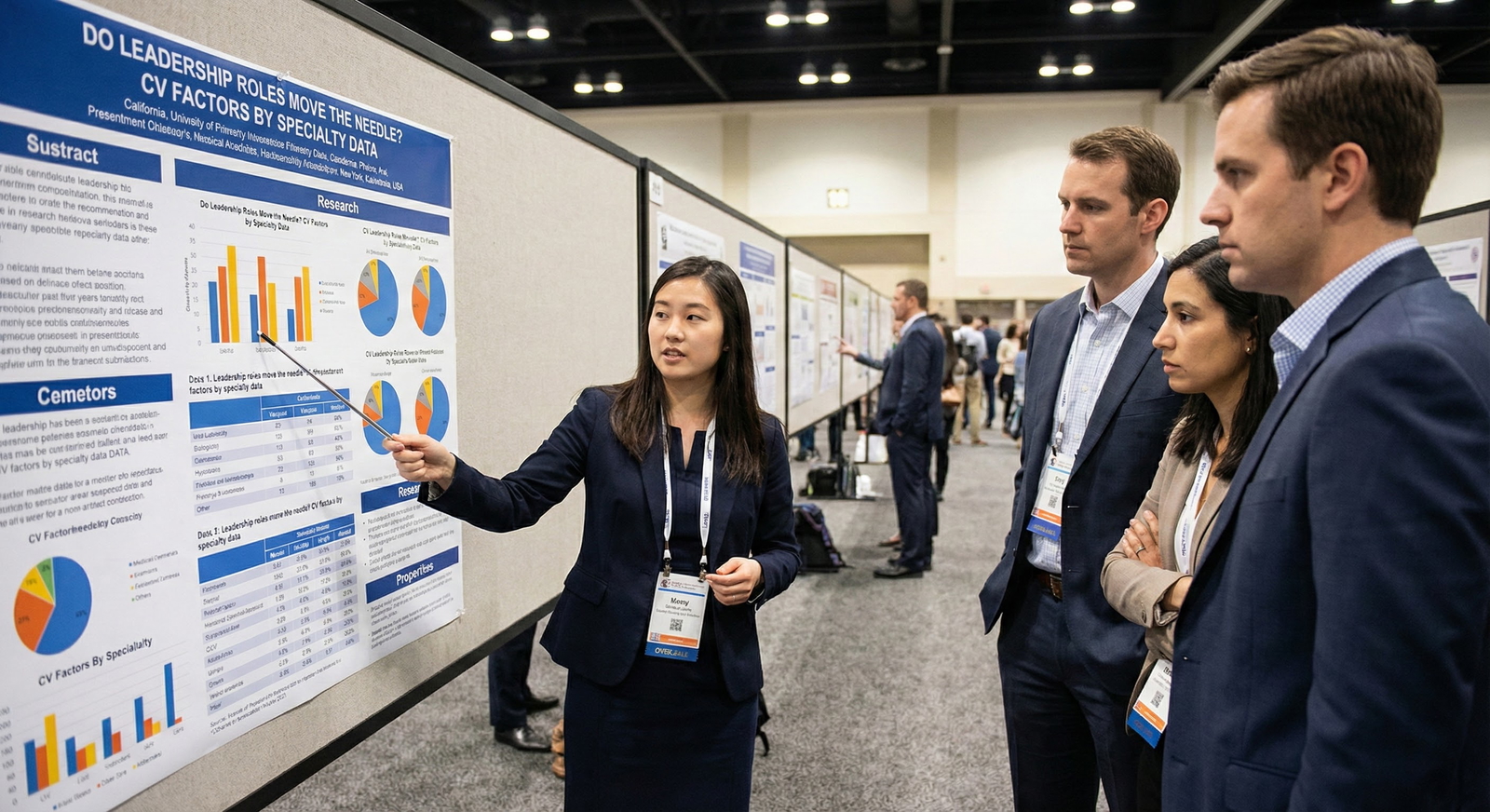
Crafting a strong, targeted CV is one of the most important steps you can take to stand out in the anesthesiology residency match. Programs review hundreds (sometimes thousands) of applications; a clear, polished, and anesthesiology-focused CV helps you communicate who you are in seconds—and makes it easier for program directors to remember you when interview decisions are made.
Below is a comprehensive guide on how to build a competitive medical student CV specifically for anesthesiology residency, with detailed residency CV tips, examples, and common mistakes to avoid.
Understanding the Role of the CV in the Anesthesia Match
Your CV is not just a list of what you’ve done; it’s a strategic narrative. For anesthesiology residency, it should highlight:
- Your academic strength and consistency
- Your ability to work in high-acuity, team-based environments
- Evidence of reliability, attention to detail, and calm under pressure
- Interest in perioperative medicine, critical care, pain, or related fields
- Professionalism and communication skills
How Programs Actually Use Your CV
Program directors and selection committees typically:
- Screen quickly: They may spend 30–60 seconds on an initial review.
- Cross-reference with ERAS: Your ERAS application is primary; your CV supports and sometimes expands on it (especially at away rotations, pre-ERAS, or networking).
- Look for patterns: Sustained involvement is more impressive than one-off activities.
- Identify red flags or gaps: Unexplained breaks, frequent changes, or inconsistent timelines can raise questions if not addressed.
Think of your CV as a supporting document that complements your ERAS application, personal statement, and letters of recommendation—especially in anesthesiology, where professionalism and precision are highly valued.
Core Structure: How to Build a CV for Anesthesiology Residency
A clear structure is essential. Program directors should be able to find what they need instantly. For most anesthesiology residency applicants, a logical order is:
- Contact Information
- Education
- Board Exams & Licensure (USMLE/COMLEX, etc.)
- Honors & Awards
- Research & Publications
- Clinical Experience & Electives (especially anesthesia-related)
- Teaching & Leadership
- Volunteer & Service
- Professional Memberships
- Skills & Certifications
- Interests (brief, curated)
You do not need to use these exact headings, but you should be consistent, well-organized, and easy to scan.

1. Contact Information
Keep this simple, professional, and at the top:
- Full name (as used in applications)
- Email (professional address; avoid nicknames)
- Phone number
- Current mailing address (optional but common)
- LinkedIn profile (optional, if updated and professional)
Example:
John A. Smith, MS4
Email: john.smith@medschool.edu | Phone: (555) 123-4567
LinkedIn: linkedin.com/in/johnsmithmd
No photos, no personal demographics, no date of birth—those details are unnecessary and can even introduce bias.
2. Education
List in reverse chronological order:
- Medical school (school name, city/state, dates, expected graduation)
- Undergraduate institution and degree(s)
- Graduate degrees (if applicable)
Example:
Doctor of Medicine (M.D.)
University of Midwest School of Medicine, Chicago, IL
Expected Graduation: May 2026
Bachelor of Science in Biochemistry, magna cum laude
State University, Columbus, OH
Graduated: May 2021
You do not need to list high school.
3. Exam Scores, Licensure & Certifications
For anesthesiology residency, exam performance is still an important screening component, particularly Step 2 CK. Whether you include scores on your CV depends on your situation and comfort level.
You may include:
- USMLE Step 1, Step 2 CK (and Step 3 if taken)
- COMLEX scores (for DO students)
- Basic Life Support (BLS), ACLS, PALS, ATLS
- Any state limited licenses (if applicable)
Example:
Board Exams
USMLE Step 1: Pass (January 2024)
USMLE Step 2 CK: 247 (August 2024)
Certifications
Advanced Cardiac Life Support (ACLS), American Heart Association, Expires 06/2026
Basic Life Support (BLS), American Heart Association, Expires 06/2026
If you choose not to include scores, simply list “Completed” or “Pass” (for pass/fail exams like Step 1).
4. Honors, Awards & Scholarships
This section demonstrates academic excellence and recognition by your peers or institution—key for a competitive anesthesiology residency.
Include:
- AOA, Gold Humanism, or equivalent
- Medical school honors (clerkship honors, dean’s list, merit scholarships)
- Undergraduate distinctions if meaningful (e.g., summa cum laude, departmental awards)
- National or regional awards (poster prizes, research awards)
List in reverse chronological order and briefly describe only if unclear by title.
Example:
Honors & Awards
- Gold Humanism Honor Society, Inducted 2025
- Anesthesiology Clerkship – Honors, University of Midwest SOM, 2025
- Dean’s Academic Excellence Scholarship, University of Midwest SOM, 2022–2026
Academic & Clinical Depth: Showcasing Anesthesia-Relevant Experience
Anesthesia program directors like to see that you understand the field, have been exposed to perioperative care, and can thrive in high-intensity environments. Use these sections to emphasize that.
5. Research & Publications
You do not need to be a “research star” to match in anesthesiology, but thoughtful research experience strengthens your application—especially at academic programs.
Consider separating into subheadings:
- Peer-Reviewed Publications
- Manuscripts in Preparation/Under Review (label clearly)
- Abstracts & Presentations
- Research Experience
Use standard citation format (consistent within your CV) and bold your name.
Example (Publication):
Smith JA**,** Lee T, Gupta R. Impact of Preoperative Opioid Use on Postoperative Pain Control in Ambulatory Surgery Patients. Journal of Anesthesiology Research. 2024; 18(3): 210–218.
Example (Research Experience):
Clinical Research Assistant – Perioperative Medicine
Department of Anesthesiology, University of Midwest SOM, Chicago, IL
Mentor: Rebecca Nguyen, MD | 2023–Present
- Designed and managed a prospective observational study on postoperative nausea and vomiting in high-risk patients (n=250).
- Collected and analyzed data using SPSS; presented preliminary results at the Midwest Anesthesiology Conference (2024).
Even if your research is not directly in anesthesiology, highlight skills that translate:
- Data analysis
- Protocol development
- Interdisciplinary collaboration
- Critical appraisal of literature
6. Clinical Experience & Key Rotations
On a medical student CV, you do not need to list every core clerkship; ERAS covers that. Instead, focus on:
- Sub-internships (Sub-Is) / Acting Internships
- Anesthesiology electives (home and away rotations)
- Relevant ICU or pain clinic experiences
- Global health or perioperative-focused experiences
Example:
Sub-Internship, Anesthesiology
University of Midwest Medical Center, Chicago, IL | July 2025
- Independently pre-rounded on pre-op patients; developed anesthesia plans under supervision.
- Assisted in airway management and IV line placement; observed regional blocks and neuraxial anesthesia.
- Collaborated with PACU and surgical teams to optimize postoperative pain control.
ICU Clinical Elective – Surgical ICU
University of Midwest Medical Center, Chicago, IL | April 2025
- Managed ventilator settings and vasopressor titration on critically ill surgical patients.
- Participated in daily multidisciplinary rounds with anesthesiologists, surgeons, and pharmacists.
By describing your roles and responsibilities, you help programs see how your experiences support success in anesthesiology.
Leadership, Teaching, and Service: Differentiating Your Anesthesiology Profile
Anesthesiologists coordinate teams, teach trainees, and support systems-based care. Your CV should reflect evidence of leadership, teaching, and service.

7. Leadership Experience
Include:
- Positions in student organizations (especially anesthesiology interest groups)
- Committee memberships (curriculum, wellness, diversity)
- Leadership in volunteer organizations or community groups
Describe your impact, not just your title.
Example:
President, Anesthesiology Interest Group
University of Midwest SOM | 2024–2025
- Organized 6 departmental talks, including sessions on careers in critical care and regional anesthesia.
- Coordinated OR shadowing experiences for >40 first- and second-year medical students.
- Led a peer-to-peer workshop on “How to Approach the Anesthesia Match and Build an Effective Medical Student CV.”
Leadership entries are a perfect place to naturally integrate your understanding of how to build a CV for residency when you’ve actually led related initiatives.
8. Teaching Experience
Teaching demonstrates communication skills and professionalism—both crucial for anesthesiology, where you explain complex concepts under time pressure to patients, families, and teams.
Examples include:
- Peer tutoring (e.g., physiology, pharmacology, airway management labs)
- TA roles in simulation or skills labs
- Resident/attending-supervised teaching of juniors
- Community health education
Example:
Peer Tutor – Physiology & Pharmacology
University of Midwest SOM | 2023–2024
- Provided weekly small-group review sessions (4–6 students) focusing on cardiovascular physiology and anesthetic pharmacology.
- Developed practice questions and concept maps, leading to improved exam performance for participants.
9. Volunteer & Service
Programs value applicants who are engaged with their communities and demonstrate empathy and service orientation. Connect your experiences to skills valued in anesthesiology when possible.
Example:
Volunteer, Preoperative Education Program
University of Midwest Medical Center | 2023–2025
- Educated preoperative patients about fasting guidelines, medication adjustments, and expectations for anesthesia and recovery.
- Collaborated with nursing staff to identify and address patient concerns about anesthesia, contributing to improved patient satisfaction scores.
Even non-clinical service (food banks, tutoring, shelters) is valuable; focus on consistency and genuine commitment.
10. Professional Memberships
Include:
- American Society of Anesthesiologists (ASA)
- State or regional anesthesiology societies
- AMA, SNMA, LMSA, APAMSA, or other relevant professional groups
Example:
Professional Memberships
- American Society of Anesthesiologists (ASA), Medical Student Member, 2023–Present
- Illinois Society of Anesthesiologists, 2024–Present
- American Medical Association (AMA), 2022–Present
Technical & Professional Skills: What Actually Matters
11. Skills & Certifications
Avoid generic skills lists like “hardworking, team player, detail-oriented.” Instead, focus on concrete, relevant skills.
Clinical/Procedural Skills (early-stage):
- Basic airway management (bag-mask ventilation, oral/nasal airway placement)
- IV placement and phlebotomy
- Basic EKG interpretation
- Point-of-care ultrasound exposure (if applicable)
Technical/Research Skills:
- Statistical software: SPSS, R, Stata
- Reference managers: EndNote, Zotero
- Data collection tools: REDCap, Qualtrics
Certifications (reiterated, if not elsewhere):
- ACLS, BLS, PALS, ATLS
Example:
Skills & Certifications
- Clinical: Basic airway management (bag-mask ventilation, oral/nasal airway placement under supervision), IV insertion, arterial blood gas interpretation.
- Technical: REDCap, SPSS, Microsoft Excel (pivot tables, basic descriptive statistics).
- Certifications: ACLS, BLS (AHA); Point-of-Care Ultrasound Workshop – Introductory Certificate (2024).
12. Personal Interests (Strategic, Not Fluff)
This section is brief (3–6 bullet points) but can be powerful. Anesthesiology interviews frequently begin with your interests. Be specific and honest.
Avoid:
- Clichés (travel, movies, “trying new foods”)
- Anything controversial (politics, polarizing topics)
Instead, use concrete, conversation-starting entries:
- Distance running (completed three half-marathons; training for first full marathon)
- Coffee roasting and pour-over brewing (focus on single-origin beans)
- Classical piano (14 years of training; performed in university ensembles)
- Medical podcasting (co-host of a student-run podcast on clerkship tips)
This humanizes you and can help interviewers remember you.
Formatting, Style, and Common Mistakes in Anesthesiology Residency CVs
Strong content can be overshadowed by poor formatting. An anesthesiologist’s job requires precision—your CV should reflect that.
Length and Layout
- Target length: 2–4 pages for most applicants.
- Use consistent fonts (e.g., 11–12 pt for body text, 12–14 pt for headings).
- Maintain 0.5–1 inch margins.
- Use bold or italics consistently for titles, institutions, and dates.
- Use bullet points, not long paragraphs.
Dates and Order
- Use reverse chronological order within each section.
- Align dates consistently on the right or left margin.
- Ensure there are no unexplained timeline gaps; if present, be prepared to explain in interviews or personal statement.
Style and Language
- Use past tense for completed activities, present for ongoing roles.
- Use action verbs at the start of bullets:
- “Led,” “Coordinated,” “Developed,” “Analyzed,” “Implemented”
- Be specific and measurable where possible (“organized 5 workshops,” “enrolled 120 patients”).
Common Mistakes to Avoid
Overcrowded CV
- Listing every single shadowing experience or 2-hour volunteer event dilutes impact. Focus on meaningful and sustained experiences.
Typos and Inconsistencies
- Anesthesiologists notice details. Run spell-check, proofread, and ask a mentor to review.
Inflated Descriptions
- Do not exaggerate. If you say you “independently managed airways,” be sure that is accurate within your level of training and supervision.
Unprofessional Email or Social Links
- Avoid personal social media unless clearly professional (e.g., academic Twitter with research focus, well-curated LinkedIn).
Copying ERAS Entries Directly
- Your CV should be slightly more flexible and may include items not on ERAS (e.g., pre-med experiences if highly relevant, expanded descriptions for research). But keep data consistent.
Crowding High School Achievements
- Unless extraordinary (Olympic athlete, national-level music prize), high school items are usually not needed.
Strategically Building Your CV Over Time (MS1–MS4)
An outstanding anesthesiology residency CV is built over years, not in a rush before ERAS opens. Here’s how to think longitudinally.
MS1–MS2: Foundation Building
Focus on:
- Solid academic performance—your future board scores and clerkship grades matter.
- Exploring interest in anesthesiology via:
- Anesthesiology interest group
- Shadowing in the OR
- Attending departmental lectures/Grand Rounds
- Joining or initiating research projects (doesn’t have to be anesthesiology-specific at first).
- Starting modest leadership or volunteer commitments that can be sustained.
Actionable steps:
- Join the ASA as a student member.
- Attend at least one anesthesiology-related conference session or virtual event.
- Find a mentor in anesthesia early—even an informal advisor.
MS3: Clinical Development and Focus
MS3 is pivotal because:
- Your core clerkship performance and clinical evaluations heavily influence letters and your narrative.
- You gain real insight into anesthesiology vs other specialties.
Focus on:
- Performing strongly in surgery, internal medicine, and critical care—foundational for anesthesia.
- Identifying one or two anesthesiology mentors for letters and guidance.
- Continuing research projects; aim for presentations or manuscripts.
Actionable steps:
- Begin documenting your activities and achievements in a simple spreadsheet to make later CV drafting easy.
- Seek feedback on your early “medical student CV” from your anesthesiology advisor.
MS4: Polishing and Positioning for the Anesthesia Match
By MS4, you should be:
- Completing anesthesiology sub-I or advanced electives at your home institution.
- Considering 1–2 away rotations if appropriate for your application strategy.
- Finalizing research presentations/publications, if feasible.
Specific MS4 tasks for your CV:
- Update leadership and teaching roles with final outcomes (e.g., number of events, projects completed).
- Refine descriptions to emphasize anesthesiology-relevant skills:
- Teamwork
- Crisis management
- Communication with patients and families
- Systems-based quality improvement
Share your updated CV with:
- Your letter writers (gives them structured information about you).
- Advisors reviewing your portfolio ahead of the anesthesia match.
- Faculty you meet on away rotations, when appropriate, especially if they ask for it.
Putting It All Together: A Strategic, Anesthesiology-Focused CV
When you step back and look at your completed medical student CV, ask:
- Does this document clearly signal anesthesiology interest and alignment?
- Can a busy anesthesiology program director scan it in 60 seconds and understand:
- Your academic trajectory
- Your exposure to anesthesia and perioperative care
- Your work ethic and reliability
- Your contributions to teams, research, and teaching
- Are there any red flags or gaps that need context, either in your personal statement or conversations with mentors?
If your CV answers those questions clearly and confidently, you’ve done the essential work. Solid content, clear structure, and anesthesiology-focused framing will make your residency CV a powerful tool in the anesthesia match.
FAQ: CV Building in Anesthesiology Residency Applications
1. How is my CV different from my ERAS application for anesthesiology residency?
Your ERAS application is standardized and required; your CV is more flexible. Programs may request a CV for away rotations, departmental scholarship applications, or mentor introductions. A strong CV supports your anesthesia match strategy by providing a polished, cohesive summary that can be shared in any context. Always ensure that details (dates, roles, publications) match what you enter into ERAS.
2. Should I include non-medical jobs or experiences on my anesthesiology residency CV?
Yes—if they demonstrate meaningful skills. Prior careers (e.g., engineering, nursing, paramedic, military) can be highly relevant to anesthesiology. Even non-clinical jobs (like teaching, management, or service industry work) can highlight resilience, communication, and reliability. Briefly describe responsibilities and focus on transferable skills.
3. How important is anesthesiology-specific research on my CV to match into anesthesia?
Anesthesiology-specific research strengthens your application but is not mandatory to match. What matters is showing intellectual curiosity, the ability to follow through, and ideally some tangible outcome (poster, abstract, or publication). General surgery, critical care, pain, pharmacology, or physiology research all remain relevant. If you do have anesthesia-specific projects, highlight them prominently.
4. Can a strong CV compensate for a lower Step score in the anesthesia match?
A strong, well-constructed CV can’t completely erase the impact of lower exam scores, but it can substantially improve your overall competitiveness. Consistent clinical performance, strong letters from anesthesiologists, leadership roles, research productivity, and meaningful service can all help programs see you as a well-rounded candidate who will thrive despite a single metric. In these situations, clarity, professionalism, and coherence in your CV become even more critical.
By approaching CV building as a long-term, strategic process—and tailoring your content to the expectations and values of anesthesiology—you put yourself in a strong position for a successful residency match and a rewarding career in perioperative and critical care medicine.