Why Your CV Matters So Much as a Caribbean IMG in Medical Genetics
As a Caribbean IMG aiming for a medical genetics residency in the United States, your CV is more than a list of experiences—it is your primary credibility document. It must simultaneously reassure programs about your training background, highlight your fit for genetics, and show that you can thrive in a complex, academic environment.
Caribbean medical school residency applicants, especially from schools like SGU, AUC, Ross, and others, are often well-prepared clinically but face extra scrutiny. Program directors scan your CV in seconds for three questions:
- Can this applicant handle the academic rigor of genetics?
- Do they have a sustained interest in genetics or genomics?
- Are there any red flags (gaps, failures, weak engagement) I need to worry about?
A strong, targeted CV answers these questions clearly and quickly. This guide will walk you through exactly how to build a CV for residency in medical genetics as a Caribbean IMG—from structure and content to strategy and red-flag management.
Core Principles of a Strong Residency CV for Caribbean IMGs
Before getting into sections and formatting, you need to understand the principles that matter most for a Caribbean medical school residency application in a competitive niche field like genetics.
1. Clarity and Structure Beat Flashy Design
Residency CVs are not like corporate resumes. Program directors want:
- A clean, easy-to-scan format
- Standard section headings
- Reverse chronological entries (most recent first)
- No graphics, tables, or unusual fonts
Think: professional, conservative, and efficient. Use a simple font (Calibri, Arial, Times New Roman, 10–12 pt), consistent spacing, and clear headings.
2. Prioritize Genetics-Relevant Content
For a medical genetics residency or combined internal medicine–genetics or pediatrics–genetics pathway, you need to show evidence of:
- Exposure to genetics (rotations, electives, case discussions)
- Genomics, molecular biology, or lab-related work
- Research or scholarly output involving genetics, rare disease, or inherited conditions
- Participation in journal clubs, society memberships, or projects related to genetics
This is essential for a strong genetics match profile. If your CV reads like a generic internal medicine or pediatrics CV with only a one-line mention of genetics, you’ll blend into the applicant pool.
3. Show Progression and Intentionality
Programs want to see a coherent story of interest and growth:
- Early: coursework, interest in basic sciences, shadowing in genetics
- Middle: student-led projects, genetics electives, presentations
- Later: research, quality improvement (QI), or case reports highlighting genetic conditions, plus targeted clinical rotations
Your CV should clearly show that you didn’t pick medical genetics at the last minute—it’s a deliberate, evolving commitment.
4. Be Honest but Strategic
Never exaggerate or fabricate. However, you can and should:
- Emphasize genetics-related aspects of broader experiences
- Use strong, specific action verbs
- Quantify impact where possible
Example:
Instead of
“Participated in pediatrics rotation.”
Use
“Managed 15+ pediatric patients with suspected genetic or metabolic disorders during a tertiary care pediatrics rotation; collaborated with genetics service on diagnostic workup.”

Ideal CV Structure for a Medical Genetics Applicant
A typical residency CV for an IMG in medical genetics should include:
- Contact Information
- Education
- Exams and Certifications
- Clinical Experience (Core and Elective Rotations)
- Research and Scholarly Activity
- Presentations and Publications
- Teaching and Leadership
- Honors and Awards
- Professional Memberships
- Volunteer and Community Service
- Skills (Optional, but useful for genetics)
Let’s go through each section with residency CV tips tailored to Caribbean IMGs interested in genetics.
1. Contact Information
Keep it simple and professional:
- Full name (as used in ERAS)
- Email (professional, e.g., firstname.lastname@)
- Phone (with country code if needed)
- City, state (US location if you’re in clinical rotations)
- LinkedIn (optional, but helpful if polished and consistent with your CV)
Avoid: Photos, date of birth, marital status, or personal details. US residency programs do not require or expect them.
2. Education
For a Caribbean medical school residency path, your education section will be closely examined.
Include:
- Medical school name (e.g., St. George’s University School of Medicine), location
- Degree (MD or equivalent), expected or actual graduation date
- Class rank or GPA only if it strengthens your application
- Thesis or scholarly concentration, especially if genetics related
Example:
Doctor of Medicine (MD)
St. George’s University School of Medicine, Grenada
Expected Graduation: June 2026
Selected Coursework: Medical Genetics, Molecular Biology, Genomics and Precision Medicine (Honors)
If applicable:
- List undergraduate degree(s) with major/minor (especially if biology, genetics, biochemistry, or related)
- Any master’s degree (e.g., MSc in Molecular Genetics, MPH with genomics focus)
Pro tip: If you have genetics-related undergraduate or graduate work (thesis, capstone, lab work), briefly note it. This bolsters your credibility for a genetics match.
3. Exams and Certifications
As a Caribbean IMG, programs will look at your exam performance as a key objective metric.
Include:
- USMLE Step 1 (Pass/Fail, plus date)
- USMLE Step 2 CK (Score and date)
- USMLE Step 3 (if taken)
- ECFMG Certification status and expected/achieved date
- Other relevant exams (e.g., MCCQE, PLAB) only if directly helpful
Format example:
USMLE Step 2 CK – 245, June 2025
USMLE Step 1 – Pass, January 2024
ECFMG Certification – Expected October 2025
Do not explain score context or attempts on the CV—that belongs in your personal statement or interview if necessary.
4. Clinical Experience: Highlight Genetics-Relevant Exposure
This section is critical for how to build CV for residency in medical genetics. Divide into:
- Core Clinical Rotations
- Elective and Sub-Internship Rotations
List each with:
- Specialty
- Institution and location
- Dates
- Brief, targeted bullet points (1–3) emphasizing responsibilities and genetics connections
Example of an elective:
Medical Genetics Elective
Children’s Hospital X, City, State — Aug 2025 (4 weeks)
- Participated in outpatient and inpatient consults for patients with suspected genetic syndromes, inborn errors of metabolism, and craniofacial anomalies.
- Assisted with pedigree construction, interpretation of chromosomal microarray and exome sequencing results.
- Observed multidisciplinary care including genetic counselors, metabolic dietitians, and subspecialists.
If you don’t have a dedicated genetics elective, highlight genetics within your core rotations:
Pediatrics Core Clerkship
Community Hospital Y, City, State — Jan–Mar 2025
- Managed hospitalized patients with congenital anomalies and suspected metabolic disorders; collaborated with regional genetics service on diagnostic workup.
- Presented a case of suspected Noonan syndrome at department case conference, reviewing differential diagnosis and genetic testing options.
For a Caribbean IMG, US clinical experience (USCE) is especially valuable. Put US-based rotations ahead of non-US rotations and make sure the names of well-known hospitals or academic centers stand out.

Research, Scholarly Work, and Demonstrating Genetics Interest
For a medical genetics residency, research or scholarly activity is a major differentiator. But you don’t need a PhD or dozens of publications. What matters is:
- Clear intellectual curiosity
- Experience engaging with scientific literature
- Some tangible output (posters, presentations, manuscripts, case reports)
5. Research and Scholarly Activity
Include both formal and informal research:
- Clinical or basic science research projects
- Genetics-related QI projects
- Literature reviews with formal outputs
- Case reports involving genetic or rare diseases
Format:
Research Assistant – Neurogenetics Laboratory
University Z, City, State — Remote/On-site, Sep 2023–May 2024
Supervisor: Dr. A. Lastname
- Conducted chart review of 80 patients with suspected mitochondrial disease to identify clinical predictors of positive genetic testing.
- Contributed to data collection and analysis using REDCap and basic statistical methods.
- Co-authored an abstract accepted for presentation at the American College of Medical Genetics (ACMG) annual meeting.
If your research isn’t directly in genetics, pull out the genetics or precision-medicine angle where possible. For example, oncology projects involving targeted therapies or pharmacogenomics can be framed as genomics-relevant.
For Caribbean IMGs with limited research access:
- Seek remote research opportunities with US-based mentors.
- Work on case reports from your clinical rotations:
- Congenital anomalies
- Unusual presentations
- Metabolic diseases
- Collaborate with genetics fellows or attendings on small projects or case series.
This is especially strategic for SGU residency match applicants and similar Caribbean programs—demonstrated research engagement can help balance perceived disadvantages.
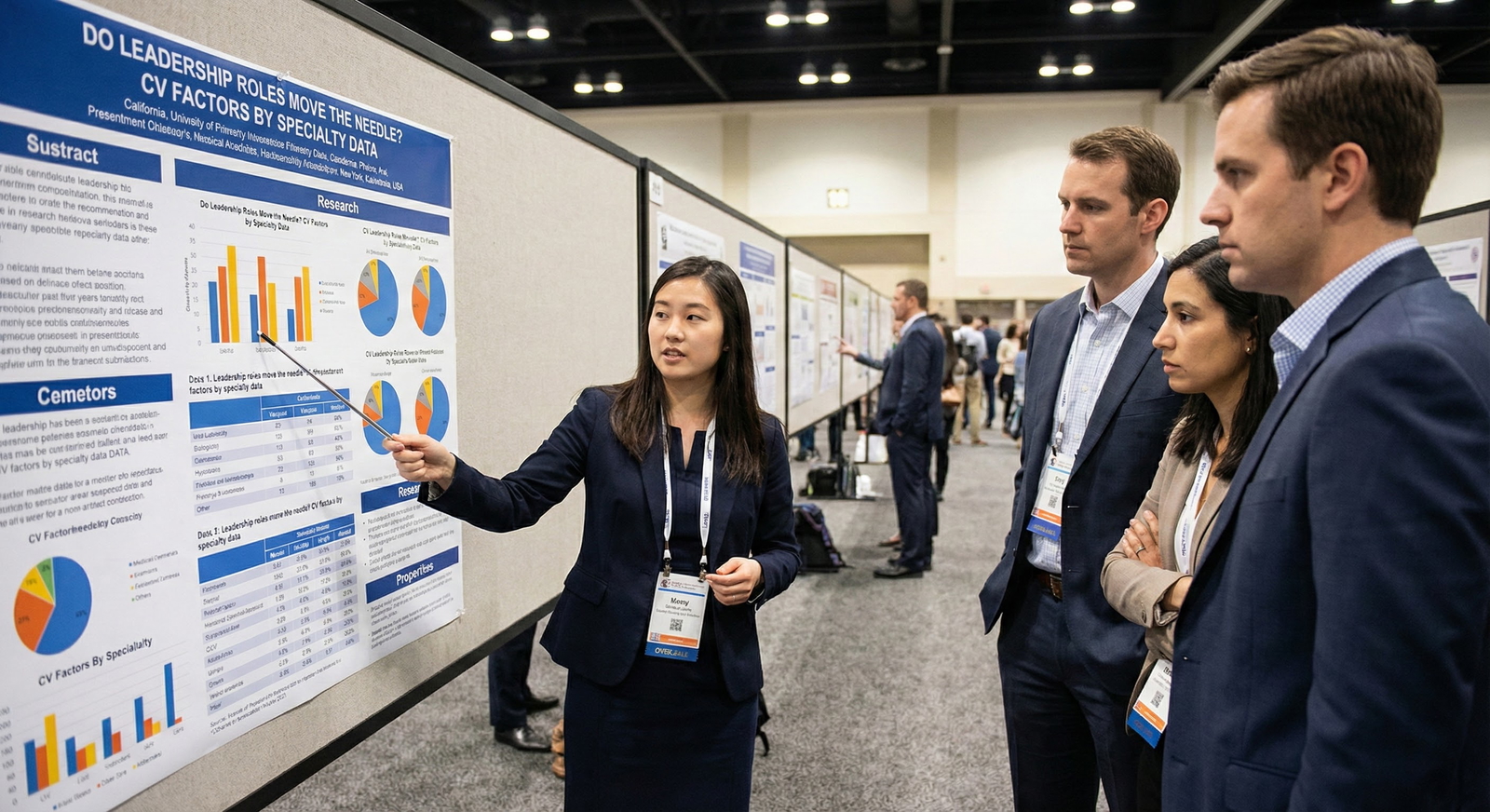
6. Presentations and Publications
This section showcases your scholarly communication skills. Subdivide into:
- Peer-reviewed publications
- Abstracts and posters
- Oral presentations
- Online educational content (podcasts, blogs, if significant and professional)
Use a consistent citation style (e.g., AMA). For in-progress work, label clearly as “submitted” or “in preparation” and don’t overstate.
Example:
Publications
- Doe J, Smith A, YourLastName B. Diagnostic yield of exome sequencing in pediatric neuromuscular disorders at a Caribbean tertiary center. Journal of Genetic Medicine. 2025;XX(X):XX–XX. (Epub ahead of print)
Abstracts and Posters
YourLastName B, et al. Clinical predictors of pathogenic variants in suspected Marfan syndrome at a community hospital. Poster presented at: American College of Medical Genetics and Genomics (ACMG) Annual Clinical Genetics Meeting; March 2025; Salt Lake City, UT.
Oral Presentations
“Approach to the Child with Developmental Delay and Suspected Genetic Etiology” – Department of Pediatrics Noon Conference, Hospital Y, April 2025.
Even a single well-presented poster in a genetics-related topic can significantly strengthen your genetics match competitiveness.
Leadership, Teaching, and Service: Showing You’re a Future Academic Clinician
Medical genetics is a small, highly collaborative specialty often based in academic centers. Programs look for potential educators, collaborators, and advocates.
7. Teaching and Leadership
Include:
- Teaching roles (tutoring, small group facilitation, anatomy TA, USMLE prep tutor)
- Leadership in student organizations:
- Genetics interest group
- Research societies
- Caribbean medical student associations
- Curriculum development or peer mentoring
Example:
Peer Tutor – Medical Genetics and Molecular Biology
St. George’s University School of Medicine — Sep 2023–May 2024
- Led weekly review sessions for 20–30 first-year students on topics including Mendelian inheritance, population genetics, and genetic testing modalities.
- Developed problem-based learning cases integrating clinical scenarios with molecular mechanisms.
Co-Founder and President – Genetics and Genomics Interest Group
SGU, 2023–2024
- Organized 6 guest lectures with clinical geneticists, genetic counselors, and researchers, averaging 50+ attendees.
- Initiated a virtual “Genetics Case-of-the-Month” discussion forum for pre-clinical and clinical students.
These experiences show that you can contribute to the educational mission of a genetics department.
8. Volunteer and Community Service
Programs value applicants who demonstrate compassion and service—especially relevant when dealing with families facing lifelong, often complex genetic conditions.
As a Caribbean IMG, community service can also help offset stereotypes about Caribbean training pathways by highlighting commitment and professionalism.
Good examples:
- Health fairs with a focus on:
- Birth defect awareness
- Newborn screening
- Cancer family history and hereditary risk
- Work with disability support groups
- Patient advocacy organizations (e.g., rare disease foundations, autism organizations, muscular dystrophy associations)
Example:
Volunteer – Rare Disease Family Support Group
Non-profit Organization, City, State — Jan 2024–present
- Facilitated monthly support meetings for families of children with rare genetic conditions, coordinating resources and educational materials.
- Collaborated with clinical genetics team to organize a “Genetics 101 for Families” workshop.
Make the genetics connection clear where relevant.
9. Honors, Awards, and Memberships
Highlight academic recognition and genetics-relevant affiliations.
Honors/Awards:
- Dean’s List, honors grades in genetics or related courses
- Research awards, best poster/presentation
- Teaching awards
Example:
Awards
- Outstanding Student in Medical Genetics – SGU, 2023
- Best Case Presentation, Pediatrics Clerkship, Hospital Y, 2025
Memberships:
- American College of Medical Genetics and Genomics (ACMG) – Student/Trainee Member
- American Society of Human Genetics (ASHG) – Student Member
- American Academy of Pediatrics (AAP) or Internal Medicine societies if pursuing combined tracks
- Caribbean or international medical associations
Listing these shows engagement with the professional genetics community—even as a student.
10. Skills Section: Tailoring to Genetics
A short skills section can be surprisingly impactful if it is specific and relevant:
Consider including:
- Genetics-related skills:
- Pedigree construction and interpretation
- Basic interpretation of genetic tests (karyotype, microarray, exome)
- Understanding of ACMG variant classification framework (even at a basic level)
- Research skills:
- REDCap, SPSS, R, or basic statistical analysis
- Systematic literature review methods
- Technical/lab experience (if applicable):
- PCR, DNA extraction, sequencing workflows (only if done in a formal lab setting)
- Language skills:
- Spanish, French, or other languages useful in your target region
- Digital/IT skills:
- EHR systems (Epic, Cerner, etc.)
Don’t simply list “good teamwork” or “hardworking.” Focus on concrete skills that matter in genetics.
Special Considerations for Caribbean IMGs: Strategy and Red Flags
Caribbean IMGs face a few unique challenges when building a residency CV, especially for niche specialties like medical genetics.
A. Explaining Gaps or Failures (Tactfully)
If you have:
- A failed exam attempt
- A leave of absence
- An extended time to graduation
Avoid detailed explanations on the CV itself. Keep CV entries factual and date-accurate. You can address context in:
- Your personal statement (briefly and constructively)
- ERAS “Additional Information” section
- Interviews (honestly and confidently)
On your CV, maintain date transparency and avoid any impression that you’re hiding time periods.
B. Maximizing the Value of Caribbean Clinical Training
Some program directors may be less familiar with Caribbean hospitals. Counter this by:
- Highlighting any US or Canadian affiliations
- Naming recognized attending physicians as mentors or supervisors (especially if they trained or work in the US)
- Quantifying clinical experience:
- “Managed an average census of 8–10 inpatients daily”
- “Performed 15+ lumbar punctures under supervision,” etc.
Make it evident you’ve had robust, supervised clinical exposure.
C. Aligning Your CV with Different Genetics Pathways
Remember that in the US, medical genetics residency training often occurs via:
- Combined Pediatrics–Medical Genetics
- Combined Internal Medicine–Medical Genetics
- Occasionally, direct categorical medical genetics after a primary specialty
Tailor your CV content to match the pathway you’re targeting:
- If applying via Pediatrics–Genetics:
- Emphasize pediatric rotations, congenital conditions, developmental pediatrics, NICU experiences.
- If via Internal Medicine–Genetics:
- Emphasize complex adult medicine, cardiomyopathy, hereditary cancer syndromes, metabolic disorders in adults.
Make this alignment obvious in your rotation descriptions and scholarly work.
Putting It All Together: Practical Steps to Upgrade Your CV in 3–6 Months
If you’re 3–12 months away from applying, you still have time to significantly strengthen your medical student CV for a genetics match.
Step 1: Audit Your Current CV
- Is your interest in genetics clear in the first 1–2 pages?
- Do you have at least one explicit genetics-related clinical experience?
- Do you have any scholarly work (even a small case report) relevant to genetics?
Identify 2–3 areas of weakness.
Step 2: Add One Strong Genetics-Focused Clinical Experience
Options:
- Arrange a medical genetics elective (even 2–4 weeks) at an academic center.
- If unavailable, negotiate a genetics-heavy sub-experience embedded in pediatrics or internal medicine (e.g., time with the hospital’s genetics or dysmorphology clinic).
Your goal: one line in your CV that clearly says “Medical Genetics Elective” or “Dedicated Genetics Experience.”
Step 3: Produce One Scholarly Output in Genetics
Feasible short-term goals:
- Case report on a patient with a genetic or suspected inherited condition
- Poster at a local or regional meeting
- Short literature review co-authored with a mentor
This gives you an anchor point in your “Research” and “Presentations” sections.
Step 4: Formalize Your Interest Publicly
- Join ACMG or ASHG as a student member
- Start or lead a Genetics Interest Group at your school
- Present a genetics-related topic at a hospital or student conference
These are relatively low-barrier but high-yield CV entries.
Step 5: Polish the Presentation
Finally:
- Ensure consistent formatting throughout
- Use concise, results-oriented bullet points
- Limit CV length to about 2–4 pages (for a medical student/IMG)
- Cross-check dates, spellings, and institution names
- Align your CV content with your ERAS application and personal statement
FAQs: CV Building for Caribbean IMG in Medical Genetics
1. How long should my residency CV be as a Caribbean IMG?
For most Caribbean IMGs, a 2–4 page CV is appropriate. If you have significant research, publications, or graduate degrees, you may be toward the longer end. Avoid padding—every section should add meaningful information.
2. Is it possible to match into medical genetics without genetics research?
Yes, it is possible, especially if you have strong clinical exposure to genetics, good letters of recommendation from geneticists, and clear commitment demonstrated in rotations and activities. However, any genetics-related research or scholarly work significantly strengthens your profile, so try to have at least one project or presentation.
3. I’m from a Caribbean school like SGU. Does that hurt my chances for a medical genetics residency?
Being from a Caribbean school can create more scrutiny, but it is not disqualifying. Programs are increasingly familiar with SGU residency match outcomes and other Caribbean graduates. A strong exam profile, solid US clinical experience, and a well-crafted, genetics-focused CV can absolutely make you competitive. Your goal is to reduce uncertainty for program directors by showcasing consistent performance and clear alignment with genetics.
4. Should I list non-medical jobs or activities on my residency CV?
Yes, selectively. Include non-medical work if it demonstrates:
- Leadership or teaching
- Significant responsibility (e.g., managing a team)
- Skills relevant to medicine or genetics (e.g., data analysis, lab work, IT)
Keep entries brief and professional. Don’t overcrowd your CV with unrelated short-term jobs unless they are your only work experience, in which case they can demonstrate work ethic and resilience.
By applying these strategies, you can transform your CV from a generic medical student document into a focused, compelling portrait of a future medical geneticist—despite the additional challenges of being a Caribbean IMG. Your training path may be nontraditional, but your CV can still clearly communicate rigor, commitment, and readiness for a career in medical genetics.