
As a Caribbean international medical graduate (IMG) aiming for Addiction Medicine, your CV is more than a document—it’s your professional narrative and the backbone of your residency and, later, addiction medicine fellowship applications. Programs see your CV before they meet you. For Caribbean medical school residency applicants, a strong, strategic CV can help offset common concerns about training location, exam gaps, or atypical paths.
This guide focuses on how to build a CV for residency as a Caribbean IMG specifically interested in Addiction Medicine—whether you’re targeting Psychiatry, Internal Medicine, Family Medicine, or Emergency Medicine with a future subspecialty in addiction.
Understanding the Role of the CV for Caribbean IMGs in Addiction Medicine
Your CV is used repeatedly across your journey:
- Caribbean medical school residency applications (ERAS)
- Away electives / audition rotations
- Addiction medicine fellowship applications
- Research, quality improvement, and public health roles
- Substance abuse training workshops or conferences
For a Caribbean IMG, your CV must accomplish five things:
Demonstrate academic readiness
Show that you can handle U.S./Canadian residency training (exams, clinical performance, consistency).Show clear interest in Addiction Medicine
Residency programs want to see a coherent story: why addiction medicine, and what you have done about that interest.Address and de‑emphasize potential red flags
Time off, exam failures, or switching schools can be counterbalanced with focused achievements and recent clinical strength.Highlight U.S. clinical exposure
Because you trained outside the U.S., your CV must show you understand the U.S. healthcare system and can function in it.Differentiate you from other Caribbean IMGs
Many applicants from SGU, AUC, Ross, Saba, etc. follow similar paths. Your targeted addiction-related work is what will stand out.
When reviewers scan your CV, they should quickly see:
“Caribbean IMG → Strong clinical performance → Consistent interest and concrete activities in Addiction Medicine → Evidence of reliability and leadership.”
That is your design goal.
Core CV Structure for Caribbean Medical School Residency Applicants
Even though ERAS has a standardized format, you still need a master CV (Word or Google Doc) that you can adapt for different purposes. This master document should be clean, consistent, and easily transformable into ERAS entries, PDF submissions, or email attachments.
Essential Sections
A well-structured CV for a Caribbean IMG in Addiction Medicine should include:
- Contact and Identity Information
- Education
- Licensing & Exams
- Clinical Experience (including U.S. clinical experience)
- Research & Scholarly Activity
- Teaching & Mentoring
- Leadership & Service
- Addiction Medicine–Specific Activities
- Honors & Awards
- Professional Memberships
- Skills (including languages, EHRs)
- Extracurricular & Personal Interests (brief but intentional)
Your addiction-related experiences should appear across multiple sections so that your interest is unmistakable.
1. Contact and Identity Information
Include:
- Full name (consistent with all official documents)
- Professional email (e.g., [email protected])
- Phone number with country code if outside the U.S. or Canada
- Current location (city, country)
- LinkedIn URL (optional but recommended—keep it professional and consistent with CV)
Do not include:
- Photo (unless specifically requested—U.S. residencies do not want photos on CVs)
- Age, marital status, religion, or immigration status
2. Education
List in reverse chronological order:
- Medical school (e.g., St. George’s University – SGU, American University of the Caribbean, Ross, etc.)
- Degree (MD or equivalent), campus location
- Expected or actual graduation date
- Class rank or decile (if favorable and available)
- Thesis or research project titles if relevant
Example:
Doctor of Medicine (MD)
St. George’s University School of Medicine, Grenada
2019 – 2023
- Clinical rotations: New York, New Jersey, Maryland
- Top 20% of class; Honors in Internal Medicine and Psychiatry
If you are from SGU or another well-known Caribbean school, your SGU residency match or school’s match list can be a confidence booster for reviewers who know your institution has a consistent track record of placing IMGs into U.S. training programs. You might mention, briefly in your personal statement or LinkedIn, that your school has a strong residency match history—but keep that marketing language out of the CV body itself.
3. Licensing & Exams
Programs will look here quickly, especially for Caribbean IMGs.
Include:
- USMLE/COMLEX scores and dates (or “Pass” if you prefer not to disclose numerical scores outside ERAS, depending on your situation)
- ECFMG certification status and number (if applicable)
- In‑training exams, if you’re applying to a fellowship after residency
Example:
Licensure & Examinations
- USMLE Step 1: Pass (First Attempt), 03/2022
- USMLE Step 2 CK: 245, 09/2023
- ECFMG Certified, 2024, Certification # xxxxxx
If there are gaps (e.g., time between exams), they can be handled later in your personal statement or interviews. On your CV, keep this section factual and concise.
4. Clinical Experience: Emphasizing Addiction-Relevant Rotations
For Caribbean medical school residency applications, your clinical rotations—especially U.S. rotations—carry major weight. Addiction Medicine programs and general residencies that value addictions training want to see:
- Strong performance in Psychiatry, Internal Medicine, Family Medicine, Emergency Medicine
- Exposure to substance use disorders (SUDs) in any setting
- Continuity and progressive responsibility
Organize clinical experience into subheadings:
- Core Clinical Rotations
- Sub‑internships / Acting Internships
- Electives
- U.S. Clinical Experience (USCE)
- Addiction Medicine–Focused Rotations (if applicable)
Example entry:
Psychiatry Core Clerkship, 8 weeks
Maimonides Medical Center, Brooklyn, NY
04/2023 – 05/2023
- Managed 6–8 inpatients daily, including individuals with co‑occurring alcohol and opioid use disorders
- Participated in daily interdisciplinary rounds and discharge planning with social work and addiction counselors
- Completed a brief patient education project on relapse prevention strategies for methamphetamine use disorder
If you had a dedicated addiction rotation:
Addiction Medicine Elective, 4 weeks
Outpatient Opioid Treatment Program, Newark, NJ
01/2024 – 02/2024
Supervisor: Jane Smith, MD, FASAM
- Assisted with induction and maintenance of buprenorphine for opioid use disorder
- Performed motivational interviewing under supervision for patients with polysubstance use
- Helped develop a patient brochure on harm reduction and overdose prevention
- Presented a case-based talk on managing co‑occurring depression and alcohol use disorder
Highlight:
- High‑yield clinical skills (motivational interviewing, SBIRT, withdrawal management, medication-assisted treatment)
- Interdisciplinary collaboration (social work, peer counselors, case managers)
- Any QI or education projects linked to these rotations
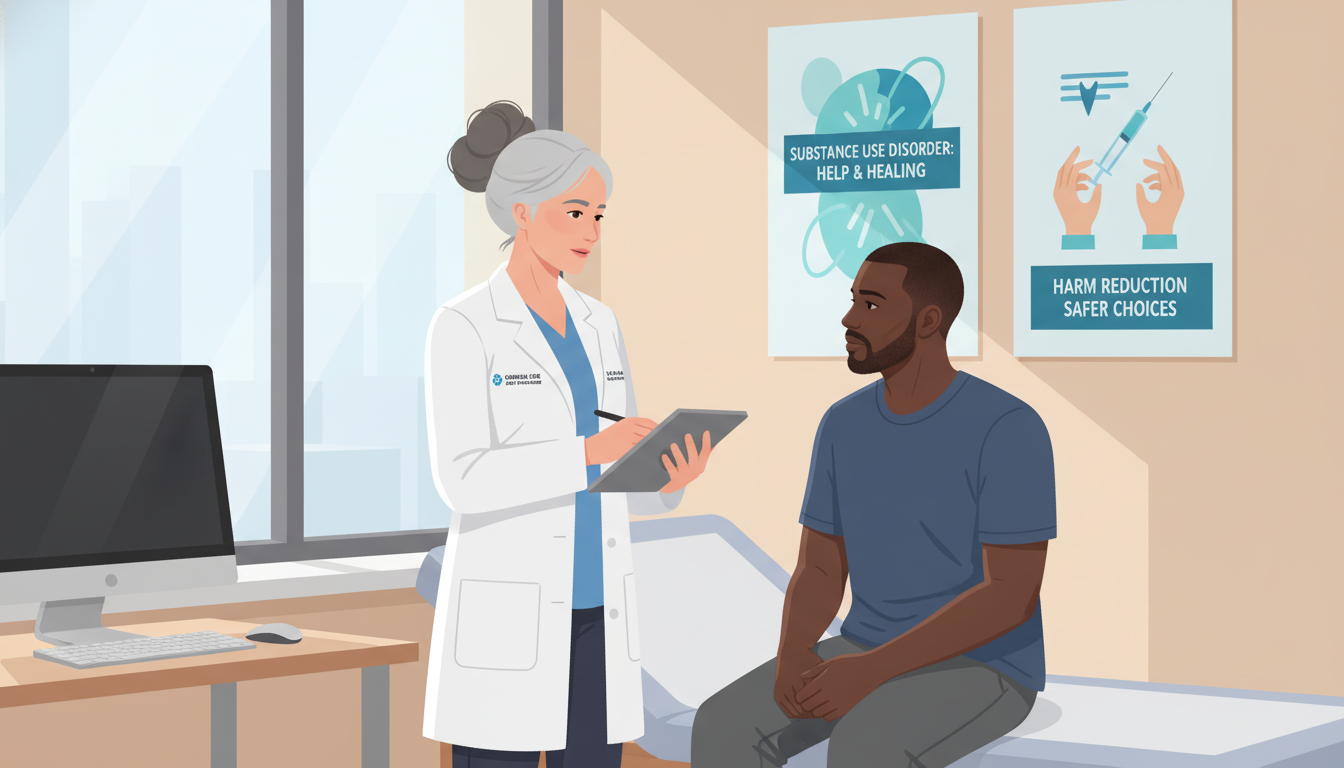
Showcasing Addiction Medicine Interest Across Your CV
To stand out in Caribbean medical school residency selection and prepare for future addiction medicine fellowship applications, your CV should show a layered, consistent trajectory toward Addiction Medicine.
Research & Scholarly Activity
Programs don’t expect every Caribbean IMG to be a first‑author in a high‑impact journal, but any structured addiction-related scholarship is a major plus.
Include:
- Peer‑reviewed publications
- Case reports
- Review articles
- Posters and oral presentations
- Quality improvement (QI) projects
- Public health or epidemiology projects related to substance abuse
Example:
Poster Presentation
Doe J, YourLastName C, Smith A. “Patterns of Opioid Use Among Patients Presenting to an Urban Emergency Department in the Caribbean.” Presented at the American Society of Addiction Medicine Annual Conference, 2024.
Quality Improvement Project
“Improving Screening, Brief Intervention, and Referral to Treatment (SBIRT) in a Community Health Clinic Serving Underserved Populations,” 2023
- Implemented a standardized SBIRT tool in a primary care clinic in Grenada
- Increased documented SUD screening from 15% to 70% over 6 months
- Co‑authored abstract submitted to regional public health conference
For a Caribbean IMG, regional data on alcohol dependence, cannabis use, or synthetic drugs (e.g., ecstasy, cocaine, crack) is particularly compelling. It shows that you understand both local and global context of addiction medicine.
Practical tip:
If you don’t yet have research, start with a manageable project:
- Retrospective chart review on alcohol-related admissions
- Case series on withdrawal management in your local hospital
- A narrative review of substance abuse training in Caribbean medical schools
Work under a mentor (local or virtual) and aim at least for a poster at a regional or national conference.
Teaching & Mentoring
Addiction Medicine values physicians who can educate patients, colleagues, and communities. Include:
- Teaching junior students during rotations
- Peer‑tutoring in psychiatry or pharmacology of SUDs
- Sessions on naloxone training or safe prescribing
- Facilitation of support groups or psychoeducation groups under supervision
Example:
Small Group Facilitator – Substance Use Education
St. George’s University School of Medicine, 2022
- Led monthly case‑based learning sessions for Year 2 medical students on alcohol and opioid use disorders
- Co-developed a teaching module on harm reduction and naloxone distribution
Leadership & Service
Residency and addiction fellowship directors look for commitment beyond exams. As a Caribbean IMG, well-chosen leadership roles can reduce concerns about professionalism, communication, and teamwork.
Examples particularly relevant to Addiction Medicine:
- Founding or leading a Student Interest Group in Addiction Medicine (SIGAM) or related club
- Holding positions in Psychiatry, Public Health, or Global Health interest groups
- Organizing campus or community events on overdose prevention, stigma reduction, or mental health awareness
- Volunteering with community organizations that serve people with SUDs or homelessness
Example entry:
President, Addiction Medicine Student Interest Group
St. George’s University, 2021 – 2022
- Organized a 3-part seminar series with addiction psychiatrists and recovered patients as guest speakers
- Coordinated a naloxone distribution workshop in partnership with a local harm‑reduction NGO
- Recruited 40+ active student members and established annual Addiction Awareness Week on campus
Addiction Medicine–Specific Activities (Dedicated Section)
To make your interest unmistakable, create a dedicated section near the middle of your CV:
ADDICTION MEDICINE–FOCUSED ACTIVITIES
- Completed ASAM Fundamentals of Addiction Medicine online course, 2023
- Volunteer, Harm Reduction Outreach Program, Brooklyn, NY (needle exchange, HIV testing, overdose education), Summer 2022
- Participant, Substance Abuse Training Workshop: “Motivational Interviewing for Alcohol and Opioid Use Disorders,” SGU, 2021
- Attendee, American Society of Addiction Medicine (ASAM) Annual Conference, 2024
This focused list helps fellowship directors or addiction‑oriented residency programs quickly see your alignment with the field.
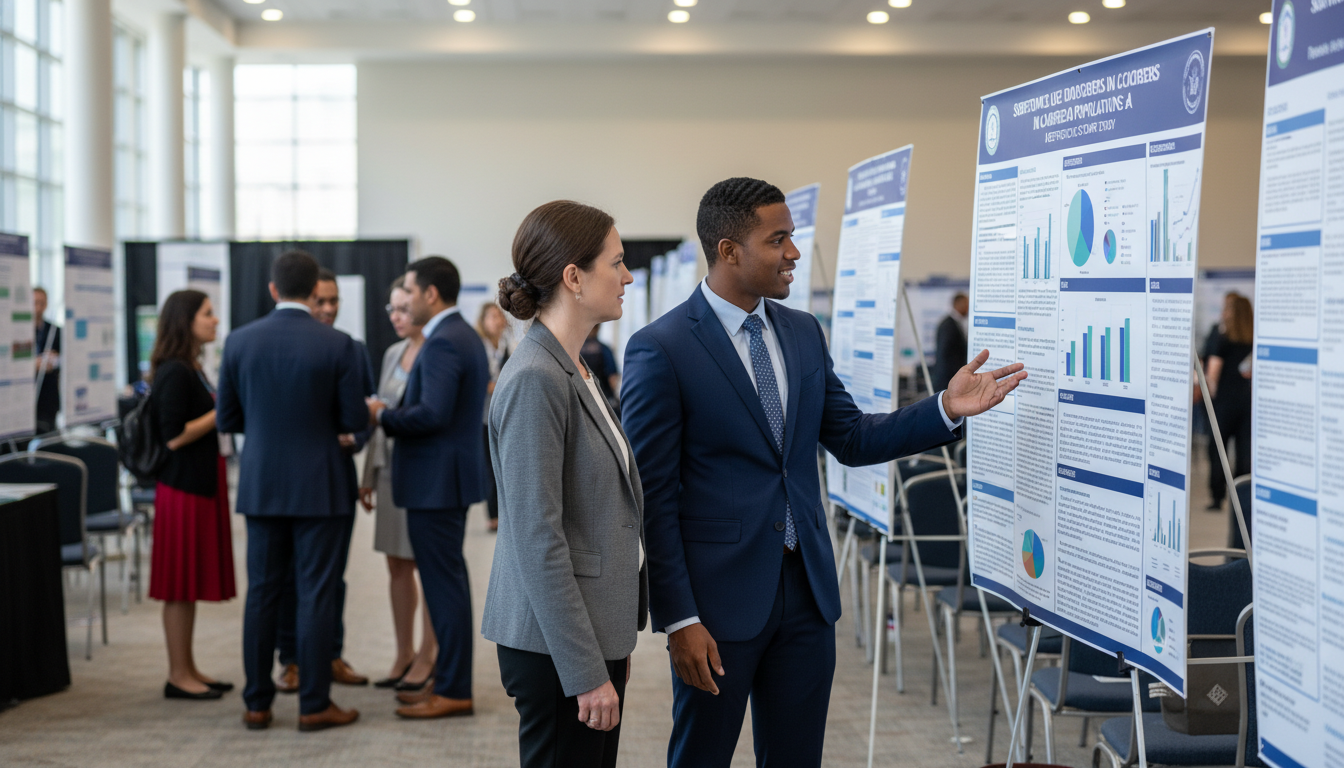
Residency CV Tips for Caribbean IMGs: Strategy and Presentation
Building a strong medical student CV as a Caribbean IMG is as much about how you present information as what you include. These residency CV tips will help you optimize every section.
Prioritize Clinical Recency and Relevance
For programs evaluating Caribbean IMG applications, recent, U.S.-based, and addiction‑relevant experiences should appear early and clearly:
- Put recent U.S. clinical experiences high in your Clinical Experience section.
- Highlight addiction-related duties even in general rotations: ED, medicine, psychiatry, family practice.
- Emphasize continuity (e.g., longitudinal clinic with recurrent SUD patients).
Use Strong, Outcome-Oriented Bullet Points
Weak bullet:
“Observed patients with drug addiction and helped the team care for them.”
Stronger bullet:
“Conducted initial history and mental status examination for 4–6 patients daily with suspected substance use disorders, presented to attending, and formulated preliminary differential diagnoses and treatment plans.”
Where possible, show outcomes or scale:
- “Screened approximately 70 outpatients over 3 months using AUDIT‑C and DAST‑10.”
- “Improved completion rate of withdrawal symptom flowsheets from 50% to 90% via nurse education sessions.”
Addressing Caribbean-Specific Concerns Subtly
For a Caribbean medical school residency candidate, reviewers may worry about:
- Different curricula compared to U.S. schools
- Variability in clinical rotations quality
- Inconsistent exam timelines
Your CV can quietly counter these by showing:
- Honors or high evaluations in core, U.S.-based rotations
- Letters of recommendation from respected U.S. faculty (though letters themselves are not on CV, mention major roles: “Selected as sub‑intern; received top quartile evaluation.”)
- Time‑bounded, organized progression (no unexplained multi‑year gaps)
If you completed rotations at well-known teaching hospitals or with addiction specialists, make that explicit:
Supervisor: John Lee, MD, FASAM, Director of Addiction Services, [Hospital Name]
Tailoring Your CV to Different Addiction-Related Pathways
You may apply first to a primary residency (e.g., Psychiatry, Internal Medicine, Family Medicine) and only later to an addiction medicine fellowship. Each phase needs slight tailoring.
For Residency Applications
- Emphasize broad clinical competence plus early addiction interest.
- Show that you can thrive in a general training program, not only niche addiction settings.
- Highlight teamwork, cultural competency, and communication skills.
For Addiction Medicine Fellowship Applications (Later Phase)
- Move the Addiction Medicine–Focused Activities section higher in the document.
- Expand details on addiction research, outreach, and teaching.
- Provide more depth on substance abuse training, SBIRT projects, buprenorphine experiences, and system-level initiatives.
Maintaining a master CV makes this easy: you simply adjust emphasis and ordering for each application type.
How to Build CV for Residency During Medical School: Step-by-Step Plan
If you’re early in medical school at SGU or another Caribbean institution, you can intentionally build your CV over time so it naturally supports future addiction medicine goals.
Preclinical Years (Years 1–2)
Focus on foundation:
Academics first
- Pass Step 1 (or equivalent) on first attempt if possible.
- Strong basic science performance builds long‑term credibility.
Early exposure to Addiction Medicine
- Join psychiatry or addiction-related interest groups.
- Attend lectures or online webinars by ASAM or local psychiatry societies.
- Volunteer with community outreach programs (HIV clinics, shelters, crisis hotlines).
Start a simple addiction-focused project
- Survey classmates about attitudes toward SUD.
- Participate in a faculty mentor’s review article or case report.
Update your medical student CV at least every 6 months.
Core Clinical Years (Years 3–4)
This is where your CV becomes truly competitive.
Choose rotations strategically
- Prioritize strong U.S. sites, especially those with high volume of SUD cases (urban hospitals, safety-net clinics).
- Aim for honors or strong written evaluations, especially in Psychiatry, Internal Medicine, and Family Medicine.
Integrate Addiction Medicine into every rotation
- On IM or FM: focus on cirrhosis, pancreatitis, endocarditis, and COPD linked to substance use.
- On Psychiatry: seek cases with co‑occurring SUD and mood disorders.
- On EM: document experiences with overdose management and brief interventions.
Develop 1–2 anchor projects
- A QI project on screening for alcohol use in primary care
- A case series on withdrawal management in your hospital
- A teaching session for rotating students on SUD screening tools
Secure strong letters from addiction-engaged mentors
- Even though letters don’t go on your CV, you can reference their roles: “Sub‑intern, Addiction Psychiatry Service, [Hospital Name].”
Transitional Phase: Applying to Residency
As you prepare for the residency match:
- Polish formatting and consistency across your CV.
- Translate your master CV entries into ERAS format (experiences, publications, etc.).
- Confirm dates, titles, and roles with supervisors to avoid discrepancies.
- Use your CV to guide your personal statement: the CV is your evidence, the statement is your interpretation.
Think of your CV as the document that proves you are a strong, well‑rounded Caribbean IMG with a clear, sustained commitment to Addiction Medicine.
Frequently Asked Questions (FAQ)
1. How can I make my Caribbean medical school residency CV competitive if I don’t have dedicated Addiction Medicine rotations?
You can still build a strong addiction‑focused profile by:
- Highlighting addiction-related cases and tasks embedded within general rotations (IM, FM, EM, Psychiatry).
- Creating a dedicated section for Addiction Medicine–Focused Activities that includes workshops, webinars, community volunteering, and small projects.
- Conducting a small QI or research project on SUD screening or management in your current clinical setting.
- Seeking mentors (in person or remote) who are involved in addiction care and can supervise scholarly work.
Programs understand not all schools have formal addiction electives; they care more about your initiative and consistency.
2. Should I mention that I am from a Caribbean school like SGU on my CV, and will it hurt my residency chances?
You must list your medical school accurately in your Education section. Being from SGU or another Caribbean institution does not automatically hurt your chances, especially if:
- You have strong USMLE scores and solid clinical evaluations.
- You have meaningful U.S. clinical experience.
- Your CV shows leadership, service, and clear interest in a field like Addiction Medicine.
Many SGU residency match outcomes and other Caribbean school match lists show that IMGs can and do match into U.S. residencies, including programs with strong addiction training. Your CV’s job is to demonstrate that you are among those well-prepared candidates.
3. How detailed should my addiction-related community service be on my CV?
Be specific but concise. For each role, include:
- Organization name and location
- Dates of involvement
- Your role/title
- 2–4 bullet points highlighting your actions and any outcomes
Example:
Volunteer, Overdose Prevention Outreach, Brooklyn Harm Reduction Coalition, 2022 – 2023
- Distributed naloxone kits and provided brief education on overdose recognition to 150+ community members
- Assisted in data collection for program evaluation regarding kit utilization and overdose reversals
Avoid vague descriptors like “helped with outreach” without context or scale. Specific details show genuine involvement and are especially meaningful in addiction medicine fellowship and substance abuse training contexts.
4. How often should I update my medical student CV, and when should I start tailoring it for Addiction Medicine?
Update your CV:
- Every 6 months during medical school
- After each significant rotation, conference, or project
- Immediately after receiving specific responsibilities, awards, or teaching roles
You should start orienting your CV toward Addiction Medicine as early as you feel a genuine interest—ideally by the start of your core clinical rotations. Even small steps (e.g., attending a webinar, joining an interest group, starting a mini‑project) accumulate into a coherent narrative over time, strengthening both your residency CV and your later addiction medicine fellowship applications.
By systematically building and refining your CV—with a clear through-line of interest in Addiction Medicine—you transform your identity from “Caribbean IMG applicant” into “future Addiction Medicine physician who trained in the Caribbean.” That shift in perception is exactly what a well-crafted CV can achieve.