Understanding the Role of the CV for an MD Graduate in Addiction Medicine
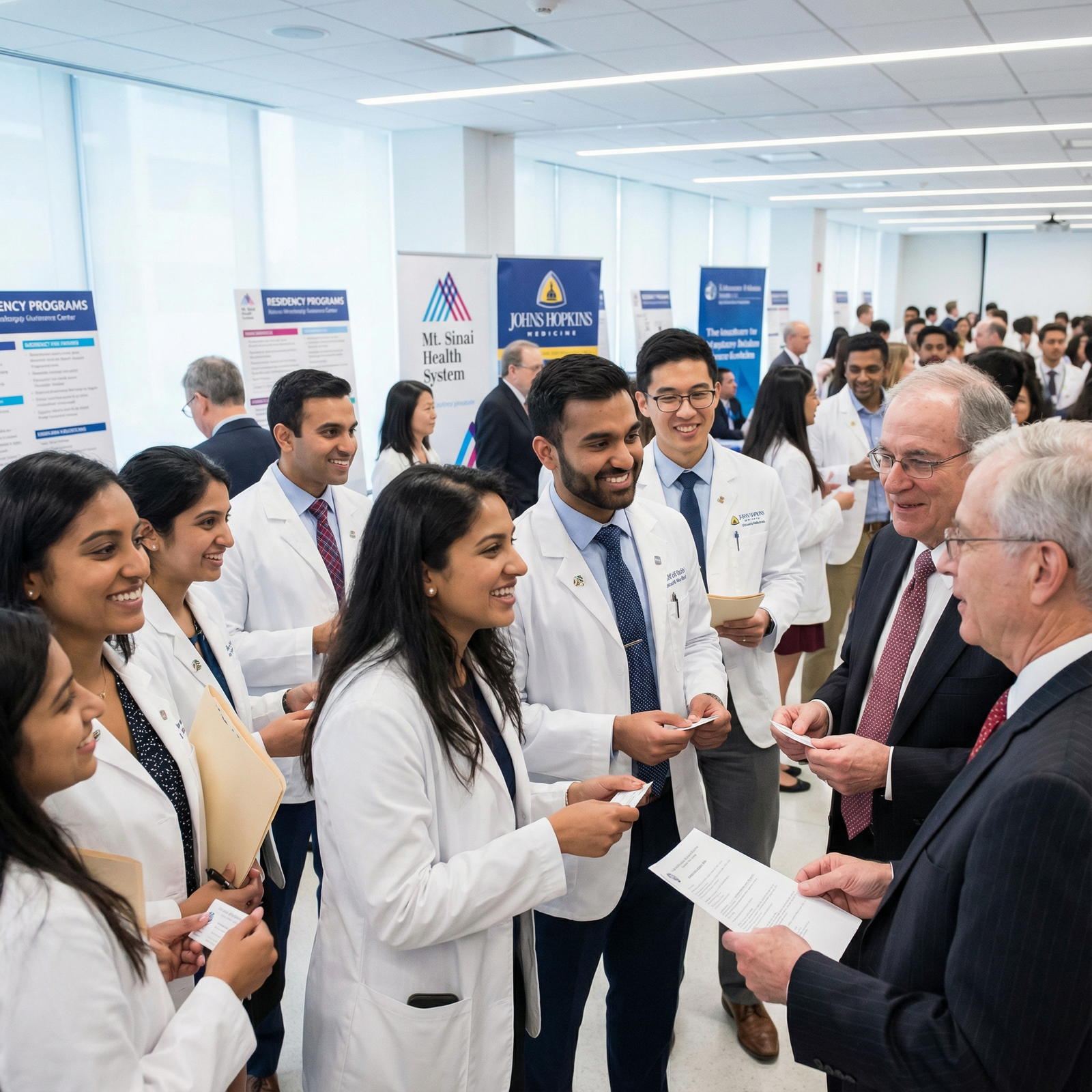
As an MD graduate heading toward residency or an addiction medicine fellowship, your curriculum vitae (CV) is more than a list of activities—it is your professional story. For an MD graduate residency applicant, especially those coming from an allopathic medical school match pathway, a strong CV signals to program directors that you understand the field, have taken deliberate steps toward it, and can contribute meaningfully to their program.
In addiction medicine, where clinical complexity, stigma, and interprofessional collaboration are central, your CV should highlight:
- Commitment to the care of patients with substance use disorders (SUD)
- Exposure to substance abuse training and related clinical experiences
- Interest in systems of care, policy, advocacy, or research relevant to addiction
- Professionalism, reliability, and longitudinal engagement
This article will walk through how to build a CV for residency and beyond, with a focus on addiction medicine. You’ll learn specific residency CV tips, ways to highlight substance abuse training, and strategies to position yourself for an addiction medicine fellowship—even if your current exposure feels limited.
Core Structure of a Strong Residency CV
Before diving into addiction-specific content, you need a solid foundation. Most program directors skim CVs quickly, so clarity and organization are crucial.
Essential Sections for an MD Graduate Residency CV
A typical residency CV for an MD graduate in addiction medicine should include:
- Contact Information & Professional Header
- Education
- Postgraduate Training (if applicable)
- Licensure & Certifications
- Honors & Awards
- Research & Publications
- Clinical Experience & Rotations
- Teaching & Leadership
- Quality Improvement & Projects
- Volunteer & Community Service
- Professional Memberships
- Skills & Additional Interests
Below are residency CV tips for each section, with an addiction medicine lens.
1. Contact Information & Professional Header
Keep this simple and professional:
- Full name, MD
- Professional email (avoid casual usernames)
- Phone number
- City and state (no full address necessary in most applications)
- Optional: LinkedIn profile or professional website—only if current and relevant
Tip: If you have a professional summary, keep it to 2–3 lines, focusing on:
- “MD graduate strongly interested in addiction medicine and integrated behavioral health; experienced in caring for patients with substance use disorders in inpatient and outpatient settings.”
Avoid generic statements that could apply to any applicant.
2. Education
List your allopathic medical school first:
- Degree, institution, city, state, graduation month/year
- Thesis title or scholarly concentration if related to addiction, behavioral health, public health, or social determinants of health
Example:
MD, XYZ Allopathic Medical School, City, State – May 2024
Scholarly Concentration: Population Health (Capstone on opioid prescribing trends in primary care)
If you completed relevant pre-medical degrees:
- Highlight majors/minors in psychology, public health, sociology, or neuroscience.
- Call out any addiction-related coursework or capstone projects.
3. Postgraduate Training (If Applicable)
For applicants coming from a transitional year, preliminary year, or switching specialties:
- List all prior GME training with dates, institution, and program.
- Emphasize rotations involving addiction medicine, psychiatry, internal medicine, emergency medicine, or pain management.
- Briefly describe any focused addiction initiatives you participated in.

Showcasing Addiction Medicine-Relevant Experiences
This is where your CV can truly differentiate you. Many MD graduate residency applicants list generic experiences; you want to show a coherent pattern of engagement with addiction medicine or closely related areas.
Clinical Experience & Rotations
How to build your CV for residency using clinical experiences:
Required Core Rotations with Relevant Cases
- Internal Medicine: highlight work with patients with alcohol use disorder, opioid use disorder, or complicated withdrawal.
- Psychiatry: note exposure to dual-diagnosis units, detox units, or consult-liaison services.
- Emergency Medicine: include experience managing overdoses, initiating buprenorphine, or using SBIRT (Screening, Brief Intervention, and Referral to Treatment).
Electives/Sub-internships
- Dedicated addiction medicine electives
- Consult services for addiction or pain
- Outpatient MAT (Medication-Assisted Treatment) clinics
- Interdisciplinary addiction programs (psych, social work, peer support)
When listing rotations:
- Include setting, institution, dates
- Add 2–4 bullet points focusing on addiction-relevant exposures or skills if applicable
Example:
Sub-Internship, Internal Medicine – Safety-Net Hospital, City, State (Aug–Sep 2023)
- Managed panel of hospitalized patients, 40–60% with co-occurring substance use disorders
- Collaborated with addiction consult service to initiate buprenorphine for opioid use disorder
- Used motivational interviewing during daily rounds to support behavior change and treatment engagement
Even if addiction medicine wasn’t the primary focus, highlight any SUD-related work you did.
Substance Abuse Training, Workshops, and Certifications
Program directors value formal exposure to addiction medicine. This can be a dedicated section:
Substance Abuse Training & Certifications
- SBIRT (Screening, Brief Intervention, and Referral to Treatment) Certification – Completed 6-hour online program, 2023
- DATA 2000/Medication for Opioid Use Disorder Training – Completed X-waiver-equivalent training (per new MOUD education requirements), 2024
- Naloxone Administration Training – Community organization workshop, 2022
Also include:
- CME courses on opioid prescribing
- Workshops on motivational interviewing
- Training in harm reduction or overdose prevention
If you lack formal training, consider completing reputable online modules through organizations like:
- ASAM (American Society of Addiction Medicine)
- NIDA (National Institute on Drug Abuse)
- SAMHSA (Substance Abuse and Mental Health Services Administration)
These can be completed relatively quickly and strengthen your CV significantly.
Research and Scholarly Work in Addiction Medicine
For an MD graduate residency applicant considering eventual addiction medicine fellowship, research can be a key differentiator.
What counts as relevant research?
- Clinical studies on substance use disorders
- Quality improvement projects on safe opioid prescribing or reducing benzodiazepine use
- Chart reviews on overdose outcomes
- Implementation studies of addiction treatment pathways
- Behavioral health or public health projects where SUD is a major variable
How to present research on your CV:
Have two subsections:
- Peer-Reviewed Publications
- Presentations & Abstracts
Use standard citation formatting (consistent style) and bold your name:
Doe J, Smith A, et al. Buprenorphine initiation in the emergency department: Impact on 30-day engagement in care. Journal of Addiction Medicine. 2023;17(4):123–130.
For presentations:
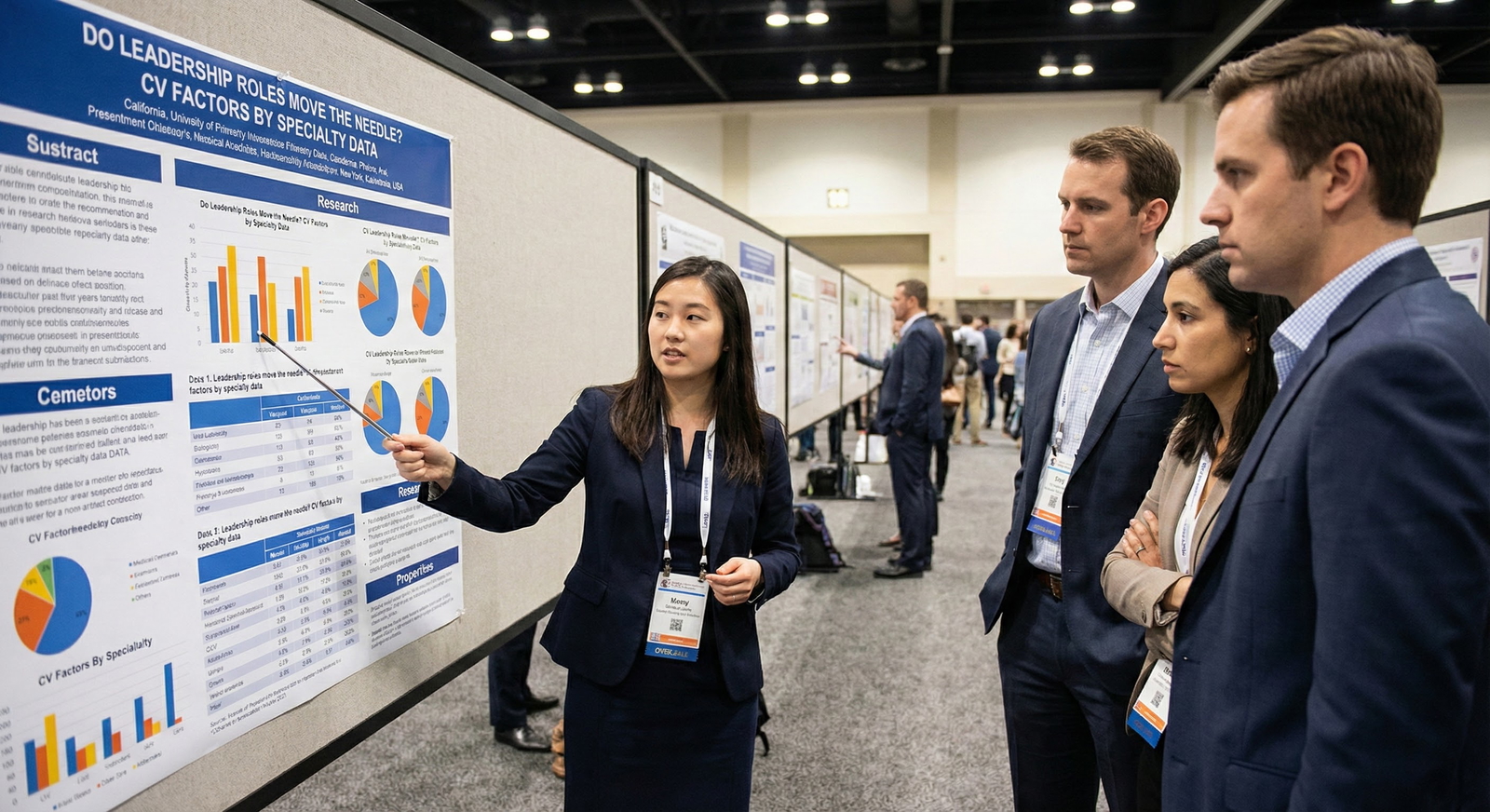
Smith A, Patel R. Integrating SBIRT into third-year internal medicine clerkships. Poster presented at: American Society of Addiction Medicine Annual Conference; April 2023; Location.
If your project is in progress:
Co-Investigator, Ongoing Project: "Outcomes of low-barrier buprenorphine treatment in a safety-net clinic," with Dr. [Mentor’s Name]; anticipated completion 2025.
Tip: A focused portfolio of 1–3 strong addiction-related scholarly projects is more impactful than 10 loosely related activities.
Quality Improvement and Systems Projects
Addiction medicine is tightly linked to systems improvement. Program directors in any specialty (IM, FM, Psych, EM) see value in QI work around SUD.
Examples to include:
- Developing an ED protocol for naloxone distribution
- Creating a safe opioid prescribing guideline for residents
- Implementing an EMR best-practice alert for patients at high risk of overdose
- Piloting a clinic workflow for SBIRT screening
In your Quality Improvement & Projects section, use 3–4 bullet points to describe:
- The problem
- Your role
- The intervention
- Outcome or metrics (even preliminary)
Example:
Quality Improvement Project: Increasing Naloxone Co-Prescribing in High-Risk Patients
- Identified underutilization of naloxone in patients on high-dose opioids for chronic pain
- Designed and implemented EMR prompt and brief provider education sessions
- Increased naloxone co-prescribing rate from 12% to 48% over 6 months
This type of concrete, measurable impact stands out on a residency CV.
Leadership, Teaching, and Advocacy in Addiction Medicine
Addiction medicine is inherently interdisciplinary and advocacy-oriented. Your CV should showcase that you can lead, teach, and advocate in this space.
Leadership Roles
When thinking about how to build a CV for residency, leadership is often underemphasized. Strong addiction medicine leadership experiences include:
- Founding or leading an Addiction Medicine or Recovery Interest Group
- Serving on a hospital committee focusing on opioid stewardship or behavioral health
- Leading a medical student curriculum module on SUD
- Coordinating a student-run clinic that serves people with substance use disorders
When listing positions:
- Include role, organization, dates
- Focus on outcomes, not only duties
Example:
Co-Founder & Co-President, Addiction Medicine Interest Group – XYZ Medical School (2021–2023)
- Established a new student group that grew to 50+ active members within 2 years
- Organized 8 lectures per year on topics including MOUD, harm reduction, and stigma reduction
- Launched a shadowing program pairing students with addiction medicine specialists
Teaching Experience
Addiction medicine training often involves teaching peers, staff, and community members.
Include:
- Small-group teaching on SUD topics for pre-clinical students
- Peer tutoring in psychiatry or behavioral health
- Workshops for nursing or pharmacy students on MOUD or naloxone
- Community education sessions on overdose prevention
Describe teaching with active verbs:
- “Facilitated,” “Developed,” “Delivered,” “Organized,” “Mentored”
Teaching-focused bullet example:
- Developed and delivered a 1-hour session on stigma and language in addiction care to 30 third-year medical students; received average evaluation score of 4.8/5.
Advocacy and Community Service
Addiction medicine is deeply connected to social justice and public health. Advocacy and community service can strongly support your interest if framed clearly.
Relevant activities:
- Volunteering at syringe service programs or recovery community organizations
- Participating in legislative visits regarding MOUD access or SUD parity laws
- Working with community groups on housing, re-entry, or HIV care for people who use drugs
- Joining local or state medical society addiction-related workgroups
You can group these under Volunteer & Community Service or Advocacy & Community Engagement.
Example:
Volunteer, Community Overdose Response Program – City, State (2022–Present)
- Distributed naloxone and provided overdose response education at community events
- Engaged with 200+ community members per year; tracked and reported distribution metrics
- Collaborated with local harm reduction organizations to connect individuals to treatment resources
This shows both commitment and direct engagement with the population served in addiction medicine.

Tailoring Your CV for Different Stages: Residency vs. Addiction Medicine Fellowship
Your CV will evolve as you move from MD graduate residency applications to potential addiction medicine fellowship applications. Thinking ahead now can help you build a coherent trajectory.
For the Allopathic Medical School Match (Residency Applications)
As a new MD graduate applying to residency, focus on:
- Breadth of clinical competence with obvious threads of addiction interest
- Early signs of specialty direction (e.g., internal medicine + addiction, family medicine + addiction, psychiatry + addiction, emergency medicine + addiction)
- Demonstrated professionalism and teamwork
Residency CV tips for this phase:
- Don’t over-saturate with addiction to the exclusion of core clinical skills. Programs want well-rounded residents first, future subspecialists second.
- Use 1–2 top experiences in each category (research, leadership, community work) that clearly link to addiction medicine.
- Keep formatting clean, consistent, and easy to skim.
Example positioning statement (optional, brief):
Allopathic MD graduate pursuing internal medicine residency with a dedicated interest in addiction medicine and integrated behavioral health, with experience in SUD-related research, quality improvement, and community-based harm reduction initiatives.
For Addiction Medicine Fellowship (Later Stage)
When you are ready to apply for an addiction medicine fellowship, your CV should demonstrate:
- Longitudinal commitment over multiple years
- Advanced clinical exposure (e.g., leading MOUD clinics, consult services)
- Greater leadership, teaching, and possibly curriculum development
- Deeper scholarly work (publications, national presentations, guideline contributions)
Strategies to prepare now as a resident:
- Choose projects that can realistically lead to publication or a national conference abstract.
- Seek QI roles that intersect with SUD care in your primary specialty.
- Ask to be involved in teaching residents/medical students on SUD topics.
- Join organizations like ASAM or specialty-specific addiction working groups.
This creates a natural progression from MD graduate residency applicant to competitive addiction medicine fellowship candidate.
Formatting, Style, and Common Pitfalls
Regardless of content, poor formatting can undermine a strong CV. Program directors often review dozens of applications; your CV should be visually organized and professional.
Formatting Essentials
- Length: For an MD graduate, 2–4 pages is typical; it’s acceptable to exceed 2 pages if content is meaningful.
- Font: Professional (e.g., Times New Roman, Calibri, Arial), 10–12 pt.
- Margins: ~1 inch; keep spacing consistent.
- Headings: Use clear, bold section headings and consistent hierarchy.
- Order: Reverse chronological within each section (most recent first).
Stylistic Tips
- Use action verbs: led, developed, coordinated, implemented, analyzed.
- Quantify where possible: “supervised 10 students,” “increased screening rates by 30%,” “served 100+ patients.”
- Avoid dense paragraphs; use bullet points.
- Avoid unexplained abbreviations (spell out at least once).
Common Pitfalls to Avoid
Unclear Connection to Addiction Medicine
- If your work is indirectly related (e.g., HIV care, homelessness, criminal justice), explicitly articulate the link to SUD where appropriate.
Overloading with Irrelevant Activities
- General volunteering (e.g., generic blood drives) is less important than targeted service. You don’t need to list every short-term activity; prioritize.
Typos and Inconsistencies
- Inconsistent date formats, font shifts, and spelling errors signal lack of attention to detail.
Inflating Roles
- Program directors understand the typical scope of medical student and resident responsibilities. Be honest and precise; credibility matters more than “big” titles.
Omitting Gaps or Transitions
- If you took a research year, leave, or had a nontraditional pathway, list it clearly with dates and a neutral description. Unexplained gaps invite concern.
Putting It All Together: An Action Plan for MD Graduates
To strengthen your CV for addiction medicine-focused residency and future fellowship, use this stepwise approach:
1. Audit Your Current Experiences
- List all clinical rotations, research, leadership, and volunteer work.
- Mark which have any connection to SUD, mental health, or public health.
- Identify 3–5 “anchor experiences” that best represent your interest in addiction medicine.
2. Fill Key Gaps Strategically
If you’re early or mid-MD training, prioritize:
- One meaningful clinical elective in addiction medicine or a SUD-heavy service.
- One tangible QI or systems project involving prescribing, overdose prevention, or screening.
- One scholarly product (poster, brief report, or manuscript) in an addiction-related area.
- One leadership/teaching role related to SUD (interest group, curriculum session, or workshop).
If you’re late in the process:
- Focus on short, high-yield additions: online substance abuse training modules, brief community projects, or helping write up an ongoing study.
3. Craft a Clear Narrative
Review your CV:
- Does a reader quickly see your interest in addiction medicine?
- Does it also reflect broad clinical readiness for residency?
- Are there 2–3 themes repeated (e.g., harm reduction, integrated care, stigma reduction)?
Your personal statement and letters of recommendation should reinforce this same narrative.
4. Get Feedback from Addiction Medicine Clinicians
- Ask an addiction medicine faculty member or fellow to review your CV.
- Request specific feedback on whether your addiction medicine trajectory is clear and compelling.
- Revise to highlight points that resonate most with experienced eyes.
5. Maintain and Update Regularly
- Update your CV every 3–4 months during training.
- Add new publications, talks, QI data, and evolving roles.
- Keep a running “CV log” so you don’t forget details like dates or exact project titles.
This continuous process will make future addiction medicine fellowship applications far easier and more competitive.
FAQs: CV Building for MD Graduates Interested in Addiction Medicine
1. I’m an MD graduate with minimal direct addiction medicine experience. How can I still show interest on my CV?
Connect any relevant experiences you already have (psychiatry, emergency, internal medicine, public health, HIV/hepatitis C care, homelessness, incarceration, or chronic pain management) to addiction medicine in your descriptions. Then add at least a few targeted activities—such as brief online substance abuse training modules, harm reduction volunteering, attending ASAM meetings, or joining a hospital opioid stewardship project. Even 2–3 focused additions can substantially strengthen your narrative.
2. How important is research for matching into residency if I’m interested in addiction medicine?
For the allopathic medical school match, research is helpful but not mandatory for all programs or specialties. However, having at least one addiction-related research or QI project can significantly enhance your CV and signal serious interest. For competitive programs or eventual addiction medicine fellowship, scholarly work (especially presentations or publications) becomes more valuable. Quality and relevance matter more than sheer volume.
3. Should I create separate CVs for residency and future addiction medicine fellowship applications?
You can maintain one “master CV” that includes everything, then tailor versions for specific uses. For residency, emphasize broad clinical ability and early addiction interest. For addiction medicine fellowship later, bring addiction-related sections to the forefront, expand on roles and outcomes, and trim less relevant early activities. Maintaining a detailed master document now will make future tailoring much easier.
4. How do I list substance abuse training and certifications without over-cluttering my CV?
Create a dedicated section, such as “Substance Use and Addiction Training & Certifications,” and list items concisely with titles, organizations, and dates. Group shorter workshops or online modules together if needed. This keeps your addiction medicine preparation visible without scattering small items throughout your CV.
By carefully structuring your CV, deliberately choosing experiences, and clearly highlighting your commitment to patients with substance use disorders, you can stand out as an MD graduate residency applicant and lay the groundwork for a future in addiction medicine.