Understanding the CV Landscape as a Caribbean IMG in Med-Peds
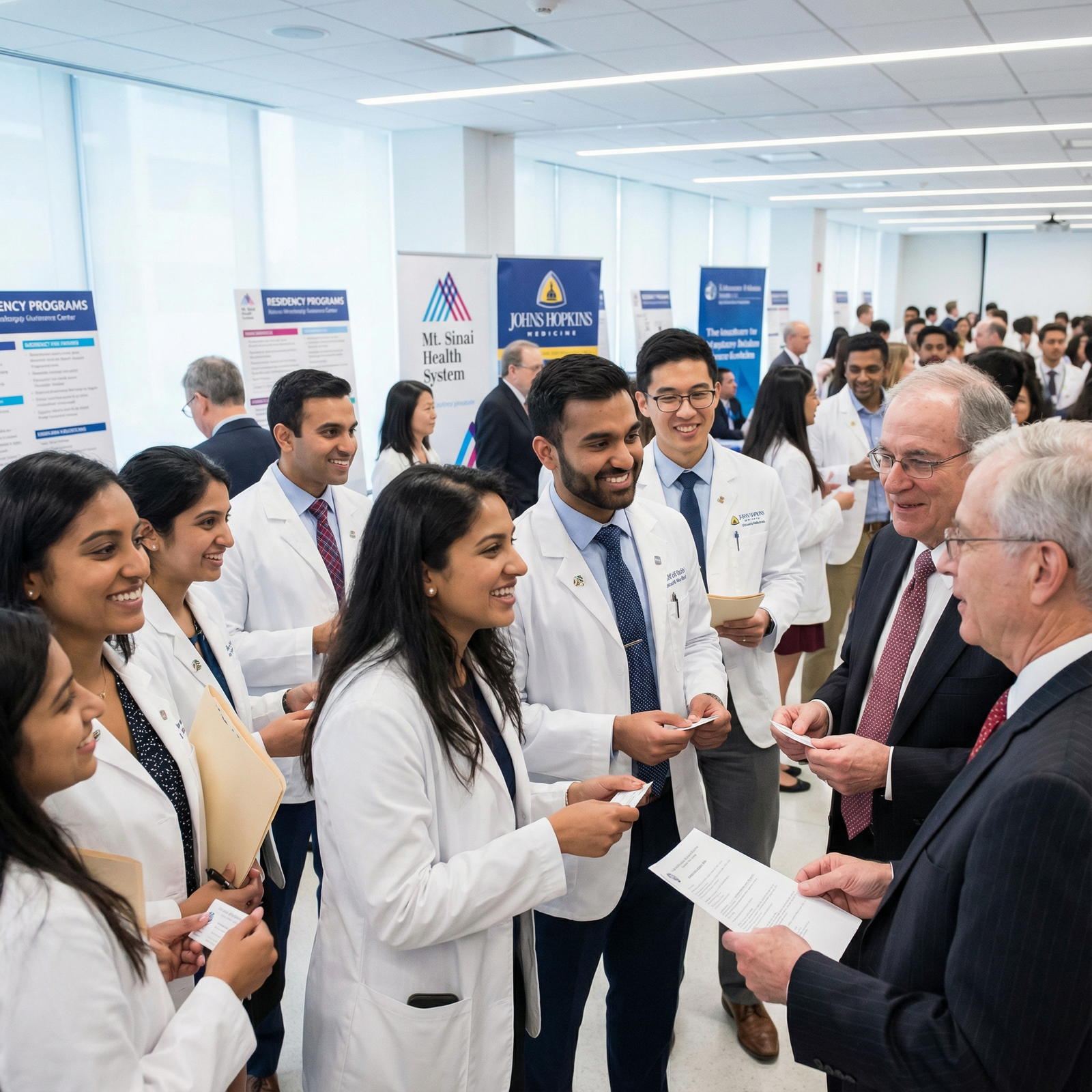
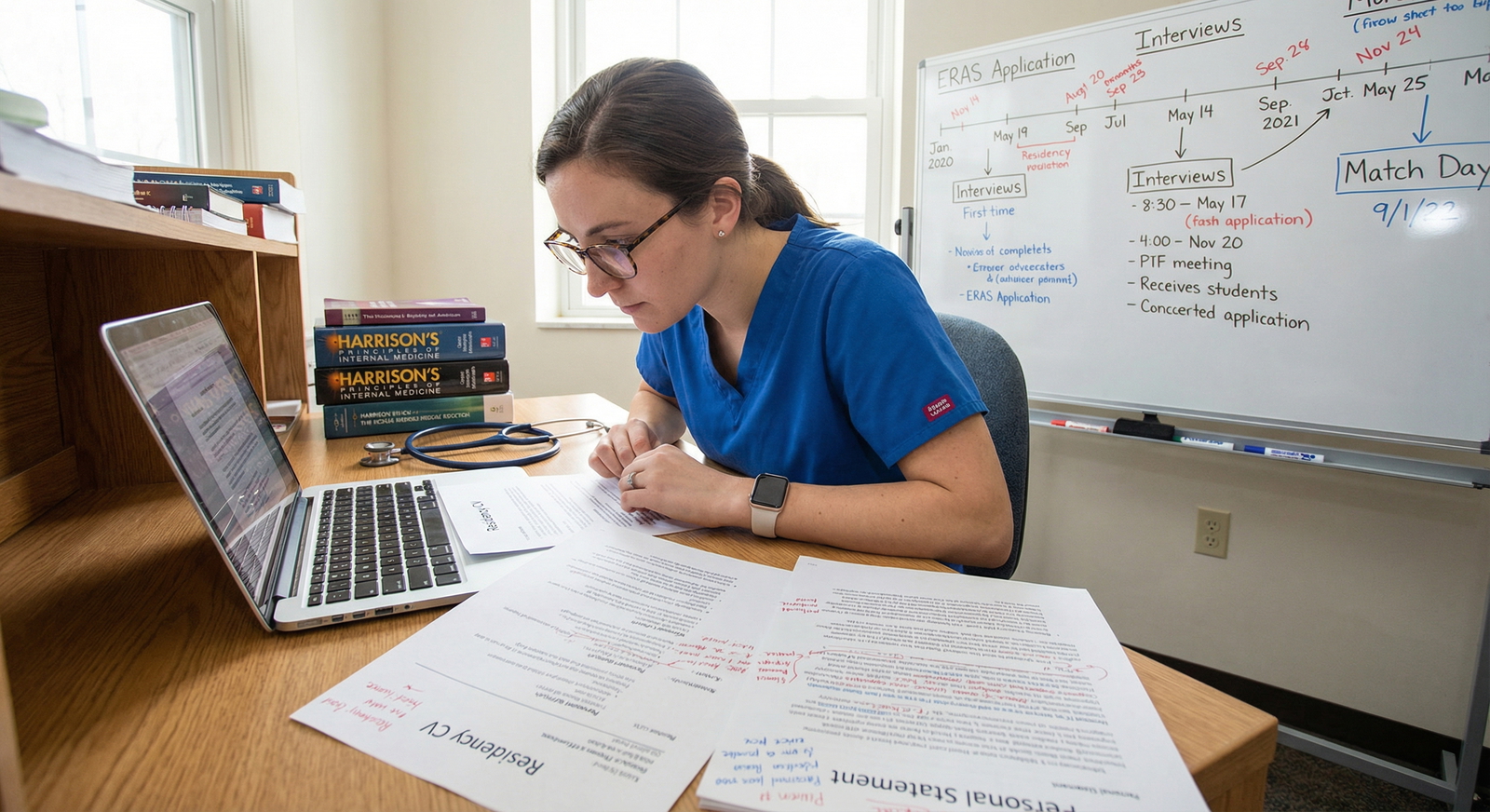
For a Caribbean international medical graduate (IMG) aiming for a Medicine-Pediatrics (Med-Peds) residency, your CV is more than a document—it’s your narrative of readiness, resilience, and fit for a dual-specialty career. Programs will already see your scores and transcripts in ERAS; your CV (and how it translates into ERAS Experiences and your personal statement) shows how you’ve used your time and why you are a strong bet to succeed in a rigorous combined program.
You are also competing in several “sub-markets” at once:
- As an IMG, you are compared against U.S. allopathic and osteopathic graduates.
- As a Caribbean graduate, your school’s reputation (e.g., SGU, AUC, Ross, Saba) and SGU residency match or equivalent match data will inform how PDs view your training.
- As a Med-Peds applicant, you must convince programs you can thrive in both complex adult medicine and nuanced pediatric care.
Your medical student CV must therefore do three things simultaneously:
- Demonstrate academic strength and clinical readiness comparable to U.S. grads.
- Highlight genuine interest and exposure in both internal medicine and pediatrics.
- Tell a coherent story of who you are, how you’ve overcome barriers, and how you’ll contribute to their program.
This article will walk you through how to build a CV for residency in Medicine-Pediatrics as a Caribbean IMG, with specific, actionable residency CV tips tailored to your context.
Core Principles of an Excellent Med-Peds Residency CV
Before dissecting sections, understand what Med-Peds program directors are scanning for when they review the ERAS Experience entries and any CV they might see outside ERAS (for away rotations, research, or networking).
1. Evidence of Dual Commitment: Medicine and Pediatrics
A competitive Med-Peds candidate doesn’t just say “I like both.” Your CV should prove it.
Look for ways to show:
- Balanced clinical exposure: substantial time in internal medicine and pediatrics (including electives, sub-internships, away rotations).
- Activities spanning both age groups: quality improvement projects, volunteer work, and research that touch adult and pediatric populations.
- Longitudinal involvement: not just a single pediatrics club meeting or a one-week adult clinic; aim for sustained roles.
Actionable move: For any experience that involved both adults and children, label it clearly in your CV and ERAS description (e.g., “Outpatient clinic serving adult and pediatric underserved populations”).
2. Clear, Concise, and Results-Oriented Content
Your CV is not a list of tasks; it’s a summary of impact.
Compare:
- Weak: “Volunteered in free clinic; took vitals.”
- Strong: “Volunteered 120+ hours over two years at student-run free clinic; performed intake and vitals for 15–25 patients/shift and developed a pediatric asthma education handout used by 50+ families.”
Think in terms of:
- Scale: hours, numbers, frequency.
- Outcomes: what changed because you were there?
- Skills: leadership, communication, QI, data analysis, teaching.
3. Strategic Positioning as a Caribbean IMG
Program directors are aware of the variability among Caribbean schools. They will often look for:
- Strong, upward academic trajectory, particularly in core clerkships.
- U.S.-based clinical experiences, preferably in academic settings.
- Evidence of professionalism, reliability, and strong evaluations (“excellent,” “outstanding,” “top 10% of students” in letters).
Your CV should subtly address any perceived disadvantages of being a Caribbean graduate:
- Highlight U.S. clinical rotations, particularly if you rotated at institutions with Med-Peds programs or strong IM/Peds departments.
- Emphasize positive outcomes: research presentations, leadership roles, and SGU residency match-like success stories from your environment.
- Avoid filler. Every entry should strengthen your case; weak or very minor experiences can dilute the overall impression.

Structuring a Strong Medical Student CV for Med-Peds
Whether you’re using a CV for networking, research, or to help draft your ERAS entries and personal statement, the structure should be clean and familiar. Below is a recommended layout that translates well to ERAS categories and is optimized for a Caribbean medical school residency applicant.
1. Contact Information and Professional Summary (Optional for ERAS, Helpful for CV)
Contact Information
- Full name, credentials (e.g., “John Smith, MD Candidate”)
- Email (professional), phone, city/state
- LinkedIn (optional but beneficial if well-maintained)
Professional Summary (2–3 lines)
Optional on a printed CV, not used in ERAS directly, but helpful for networking:
“Caribbean-educated medical student with U.S. clinical experience in internal medicine and pediatrics, committed to a career in Medicine-Pediatrics. Interests include chronic disease management across the lifespan, transitions of care, and health disparities in immigrant communities.”
This helps you crystallize your narrative early, which then guides what you highlight in the rest of your CV.
2. Education
List in reverse chronological order:
Medical school (Caribbean)
- Degree (e.g., MD Candidate), expected graduation date
- Honors (Dean’s List, scholarships, distinctions)
- Notable Med-Peds-relevant projects or longitudinal tracks (e.g., primary care, global health, community medicine)
Undergraduate degree
- Major, minors, GPA (if strong), honors
- Any relevant coursework (statistics, public health, child development, psychology)
Caribbean IMG nuance:
If at a well-known school (e.g., SGU), you can briefly note its track record without sounding promotional:
“St. George’s University School of Medicine, Grenada – MD Candidate (2026). U.S. clinical rotations at affiliated teaching hospitals with established SGU residency match outcomes in IM and Pediatrics.”
Keep this subtle; do not oversell, but quietly signal institutional credibility.
3. USMLE / Licensure (Briefly on CV, Formally in ERAS)
On a traditional CV, you may list:
- USMLE Step 1: Pass (and score if strong and you choose to share)
- USMLE Step 2 CK: [Score or “pending” if not yet taken]
- ECFMG Certification status (if applicable by the time you apply)
Don’t over-elaborate here; ERAS carries the official scores, but including them on a standalone CV can help for research/job opportunities.
4. Clinical Experience: Emphasizing Med-Peds Readiness
This section is critical. It should mirror and help you think through your ERAS clinical and work experiences entries.
a. Core and Elective Rotations (Reframed for Impact)
You don’t need to list every rotation with every detail on a networking CV, but you do want to:
- Highlight internal medicine and pediatrics core rotations with high performance.
- Feature sub-internships/acting internships in IM, Peds, or both (if your school or away site has Med-Peds).
- Emphasize U.S.-based clinical experiences.
Example layout:
Internal Medicine Core Clerkship
XYZ Medical Center, New York, NY – 8 weeks — 07/2024–08/2024
- Managed 4–6 adult inpatients daily under supervision; presented cases during morning rounds.
- Participated in multidisciplinary discharge planning, focusing on patients with heart failure and diabetes.
- Earned “Honors” with comments on thoroughness and team communication.
Pediatrics Core Clerkship
ABC Children’s Hospital, New Jersey – 8 weeks — 09/2024–10/2024
- Performed pediatric history and physicals for 3–5 patients/day in inpatient and outpatient settings.
- Developed a patient education handout on fever management, reviewed and approved by attending.
- Received feedback highlighting rapport with families and attention to growth/developmental milestones.
b. Med-Peds-Relevant Electives and Sub-I’s
For a med peds residency or medicine pediatrics match, sub-internships are gold. If possible:
- Do one sub-I in internal medicine and one in pediatrics.
- If available, do a Med-Peds sub-I or away rotation at a program you’re seriously interested in.
Example:
Medicine-Pediatrics Sub-Internship (Away Rotation)
University Med-Peds Residency Program, Midwest City, XX — 4 weeks — 08/2025
- Functioned at intern level for mixed adult and pediatric inpatient service; cross-covered up to 10 patients/night under direct supervision.
- Led a short QI project to improve documentation of transition plans for adolescents with cystic fibrosis.
- Received strong verbal feedback for adaptability and teamwork.
These entries show you understand the Med-Peds workflow and can handle its demands.
Building Out the “Experience” Sections: Work, Volunteering, Leadership, and Teaching
Beyond clinical rotations, the core of your residency CV tips revolves around how you present work, volunteer, leadership, and teaching experiences. Programs use this to gauge maturity, professionalism, and long-term commitment.
1. Volunteer and Community Service
Med-Peds strongly values advocacy, underserved care, and continuity across the lifespan. For a Caribbean medical school residency applicant, community service can also counter biases about being “score-only” or transactional.
Good experiences to highlight:
- Free clinics serving both adult and pediatric patients
- School health fairs, vaccination drives, sports physicals
- Tutoring or mentorship involving adolescents or undergrads
Example:
Volunteer, Community Health Clinic
Urban Community Free Clinic, Brooklyn, NY — 09/2023–05/2025
- Volunteered 8–10 hours/month in a student-led clinic serving uninsured adults and children.
- Performed intake, vitals, and social determinants of health screening; communicated findings to supervising resident and attending.
- Co-developed a bilingual asthma action plan for pediatric patients, used with over 75 families.
Key tip: Emphasize longitudinal involvement and tangible outcomes, not isolated one-day events.
2. Leadership Experience
Leadership is crucial for Med-Peds, where residents often lead teams in complex, multi-system cases and transitions of care.
Relevant leadership roles:
- Med-Peds Interest Group officer (if available) or IM/Peds club leadership
- Class representative, student council, orientation leader
- Founder/organizer of health outreach projects
Example:
Co-President, Internal Medicine–Pediatrics Interest Group
Caribbean Medical University — 01/2024–Present
- Organized 6 Med-Peds-focused career panels and case discussions with U.S. Med-Peds residents and faculty.
- Coordinated a mentorship program pairing 30 preclinical students with clinical-year mentors in IM and Peds.
- Led a workshop on writing a strong medical student CV and ERAS entries for dual-specialty applicants.
Showing that you have already led in educational or advocacy spaces makes PDs imagine you as a future chief resident or faculty member.
3. Teaching and Mentoring
Med-Peds physicians constantly teach—patients, families, students, residents. Programs like to see applicants who already enjoy teaching.
Examples:
- Peer tutoring in basic sciences, clinical skills, or exam preparation
- Teaching assistant roles
- Community education (nutrition, sexual health, vaccinations)
Example CV entry:
Peer Tutor, Physiology and Pathophysiology
Caribbean Medical University — 09/2022–12/2023
- Tutored 10–12 first- and second-year medical students weekly in small-group sessions.
- Developed structured review materials and practice questions; 80% of tutored students reported grade improvement or course pass after failing on first attempt.
- Recognized with “Outstanding Tutor” award by the Office of Academic Support.
Showcasing Research, QI, and Scholarly Activity for the Medicine-Pediatrics Match
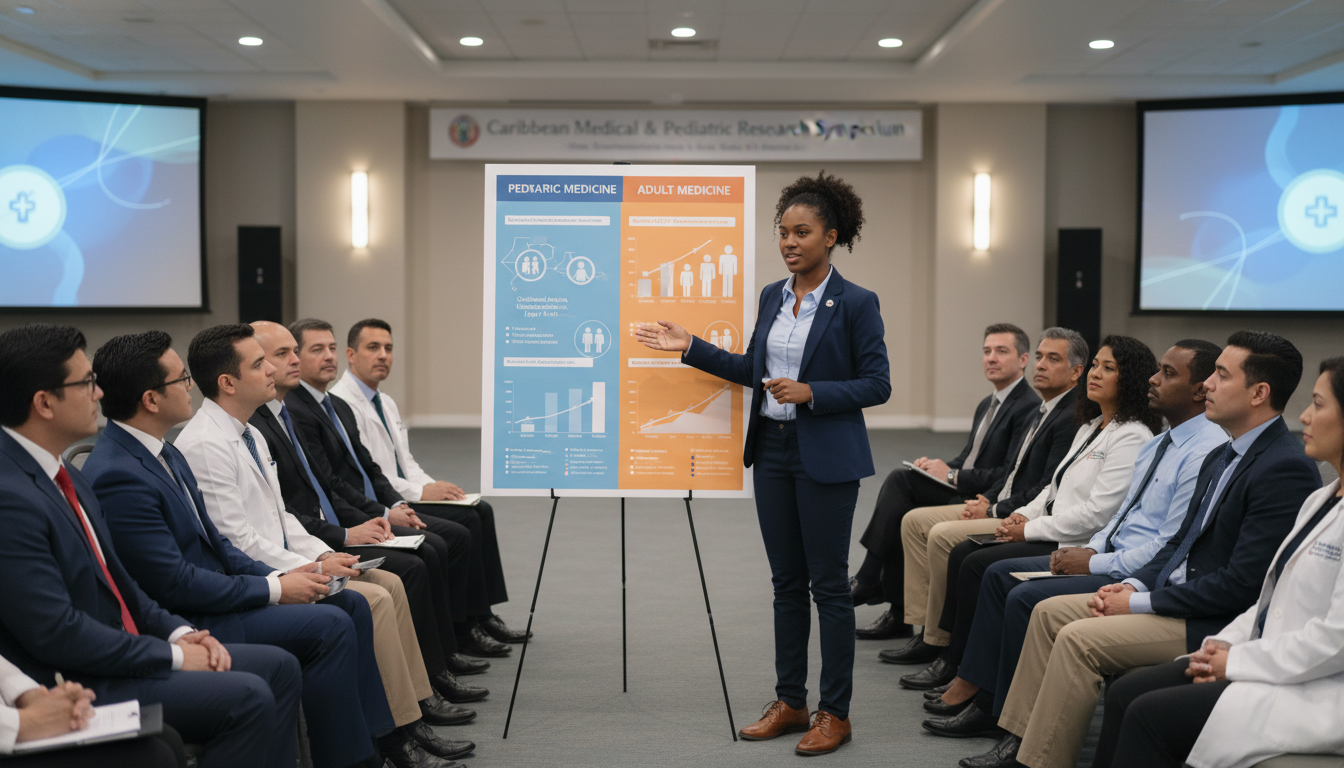
Your medicine pediatrics match competitiveness increases if you can show scholarly work, especially projects bridging adult and pediatric populations or focusing on chronic disease, transitions, or health disparities.
1. Types of Scholarly Work That Stand Out
For a Caribbean IMG, research doesn’t need to be in a top-tier journal; it needs to show:
- Initiative and follow-through
- Ability to collect, interpret, and present data
- Familiarity with QI cycles and evidence-based medicine
Strong Med-Peds-relevant themes include:
- Transition of care from pediatric to adult services (e.g., diabetes, congenital heart disease, sickle cell disease)
- Health disparities in immigrant or underserved communities
- Preventive medicine spanning life stages (vaccinations, obesity, asthma)
- Hospital readmissions, ambulatory care coordination, complex care clinics
2. How to List Research on Your Medical Student CV
Group by category:
- Peer-reviewed publications
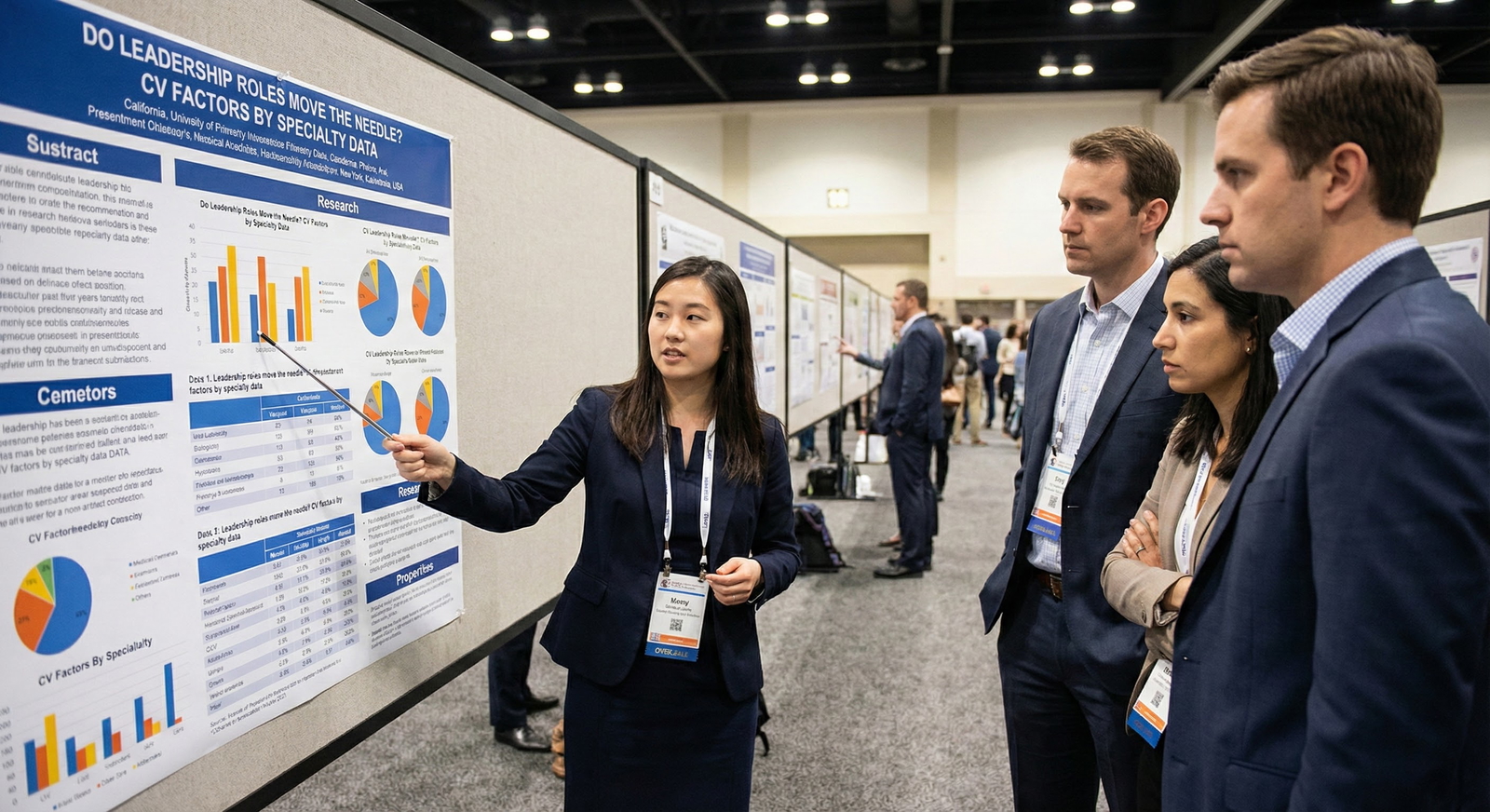
- Abstracts and posters
- Oral presentations
- QI projects
Example:
Publications
Smith J, Doe A, [Your Name], et al. “Barriers to Transition from Pediatric to Adult Care in Young Adults with Type 1 Diabetes: A Community-Based Survey.” Journal of Community Health, 2025.
Posters and Abstracts
[Your Name], Jackson R, Liu P. “Asthma Exacerbations in Adolescents: Comparing Clinic Utilization Before and After Implementation of a School-Based Education Program.” Poster presented at the Annual Med-Peds National Conference, 2024.
Quality Improvement Projects
“Improving Documentation of Transition Planning for Adolescents with Cystic Fibrosis in a Combined Med-Peds Clinic.”
Med-Peds Sub-Internship, University Hospital — 08/2025
- Baseline chart review showed only 30% of adolescents had a documented transition plan.
- Implemented a transition checklist in the EMR; follow-up review showed increase to 75% within 3 months.
Even if your project didn’t get published, properly describing the problem, intervention, and outcome is persuasive.
3. How Caribbean IMGs Can Generate Research Opportunities
If your Caribbean school has limited research infrastructure:
- Use your U.S. clinical rotations to identify faculty doing QI or clinical research. Ask about joining existing projects.
- Offer to help with chart reviews, data collection, or literature reviews—even mid-project.
- Consider smaller, realistic projects that you can complete before the application cycle, such as retrospective chart reviews or educational interventions.
Document roles honestly: “Assisted with data collection and preliminary analysis” is better than overstating your contribution.
Advanced CV Strategies Specific to Caribbean IMGs in Med-Peds
Beyond standard formatting, there are strategic how to build CV for residency moves you should use as a Caribbean IMG targeting Med-Peds.
1. Translate “Caribbean Experience” into “U.S. Readiness”
Many Caribbean students have rich stories: studying in a different culture, hurricanes, travel, visa challenges, and navigating multiple health systems. Your CV can subtly underscore:
- Adaptability and resilience (e.g., continuing studies after disrupted semesters).
- Global health and cultural competence (treasured in Med-Peds, especially in diverse communities).
- Language skills and cross-cultural communication.
But keep the tone professional; frame these as strengths, not as complaints.
Example entry:
Community Health Volunteer, Island Outreach Program
Grenada — 01/2022–05/2022
- Participated in monthly mobile clinics providing basic health screening and counseling in rural communities.
- Collaborated with local nurses and community leaders to deliver child nutrition workshops to 50+ families.
- Gained experience adapting health education to low-resource settings and diverse cultural beliefs.
2. Addressing Gaps or Red Flags Through Your CV
If you have:
- A leave of absence
- A failed exam (especially if you still secured a solid Step 2 CK)
- A late graduation
Use your CV and ERAS descriptions to show:
- Productive use of time during gaps (research, clinical observerships, language courses, community service).
- Clear upward trend in performance.
- Reflection and growth.
Example phrasing for a leave:
Academic Enrichment Period
Caribbean Medical University — 01/2023–08/2023
- Took a planned academic enrichment period to strengthen foundational knowledge and test-taking strategies.
- Completed structured study program and supplemental coursework in pathophysiology and pharmacology.
- Returned to full-time curriculum with improved performance in subsequent clinical rotations.
3. Tailoring Your CV to Med-Peds (Not Just “IM + Peds”)
Your narrative must be more than “I like adults and kids.” Use entries to show that you understand the intersections:
- Adolescents with chronic illnesses transitioning to adult care.
- Genetic or congenital conditions with lifelong implications.
- Families where multi-generational health issues require coordinated care.
You can add a Selected Interests or Professional Interests section at the bottom:
Professional Interests: Med-Peds primary care, transitions of care for adolescents with chronic illnesses, health disparities in Caribbean and immigrant communities, medical education for underserved youth.
This helps interviewers ask you about what matters most to you—and gives your experiences a thematic coherence.
Turning Your CV into a Strong ERAS Application
Remember that most U.S. residency programs will not scrutinize a traditional CV the way they scrutinize your ERAS application. Still, a polished CV is invaluable:
- To guide how you structure and phrase ERAS Experiences.
- To share with mentors, letter writers, and potential research supervisors.
- For Med-Peds interest groups, networking, and preliminary contacts with program coordinators.
1. From Bullet Points to ERAS Entries
For each major role on your CV:
- Choose 3–4 of the most impactful responsibilities or achievements and adapt them for ERAS.
- Use active verbs and outcomes: “Led,” “Developed,” “Improved,” “Analyzed,” “Implemented.”
- Keep entries concise; avoid duplicating the same bullet verbatim across multiple experiences.
2. Consistency Across CV, Personal Statement, and Letters
Your CV should match the themes in your personal statement and your letters of recommendation:
- If your CV heavily emphasizes research, your statement should at least mention how this informs your clinical approach.
- If your narrative is about continuity of care across the lifespan, your experiences should include longitudinal clinics, follow-up with patients, or transition-of-care projects.
- Share your CV with letter writers so they can reflect and reinforce your strengths with specific examples.
3. Avoiding Common Pitfalls for Caribbean IMGs
Common errors:
- Overloading CV with minor, short-term experiences (e.g., listing every single one-day health fair).
- Inflating titles (e.g., “research assistant” when the role was simply attending a meeting).
- Overemphasis on basic science achievements while underemphasizing U.S. clinical experiences.
- Typos, inconsistent formatting, and unclear dates—especially harmful when PDs are already uncertain about your training context.
Do a final pass with:
- Consistent date format (MM/YYYY–MM/YYYY).
- Fixed formatting (bold for roles, italics for institutions, clear spacing).
- Proofreading by a mentor, advisor, or knowledgeable peer.
FAQs: CV Building for Caribbean IMGs in Medicine-Pediatrics
1. Do Med-Peds programs look at a separate CV, or just ERAS?
Most Med-Peds programs primarily use your ERAS application rather than a separate CV. However, a well-crafted CV is crucial for:
- Preparing accurate, strong ERAS Experience descriptions.
- Sharing with mentors and potential letter writers.
- Sending to faculty during away rotations, research projects, or networking.
Think of your CV as the “master document” from which ERAS is derived, but still something you might send when requested.
2. How can I strengthen my CV if my Caribbean school has limited research?
Focus on what is realistically achievable:
- Seek QI projects during U.S. clinical rotations where attendings are often more engaged in improvement initiatives.
- Pursue small, well-defined projects (retrospective chart reviews, patient education tools) that can generate posters or presentations.
- Join ongoing work rather than trying to design a full-scale project solo.
One strong project with clear outcomes is more valuable than a list of vague “research interests.”
3. What if my USMLE Step 1 is just pass and not high—can my CV compensate?
Yes, to some extent. A “Pass” on Step 1 is now common, and many Caribbean IMGs succeed in the medicine pediatrics match by:
- Scoring well on Step 2 CK.
- Demonstrating solid clinical performance in U.S. rotations.
- Presenting a CV with meaningful clinical, leadership, and scholarly contributions.
Use your CV to highlight strengths that standardized tests don’t capture: teaching, service, resilience, and Med-Peds-specific exposure.
4. Should I label myself as “Med-Peds” focused on my CV before I’ve done a Med-Peds rotation?
You can signal strong interest without overcommitting. Phrase things like:
- “Interested in a career in Medicine-Pediatrics with focus on…”
- “Exploring combined training in internal medicine and pediatrics.”
Once you have Med-Peds-specific experiences (interest group leadership, sub-I, QI project), you can be more definitive: “Applying to Medicine-Pediatrics residency with career interests in…”
A carefully structured, honest, and impact-focused CV can significantly boost your chances as a Caribbean IMG applying to Med-Peds. Use it as the backbone of your ERAS application, a tool for mentorship, and a roadmap to ensure your experiences align with your ultimate goal: a successful Medicine-Pediatrics residency match in the U.S.