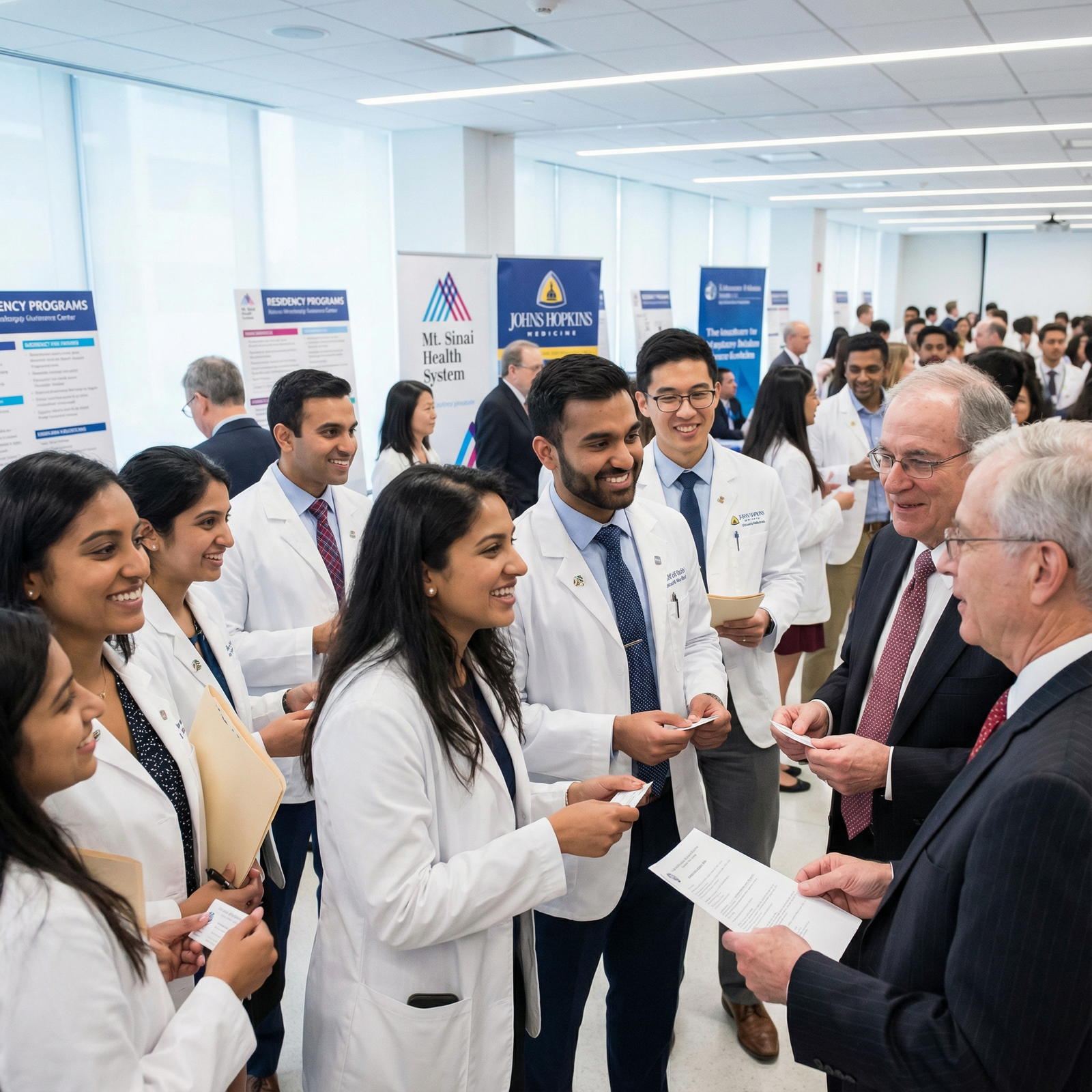
As a Caribbean international medical graduate (IMG) targeting Physical Medicine & Rehabilitation (PM&R), your CV is more than a list of experiences—it’s your narrative tool. It explains your path through a Caribbean medical school, justifies your interest in physiatry, and shows programs why you will thrive in a residency that values teamwork, communication, and longitudinal patient care.
This guide focuses specifically on CV building for Caribbean IMG in Physical Medicine & Rehabilitation, with practical examples, residency CV tips, and strategies tailored to those targeting the physiatry match, including applicants from schools like SGU, AUC, and Ross who are thinking ahead about their SGU residency match strategy or similar.
Understanding the Role of the CV in PM&R Residency Applications
Your ERAS application essentially functions as your “residency CV.” However, many programs (and all away rotations or research mentors) will still ask for a separate CV in PDF or Word format. Both must tell a coherent story.
What programs look for in a PM&R applicant’s CV
PM&R is a holistic, team-based specialty. Program directors want to see:
Sustained interest in PM&R
- Shadowing physiatrists
- Inpatient rehab exposure
- Outpatient MSK, sports, pain, or neurorehab experiences
- PM&R student interest group (SIG) involvement
Rehabilitation-relevant skills and attributes
- Communication and teamwork (interdisciplinary care)
- Longitudinal patient relationships
- Empathy and motivational interviewing
- Comfort with disability, chronic illness, and function-focused care
Academic capability
- Passing USMLEs on first attempt (especially for Caribbean IMGs)
- Solid clinical evaluations
- Some evidence of scholarly thinking (case reports, QI projects, presentations)
Resilience and adaptability
- Handling transitions (e.g., relocating to a Caribbean island, moving between health systems)
- Leadership and initiative
- Overcoming adversity; this is especially relevant to Caribbean medical school residency applicants who often face bias and must prove themselves.
Your CV should make those qualities obvious and easy to find.
How a Caribbean IMG CV Is Evaluated Differently
Programs familiar with Caribbean medical school residency applicants know your path is different from US MD/DO grads. Your CV must proactively address this.
Common Caribbean IMG challenges
Perception of variable clinical training
- Multiple hospital sites; some US-based, some not
- Need to show strong, reputable clinical exposure
Bias in screening
- Some programs screen out IMGs automatically
- For those that don’t, every line on your CV must help overcome doubts
Limited home-institution PM&R exposure
- Many Caribbean schools do not have robust in-house PM&R departments
- You must manufacture your exposure (electives, observerships, research)
Visa or geographic considerations
- Some programs are hesitant about visa issues
- You need to be clear and confident about eligibility and commitment
How your CV can directly address these issues
- Show US-based clinical experience in core specialties and, ideally, PM&R
- Emphasize strong evaluations and responsibilities (acting intern, chief sub-I, leading patient presentations)
- Demonstrate long-term interest in physiatry, not a last-minute decision after other specialties didn’t work out
- Highlight consistent productivity: research, QI, committee work, teaching, or organized volunteering
For a Caribbean IMG, how to build CV for residency means creating a deliberate, structured track record rather than relying on “usual” medical school experiences alone.
Core Structure: How to Build a Strong CV for PM&R Residency
Even though ERAS formats much of your information, you still need a well-organized, one- to two-page CV for networking, mentors, away rotation applications, and non-ERAS uses.
Below is a recommended structure, with PM&R-specific and Caribbean IMG-specific notes.
1. Header and Contact Information
Include:
- Full name (consistent with ERAS)
- MD candidate or MD (with graduation year)
- Email (professional)
- Phone number (US number if possible)
- Current address and a permanent address if applicable
- Optional: LinkedIn or a professional portfolio if well-maintained
Example:
Maria Gonzalez, MD
Caribbean Medical University, Class of 2025
Email: maria.gonzalez.md@example.com | Phone: +1 (555) 123-4567
Current: Brooklyn, NY | Permanent: San Juan, PR
Avoid including:
- Photos
- Date of birth
- Marital status
- Immigration status (save for interviews or specific questions)
2. Education
List in reverse chronological order:
- Medical school (Caribbean)
- Undergraduate degree
- Relevant graduate degrees if any (MPH, MS, etc.)
What to emphasize as a Caribbean IMG:
- Exact school name and location
- Graduation date or expected date
- Honors (Dean’s List, scholarships) if they reflect academic strength
- If you’re from a school like SGU, Ross, or AUC with known US affiliations, you don’t need to explain the school; focus on achievements that strengthen your SGU residency match or comparable outcome.
Example entry:
St. George’s University School of Medicine, Grenada
Doctor of Medicine, Expected June 2026
- Honors in Internal Medicine and Neurology
- SGU PM&R Student Interest Group – Founding Vice President
3. USMLE / Licensing Exams (if including on CV)
On your ERAS, scores are entered separately. On a standalone CV, you may choose to add:
- USMLE Step 1 (Pass) and Step 2 CK (numeric if strong; “Pass” for Step 1)
- COMLEX scores if applicable
- ECFMG certification status for IMG graduates
Strategy as a Caribbean IMG:
- If scores are above the program’s norms, list them explicitly.
- If scores are average or slightly below, it’s acceptable to write “USMLE Step 2 CK: Completed, 2024” and let programs view exact scores via ERAS.
Do not include failed attempts on the CV; they are visible in ERAS.
4. Clinical Experience (Core and Elective Rotations)
For Caribbean medical school residency applicants, this section is critical. It helps bridge any concerns about your training environment.
List:
- US-based core rotations (Internal Medicine, Surgery, Pediatrics, OB/Gyn, Psychiatry, Family Medicine)
- PM&R or PM&R-related electives, sub-internships, and observerships
- Any leadership roles in rotations (e.g., sub-I, acting intern, team leader)
For each:
- Site name and city/state
- Affiliated university if applicable
- Date range
- Brief bullet points focusing on responsibilities and skills
Example:
Inpatient Rehabilitation Medicine Elective – 4 weeks
Kessler Institute for Rehabilitation, West Orange, NJ | 08/2024
- Managed 6–8 patients daily on a stroke and TBI unit under attending supervision
- Conducted functional assessments and presented interdisciplinary care plans at team meetings
- Collaborated with PT/OT/SLP to refine discharge planning and home safety recommendations
This type of entry helps your physiatry match application by proving:
- First-hand rehab exposure
- Comfort with the team model
- Clinical responsibility beyond shadowing
If you lack formal PM&R electives, emphasize rotations with functional focus, such as:
- Neurology (stroke, neuromuscular, MS)
- Orthopedics / sports medicine
- Pain management
- Geriatrics
- Rheumatology
These can still support your interest in PM&R when framed properly.

5. PM&R-Focused Experiences and Demonstrated Interest
Your PM&R-specific section is what differentiates a generic medical student CV from a physiatry-focused one.
Create a separate heading, such as “Physical Medicine & Rehabilitation Experience” or “Physiatry-Related Activities.” Include:
A. Shadowing and Observerships
Many Caribbean IMGs access PM&R initially through observerships.
- List attending name (if they’re known, e.g., department chair)
- Site and duration
- Specific patient populations you observed (stroke, SCI, amputees, sports injuries)
Example:
PM&R Outpatient Clinic Observership
University Hospital, Newark, NJ | 04/2023–06/2023
- Shadowed Dr. A.B. in general PM&R clinic (spine, MSK pain, post-acute rehab follow-up)
- Observed EMG/NCS procedures and ultrasound-guided joint injections
- Participated in case discussions, focusing on function-based treatment goals
B. Student Interest Groups and Leadership
If your Caribbean school lacks a PM&R SIG, starting one is powerful on your CV:
Founder & President – PM&R Student Interest Group
Caribbean Medical University | 09/2023–Present
- Organized monthly virtual case discussions with US physiatrists
- Coordinated journal club reviewing rehabilitation literature for core clerkship peers
- Developed first PM&R mentorship program pairing Caribbean IMGs with residents and attendings
This shows initiative and sustained interest, key for PM&R residency programs.
C. Conferences, Courses, and Workshops
Include:
- AAPM&R Annual Assembly
- AAP (Association of Academic Physiatrists) meetings
- Local rehab conferences
- Ultrasound, MSK, or EMG workshops
Even attending virtually can be listed; it shows commitment despite geographic limitations.
6. Research, Quality Improvement, and Scholarly Work
You don’t need a PhD to be competitive, but you must demonstrate academic curiosity. For PM&R, this might include:
- Case reports on stroke, SCI, TBI, amputations, spasticity, chronic pain, or MSK issues
- QI projects in rehab settings (e.g., falls reduction, discharge planning, documentation)
- Outcomes studies related to function, disability, or rehab interventions
If you’re wondering how to build CV for residency without a big research portfolio, focus on:
- One or two small but completed projects
- Concrete, measurable outcomes
- Getting your name on anything presentable (posters, abstracts)
Example entries:
Poster Presentation – AAPM&R Annual Assembly 2024
“Functional Outcomes in Post-Stroke Patients Participating in a Home-Based Telerehabilitation Program”
Authors: Gonzalez M, Chen L, Patel R
- Presented a retrospective review of 65 stroke patients enrolled in a telerehab pilot program
- Demonstrated improved FIM scores and reduced 30-day readmission rates compared to usual care
Quality Improvement Project – Inpatient Rehab Falls Reduction
NYC Rehabilitation Hospital | 02/2024–07/2024
- Led a multidisciplinary team to analyze fall incidents in an inpatient rehab unit
- Implemented visual bedside risk markers and standardized PT evaluation checklists
- Achieved a 20% reduction in falls over 6 months
Those examples show not only research but your understanding of function and systems, core pillars in PM&R.
7. Teaching, Leadership, and Service – PM&R-Relevant Framing
Residency programs value applicants who contribute to the academic and social fabric of their departments. For a PM&R-bound Caribbean IMG, your teaching and leadership can help offset concerns about training background or exam scores.
Teaching Activities
- Peer tutoring (anatomy, neuro, MSK, Step prep)
- Creating OSCE practice sessions
- Teaching patient education sessions (e.g., back care, fall prevention)
Frame these in a way that highlights your rehabilitation and communication skills:
Peer Tutor – Neuroanatomy and Musculoskeletal Medicine
Caribbean Medical University | 01/2023–12/2023
- Led weekly small-group review sessions integrating neuroanatomy with clinical MSK cases
- Developed functional anatomy diagrams emphasizing gait and motor control pathways
Leadership Roles
- Class representative
- SIG leader
- Community outreach coordinator
Programs want to see:
- You can work in multidisciplinary teams
- You can lead and follow
- You handle organizational tasks reliably
Volunteering and Community Service
PM&R is deeply patient-centered. Volunteering that involves disability, chronic illness, or rehabilitation is particularly valuable:
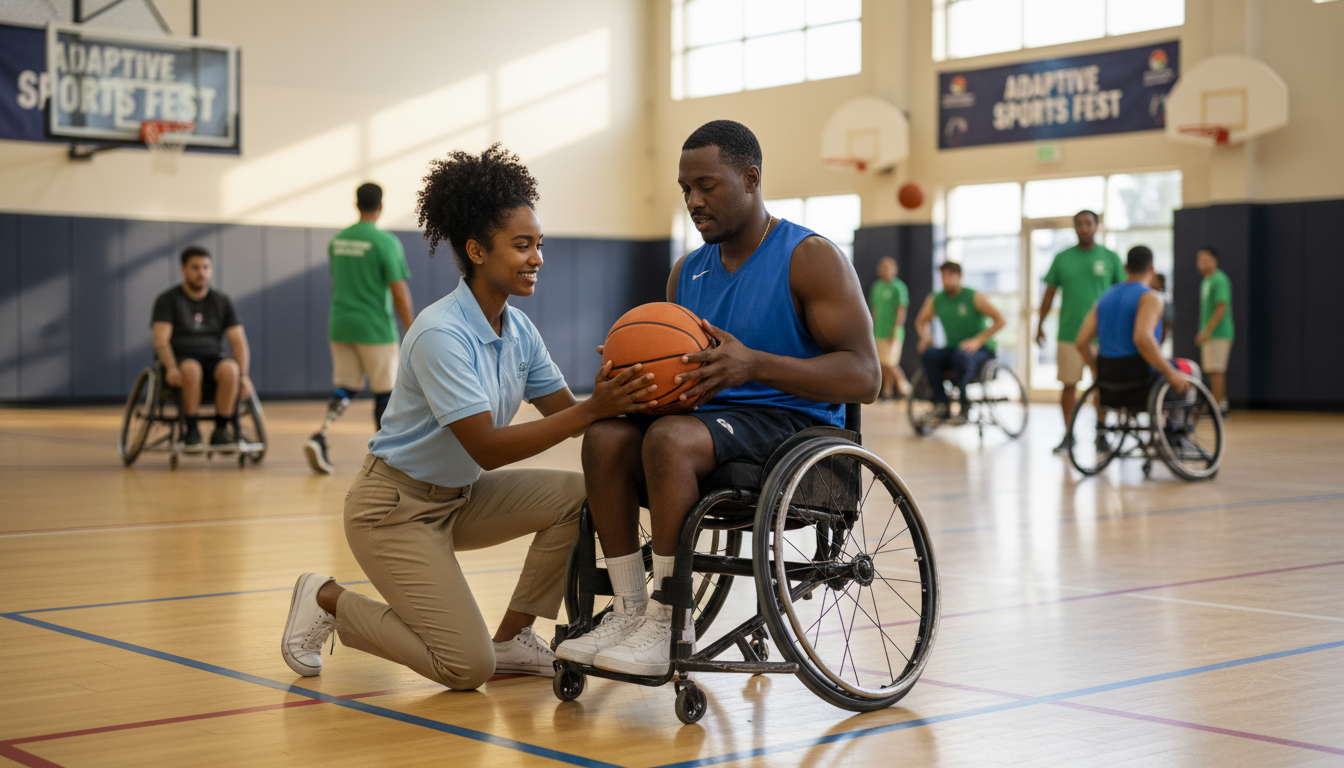
- Adaptive sports programs
- Stroke support groups
- Community falls-prevention workshops
- Wheelchair mobility training events
Even non-medical service can help if you frame the impact and your responsibilities.
Practical Residency CV Tips: Common Mistakes and How to Fix Them
As a Caribbean IMG, your CV must be tightly constructed. Program directors see hundreds of applications; a cluttered or unfocused CV hurts your physiatry match chances.
1. Avoid generic, unfocused CVs
Mistake: Listing every small activity without a clear PM&R narrative.
Fix:
- Prioritize items that show:
- PM&R interest
- Leadership
- Resilience / adaptability
- Academic capability
- De-emphasize unrelated, minor activities (e.g., “Attended 2-hour webinar on nutrition”)
2. Poor categorization and overlapping entries
Mistake: Mixing research, volunteering, and leadership in one undifferentiated list.
Fix: Use clear categories:
- Education
- Exams (optional on CV)
- Clinical Experience
- PM&R Experience
- Research & Scholarly Activity
- Teaching & Leadership
- Volunteer Experience
- Honors & Awards
- Skills & Interests
This structure shows you understand professional formatting, a subtle but important factor.
3. Weak or vague bullet points
Mistake: Writing bullets like:
“Helped with patient care.”
“Assisted with research.”
Fix: Use action verbs + specific tasks + outcomes:
“Conducted initial functional assessments under supervision and formulated daily rehab goals with the team.”
“Analyzed EMR data for 80+ stroke patients to evaluate telerehab outcomes and prepared figures for conference poster.”
4. Failing to extract PM&R-relevant skills from generic activities
Mistake: Listing an internal medicine rotation as just “Internal Medicine – 12 weeks.”
Fix: Highlight rehab-relevant elements:
“Coordinated discharge planning for medically complex patients, collaborating with PT/OT and social work to ensure safe transitions to SNFs and acute rehab units.”
This shows you understand the continuum of care central to PM&R.
5. Typos and inconsistent formatting
Especially for Caribbean IMGs already under heavier scrutiny, errors on the CV are magnified.
- Use one font and size (e.g., 11–12 pt)
- Align dates consistently (right margin)
- Use uniform bullet style and spacing
- Have at least one mentor or resident proofread
Timeline: When and How to Start Building Your PM&R CV as a Caribbean IMG
Your CV is built over years, not months. Here’s a suggested timeline.
Preclinical Years (M1–M2 equivalent)
Focus on:
- Strong basic science performance
- Anatomy and neuroanatomy (very relevant to PM&R)
- Joining or founding a PM&R SIG
- Attending virtual PM&R talks and conferences
- Shadowing if possible during breaks
Key CV moves:
- Start a PM&R Experience section early, even if it’s just shadowing.
- Document every talk, workshop, or small project.
Early Clinical Years (First 6–12 months of rotations)
Focus on:
- Excellent evaluations in core rotations
- Identifying physiatry-friendly mentors (neurology, orthopedics, geriatrics, pain)
- Joining small projects or case reports
Key CV moves:
- Add strong rotation bullets showing responsibility and teamwork.
- Start at least one tangible scholarly project (case report/QI).
Late Clinical Years (Final 12–18 months before application)
Focus on:
- US-based PM&R electives or sub-Is
- Inpatient rehab or outpatient MSK rotations
- Finalizing research and presentations
- Refining your medical student CV into a sharp, PM&R-focused document
Key CV moves:
- Polish entries; remove weaker or redundant items.
- Reorder experiences so PM&R-related activities are prominent.
- Prepare a 1-page version for email introductions and networking, and a more detailed 2-page version if requested.
Tailoring Your CV for Networking, Away Rotations, and the Physiatry Match
Your CV is not static; you may adjust it slightly for different purposes.
For networking emails to physiatrists
Emphasize:
- Brief education summary
- PM&R experiences and shadowing
- One or two key research/leadership items
- Clear statement of interest in PM&R
Your residency CV tips here:
- Attach a 1-page CV
- Mention a specific reason you’re reaching out (research, mentorship, shadowing)
For away rotation or elective applications
Emphasize:
- Clinical experiences and evaluation comments (if permitted)
- Any prior PM&R exposure
- Reliability and professionalism
If your school is not well-known, use bullets that show:
- High patient load
- Responsibility
- Multidisciplinary engagement
For the actual residency application (ERAS)
You can’t change the ERAS structure, but you can:
- Use your ERAS entries like CV bullets: concise, active, outcome-focused
- Keep the PM&R story consistent with your CV and personal statement
- Make sure the same experiences appear with the same dates and roles across all documents
Honors, Awards, Skills, and Personal Interests
These sections may seem minor but round out your professional identity.
Honors and Awards
As a Caribbean IMG, any recognition helps counterbalance biases.
Include:
- Dean’s list, scholarships, academic awards
- Leadership awards
- Conference travel grants
Be specific:
“Recipient, AAPM&R Medical Student Scholarship – 2024”
Skills
Highlight relevant, credible skills:
- Languages (especially Spanish, French, Haitian Creole, etc.)
- Clinical skills: MSK exam, joint injections (if trained), basic ultrasound familiarity
- Software: SPSS/R, REDCap, Excel for data analysis; reference managers (EndNote, Zotero)
Personal Interests
Keep them authentic but selective:
- Adaptive sports, inclusive fitness
- Coaching (sports, music, etc.)
- Long-distance running, cycling, yoga (shows discipline and wellness)
- Musical instruments, art, writing (creativity and balance)
Avoid cliché, one-word lists like “Reading, travel, music” with no depth.
Putting It All Together: A Coherent PM&R Story as a Caribbean IMG
Ultimately, a strong Caribbean medical school residency CV for PM&R should answer, clearly and efficiently:
Why PM&R?
Your experiences show genuine interest and understanding of the field.Why you, specifically, despite IMG bias?
Your track record demonstrates resilience, academic capability, and initiative.Why will you be a good teammate and resident?
Leadership, teaching, and service activities highlight communication and teamwork.Why now and not as a backup plan?
PM&R-related experiences stretch across multiple years, not thrown in last-minute.
Make each section of your CV contribute to that narrative.
FAQs: CV Building for Caribbean IMG in Physical Medicine & Rehabilitation
1. How important is PM&R-specific research for a Caribbean IMG applying to PM&R?
PM&R-specific research is helpful but not mandatory. Many strong residents entered with:
- One PM&R-related project (case report or QI)
- Some general clinical research in other specialties
As a Caribbean IMG, having any completed scholarly work matters more than the specific topic. Focus on finishing projects and presenting them at conferences (especially AAPM&R or AAP) to strengthen your physiatry match profile.
2. My school doesn’t have a PM&R department. How can I still build a strong PM&R CV?
You can:
- Seek US-based electives in rehab hospitals or outpatient PM&R clinics
- Arrange observerships with physiatrists in your target geographic region
- Start or join a PM&R interest group and bring in US-based speakers virtually
- Attend PM&R conferences (even virtually)
- Connect with PM&R attendings and residents via email or LinkedIn and ask about case reports or projects
These actions show initiative and can significantly help your Caribbean medical school residency trajectory in PM&R.
3. Should I list all my experiences, or is it better to keep the CV short?
For residency purposes, a focused 1–2 page CV is ideal. Don’t list every minor activity. Instead:
- Prioritize PM&R-specific experiences
- Include your most meaningful leadership, research, and service roles
- Use strong, specific bullets rather than long lists of minor tasks
Quality and coherence matter more than quantity.
4. How different should my CV be from my ERAS application?
Content should be consistent, but formatting and emphasis can differ:
- ERAS uses fixed categories and is often more exhaustive.
- Your CV is more flexible—you can:
- Create a dedicated PM&R Experience section
- Reorder experiences to highlight rehab-related activities
- Remove less relevant items to make your PM&R story clearer
Think of ERAS as the full database and your CV as a curated, PM&R-focused narrative you can share with mentors, programs, and at conferences.
By approaching your CV intentionally—from preclinical years through application season—you can transform your path as a Caribbean IMG into a compelling, competitive story for PM&R programs. Every experience is an opportunity to show that you understand rehabilitation’s core mission: restoring function, dignity, and quality of life—and that you’re ready to do that work as a resident physiatrist.