Understanding the CV Landscape for Caribbean IMGs in Medicine-Psychiatry
For a Caribbean international medical graduate (IMG) aiming for a medicine-psychiatry combined program, your CV is more than a list of experiences—it’s a strategic document that must overcome three realities:
- You are an IMG from a Caribbean medical school (e.g., SGU, AUC, Ross, Saba), and many programs screen heavily.
- You are applying to a niche field (medicine psychiatry combined / med psych residency), where committee members look for clear dual-interest and long-term commitment.
- You are competing with U.S. grads and strong IMGs who often have structured support and mentorship in building a residency CV.
Your CV needs to:
- Demonstrate that you are a safe, clinically competent future internist.
- Show a genuine, sustained interest in psychiatry and in integrated care.
- Address common biases about Caribbean medical school residency applicants by being polished, focused, and evidence-based.
- Make it obvious that you understand what medicine-psychiatry combined programs do and that you’re prepared for a demanding, dual-board residency.
This article walks through how to build, structure, and polish a powerful medical student CV tailored to med-psych programs, with a focus on Caribbean IMGs.
Step 1: Know What Medicine-Psychiatry Programs Look for
Before you decide how to build CV for residency, you need to understand what the selection committees value. Med-psych programs tend to look for a specific profile.
Core Attributes Programs Want to See on Your CV
Dual Commitment: Medicine + Psychiatry
Your CV should clearly show that:
- You have meaningful internal medicine exposure (rotations, sub-internships, electives, QI projects).
- You have serious psychiatry involvement (clinical work, electives, community mental health, research, advocacy).
- You understand and value integrated care—the overlap of physical and mental health, e.g.:
- Psychosomatic medicine
- Addiction medicine
- Collaborative care in primary care settings
- Chronic disease with high psychiatric comorbidity (HIV, diabetes, chronic pain)
Longitudinal Commitment
Medicine-psychiatry combined programs are five years and intense. Programs look for:
- Sustained involvement over time (multi-year activities vs. 1–2 week experiences).
- Evidence that you can handle high workload and complexity.
- Leadership or continuity roles (clinic coordinator, project lead, longitudinal volunteer work).
Clinical Maturity and Communication Skills
Especially important for Caribbean IMG applicants:
- Strong clinical evaluations (you don’t list them on a CV, but you show these indirectly via roles like team leader, chief of a rotation, peer tutor).
- Experiences involving multidisciplinary teamwork, patient counseling, and working with vulnerable populations.
Evidence of Academic Engagement
Research is not mandatory, but it strengthens a CV, especially for Caribbean IMGs:
- Case reports, posters, QI projects, audits.
- Topics touching on both medicine and psychiatry get special interest (e.g., depression and diabetes outcomes, psychotropic side effects on metabolic health).
Step 2: Build the Foundation — Essential CV Sections for Caribbean IMGs
Whether you attend SGU or any other Caribbean school, the SGU residency match data and similar outcomes from other schools show a clear pattern: applicants who match usually have structured, clean, and targeted CVs.
Below is a standard structure you should adapt to highlight your med-psych interest.
1. Contact & Identification
Include:
- Full name, medical degree (e.g., John A. Smith, MD candidate)
- Email (professional, e.g., johnsmithmd@gmail.com)
- Phone number (U.S. number if possible)
- City/state (e.g., Brooklyn, NY)
- Optional: LinkedIn link (only if well-maintained and aligned with your CV)
Avoid:
- Fancy fonts, colors, photos, or graphics.
- Multiple email addresses and social media links.
2. Education
For a Caribbean IMG targeting residency:
Example:
- Doctor of Medicine (MD), St. George’s University School of Medicine (SGU), Grenada
Expected Graduation: May 2026
Clinical Rotations: Completed in the United States (NY, NJ) - Bachelor of Science in Psychology, University of Toronto, Toronto, Canada
Graduated: June 2019, Honors with Distinction
If you have a psych-related undergrad or master’s, that strongly reinforces your med-psych interest—place it clearly and consider a brief one-line description highlighting thesis or major focus related to mental health.
3. USMLE/Board Exams (optional, but common on IMG CVs)
You typically won’t put exact scores if they’re already in ERAS, but some Caribbean medical school residency advising offices suggest including:
- USMLE Step 1: Passed, First Attempt (MM/YYYY)
- USMLE Step 2 CK: XXX (if particularly strong and you choose to disclose)
For an IMG, showing “Passed, First Attempt” is often enough to address concerns about exam readiness.

Step 3: Highlighting Clinical Experience for a Med-Psych Focus
Your clinical experience section is the backbone of your medical student CV. For a med psych residency, you must demonstrate:
- Competence in core internal medicine
- Insight and enthusiasm for psychiatry
- Exposure to population-health and integrated care
Clinical Rotations (Core & Electives)
Organize this section clearly, often in reverse chronological order.
Example Format:
Clinical Rotations – Core and Electives
Internal Medicine Sub-Internship — Brooklyn Hospital Center, Brooklyn, NY
Jul 2025 – Aug 2025
- Managed a census of 6–8 patients under supervision, focusing on CHF, COPD, and diabetes with comorbid depression and anxiety.
- Collaborated with psychiatry consult service to coordinate care for medically complex patients with substance use disorders.
Psychiatry Core Clerkship — Elmhurst Hospital Center, Queens, NY
Mar 2025 – Apr 2025
- Conducted supervised psychiatric interviews and initial assessments for patients with mood, psychotic, and substance use disorders.
- Participated in integrated treatment planning with internal medicine teams for patients with delirium and medically-induced psychiatric symptoms.
Medicine-Psychiatry-Relevant Electives
For a Caribbean IMG, targeted electives can significantly strengthen your residency CV:
- Psychosomatic medicine / consult-liaison psychiatry
- Addiction medicine
- Primary care mental health integration
- Geriatric medicine with behavioral health focus
- HIV medicine with mental health components
On your CV, make those electives stand out by:
- Including “(Psychosomatic focus)” or “(Integrated care elective)” where appropriate.
- Describing responsibilities that clearly bridge medicine and psychiatry.
Example:
Consult-Liaison Psychiatry Elective — University Hospital, Newark, NJ
Sep 2025 – Oct 2025
- Participated in daily consult rounds addressing psychiatric manifestations of medical illnesses (delirium, steroid-induced psychosis, depression in chronic illness).
- Coordinated with internal medicine and surgery teams to optimize psychotropic management in transplant and oncology patients.
International and Caribbean-Based Clinical Experiences
If you had early clinical exposure in the Caribbean (student-run clinic, local hospital shifts), include it if you can clearly describe responsibilities and outcomes.
These experiences help:
- Show adaptability to different health systems.
- Frame your interest in global mental health, public health, or limited-resource settings.
Step 4: Research, Quality Improvement, and Scholarly Activity
Med-psych is not as research-obsessed as some subspecialties, but scholarly activity significantly helps Caribbean IMG applicants demonstrate academic rigor and differentiates you in competitive cycles.
Prioritize Med-Psych-Relevant Work When Possible
Strong topics include:
- Medical comorbidity in serious mental illness (e.g., metabolic syndrome in schizophrenia).
- Depression and diabetes control.
- Substance use and chronic liver or cardiovascular disease.
- Screening for depression/anxiety in primary care or HIV clinics.
- Burnout, resilience, or well-being among medical students and residents.
Example CV Entries:
Research Experience
Student Researcher — St. George’s University, Department of Psychiatry
Jan 2024 – Present
Mentor: Dr. Jane Doe
Project: “Prevalence of Depressive Symptoms in Patients with Uncontrolled Type 2 Diabetes in Primary Care”
- Conducted chart reviews on 250 patients, collecting PHQ-9 scores and HbA1c values.
- Submitted abstract to Academy of Psychosomatic Medicine annual meeting.
Scholarly Presentations
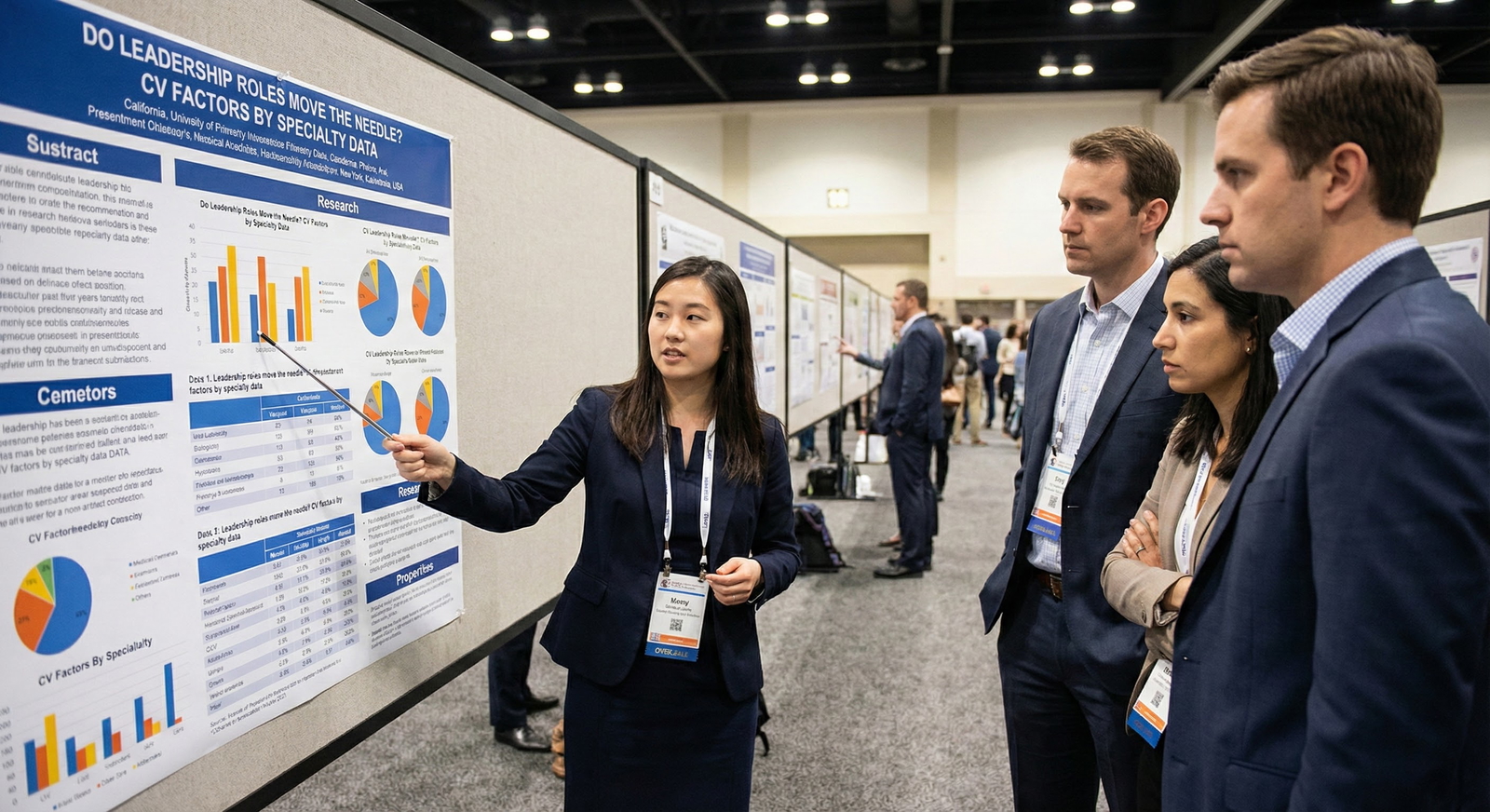
- Smith J, Doe J. “Integrating PHQ-9 Screening into a Caribbean Primary Care Clinic: Early Outcomes.” Poster presented at the SGU Annual Research Day, Grenada, 2024.
Even a small project like integrating PHQ-9 screening in a clinic can be:
- A QI project.
- A poster.
- A basis for a brief publication or case report.
For Caribbean medical school residency applicants, even one or two solid scholarly items can meaningfully upgrade your CV.

Step 5: Experiences that Prove You Belong in Medicine-Psychiatry
This is where you distinguish yourself from generic internal medicine or psychiatry applicants.
Psychiatry-Related Volunteer and Work Experience
Look for roles that involve:
- Crisis hotlines or mental health support lines.
- Peer counseling programs.
- Homeless shelters, addiction services, or community mental health organizations.
- Prison health, refugee clinics, or domestic violence shelters.
- Telepsychiatry support or behavioral health navigation roles.
Example:
Volunteer Mental Health Advocate — Grenada Community Wellness Initiative, St. George’s, Grenada
Sep 2022 – Jun 2024
- Organized psychoeducation workshops for patients with chronic diseases, focusing on depression, anxiety, and adherence.
- Collaborated with local physicians to develop referral pathways to psychiatric services for patients with high PHQ-9 scores.
This kind of entry signals to med-psych programs:
- You know what psychosocial determinants of health look like in real life.
- You care about systems of care, not just discrete diagnoses.
Experiences Emphasizing Integrated Care
Combined medicine-psychiatry programs love applicants who show they can think across boundaries. Relevant experiences include:
- Free clinics where you handled both physical and mental health concerns.
- Longitudinal primary care experiences with mental health screening.
- Community health projects on substance use, smoking cessation, or adherence.
Example:
Student Physician – Student-Run Free Clinic — Brooklyn, NY
Jan 2024 – Dec 2024
- Conducted supervised visits for uninsured adults with hypertension, diabetes, and depression.
- Implemented PHQ-2 screening for all new diabetic patients and coordinated follow-up with a volunteer psychiatrist.
- Led a brief motivational interviewing workshop for fellow student volunteers.
This is precisely the kind of experience that quietly answers a med-psych program director’s question:
“Will this person be comfortable managing complex patients whose diabetes, housing instability, and depression are all intertwined?”
Leadership and Advocacy
Leadership roles matter more for Caribbean IMG applicants because they challenge stereotypes about passiveness or lack of initiative.
Relevant roles include:
- Mental health interest group president.
- Founder or co-leader of a wellness initiative.
- Organizer of an integrated health fair (BP screening + depression screening).
- Advocacy work around mental health stigma, access, or health disparities.
These should be in a dedicated Leadership or Extracurricular Activities section.
Step 6: Structuring Your CV for Clarity and Impact
Now that you know what to include, the next step is how to present it. Strong residency CV tips for Caribbean IMGs center on clarity, credibility, and alignment.
A Recommended CV Layout for Med-Psych Applicants
- Contact Information
- Education
- Exams (optional, or leave for ERAS only)
- Clinical Experience
- Core Rotations
- Electives & Sub-Internships (highlight med-psych-relevant ones)
- Research & Scholarly Activities
- Work Experience (clinical and non-clinical)
- Volunteer Experience
- Leadership & Professional Activities
- Honors & Awards
- Skills (languages, relevant certifications)
- Interests (brief, selective)
Writing Strong Bullet Points
Use action verbs and results-oriented language:
Instead of: “Helped with patient care”
Use: “Conducted supervised history and physicals for 5–7 patients per day, presenting concise, problem-focused assessments to the attending.”Instead of: “Was exposed to psychiatric patients”
Use: “Performed initial psychiatric assessments for patients with mood and psychotic disorders under supervision, documenting mental status exams and contributing to treatment plans.”
Add a med-psych angle when honest and appropriate:
- “…with a focus on patients with co-occurring medical and psychiatric illness.”
- “…emphasizing motivational interviewing for medication adherence in patients with depression and diabetes.”
Tailoring for Caribbean IMG Context
Because you trained at a Caribbean school, take extra care that:
- Locations of rotations are clearly U.S.-based if applicable.
- Any gap periods are accounted for (USMLE prep, family responsibilities, etc.) in a neutral, factual way (these are often better explained in your personal statement, but your timeline must be logical).
- You avoid redundancy—your CV should be dense and purposeful, not padded.
Step 7: Common Pitfalls Caribbean IMGs Should Avoid
Be intentional about what you leave out or de-emphasize.
1. Overloading with Unrelated Work
Not all experience is equally valuable. Limit:
- Extensive, unrelated pre-med jobs unless they highlight skills like leadership, resilience, or communication.
- Long lists of short, one-off experiences (1-day health fairs, single talks, etc.). Group these as a combined entry if needed.
2. Including Weak or Unfinished Research Without Context
Do not:
- Call something a “publication” if it is just a submitted manuscript or a work-in-progress.
- List “research assistant” roles where you cannot clearly describe your responsibilities.
Instead:
- Use “In preparation” or “Submitted” honestly.
- Emphasize your role (“performed data collection”, “conducted literature review”, “helped design survey instrument”).
3. Sloppy Formatting and Inconsistency
This is a major red flag in residency CVs and particularly problematic for Caribbean medical school residency applicants, who are already scrutinized more closely.
Ensure:
- Consistent date format (e.g., “Jan 2023 – Mar 2023” throughout).
- Consistent location format (City, State, Country when relevant).
- Same font size, bullet style, and spacing across the document.
- No spelling or grammar errors—especially in program names and locations.
Step 8: Action Plan – How to Build CV for Residency (Med-Psych Focus)
If you’re 1–2 years from applying, you still have time to actively build your CV. Here’s a targeted action plan for a Caribbean IMG aiming at medicine-psychiatry:
12–24 Months Before Application
- Secure at least one strong internal medicine elective or sub-I in the U.S.
- Plan at least one psych or consult-liaison elective in a program with a med-psych or strong integrated culture.
- Join or start a psychiatry or mental health interest group at your school.
- Begin one QI or small research project related to integrating mental and physical health (e.g., depression screening in diabetes clinic).
6–12 Months Before Application
- Solidify your clinical rotations with a clear med-psych angle if possible.
- Present posters at:
- Your school’s research day.
- Local ACP or APA chapter meetings (even virtual).
- Intensify relevant volunteering (e.g., crisis lines, community clinics) and aim for a visible role (trainer, coordinator).
- Request feedback on your CV from a mentor familiar with U.S. residency expectations (ideally someone with med-psych knowledge).
3–6 Months Before Application
- Polish your CV in line with ERAS structure but also maintain a stand-alone PDF version.
- Ensure your experiences are accurate, consistent with ERAS entries, and aligned with your personal statement.
- Trim anything that doesn’t support your story: “I am prepared and motivated for medicine-psychiatry combined training.”
Frequently Asked Questions (FAQ)
1. As a Caribbean IMG, do I need research to match a medicine-psychiatry combined program?
Research is not strictly mandatory, but it’s increasingly helpful, especially for Caribbean IMGs. Programs often view scholarly activity as evidence of intellectual curiosity and academic rigor. At least one of the following is ideal:
- A small QI project in integrated care or mental health.
- A case report/poster related to psychosomatic medicine, medical comorbidity in psychiatric patients, or vice versa.
- Participation in an ongoing psychiatry or internal medicine research project, with a clear role.
If you don’t have any research, emphasize strong clinical, volunteer, and leadership experiences that clearly align with med-psych.
2. How can I address bias against Caribbean medical school residency applicants on my CV?
You can’t change where you trained, but you can powerfully influence how program directors perceive you:
- Highlight U.S.-based clinical rotations, especially at teaching hospitals.
- Emphasize strong sub-internships and any honors or distinctions.
- Show sustained, responsible leadership and volunteer roles.
- Present a polished, error-free, and focused CV—no fluff, no exaggeration, no inconsistencies.
- Demonstrate that your interest in medicine-psychiatry is long-standing and well thought out, not an afterthought.
3. Should I create a separate CV just for medicine-psychiatry programs?
You’ll use ERAS for most applications, but it’s smart to maintain a PDF CV tailored to med-psych. The content should be the same as your ERAS entries, but you can:
- Re-order experiences to emphasize integrated care and psych-related work.
- Group experiences under headings like “Integrated Medicine-Psychiatry Experience” if you have enough of them.
- Share this CV when networking with med-psych faculty or asking for letters of recommendation.
Just ensure everything matches what’s in ERAS to avoid confusion.
4. How long should my residency CV be as a Caribbean IMG?
For a graduating medical student or recent graduate, 2–4 pages is typical and acceptable. If you exceed 4 pages, you may be:
- Listing too many minor activities, or
- Writing overly long bullet points.
Focus on depth and relevance rather than length. Every line should answer one of these questions:
- Does this show I’m a strong clinician?
- Does this support my interest in medicine-psychiatry?
- Does this address potential concerns about my background as a Caribbean IMG?
If the answer is no, consider trimming or removing the entry.
By purposefully shaping every section of your CV around the themes of clinical competence, dual-interest in medicine and psychiatry, and longitudinal commitment, you turn your background as a Caribbean IMG into a coherent, compelling narrative. That clarity and alignment are exactly what helps your name move from “maybe” to “interview” in a competitive medicine-psychiatry residency match.