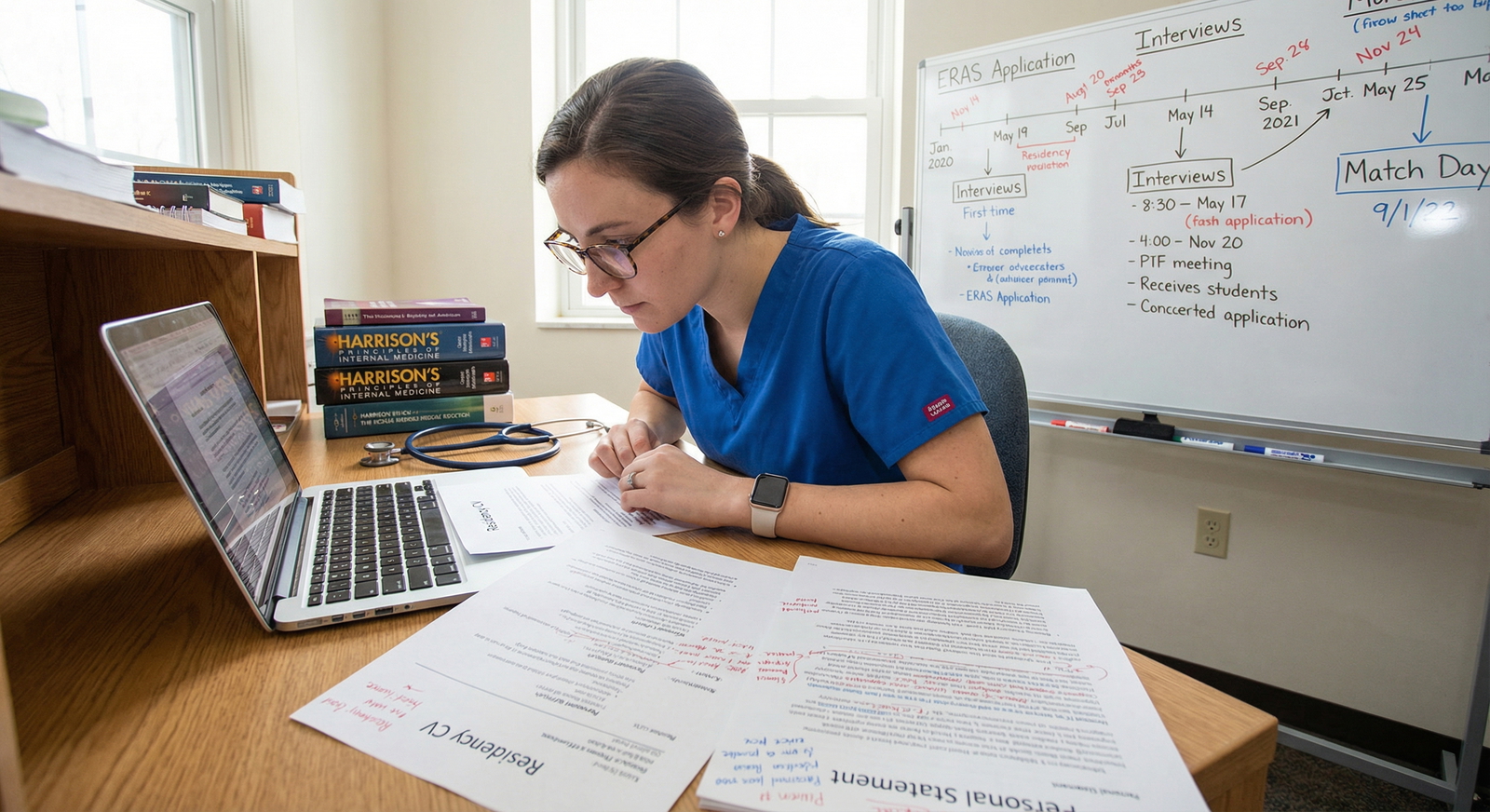
Understanding the Role of Your CV in the Pediatrics Match
Your residency CV is more than a list of accomplishments—it is a structured, strategic snapshot of who you are as a future pediatrician. For a DO graduate targeting pediatrics residency, the CV is a critical part of telling your story: your clinical growth, your commitment to children’s health, and how you’ve applied osteopathic principles in pediatric settings.
Program directors often skim CVs quickly at first. In those seconds, they look for:
- Is this candidate genuinely interested in pediatrics?
- Is there consistent clinical and academic performance?
- Do they show professionalism, reliability, and growth?
- What makes them distinct among other applicants?
For DO graduates, your CV can also reinforce that you’re fully prepared for ACGME-accredited programs, familiar with both osteopathic and allopathic environments, and ready to thrive in a diverse pediatrics residency.
Your goals for a strong pediatrics residency CV:
- Clearly show a sustained interest in pediatrics
- Demonstrate clinical competence and professionalism
- Highlight osteopathic training as an asset, not a difference to overcome
- Present organized, visually clean, error-free content
The rest of this guide will walk through how to build a competitive CV for the pediatrics match, step by step, with DO-specific nuances.
Core Structure of a Strong Pediatrics Residency CV
You don’t need a fancy template. In fact, most program directors prefer a clean, standard format. Think: readable fonts, logical headings, consistent formatting, and zero design gimmicks.
A typical structure for a pediatrics-focused residency CV:
- Contact & Personal Information
- Education
- Medical Licensure & Exams
- Clinical Experience (Medical School Rotations & Sub-Internships)
- Research & Scholarly Activity
- Presentations & Publications
- Leadership & Professional Involvement
- Awards & Honors
- Volunteer & Community Service
- Professional Skills & Certifications
- Interests (Optional, but recommended)
Let’s break down how to build each section in a way that supports your pediatrics and osteopathic story.

1. Contact & Personal Information
Keep this simple and professional, at the top of the first page:
- Full name (as it appears in ERAS)
- Professional email address
- Mobile phone number
- City/State (optional but common)
- LinkedIn profile (optional, only if polished and consistent with your CV)
Avoid:
- Including a photo (use ERAS photo instead)
- Personal identifiers like age, marital status, religion
- Unprofessional email addresses (e.g., partygirl@…, drdude@…)
Example:
Jordan A. Smith, DO
Email: jordan.smith.md2025@email.com
Phone: (555) 123-4567
Location: Philadelphia, PA
LinkedIn: linkedin.com/in/jordanasmithdo
2. Education: Highlighting Your DO Background
This section should be near the top, because your DO training is central to your identity and to the programs reviewing you.
Include:
- Medical school name, degree (DO), location
- Graduation month/year (or expected graduation)
- Undergraduate institution, major, degree, and graduation year
- GPA only if particularly strong or requested; class rank if notable (top 10%, etc.)
Example:
Education
Doctor of Osteopathic Medicine (DO)
Philadelphia College of Osteopathic Medicine, Philadelphia, PA
Expected Graduation: May 2026
Bachelor of Science in Biology, Magna Cum Laude
University of Michigan, Ann Arbor, MI
Graduated: May 2021
If you completed a post-bac or master’s program, include that as well—with any thesis or capstone if relevant to pediatrics or child health.
DO-specific tip:
Consider a brief bullet (1–2 lines) under your medical school entry if you completed an osteopathic recognition track, special OMT curriculum, or osteopathic-focused pediatric elective. This highlights added value rather than just “different training.”
3. Medical Licensure, COMLEX/USMLE, and Certifications
Program directors often scan this section early to confirm you meet basic thresholds.
Include:
- COMLEX Level 1, 2-CE (and 2-PE if applicable), with scores and dates (if you choose to disclose scores)
- USMLE Step 1, Step 2 CK scores (if taken)
- State limited or training licenses (if any)
- BLS, PALS, ACLS, NRP certifications and expiration dates
Example:
Licensure & Examinations
- COMLEX-USA Level 1: Passed, June 2024
- COMLEX-USA Level 2-CE: Scheduled October 2025
- USMLE Step 1: 228, July 2024
- BLS for Healthcare Providers, American Heart Association – Expires 06/2026
- Pediatric Advanced Life Support (PALS), American Heart Association – Expires 06/2026
DO graduate strategy:
- If your USMLE scores are stronger than COMLEX, consider emphasizing them.
- If your scores are average, you can list as “Passed” without numerical values if that aligns with ERAS reporting choices and your advisor’s guidance.
4. Clinical Experience: Show Your Pediatric Commitment
For a pediatrics residency application, this is one of the most important sections. This is where you show that your clinical exposure is robust and that your interest in pediatrics is sustained, not last-minute.
Organize core clerkships and sub-internships/AIs clearly. You do not need to list every 4-week adult rotation in exhaustive detail, but you should highlight:
- All pediatrics core rotations
- Pediatric sub-internships (especially at institutions where you’re applying)
- NICU/PICU, pediatric emergency, pediatric subspecialty electives
- Any longitudinal pediatric continuity clinics
Recommended structure:
Clinical Experience (Medical School Rotations)
List in reverse chronological order. For each pediatrics-related entry:
- Course title (e.g., Pediatric Sub-Internship)
- Institution, city/state
- Dates
- Brief bullets (2–4 max) describing responsibilities and accomplishments
Example:
Pediatric Sub-Internship
Children’s Hospital of Philadelphia, Philadelphia, PA
August 2025 (4 weeks)
- Functioned at sub-intern level on general pediatrics inpatient service, managing 6–8 patients daily under supervision.
- Performed focused pediatric histories and physicals, formulated assessment/plan, and presented during attending-led rounds.
- Participated in family meetings and multidisciplinary care planning, emphasizing family-centered communication.
- Collaborated closely with nurses, respiratory therapists, and case management to transition patients safely to outpatient care.
Core Pediatrics Clerkship
St. Christopher’s Hospital for Children, Philadelphia, PA
January–February 2025 (8 weeks)
- Completed rotations on inpatient pediatrics, newborn nursery, and pediatric outpatient clinics.
- Performed well-child visits and acute care evaluations, counseling families on growth, development, and vaccines.
- Practiced osteopathic structural exams to evaluate musculoskeletal complaints in pediatric patients when appropriate.
You can then briefly list non-pediatrics core rotations (e.g., Internal Medicine, OB/GYN, Surgery) with fewer or no bullets, unless they’re uniquely relevant (e.g., NICU exposure on an OB rotation).
Actionable tip:
If you’re applying through the peds match and have any away rotations at target programs, make sure they are clearly visible and labeled (e.g., “Visiting Student Rotation”)—these can be major signals of interest and familiarity to that program.
Integrating Your Osteopathic Identity into a Pediatrics-Focused CV
As a DO graduate, you bring an osteopathic perspective that aligns naturally with pediatrics: holistic care, developmental focus, family systems, prevention, and function. The key is to weave this into your CV in subtle, meaningful ways without making it seem like a separate track.
Where and How to Highlight Osteopathic Training
1. Clinical Experience Bullets
Include a few pediatric-specific osteopathic examples:
- “Incorporated osteopathic structural exam to evaluate musculoskeletal complaints in adolescent athletes.”
- “Discussed social determinants of health and family dynamics as part of holistic pediatric care plans.”
2. Research & Scholarly Activity
If you did osteopathic pediatrics research or quality improvement (QI), frame it well:
- “Retrospective analysis of osteopathic manipulative treatment for neonatal feeding intolerance in a community nursery setting.”
3. Leadership & Teaching
If you were involved in osteopathic interest groups, link them to pediatrics:
- “Organized workshop on applying osteopathic principles to common pediatric complaints for first- and second-year medical students.”
4. Volunteer & Community Work
Show that your osteopathic lens extends to advocacy and prevention:
- “Led parent education sessions at community health fairs on childhood obesity prevention, integrating lifestyle and functional approaches.”
Framing tip:
Avoid describing osteopathic approaches as “alternative.” Emphasize integration, evidence, and alignment with holistic, family-centered pediatrics.
Strengthening the “Scholarly” and “Human” Sides of Your CV
Pediatrics residency programs look for more than exam scores. They value curiosity, communication, teamwork, and a commitment to children and communities. Your CV should reflect both the academic foundation and the human dimension of your candidacy.

Research & Scholarly Activity
Many pediatrics residencies value research or QI exposure, but you don’t need a PhD or a long publication list. For a DO graduate, even a couple of well-presented projects show scholarly engagement.
Include:
- Clinical research (especially pediatric or child health topics)
- QI projects in pediatric settings
- Case reports or posters at pediatric or osteopathic conferences
- Educational projects (e.g., developing curriculum for child health education)
Format:
List in reverse chronological order, using a consistent citation style (e.g., AMA). Include status (Published, Accepted, Submitted, In preparation).
Examples:
Research Experience
Student Researcher – Pediatric Asthma Readmission Project
Cooper University Hospital, Camden, NJ
June 2024 – Present
- Conducting chart review of pediatric asthma admissions to identify factors associated with 30-day readmissions.
- Collaborating with multidisciplinary team to develop interventions targeting inhaler technique and home trigger reduction.
- Abstract submitted to AAP National Conference & Exhibition (pending review).
Publications & Presentations
- Smith JA, Lee T. “Osteopathic Structural Findings in Adolescents with Chronic Headache: A Case Series.” Journal of the American Osteopathic Association. 2024;124(5):XXX-XXX. Published.
- Smith JA, Patel R. “Improving HPV Vaccination Rates in an Urban Pediatric Clinic via Reminder-Recall System.” Poster presented at AAP New York State Chapter Annual Meeting, 2023.
Actionable tip: If your research is not pediatric-specific, highlight transferable skills (data analysis, QI methodology, teamwork, statistics) and mention any pediatric subset or relevance.
Leadership, Teaching, and Professional Involvement
Pediatrics is highly team-based and communication-heavy. Program directors appreciate applicants who show they can lead, collaborate, and teach.
What to include:
- Class leadership positions (e.g., class officer, student government)
- Pediatric Interest Group or Pediatric Club roles
- AOA (if elected), Sigma Sigma Phi, or other honor societies
- Teaching roles: peer tutor, clinical skills TA, OMM lab TA, board review instructor
- National organizations: AAP Section on Medical Students, DO-specific pediatric associations
Example:
Leadership & Professional Involvement
President, Pediatric Interest Group
Philadelphia College of Osteopathic Medicine
August 2023 – May 2025
- Organized monthly pediatric-focused talks with local pediatricians on topics such as vaccine hesitancy, child abuse recognition, and adolescent mental health.
- Coordinated annual “Kids’ Health Day” community event providing free developmental screenings, nutrition counseling, and vision checks to over 150 children.
- Established mentorship program between first-year students and pediatric residents at affiliated hospitals.
OMM Lab Teaching Assistant
Philadelphia College of Osteopathic Medicine
August 2022 – May 2024
- Assisted first-year students with osteopathic structural exam skills and OMT techniques.
- Provided small-group mentoring and feedback on professionalism and patient interaction.
When listing such roles, focus on tangible outcomes: events organized, students mentored, projects completed—rather than only describing duties.
Volunteer & Community Service: Showing Commitment to Children
For pediatrics specifically, outreach and advocacy carry real weight. They show that your interest in kids’ health is authentic.
Relevant activities include:
- School-based health programs
- Sports physicals for youth teams
- Free clinics with pediatric populations
- Camps for children with chronic conditions (e.g., diabetes, asthma, cancer)
- Big Brothers Big Sisters, tutoring, mentorship programs
- Child-focused public health initiatives
Example:
Volunteer & Community Service
Volunteer Mentor, Big Brothers Big Sisters of Greater Philadelphia
September 2022 – Present
- Serve as a mentor to a 10-year-old student, meeting biweekly to support academic progress, social skills, and resilience.
- Collaborate with family and program staff to set and monitor individualized goals.
Medical Volunteer, Kids’ Asthma Camp
American Lung Association – New Jersey Chapter
June 2023 (1 week)
- Assisted pediatric pulmonologists and nurses in monitoring asthma symptoms, medication adherence, and inhaler technique in children aged 7–12.
- Led educational sessions for campers on recognizing triggers and managing symptoms proactively.
DO graduate angle:
Highlight any service that aligns with osteopathic values: prevention, community engagement, social determinants of health, and whole-child care.
Residency CV Tips Specific to DO Graduates in Pediatrics
To directly address how to build CV for residency as a DO graduate targeting pediatrics, consider these targeted residency CV tips:
1. Make Your Pediatrics Focus Obvious
- Include “Pediatrics Residency Applicant” in your CV file name and optionally in a brief one-line tagline under your name (in PDF only, not ERAS standard fields).
- Cluster pediatric experiences: peds research, peds volunteer work, peds leadership.
- Don’t bury your best pediatric experiences in long lists.
2. Translate DO Training into Universal Language
Even though the osteopathic residency match has been unified with the ACGME system, some faculty may still be more familiar with MD training norms.
- When describing OMT or osteopathic principles, focus on patient-centered outcomes: pain reduction, improved function, family-centered care.
- Use standard medical language alongside osteopathic terminology: “osteopathic structural exam (comprehensive musculoskeletal exam).”
- Highlight your comfort with multidisciplinary, evidence-based care.
3. Be Strategic About Length and Detail
A typical medical student CV for residency is 2–4 pages:
- 2 pages if you have fewer experiences (still early in training or limited research).
- 3–4 pages if you have multiple research projects, publications, and leadership roles.
Avoid padding. Every line should earn its place by showing impact, responsibility, or growth.
4. Align Your CV With ERAS and Personal Statement
Programs will see your ERAS entries, personal statement, and CV side by side (or in quick succession). Inconsistencies can undermine your credibility.
- Ensure dates and titles match across all documents.
- Major themes in your personal statement (e.g., interest in underserved pediatrics, child mental health, or advocacy) should be echoed in your CV through actual activities.
- If you mention a project or role in your personal statement, make sure it appears on your CV.
5. Proofread Like a Professional
Small errors suggest inattention to detail—something no pediatric program wants in a resident who will be writing orders for sick infants.
- Do at least two full passes yourself.
- Ask a trusted mentor, advisor, or senior resident to review.
- Check consistency in date formatting, bullet styles, and tense (use past tense for completed roles, present tense for ongoing roles).
Putting It All Together: Example CV Flow for a DO Pediatrics Applicant
Here’s a sample flow (not full content) to visualize how your CV might look:
- Name & Contact Information
- Education
- Licensure & Examinations
- Clinical Experience (highlight pediatrics rotations and sub-internships)
- Research & Scholarly Activity (pediatrics or related)
- Publications & Presentations
- Leadership & Professional Involvement (Peds Interest Group, OMM teaching, etc.)
- Volunteer & Community Service (child-focused activities)
- Awards & Honors (including any DO society memberships)
- Skills & Certifications (BLS, PALS, language skills, EMR systems)
- Interests (brief, professional, humanizing)
Interests section example:
- Pediatric patient and family education
- Youth soccer coaching
- Running and wellness promotion
- Medical education podcast listener
Short, professional, but human. These topics can be excellent icebreakers in interviews.
FAQs: CV Building for DO Graduate in Pediatrics
1. How is a DO graduate residency CV different from an MD CV for pediatrics?
Functionally, they are similar—both should be clear, structured, and focused on pediatrics. The main difference is that a DO graduate may include:
- COMLEX results (and possibly USMLE)
- Osteopathic-specific training (OMT, osteopathic recognition experiences)
- DO-focused leadership (e.g., osteopathic student associations)
The goal is not to emphasize difference for its own sake, but to show how osteopathic training enriches your ability to provide holistic pediatric care.
2. How many pages should my pediatrics residency CV be?
Most pediatrics residency CVs for medical students fall between 2 and 4 pages:
- Aim for 2–3 pages if you have typical levels of research and leadership.
- Go to 4 pages only if you genuinely have multiple publications, presentations, and significant leadership or service experiences.
Conciseness and clarity are more important than raw length.
3. Do I need pediatrics-specific research to match into pediatrics?
Pediatrics-specific research is helpful but not mandatory. Many successful applicants have:
- Non-pediatric research plus strong pediatric clinical and volunteer experiences, or
- Quality improvement projects in general clinics that include children.
If your research isn’t pediatric, emphasize the skills you gained: study design, data analysis, critical appraisal, teamwork. Then make sure your peds interest is showcased in your clinical and volunteer sections.
4. What are the most important “must-haves” on a CV for the peds match as a DO grad?
While every program is different, strong CVs for the peds match from DO graduates usually include:
- Clear, sustained exposure to pediatrics (core rotations, sub-internships, electives)
- Some form of pediatric engagement outside of clerkships (e.g., volunteering with children, pediatric interest group leadership, pediatric QI or research)
- Solid board performance (COMLEX ± USMLE) and key certifications (BLS, PALS; NRP if available)
- Evidence of professionalism, teamwork, and communication (leadership roles, teaching, mentoring)
- A coherent narrative that connects osteopathic training to holistic, family-centered pediatric care
By aligning your experiences and presentation with these elements, your medical student CV becomes a powerful tool in your pediatric residency application—and a clear reflection of the compassionate, thoughtful osteopathic pediatrician you’re becoming.