Understanding the CV Needs of a DO Graduate in Preliminary Surgery
As a DO graduate aiming for a preliminary surgery residency, your CV has to do more than list credentials. It must:
- Demonstrate that you can handle the rigor of a prelim surgery residency
- Bridge any perceived gaps between osteopathic and allopathic training
- Position you for a potential categorical general surgery spot later
- Communicate clearly to busy program directors in under 60–90 seconds
Unlike categorical general surgery, the preliminary surgery year is often viewed as a “service-heavy” year. Programs need residents who can hit the ground running, be reliable on call, and integrate quickly into surgical teams. Your CV should therefore emphasize:
- Clinical readiness and surgical exposure
- Work ethic and reliability
- Technical and procedural skills
- Ability to function in high-acuity, fast-paced environments
At the same time, as a DO graduate, you should think strategically about aligning your document with expectations in both osteopathic and ACGME-accredited environments. The osteopathic residency match has evolved, and many DO graduates are now applying through the single accreditation system. That makes a polished, competitive CV even more critical.
This guide walks you through how to build a CV for residency with a focus on preliminary surgery and tailored specifically for the DO graduate residency applicant.
Core Structure: What a Strong Preliminary Surgery CV Must Include
A well-organized CV is non-negotiable. Program directors review hundreds of applications. If they cannot find key information quickly, they move on.
Below is a recommended structure, with emphasis on residency CV tips specifically suited for prelim surgery.
1. Contact Information and Professional Summary
Contact block (top of first page):
- Full name (as in ERAS)
- Professional email (avoid nicknames)
- Cell phone
- Current mailing address (optional but acceptable)
- LinkedIn profile (only if complete and professional)
- USMLE/COMLEX ID (optional, but can be helpful)
Skip headshots unless explicitly requested outside of ERAS. Your ERAS photo covers this.
Brief professional summary (2–4 lines):
This is optional, but can be powerful for a prelim surgery applicant. It should be concise and targeted:
Osteopathic medical graduate with strong interest in general surgery, significant exposure to high-volume surgical services, and experience in trauma call. Seeking a preliminary surgery year to further develop operative skills, clinical judgment, and prepare for a potential categorical general surgery position.
This early positioning helps programs see your goals quickly and connects your DO background to your surgical trajectory.
2. Education Section
List in reverse chronological order:
- Doctor of Osteopathic Medicine (DO), school, city/state
- Graduation month and year
- Honors (e.g., cum laude, AOA, Sigma Sigma Phi)
- Class rank or quartile, if strong and available
Example:
Doctor of Osteopathic Medicine (DO)
XYZ College of Osteopathic Medicine, City, State
May 2025
- Sigma Sigma Phi Honor Society
- Top 15% of graduating class
Then list:
- Undergraduate degree (major, institution, graduation year, honors)
- Relevant postgraduate degrees (MPH, MS, PhD) if applicable
Residency CV tip: For a DO graduate residency application in surgery, subtly highlight aspects of your education that support surgical readiness:
- Anatomy prosection or teaching
- Osteopathic manipulative medicine (OMM) scholarship as it relates to musculoskeletal understanding
- Surgical skills workshops or surgical interest track
You do not need to overemphasize OMM itself, but emphasize how your osteopathic training enhances your hands-on skills, anatomical knowledge, and whole-patient perspective—all desirable in surgery.
3. Exam Scores and Licensure
Programs often screen by exam scores. Make this section easy to find.
Include:
- COMLEX Level 1, 2 CE (and PE if still applicable historically) – with scores and dates
- USMLE Step 1, Step 2 CK (if taken) – with scores and dates
- State temporary training license information if already obtained (optional)
If your scores are modest, do not hide them—but don’t feature them in a large bold box either. Let them sit clearly and factually in this section.
If you have taken both COMLEX and USMLE, this is a strength for many prelim surgery programs that are used to MD applicants. It demonstrates initiative in crossing systems.
4. Clinical Experience: The Heart of a Preliminary Surgery CV
This section is often the most important for prelim surgery programs. They want to see:
- Substantial rotations in general surgery and related fields
- Performance in high-acuity or procedural specialties
- Any early exposure to operative or perioperative care
a. Core and Sub-Internship Rotations
List your major clinical rotations, especially:
- General Surgery (core and/or sub-internships)
- Trauma Surgery
- Surgical ICU
- Emergency Medicine
- Anesthesiology
- Interventional Radiology (if significant)
- Any surgical subspecialty (vascular, colorectal, plastics, etc.)
For each key surgery-related rotation:
- Site name and hospital system
- Dates (month/year)
- Role (Core clerkship, Sub-Internship, Acting Internship, Audition rotation)
- Brief bullet points (2–4) focusing on responsibility and skills
Example (strong for prelim surgery):
Sub-Internship, General Surgery
ABC Medical Center, Level I Trauma Center, City, State | Aug–Sep 2024
- Managed 8–12 inpatients daily, writing notes, presenting on rounds, and coordinating care with multidisciplinary teams
- First-assisted in 40+ operative cases including laparoscopic cholecystectomy, appendectomy, and hernia repairs
- Took Q4 in-house call, evaluating ED consults, initial trauma evaluations, and post-operative complications under supervision
- Recognized for reliability and thorough handoffs by senior residents and attendings
This shows you can function similarly to an intern—exactly what a prelim surgery residency is looking for.
b. Osteopathic Rotations and Community Sites
As a DO graduate, you may have additional community-based or osteopathic rotations. Highlight:
- High procedural volume
- Breadth of patient presentations
- Autonomy in patient care
Example:
Core Surgery Rotation (Osteopathic Community Hospital)
- Performed 30+ bedside procedures (incision and drainage, paracentesis, suturing) under attending supervision
- Participated in weekly morbidity and mortality conferences, presenting 2 quality-improvement cases
This shows that even outside large academic centers, you gained tangible surgical experience.

5. Research, Quality Improvement, and Scholarly Work
For a preliminary surgery residency, research is helpful but not as make-or-break as for categorical competitive surgical subspecialties. However, it can still differentiate you.
Include:
- Peer-reviewed publications (list in standard citation format)
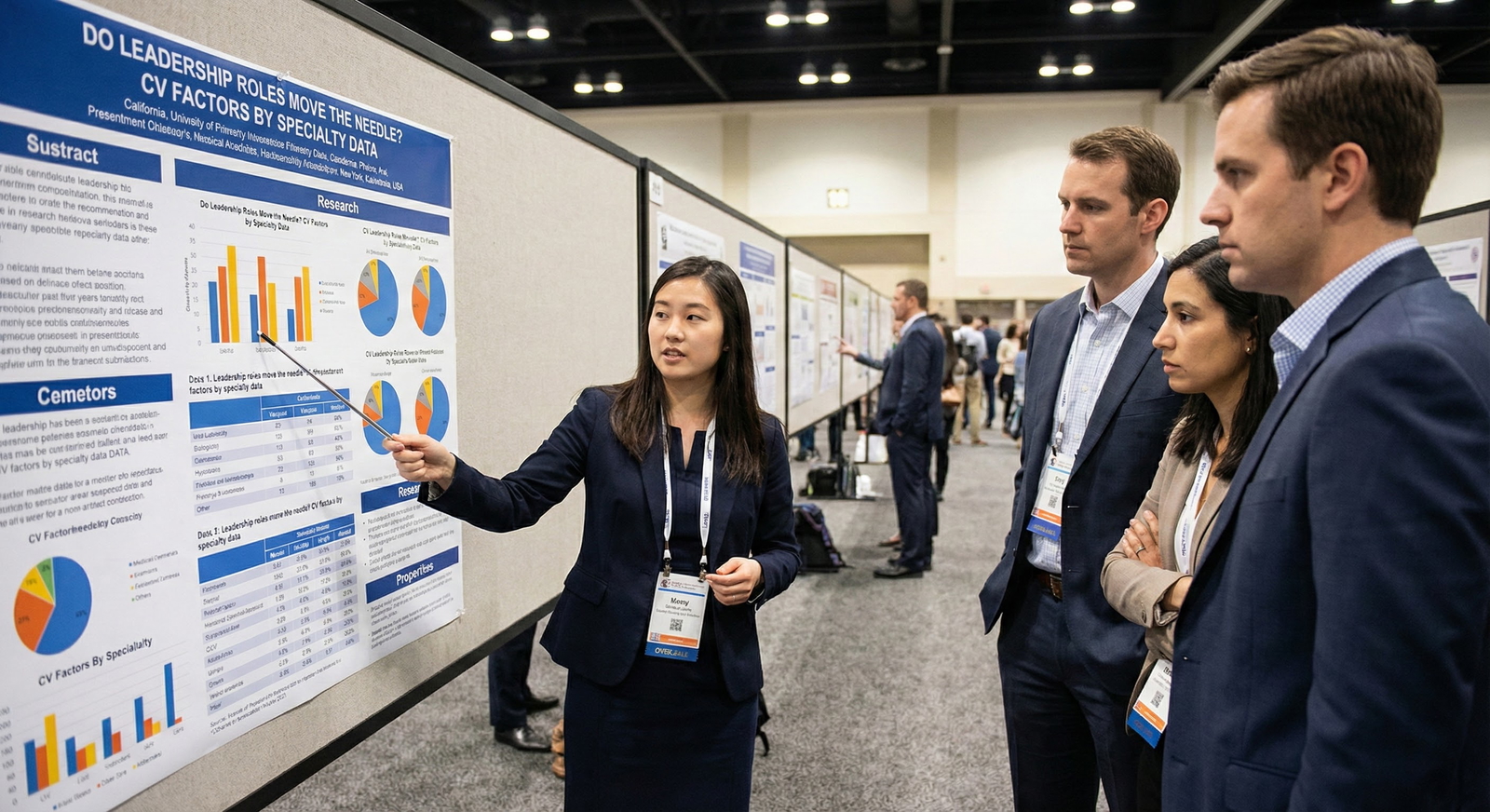
- Abstracts and poster presentations
- Oral presentations at conferences
- Quality improvement (QI) projects
- Case reports (especially surgical or perioperative)
Organize in subsections if you have several items:
- Publications
- Presentations and Posters
- Quality Improvement Projects
For a prelim surgery applicant, emphasize practical impact:
Quality Improvement Project: Reducing Delays to the OR for Appendectomy Patients
XYZ Community Hospital | 2023
- Analyzed time intervals from ED triage to OR incision for 80 appendectomy patients
- Identified bottlenecks in imaging and surgical consult workflow
- Proposed streamlined communication protocol between ED and surgical team; pilot resulted in 20% reduction in time to OR over 3 months
This aligns with surgical workflow and demonstrates your systems-thinking—valuable even for a one-year prelim resident.
If you lack formal research, emphasize:
- Case presentations in grand rounds
- M&M presentations
- Literature reviews you presented at journal club
6. Leadership, Teaching, and Teamwork
Prelim surgery residents are integral to service coverage. Programs look for:
- Reliability
- Leadership under pressure
- Teaching skills that support the team
Structure this as Leadership & Teaching Experience.
Examples to highlight:
- Surgical interest group president/officer
- Anatomy or OMM tutor
- Peer mentor for junior medical students
- Simulation lab teaching assistant
Example entry:
President, Surgery Interest Group
DO Medical School, 2022–2023
- Organized 8 faculty-led workshops on suturing, knot tying, and laparoscopic skills
- Coordinated shadowing opportunities with general surgeons at three affiliated hospitals
- Led a mentorship program matching 40 pre-clinical students with surgical residents
This supports your interest in surgery and shows initiative.
For teaching:
Clinical Skills Tutor, First-Year Students
- Taught focused physical exam skills and case presentations, emphasizing surgical abdomen assessment and acute abdomen red flags
These experiences convey that you’re comfortable teaching and communicating—key traits in surgical teams.
7. Work Experience and Non-Clinical Background
Any non-clinical work that demonstrates:
- Work ethic
- Responsibility
- Leadership
- Crisis management
should be included, especially if it predates medical school.
Examples worth highlighting for a preliminary surgery residency CV:
- EMT or paramedic experience
- Operating room technician, surgical assistant
- ICU nurse or allied health positions
- Military service
- Athletic backgrounds that show discipline and teamwork
Format similarly to other sections, focusing on transferable skills:
Operating Room Technician (Part-Time)
ABC Surgical Center, 2017–2019
- Prepared ORs for procedures, ensuring sterile fields and instrument readiness
- Assisted with patient positioning and intraoperative equipment management
- Gained familiarity with surgical instruments and OR workflow in general and orthopedic procedures
This background is uniquely attractive to surgical program directors.
8. Skills Section: Tailored for Preliminary Surgery
Avoid generic “skills” lists. Instead, target:
Clinical Skills:
- Basic and advanced suturing techniques
- Wound care and dressing changes
- Bedside procedures (paracentesis, thoracentesis, I&D, central line placement if applicable)
- Airway management exposure (if from EM/anesthesia rotations)
Technical/Systems Skills:
- EMR systems (Epic, Cerner, Meditech)
- PACS and radiology viewing software
- Data analysis tools (if used in research)
Language Skills:
- Any language proficiency relevant to patient populations
Keep it honest—do not exaggerate procedural independence.
9. Honors, Awards, and Distinctions
Highlight anything that signals excellence and reliability:
- Surgery clerkship honors
- “Student of the Month” on surgery service
- Inductions into honor societies (AOA, Sigma Sigma Phi)
- Scholarships related to surgery or leadership
Example:
Outstanding Performance in Surgery Clerkship
Awarded by Department of Surgery, XYZ DO School, 2023
- Recognized for clinical reasoning, professionalism, and teamwork on general surgery rotation
Awards like this reassure programs you can excel on their services.
10. Professional Memberships and Extracurriculars
Show that you’re engaged with the profession:
- American College of Surgeons (ACS) – student member
- American College of Osteopathic Surgeons (ACOS) – student member
- AOA/AMA memberships
For extracurriculars, prioritize meaningful, sustained involvement:
- Volunteer work (free clinics, outreach programs)
- Athletic activities demonstrating resilience
- Artistic pursuits showing discipline and balance
Keep descriptions short and professional; avoid anything controversial.

Strategic Considerations for DO Graduates Targeting Preliminary Surgery
Addressing the DO Background Strategically
In the era of a single accreditation system, many programs are very familiar with DO graduates. Still, your CV should:
- Present your osteopathic training confidently, not apologetically
- Highlight strengths: hands-on skills, doctor–patient communication, musculoskeletal expertise
- Show readiness to function seamlessly in ACGME environments
If you completed osteopathic-specific rotations, emphasize their clinical rigor and procedural exposure, not just the osteopathic label.
Positioning the Prelim Surgery Year
Many program directors will wonder: are you using this prelim year as a bridge? Your CV does not have to fully answer that, but it should signal:
- Genuine interest in surgical practice and workflow
- A plan to make the most of the year (skills, research, networking)
- Reliability—so you’re seen as an asset, not a “flight risk”
Ways to show this on your CV:
- Multiple surgical rotations and sub-Is
- Membership in surgical organizations
- A mix of scholarly activity and clinical engagement in surgery
Avoid language that implies surgery is just a backup, even if you are considering other paths.
Tailoring CVs for Different Program Types
If you’re applying to a mix of:
- University-based prelim programs
- Community-based prelim programs
- Osteopathic-friendly vs traditionally allopathic programs
You may adjust emphasis:
- For academic centers: Slightly more focus on research, QI, and scholarly output.
- For community programs: Greater emphasis on clinical volume, efficiency, and patient communication.
- For osteopathic-leaning programs: Mention OMM and osteopathic perspective where relevant to perioperative care and holistic management.
You can maintain a master CV and customize small details (ordering of sections, bullet emphasis) for specific opportunities outside of ERAS (e.g., direct emails, supplemental materials, or institutional CV requests).
Common Mistakes in Residency CVs and How to Avoid Them
1. Overcrowding and Lack of Prioritization
Trying to include every small activity can make your CV dense and unreadable.
Fix:
- Focus on what is most relevant to prelim surgery
- Group minor experiences under broader headings (e.g., “Additional Volunteer Experiences”)
- Keep to 2–4 bullet points per major role
2. Vague Descriptions Without Impact
“Assisted with patient care” is too generic.
Fix:
- Use action verbs and be specific:
- “Managed daily progress notes on 10+ inpatients”
- “First-assisted in 25 laparoscopic procedures”
- “Presented at weekly tumor board”
3. Inconsistent Formatting
Uneven dates, shifting fonts, and random bullet styles look unprofessional.
Fix:
- Choose one consistent date format (e.g., Aug 2023 or August 2023)
- Use one font type and size
- Align bullets and headings uniformly
4. Not Differentiating Between Roles and Outcomes
Listing positions without describing what you actually did undersells you.
Fix:
- For each major experience include:
- Scope of responsibility
- Skills you used or gained
- Any concrete outcomes or recognition
5. Redundancy with Personal Statement
Your CV and personal statement should complement, not copy, each other.
Fix:
- Let the CV present facts and achievements
- Use the personal statement to tell the story: why surgery, why prelim, your long-term goals
Step-by-Step Plan: How to Build Your CV for Preliminary Surgery
Step 1 – Gather Raw Data (1–2 days):
- Collect all rotations, dates, supervisors
- List all presentations, research, work experiences
- Compile honors, exam scores, and membership information
Step 2 – Draft a Master Medical Student CV (3–4 days):
- Follow the structure: Contact → Education → Exams → Clinical → Research → Leadership → Work → Skills → Honors → Memberships
- Put everything in, then refine
Step 3 – Edit for Relevance to Prelim Surgery (2–3 days):
- Emphasize surgical and acute-care experiences
- Cut or compress unrelated minor roles
- Adjust bullet points to highlight responsibilities and outcomes
Step 4 – Seek Feedback (1–2 weeks):
- Ask:
- A surgery faculty mentor
- A senior resident (preferably in surgery)
- A career advisor familiar with the osteopathic residency match and current trends
- Integrate feedback on clarity, impact, and formatting
Step 5 – Polish and Finalize:
- Proofread meticulously (typos can be red flags)
- Confirm consistent style and formatting
- Save as PDF for any outside-ERAS uses
By approaching your residency CV systematically, you turn it from a simple list into a strategic document that supports your candidacy for a prelim surgery residency and beyond.
FAQs: CV Building for DO Graduates in Preliminary Surgery
1. How long should my CV be as a DO graduate applying for a preliminary surgery residency?
Most residency CVs for graduating medical students are 2–4 pages. For a preliminary surgery position, 2–3 pages is typical. Focus on relevance and clarity; do not pad the CV with loosely related activities. If you have significant research or prior careers, 4 pages can be acceptable as long as it’s well organized.
2. Should I create a different CV for prelim surgery vs. categorical surgery applications?
The core content can be the same, but you may subtly adjust emphasis:
- For prelim surgery: Highlight clinical readiness, service reliability, and ability to cover busy surgical services.
- For categorical surgery: Add more emphasis on long-term commitment to general surgery, scholarly productivity, and leadership potential.
If all your applications go through ERAS, you mainly control emphasis through your personal statement and letters. For any supplemental CVs or emails to programs, you can tailor slightly.
3. As a DO graduate, do I need to explain or justify my osteopathic background on my CV?
No explanation is needed, and you should never be apologetic. Your CV should:
- Present your DO degree and training confidently
- Highlight strengths of osteopathic education (hands-on skills, holistic care, strong communication)
- Demonstrate your ability to thrive in ACGME settings through your clinical rotations and evaluations
Use rotations at larger hospitals, research, and sub-internships to show you can perform on the same stage as any MD applicant.
4. How can I strengthen my CV late in MS4 if I’m worried about being competitive for prelim surgery?
Focus on high-yield, achievable steps:
- Add another sub-internship or away rotation in surgery or trauma if possible
- Seek opportunities to present a case or QI project on your current rotation
- Take on small but visible leadership roles (e.g., leading a journal club session)
- Ask attendings or residents for specific feedback and incorporate it into your performance and letters
- Clean, polish, and focus your existing experiences on your CV to highlight responsibility and surgical exposure
Even late in the cycle, how you package and present your experiences can significantly improve your chances in the osteopathic residency match and the broader surgery prelim landscape.
By using these structured residency CV tips and tailoring your document to the realities of a preliminary surgery year, you can present yourself as a capable, motivated, and reliable DO graduate—exactly the type of intern programs want on their surgical services.