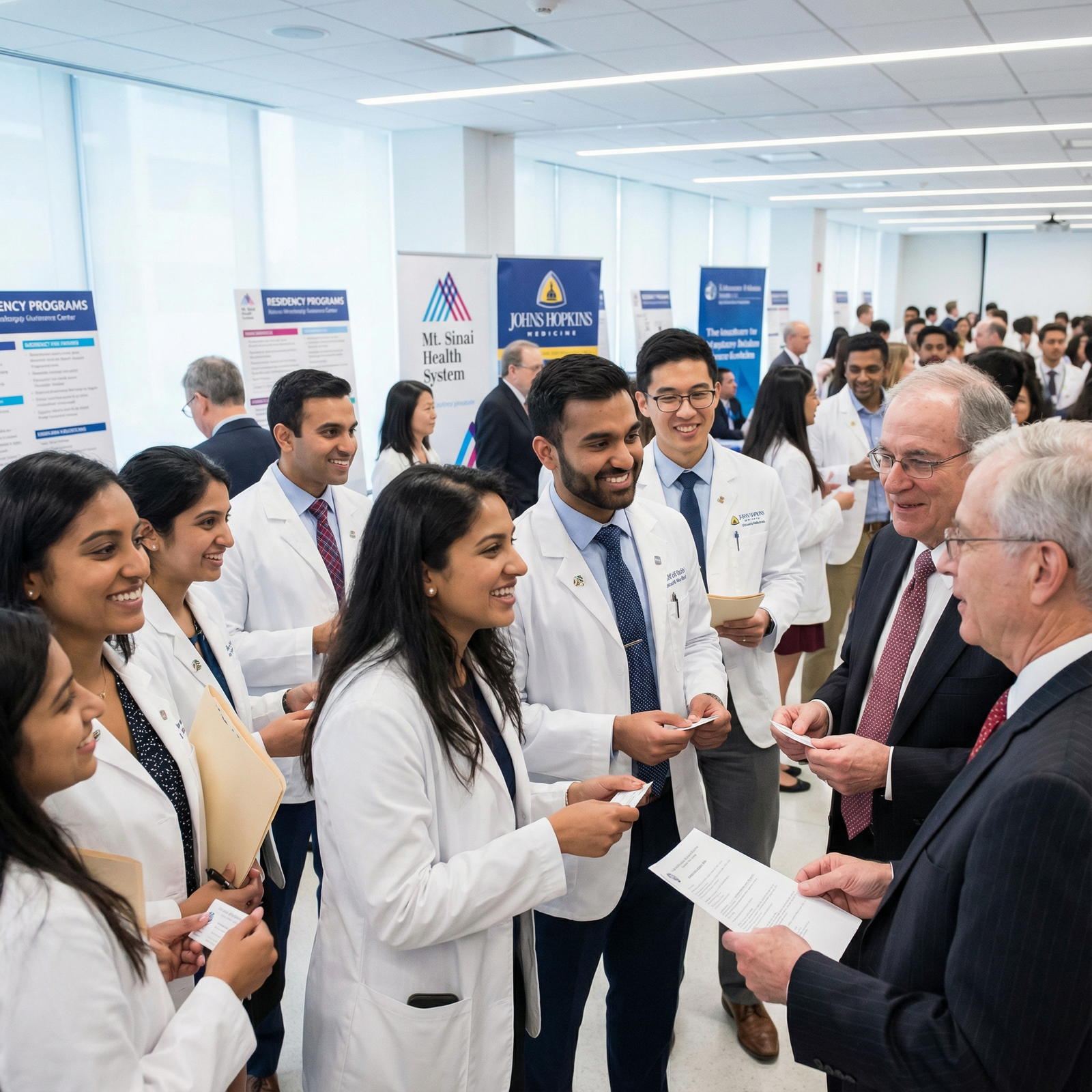
Understanding the Role of Your CV in an Interventional Radiology Match
For an MD graduate targeting an interventional radiology residency, your CV is far more than a list of activities. It is a strategic document that tells a coherent story: you are a well-trained allopathic physician with the technical curiosity, procedural aptitude, and academic potential to thrive in IR.
Unlike some other specialties, many interventional radiology residency and integrated IR/DR programs place heavy weight on your academic record, research exposure, and evidence of procedural interest. Your CV is often reviewed:
- Before interview offers are issued (screening phase)
- During pre-interview committee meetings
- In rank list meetings when faculty debate between otherwise similar candidates
If you are an MD graduate from an allopathic medical school looking to match into IR, you need a residency-ready CV that:
- Highlights your clinical competence as a general physician (especially diagnostic radiology exposure).
- Demonstrates genuine, sustained interest in interventional radiology.
- Showcases research productivity and scholarly potential.
- Reflects professionalism, leadership, and teamwork.
This guide focuses specifically on how to build a CV for residency in interventional radiology. You’ll find residency CV tips, examples, and structure tailored to the IR match, whether you are applying to integrated IR/DR or independent IR training after DR.
Essential Structure: How to Build a CV for Interventional Radiology Residency
Before focusing on content, you need a clear structure. Programs reviewing hundreds of files want a standard, easy-to-skim format. For MD graduate residency applications in IR, a typical, effective structure is:
- Contact & Demographics
- Education
- USMLE/COMLEX (if applicable)
- Postgraduate Training & Positions (if any)
- Honors & Awards
- Research & Publications
- Presentations & Abstracts
- Clinical Experience & Electives
- Teaching & Mentoring
- Leadership & Service
- Professional Memberships
- Skills & Certifications
- Interests (brief, selective)
You can adapt the order slightly, but for an allopathic medical school match, this is close to what faculty expect.
General Formatting Principles
- Length: 2–4 pages is typical for an MD applying to IR, especially if you have research.
- Font & layout: Clean, professional fonts (e.g., Times New Roman, Calibri, Arial, 10–12 pt). Use consistent spacing, bullet styles, and date alignment.
- Reverse chronological order: List most recent items first within each section.
- Consistency: Use one style for all entries (e.g., “Month Year – Month Year” dates; city, state abbreviations; bold only for titles or roles).
This structure helps program directors quickly grasp your training, academic profile, and IR-relevant experience.
Education, Clinical Experience, and IR Exposure: Building a Strong Core
For an MD graduate, your education and clinical exposure are the core of your residency CV. IR attendings and PDs want to know you are clinically solid and understand patient care beyond the angio suite.
Education Section: Go Beyond Listing Your Degree
Include:
- Medical school name (allopathic medical school), city, state, and country if international
- Degree and expected/actual graduation date
- Class ranking or quartile (if available and favorable)
- Notable distinctions: AOA, GHHS, honors in clerkships, IR- or radiology-related distinctions
Example (strong entry):
Doctor of Medicine (MD)
Allopathic Medical School, University Medical Center – City, State
Aug 2020 – May 2024
- Graduated with Honors; Top 15% of class
- Honors in Surgery, Internal Medicine, Radiology, and ICU Sub-Internship
Mentioning radiology or procedure-heavy rotations in your education section subtly signals alignment with an interventional radiology residency path without overloading your clinical section.
Clinical Experience: Make IR-Relevant Rotations Stand Out
Programs want proof that you understand what IR actually involves and that your interest is not superficial. Under “Clinical Experience,” include:
- Core clerkships (briefly)
- Sub-internships (medicine, surgery, ICU, and any IR-related)
- Electives in diagnostic radiology and IR
- Away rotations / visiting student rotations in IR
For each IR or radiology-related rotation:
- Highlight procedural exposure
- Mention case complexity
- Describe multidisciplinary interactions
Example:
Interventional Radiology Elective – Tertiary Academic Center, Department of Radiology
Jul 2023 – Aug 2023
- Participated in >100 IR procedures including Y-90, TACE, TIPS, complex venous recanalization, and peripheral arterial interventions
- Assisted with pre-procedure H&P, consent, post-procedure management, and inpatient IR consults
- Attended weekly tumor board and vascular conference, presenting 3 IR consult cases
This type of entry signals you have a realistic understanding of IR workflows, a key point for IR match committees.
For Graduates with a Gap or Alternative Path
If you have:
- A research year
- Additional degrees (MPH, PhD, MS, MBA)
- Time between graduation and applying
Make sure the timeline is continuous. Gaps without explanation are red flags. Use headings like:
- Research Fellow, Interventional Radiology
- Clinical Research Associate, Vascular Interventions
- Graduate Study in Biomedical Engineering (Imaging Focus)
and describe your responsibilities and outcomes.
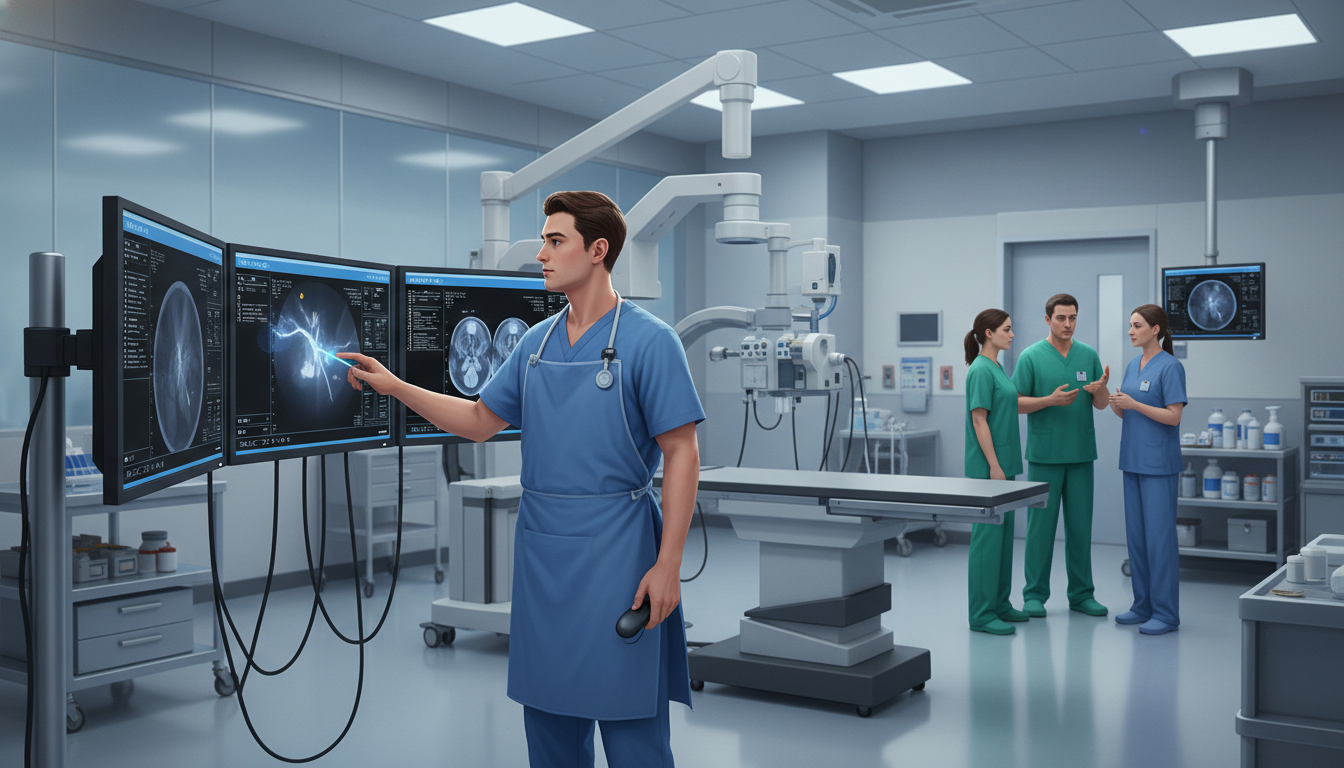
Research and Scholarly Work: Standing Out in a Competitive IR Match
Interventional radiology is research-rich and data-driven. While not all matched residents have extensive publications, having some form of scholarly activity significantly strengthens your application.
Prioritize IR-Related and Imaging Research
If you have multiple projects, emphasize those most relevant to:
- Interventional radiology procedures or outcomes
- Vascular medicine
- Oncology (especially image-guided therapies)
- Diagnostic radiology, CT/MRI/US, image processing
- Device development, image-guided technologies
Organize your scholarly work into subsections:
- Peer-Reviewed Publications
- Manuscripts Under Review / In Preparation (if substantial and with permission)
- Abstracts & Posters
- Oral Presentations
- Other Scholarly Work (book chapters, online modules, technical reports)
Example Format for a Publication
Use standard citation style, and bold your name:
Doe J, Smith AB, Lee C, et al. Clinical outcomes after Y-90 radioembolization for unresectable HCC: a single-center experience. Journal of Vascular and Interventional Radiology. 2023;34(2):123–130.
If you lack IR-specific work, include any substantial research (e.g., internal medicine, surgery, emergency medicine) and draw connections in your personal statement and interviews (e.g., outcomes research, imaging correlates, procedural complications).
What If You Don’t Have Publications Yet?
You can still present meaningful scholarly experience:
- Quality improvement (QI) projects in IR, radiology, or procedural services
- Case reports or case series
- Educational posters at local or regional meetings
- Chart review projects in radiology, vascular surgery, or oncology
Example CV Entry (QI Project):
Quality Improvement Project: Reducing Post-Biopsy Bleeding Complications in CT-Guided Liver Biopsy
Department of Radiology, University Medical Center
Jan 2023 – Dec 2023
- Retrospective review of 250 liver biopsy cases evaluating risk factors for bleeding
- Implemented standardized post-procedure monitoring checklist
- Reduced significant post-biopsy bleed rates from 3.2% to 1.1% over 9 months
Even without a publication, this shows initiative, outcome tracking, and systems thinking—highly valued in IR.
Actionable Steps to Strengthen the Research Section
If you’re early in training or have limited research:
- Join an IR research group early (MS2–MS3 or immediately as a graduate).
- Ask explicitly for projects with achievable timelines (case reports, small retrospective series).
- Aim for one to two submitted abstracts before ERAS opens.
- Get involved with initiatives through:
- SIR (Society of Interventional Radiology)
- Local IR journal clubs or research collaboratives
For the IR match, even modest but clearly IR-focused scholarly output can separate you from students whose research is unrelated to their chosen specialty.
Honors, Leadership, and Service: Signaling Professionalism and Team Fit
Interventional radiology is highly collaborative—working with surgery, oncology, hepatology, vascular medicine, and hospitalist teams. Programs value MD graduates who have demonstrated leadership, reliability, and the ability to work in high-stakes teams.
Honors and Awards: Curate, Don’t Dump
Avoid listing every small recognition from high school or early undergrad. Prioritize:
- Medical school honors (AOA, GHHS, research awards)
- Departmental awards (e.g., Radiology Student of the Year)
- National scholarships or competitive grants
- Significant undergraduate honors, especially related to engineering, imaging, or biomedical sciences
Example:
Honors & Awards
- Alpha Omega Alpha (AOA) Honor Medical Society, Inducted 2023
- Society of Interventional Radiology Medical Student Research Award, 2022
- Outstanding Medical Student in Radiology, University Medical Center, 2023
These not only show excellence but also highlight field-specific recognition, which is powerful for a competitive IR match.
Leadership and Service: Emphasize Team-Based, Clinical, or IR-Focused Roles
Under Leadership & Service (or separated into two sections), emphasize roles where you:
- Coordinated teams
- Led projects
- Interacted with patients
- Organized educational events
Examples particularly useful for an interventional radiology residency CV:
- Founder or officer of a Radiology/IR Interest Group
- Organizer of skills workshops (sim labs, ultrasound training)
- Creator of patient education materials on minimally invasive procedures
- Service in clinics that deal with conditions IR frequently manages (oncology clinics, PAD screenings, dialysis access clinics)
Example CV Entry:
Co-President, Interventional Radiology Interest Group
Allopathic Medical School, University Medical Center
Aug 2022 – May 2024
- Organized quarterly IR career panels with faculty and residents, attended by 40–60 students per event
- Initiated ultrasound-guided vascular access simulation workshops in collaboration with the skills lab
- Developed a student-led IR shadowing program pairing 25 students per year with interventional radiologists
This demonstrates initiative, understanding of IR training pathways, and organizational skills.
Volunteer and Community Work: Connect It to Core IR Values
Programs appreciate service, especially if it shows:
- Commitment to underserved populations
- Long-term engagement
- Relevance to IR patient populations (e.g., PAD, cancer, liver disease, dialysis)
When describing volunteer roles, be concise but specific:
- Type of patients (e.g., low-income, rural)
- Your role (educator, coordinator, direct patient care)
- Any outcomes or innovations you contributed
Avoid long lists of very short-term activities. Prioritize depth, continuity, and leadership.
Technical Skills, Teaching, and Professional Memberships: The Details That Differentiate You
While your core CV sections show who you are, the “details” often provide the final persuading elements for an IR program to move you up their rank list.
Skills & Certifications: Be Honest and Relevant
For an interventional radiology residency CV, useful skills and certifications include:
- Procedural Skills:
- Central line placement
- Arterial line placement
- Lumbar puncture
- Paracentesis / thoracentesis
- Bedside ultrasound (basic)
- Certifications:
- ACLS, BLS (list expiration dates)
- ATLS (if applicable)
- Technical / Data Skills:
- Basic familiarity with DICOM imaging software
- Statistics packages (R, SPSS, Stata)
- Experience with REDCap for research
- Introductory proficiency with Python or MATLAB for image analysis (only if truly competent)
Example:
Skills & Certifications
- Procedural: Performed >40 ultrasound-guided paracenteses and thoracenteses under supervision; 15 lumbar punctures; 10 central venous catheter placements
- Imaging & Data: Proficient in PACS navigation, basic CT/MRI image review; experience with REDCap and R for retrospective outcomes research
- Certifications: ACLS (valid through 06/2026); BLS (valid through 06/2026)
This reinforces that you are already developing a procedural and imaging mindset.
Teaching and Mentoring: Signal Academic Potential
Many interventional radiology residency programs are academic. They value residents who can:
- Teach medical students and juniors
- Participate in curriculum development
- Present at conferences
Include:
- Small-group facilitation (anatomy, clinical skills)
- Peer tutoring in radiology or anatomy
- Teaching assistant roles
- Informal but organized teaching, like running case-based teaching sessions for junior students in the reading room
Example:
Teaching Experience
Small Group Facilitator, MS1 Anatomy
Aug 2021 – May 2022
- Led weekly dissection sessions for 10 first-year students, focusing on clinically relevant cross-sectional anatomy and radiologic correlates
Students with teaching experience signal an ability to function as a resident who contributes to the educational mission.
Professional Memberships: Show Engagement with the Field
Include memberships in:
- Society of Interventional Radiology (SIR)
- Local or regional radiologic societies
- RSNA (Radiological Society of North America)
- ACR (American College of Radiology)
- AMA or specialty-specific organizations
Mention committee roles or conference attendance briefly:
- “Student member, SIR; attended 2023 and 2024 SIR Annual Scientific Meetings”
This helps program directors see that you are already integrating into the IR community.

Residency CV Tips: Common Mistakes and How to Avoid Them
Even strong MD graduate residency applicants can weaken their interventional radiology application with avoidable CV issues. These residency CV tips can help you avoid common pitfalls.
1. Inconsistency Between ERAS and CV
Your standalone CV (for emails, networking, away rotations) must match your ERAS entries. Inconsistencies in:
- Dates
- Titles
- Publication status
can undermine credibility. Update both whenever something changes.
2. Overstating Roles or Contributions
IR faculty know how research and projects usually work. Avoid:
- Calling yourself “lead investigator” when you were a data abstractor
- Labeling tasks as “teaching” when you only gave one unsupervised session
- Listing manuscripts as “in press” when they are still drafts
Be precise:
- “Co-author” vs “First author”
- “Data collection and analysis” vs “Study design and supervision”
Honesty is non-negotiable; IR is a high-trust procedural specialty.
3. Crowding the CV with Non-Relevant Details
Remove or minimize:
- Short-term activities (<1–2 months) unless highly impactful
- High school activities (unless extremely notable, e.g., national-level engineering competition)
- Overly personal hobbies (keep interests concise and professional)
Programs are evaluating signal, not noise.
4. Generic Descriptions Instead of Outcome-Focused Bullet Points
Use 1–3 concise bullet points that show:
- Scale (“>100 procedures observed”)
- Responsibility (“independently performed X under supervision”)
- Outcome/impact (“reduced complication rate by 30% after protocol change”)
Avoid vague phrases like “participated in many procedures” or “helped with research.”
5. Poor Proofreading and Unprofessional Layout
Typos, inconsistent formatting, and sloppy visual design reflect poorly on professionalism. Before submission:
- Print your CV and review it on paper
- Ask a mentor in radiology or IR to review it
- Ensure all fonts, bullet styles, and date formats match
For a competitive IR match, these small details can subtly influence faculty who are choosing among similarly strong candidates.
FAQs: CV Building for MD Graduate in Interventional Radiology
1. How much IR research do I need on my CV to be competitive for the IR match?
There is no fixed number, but having at least some IR- or imaging-related research or QI is strongly beneficial. A typical successful MD graduate residency applicant to interventional radiology might have:
- 1–3 IR-related abstracts or posters
- 0–2 publications (IR-related or imaging-heavy)
- Possibly additional non-IR research
If you lack IR publications, aim to show at least ongoing involvement with IR projects and mentorship from IR faculty.
2. Can I still match into interventional radiology if most of my research is in another specialty?
Yes, as long as you clearly demonstrate:
- Sustained clinical interest in IR (electives, away rotations, shadowing)
- Some form of IR exposure (case reports, QI, tumor boards)
- Transferable skills from your research (data analysis, outcomes work, imaging, procedural medicine)
Use your personal statement and interviews to connect your prior work to IR. On your CV, ensure IR-focused activities are prominent and well-described.
3. Should I include every procedure I have performed or observed on my CV?
No. Avoid procedure “laundry lists.” Instead:
- Highlight categories of procedures and approximate numbers (e.g., “>40 ultrasound-guided paracenteses”)
- Focus on procedures that show readiness for a procedural specialty
- Emphasize any progression in autonomy (always honest and within institutional regulations)
Your goal is to show procedural comfort and interest, not to compete with residents’ case logs.
4. How should I tailor my CV if I’m applying both to diagnostic radiology and integrated IR/DR?
Create a single, coherent CV with:
- Strong radiology and IR clinical exposure
- Research that spans diagnostic imaging and interventional work, when possible
- A structure that works for both (radiology) and (IR/DR)
You don’t need two separate CVs. Instead, ensure:
- IR-related experiences are clearly labeled and easy to find
- Your diagnostic radiology experiences (reading room time, imaging electives) are also highlighted
Programs understand that the IR match is closely linked with the diagnostic radiology pathway, so a radiology-strong CV is entirely appropriate.
By structuring your document thoughtfully and focusing your content on IR-relevant clinical, research, and leadership experiences, you can transform your CV from a generic activity log into a compelling, specialty-focused narrative. As an MD graduate from an allopathic medical school aiming for an interventional radiology residency, treat your CV as a strategic tool—one that clearly answers the question every IR program silently asks: “Will this applicant thrive as a procedural, imaging-driven, and academically engaged physician in our field?”