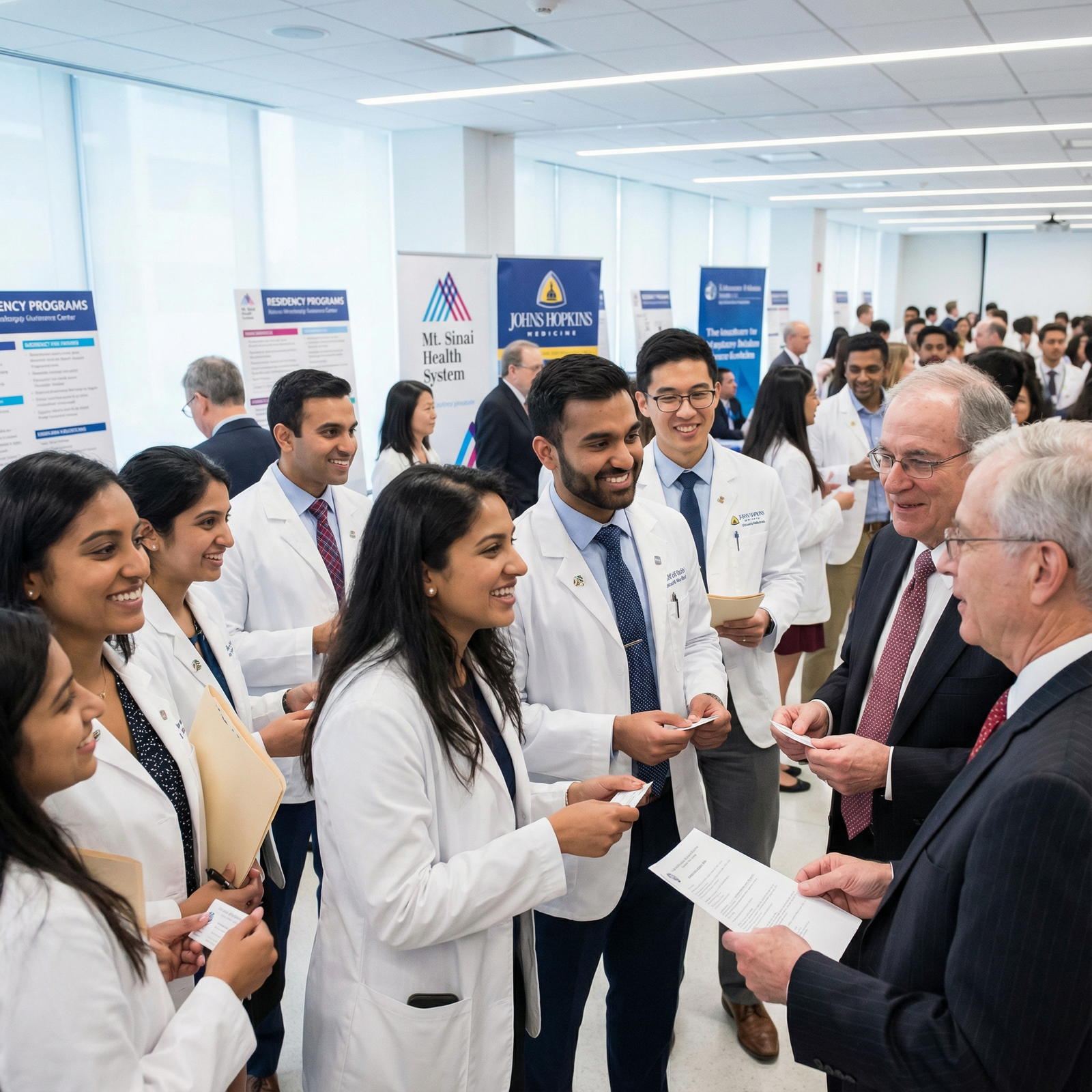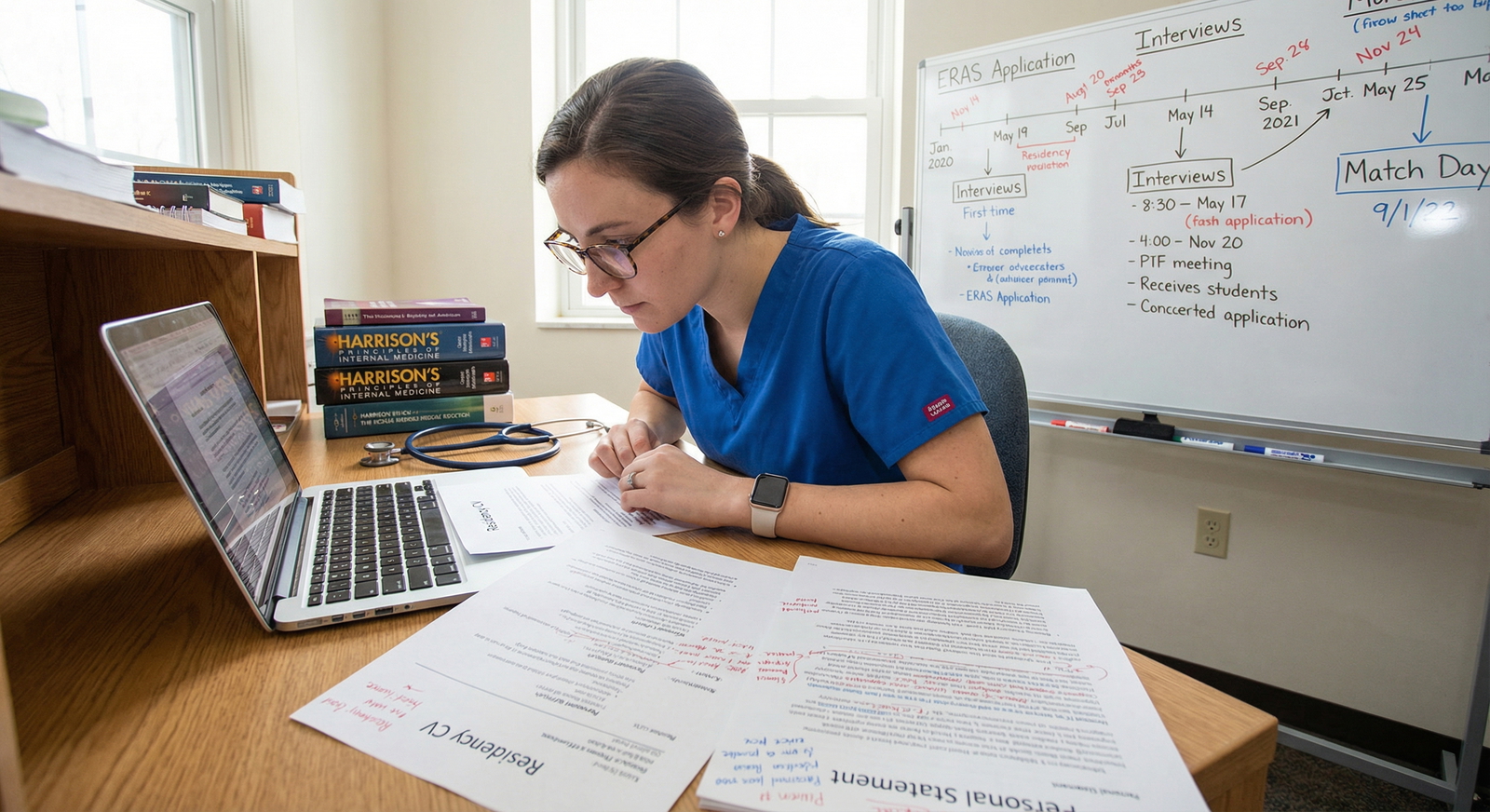
Yes, you can absolutely build a competitive CV for vascular surgery as a non-US citizen IMG—but you need a deliberate, strategic plan. This article walks you step-by-step through how to build, structure, and polish your medical student CV specifically for vascular surgery residency in the US, with particular emphasis on the challenges and opportunities unique to foreign national medical graduates.
Understanding the Vascular Surgery Landscape as a Non-US Citizen IMG
Vascular surgery is a small, highly specialized field with high expectations for technical ability, professionalism, and academic potential. As a non-US citizen IMG, you face three core challenges:
Visa and sponsorship considerations
Many vascular surgery residency (especially integrated vascular program) spots are limited and some programs cannot sponsor visas (particularly H1B). This makes your CV even more critical; you must be clearly worth the additional paperwork and perceived risk.Small applicant pool, small number of positions
Vascular surgery integrated programs often have 1–3 spots per year. That means faculty can read your CV carefully and will notice details, gaps, or lack of focus.Bias toward proven performance in the US
Program directors often prefer applicants who have already shown:- Ability to function in the US healthcare system
- Strong communication skills in English
- Evidence of commitment to vascular surgery (not “just any surgical program”)
Your CV must therefore:
- Demonstrate sustained interest in vascular surgery
- Show that you understand (and can thrive in) a US-style academic surgical environment
- Make it easy for the program director to think: “We can trust this person in our ORs, clinics, and research teams.”
Foundations: What Makes a Strong Vascular Surgery CV?
A residency CV is not simply a list of everything you’ve ever done. It is a strategic narrative.
For a non-US citizen IMG targeting vascular surgery, your medical student CV should:
- Highlight vascular-specific exposure (rotations, shadowing, conferences, research, case reports).
- Show academic potential (publications, presentations, QI projects, teaching).
- Demonstrate technical and clinical readiness (procedural experience, clerkship performance).
- Communicate professional reliability and teamwork (leadership, long-term commitments).
- Address US system integration (US clinical experience, observerships, letters from US vascular/ surgical faculty).
Think of each section in your CV as answering a question the selection committee implicitly asks:
- “Can this person operate safely someday?”
- “Will they contribute academically to our division?”
- “Will we be proud to say we trained them?”
- “Is this candidate worth a visa slot and six to seven years of investment?”
Structuring Your CV: Sections That Matter Most
Below is a recommended structure for your residency CV, optimized for a vascular surgery application. This also serves as a checklist for how to build CV for residency during medical school.
1. Header and Contact Information
Content:
- Full legal name
- Professional email (e.g., firstname.lastname@…)
- Mobile phone (with country code if outside the US)
- Current address and permanent (home country) address
- Citizenship and visa status (optional on the CV, but common on ERAS; you can add a brief note like “Citizenship: India; Seeking J-1 visa” if helpful)
Tips:
- Avoid including photos, marital status, age, or nationality icons; US programs prefer a neutral, professional presentation.
- Use a simple, readable font and consistent spacing.
2. Education
List in reverse chronological order:
- Medical school (institution, city, country, years attended, degree, class rank or percentile if strong)
- Previous degrees (BS, MSc, PhD)
- Thesis titles if relevant (especially research in cardiovascular/vascular topics)
Example entry:
- Doctor of Medicine (MBBS), University of X, City, Country
2017–2023- Graduated with Distinction in Surgery (Top 10%)
What vascular programs look for:
- Evidence that you’ve done well in surgery-related coursework and clinical rotations.
- Any advanced degrees in public health, epidemiology, biomedical science, or engineering related to vascular tech/imaging can be a bonus.
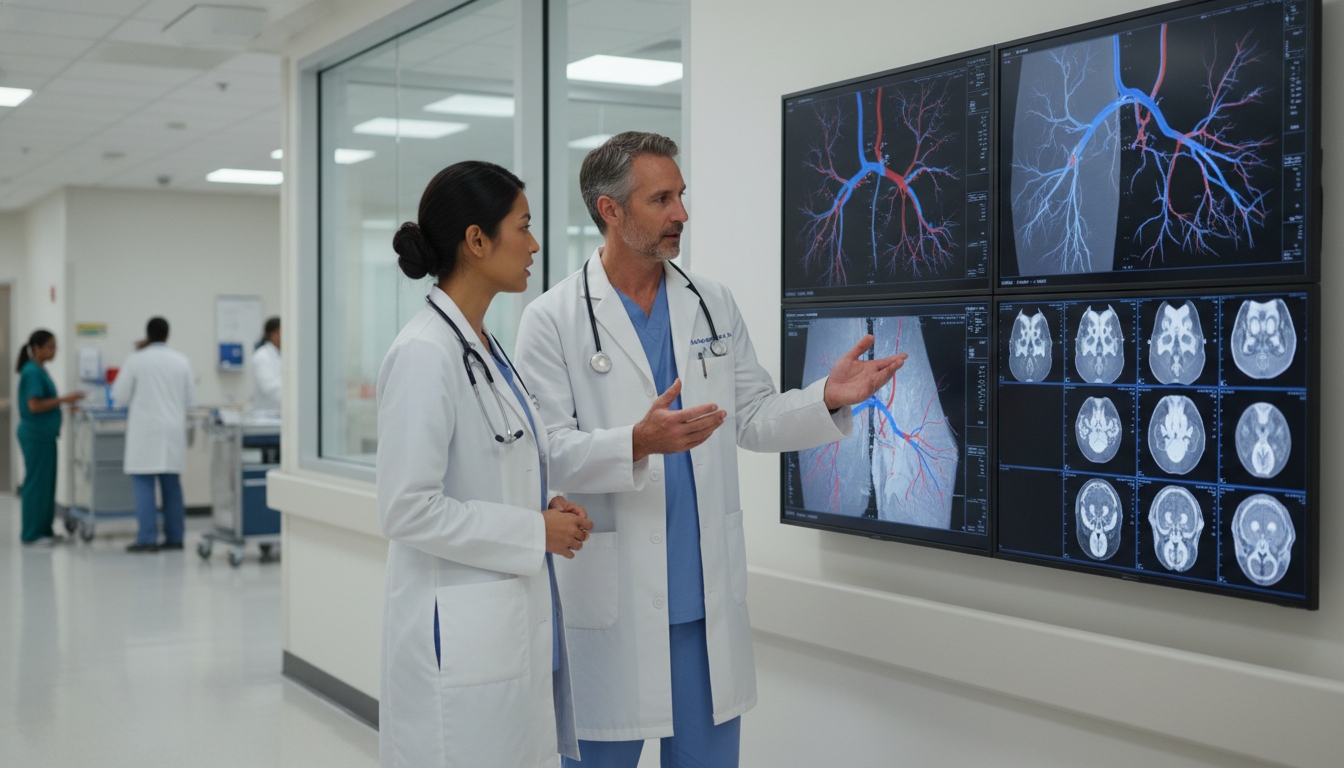
3. US Clinical Experience (USCE) and Vascular Exposure
For a non-US citizen IMG, this section is often decisive.
Separate into:
- Clinical Rotations (US) – Sub-internships, acting internships, electives
- Observerships and Shadowing – Especially with vascular surgeons
- Home Country Vascular Exposure – Dedicated vascular rotations, elective time, or mentorship
How to present it (for rotations):
- Institution, city, state
- Department/service name (e.g., Vascular Surgery, Vascular and Endovascular Surgery)
- Dates (month/year)
- Supervisor/attending (only if well-known or if you have a letter from them)
- 2–4 bullet points focusing on responsibilities, skills, and vascular-specific exposure
Example:
Visiting Student Elective – Vascular Surgery
University of Y Medical Center, City, State, USA | Aug–Sept 2024
- Participated in inpatient rounds, outpatient vascular clinic, and OR for open and endovascular procedures (AAA repair, carotid endarterectomy, AV fistula creation).
- Assisted with pre-operative workup, peri-operative management, and post-operative follow-up under supervision.
- Presented a case-based talk on peripheral arterial disease management at team conference.
If you lack USCE in vascular surgery:
- Aim for at least one vascular-focused elective and, if possible, a general surgery sub-internship in the US.
- If clinical electives are not available, pursue observerships and research fellowships with vascular surgeons; present them clearly and professionally on the CV.
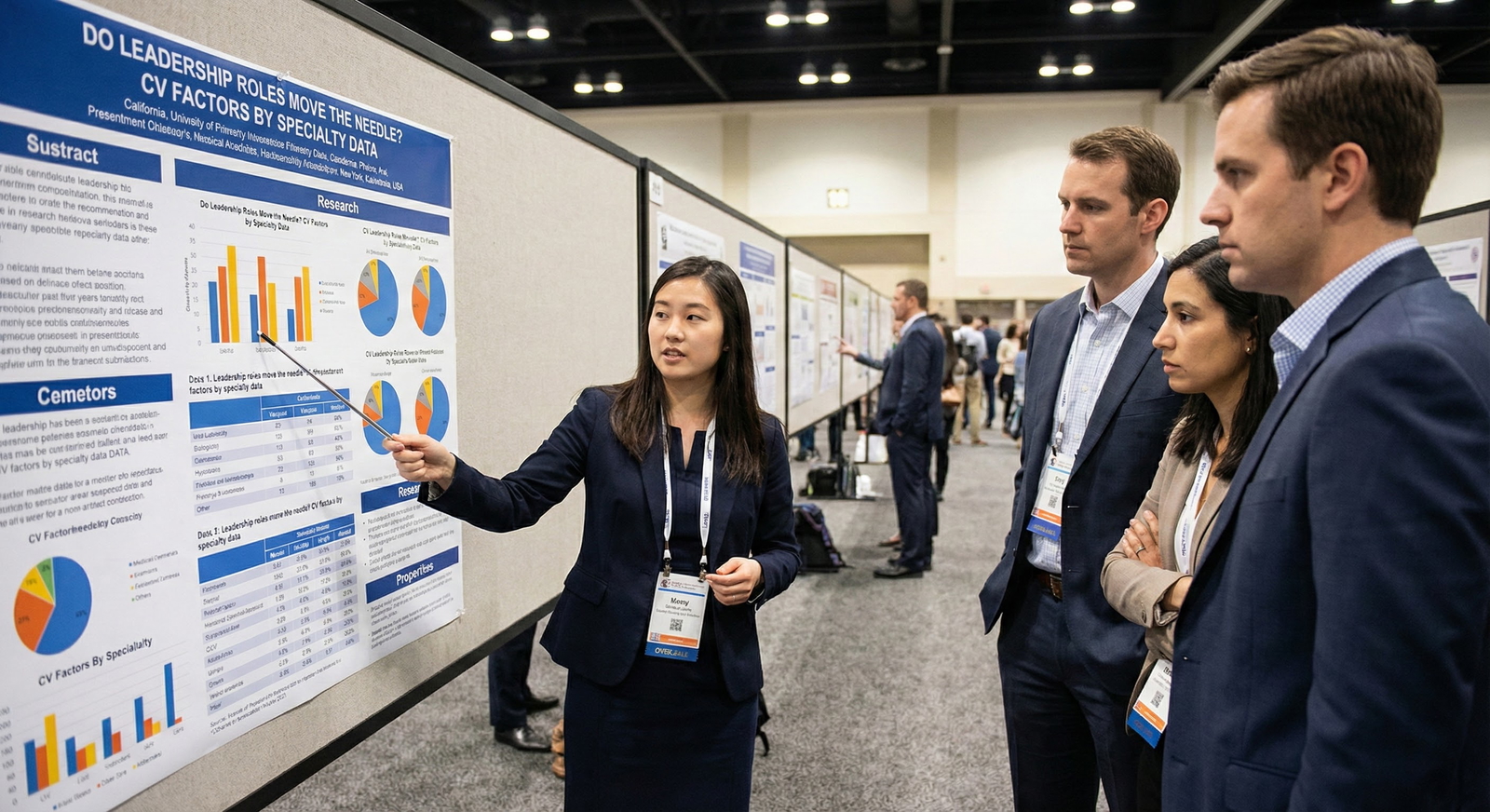
4. Research, Publications, and Presentations (Vascular-Focused if Possible)
Vascular surgery is data-driven and academic. Even community-based programs value applicants who can read, interpret, and sometimes generate research.
Divide into clear subsections:
- Peer-Reviewed Publications
- Manuscripts Under Review or In Preparation (clearly labeled)
- Conference Abstracts and Posters
- Oral Presentations
- Research Experience (Projects and Positions)
Prioritizing Content for Vascular Surgery
When applying as a foreign national medical graduate, emphasize:
- Studies related to:
- Aneurysms
- Peripheral arterial disease
- Carotid disease / stroke prevention
- Venous thromboembolism / varicose veins
- Dialysis access
- Endovascular techniques
- Vascular imaging (CT angiography, duplex ultrasound)
If your work is not vascular-specific, highlight skills transferable to vascular surgery:
- Clinical trial participation
- Outcomes research
- Quality improvement (especially in perioperative care, infection control, length-of-stay reductions)
Example publication entry (APA or AMA style, be consistent):
- Ahmed R, Smith J, Lee K. Outcomes of Endovascular vs Open Repair for Ruptured AAA in Resource-Limited Settings. Journal of Vascular Surgery. 2023;78(4):1234-1242.
For research positions:
- Title of position (e.g., Research Fellow, Research Assistant)
- Institution and mentor name
- Dates
- 3–5 bullets focusing on what you did (data analysis, patient recruitment, writing, imaging review, registry management).
Strategic Advice:
- If you have time before applying, consider a dedicated 1–2-year research fellowship in vascular surgery or related fields at a US institution. This can dramatically strengthen your residency CV.
- Start with case reports if you have limited experience. Working up a vascular case you saw on rotation (e.g., complicated limb ischemia) is a realistic first step.
5. Clinical Experience at Home Institution and Rotations
While USCE is critical, your core surgical training begins at home. Use this section to show:
- Strong performance in general surgery and related disciplines (ICU, emergency medicine, cardiology, radiology).
- Early interest in vascular (electives, special projects, vascular clinic attendance).
Example:
Core Surgery Clerkship
University of X Teaching Hospital, City, Country | Jan–Mar 2022
- Completed 12-week rotation including general surgery, trauma, and exposure to basic vascular cases (emergency limb ischemia, varicose vein surgery).
- Performed and documented >40 minor procedures under supervision (suturing, drainage of abscesses, wound care).
- Received “Honors” grade; top 5% of class in surgery OSCE.
If your transcript or dean’s letter indicates honors/distinctions, briefly reflect them here.
6. Leadership, Teaching, and Professional Involvement
Vascular surgery demands team leadership and the ability to coordinate complex care.
Include:
- Positions in student organizations (Surgical Society, Vascular or Cardiothoracic interest group)
- Teaching roles (anatomy tutor, OSCE coach, peer mentor)
- Committee work (curriculum committees, quality improvement groups)
Practical example:
Founder and President, Vascular and Endovascular Surgery Interest Group
University of X, 2021–2023
- Organized monthly case discussions with local vascular surgeons, attracting 30–50 medical students per session.
- Coordinated hands-on workshops on suturing, vascular anastomosis with simulation models, and Doppler use.
- Established mentorship program pairing students with vascular faculty.
This type of leadership directly supports your commitment to vascular surgery and shows initiative.
7. Certifications, Courses, and Technical Skills
This section is often underused by non-US citizen IMGs but can be very helpful.
Relevant items:
Certifications:
- BLS, ACLS, ATLS (if possible)
- Basic/Advanced Ultrasound Courses (including vascular access, DVT scanning)
- Research methods, biostatistics, GCP (for clinical research)
Technical Skills (clinical and procedural):
- Central line placement (if trained and supervised)
- Arterial line insertion
- Ultrasound-guided peripheral IVs
- Basic suturing and knot-tying (mention any simulation courses or bootcamps)
- Familiarity with vascular imaging interpretation (CTA, duplex ultrasound) – emphasize “exposure” if not independently interpreting.
Software/Analytics:
- SPSS, R, Stata, REDCap, Excel-based data management
- Reference managers (EndNote, Mendeley) – minor but reflects academic readiness.

As a non-US citizen IMG, strong documented skills can reassure programs that you can transition more quickly to residency responsibilities.
Tailoring Your CV Specifically for an Integrated Vascular Program
The integrated vascular program (0+5) is different from matching into general surgery first and then vascular. It looks for students who want to become vascular surgeons from day one.
Emphasize Longitudinal Vascular Commitment
Show that vascular surgery wasn’t a last-minute choice:
- Timeline of involvement: early participation in a vascular interest group, research beginning in preclinical years, continuous attendance at vascular or cardiovascular conferences.
- Repeat exposures: multiple vascular electives, continued collaboration with the same vascular mentor.
On your CV, this looks like:
- 1–2 vascular-themed research projects spanning >1 year
- Ongoing involvement in a vascular research group or registry
- Multiple vascular-related poster presentations over time
Highlight Cognitive and Technical Balance
Integrated vascular programs want residents who are:
- Strong clinical decision-makers (critical care mindset, understanding of hemodynamics, comorbidities)
- Technically promising (good hand skills, spatial awareness, interest in imaging)
Use your bullet points to show:
- Presentation of complex cases during rounds or conferences
- Participation in vascular lab sessions, simulation, or skills labs
- Interest in imaging: discuss contributions to projects involving CTA or duplex studies.
Residency CV Tips: Style, Clarity, and Common Mistakes
Your achievements matter, but how you present them is just as important. Here are key residency CV tips particularly relevant for non-US citizen IMGs.
1. Keep It Professional and US-Style
Avoid including:
- Photos
- Birthdate, marital status, religion, or national ID numbers
- GPA unless directly comparable and strong
Use consistent formatting:
- One font family (e.g., Calibri, Arial, Times)
- Uniform date format (e.g., “Jun 2022–Aug 2022”)
- Bullet points starting with action verbs (“Led,” “Developed,” “Analyzed”)
2. Quantify When Possible
Instead of:
“Assisted with surgeries and patient care.”
Write:
“Assisted with perioperative care of >50 surgical patients, including 10 cases of peripheral bypass and 8 carotid endarterectomies.”
This gives a clearer sense of your clinical exposure.
3. Be Honest and Verifiable
As a foreign national medical graduate, your CV may be examined more carefully. Never:
- Inflate your role in research (“co-author” vs “helped with literature search”)
- Claim procedures you did not actually perform (US programs are sensitive to this)
- List “submitted” manuscripts that don’t exist
Be ready to discuss any item in detail during interviews.
4. Use Vascular-Specific Language Accurately
Demonstrate familiarity with the field:
- Use correct terms: “endovascular repair,” “EVAR,” “TEVAR,” “critical limb ischemia,” “deep vein thrombosis,” “venous insufficiency.”
- But avoid over-technical jargon or using terms incorrectly—this is worse than being simple and accurate.
5. Adapt for ERAS While Keeping a Master CV
Your residency CV will be entered into ERAS sections (Education, Experiences, Publications, etc.).
Maintain:
- A Master CV (Word/PDF) with full detail and references
- A ERAS-formatted version, trimming repetitive bullets and focusing on impact
As a non-US citizen IMG, having a polished Master CV is also valuable when contacting faculty for:
- Research opportunities
- Observerships
- Letters of recommendation
Action Plan: How to Build Your CV for Vascular Surgery Residency (Year-by-Year)
Here is a concrete roadmap for a non-US citizen IMG, depending on where you are in your training.
Preclinical Years (1–2)
Focus:
- Foundation for future vascular interest.
Actions:
- Join or found a Surgical or Vascular Interest Group.
- Seek research opportunities (cardiovascular, radiology, critical care, or vascular directly).
- Build relationships with surgery and vascular faculty early.
- Learn basic statistical tools and research methods (online courses, workshops).
CV Additions:
- Early research assistant roles
- Membership in relevant student societies
- Initial conference attendance (even as an observer)
Clinical Years (3–4)
Focus:
- Maximize surgical exposure and start vascular-focused experiences.
Actions:
- Excel in core surgery rotations: aim for top evaluations and strong letters.
- Select electives in vascular surgery, interventional radiology, cardiology with vascular focus.
- Start or continue vascular-specific research projects (case reports, retrospective reviews).
- Practice and document technical skills through skills labs and supervised procedures.
CV Additions:
- Distinctions or honors in surgery
- First-author case reports or poster presentations in vascular topics
- Documented procedural experiences
Final Year / Pre-Application Period
Focus:
- Strengthening US-facing aspects and solidifying your vascular profile.
Actions:
- Obtain US clinical experience, ideally:
- 1 vascular surgery elective
- 1 general surgery sub-internship (if allowed to do so as an IMG)
- Arrange US-based research with a vascular surgeon if possible.
- Complete and submit manuscripts or abstracts to vascular or surgery conferences.
- Ensure certifications (BLS/ACLS) are up to date.
CV Additions:
- US rotations with strong bullet points
- US-based research positions or collaborations
- Additional leadership roles or teaching experiences
Frequently Asked Questions (FAQ)
1. As a non-US citizen IMG, do I need vascular-specific research to match into an integrated vascular program?
It is not absolutely mandatory, but it is a major advantage. Many competitive applicants to integrated vascular programs have at least some vascular-themed output—case reports, posters, or involvement in larger studies. If vascular-specific projects are not available, aim for cardiovascular, endovascular, or outcomes research that shares similar skills and concepts, and clearly explain how it relates to vascular surgery in your CV descriptions and during interviews.
2. How long should my medical student CV be for vascular surgery applications?
For residency applications, a 3–5 page CV is typical and acceptable, especially if you have multiple research projects and experiences. Quality is more important than length:
- Avoid padding with trivial items (single-day events, non-medical minor activities).
- Use concise bullet points focused on impact, responsibility, and relevance to vascular surgery and surgery in general.
3. I have no US clinical experience. Can I still build a strong CV for vascular surgery?
You can, but your pathway is more challenging. To optimize your chances:
- Maximize home-country surgical and vascular exposure: electives, mentorship, research.
- Aim for virtual engagement with US institutions (online conferences, remote research collaborations).
- Apply for observerships or research fellowships in the US before or between match cycles. Your CV should explicitly highlight adaptability, language proficiency, and strong core surgical training to partially compensate for lack of USCE.
4. How do I integrate visa information into my CV and application as a foreign national medical graduate?
Most programs will review your visa status through ERAS, but you can optionally include a short note in your CV header or final section:
- “Citizenship: Pakistan; Eligible for J-1 visa sponsorship.”
Avoid long explanations. During interviews and in email communications, you can clarify: - Whether you have prior US visa history
- Preference for J-1 vs H1B (if applicable)
Your main goal is to first convince them academically and clinically through your CV; visa logistics are secondary but important.
By focusing on focused vascular exposure, academic productivity, and clear, professional presentation, a non-US citizen IMG can craft a residency CV that stands out—even in a small, competitive specialty like vascular surgery. Treat your CV as a living document, update it regularly, and let it guide how you spend your time between now and application day.