Understanding the Medicine-Pediatrics CV for a Non-US Citizen IMG
Building a strong CV as a non-US citizen IMG applying to Med Peds residency is not just about listing everything you have done. It is about telling a coherent, strategic story that reassures program directors you can:
- Succeed clinically in a dual-specialty training program
- Integrate quickly into the US healthcare system
- Contribute meaningfully to their team and future workforce
For a foreign national medical graduate, your CV also quietly answers additional questions program directors have:
- Will you be able to handle visa issues and stay for all four years?
- Have you demonstrated commitment to both medicine and pediatrics, not just one?
- Do you understand what Med Peds actually is, beyond the name?
- Can you function in a US clinical environment, culturally and professionally?
Your CV must therefore be:
- Clear – Easy to skim in 30–60 seconds
- Targeted – Tailored to medicine-pediatrics (not generic “internal medicine” or “pediatrics”)
- Evidence-based – Every bullet point shows impact, not just task lists
- Visa- and IMG-aware – Subtly addresses common concerns for non-US citizen IMG applicants
Below is a step-by-step guide on how to build a standout CV for the medicine pediatrics match.
Core CV Structure: What Program Directors Expect to See
Before you refine, you must get the structure right. A typical Med Peds residency CV for a non-US citizen IMG should follow this order:
- Contact Information & Personal Data (limited)
- Education
- Exams & Certifications
- Clinical Experience
- Research & Scholarly Activity
- Teaching & Leadership
- Quality Improvement & Advocacy
- Awards & Honors
- Volunteer Work & Community Service
- Professional Memberships
- Skills (Language, Technical, Other)
- Personal Interests (brief)
1. Contact Information & Personal Data
Include:
- Full name (as in passport and USMLE registration)
- Email (professional address)
- Phone (US number if possible; if foreign, include WhatsApp/Telegram note)
- Current address (can be US or home country)
- Citizenship & visa status (optional on a stand-alone CV; ERAS will capture this, but a short line like “Citizenship: India; Visa: Requires J-1/H-1B sponsorship” can be helpful if shared outside ERAS)
Avoid adding:
- Photo (US programs typically prefer no photo on the CV itself; ERAS headshot is separate)
- Date of birth, marital status, religion, or national ID (not needed and in some contexts discouraged)
Residency CV tip: Use a professional email (e.g., firstname.lastname.md@gmail.com). Avoid nicknames or numbers suggesting age or year of birth.
2. Education: Emphasize Rigor and Context
For a non-US citizen IMG, the education section must quickly reassure faculty about the quality of your training.
Include:
- Medical school name, city, country
- Degree and graduation date
- Class rank or percentile (if favorable and official)
- Any honors (e.g., “Graduated with Distinction,” “Top 10% of class”)
If your school is less known in the US, one concise contextual line is useful:
“Government-funded tertiary medical college with >150,000 annual patient encounters.”
Also list:
- Prior degrees (BSc, MBBS/MD, MPH, MSc, etc.)
- Exchange programs or visiting student rotations (especially in US or other English-speaking systems)
Example (strong):
Bachelor of Medicine, Bachelor of Surgery (MBBS)
XYZ Government Medical College, Mumbai, India
2016–2022
- Graduated with First Class Honors (Top 10% of cohort)
- Clinical training at 1,200-bed tertiary academic hospital
USMLE, Exams & Certifications: Make Readiness Obvious
Program directors glance at exam performance very early. For a foreign national medical graduate, clear exam documentation reinforces readiness for the US training environment.
3. Exams & Certifications
Include:
- USMLE Step 1 (if reported), Step 2 CK, and (if applicable) Step 3
- ECFMG Certification status and year
- English language tests if relevant (IELTS/TOEFL) – especially if not exempt
- BLS/ACLS/PALS (if completed) – especially valuable for Med Peds
- Any country-specific licensure exams
List as:
USMLE Step 2 CK – 247, First attempt, May 2024
USMLE Step 1 – Pass, First attempt, January 2023
ECFMG Certified, 2024
Residency CV tips:
- Keep this section factual and concise; avoid commentary (“score lower than expected,” “personal issues during exam”).
- If your Step 1 is pass/fail, you don’t need to mention “numerical score not reported.”

Highlighting Clinical Experience: Proving You Can Do Med Peds
For a Med Peds residency, your clinical experience must clearly reflect:
- Exposure to both adults and children
- Incremental responsibility and autonomy
- Some familiarity with US or US-like healthcare environments
Break this section into:
- US Clinical Experience (USCE) – Observerships, electives, sub-internships, externships
- Home-country Clinical Experience – Internship/house officer roles, residency stems, rotations
- Other Clinical Roles – Telemedicine, clinical assistant roles, primary care practice (if post-graduate)
1. US Clinical Experience (USCE)
For a non-US citizen IMG seeking Med Peds, USCE is especially helpful if it spans:
- Internal Medicine (wards, ICU, primary care)
- Pediatrics (inpatient, outpatient, or NICU/PICU)
- Combined clinics or transitional care if available
Format:
Clinical Extern, Internal Medicine – Inpatient Service
University Hospital, Chicago, IL, USA | 08/2024 – 09/2024
- Pre-rounded independently on 6–8 adult patients daily; presented assessments and plans on rounds
- Managed medication reconciliation and discharge summaries under supervision
- Participated in multidisciplinary rounds with pharmacy, social work, and case management
Use active, impact-focused verbs: “managed,” “coordinated,” “led,” “implemented,” “optimized.”
2. Home-country Internship/Residency
Program directors may not know your system, so you must translate your role into US-relevant language:
Rotating Intern (House Officer), Internal Medicine
ABC Teaching Hospital, Lahore, Pakistan | 01/2023 – 06/2023
- Supervised 12–18 adult inpatients daily; performed initial assessments and drafted admission orders
- Performed procedures including NG tube insertion, IV cannulation, and ABG sampling
- Collaborated with senior residents and consultants to develop and update management plans
For pediatrics:
Rotating Intern, Pediatrics
National Children’s Hospital, Manila, Philippines | 07/2023 – 10/2023
- Managed 10–12 pediatric patients daily with common conditions (bronchiolitis, pneumonia, sepsis)
- Counseled families about vaccination schedules and growth milestones
- Participated in well-child clinics and high-risk newborn follow-up sessions
Key advice for Med Peds applicants:
- Explicitly label adult vs pediatric experience.
- Emphasize continuity of care, transitions from hospital to clinic, and family-centered care—core themes in Med Peds.
3. If Clinical Gaps Exist
Long gaps are common for non-US citizen IMG (exam prep, visa processes, family reasons). Address them proactively:
- Fill time with observerships, telehealth projects, research, or volunteering
- On the CV, show activity during gap periods (even part-time roles)
Example:
Clinical Research Volunteer, Pediatric Endocrinology
Online/Remote | 02/2022 – 12/2022
- Screened charts for inclusion in a study on type 1 diabetes management in adolescents
- Coordinated data entry and quality checks with a multi-country research team
Med Peds-Focused Research, Teaching, and Leadership
Strong Med Peds programs look for applicants who are not only clinically solid but also engaged in scholarship, teaching, and systems of care. Here is how to shape these sections on your medical student CV.
4. Research & Scholarly Activity
For a foreign national medical graduate, research shows adaptability, academic curiosity, and familiarity with evidence-based medicine.
Include:
- Peer-reviewed publications
- Abstracts and posters (especially at pediatric, internal medicine, Med Peds, or global health conferences)
- Quality improvement (QI) projects
- Systematic reviews or case series
Format:
Co-author, “Outcomes of Young Adults with Childhood-Onset Chronic Disease Transitioning to Adult Care”
Poster presentation at National Med-Peds Residents’ Association Conference, 2024
- Analyzed transition-of-care pathways for 120 patients aged 18–25
- Identified delays in subspecialty follow-up associated with increased ED visits
If your research is not directly Med Peds:
- Draw the connection with one short bullet:
“Explored vaccine hesitancy among caregivers, directly relevant to preventive pediatrics and adult vaccination counseling.”
Residency CV tips:
- Use consistent citation style (e.g., Vancouver, APA)
- Clearly separate published, accepted, and in preparation works
- Do not inflate authorship roles; be honest about being a co-author or data collector
5. Teaching Experience
Med Peds residents do a lot of teaching—students, families, young adults with chronic conditions.
Highlight:
- Small-group teaching of junior students
- Peer tutoring in physiology, pediatrics, internal medicine
- Teaching during USCE (if given opportunity)
- Patient-education initiatives
Example:
Student Tutor, Clinical Skills and Pediatrics
XYZ Medical College, Cairo, Egypt | 2020–2022
- Led weekly bedside teaching for 6–8 third-year students on pediatric history-taking
- Created simplified growth chart interpretation handouts used by >50 students
6. Leadership & Organizational Roles
For non-US citizen IMG, leadership proves you can function within teams and health systems.
Examples:
- Class representative, student government
- Organizer of health camps or vaccination drives
- Founder or coordinator of a Med Peds interest group (if available; if not, IM or pediatric interest groups)
Format:
Co-Founder & Coordinator, Transitional Care Interest Group
ABC Medical College | 2021–2022
- Organized 4 seminars on care transitions for adolescents with chronic illnesses
- Collaborated with adult cardiology and pediatric cardiology departments for joint case discussions
This directly reinforces your understanding of Med Peds as a specialty focused on lifespan care and transitions.
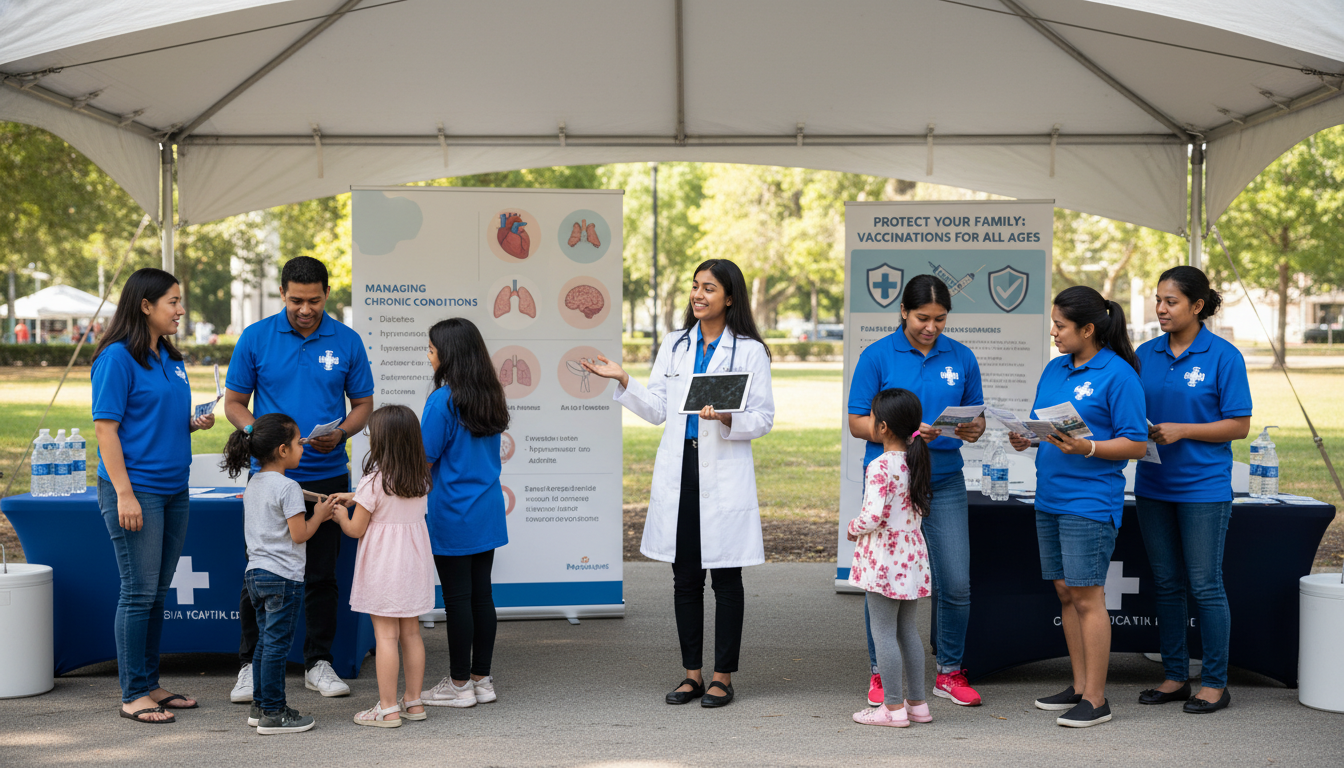
Volunteer Work, Advocacy, and Global Health: Showing Your Med Peds Identity
Med Peds has a strong culture of advocacy, underserved care, and transitions for vulnerable populations. Your volunteer activities can showcase alignment with this culture.
7. Volunteer Work & Community Service
For a non-US citizen IMG, these experiences help programs see beyond scores and transcripts.
Relevant activities:
- Child health camps, vaccination drives
- Adult chronic disease screening (hypertension, diabetes)
- Refugee or migrant health initiatives
- Disability advocacy, adolescent mental health work
- Work with young adults aging out of pediatric care
Format example:
Volunteer Physician Assistant, Urban Community Clinic
City Health Trust, Lagos, Nigeria | Weekends, 2022–2023
- Screened adults and adolescents for hypertension and diabetes; counseled on lifestyle modification
- Coordinated pediatric vaccination sessions and growth monitoring for children under 5
How to connect this to Med Peds:
- Use one line to emphasize family- or lifespan-oriented care:
“Provided integrated counseling to caregivers and adolescents, emphasizing continuity of care from childhood through adulthood.”
8. Global Health & Cross-Cultural Experience
As a foreign national medical graduate, your global lens is a strength.
Mention:
- Rural postings or rotations in resource-limited settings
- Cross-border or international projects
- Telehealth projects serving multiple countries
- Exposure to healthcare systems beyond your home country
Tie this back to Med Peds:
“Experience practicing in resource-limited pediatric and adult clinics strengthened adaptability and interest in serving underserved populations, a core focus of many Med Peds programs.”
Formatting, Style, and Strategy: How to Build a CV for Residency That Program Directors Can Use
Now that you know what to include, you must ensure your residency CV is structured in a way program directors can quickly interpret.
9. Length and Layout
For a non-US citizen IMG:
- 2–4 pages is typical and acceptable (longer than a one-page business CV)
- Use clear section headings, consistent fonts, and bullet points
- Avoid long paragraphs; bullets should be one to two lines each
Use:
- 10–12 pt font (e.g., Calibri, Arial, Times New Roman)
- 0.5–1 inch margins
- Bold for roles and institutions, italics for locations or dates
10. Avoid Common IMG CV Mistakes
Typical problems in medical student CVs from IMGs:
- Overstating roles – Writing “Attending Physician” when you were an intern
- Crowded, disorganized layout – Hard to see what is recent or relevant
- Too many personal details – Extended family information, unrelated jobs unless highly relevant
- No dates or unclear timelines – This raises red flags about gaps or misrepresentation
- Copy-paste from job descriptions – Instead, describe your actual impact
11. Tailoring to Medicine-Pediatrics Specifically
To strengthen your medicine pediatrics match chances, ensure your CV repeatedly, but naturally, shows:
- Commitment to both adult and pediatric populations
- Interest in transitions of care (adolescence to young adulthood, pediatric to adult services)
- Engagement in complex, chronic disease management
- Alignment with Med Peds values: advocacy, underserved care, systems improvement
Practical steps:
- Group experiences that have both IM and Peds components under combined headings
- Use keywords in descriptions: “transition clinic,” “adolescent medicine,” “lifespan care,” “family-centered care,” “chronic illness management across age groups”
- Add a short “Professional Interests” line at the top or bottom:
“Clinical interests: Complex chronic disease management, care transitions from pediatric to adult medicine, underserved populations.”
Special Considerations for Non-US Citizen IMGs: Visas, Gaps, and Credibility
12. Addressing Visa and Immigration Concerns (Subtly)
Your CV itself is not the place for detailed visa explanations, but you can:
- State Citizenship and “Eligible for J-1/H-1B sponsorship” if appropriate
- Show consistent, long-term engagement in medicine, suggesting stability and commitment
- Highlight any US-based degrees or long-term stays (e.g., MPH in the US, research fellowships) which reassure programs about your adjustment to US life
13. Handling Gaps and Non-Clinical Work
If you had periods spent:
- Preparing for USMLE
- Working in non-clinical jobs
- Managing family responsibilities
Use the CV to show some structured engagement in medicine:
- Part-time volunteering
- Online courses with certificates (e.g., Coursera, edX in clinical research, QI, public health)
- Literature review projects, audit projects, or local QI work
Example:
Independent Study & Exam Preparation, with Clinical Volunteering
01/2022 – 12/2022
- Dedicated full-time to USMLE Step 1 and Step 2 CK preparation
- Volunteered weekly at a community pediatric clinic assisting in growth chart documentation and counseling
14. Credibility and Verification
US programs may be cautious about unverifiable claims. Strengthen trust by:
- Using real, traceable institution names
- Matching titles and dates with what your letter writers will state
- Avoiding exaggerations (“managed a 50-bed ICU alone” is not credible for a student/intern)
- Keeping numbers reasonable (e.g., number of patients seen per day)
Putting It All Together: A Sample Med Peds-Oriented CV Flow
Here is a suggested high-level outline you can adapt:
- Name & Contact
- Professional Summary (optional, 2–3 lines)
- E.g., “Non-US citizen IMG with extensive inpatient experience in adult and pediatric medicine at high-volume tertiary centers. Strong interest in transitions of care and chronic disease management in underserved populations. ECFMG-certified and seeking Med Peds residency starting 2026.”
- Education
- USMLE & Certifications
- Clinical Experience
- US Clinical Experience
- Home-country Internship/Residency
- Research & Scholarly Activity
- Teaching Experience
- Leadership & Organizational Roles
- Quality Improvement & Advocacy Projects
- Volunteer & Community Service
- Awards & Honors
- Professional Memberships
- Skills (Languages, EHRs, Statistical Software)
- Personal Interests (brief, professional)
This structure clearly answers the central question of the medicine pediatrics match committees: “Can this non-US citizen IMG thrive in our integrated, demanding, patient-centered Med Peds program?”
FAQs: CV Building for Non-US Citizen IMGs Applying to Med Peds
1. How is a Med Peds CV different from a general Internal Medicine or Pediatrics CV?
For Med Peds, your CV should not suggest you are only committed to adults or only to children. Emphasize:
- Balanced exposure to both adult and pediatric populations
- Interest in transitions of care and complex chronic disease over the lifespan
- Experiences where you worked with adolescents or young adults with childhood-onset conditions
Use language and examples that show you understand Med Peds as a combined specialty, not just “IM plus Peds.”
2. I am a non-US citizen IMG without US clinical experience. Can my CV still be competitive?
Yes, but you must be strategic. Strengthen:
- Strong, clearly described home-country clinical experience (roles, patient volumes, responsibilities)
- Any research, quality improvement, or telehealth activities connected to the US or English-speaking systems
- Online courses in US healthcare, QI, or evidence-based practice
- Clear, concise exam performance and ECFMG certification
If possible, even short-term US observerships (1–2 months) can significantly boost your medicine pediatrics match profile.
3. Should I include non-medical jobs or activities on my residency CV?
Include them if they demonstrate transferable skills:
- Leadership, teamwork, customer service (useful in patient interaction)
- Data analysis, teaching, or project management
For example, teaching English, working in IT, or coordinating events can be relevant if you frame them properly. Avoid long, unrelated lists; prioritize what supports your readiness to be a Med Peds resident.
4. How far back should I go when I build my CV for residency?
Focus on:
- Medical school onward for most details
- Pre-med degrees or notable activities if they are significant (e.g., prior nursing degree, public health degree, national-level leadership)
High school achievements are usually not needed unless extremely distinctive (e.g., international Olympiad medal). Your goal is a focused narrative: “I am ready to train as a Med Peds physician now,” not a full autobiography.
A well-structured, honest, and Med Peds-focused CV will not win the match on its own, but it will ensure that when a program director looks at your application, they quickly see a coherent, credible, and compelling story of a non-US citizen IMG prepared to thrive in Medicine-Pediatrics training.