Understanding the CV Landscape for Non‑US Citizen IMGs in Cardiothoracic Surgery
Applying for cardiothoracic surgery residency as a non-US citizen IMG is one of the most competitive pathways in medicine. Your CV is not just a document; it is your primary marketing tool and often the first filter programs use to decide whether you progress to the next step.
As a foreign national medical graduate, you are competing in three separate arenas at once:
- Against US MD and DO graduates
- Against other international medical graduates
- Against institutional biases and visa/logistical constraints
A strategic, well‑structured CV can offset some of these challenges by:
- Demonstrating academic rigor comparable to US graduates
- Highlighting sustained interest in heart surgery training
- Proving that you understand the expectations of US graduate medical education
- Showing that you are worth the additional effort of sponsorship as a non-US citizen IMG
This article will walk you step‑by‑step through how to build a CV for residency in cardiothoracic surgery, with special emphasis on residency CV tips uniquely relevant to non‑US citizens and IMGs.
Core Principles of a Strong Cardiothoracic Surgery Residency CV
Before diving into sections, it is essential to align your CV with what cardiothoracic programs actually look for.
What Cardiothoracic Programs Want to See
Across academic and community‑affiliated programs, selection committees generally look for:
- Clear, sustained interest in cardiothoracic surgery
- Strong academic foundation (clinical grades, exam scores where applicable)
- Evidence of technical aptitude and professionalism
- Research productivity, ideally in CT surgery or related fields (cardiology, pulmonary, critical care, vascular, transplant)
- Teamwork and leadership in high-stakes settings
- Commitment to the US healthcare system (US clinical experience, QI projects, involvement in US-based research or presentations)
- Stability and reliability—no unexplained gaps, erratic trajectory, or fragmented training
Your medical student CV or early‑graduate CV should be intentionally crafted to match these expectations as much as possible.
General Formatting Standards
To avoid your CV being dismissed for “unprofessional formatting,” follow these baseline rules:
- Length: 2–4 pages for an IMG applying to a competitive specialty is acceptable, especially if you have substantial research or previous training.
- Font: 10–12 pt, clean fonts (Calibri, Arial, Times New Roman).
- Structure: Clear headings, consistent bullet styles, chronological order (reverse chronological within sections).
- File name: “LastName_FirstName_CV_2025” – avoid unprofessional file names.
- Consistency: Dates, locations, and titles formatted uniformly throughout.
For ERAS, the system auto‑formats much of your content, but preparing a polished standalone CV is still essential for:
- Emailing to research mentors and potential observership contacts
- Interview days when faculty request a copy
- Fellowship or job applications later
Essential Sections and Structure: How to Build a CV for Residency
Below is a recommended structure tailored to a non-US citizen IMG targeting cardiothoracic surgery residency or integrated cardiothoracic programs.
1. Contact Information & Professional Summary (Optional but Helpful)
Include:
- Full name (as it appears on official documents)
- Email (professional; e.g., firstname.lastname@…), phone number with country code
- Current location and whether you are available in the US or abroad
- Visa status (concise, if stable and clear – e.g., “Citizenship: India | Visa: Requires J-1 sponsorship”)
You may include a 2–3 line Professional Summary if you can keep it specific and high‑yield:
Foreign national medical graduate from [Country] with 2 years of cardiothoracic surgery research experience at [US institution], 5 peer‑reviewed publications, and extensive exposure to cardiac ICU care, seeking cardiothoracic surgery residency position.
Avoid generic statements like “hardworking and passionate” without concrete evidence later in the CV.
2. Education and Training
This section is simple but critical to present clearly:
- Degree, institution, city, country
- Month/Year started – Month/Year completed (or expected)
- Class rank or distinction, if strong and available (e.g., “Top 5% of class,” “First Class with Distinction”)
- Thesis title (if directly relevant to surgery, cardiology, or pulmonary)
If you have additional training:
- Prior surgical residency or internship in your home country
- Postgraduate diplomas or master’s degrees (e.g., MPH, MS in Clinical Research)
- Fellowships (research or clinical)
List them clearly; do not hide non-US training—instead, integrate it as value (especially if it includes operative or ICU experience, even if you cannot log it as US ACGME equivalent).
3. US and International Clinical Experience
For a foreign national medical graduate, this section can determine whether your CV is even seriously considered. Programs want evidence that:
- You’ve functioned in the US healthcare system
- You understand US documentation, patient communication, and team structure
- You can adapt to US norms of professionalism and clinical workflows
Separate into:
A. US Clinical Experience (USCE)
Include:
- Institution, Department, City, State
- Type: Observership, Externship, Sub‑I, Research with clinical exposure, Fellowship
- Dates
- Brief bullet points describing responsibilities, not just observations
Example bullets:
- Participated in daily cardiothoracic surgery rounds, pre‑ and postoperative patient evaluations, and multidisciplinary ICU discussions.
- Assisted in preoperative workup and postoperative care planning for adult cardiac surgery patients under supervision.
- Observed and documented intraoperative steps in CABG and valve surgeries, focusing on perfusion and myocardial protection strategies.
Programs know the difference between shadowing and meaningful involvement. Emphasize any hands‑on tasks (when allowed), such as:
- Writing drafts of notes
- Presenting patients on rounds
- Calling consults under supervision
- Participating in M&M conferences or QI meetings
B. International / Home Country Clinical Experience
Do not underplay this, especially if your home system includes high‑volume cardiac or thoracic services.
Focus on:
- Rotations in cardiology, cardiothoracic surgery, pulmonary/critical care, anesthesia, or ICU
- High patient volume and responsibility level
- On‑call responsibilities and emergency coverage
Example:
Clinical Rotations, Department of Cardiothoracic Surgery, [Hospital, Country]
- Assisted in pre‑ and postoperative management of coronary bypass and valve replacement patients in a 20‑bed cardiothoracic ICU.
- Managed chest tube care, basic ventilator settings, and postoperative monitoring under attending supervision.
This reinforces your suitability for intensive heart surgery training environments.

Showcasing Research, Publications, and Academic Productivity
In cardiothoracic surgery, research is often a key differentiator, especially for IMGs. Selection committees frequently equate a strong research record with discipline, persistence, and academic potential.
Types of Research That Matter Most
Priority is:
- Cardiothoracic surgery research (adult or pediatric, cardiac or thoracic)
- Closely related fields: cardiology, vascular, pulmonary, transplant, critical care, perfusion, outcomes research
- General surgery, anesthesia, or ICU-related projects
- Broader clinical research, public health projects, or case reports if the above are limited
If you have a research gap (no CT-specific work), actively look for:
- Research fellow or postdoc positions in US CT surgery departments
- Short‑term projects with cardiac surgeons in your home country
- Database projects using publicly available datasets (e.g., STS reports summaries, national hospital statistics, when feasible with supervision)
Structuring the Research Section
Use subsections:
- Peer‑Reviewed Publications
- Manuscripts Under Review / In Preparation
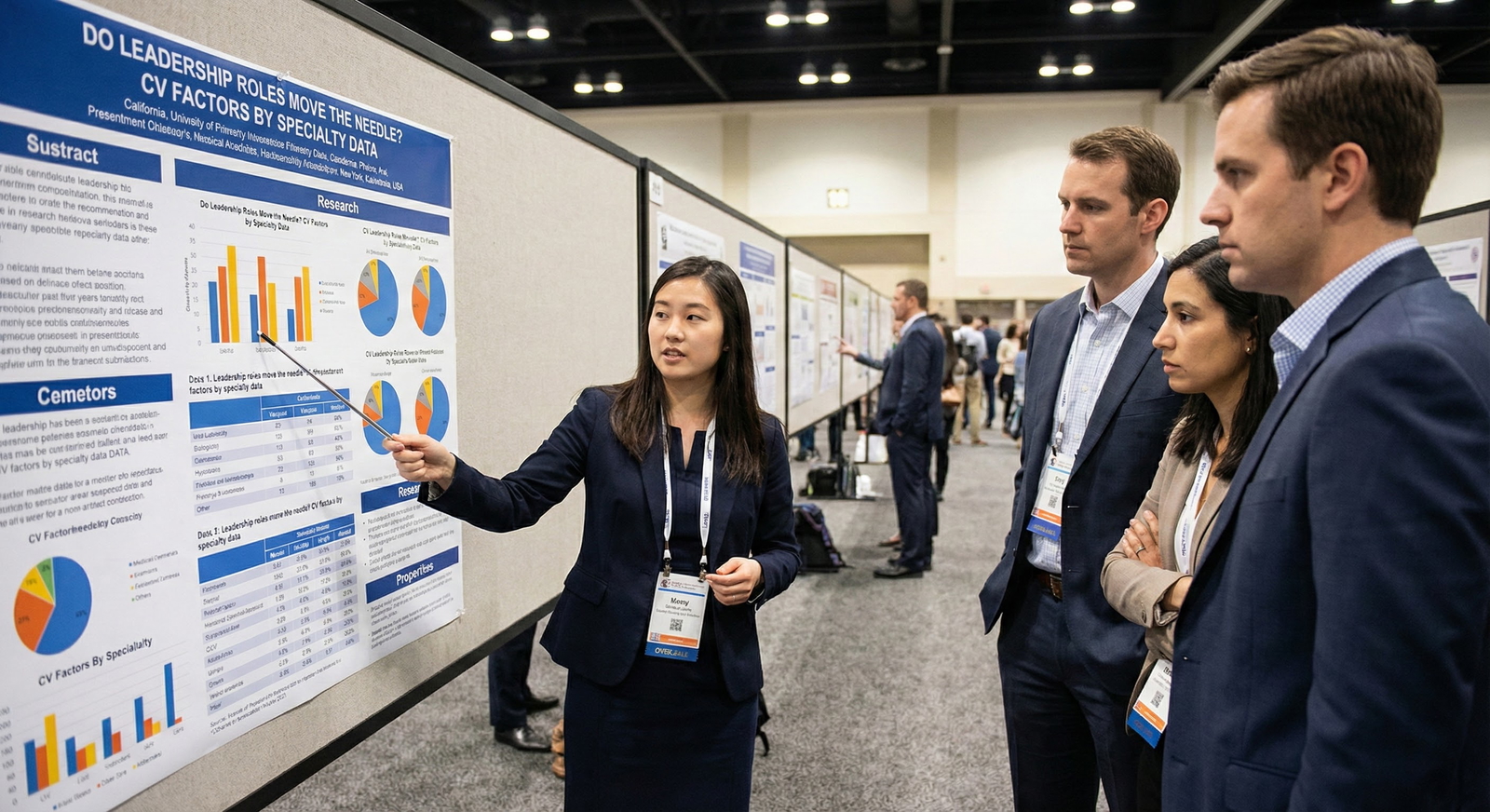
- Abstracts and Posters
- Oral Presentations
- Research Experience (roles and projects not yet published)
Each entry should have:
- Authors (Last Name Initials format; your name bolded)
- Title
- Journal/Conference name
- Year (and volume/issue if published)
- DOI (if available)
Example:
Publications
- Patel R, Smith J, Lee A. Early extubation after minimally invasive mitral valve surgery: a single-center experience. Ann Thorac Surg. 2024;118(3):450‑457. doi:…
For Research Experience, emphasize:
- Design skills (retrospective review, RCT involvement, database analysis)
- Tasks: data collection, chart review, statistical analysis, IRB submissions
- Outcomes: publications, abstracts, podium presentations
Example bullet:
- Performed chart reviews of 300+ coronary bypass patients to evaluate predictors of postoperative atrial fibrillation; prepared dataset for multivariate logistic regression analysis.
Strategic Advice for Non‑US Citizen IMGs
- A dedicated 1–2 year research fellowship in a US cardiothoracic surgery division can dramatically strengthen your chances.
- While in research, continuously update your medical student CV (now evolving into a junior investigator CV) with each abstract, poster, and publication. Do not wait until application season.
- Aim for at least some output (poster, abstract, or paper) directly tied to cardiothoracic surgery residency topics—such as outcomes after valve surgery, innovations in CABG, LVAD, ECMO, lung resection outcomes, or thoracic oncology.
Highlighting Technical Skills, Leadership, and Professionalism
Cardiothoracic surgery is a high-acuity field. Programs want evidence that you handle complex situations responsibly and work well in teams.
Surgical and Technical Skills
As an IMG, be careful not to overstate responsibilities in ways that seem implausible to US reviewers. Focus on:
- Skills appropriate to your level: suturing, central line assistance, chest tube management, arterial line setup, basic thoracostomy, airway management with supervision, basic echocardiography exposure.
- Simulation training: wet labs, cadaver labs, suture workshops, laparoscopy/robotic simulators.
Example entry:
Technical Skills and Simulation
- Performed basic and intermediate suturing techniques on simulation models, including vascular anastomosis practice in a microsurgical lab.
- Participated in a 2‑day cardiothoracic surgery boot camp with hands‑on experience in cannulation techniques, sternotomy on cadaveric models, and chest tube placement.
Avoid listing procedures as if performed independently if this would be inappropriate for a medical student or early graduate in your context; committees can recognize exaggeration.
Leadership, Teaching, and Teamwork
In such a hierarchical specialty, your ability to lead and collaborate matters.
Include:
- Leadership roles: class representative, conference organizer, surgical interest group leader, chief intern, or junior faculty in home country.
- Teaching: tutoring medical students, OSCE preparation sessions, teaching in anatomy or physiology labs, CT surgery interest group case discussions.
Example bullets:
- Organized a multidisciplinary Cardiothoracic Surgery Interest Day for 80+ medical students, coordinating faculty talks, wet lab demonstrations, and ICU tours.
- Led weekly case-based sessions for junior medical students on cardiovascular pathophysiology and surgical indications.
These experiences reassure programs you will contribute positively to their training environment.
Tailoring Your CV to Cardiothoracic Surgery as a Non‑US Citizen IMG
Show a Clear, Longitudinal Commitment to Cardiothoracic
Selection committees are wary of applicants who appear to have chosen CT surgery at the last minute. Demonstrate continuity:
- Preclinical: cardiology or anatomy projects, membership in surgery interest groups
- Clinical: CT ICU rotation, thoracic surgery elective, cardiac anesthesia exposure
- Postgraduate: CT research year, CT observership, CT‑relevant QI project
Create a section (if substantial) such as:
Focused Experience in Cardiothoracic Surgery
Then list:
- CT rotations and observerships
- CT‑related research
- CT conferences attended (STS, EACTS, AATS, regional cardiothoracic meetings)
- Presentations or posters in CT topics
This targeted structure signals that your interest is specific, not generic.
Addressing the VISA and Non‑US Citizen Factor Strategically
While you should not write a “Visa Section,” you can:
- Include citizenship and need for sponsorship clearly but unobtrusively in your header or at the end.
- Build a record that shows stability, long‑term planning, and investment in the US system.
Examples of supportive CV content:
- Long-term US research position (1–3 years)
- Ongoing collaboration with US CT surgeons
- Multiple US letters of recommendation from CT or cardiac surgery faculty
- Participation in US-based QI or education projects
Programs will weigh the additional administrative burden of sponsorship against your demonstrated value and likelihood of long-term contribution.
Common Mistakes Non‑US Citizen IMGs Make on Their CV—and How to Avoid Them
1. Overcrowded or Disorganized Layout
Trying to include every detail from high school onward makes it harder for committees to quickly identify your strengths.
Avoid:
- Very long lists of unrelated volunteer work with no connection to medicine.
- Repetitive bullet points describing similar tasks in multiple rotations.
Solution:
- Prioritize activities tied to cardiothoracic surgery, acute care, research, leadership, and teaching.
- Combine smaller, similar experiences into a single entry when appropriate.
2. Inflated Roles and Responsibilities
Overclaiming can damage your credibility, especially for a foreign national medical graduate whose roles may differ from US norms.
Watch for:
- Claims of independently performing advanced surgeries.
- Calling an observership an “externship” when you had no hands‑on involvement.
Solution:
- Use precise language: “assisted with,” “participated in,” “observed and documented,” “performed under supervision.”
- If in doubt, understate rather than overstate.
3. Poor English or Unprofessional Wording
Spelling and grammar errors can be interpreted (fairly or not) as a proxy for attention to detail.
Solution:
- Have your CV reviewed by at least one native or near-native English speaker, preferably with US medical experience.
- Use clear, concise action verbs: “conducted,” “analyzed,” “organized,” “implemented,” “presented.”
4. Not Adapting Your CV Over Time
Your medical student CV should not look the same when you apply after a 2‑year research fellowship.
Solution:
- Update regularly: every few months add new activities, publications, responsibilities.
- Re‑order sections so your most recent and relevant cardiothoracic content is near the top.

Action Plan: Step‑by‑Step Guide to Improving Your CV Over 12–24 Months
For a non-US citizen IMG targeting cardiothoracic surgery residency, planning ahead is essential. Here is a structured approach.
Months 0–3: Assessment and Foundation
- Draft your current CV in a clean, standardized format.
- Identify major gaps:
- No US clinical experience?
- Limited CT‑related activities?
- No publications?
- Start emailing CT surgeons or academic departments for:
- Research fellowships
- Observerships
- Opportunities to assist with case reports or reviews
Months 3–12: Build Depth and Relevance
- Engage fully in any CT research or clinical exposure you obtain.
- Aim to:
- Co-author at least one abstract/poster within 6–9 months
- Submit at least one manuscript within 12–18 months
- Attend at least one major or regional CT meeting (virtual if needed); add to CV under Conferences and Courses.
- Seek leadership/teaching roles within your setting:
- Lead journal club for your research group
- Mentor junior IMGs in research methods
Document every new role and output on your evolving CV.
Months 12–24: Consolidate and Polish
- Prioritize turning ongoing projects into final outputs: accepted abstracts, posters, and papers.
- Seek formal titles when appropriate: “Research Fellow,” “Clinical Observer,” etc.
- Request strong letters of recommendation from US CT surgeons or cardiologists who know your work well.
- Refine your CV to emphasize:
- CT‑related experience and achievements
- Research productivity and trajectory
- Stability and professionalism
By the time you apply, your CV should tell a coherent story: a non-US citizen IMG who deliberately pursued heart surgery training, invested in CT research, functioned within the US system, and consistently built skills aligned with the demands of cardiothoracic surgery residency.
Frequently Asked Questions (FAQ)
1. How many pages should my CV be as a non‑US citizen IMG applying to cardiothoracic surgery?
For a competitive specialty like cardiothoracic surgery, 2–4 pages is acceptable, especially if you have substantial research, prior training, or significant leadership roles. Focus on relevance and clarity rather than squeezing everything into one page. A concise, well-organized 3‑page CV is often ideal for a foreign national medical graduate with research and US experience.
2. Is it mandatory to have cardiothoracic surgery research on my CV?
Not mandatory, but highly advantageous. Many successful IMGs have at least some exposure to CT‑related research. If you lack CT-specific projects, try to build experience in cardiology, pulmonary/critical care, vascular, or thoracic oncology, and actively seek opportunities to join CT projects or case reports. The closer your research is to the specialty, the more persuasive your CV becomes.
3. How important is US clinical experience compared to research for non‑US citizen IMGs?
Both matter. For cardiothoracic surgery, research can be a powerful differentiator, but meaningful US clinical experience (USCE) demonstrates that you can function in the US system. Ideally, your CV will show a combination: a research fellowship or significant research output plus at least some US-based clinical exposure (ICU, cardiac surgery service, or relevant subspecialty rotations).
4. Should I include non-medical work or volunteer activities on my residency CV?
Include non-medical experiences if they demonstrate qualities valuable to cardiothoracic surgery: leadership, discipline, resilience, teamwork, or community commitment. For example, long-term volunteering in emergency services, organizing large events, or leading community health initiatives can be relevant. However, avoid overcrowding your CV with short-term, loosely related activities; prioritize depth and impact over sheer number.
By intentionally building and refining your CV over time—emphasizing cardiothoracic exposure, research, US system familiarity, and professional growth—you can significantly improve your competitiveness as a non-US citizen IMG pursuing cardiothoracic surgery residency in the United States.