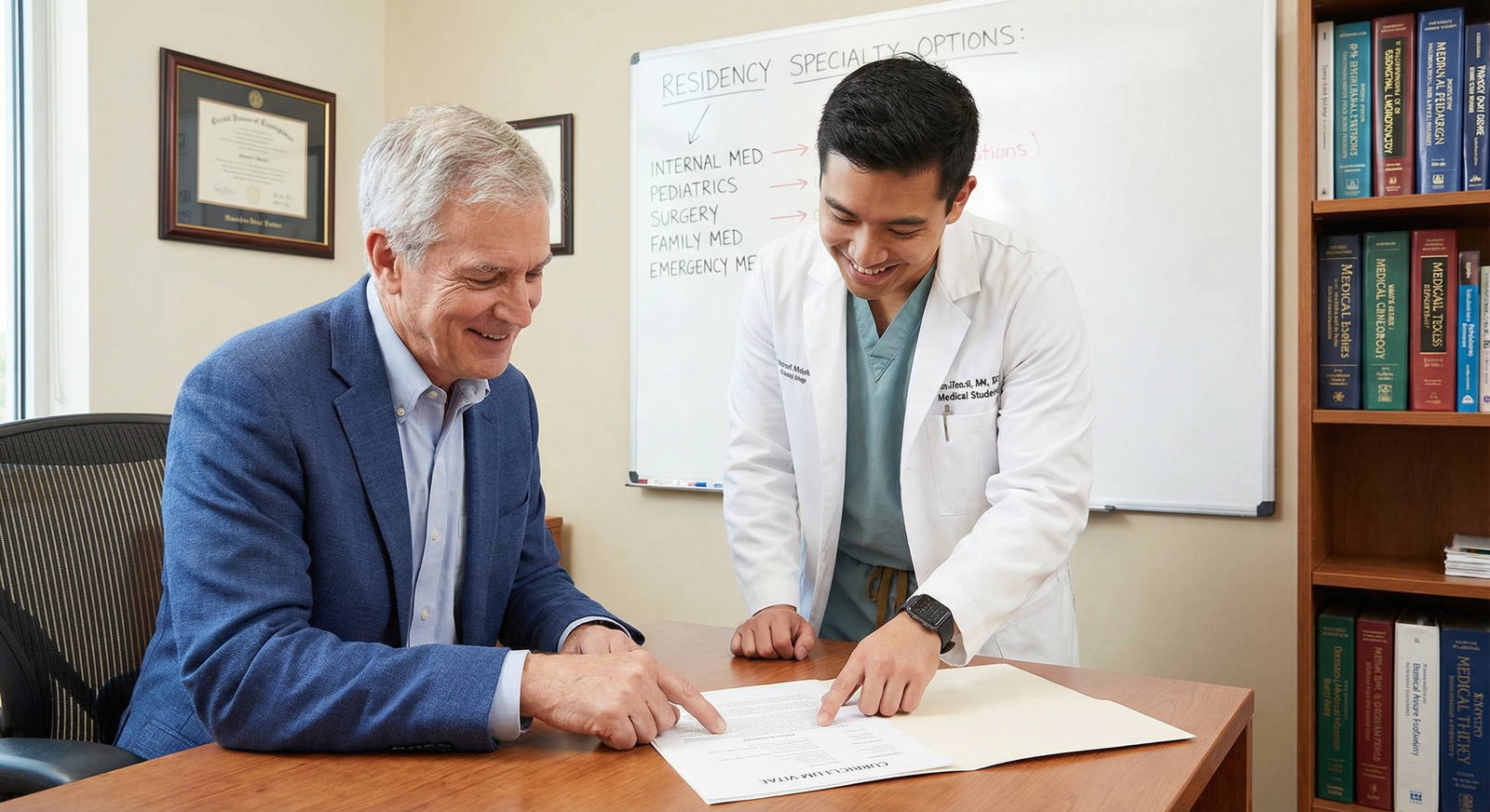
Why Your CV Matters So Much as a Caribbean IMG in Psychiatry
As a Caribbean IMG targeting psychiatry, your CV is not just a formality—it’s one of your most powerful tools to bridge any perceived gaps between you and U.S. MD/DO applicants. Program directors will quickly scan your file to answer three questions:
- Is this applicant capable of handling the rigors of residency?
- Do they truly understand and care about psychiatry?
- Can I trust them to represent my program well?
Your medical student CV (or early residency CV) is where you clearly answer all three with evidence, not just intentions. This is especially important if you are coming from a Caribbean medical school where program directors may be less familiar with your curriculum.
In this guide, we’ll walk through how to build a high‑impact CV specifically tailored for a Caribbean IMG aiming for psychiatry residency—including applicants from schools like SGU, AUC, Ross, Saba, and others.
We’ll cover:
- The ideal CV structure for psychiatry-bound IMGs
- How to showcase clinical rotations and psychiatry exposure
- Smart strategies to compensate for weaker areas (e.g., test scores, gaps)
- Psychiatry‑specific experiences that make a psych match more realistic
- Practical examples and wording you can adapt immediately
Core Structure of a Strong Psychiatry Residency CV
Residency programs expect a familiar, readable structure. You don’t need to be fancy—you need to be clear, consistent, and relevant. A strong CV format for a psychiatry applicant typically includes:
- Contact Information & Professional Summary (Optional)
- Education
- Examinations & Licensure
- Clinical Experience & Rotations
- Psychiatry‑Specific Experiences
- Research & Scholarly Activity
- Work Experience (Non‑Clinical)
- Leadership, Volunteer Work, and Advocacy
- Honors & Awards
- Professional Memberships
- Skills & Additional Information
Below is how to build and tailor each section for maximum impact as a Caribbean IMG.
Education, Exams, and Using SGU/Caribbean Background Strategically
Education: Presenting a Caribbean Medical School to U.S. Programs
For Caribbean medical school residency candidates, clarity matters. Most program directors will have seen grads from SGU, Ross, AUC, and Saba, but they may not know your campus or curriculum details. Your Education section should:
- Be chronological (most recent first)
- Use official school names
- Highlight notable academic distinctions rather than generic descriptions
Example (strong format):
Doctor of Medicine (M.D.)
St. George’s University School of Medicine, Grenada
Expected Graduation: June 2026- Basic Sciences completed in Grenada
- Clinical rotations in U.S. teaching hospitals (NY, NJ)
- Dean’s List: Spring 2024, Fall 2024
Bachelor of Science in Psychology
University of Toronto, Toronto, ON, Canada
Graduated: May 2020- Honors Thesis in cognitive behavioral therapy for adolescents
If you are from SGU, programs may already recognize the strong SGU residency match history. You do not need to oversell it, but you can briefly highlight structured clinical training, especially if you had core psychiatry or sub‑internships at reputable U.S. sites.
Exams & Licensure: Be Transparent, But Strategic
This is where Caribbean IMGs often worry most. Your medical student CV should be honest yet structured to emphasize strengths.
Include:
- USMLE Step 1 (Pass/Fail and date)
- USMLE Step 2 CK score and date
- OET/TOEFL (if applicable)
- ECFMG certification status (if applicable)
Example:
Examinations & Certification
- USMLE Step 1 – Pass (April 2024)
- USMLE Step 2 CK – 239 (October 2024)
- ECFMG Certification – In progress, anticipated by July 2025
If your Step score is not competitive, focus your residency CV tips on strengthening other areas—particularly psychiatry‑specific exposure and continuity in experiences.
Actionable advice:
- Do not hide exam outcomes. Omission raises suspicion.
- If you had a significant upward trend (e.g., Step 1 borderline, Step 2 much stronger), framing it in your personal statement and letters is better than “explaining” it directly on the CV.
- If you failed an exam, you still list the passing attempt; failure is explained elsewhere, not in CV bullet points.

Highlighting Clinical and Psychiatry Rotations as a Caribbean IMG
Clinical experience is the core currency of your residency CV. For psychiatry, program directors want to see three things:
- Solid core clinical training (IM, FM, Surgery, etc.)
- Meaningful exposure to psychiatry across settings
- Evidence that you function well within U.S. healthcare systems
Structuring Clinical Rotations
Use a consistent format for all rotations:
- Rotation type (Core/Sub‑I/Elective)
- Specialty and focus
- Institution and city/state
- Dates
- 2–4 bullet points emphasizing responsibilities and skills
Example:
Clinical Rotations
Core Psychiatry – 6 weeks
Brooklyn Hospital Center, Brooklyn, NY
Jan 2025 – Feb 2025- Managed 6–8 inpatients daily under supervision, assisting in diagnostic formulation and treatment planning
- Conducted structured psychiatric interviews and mental status examinations
- Participated in daily multidisciplinary rounds with psychiatry, social work, and nursing teams
- Completed focused presentations on psychopharmacology and mood disorders
Elective – Outpatient Psychiatry (Community Mental Health)
Newark Community Behavioral Health Center, Newark, NJ
Aug 2025 – Sept 2025- Observed and participated in patient follow‑up visits under attending supervision
- Assisted with psychoeducation and safety planning for patients with mood and anxiety disorders
- Gained exposure to community resources, housing support, and substance use programs
How to Emphasize Psychiatry Interest Without Overdoing It
Balance matters. A psychiatry CV should clearly demonstrate interest in psych but also show you are a well‑rounded physician. You can:
- Have at least 2–3 psychiatry rotations (core + 1–2 electives if possible)
- Include related rotations (e.g., Neurology, Addiction Medicine, Geriatrics)
- Add psychiatry‑oriented bullet points even under Internal Medicine or Family Medicine (e.g., managing depression, delirium, substance use)
Example of integrating psych into other rotations:
- Internal Medicine – 12 weeks
University Hospital, Miami, FL- Managed comorbid psychiatric conditions such as depression and anxiety in medically complex patients
- Collaborated with consult-liaison psychiatry to optimize care for patients with delirium and alcohol withdrawal
U.S. Clinical Experience vs. Home/Caribbean Experience
For Caribbean medical school residency applicants, U.S. experience is a major trust signal.
- Prioritize U.S. clinical rotations near the top of the section
- Clearly label non‑U.S. experiences by country
- If you have only limited U.S. experience, highlight communication skills, adaptability, and multidisciplinary work in your bullet points
Building Psychiatry-Specific Depth: Experiences That Move the Needle
This is where you turn a generic medical student CV into a focused psychiatry residency CV. Program directors want to see evidence that psychiatry is more than a backup choice.
Psychiatry‑Focused Activities to Include
Create a dedicated section or a clearly labeled subsection:
Psychiatry‑Related Experiences
Student Volunteer – Crisis Hotline Counselor
National Suicide Prevention Partner Line (Remote)
Nov 2023 – Present- Completed 40+ hours of crisis intervention training focusing on active listening and safety assessment
- Provided emotional support and risk assessments to callers under licensed supervisor oversight
- Collaborated with emergency services in high‑risk situations following established protocols
Psychiatry Interest Group – Co‑President
St. George’s University School of Medicine
Sep 2022 – May 2024- Organized monthly case discussions with psychiatry attendings and residents
- Coordinated a wellness initiative to reduce stigma around mental health among medical students
- Led panel on “Pathways to Psychiatry for Caribbean IMGs,” featuring SGU residency match alumni
These activities directly communicate your dedication to psychiatry and your understanding of real‑world mental health care.
Non‑Traditional but Valuable Psychiatry Experiences
Psychiatry values human stories, communication, cultural competence, and empathy. This means that some experiences, even outside the hospital, can be highly relevant:
- Work with homeless shelters or refugee communities
- Volunteer with autism centers or developmental disability programs
- Involvement with substance use recovery groups
- Work as a teacher, counselor, or social worker before medical school
When describing these, connect them to psychiatry skills:
- Active listening
- Motivational interviewing
- Crisis de‑escalation
- Cultural sensitivity
Example:
- Volunteer – Residential Recovery Program for Women
New Dawn Recovery Home, Atlanta, GA
June 2022 – Aug 2022- Facilitated weekly psychoeducation groups on coping skills and relapse prevention
- Supported case managers in coordinating mental health and social services
- Developed sensitivity to trauma-informed care and complex psychosocial dynamics
These details strengthen your psych match story significantly.

Research, Scholarly Work, and Making Limited Experience Count
You do not need high‑impact publications to match psychiatry, but some level of scholarly activity helps—especially as a Caribbean IMG.
Types of Scholarship That Count
Include:
- Original research (clinical, translational, basic science)
- Case reports, case series
- Quality improvement projects
- Posters, oral presentations, grand rounds
- Book chapters, articles, blog posts in reputable outlets
Organize them under:
- Publications
- Presentations
- Research Experience
Use standard citation formats. For example:
Publications
- Singh R, Martinez L, [Your Name]. “Barriers to Mental Health Care in Underserved Caribbean Populations.” Journal of Community Psychiatry. 2024; 18(3): 145–152.
Presentations
- [Your Name], Chen A. “Depression and Somatic Symptoms in Caribbean Immigrants.” Poster presented at: American Psychiatric Association Annual Meeting; May 2024; New York, NY.
Research Experience
- Research Assistant – Community Mental Health Outcomes Study
SGU Department of Psychiatry, Grenada
Jan 2023 – Dec 2023- Collected and managed survey data for a study examining stigma and access to mental health care in Caribbean communities
- Performed basic statistical analysis using SPSS and contributed to abstract preparation
- Co-authored a poster accepted to a regional psychiatric conference
If you lack formal research, consider:
- Small quality improvement projects in your psychiatry rotation (e.g., improving follow‑up adherence)
- Case reports written with an attending (unusual presentation, ethical dilemma, cultural factors in diagnosis)
- Submitting posters to local or virtual conferences; even small meetings count
Framing Non‑Psych Research for a Psych Audience
Even if your research was in cardiology or surgery, extract psychiatry‑relevant elements:
- Work with adherence, quality of life, or psychosocial variables
- Involvement in patient communication, education, or behavior change
- Data analysis skills and academic rigor
This can still demonstrate your ability to think critically about patient care—useful in any psych match.
Non-Clinical Experience, Leadership, and Personal Strengths
Psychiatry programs care deeply about who you are as a person, not just scores and rotations.
Work Experience (Non‑Clinical)
Include paid work if it shows responsibility, communication, or resilience:
- Teaching assistant
- Tutor in psychology, neuroscience, or OSCE skills
- Customer service roles (if you can link to communication skills)
- Tech or data roles (shows analytical skill, useful for research-heavy programs)
Example:
- OSCE Teaching Assistant
St. George’s University School of Medicine
Sep 2022 – May 2023- Facilitated small group sessions on patient interviewing and physical exam skills
- Provided structured feedback on communication and empathy using standardized OSCE rubrics
Leadership & Advocacy
Psychiatry values advocacy, equity, and ethics. Good entries include:
- Student government roles
- Wellness committees
- Diversity, equity, and inclusion initiatives
- Mental health advocacy events or campaigns
Example:
- Coordinator – Mental Health Awareness Week
SGU Student Government Association
Oct 2023- Organized campus-wide events focusing on burnout, depression, and help-seeking behaviors among medical students
- Collaborated with counseling services to increase utilization of mental health resources by 25% over 3 months
Skills & Additional Information
This section should be short, but purposeful:
- Languages (bilingual or multilingual is a strong asset in psychiatry)
- Technical/Software skills (SPSS, R, REDCap, EPIC familiarity)
- Certifications (BLS, ACLS, Mental Health First Aid)
- Interests/Hobbies (especially those that hint at empathy, creativity, or resilience)
Be honest and avoid overloading this section. Two or three lines are enough.
Residency CV Tips Specifically for Caribbean IMGs in Psychiatry
Bringing it all together, here’s how to build CV for residency in psychiatry if you are a Caribbean IMG:
1. Tailor for Psychiatry Without Ignoring Breadth
- Ensure every major section has at least some psychiatry‑relevant content
- But still show you are competent across medicine (IM, FM, Neuro, etc.)
- Avoid making your CV look like you’re ignoring all other specialties completely
2. Convert Every Experience Into a Psych Skill
When you write bullet points, connect back to:
- Communication and interviewing
- Cultural competence and working in diverse settings
- Teamwork with social workers, psychologists, and nurses
- Handling emotionally charged situations
Weak bullet:
- Volunteered in a community clinic for 6 months.
Strong bullet:
- Provided culturally sensitive health education to underserved patients at a community clinic, frequently addressing stigma and misconceptions about depression and anxiety.
3. Be Extra Clear About Geography and Systems
As a Caribbean IMG, your path is more complex. Help program directors quickly understand:
- Where you trained (Caribbean campus vs. clinical sites in the U.S., UK, or elsewhere)
- Timeframes (no unexplained gaps between basic sciences and clinical rotations)
- Progression (e.g., basic sciences → USMLEs → clinicals → electives)
If you took research time, family leave, or had delays, that story should appear in your personal statement or interviews—not as a strange unexplained gap on the CV.
4. Use the CV to Support Your Narrative, Not Replace It
Your CV and personal statement should align:
- If your statement says you care about community psychiatry, your CV should show community mental health exposure, volunteer work, or relevant research.
- If you emphasize interest in child & adolescent psychiatry, include pediatric experiences, tutoring, or youth mentoring.
Consistency builds trust and makes you more memorable to selection committees.
5. Polish, Proofread, and Format Professionally
For Caribbean IMGs, credibility is crucial. Errors can be interpreted as carelessness or poor communication:
- One consistent font and size
- Clear section headings and enough white space
- Align dates and locations
- No typos, grammar mistakes, or inconsistent capitalization
Ask at least two people (ideally a faculty mentor and a peer) to review your CV. If your school has an office that tracks outcomes like the SGU residency match, advisors there often know what worked for previous psychiatry applicants—use that knowledge.
FAQs: CV Building for Caribbean IMG in Psychiatry
1. How long should my psychiatry residency CV be as a Caribbean IMG?
For most Caribbean IMGs, a 2–4 page CV is reasonable:
- 2 pages if you have limited research and experiences
- Up to 3–4 pages if you have multiple publications, leadership roles, or years of prior work experience
Avoid unnecessary detail; every line should add value to your psych match profile.
2. How important is research for psychiatry residency if I trained at a Caribbean medical school?
Research is helpful but not mandatory for psychiatry. Many successful Caribbean IMGs match with:
- 1–2 posters or a case report
- A modest QI project
- Or even mainly clinical and advocacy experiences
If applying to research-heavy academic programs, more scholarship helps. If aiming for community programs, strong clinical performance and genuine psychiatry engagement can be enough.
3. Should I list all my experiences, even if they aren’t related to psychiatry?
List experiences that show responsibility, maturity, and transferable skills. It’s fine to omit older, irrelevant items (e.g., a short high school job), especially if space is limited. However, significant long-term employment, leadership, or service roles should be included, even if non‑medical—just frame them with skills relevant to psychiatry and residency.
4. How can I make my CV stand out as a Caribbean IMG compared to U.S. grads?
Focus on what truly differentiates you:
- Unique cross‑cultural perspective (Caribbean + U.S. + possibly other regions)
- Demonstrated resilience and adaptability (successful transition from basic sciences to U.S. clinical rotations)
- Sustained mental health involvement: crisis hotlines, advocacy, community psychiatry, or relevant research
- Strong letters and experiences that show you already function like an intern in psych settings
Your goal is not to “hide” that you’re a Caribbean IMG—it’s to present a clear, competent, and psychiatry‑focused CV that convinces programs you’ll be a valuable resident and colleague.