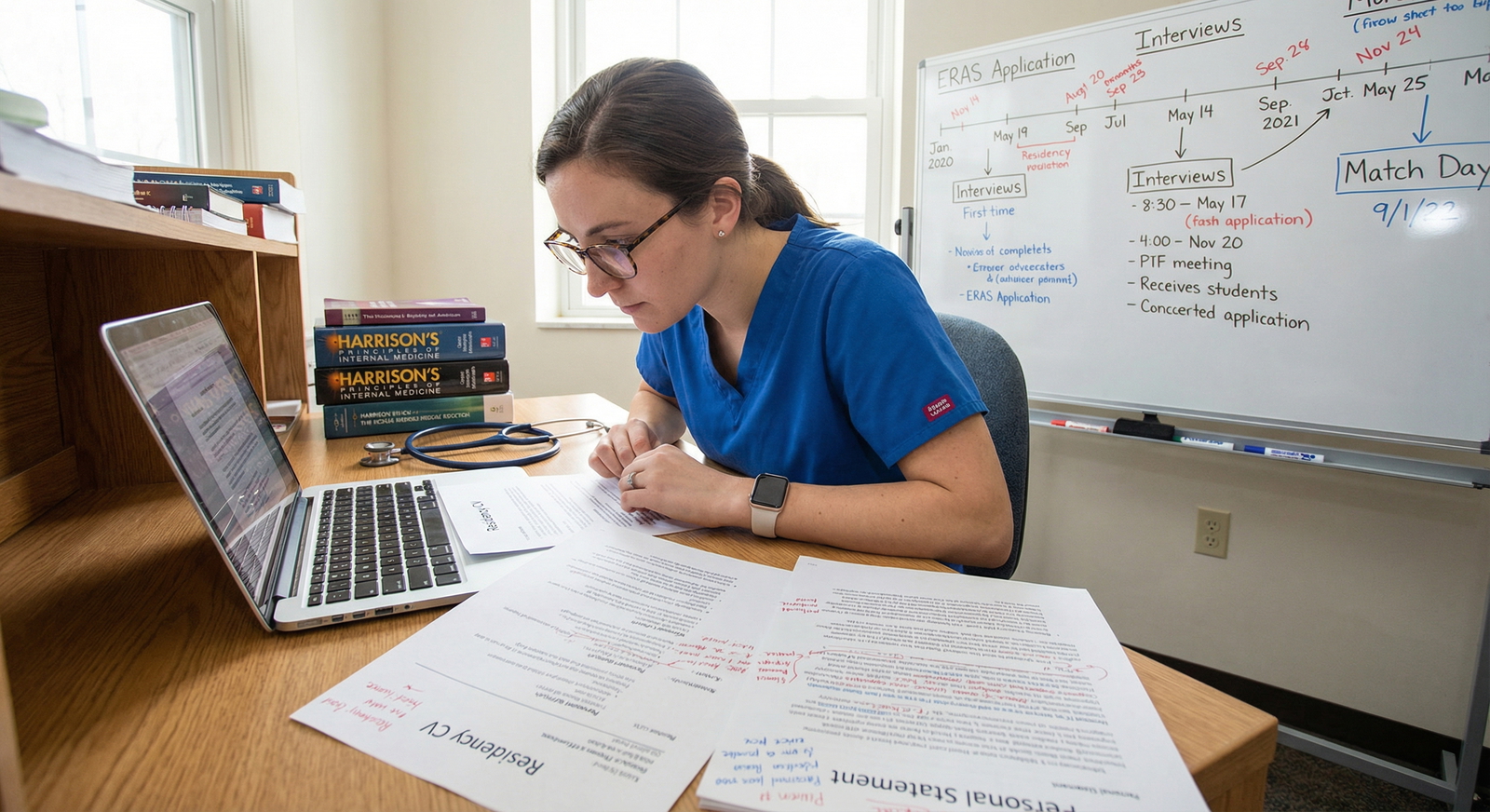
Understanding the CV’s Role in the Surgery Residency Match
For a DO graduate aiming for general surgery, your CV is more than a list of achievements—it’s a strategic document that tells program directors, “I understand surgery, I understand osteopathic training, and I’m ready for the rigors of residency.”
In the osteopathic residency match (now largely integrated into a single NRMP match system), your CV will be read by:
- Program directors and associate PDs
- General surgery faculty reviewing applications
- Coordinators screening for red flags and basic eligibility
They will use your CV to quickly assess:
- Do you have evidence of commitment to general surgery?
- Have you handled progressively increasing responsibility and teamwork?
- Do you show reliability, resilience, and follow-through?
- How do you compare to MD applicants on research, scores, and experiences?
For a DO graduate, your CV also subtly answers another question: “Can this applicant function and thrive in an ACGME-accredited academic or community general surgery environment?”
To do that effectively, you must tailor your CV specifically for the surgery residency match—not just a generic medical student CV. The content and structure need to highlight:
- Surgical experiences and exposures
- Technical skills and procedural comfort
- Research and scholarly activity, especially surgery-related
- Leadership, teamwork, and resilience under pressure
- Osteopathic training strengths (holistic view of patients, hands-on skills)
The rest of this article walks you step-by-step through how to build a CV for residency as a DO graduate targeting general surgery: what to include, what to emphasize, and how to present it so it stands out.
Core Structure: What Your Surgery Residency CV Must Include
Before you refine the details, you need the right framework. A general surgery residency CV for a DO graduate should typically follow this structure:
- Contact Information & Professional Summary (Optional but Useful)
- Education
- Board Exams & Certifications
- Clinical Experience (Core & Elective Rotations)
- General Surgery–Focused Experiences (Sub-internships, Away Rotations)
- Research & Scholarly Activity
- Presentations, Posters & Publications
- Leadership, Service & Extracurricular Activities
- Awards & Honors
- Technical & Procedural Skills
- Professional Memberships
- Interests (Optional but strategic)
1. Contact Information & Optional Professional Summary
At the top of your CV:
- Full name (as in ERAS)
- Preferred email (professional-only)
- Phone number
- City/State (no full address needed)
Professional summary:
Not required, but for a DO graduate in general surgery, a 2–3 line summary can help frame your narrative, especially if you’re coming from a non-traditional background or have strong surgical research.
Example:
Clinically focused DO graduate with strong interest in acute care and minimally invasive general surgery. Completed multiple sub-internships at high-volume community and academic centers, with strong evaluations in operative performance and team-based care. Dedicated to surgical education, quality improvement, and compassionate, whole-person care.
Keep it specific to surgery and your DO background, not a generic “hard-working team player.”
2. Education: Highlighting Your Osteopathic Training
List in reverse chronological order:
Doctor of Osteopathic Medicine (DO)
- School of Osteopathic Medicine, City, State
- Graduation month/year
- Class rank or quartile (if favorable and available)
- Honors (e.g., Sigma Sigma Phi, Dean’s List)
Undergraduate education
- Degree, major, institution, year
- Honors (summa cum laude, etc.)
You don’t need high school information.
For DO graduates, you can optionally include a one-line descriptor of your curriculum or clinical environment if relevant to surgery:
Completed 8-month core surgical rotation sequence at a high-volume community hospital with level II trauma center authorization.
This signals you’ve had meaningful surgical exposure.
3. Board Exams & Certifications: Strategic Transparency
For the surgery residency match, exam scores matter—but how you present them also matters.
Include:
- COMLEX Level 1, Level 2-CE, (Level 2-PE if historically applicable)
- USMLE Step 1, Step 2 CK (if taken)
Format:
- COMLEX Level 1 – Pass; Three-digit: XXX (Month Year)
- COMLEX Level 2-CE – Pass; Three-digit: XXX (Month Year)
- USMLE Step 1 – Pass (Month Year)
- USMLE Step 2 CK – XXX (Month Year)
If your scores are weaker, you do not need to highlight them beyond what ERAS includes, but omitting them entirely from the CV while they appear elsewhere can look inconsistent. Instead, maintain alignment with your ERAS application.
Include relevant certifications:
- BLS, ACLS, ATLS (particularly valuable for surgery), PALS if applicable
- Any ultrasound, surgical skill course, or simulation certifications
Actionable tip for DO graduates:
If you have both COMLEX and USMLE, put USMLE first if those scores are stronger, as many general surgery programs remain more familiar with USMLE benchmarks. If not, list COMLEX first confidently.
Showcasing Clinical & Surgical Experience
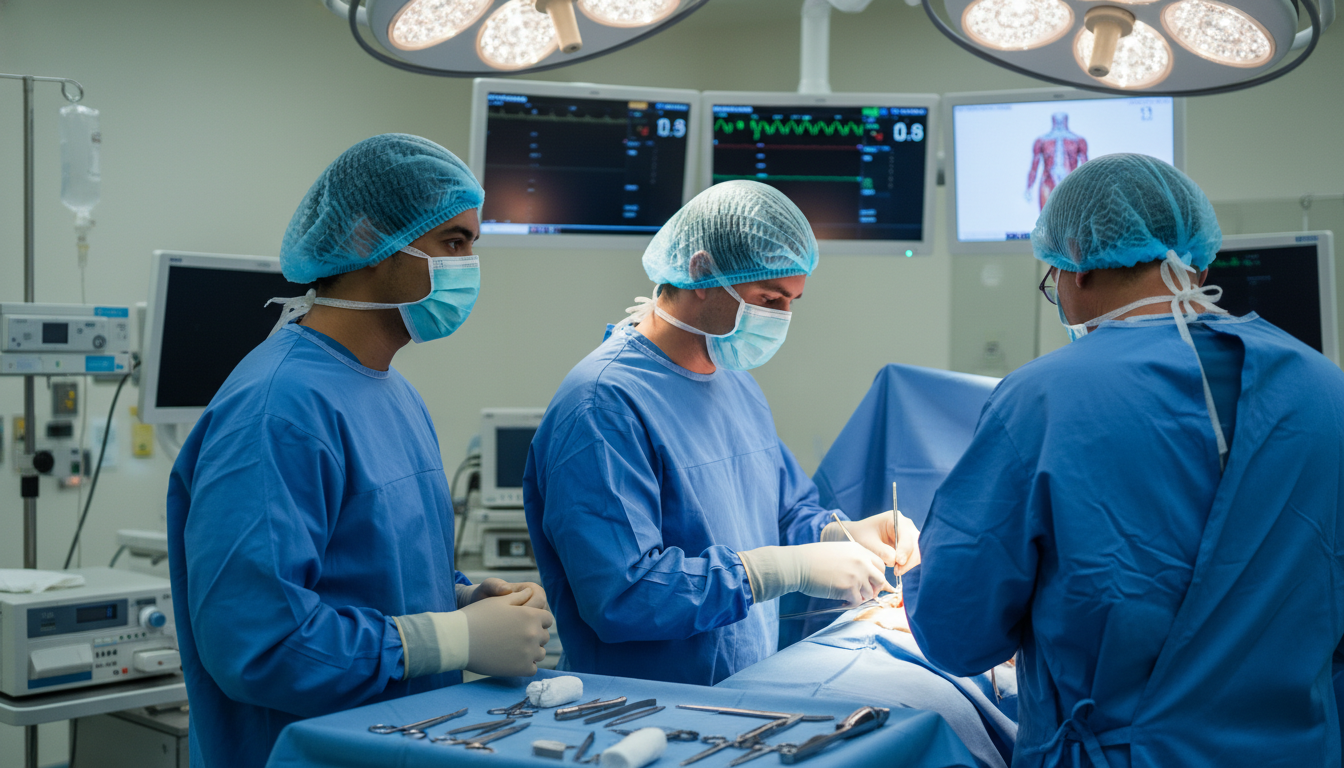
For a DO graduate in general surgery, the clinical section is where you distinguish yourself from applicants in more cognitive specialties. Program directors want to see depth of surgical exposure and evidence of thriving in high-acuity, fast-paced environments.
4. Clinical Experience: Core & Elective Rotations
Break this into clear subsections:
Core Clinical Rotations
List:
- Rotation title (e.g., General Surgery, Internal Medicine)
- Institution & location
- Dates (month/year – month/year)
- Brief 1–2 line description focused on responsibility and environment, not just duties.
Example (for a core surgery rotation):
General Surgery – City Community Hospital, Level II Trauma Center, City, State
06/2023 – 08/2023
Participated in daily rounds, operative cases, and emergency consults on a 25+ bed surgical service. Assisted in appendectomies, cholecystectomies, and hernia repairs; performed bedside wound care and simple procedures under supervision.
Show that you understand surgical workflow: rounding, OR time, consults, and post-op care.
Sub-internships (Sub-Is) & Away Rotations in General Surgery
This is critical for a general surgery residency–targeted CV. Many programs heavily weight sub-internships as “auditions.”
Create a dedicated subsection:
General Surgery Sub-internships & Away Rotations
For each:
- Title: General Surgery Sub-intern, Trauma Surgery Sub-intern, etc.
- Institution name, type (academic, community, safety-net, VA, etc.)
- Dates
- Short description emphasizing responsibility & autonomy
Example:
General Surgery Sub-intern – University Medical Center, Academic Tertiary Hospital, City, State
09/2024 – 10/2024
Functioned at the level of an intern on a busy general surgery service; independently pre-rounded, wrote notes, and presented on rounds. Participated in 3–6 operative cases per week, assisting in laparoscopic cholecystectomies, inguinal and ventral hernia repairs, and emergency exploratory laparotomies. Managed pre- and post-op orders under senior resident supervision; received strong evaluations for reliability and OR preparation.
If you have completed an osteopathic residency match–associated program or former AOA general surgery site as an away, mention that context—your DO background may be particularly valued there.
Action point:
For every surgery-focused rotation, highlight:
- Caseload or case types
- Progressive responsibilities
- Any standout feedback (without copying full comments; summarize objectively)
5. Technical & Procedural Skills: What You Can Actually Do
Unlike many specialties, general surgery cares about hands-on technical development even at the applicant level. Include a concise section:
Technical & Procedural Skills (Student Level, Under Supervision)
Group by domains:
General Surgery & Emergency Procedures:
- 1st assist in basic laparoscopic procedures (cholecystectomy, appendectomy)
- Bedside incision & drainage, wound debridement
- Simple laceration repair & basic suturing
- Basic knot tying (two-handed, one-handed, and instrument)
Perioperative & Ward Skills:
- Removal of surgical drains & staples
- Foley & NG tube placement
- Wound vac dressing changes
Ultrasound (if applicable):
- FAST exam exposure
- Limited abdominal scanning
Be honest. Do not exaggerate skill levels; specify that you performed these under supervision. Program directors expect a resident, not a finished surgeon.
Research & Scholarly Work: Boosting Your Surgical Credibility

General surgery is a data-driven field. While not all programs demand high-level research, evidence of scholarly activity strengthens your application, especially as a DO graduate where some programs may still assume less research exposure.
6. Research Experience: Organizing for Maximum Impact
Create a dedicated section:
Research Experience
For each project:
- Project title or brief descriptive title
- Institution and department (e.g., Department of Surgery)
- Role (student researcher, sub-investigator, etc.)
- Dates
- Mentor (optional but valuable; recognizable names help)
- Brief bullet points (2–4 max) highlighting your contribution and outcomes
Example:
Outcomes in Laparoscopic vs Open Ventral Hernia Repair – Department of General Surgery, City University Hospital
Student Researcher | 01/2023 – 08/2023
- Conducted chart review of 250+ patients undergoing ventral hernia repair to compare post-operative complications and length of stay.
- Used REDCap for data entry and SPSS for basic statistical analysis.
- Co-authored abstract accepted for poster presentation at Regional American College of Surgeons meeting.
Where possible, emphasize:
- Surgical relevance (hernias, bowel obstruction, appendicitis, trauma, oncologic surgery, etc.)
- Quality improvement (QI) projects in perioperative care
- Outcomes, guidelines, or practice changes
If your research is not surgery-related (e.g., internal medicine, pediatrics), still include it; show that you can complete long-term academic work, analyze data, and present findings.
7. Presentations, Posters, and Publications
This is distinct from “research experience.” Program directors want to see products of your work.
Use subsections if needed:
- Peer-Reviewed Publications
- Abstracts & Posters
- Oral Presentations
Use standard citation format, consistent throughout. For example:
Smith J, YourLastName A, et al. Post-operative complications in laparoscopic vs open ventral hernia repair at a community hospital. Journal of Surgical Outcomes. 2024; 15(3): 210–218.
For posters:
YourLastName A, Jones B. Reducing surgical site infections via standardized pre-op checklist: A quality improvement initiative. Poster presented at: American College of Surgeons Clinical Congress; October 2024; San Francisco, CA.
If your name is not first, you may bold your name to signal your role.
Actionable DO-specific advice:
Some DO students have fewer traditional publications but meaningful QI or case presentations. Don’t hide these. QI in a small community hospital can be just as impressive if framed well and completed thoroughly.
Leadership, Service & Distinctive DO Strengths
General surgery is a team sport. Program directors want residents who take initiative, stay calm under pressure, and communicate effectively. Your medical student CV should make these traits visible.
8. Leadership & Organizational Involvement
Create a section:
Leadership & Extracurricular Involvement
Include roles such as:
- Surgery Interest Group president/vice-president
- Student government or class officer
- Sigma Sigma Phi leadership
- Simulation lab teaching assistant
- Peer tutor or anatomy lab leader
For each, list:
- Role title and organization
- Institution, dates
- 1–3 bullets quantifying your contributions
Example:
President – Surgery Interest Group, DO Medical School
08/2022 – 05/2024
- Organized 6 hands-on suture workshops and laparoscopic skills sessions per year in collaboration with local general surgeons.
- Coordinated a mentorship program pairing 40+ pre-clinical students with surgical residents for shadowing and career advising.
- Led a panel on DO pathways to general surgery, improving specialty awareness among first- and second-year students.
Highlight leadership that specifically supports your commitment to surgery.
9. Service & Volunteer Experience
General surgeons often serve diverse and underserved populations. Show evidence of:
- Community service (free clinics, health fairs)
- Surgical mission trips (if applicable; describe ethically, focusing on learning, not heroism)
- Patient advocacy or public health initiatives
Frame experiences with impact:
Volunteer – Student-Run Free Clinic, City, State
09/2021 – 06/2024
- Provided pre-op and post-op counseling under supervision for patients awaiting general and orthopedic surgeries, focusing on pain management and wound care education.
- Developed patient handout on post-operative abdominal surgery care, later adopted by clinic staff.
For a DO graduate, also consider including work that demonstrates osteopathic principles: holistic care, musculoskeletal understanding, and patient-centered communication.
Tailoring Your CV as a DO Graduate in General Surgery
Being a DO graduate is an asset—but only if you frame it confidently and strategically.
10. Emphasize DO-Specific Strengths
You can subtly reinforce benefits of DO training throughout your CV:
- In clinical descriptions, reference osteopathic manipulative treatment (OMT) where relevant (e.g., pain management, post-op recovery support, respiratory mechanics).
- Highlight holistic and musculoskeletal perspectives in patient care experiences.
- Mention osteopathic honor societies (Sigma Sigma Phi) and OMT teaching assistant roles under leadership/teaching.
11. Addressing the Osteopathic Residency Match Context
With the single accreditation system, there is no longer a separate osteopathic residency match, but some programs historically affiliated with osteopathic training still particularly welcome DOs. On your CV, this might look like:
- Listing any AOA/ACGME dual-accredited sites where you rotated
- Indicating participation in AACOM, ACOI, or ACOS events (e.g., American College of Osteopathic Surgeons)
- Demonstrating familiarity with both osteopathic and allopathic networks
You don’t need a dedicated “DO section,” but integrated signals that you are comfortable in both osteopathic and allopathic environments help reassure program directors.
12. Formatting and Style: Residency CV Tips That Matter
How you present your information influences how seriously it’s taken.
Key residency CV tips:
- Length: 2–4 pages is typical for a graduating DO student with rotations, research, and activities. Don’t artificially compress; prioritize clarity.
- Font & layout: Simple, professional (e.g., 11–12 pt Calibri, Arial, Times New Roman). Clear section headings; consistent spacing.
- Ordering: Put the most important content for a general surgery residency (clinical experiences, surgery sub-Is, research, technical skills) earlier, not buried at the end.
- Consistency: Dates, bullet styles, and tenses should be consistent. Use past tense for completed roles, present tense only for ongoing activities.
- No photos, no graphics: Unlike some job markets, medical CVs in North America remain text-based and straightforward.
Avoid:
- Long narrative paragraphs; use concise bullets.
- Vague descriptors like “helped with patient care”—instead, show exactly what you did.
- Listing every minor shadowing experience—focus on substantial, sustained roles.
Pulling It Together: A Sample Outline for a Strong DO Surgery CV
Here’s a practical outline you can adapt as you think through how to build a CV for residency as a DO graduate targeting general surgery:
- Contact Info & Professional Summary
- Education
- Exams & Certifications (COMLEX/USMLE, ATLS, BLS, ACLS)
- Clinical Experience
- Core Rotations
- General Surgery Sub-internships & Away Rotations
- Technical & Procedural Skills (Student level)
- Research Experience (highlighting surgical/QI work)
- Publications, Posters & Presentations
- Leadership & Teaching
- Service & Volunteer Work
- Awards & Honors
- Professional Memberships (ACS, ACOS, AOA, etc.)
- Personal Interests (optional but recommended—brief, authentic)
Use this as a checklist while you draft. Then, ask a trusted mentor—preferably a general surgeon or surgery resident—to review and edit from a program director’s perspective.
FAQs: CV Building for DO Graduates in General Surgery
1. How is a CV different from my ERAS application for the surgery residency match?
Your ERAS application is structured, form-based, and standardized. Your CV is a free-form document that you can shape to emphasize your best qualities for general surgery. Many interviewers will have your CV printed in front of them, often more than the full ERAS file. A well-organized CV lets them quickly see your surgery-focused rotations, research, and leadership, and it serves as the backbone for interview questions.
2. Do I need general surgery research to match as a DO graduate?
It’s not absolutely required, especially for community-based programs, but it significantly strengthens your application, especially for more competitive or academic general surgery residencies. If you don’t have classic bench or outcomes research, you can still present:
- Quality improvement projects (e.g., reducing surgical site infections)
- Case reports of interesting surgical patients
- Retrospective chart reviews or database projects
The key is to show that you can think critically, follow a project through, and present or publish work.
3. Should I include non-medical jobs or degrees on my residency CV?
Yes, if they demonstrate transferable skills—discipline, leadership, communication, technical proficiency. For example, prior careers in nursing, EMT work, engineering, or military service are particularly relevant to general surgery. Place them under “Prior Professional Experience” or “Previous Career” and keep descriptions brief but specific. Avoid including distant, minor high school jobs unless they truly add meaningful context.
4. How do I address a gap or weaker board scores on my CV?
Your CV is not the main place to explain gaps or scores—that belongs more in your personal statement or, if necessary, in a supplemental note. On your CV:
- Present your timeline honestly and consistently.
- Emphasize growth and recent success—strong performance in surgery sub-Is, solid clinical grades, completed research, or leadership roles.
- Avoid drawing extra attention to the gap (no bolding or unusual formatting).
Then, be prepared to calmly, briefly address the context in interviews, framing it as a period of growth and adjustment, not a defining feature of your candidacy.
A thoughtfully crafted CV tailored to general surgery—highlighting your osteopathic training, surgical exposure, technical skills, and scholarly activity—positions you as a competitive DO graduate in the surgery residency match. Start early, revise often, and let your CV tell a clear, confident story: you know what general surgery demands, and you’re ready for it.