Understanding the IR Landscape as a DO Graduate
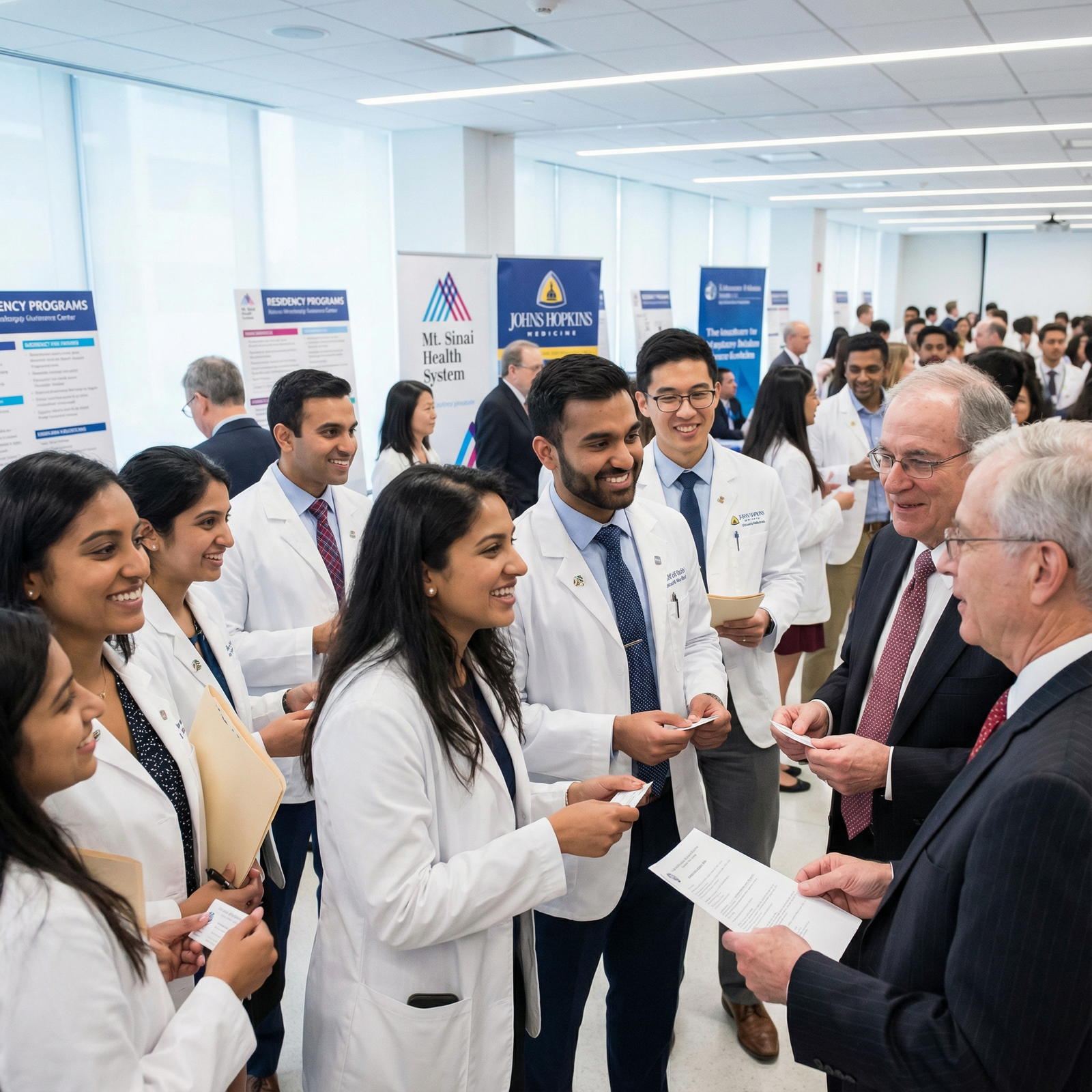
Interventional Radiology (IR) is one of the most competitive and rapidly evolving specialties, and the CV expectations reflect that competitiveness. As a DO graduate, you bring unique strengths—osteopathic principles, hands-on procedural training, and often significant clinical exposure—but you may also worry about how you’ll be perceived in an IR match that is often MD-heavy.
To position yourself strongly, you need to understand:
Types of IR pathways:
- Integrated Interventional Radiology residency (straight from medical school)
- Independent IR residency (after a DR residency)
- Early specialization tracks / ESIR within diagnostic radiology
Where a DO graduate might face extra scrutiny:
- Perceived differences in basic science and imaging exposure
- USMLE score expectations (if taken) in addition to COMLEX
- Fewer home IR programs at some osteopathic schools, limiting research and mentorship
A strong, strategically structured medical student CV can mitigate many of these concerns. Programs want evidence that you:
- Understand what IR truly is (beyond “cool procedures”).
- Can handle a high-acuity, high-tech environment.
- Have the academic and clinical maturity to thrive in a long, intensive training pathway.
- Have invested in this specialty early and consistently.
This article focuses on how to build a CV for residency in IR as a DO graduate, using targeted residency CV tips that highlight your strengths, address common concerns, and align your application with what IR program directors actually value.
Core Structure of a Strong IR Residency CV
Before you refine the content, you must structure it properly. A clear, professional format helps programs quickly locate the information that matters.
Essential Sections for an IR-Focused Residency CV
A typical, well-organized CV for an interventional radiology residency should include:
- Contact Information
- Education
- Board Exams (USMLE/COMLEX)
- Honors and Awards
- Clinical Experience and Sub-Internships
- Interventional Radiology Experiences
- Shadowing, electives, observerships, IR call, IR clinic
- Research and Scholarly Activity
- Presentations and Posters
- Publications
- Leadership and Professional Involvement
- Teaching and Mentoring
- Volunteer and Community Service
- Technical and Procedural Skills
- Interests (brief, optional but recommended)
You don’t need all of these sections from day one. Early in medical school, your CV will be thinner—but understanding the eventual structure helps you intentionally fill the gaps over time.
Formatting Principles
- Length: For residency, 2–4 pages is typical and acceptable for an IR applicant, especially if you have robust research and activities.
- Font & Spacing: Clean professional font (Calibri, Arial, Times New Roman, 11–12 pt), consistent spacing and bulleting.
- Chronology: Use reverse chronological order within sections (most recent first).
- Consistency: Standardize date formats, institution naming, and role descriptions.
DO-Specific Formatting Note
As a DO graduate, clearly display:
- Your degree: “Doctor of Osteopathic Medicine (DO)”
- Any osteopathic honors (Sigma Sigma Phi, osteopathic recognition, OMM teaching)
- Both COMLEX and USMLE scores if you have them—programs in IR often expect or prefer USMLE, but a strong COMLEX history still matters.
Translating Your DO Background into IR-Relevant Strengths
Your osteopathic training offers real advantages. The key is to translate those advantages into language that resonates with IR program directors.
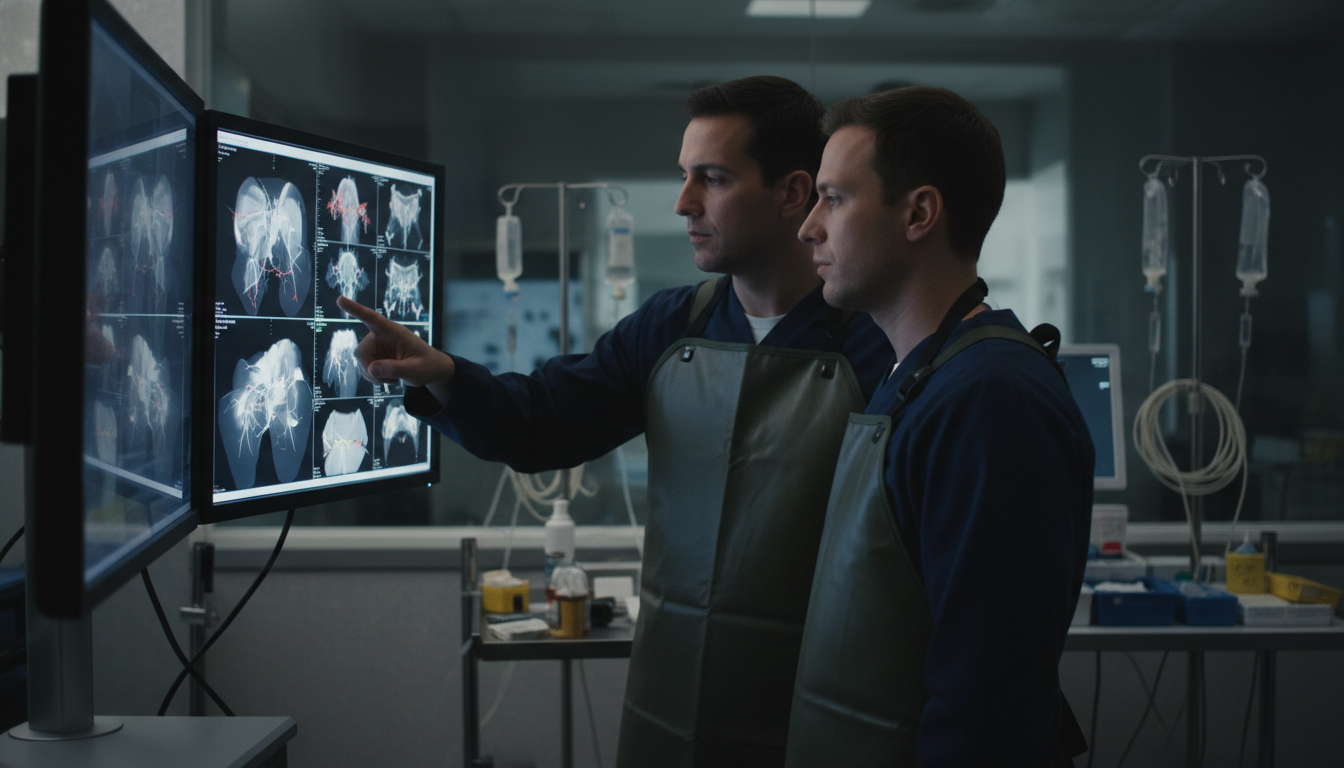
Emphasize Procedural Comfort and Hands-On Training
IR is procedural at its core. Many DO schools emphasize physical diagnosis, OMT, and early clinical skills. On your CV, highlight:
- Procedural experiences during core rotations (e.g., lumbar punctures, central lines, joint injections).
- Any OMT technique teaching or workshops you led or attended.
- Simulation lab work (ultrasound-guided procedures, vascular access training, etc.).
Example CV bullet (Medicine rotation):
- Performed >20 ultrasound-guided peripheral IV insertions and participated in central venous catheter placements under attending supervision, emphasizing image-guided procedural safety.
Connect Osteopathic Principles to IR Mindset
Osteopathic philosophy around holistic, patient-centered care aligns well with IR, where you often manage patients longitudinally (clinic, procedure, follow-up). On your CV and in descriptions:
- Highlight IR clinic experiences, pain management, palliative procedures, or multidisciplinary tumor boards.
- Show how you consider functional outcomes, quality of life, and non-procedural aspects.
Example CV bullet (IR elective):
- Participated in IR outpatient clinic, counseling patients on minimally invasive options for peripheral arterial disease and venous insufficiency, integrating a holistic, function-oriented approach to procedural planning.
Addressing Perceived DO “Gaps”
You can’t change your degree, but you can:
Show academic rigor:
- Strong exam scores (COMLEX and/or USMLE)
- Honors grades in radiology, surgery, medicine
- Research output in radiology, IR, or related fields
Demonstrate exposure to high-end imaging:
- DR or IR electives at academic centers (especially those with IR residencies)
- Radiology conferences or workshops, poster sessions, and case presentations
Strategically use away rotations:
- An away sub-internship at a strong IR program can yield both CV content and letters that validate your readiness and competence.
Building IR-Specific Content: Rotations, Research, and Skills
This is where a generic medical student CV becomes a targeted interventional radiology residency CV. The following are areas where you can deliberately grow and then showcase IR-relevant experiences.
Clinical Rotations and Sub-Internships
Programs look for depth of exposure to IR and diagnostic radiology.
Priority experiences to seek and then highlight:
- Interventional Radiology elective(s):
- Home program if available
- Away/audition rotations at academic centers with active IR services
- Diagnostic Radiology rotations:
- Particularly body imaging, vascular imaging, neuroimaging
- Complementary specialties:
- Vascular surgery, surgical oncology, hepatology, ICU, emergency medicine
How to present rotations on your CV:
Clinical Experience
Sub-Intern, Interventional Radiology — [Institution], [City, State]
MM/YYYY – MM/YYYY
- Logged >4 weeks full-time in IR suite and IR clinic, participating in 60+ procedures including TACE, Y-90 planning, TIPS, uterine fibroid embolization, and peripheral angioplasty.
- First-assist under supervision on vascular access, drain placements, and tunneled catheter insertions; performed pre- and post-procedure H&Ps and daily rounding on admitted IR patients.
- Attended daily image review and treatment planning rounds, gaining familiarity with CT, MRI, and ultrasound guidance for IR procedures.
This type of bulleting shows breadth (types of procedures) and depth (clinic + inpatient + imaging decision-making).
Research and Scholarly Activity
IR is increasingly academic, and research is a major differentiator in the osteopathic residency match and especially in the IR match. Even if you don’t have IR-specific research from day one, there are strategic ways to build it.
Tiered approach to research as a DO:
Start broadly (M1–M2):
- Case reports and small retrospective projects in radiology, surgery, or internal medicine.
- Join any ongoing imaging or procedural research at your school.
Narrow to IR as soon as possible (M2–M3):
- Seek out IR faculty, even at outside institutions, through email and networking at conferences.
- Offer to help with data collection, chart review, image labeling, or literature reviews.
Solidify output (M3–M4):
- Focus on at least 1–2 IR-focused posters, abstracts, or manuscripts.
- Present at SIR (Society of Interventional Radiology) or local/regional meetings.
CV examples:
Research Experience
Student Research Assistant, Interventional Radiology — [Institution]
MM/YYYY – Present
- Collaborated with IR faculty on retrospective study evaluating outcomes of TIPS in patients with refractory ascites; responsible for chart review, data extraction, and maintaining REDCap database of 150+ patients.
- Co-authored abstract accepted for oral presentation at the [Conference Name].
Publications
Doe J, Your Name, et al. “Clinical Outcomes of TIPS in Refractory Ascites: A Single-Center Retrospective Study.” Journal of Vascular and Interventional Radiology. [In revision / In press / Published MM/YYYY].
Even “in progress” projects can be listed under Research Experience with a clear status, as long as you are honest and specific.
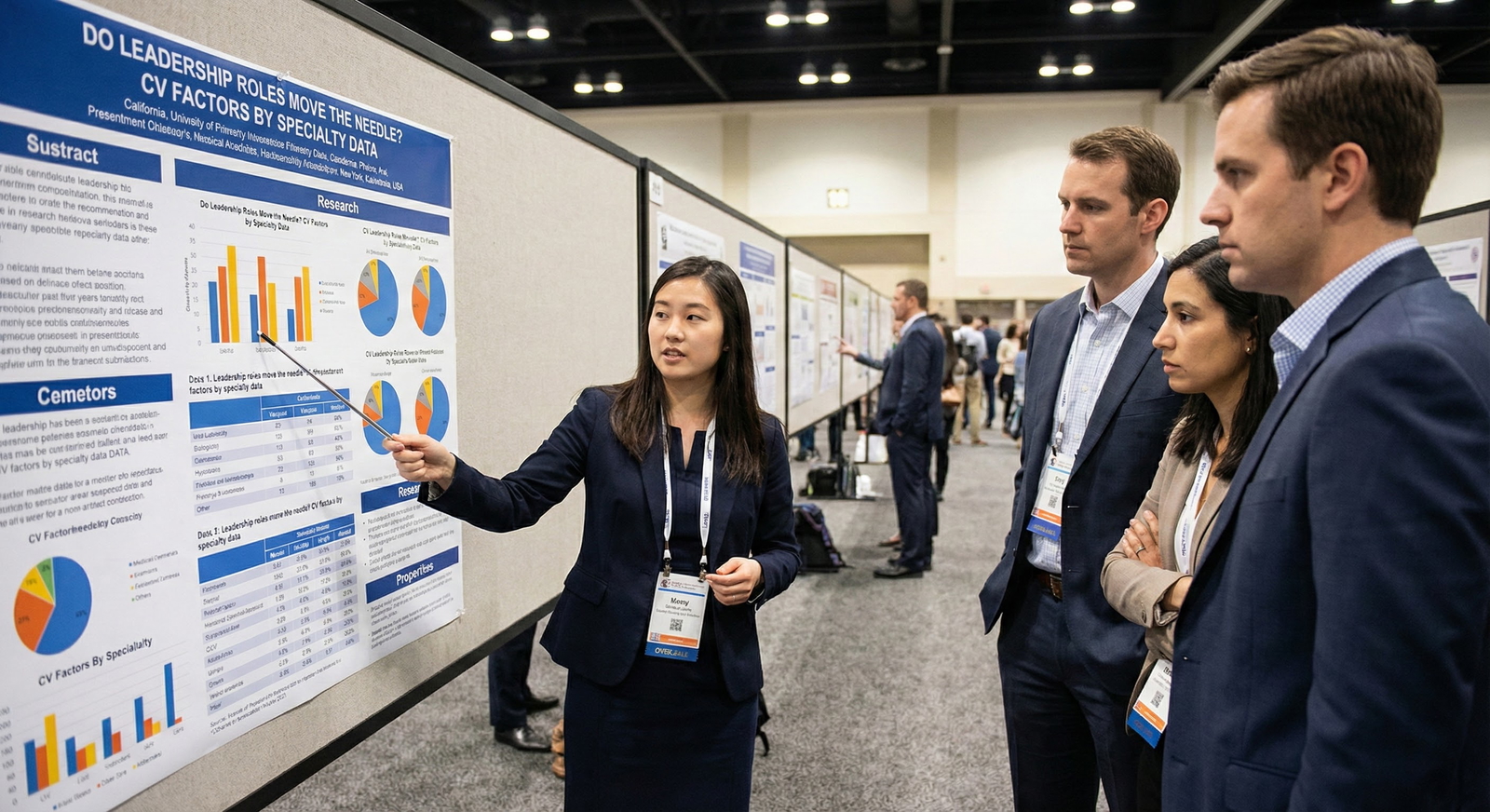
Presentations and Posters
For IR programs, presenting your work at national or major regional meetings carries weight, but local presentations are also valuable.
On your CV, separate into:
- Oral Presentations
- Poster Presentations
Format them consistently:
- Your name (bolded) among authors
- Full title
- Meeting name, location, date
- Presentation type (oral/poster)
Example:
Poster Presentations
Your Name, Smith A, Lee B. “Percutaneous Management of Complicated Biliary Leaks: A Case Series.” Poster presented at the Society of Interventional Radiology Annual Scientific Meeting, Boston, MA, March 2025.
Technical and Procedural Skills
This section is especially relevant for IR but should remain honest and conservative to avoid overstating competency.
Instead of listing every procedure you’ve ever observed, focus on:
- Skills you have performed or assisted with regularity.
- Simulation experiences directly applicable to IR (ultrasound-guided access, wire handling).
- Imaging-related skills (basic ultrasound, CT anatomy, PACS use).
Example CV section:
Technical Skills
- Procedural: Assisted with >60 IR procedures including central venous access, percutaneous drain placement, angiography, and embolization; performed vascular access and basic wire manipulation under direct supervision.
- Imaging: Comfortable reviewing CT and MR imaging in PACS for procedural planning; basic ultrasound skills for vascular access and focused assessment.
- Tools: Experience with ultrasound-guided needle placement trainers, fluoroscopy simulation, and 3D vascular anatomy software for IR education.

Strategic CV Development Timeline for a DO Targeting IR
Instead of randomly collecting experiences, plan your residency CV building across medical school. Below is a practical, phased roadmap tailored to a DO graduate aiming at interventional radiology.
Pre-Clinical Years (M1–M2): Laying the Foundation
Goals:
- Establish academic credibility.
- Explore interest in radiology and IR.
- Begin low-barrier scholarly activity.
Actionable steps:
Academics first:
- Strong COMLEX Level 1 (and USMLE Step 1 if you take it) builds a foundation for a competitive IR application.
- Honors in relevant pre-clinical courses (anatomy, physiology, imaging modules).
Early exposure:
- Join radiology and IR interest groups.
- Shadow in IR at your home institution or local hospital; log this in a “Clinical Exposure” section until it grows into formal electives.
Start basic research:
- Volunteer in any research group that has imaging, vascular, oncology, or procedural relevance.
- Aim for 1–2 early posters or case reports.
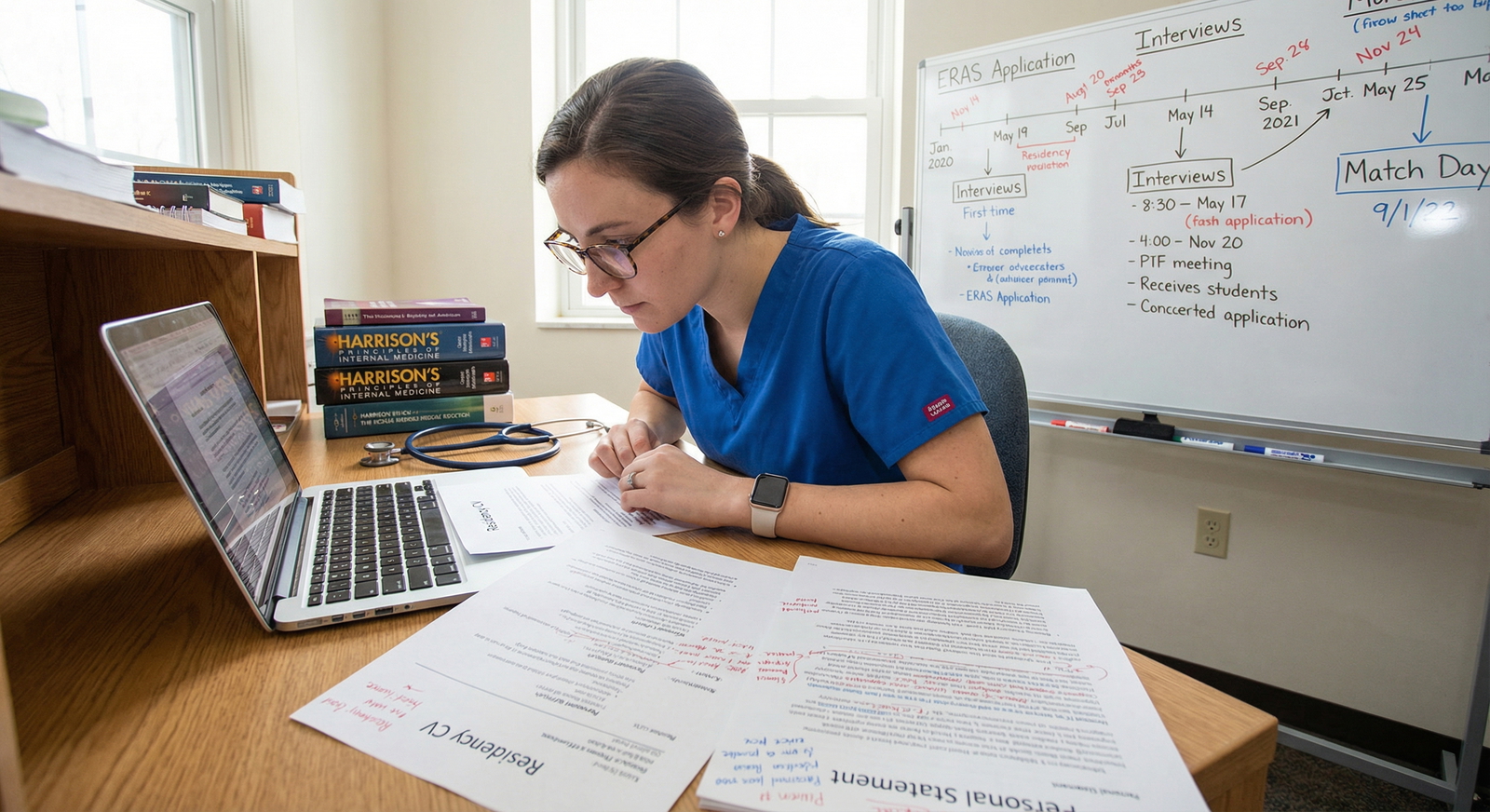
Build your first CV draft:
- Include education, exams, early research, shadowing, and basic leadership roles (class positions, committees).
Clinical Years (M3): Converting Interest into Commitment
Goals:
- Confirm IR as your specialty choice.
- Deepen clinical and procedural experiences.
- Strengthen your research and networking.
Actionable steps:
Choose rotations strategically:
- Try to schedule diagnostic radiology early.
- Request time in the IR suite even during other rotations (surgery, medicine) if schedules allow.
Lock in IR mentors:
- Ask specific faculty to guide your IR journey and review your CV.
- Seek letters of recommendation from radiology/IR early, especially if you are doing research with them.
Elevate research:
- Focus on IR or at least imaging/procedural projects if possible.
- Target submission to SIR, RSNA, or specialty meetings.
Track your procedures and cases:
- Maintain a log (for your own records) of procedures you observe and assist with.
- Use this data to accurately populate your CV and talk about your experience in interviews.
Application Year (M4): Presenting Your Final Product
Goals:
- Finalize a polished, IR-tailored CV.
- Use away rotations and sub-internships to add high-yield content.
- Align your CV with your ERAS application and personal statement.
Actionable steps:
Away rotations in IR:
- Schedule 1–2 IR sub-internships at programs where you’re realistically competitive and interested.
- After each rotation, add specific, concrete bullets to your CV while details are fresh.
Update and refine CV regularly:
- Add publications, posters, and new leadership roles.
- Ensure your IR experiences are clearly separated and easy to find.
Align with ERAS:
- Your ERAS entries and your CV must tell a coherent, consistent story.
- Use your CV as a master document; then adapt phrasing and content into ERAS experience sections.
Seek feedback:
- Have your IR mentors, program directors, or advisors at your DO school review your CV specifically for IR competitiveness.
- Ask: “If you saw this CV without meeting me, would you believe I’m serious and prepared for an integrated interventional radiology residency?”
Practical Residency CV Tips for DO IR Applicants
To maximize your impact in the interventional radiology residency selection process, keep these tactical points in mind.
1. Lead with IR-Relevant Content
Within sections, list IR-focused entries at the top when possible. For example, in “Research Experience,” list IR projects first, even if they are more recent than a non-IR project.
2. Use IR-Friendly Language
Phrase activities in terms that highlight:
- Procedural involvement (assist, first-assist, supervised performance).
- Image interpretation and planning.
- Patient management before and after procedures.
- Multidisciplinary collaboration (tumor boards, vascular conferences, pain management teams).
3. Quantify Your Experiences
Numbers give credibility:
- “Observed” vs. “participated in 40+ procedures including…”
- “Collected data on 150 patients with hepatocellular carcinoma…”
- “Led a team of 6 medical students in organizing an IR patient education event…”
4. Show Longitudinal Commitment
Program directors want to see that IR wasn’t a last-minute choice:
- Demonstrate continuity: IR involvement across multiple years, repeat electives, ongoing research.
- Use your CV to show a thread from early exploration (M1 shadowing) through structured experiences (M3 rotations, M4 sub-I, publications).
5. Highlight Transferable Skills
If you lack IR-heavy research or rotations, emphasize:
- ICU, emergency medicine, or surgical rotations that involved acute care, procedures, or complex decision-making.
- Leadership roles that demonstrate responsibility, organization, and communication—essential in a catheter lab where teams are large and procedures are high-stakes.
6. Be Honest but Strategic
Never inflate your role in procedures or projects. Instead:
- Use phrases like “assisted with,” “under direct supervision,” “participated in,” “contributed to.”
- Emphasize what you learned and how it prepared you for IR, rather than overstating expertise.
FAQs: CV Building for DO Graduates in Interventional Radiology
1. Do I need IR-specific research to be competitive for an IR match as a DO?
IR-specific research is highly beneficial but not absolutely mandatory. What matters most is demonstrating:
- Academic productivity (any research, posters, or publications).
- A trajectory that increasingly focuses on IR and imaging.
- A clear understanding of IR’s clinical and procedural scope.
If you don’t have IR research early, pivot as soon as you confirm your interest, and use your CV to highlight how your prior work (e.g., vascular surgery, oncology, ICU) is conceptually aligned with IR.
2. How many pages should my IR-focused CV be for residency applications?
For a DO applying to integrated interventional radiology residency, 2–4 pages is acceptable. If you have substantial research, presentations, and experiences, going beyond two pages is normal. Just ensure:
- The first page captures your most important IR-related content.
- Everything included is meaningful, clearly written, and easy to scan.
3. Should I include osteopathic-specific activities like OMT clinics or osteopathic teaching on my IR CV?
Yes, selectively. Include:
- OMT or osteopathic teaching that demonstrates your educational or leadership roles.
- OMT clinics or experiences that highlight procedural comfort, manual skills, or patient-centered care.
Link these to IR when possible, for example, by emphasizing the holistic management of pain, function, and quality of life. Don’t let these overshadow your IR content, but they can augment your identity as a DO physician.
4. How different should my CV be from what I enter into ERAS for an IR residency application?
Your CV and ERAS application should contain the same core content, but:
- The CV is a standalone, comprehensive document you may send to mentors, upload in supplemental materials, or bring to interviews.
- ERAS uses structured fields and sometimes shorter descriptions; you will adapt your CV entries into their format.
Use your CV as the “master file” from which you copy, paste, and condense into ERAS. Ensure there are no contradictions in dates, roles, or descriptions between the two.
By intentionally building and shaping your CV around interventional radiology—while leveraging the strengths of your DO training—you can present yourself as a well-prepared, serious, and compelling candidate for an integrated interventional radiology residency. Every experience you add should answer one core question: “How does this make me a better future interventional radiologist?” If your CV clearly and convincingly answers that, you will stand out in a very competitive IR match.