Understanding the Residency CV Landscape for DO Graduates in Plastic Surgery
Applying to plastic surgery as a DO graduate places you at the intersection of two competitive realities:
- Plastic surgery is one of the most selective specialties.
- Despite major progress after the single accreditation system, DO candidates still face additional scrutiny in some integrated plastics programs.
That combination makes your CV strategy absolutely critical.
Your curriculum vitae is not just a list of what you’ve done—it’s a strategic document that must quietly answer three questions for program directors:
- Can this applicant handle the rigor and complexity of plastic surgery training?
- Is this DO graduate equivalent to (or stronger than) my MD applicants?
- Will this person fit and contribute meaningfully to our program’s culture and academic output?
This article will walk you through how to build a CV for residency in plastic surgery as a DO graduate, with a focus on:
- How to leverage your osteopathic identity as a strength
- What to emphasize for an integrated plastics match strategy
- How to present research, rotations, and skills so they stand out
- Practical residency CV tips, examples, and structure guidance
Throughout, the lens is very specific:
Category: HOW_TO_IMPROVE_YOUR_CV_FOR_RESIDENCY
Phase: RESIDENCY_MATCH_AND_APPLICATIONS
Specialty: Plastic Surgery
Target: DO Graduate (DO graduate residency applicants)
Core Principles: What Makes a Competitive Plastic Surgery CV for DO Graduates?
1. Intentional, Not Generic
A generic “medical student CV” won’t be enough for integrated plastics. Your document must clearly convey:
- Sustained interest in plastic surgery
- Academic ability and research involvement
- Technical curiosity and manual skill development
- Professionalism and maturity
Ask yourself: if a reviewer looked only at your CV (without your personal statement), would they clearly see “future plastic surgeon” and not just “good generic applicant”?
2. Strategic About the DO Degree
As a DO graduate, your CV should demonstrate:
- Comparable or superior academic performance to MD peers
- Evidence that you sought out plastic surgery exposure beyond what’s routine
- Awareness of holistic care and musculoskeletal expertise (where DO training can be a plus)
You’re not hiding your DO identity—you're framing it as a foundation in whole-patient care that complements a technically demanding field.
3. Evidence of Long-Term Commitment
Plastic surgery programs value applicants who are “all in.” On your CV, that should be obvious from:
- Early plastics-related research involvement
- Dedicated sub-internships/away rotations
- Electives and selective experiences tied to reconstructive or aesthetic surgery
- Longitudinal projects, quality improvement, or community work related to burns, trauma, craniofacial differences, breast cancer survivorship, or hand/wound care
Essential Sections of a Strong Plastic Surgery Residency CV
Your residency CV should be clean, organized, and consistent. Most program directors appreciate a familiar structure. Below is a recommended order and what each section should highlight for a DO graduate targeting plastic surgery.
1. Contact Information and Identifiers
At the top, include:
- Full Name, Degree (e.g., Jane C. Smith, DO)
- Email (professional), phone, city/state
- AAMC ID and/or ERAS ID (if available)
- LinkedIn or professional website (optional, only if polished and up to date)
Avoid including:
- Photo (unless required by specific programs or international norms)
- Personal home address detailed beyond city/state
- Nicknames or non-professional email handles
2. Education
List in reverse chronological order:
Osteopathic medical school
- Name, city, state
- Expected or actual graduation date
- Honors (e.g., Sigma Sigma Phi, Dean’s List)
- Class rank / quartile if strong and available
Undergraduate institution
- Major, graduation date, GPA (if strong or requested)
- Honors (cum laude, Phi Beta Kappa, etc.)
For DO graduates, this section is often where subtle bias begins. Mitigate this by:
- Including objective markers of excellence (honors, distinctions, high board scores if allowed in CV)
- Briefly highlighting dual degrees (e.g., DO/MPH, DO/MS) if applicable
You can add a short “Academic Highlights” sub-bullet under your medical school entry:
- Academic Highlights: Top 15% of class, Honors in Surgery and Internal Medicine, DO Student Government Representative
This immediately whispers “high-performing DO” to a busy reader.
3. Board Exams and Licensure (If Applicable)
Plastic surgery programs are numbers-aware, especially for integrated plastics match decisions. If your scores are strengths, show them clearly on the CV (if allowed by your advising office or institution):
- COMLEX Level 1, Level 2
- USMLE Step 1, Step 2 CK (if taken)
For DO graduates, taking USMLE (and performing well) can reduce perceived barriers in some historically MD-dominant programs. On your CV, format like:
Board Examinations
- USMLE Step 1: Score XXX (Month Year)
- USMLE Step 2 CK: Score XXX (Month Year)
- COMLEX Level 1: Score XXX (Month Year)
- COMLEX Level 2 CE: Score XXX (Month Year)
If scores are borderline or advised not to include, you can simply list:
- USMLE and/or COMLEX examinations completed as required for graduation and residency.
4. Clinical Experience and Sub-Internships
For integrated plastic surgery residency, your clinical experiences must make it obvious that:
- You’ve seen real plastic surgery cases
- You’ve functioned at a high level on surgical teams
- Plastic surgeons have had a chance to evaluate you closely
Important subsections:
Core Surgery Rotations
Under your surgery clerkship, note:
- Honors or high pass status
- Specific plastics-related exposure: burn unit, hand service, reconstructive involvement
Example:
Third-Year Surgery Clerkship – University-affiliated Medical Center
- Grade: Honors
- Rotations: General Surgery, Trauma, Burn Surgery, Vascular Surgery
- Notable: Assisted with complex wound reconstruction in burn unit; case log > X primary closures and Y debridements
Sub-Internships / Away Rotations in Plastic Surgery
These are mission-critical for the integrated plastics match:
- Title them clearly: “Plastic Surgery Sub-Internship”
- Include: institution, dates, name(s) of supervising attendings or service Chiefs
- Brief bullet list of responsibilities and achievements
Example:
Plastic Surgery Sub-Internship – [Major Academic Center], Department of Plastic & Reconstructive Surgery
- Dates: July–August 2024
- Participated in pre-op planning and post-op care for craniofacial, breast reconstruction, and hand trauma cases
- First-assisted in skin grafting and local flap procedures under supervision
- Delivered service-wide talk on “Osteopathic Principles in Post-Mastectomy Pain Management”
For DO graduates, away rotations are also a visibility tool. On your CV, let them show:
- Geographic flexibility
- Success in MD-heavy academic environments
- Strong evaluations (you can include a bullet like “Received top-decile evaluation” if documented)

5. Research and Scholarly Activity: The Differentiator for Integrated Plastics
In plastic surgery, research is not optional—it’s expected. Programs want residents who can ask questions, analyze data, and present findings.
As a DO graduate, your research section is one of the strongest ways to neutralize bias and communicate academic seriousness.
Organize this section into:
- Peer-Reviewed Publications
- Manuscripts Under Review / In Preparation
- Abstracts, Posters, and Presentations
- Quality Improvement and Other Scholarly Projects
Peer-Reviewed Publications
- Use standard citation format (e.g., AMA)
- Bold your name in author lists
- Clearly indicate whether the journal is plastic surgery-related or surgical
Example:
Publications
- Smith JC, Lee A, Patel R. Outcomes of Negative Pressure Therapy in Lower Extremity Reconstruction: A Retrospective Review. J Plast Reconstr Aesthet Surg. 2024;XX(X):XX–XX.
Having at least one plastics-related publication is ideal. If you don’t have that yet, seek opportunities immediately (retrospective chart reviews, case reports, or outcomes-based projects).
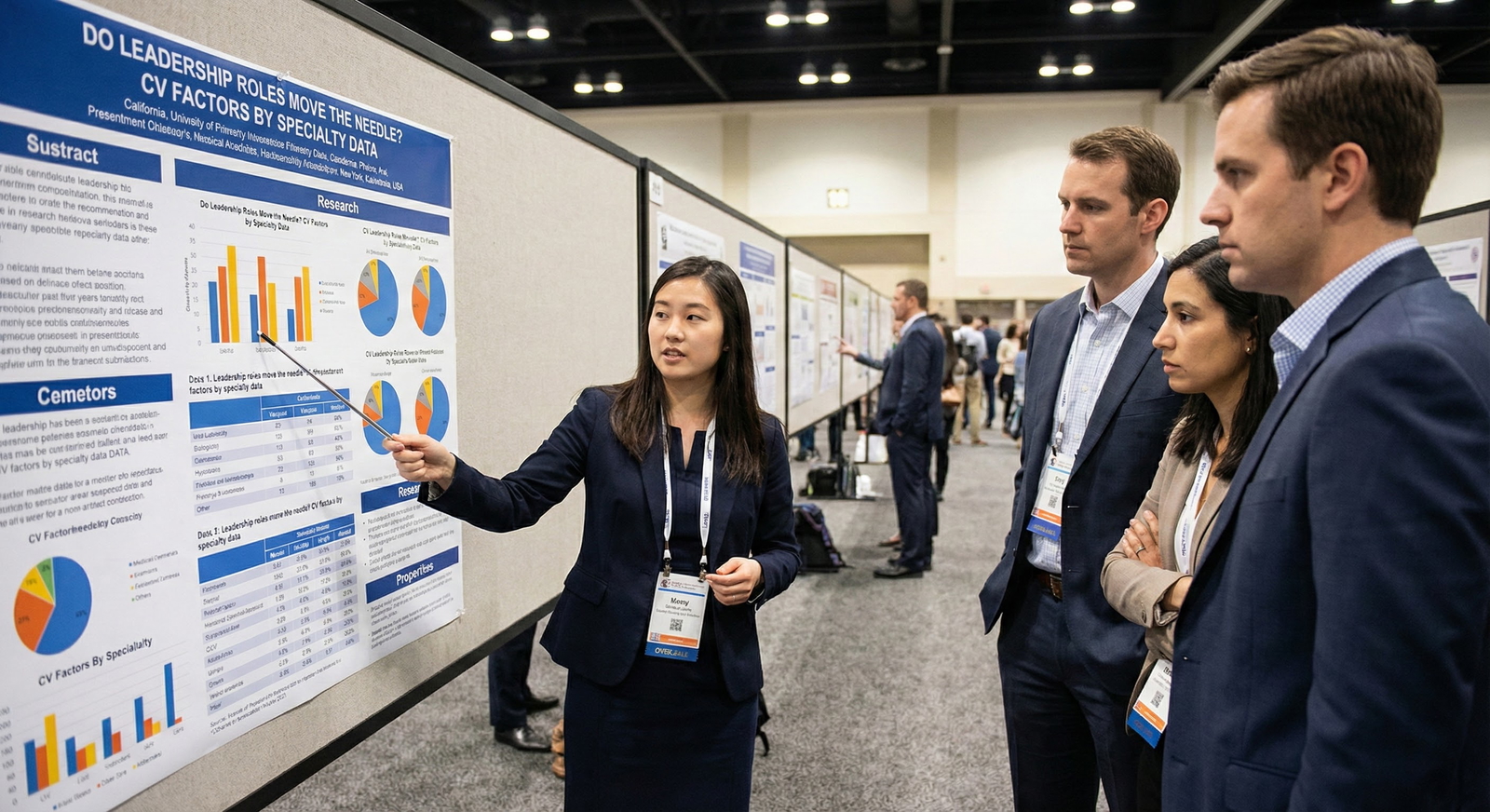
Abstracts, Posters, and Presentations
Programs understand that not every project reaches publication, but posters/podium talks show initiative and follow-through.
Example:
Posters and Presentations
- Smith JC, Brown T, Nguyen P. “Resident-Driven QI Initiative to Reduce Surgical Site Infections after Breast Reconstruction.” Poster presented at American Society of Plastic Surgeons (ASPS) annual meeting, 2024.
If your work has DO-specific or osteopathic connections, that’s fine—but try to have at least some that place you squarely in mainstream academic plastic surgery venues.
Research Year Considerations
Some DO students interested in integrated plastics take a dedicated research year. On your CV, this should be framed as:
Research Fellow in Plastic and Reconstructive Surgery – [Institution Name]
- Full-time research year under mentorship of [PI Name], MD
- Focus: microsurgical breast reconstruction outcomes, lymphedema surgery, and patient-reported outcomes
- Co-authored X manuscripts (Y published, Z submitted) and presented at two national meetings
This section can transform you from “DO applicant” to “serious academic plastic surgeon in training.”
Highlighting Your Osteopathic Identity as a Unique Strength
Your DO training gives you a distinct perspective. Instead of downplaying it on your residency CV, be intentioned about where and how it appears.
1. Integrate Osteopathic Principles in a Surgical Context
On your CV, show that you’ve applied osteopathic principles in surgically relevant ways:
- OMM for post-operative pain or edema management
- Musculoskeletal assessment in hand or peripheral nerve patients
- Holistic perioperative counseling and expectations management
Example bullet under a clinical or extracurricular experience:
- Applied osteopathic manipulative treatment (OMT) techniques to manage shoulder dysfunction in post-mastectomy patients, collaborating with the plastic surgery and rehab teams.
This signals that you’re not just “also DO,” but that your training actively adds value.
2. Leadership in DO Organizations
Leadership roles in DO-related groups help demonstrate maturity and advocacy, but in the integrated plastics match context, they should be tied back to:
- Education
- Quality improvement
- Longitudinal mentorship
Example:
National Student Osteopathic Medical Association (SOMA) – Chapter Vice President
- Organized a surgical subspecialty panel, including a DO plastic surgeon, for 150+ students
- Developed peer-mentorship materials on DO graduate residency pathways in competitive specialties
3. Balancing Osteopathic and Mainstream Surgical Identity
Aim for a CV where:
- Roughly half or more of your high-impact items (research, major leadership, key clinical experiences) are clearly plastic surgery or surgery-focused.
- Osteopathic identity is present but not the only theme.
This balance fights the stereotype of DO graduates being “non-surgical” or “primary-care only.”
Practical Residency CV Tips: Formatting, Content, and Strategy
1. Formatting Essentials
For a polished medical student CV:
- Length: Usually 2–4 pages for a strong plastic surgery applicant with research.
- Font: Clean and professional (e.g., Times New Roman, Garamond, Calibri, 11–12 pt).
- Headings: Consistent style and hierarchy (e.g., caps + bold for main headings).
- Margins: 0.75–1 inch, with good white space.
- Date consistency: Use a uniform format (e.g., “Aug 2022–May 2023” everywhere).
Avoid:
- Dense paragraphs—use clear bullet points.
- Excessive colors, graphics, or tables.
- Personal statements or long narrative text in the CV (save that for ERAS PS).
2. Prioritizing High-Yield Content
On a DO graduate residency CV for plastic surgery, your top half of page 1 is prime real estate. Ideally, it should include:
- Name, contact
- Education and board exams
- Key academic highlights
- Possibly a brief “Professional Summary” or “Career Interests” (2–3 lines max), e.g.:
Career Interests: Integrated Plastic and Reconstructive Surgery with a focus on microsurgical breast reconstruction, outcomes research, and medical education.
This immediately frames how the rest of your CV should be interpreted.
3. Action-Oriented Bullet Points
Use bullet points that:
- Start with strong action verbs (Led, Developed, Designed, Analyzed, Implemented, Coordinated, Collaborated).
- Show scope and impact (numbers, outcomes, improvements).
- Tie back to skills valued in plastic surgery (dexterity, precision, teamwork, aesthetic judgment, resilience).
Weak bullet:
- Helped with research project in wound care
Stronger bullet:
- Collected and analyzed outcomes data on 150+ patients undergoing negative pressure wound therapy; contributed to a manuscript now under review in a surgical journal.
4. Skills and Technical Experience
You may include a “Skills” section, but keep it honest and relevant:
- Surgical skills: suture techniques, basic flaps (only if genuinely experienced)
- Technical: REDCap, SPSS, R, STATA, Microsoft Excel, image editing for figures
- Other: Spanish proficiency, medical illustration, 3D printing experience (highly relevant in plastics)
Example:
Technical Skills
- Research: REDCap, SPSS, basic R for statistical analysis
- Design: Adobe Illustrator for figure creation and pre-op planning diagrams
- Language: Conversational Spanish (medical)
Medical illustration or 3D design can be an unexpected asset in plastic surgery—if you have it, highlight it.
5. Addressing Gaps or Non-Linear Paths
If you took a leave, changed paths, or had a non-traditional route:
- Use neutral, factual wording in the Education or Experiences section.
- Discuss the “why” and “what you learned” in your personal statement or interviews, not in the CV itself.
Example entry:
Academic Enrichment Leave – July 2022–June 2023
- Completed a dedicated research year in plastic surgery (see Research section).
For personal or health leaves without a formal role, keep it factual and brief; your dean’s letter and interviews will carry that explanation.
Tailoring Your CV Specifically for Integrated Plastic Surgery Programs
1. Aligning With Program Priorities
Most integrated plastic surgery programs look for:
- Strong board performance
- Sustained research productivity
- Evidence of technical interest and hands-on engagement
- Teamwork, humility, and resilience (often seen in leadership and service roles)
When you review your CV, ask: Does every major section highlight at least one of these attributes?
2. Emphasizing the Right Experiences
Compared to a generic DO graduate residency CV, a plastic surgery-focused CV should bring these items forward:
- Plastic surgery sub-internships and strong surgery clerkship performance
- Plastics-related research and presentations
- Surgical or trauma volunteering (e.g., global health missions, wound clinics, burn camps)
- Leadership that shows you function well in high-stakes or multidisciplinary environments
3. Choosing Which Experiences to Remove
If your CV is long, prioritize. It’s okay to leave out:
- Very early, unrelated jobs (unless they show unusual discipline or skills)
- Short, low-impact volunteer experiences with no narrative through-line
- Activities from high school (unless national-level or truly exceptional)
Your residency CV tips goal: depth over breadth. A few well-developed roles are more impressive than many superficial ones.
4. Getting Feedback from Plastic Surgery Mentors
Before finalizing:
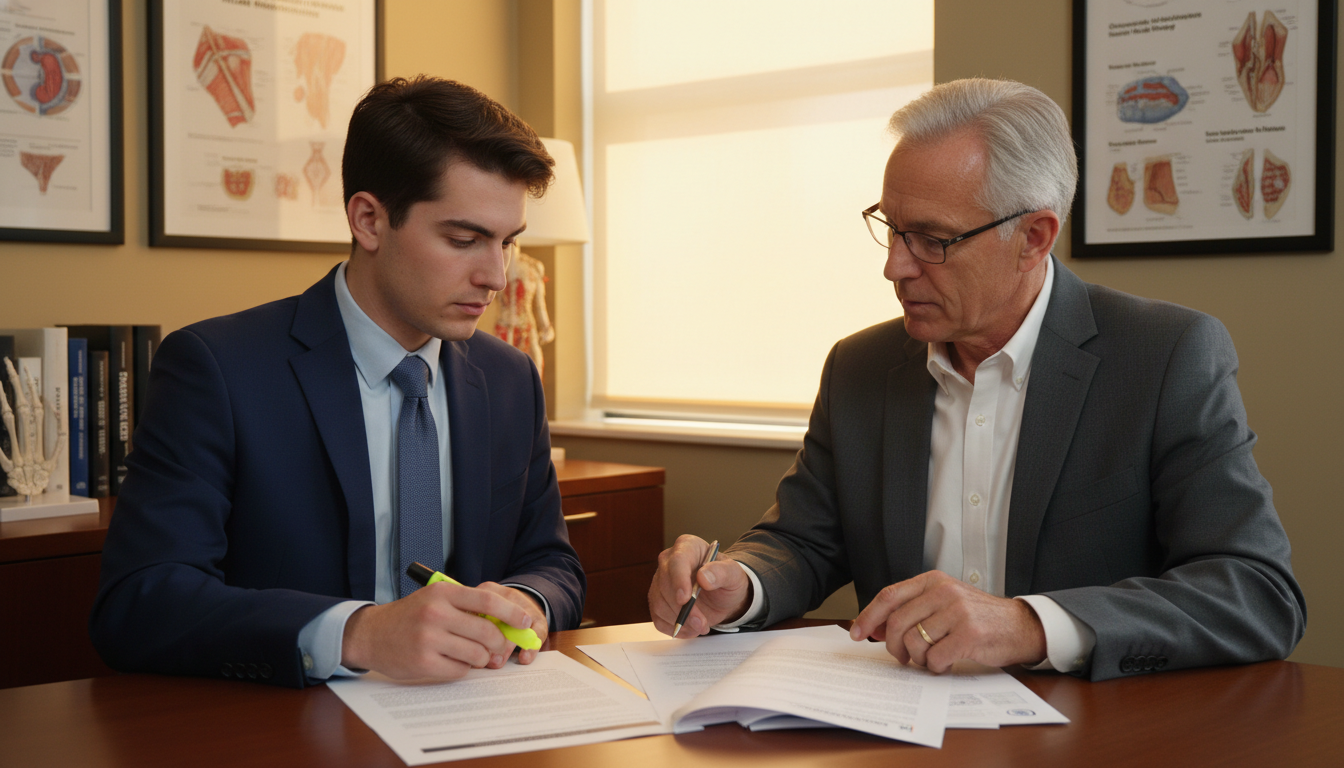
- Ask at least one plastic surgeon (preferably academic) to review your CV.
- Ask one DO mentor familiar with the osteopathic residency match landscape to ensure your strengths as a DO are clear.
- Be open to rearranging sections based on their feedback (e.g., moving Research higher for research-heavy programs).
FAQs: CV Building for DO Graduates in Plastic Surgery
1. As a DO graduate, do I need both COMLEX and USMLE scores on my CV for plastic surgery?
You don’t need both, but in the integrated plastics match, having USMLE scores is often advantageous because many programs are more familiar with USMLE. If you took USMLE and did well, list both USMLE and COMLEX prominently in your “Board Examinations” section.
If you only took COMLEX:
- Still list your scores clearly.
- Use other objective achievements (honors, research, AOA-equivalent DO honors) to demonstrate your competitiveness.
2. How much research is “enough” for a DO graduate aiming at integrated plastic surgery?
There’s no absolute number, but competitive applicants often have:
- Several posters/abstracts, ideally including at least one national conference
- One or more plastics-related publications (case report, retrospective study, or review can count)
- Evidence of ongoing projects
For DO graduates, a dedicated research year can be especially valuable if you currently have little research. If you take one, your CV should show multiple tangible outputs from that year.
3. Should I include non-medical jobs or artistic experiences on my plastic surgery CV?
Yes, selectively. Plastic surgery values an eye for aesthetics, design, and manual skill. Former careers or serious hobbies such as graphic design, sculpture, photography, woodworking, or fashion design can actually support your narrative—if framed correctly.
Include them under “Other Experience” or “Interests” with concise bullets that connect the dots:
- Freelance graphic designer: Created anatomically accurate illustrations for online health education content (2018–2020).
Keep it professional and avoid overcrowding; choose only what supports your image as a future plastic surgeon.
4. How is a residency CV different from what I enter into ERAS?
ERAS collects your data in a structured format, but a standalone CV is still useful because:
- Some programs or mentors will ask specifically for a PDF CV.
- You can bring it to away rotations, research interviews, or networking events.
- It forces you to think strategically about how you present your story.
Content should be consistent between ERAS and your CV, but the CV gives you more flexibility in organization, emphasis, and formatting. Use it to showcase your trajectory toward plastic surgery as a DO graduate in the clearest possible way.
A well-constructed CV won’t by itself guarantee you an integrated plastics match—but for a DO graduate in such a competitive field, it can be the difference between being quickly filtered out or moved into the serious-consideration pile. Build it intentionally, refresh it often, and let it tell the story of a thoughtful, resilient osteopathic physician fully prepared for the challenges and rewards of plastic surgery training.