Understanding the Role of the CV in the Pathology Match
For an MD graduate targeting pathology, your CV is more than a list of experiences—it’s a strategic document that tells a coherent story about why you belong in a pathology residency. Programs use it to:
- Screen for academic readiness and professionalism
- Gauge your genuine interest in pathology
- Identify unique strengths (research, teaching, leadership)
- Find potential “red flags” (gaps, frequent moves, weak engagement)
In the context of the allopathic medical school match, your CV works hand-in-hand with your ERAS application and personal statement. While ERAS forces your experiences into rigid fields, a well-structured CV lets you present:
- A clear, easy-to-scan overview of your achievements
- Additional nuance or roles that don’t fit cleanly into ERAS categories
- A polished document you can send directly to PDs, mentors, and for away rotations, observerships, or research opportunities
Pathology-Specific Considerations
Pathology residency programs look for some distinct signals:
- Analytical mindset – evidence from research, data-heavy projects, or quality improvement
- Attention to detail – sustained roles that require precision (e.g., lab work, review of imaging/specimens, teaching with detailed feedback)
- Documented exposure to pathology – electives, observerships, pathology interest group involvement
- Commitment to lifelong learning – journal clubs, scholarly presentations, posters
Your goal: build a residency-ready CV that makes it obvious you are a strong, committed candidate for pathology—even if your path wasn’t perfectly linear.
Core Structure of an Effective Pathology Residency CV
A strong residency CV for an MD graduate in pathology should be organized, consistent, and easy to skim. Programs may review dozens in one sitting; clear structure helps you stand out for the right reasons.
Recommended Section Order
- Contact Information & Professional Summary (optional but useful)
- Education
- Examinations & Certifications
- Clinical & Pathology-Relevant Experience
- Research & Scholarly Activity
- Teaching & Leadership
- Honors & Awards
- Professional Memberships & Extracurricular Involvement
- Skills (including pathology- and lab-related where appropriate)
- Languages & Personal Interests (brief, targeted)
This order can be adjusted slightly, but for an MD graduate residency applicant in pathology, it keeps the most critical elements at the top.
General Formatting Rules
- Length: 2–4 pages is typical for a pathology residency CV.
- Font: Professional, easy-to-read (e.g., 11–12 pt Times New Roman, Calibri, or Garamond).
- Consistency: Uniform date format (e.g., “Aug 2020 – May 2024”), bullet style, and tense.
- Reverse chronological order: Most recent first in each section.
- No personal photo (unless required by specific country context; for US allopathic medical school match, skip photos on CV).
Section-by-Section Guide: How to Build a CV for Pathology Residency
1. Contact Information & Professional Summary
Contact Information (top of first page, no header needed):
- Full Name, MD (include “MD” to highlight your degree)
- Professional email (e.g., firstname.lastname@domain.com)
- Mobile number
- Address (city, state, country is sufficient)
- LinkedIn or personal academic website (optional, if well-maintained)
Professional Summary (2–4 lines, optional but recommended)
Use a brief, targeted summary that frames you as a pathology-bound physician:
Example:
MD graduate with strong interest in anatomic and clinical pathology, supported by multiple pathology electives, research in hematopathology, and active involvement in the pathology interest group. Brings experience in quality improvement, teaching junior medical students, and working in diverse clinical environments. Seeking pathology residency training with opportunities in academic medicine and translational research.
This helps program directors see your pathology focus within seconds.
2. Education
List all post-secondary degrees in reverse chronological order. For an MD graduate residency CV, emphasize:
- Medical school (allopathic medical school)
- Undergraduate degree(s)
- Additional graduate programs (e.g., MPH, MS in pathology or related sciences)
Include:
- Institution name, city, state/country
- Degree and field (e.g., MD, BS in Biology)
- Dates attended (month/year – month/year)
- Honors (e.g., AOA, Dean’s List, if not in a separate honors section)
Example:
Doctor of Medicine (MD)
Allopathic Medical School, City, State, USA
Aug 2020 – May 2024
- Graduated with Distinction in Research
Bachelor of Science, Biology (Magna Cum Laude)
University of X, City, Country
Sep 2016 – May 2020
If you completed a post-baccalaureate program, mention it clearly, especially if it strengthened your academic profile.
3. Examinations & Certifications
For US and many international programs, exam performance is carefully reviewed.
Include:
- USMLE Step 1, Step 2 CK (include score if it strengthens your application and is visible in ERAS; align your strategy across documents)
- Step 3 (if applicable)
- Other national licensing exams (e.g., MCCQE, PLAB)
- ECFMG certification status (for IMGs)
- Basic certifications: BLS, ACLS (briefly)
Example:
Examinations & Certifications
- USMLE Step 1 – Pass, Jan 2022
- USMLE Step 2 CK – 254, Jun 2023
- ECFMG Certified, Oct 2023
- Basic Life Support (BLS), American Heart Association, valid through 2026
This section quickly communicates readiness for the pathology match from a credential standpoint.
4. Clinical & Pathology-Relevant Experience
This is where you highlight direct preparation for pathology residency.
A. Core Clinical Rotations
List major core clerkships from allopathic medical school, but don’t over-describe; admissions committees know the basics. Focus your detail where pathology relevance or performance is notable:
Example (brief):
Core Clinical Rotations, Allopathic Medical School
Aug 2022 – May 2023
- Internal Medicine (8 weeks) – Honours
- Surgery (8 weeks) – High Pass
- Pediatrics (6 weeks) – High Pass
- Obstetrics & Gynecology (6 weeks) – Pass
- Psychiatry (6 weeks) – Honours
- Family Medicine (4 weeks) – High Pass
If you had especially pathology-relevant experiences (e.g., strong interest in hematology/oncology with pathology exposure), one bullet can note this.
B. Pathology Electives, Sub-Internships, and Observerships
For a pathology residency CV, this is a critical subsection. It demonstrates real commitment to the specialty.
Include for each experience:
- Title (e.g., “Elective in Anatomic Pathology,” “Clinical Pathology Rotation,” “Hematopathology Elective”)
- Institution, city, state
- Dates
- 3–5 bullets emphasizing what you did and learned, especially tasks reflecting pathology skills
Example:
Elective in Anatomic Pathology
Department of Pathology, Academic Medical Center, City, State
Jan 2024 – Feb 2024
- Participated in daily sign-out of surgical pathology cases under supervision of attending pathologists.
- Assisted with gross examination of surgical specimens, focusing on breast and GI pathology.
- Attended tumor boards and correlated histologic findings with clinical and radiologic data.
- Prepared and delivered a case presentation on “Uncommon Variants of Papillary Thyroid Carcinoma.”
If you completed away rotations, list them individually; these can be powerful evidence of your engagement and may generate strong letters.
C. Additional Clinical Experiences
Include:
- Internships or preliminary training (if you have a PGY-1 year)
- Volunteer clinical work (free clinics, telemedicine support)
- Work as a clinical assistant or physician assistant in your home country (for IMGs)
For pathology, emphasize tasks that show:
- Teamwork with multidisciplinary teams
- Documentation and systematic thinking
- Quality and safety awareness
5. Research & Scholarly Activity
Pathology is an academic and data-rich field. Your research history is often a key differentiator in the pathology match.
A. Peer-Reviewed Publications
Use proper citation style (e.g., AMA or Vancouver), and clearly highlight your position in the author list.
Example format:
Publications
- Smith J, YourLastName A, Lee K. Diagnostic challenges in low-grade follicular lymphoma: a multi-institutional review. Am J Clin Pathol. 2023;160(4):512–520.
- YourLastName A, Chen R. Implementation of digital pathology in a teaching hospital: impact on resident education. Arch Pathol Lab Med. Pending revision.
If you do not yet have publications, don’t panic. Many MD graduate residency candidates in pathology apply with:
- Submitted manuscripts
- In-progress projects
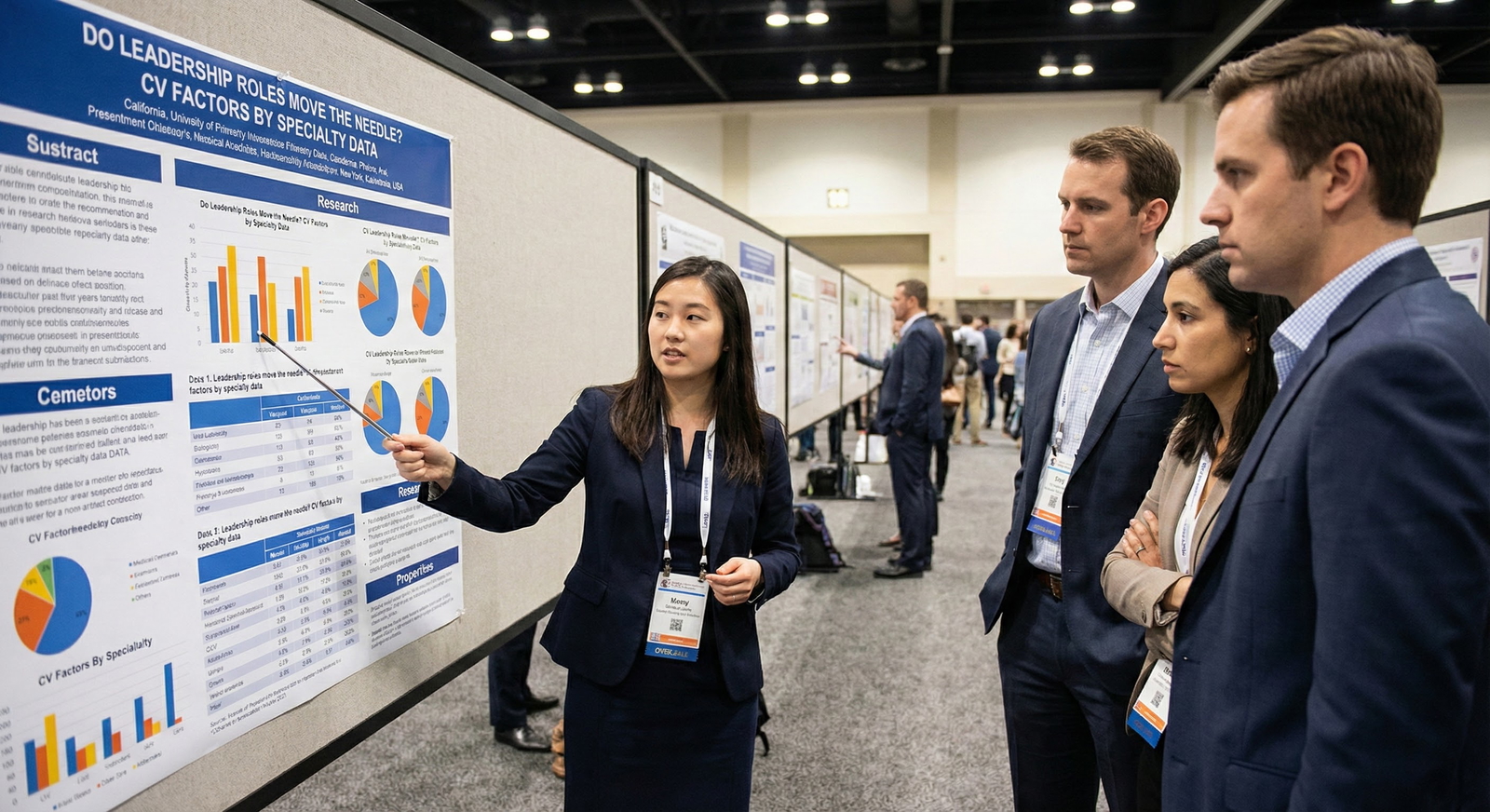
- Posters or presentations
List what you have, but do not inflate your contributions.
B. Abstracts, Posters, and Presentations
Include local, regional, national, and international meetings.
Example:
Posters & Presentations
- YourLastName A, Patel S. “Diagnostic Pitfalls in Bone Marrow Biopsies in Elderly Patients.” Poster presented at United States & Canadian Academy of Pathology (USCAP) Annual Meeting, Baltimore, MD, Mar 2023.
- YourLastName A. “Laboratory Quality Improvement in Hematology: Reducing Sample Rejection Rates.” Oral presentation at Medical School Research Day, May 2022.
Even institutional research days show initiative and scholarly engagement.
C. Research Experience (Projects)
List pathology or lab-related projects in which you played a substantial role. For each:
- Project title
- Institution
- Dates
- Mentor(s)
- 3–4 bullets explaining your role and outcomes
Example:
Research Assistant, Hematopathology Lab
Department of Pathology, Academic Medical Center, City, State
Jun 2022 – Dec 2023
Mentor: Dr. Sarah Patel
- Collected and analyzed clinicopathologic data from 140 patients with diffuse large B-cell lymphoma.
- Utilized SPSS to perform survival analysis and correlate immunohistochemical markers with outcomes.
- Contributed to manuscript drafting; co-author on resulting publication in Leuk Lymphoma.
- Presented preliminary findings at departmental research conference.
This level of detail proves you truly engaged with the project.
Showcasing Leadership, Teaching, and Professionalism

6. Teaching & Mentorship
Pathology is a teaching-heavy specialty—pathologists educate clinicians, residents, lab staff, and students. Highlight:
- Small-group teaching (e.g., histology review sessions)
- Peer tutoring (Step exam prep, pathology content, research skills)
- Formal teaching roles (TA for pathology, anatomy, histology, immunology)
- Curriculum development (designing modules, OSCE stations)
Example:
Teaching Assistant, Pathology Course
Allopathic Medical School, City, State
Aug 2022 – Dec 2022
- Led weekly review sessions for 25 second-year medical students covering fundamental concepts in anatomic and clinical pathology.
- Created practice exam questions and case-based learning exercises to reinforce high-yield topics.
- Received average teaching evaluation score of 4.8/5 from student feedback.
This strongly supports your fit for an academic or teaching-oriented pathology residency.
7. Leadership & Organizational Involvement
Programs value evidence that you can function as a reliable, organized, and collegial team member. For an MD graduate residency applicant:
- Pathology Interest Group leadership roles
- Student organization officer positions
- Committee work (curriculum, wellness, diversity, quality improvement)
- Event organizing (pathology symposiums, journal clubs, shadowing programs)
Example:
President, Pathology Interest Group
Allopathic Medical School
Jul 2022 – Jun 2023
- Organized monthly case conferences where residents and faculty presented interesting anatomic and clinical pathology cases to over 40 students.
- Developed a “Pathology Shadowing Pathway” that matched preclinical students with attending pathologists for OR pathology exposure and autopsy observerships.
- Coordinated a residency panel with current pathology residents to discuss the pathology match process and residency CV tips.
These roles show initiative and a genuine commitment to the specialty.
Honours, Memberships, Skills, and Personal Details
8. Honors & Awards
This section quickly signals excellence. Include:
- Academic honors (AOA, Gold Humanism Award, Dean’s List)
- Research awards (best poster, travel grants)
- Teaching awards (outstanding tutor/TA recognition)
- Scholarships (especially competitive ones)
Example:
Honors & Awards
- Best Student Research Poster, Department of Pathology Research Day, 2023
- Dean’s List, Allopathic Medical School, 2021, 2022
- Travel Grant Recipient, USCAP Annual Meeting, 2023
9. Professional Memberships & Extracurriculars
Pathology-specific memberships demonstrate professional engagement:
- College of American Pathologists (CAP)
- United States & Canadian Academy of Pathology (USCAP)
- American Society for Clinical Pathology (ASCP)
- Local / national medical associations
Example:
Professional Memberships
- Student Member, College of American Pathologists (CAP), 2022 – Present
- Member, American Society for Clinical Pathology (ASCP), 2023 – Present
Extracurricular Activities (limit to a few meaningful ones):
- Volunteer work (community health fairs, lab-based outreach)
- Organizing or participating in medical school wellness programs
- Student-run clinics (emphasize any lab coordination or diagnostics roles)
10. Skills, Languages, and Interests
Skills should be relevant and credible. For pathology and the pathology match:
- Lab skills (if you have solid experience):
- Histology techniques: tissue processing, embedding, microtomy, staining
- Immunohistochemistry workflow exposure
- Basic molecular techniques: PCR, gel electrophoresis, DNA extraction
- Data and statistical tools:
- SPSS, R, STATA, Excel
- Digital pathology or image analysis exposure
Avoid listing generic skills like “hard working” or “team player”; those should be evident from your roles and achievements.
Example:
Skills
- Laboratory: Basic histology techniques; experience observing grossing and frozen section procedures.
- Research: SPSS for statistical analysis; REDCap for data management.
- IT: Familiar with digital slide scanning platforms and virtual microscopy software.
Languages & Interests should be brief but may add a human dimension and show cultural competence:
Example:
Languages
- English (native)
- Spanish (conversational)
Interests
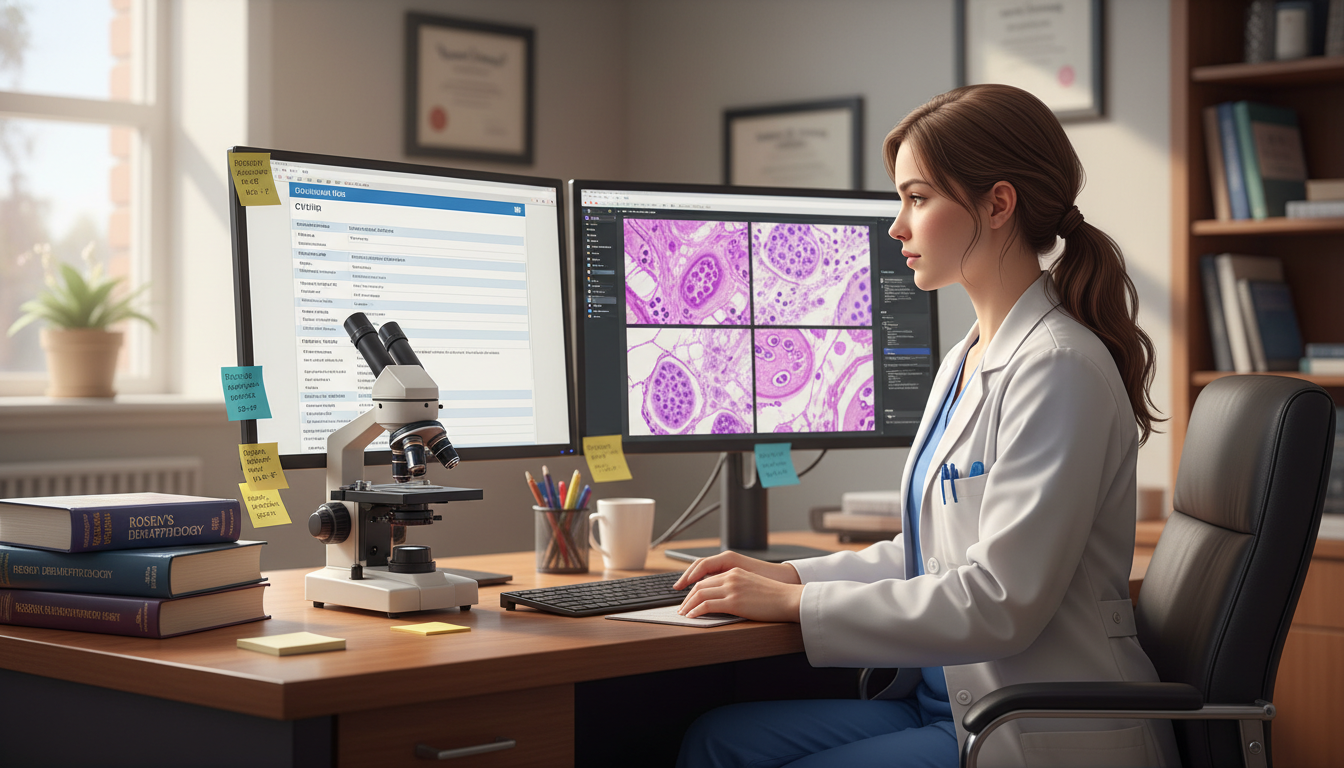
- Medical illustration of histologic specimens
- Mentoring pre-med students from underrepresented backgrounds
- Long-distance running
Keep this section short and professional.
Strategic Tips: Turning Your Experiences into a Strong Pathology CV
1. Align Your CV with Your Pathology Story
Every item on your CV doesn’t need to be pathology-related, but you should:
- Emphasize experiences that show analytical thinking, pattern recognition, or comfort with data.
- Highlight any direct exposure to labs, specimens, histology, or clinical decision support.
- Connect leadership and teaching roles to your future as a pathologist (e.g., “organized case-based pathology teaching sessions”).
2. Quantify Whenever Possible
Numbers make your accomplishments concrete:
- “Led 3 pathology journal club sessions” is stronger than “Participated in journal club.”
- “Reviewed 50+ bone marrow biopsies under supervision” is more powerful than “Observed bone marrow biopsy sign-out.”
3. Use Pathology-Relevant Keywords (Strategically)
Without keyword stuffing, it helps to naturally incorporate terms like:
- Anatomic pathology, clinical pathology, hematopathology, cytopathology, autopsy, histology, immunohistochemistry, molecular diagnostics, quality improvement, digital pathology.
This reinforces that your experiences are actually relevant to a pathology residency.
4. Address Gaps and Non-Linear Paths
If you had time away from medical school or a non-clinical year, the CV can help you:
- Show continuous engagement (research, coursework, observerships)
- Demonstrate maturity and resilience
Use clear, neutral language (e.g., “Personal leave for family reasons, maintained involvement in online pathology CME”).
5. Tailor Slightly for Different Uses
You might keep a master CV and then generate:
- A slightly condensed ERAS-friendly version (aligned with your ERAS entries)
- A research-focused CV with more detail on projects if you’re applying for pathology research positions
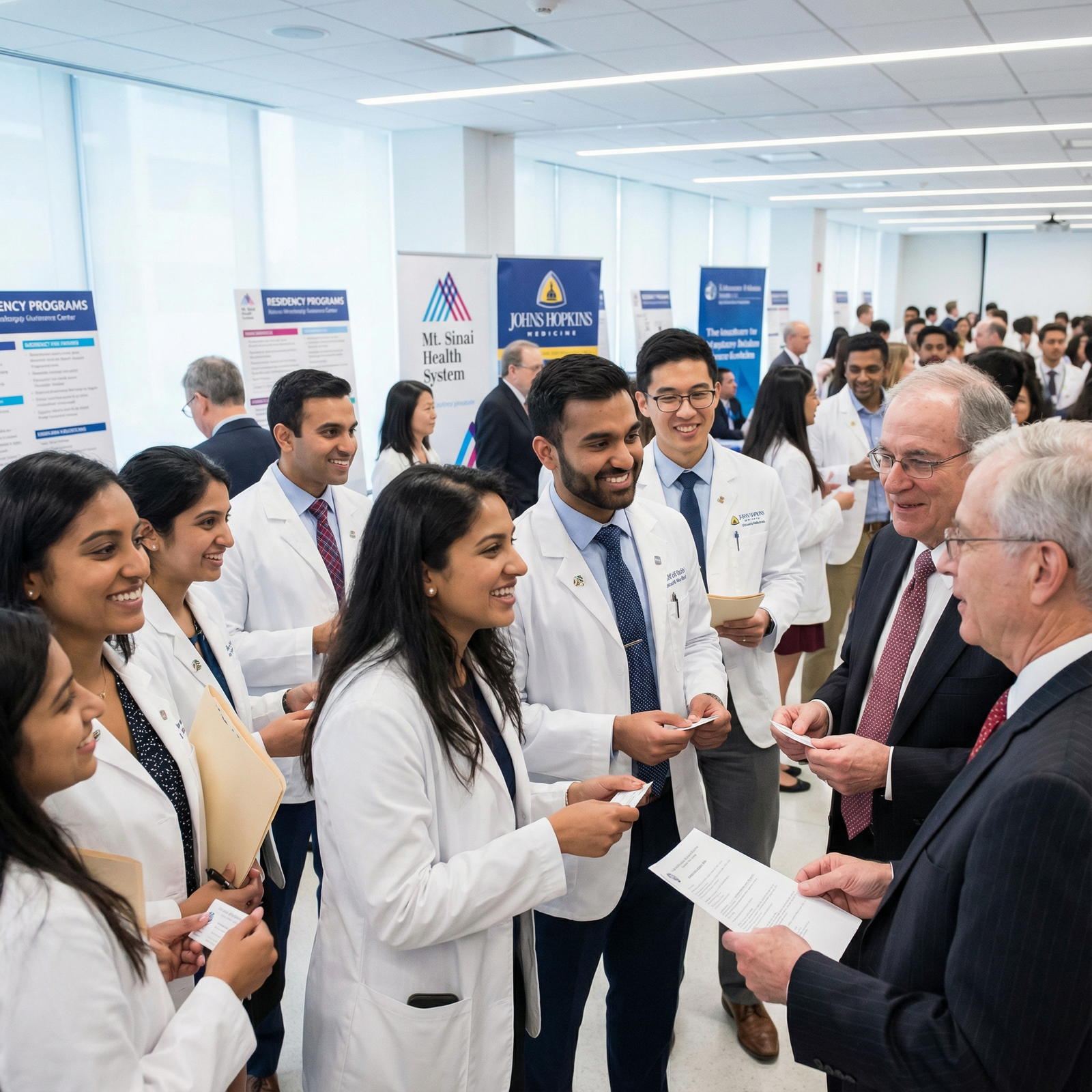
- A networking version (1–2 pages) you can email quickly to program faculty you meet at conferences
Common Mistakes MD Graduates Make on Pathology CVs
Avoid these frequent issues:
- Overcrowding with minor experiences
- Focus on depth and relevance, not just raw volume.
- Unclear roles in research projects
- Always specify your contribution: data collection, analysis, writing, etc.
- Typos and inconsistent formatting
- Especially problematic for pathology, where attention to detail is essential.
- Misaligned with personal statement and ERAS
- If your personal statement emphasizes hematopathology, but your CV shows no related experiences, it appears inconsistent.
- Inflating titles or responsibilities
- Program directors can detect exaggeration; honesty and accuracy are critical.
Putting It All Together: A Pathology-Focused CV Checklist
Before submitting, verify that your CV:
- Clearly identifies you as an MD graduate targeting pathology residency
- Highlights pathology electives, observerships, and relevant research
- Includes at least one substantial scholarly activity (research project, poster, or presentation)
- Demonstrates professionalism through consistent formatting and error-free text
- Shows evidence of teaching, leadership, or community engagement
- Reflects realistic, verifiable achievements that align with your overall application
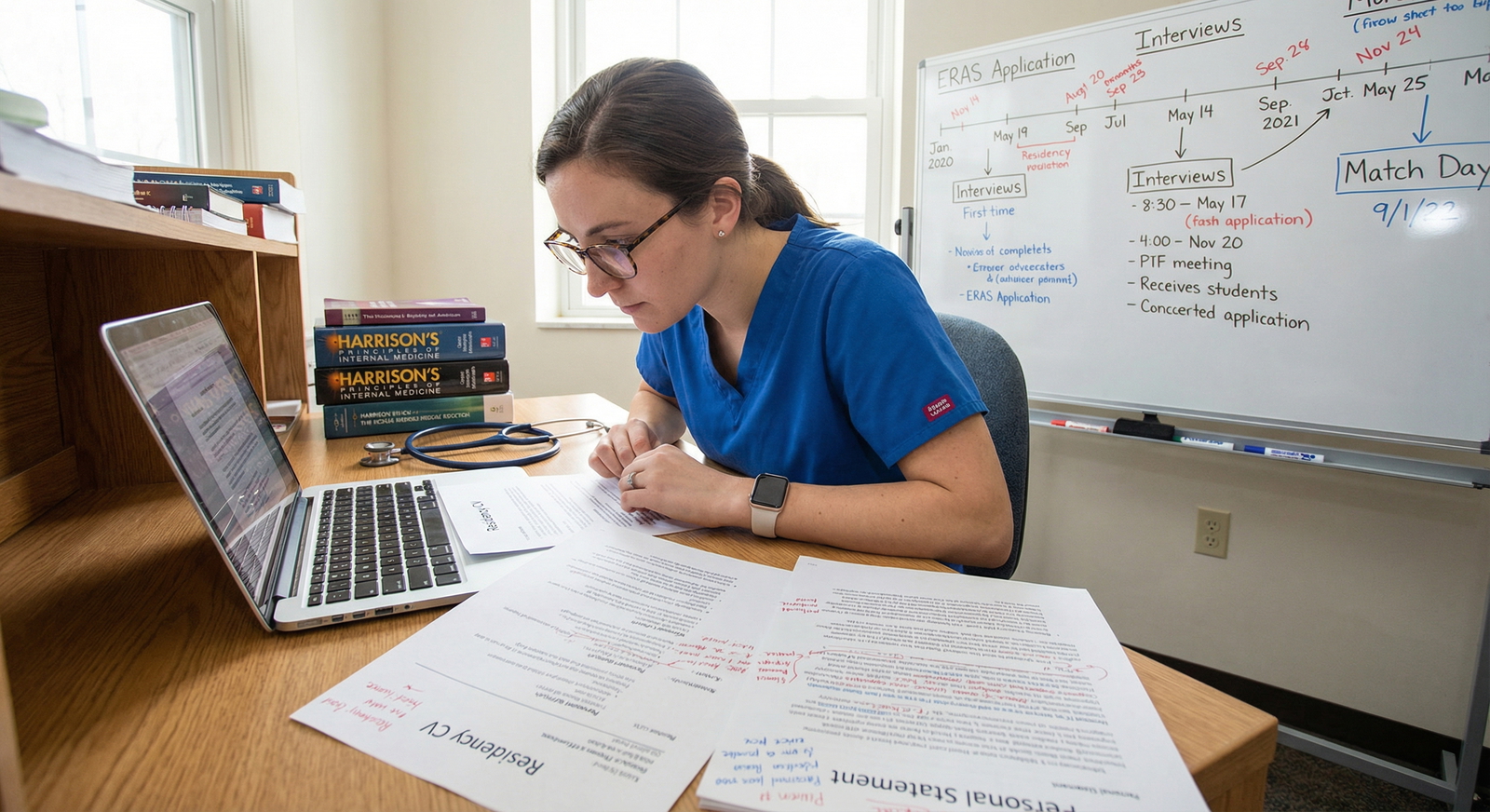
Use trusted mentors—especially pathology faculty—to critique your CV, and revise iteratively. Remember that your CV is not static; keep updating it as you gain new experiences, particularly in the lead-up to the pathology match.
FAQ: CV Building for MD Graduate in Pathology
1. How is a pathology residency CV different from a generic MD graduate residency CV?
A pathology residency CV places greater emphasis on:
- Pathology electives, observerships, and sub-internships
- Research or scholarly activity (especially pathology- or lab-related)
- Analytical and data-oriented experiences
- Teaching and academic involvement (journal clubs, case presentations)
The general structure is similar to other MD graduate residency CVs, but the content and emphasis should clearly support your interest in pathology and your readiness for the pathology match.
2. I have limited pathology research. Will that hurt my chances, and how can I compensate?
Many successful applicants to pathology residency have modest research backgrounds. You can compensate by:
- Maximizing exposure through pathology rotations, electives, and observerships
- Getting involved in a small, well-defined project that can realistically generate a poster or presentation before applications open
- Highlighting analytical experiences in other fields (e.g., internal medicine quality improvement, epidemiology electives)
- Demonstrating strong performance and commitment in pathology clinical experiences
Quality and clarity of your roles matter more than sheer number of research items.
3. Should my CV exactly match what’s in ERAS, or can I add more detail?
Your CV and ERAS application should be consistent, but your CV can:
- Provide more nuanced descriptions of your responsibilities
- Group related experiences more logically
- Include certain details (like exact contact info for mentors) that don’t fit in ERAS
Ensure that all dates, titles, and key facts align. Discrepancies can raise questions during the allopathic medical school match.
4. How early should I start building my residency CV for pathology?
Ideally, start structuring your master CV in the first clinical year of medical school and update it every few months. For MD graduate residency in pathology:
- Begin targeted pathology experiences (electives, interest group involvement) at least 12–18 months before the match.
- Aim to have your core CV structure and main content solid by late spring or early summer before you apply.
- Use the months before submission to refine wording, formatting, and alignment with your personal statement and letters.
Early, thoughtful planning makes your CV a powerful, coherent tool in your pathology residency application strategy.