Understanding the Role of Your CV in the Physiatry Match
For an MD graduate pursuing a PM&R residency, your CV is more than a list of accomplishments—it’s a strategic document that tells program directors, “I understand this specialty, I’ve taken concrete steps toward it, and I’m ready to succeed in your program.”
In the allopathic medical school match, especially for a relatively small specialty like Physical Medicine & Rehabilitation, the residency CV serves several roles:
- Snapshot of your trajectory: How you moved from general medical education to a focused interest in rehabilitation and function.
- Evidence of fit for PM&R: Clinical experiences, research, and extracurriculars that show you understand what physiatrists actually do—longitudinal care, interdisciplinary teamwork, neuro- and musculoskeletal medicine, disability advocacy, and functional outcomes.
- Substance behind your ERAS application: ERAS has its own structured sections, but most programs still want a traditional CV attached or uploaded. A strong, well-structured document reinforces what’s in ERAS and makes it easy to discuss you at selection meetings.
- Talking points for interviews: Everything on your CV is fair game. Thoughtful entries give interviewers clear angles for conversation and help you stand out.
This guide focuses on how to build a CV for residency in Physical Medicine & Rehabilitation—both how to organize what you already have and how to develop stronger experiences if you’re still in training or applying in the next cycle.
Core Principles of a Strong PM&R Residency CV
Before diving into specific sections, it helps to understand the overarching principles that guide excellent residency CV tips for MD graduates targeting PM&R.
1. Clarity and Professionalism Over Flashiness
Program directors often review dozens of files in a single sitting. They don’t want to decipher unusual designs.
- Use a simple, consistent font (e.g., Times New Roman, Calibri, Arial, 10–12 pt).
- Maintain clear headings and logical order.
- Avoid colors, graphics, or icons. Let content, not design, carry the impact.
2. Tailored to “MD graduate residency” Expectations
As an MD graduate, you’re held to certain professional standards:
- Your CV should look like it belongs in an allopathic medical school match context.
- Grammar, spelling, and formatting must be flawless.
- Dates and locations must be complete and consistent; no unexplained gaps.
3. PM&R-Relevant Emphasis
Your CV should whisper “physiatry” on nearly every page:
- Highlight musculoskeletal, neurologic, pain, sports, or rehabilitation-related experiences.
- Pull forward activities that demonstrate team-based care, goal setting, functional assessments, and longitudinal patient follow-up.
- Show that you understand disability, function, and quality of life, not just diagnoses and procedures.
4. Impact Over Volume
More bullet points don’t equal a stronger CV. Programs look for:
- Evidence of increasing responsibility (from participant to organizer, from data collector to first-author).
- Concrete outcomes (published paper, abstract presented, project implemented).
- Clear skills and competencies: leadership, communication, teaching, QI, research methods.
If you’re wondering how to build CV for residency that stands out, the answer is: choose and describe experiences that show what you did, why it mattered, and how it shapes you as a future physiatrist.
Structuring Your PM&R Residency CV: Section by Section
Below is a recommended structure for an MD graduate residency CV applying in Physical Medicine & Rehabilitation. The order can vary slightly, but this works well for most candidates.
1. Contact Information and Professional Identity
At the top of your residency CV, include:
- Full Name, MD
- Current contact info:
- Professional email (e.g., firstname.lastname@…)
- Cell phone (with country code if international)
- Current city/state
- Optional: LinkedIn or professional website if it’s updated and relevant.
Avoid including:
- Photo (unless customary in your country and allowed by programs)
- Personal identifiers like date of birth, marital status, or citizenship (these are ERAS items if needed, not CV essentials).
2. Education
List in reverse chronological order:
- Doctor of Medicine (MD) – Institution, City, State/Country
- Dates (Month/Year – Month/Year or expected graduation)
- Honors (e.g., AOA, Gold Humanism, Dean’s List, merit scholarships)
- Undergraduate degree(s) and any post-baccalaureate or graduate degrees.
For each, you can optionally include:
- Major/minor
- GPA or class rank (only if it’s a strength or standard for your school)
- Location of thesis work (if applicable) and whether it relates to PM&R.
Example (PM&R-tailored):
- Doctor of Medicine (MD), Allopathic Medical School XYZ, City, State
08/2020 – 05/2024- Honors: AOA Honor Society, Distinction in Medical Education
- Scholarly Focus: Musculoskeletal medicine and disability advocacy
3. Clinical Experiences and Clerkships
For an MD graduate residency application, ERAS captures formal clerkships, but your CV can emphasize PM&R-relevant aspects more explicitly.
Organize this section in a way that highlights Physiatry:
Option A: Separate PM&R-Relevant Experiences
- PM&R and Related Clinical Experiences
- Other Core Clinical Clerkships
Option B: Single Clinical Experience Section With Emphasis in Descriptions
Either approach is acceptable; choose the one that best showcases your alignment with PM&R.
Include for each experience:
- Rotation name (e.g., “Physical Medicine & Rehabilitation Sub-Internship”)
- Institution, City, State
- Dates (Month/Year – Month/Year)
- Brief bullet points (1–3) focusing on:
- Scope of patients (e.g., stroke, SCI, TBI, amputees, chronic pain)
- Teamwork (PT/OT/SLP, psychology, nursing, social work)
- Specific responsibilities (functional assessments, family meetings, goal setting)
- Any projects, QI, or case presentations.
Example Entry:
Physical Medicine & Rehabilitation Sub-Internship
University Hospital Rehabilitation Center, City, State
08/2023 – 09/2023
- Managed 6–8 inpatient rehab patients daily with diagnoses including stroke, TBI, and incomplete SCI under attending supervision.
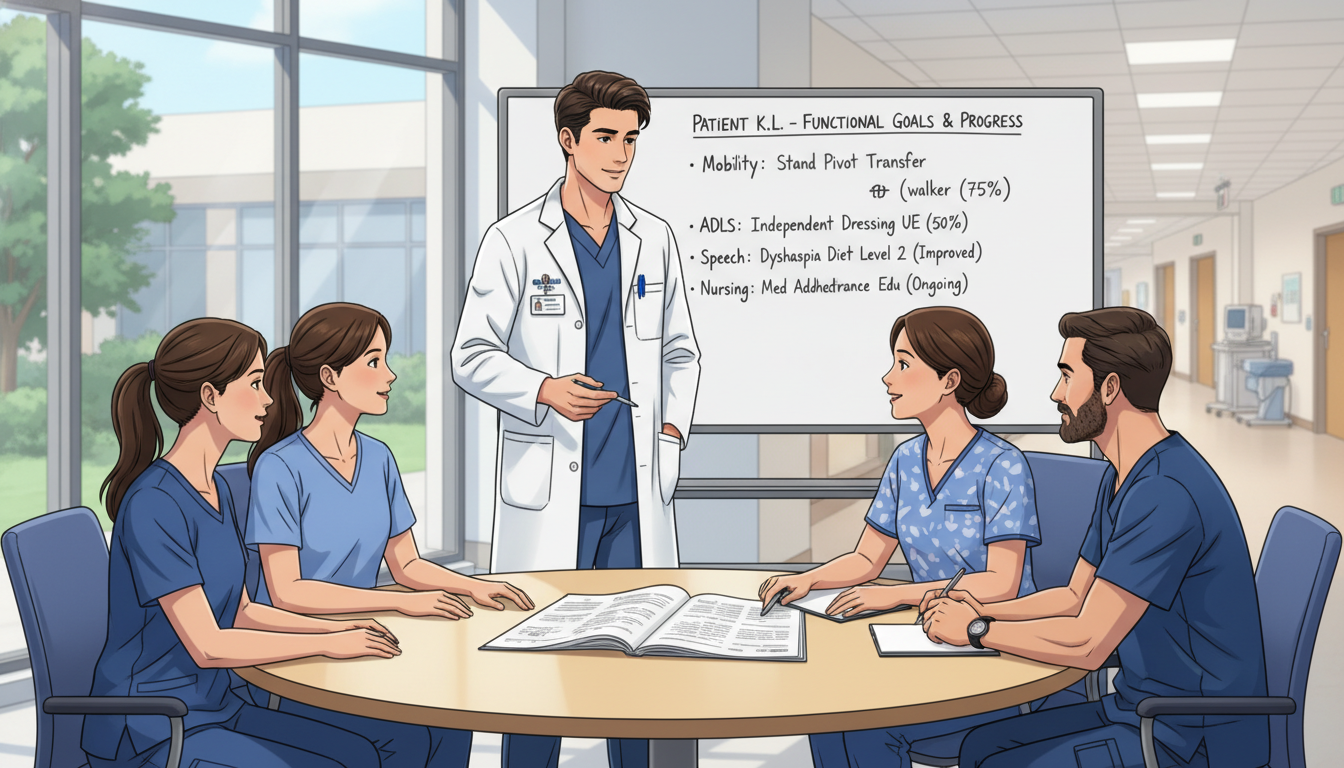
- Participated in interdisciplinary rounds with PT, OT, SLP, case management, and nursing, focusing on functional goals and discharge planning.
- Led a case presentation on spasticity management and participated in botulinum toxin injection clinic.
This level of detail shows that you truly understand physiatry beyond a superficial shadowing experience.
4. PM&R-Focused Experiences and Activities
This is where you distinguish yourself in the physiatry match. Create a dedicated section such as:
- Physical Medicine & Rehabilitation–Related Experiences
- Rehabilitation and Disability-Involved Activities
Include:
- Shadowing and observerships with physiatrists
- Rehab camp volunteering or adaptive sports involvement
- SCI, stroke, amputee, or brain injury support groups
- Disability advocacy, assistive technology interest groups, or PM&R student organizations
Example:
Volunteer, Adaptive Sports Program
City Adaptive Recreation Center, City, State
09/2022 – 05/2024
- Assisted individuals with spinal cord injury and cerebral palsy in wheelchair basketball and adaptive cycling sessions.
- Collaborated with PTs and OTs to ensure safe transfers and positioning, reinforcing understanding of functional goals and equipment needs.
- Educated new volunteers on disability etiquette and communication strategies.
These entries directly signal that your values and interests line up with PM&R residency training.
5. Research Experience
PM&R programs appreciate applicants who are curious, evidence-based, and capable of scholarly work, even if they do not require heavy research portfolios.
Create a section titled Research Experience or Scholarly Projects.
For each project, include:
- Project title or brief topic
- Role (e.g., Research Assistant, Co-Investigator)
- Institution and mentor (include a PM&R faculty mentor if applicable)
- Dates
- Short bullet points describing:
- Objective or research question
- Methods or your specific tasks (chart review, data analysis, survey design)
- Outcomes (abstracts, manuscripts, QI implementation)
Example PM&R-Relevant Entry:
Research Assistant, Early Mobilization After Stroke Study
Department of PM&R, University Hospital, City, State
01/2022 – 08/2023
Mentor: Jane Smith, MD
- Conducted retrospective chart review of 220 patients with ischemic stroke admitted to inpatient rehabilitation to evaluate associations between early mobilization and functional independence measure (FIM) scores at discharge.
- Extracted data from the EMR and entered into REDCap; performed descriptive statistics using SPSS.
- Co-authored abstract accepted for poster presentation at the American Academy of Physical Medicine and Rehabilitation (AAPM&R) Annual Assembly (2023).
6. Publications, Presentations, and Posters
If you’re aiming to strengthen your allopathic medical school match profile, this section is critical for showcasing your academic productivity.
Break it into subsections, if needed:
- Peer-Reviewed Publications
- Abstracts and Conference Presentations
- Book Chapters or Educational Materials
Use a consistent citation format (e.g., AMA). For each item, clearly state your authorship position and whether it’s PM&R-related; this subtly reinforces your fit for a physiatry match.
Example:
Doe J, Smith J, Lee A. Early mobilization and functional outcomes following ischemic stroke in inpatient rehabilitation. Arch Phys Med Rehabil. 2024;105(3):xxx–xxx. (In press)
Doe J, Smith J. Early mobilization and FIM scores after stroke: a retrospective cohort study. Poster presented at: AAPM&R Annual Assembly; November 2023; New Orleans, LA.
Even a single PM&R-related poster can significantly strengthen your residency CV.
Building and Showcasing Broader Competencies: Leadership, Teaching, and Service
Physiatrists lead interdisciplinary teams, teach patients and staff, and often advocate for disability rights. Program directors want to see that potential in your CV.
1. Leadership and Organizational Roles
Section title options:
- Leadership Experience
- Extracurricular and Leadership Activities
Highlight roles that show initiative and responsibility:
- PM&R interest group founder or president
- Student representative on curriculum committees
- Leadership in community outreach, especially related to disability or chronic illness
Example:
Co-Founder and President, PM&R Student Interest Group
Allopathic Medical School XYZ, City, State
04/2022 – 05/2024
- Organized monthly talks by physiatrists and rehabilitation professionals, increasing membership from 12 to 45 students.
- Coordinated a shadowing program with the inpatient rehab unit and outpatient MSK clinics.
- Led annual “Day in a Wheelchair” disability-awareness event across campus.
2. Teaching and Mentoring
Teaching experience is particularly valued; PM&R residencies often involve educating medical students, therapists, and patients.
Include:
- Peer tutoring
- Anatomy or clinical skills teaching assistant roles
- OSCE preceptor or small-group facilitator
- Workshop facilitator (e.g., musculoskeletal exam, back pain assessment)
Example:
Teaching Assistant, Musculoskeletal Anatomy
Allopathic Medical School XYZ, City, State
08/2021 – 12/2021
- Facilitated weekly lab sessions for 20 first-year medical students, emphasizing functional anatomy and clinical correlations relevant to MSK medicine.
- Developed a review handout on gait analysis and common musculoskeletal injuries.
3. Community Service and Advocacy
Rehabilitation medicine is deeply connected to community reintegration and quality of life. Show that you already share these priorities.
Include:
- Free clinics (especially chronic pain, neuro, or MSK focused)
- Disability advocacy or policy work
- Volunteering in nursing homes, rehab facilities, or community health fairs
Example:
Volunteer, Community Stroke Support Group
City Hospital Stroke Center, City, State
01/2023 – 06/2024
- Co-facilitated monthly support sessions for stroke survivors and caregivers; assisted with educational modules on home modifications and adaptive equipment.
- Coordinated collaboration with OT/PT staff to demonstrate safe transfers and fall-prevention strategies.
4. Honors, Awards, and Scholarships
Create a dedicated section, typically earlier in the CV (after Education or after Clinical Experiences) to quickly convey excellence.
Include:
- Medical school honors (AOA, GHHS, clerkship honors)
- PM&R-specific awards (e.g., best PM&R sub-I, rehabilitation service awards)
- Research awards or travel grants to PM&R conferences
Example:
Honors and Awards
- Outstanding Student in Physical Medicine & Rehabilitation Award, Department of PM&R, University Hospital (2023)
- Gold Humanism Honor Society Inductee, Allopathic Medical School XYZ (2023)
Practical Steps to Improve Your CV for a Competitive PM&R Match
If you’re still in school or in a “gap” period as an MD graduate, you can proactively build the experiences that will strengthen your CV before applying or reapplying.
1. Strategically Seek PM&R Exposure
- Electives and Sub-Internships: Aim for at least one inpatient and one outpatient PM&R experience, if available.
- Shadowing: If electives are limited, shadow physiatrists in pain, sports, pediatric rehab, SCI, or TBI.
- Conferences: Attend AAPM&R or regional PM&R society meetings; list attendance (and any active roles) in your CV.
Actionable step:
Email the PM&R department coordinator or residency program director at your institution to ask about observerships, research, or QI projects.
2. Build a Focused Scholarly Niche
You don’t need dozens of projects, but 1–3 solid, PM&R-relevant scholarly experiences are powerful.
Options include:
- Retrospective chart review on rehab outcomes (length of stay, discharge destination, FIM/IRF-PAI scores).
- Quality improvement project (e.g., pain assessment documentation, early mobility protocol).
- Educational project (e.g., PM&R teaching module for medical students).
Actionable step:
At the end of a PM&R rotation, ask: “Are there any ongoing projects I could help with or smaller projects I could take ownership of as an MD graduate?” Then add these, with results, to your CV.
3. Enhance Your Descriptions Using “Action + Impact”
When updating your medical student CV, avoid vague phrases. Use bullets that combine what you did with why it mattered.
Weak:
- Helped with rehab patients.
Stronger:
- Performed focused neuro and musculoskeletal exams daily on 6–8 inpatient rehab patients, contributing to functional goal reassessment and therapy plan adjustments.
This not only reads better but also indicates that you understand key components of physiatry.
4. Align Non-PM&R Activities With PM&R Competencies
Even if much of your experience is general (internal medicine, surgery, primary care), you can draw out relevant themes:
- Longitudinal follow-up
- Chronic disease management
- Patient education and shared decision-making
- Team-based care and communication
Example transformation:
Instead of:
- Rotated on Internal Medicine inpatient service.
Use:
- Managed 4–6 patients with chronic conditions (COPD, CHF, diabetes) on the Internal Medicine service, coordinating with PT/OT for safe discharge planning and home support services.
You’ve now signaled skills that translate directly to inpatient rehabilitation.
5. Keep a Living Document
Don’t wait until application season to reconstruct your history. Maintain a master CV and update it regularly:
- Add new activities and roles immediately, with dates and specifics.
- Keep a running list of talks, posters, and projects—even if “in progress.”
- Maintain a “PM&R Highlights” subsection you can quickly copy into ERAS.
Frequently Asked Questions (FAQ)
1. How long should my PM&R residency CV be as an MD graduate?
For most MD graduate residency applicants, 3–5 pages is typical and acceptable. Depth is important, but avoid padding. If your CV runs beyond 5 pages, ensure every section adds value and that you’ve combined or condensed minor entries where appropriate.
2. Should I include non-medical jobs or activities on my residency CV?
Yes—if they demonstrate qualities relevant to PM&R (teamwork, leadership, resilience, communication, service). For example, working as a personal trainer, adaptive sports coach, or even customer service supervisor can be framed to show skills that translate to patient care. Very old or unrelated items (e.g., short-term high school jobs) can be omitted unless they are uniquely compelling.
3. Is it a problem if I have limited PM&R-specific research?
Not necessarily. Many successful PM&R residents have modest or no PM&R-specific research. What matters is:
- Demonstrating genuine interest in physiatry through clinical experiences and activities.
- Showing you can think critically and engage in scholarly work, even if your primary project is in another field. If you lack PM&R research, consider short projects, case reports, or QI work you can complete before or early during application season.
4. How different should my ERAS application be from my CV?
They should be consistent, but not identical:
- ERAS uses structured fields and character limits; your CV can provide more context, especially for PM&R relevance.
- The same experiences should appear in both, with matching dates and roles.
- Use the CV to emphasize PM&R connections more explicitly and organize your story in a way that highlights your path toward physiatry.
By crafting a clear, PM&R-focused CV and actively building experiences aligned with rehabilitation medicine, you not only strengthen your chances in the physiatry match, but also clarify your own professional identity as a future physiatrist. Treat your CV as a living document that evolves with your growth—and as a strategic tool that communicates why you are an ideal fit for a PM&R residency.