Understanding the CV Landscape for US Citizen IMGs in Medical Genetics
For a US citizen IMG (American studying abroad), the residency application process can feel like navigating two systems at once: the expectations of US program directors and the realities of training outside the US. Now add a niche field like medical genetics residency, and the strategy becomes even more specific.
Medical genetics is small, academic, and highly specialized. Programs tend to be:
- Highly academic and research-oriented
- Detail-focused (they expect precision, clarity, and organization)
- Team-based and multidisciplinary (working with pediatrics, maternal–fetal medicine, oncology, neurology, etc.)
Your CV is one of the first places these traits (or the lack of them) will show. For a US citizen IMG, a strong, well-structured CV is not “nice to have”—it’s one of your most powerful tools to counteract any concerns about:
- Training quality differences
- Limited US clinical exposure
- Understanding of the US healthcare system
- Long gaps or non-traditional pathways
This guide will walk you through how to build a CV for residency in medical genetics that speaks directly to program directors’ priorities, with special attention to US citizen IMG–specific challenges and opportunities.
We’ll cover:
- Core structure and formatting of a strong medical student CV
- Genetics-specific content that makes you stand out
- Strategies to convert your international background into a strength
- Targeted residency CV tips for the genetics match
- Common mistakes and how to avoid them
Step 1: Know What Medical Genetics Program Directors Look For on a CV
Before editing a single bullet point, you need to understand your audience. Medical genetics program directors read your CV looking for signals in several key domains.
A. Evidence of Genuine Interest in Genetics
Medical genetics residencies are small. Programs don’t want applicants “testing the waters.” They want to see:
- Longstanding interest in genetics or genomics
- A trajectory toward rarity/complex disease, dysmorphology, or inherited disorders
- Specific steps you’ve taken to explore the field
On a CV, this appears as:
- Genetics-related electives or clerkships
- Research in genetics, genomics, molecular biology, or rare diseases
- Genetics clinic shadowing or observerships
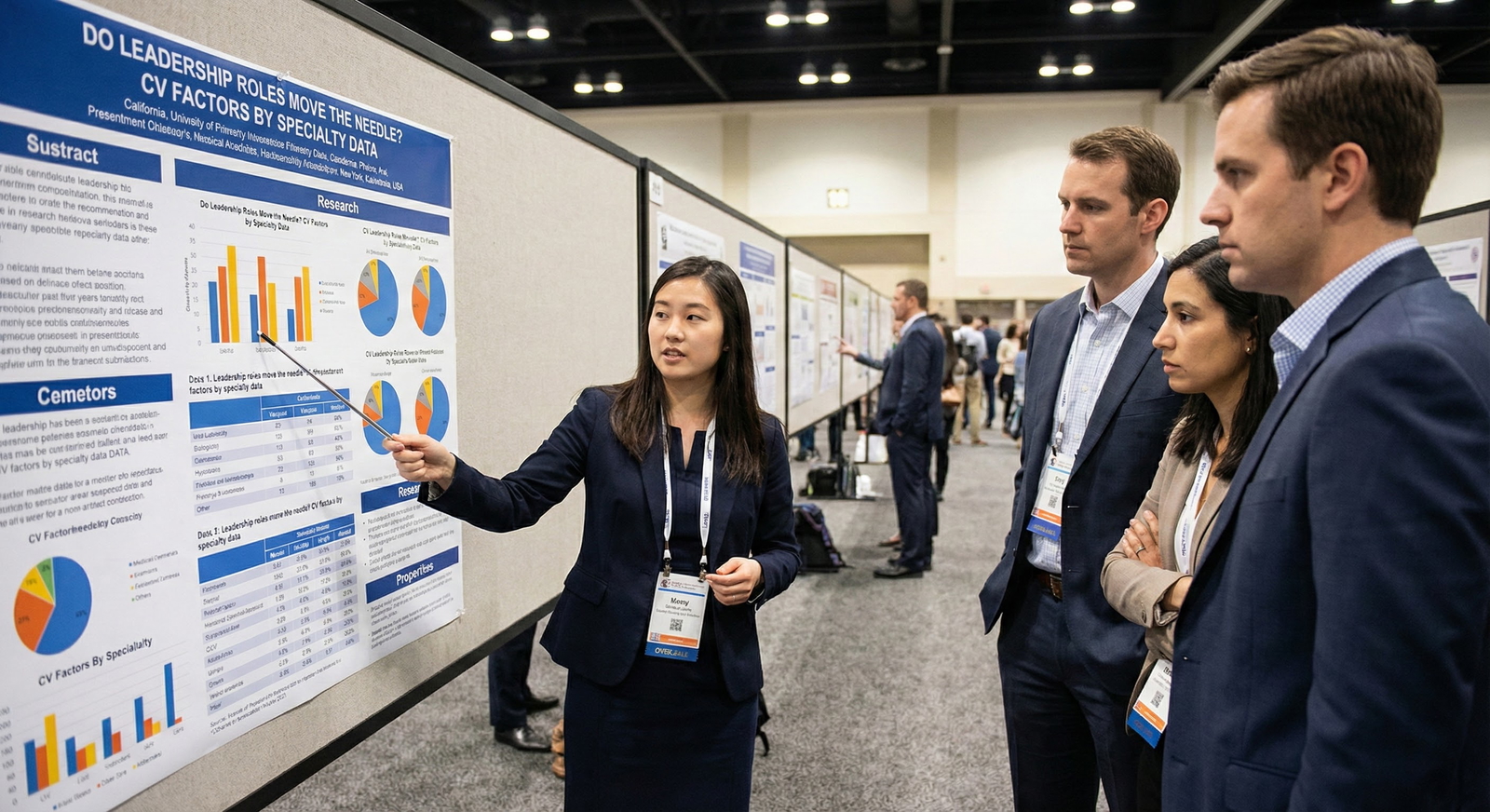
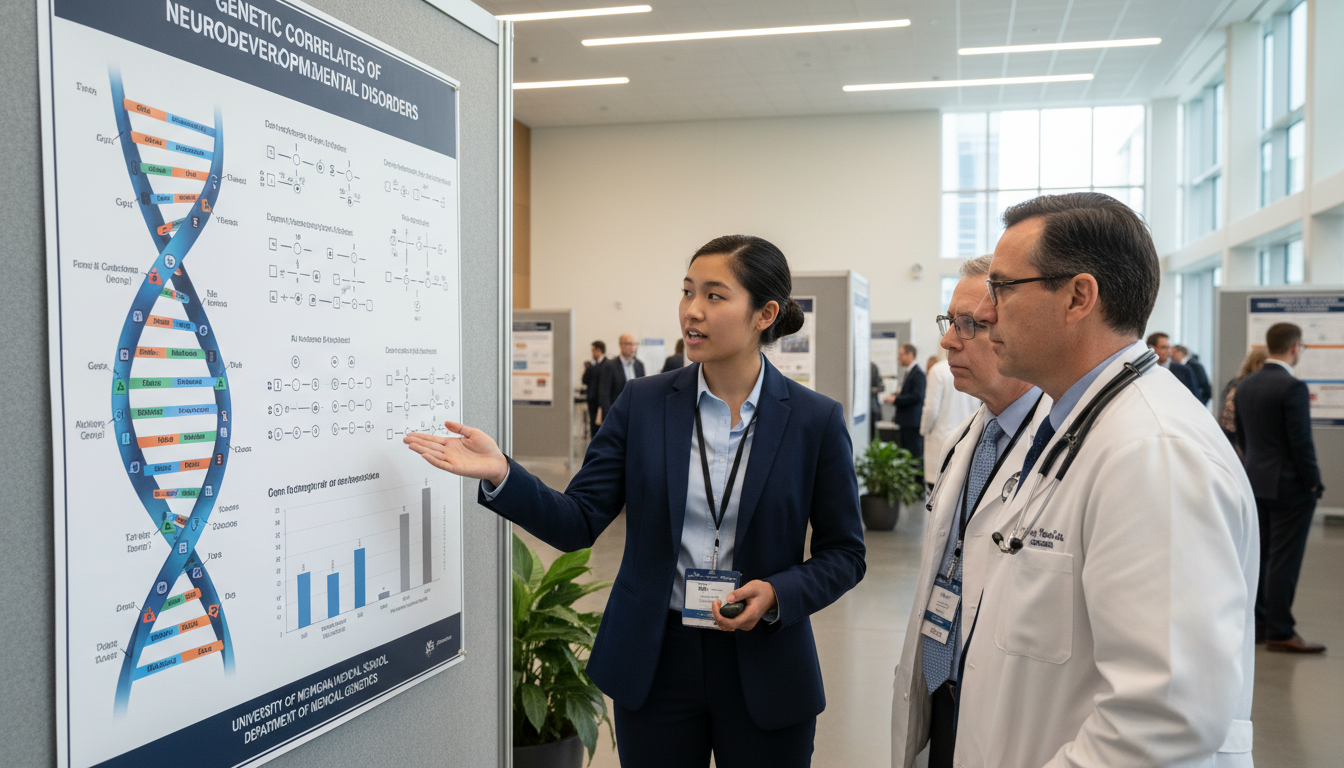
- Presentations/posters on genetic topics
- Membership or leadership in genetics-focused interest groups
B. Academic Rigor and Analytical Thinking
Genetics is exam- and board-heavy, with lots of complex conceptual material. Program directors scan for:
- Strong basic science foundation (biochemistry, molecular biology)
- Research experience with data, statistics, or lab methods
- Publications or poster presentations (especially if you’re first or second author)
- Honors or awards, particularly in scientific subjects
C. Communication Skills and Counseling Potential
Geneticists spend a lot of time explaining risk, uncertainty, and probability to patients and families. Your CV should demonstrate:
- Teaching experience (peers, juniors, community)
- Peer mentoring or tutoring in complex subjects
- Volunteer work involving patient education or counseling
- Leadership roles requiring clear communication
D. US Citizen IMG–Specific Considerations
As a US citizen IMG or American studying abroad, programs will look on your CV for:
- US clinical experience (USCE): electives, sub-internships, observerships
- Evidence that your medical education is robust and comparable
- Any additional certification or coursework in the US system (e.g., HIPAA, IRB training, US-based research programs)
- Timeliness and progression (no unexplained long gaps)
Your CV must clearly highlight your US ties: undergraduate education, prior work in the US, family in the US, long-term plan to practice in North America.
Step 2: Structure of a Strong Residency CV for Medical Genetics
While formats vary slightly, a well-organized medical student CV for the genetics match should follow a logical order and be easy to skim. Typical sections:
- Contact Information
- Education
- USMLE/COMLEX Scores (optional on CV, but often included for IMGs)
- Clinical Experience (US first, then international)
- Research Experience
- Publications and Presentations
- Awards and Honors
- Leadership and Extracurricular Activities
- Teaching and Mentoring
- Professional Memberships
- Skills (laboratory, language, technical)
- Personal Interests (brief, selective)
A. Contact Information
At the top:
- Full name (consistent with ERAS and all documents)
- Email (professional address; avoid nicknames)
- Phone number (US-based if possible; use WhatsApp or similar as backup)
- Current address (can list both international and a US contact address if relevant)
- Optional: LinkedIn or professional website if it’s polished and updated
Do not include:
- Photo
- Date of birth
- Marital status
- Citizenship (that appears elsewhere in the application)
B. Education Section: Highlighting Your Path as a US Citizen IMG
List in reverse chronological order:
- Medical school (full name, city, country, dates)
- Degree (e.g., MD, MBBS, etc.), expected or actual graduation year
- US undergraduate degree (this is very important for US citizen IMGs)
- Any graduate degrees (MS in genetics, MPH, etc.)
For American studying abroad, explicitly call out your US education:
Bachelor of Science in Biology, Genetics Concentration
University of [X], [State], USA | 2015–2019
You can add 1–2 bullets per degree for distinctions relevant to genetics:
- Honors thesis in molecular genetics of [topic]
- Graduated magna cum laude
- Dean’s List [years]
This reinforces your academic foundation and US academic background.
Step 3: Showcasing Clinical Experience Strategically
For a US citizen IMG, your clinical experience section is high-stakes. Programs want to know: Can you function in the US system, and do you understand how genetics fits into patient care?
A. Prioritize US Clinical Experience (USCE)
Create a subsection: US Clinical Experience
Include:
- Sub-internships or acting internships
- Clinical electives
- Observerships (labeled as such; never misrepresent)
For each:
- Site: Hospital/clinic, city, state, country (USA)
- Role: “Clinical elective in Pediatrics,” “Sub-internship in Internal Medicine”
- Dates (month/year – month/year)
- 2–4 bullets focusing on responsibilities and outcomes
Example (good for medical genetics):
Clinical Elective, Pediatric Genetics Clinic
Children’s Hospital of [X], [City, State], USA | 08/2024 – 09/2024
- Observed and assisted in evaluation of children with suspected genetic syndromes, including dysmorphology assessment and family histories.
- Participated in multidisciplinary case conferences with genetic counselors, metabolic specialists, and social workers.
- Reviewed genetic testing reports and learned basic interpretation of microarray and exome sequencing results under supervision.
Even if you only have a short genetics observership, positioning it prominently proves genuine interest.
B. International Clinical Experience
Next, list your home-country or international rotations:
- Use similar format: department, institution, location, dates
- Emphasize experiences that indirectly support genetics: NICU, oncology, neurology, maternal–fetal medicine, high-risk OB, pediatrics
Example:
Clinical Clerkship, Obstetrics & Gynecology
[Medical University Hospital], [City, Country] | 03/2023 – 05/2023
- Managed patients with high-risk pregnancies including suspected fetal anomalies, collaborating with perinatology team.
- Counseled patients on prenatal screening options (NT scan, serum markers), under supervision.
Even if your school didn’t have a formal genetics rotation, many fields intersect with genetics—highlight those overlaps.
C. Addressing Gaps or Nonlinear Paths
If you had a delayed graduation, exam failures, or breaks for research, use your CV to show productivity during that time:
- Research positions
- Additional degrees or certificates
- Work in healthcare or related fields
The aim is not to hide the gap (ERAS shows dates anyway), but to prove you used time constructively.
Step 4: Building a Genetics-Focused Research and Academic Profile
Medical genetics is research-friendly. Even modest research can distinguish you from other US citizen IMGs if presented strategically.
A. Research Experience: Emphasize the Genetics Angle
Create a dedicated Research Experience section. For each project:
- Role (Research assistant, Student researcher, Co-investigator)
- Department, institution, and location
- Dates
- Supervisor’s name and title (especially if known in the field)
- 2–5 bullets explaining the project and your contributions
If a project is not strictly genetics, highlight any link to:
- Inherited diseases
- Oncology (molecular markers)
- Pharmacogenomics
- Metabolic disorders
- Neurodevelopmental conditions
Example:
Student Researcher, Department of Neurology
[University Hospital], [City, Country] | 01/2023 – 06/2023
Supervisor: Dr. [Name]
- Contributed to a chart review of patients with early-onset epilepsy, focusing on associated neurodevelopmental and suspected genetic etiologies.
- Helped extract data on family history, consanguinity, and prior genetic testing to identify candidates for gene panel testing.
- Co-authored abstract submitted to [Conference Name] on prevalence of suspected monogenic epilepsy in a tertiary care cohort.
This positions even non-lab work as genetics-relevant.
B. Publications and Presentations
Separate Publications from Abstracts & Presentations:
- Use standard citation style
- List peer-reviewed papers first
- Then conference posters, oral presentations, and abstracts
For genetics match, even a single abstract in a regional conference on a genetically-influenced disease is valuable.
If you have no publications yet:
- Aggressively pursue poster opportunities (case reports, case series, QI projects)
- Ask mentors whether any ongoing project could use your help with data collection or analysis
- Consider writing a review article on a niche genetics topic with faculty supervision
C. Lab and Technical Skills
In genetics, technical literacy is an advantage. Add a Skills subsection for:
- Lab: PCR, DNA extraction, gel electrophoresis, cell culture
- Analytics: SPSS, R, STATA, basic bioinformatics pipelines (if applicable)
- Data visualization (Excel, Prism, etc.)
Example:
Laboratory Skills: DNA extraction, PCR amplification, agarose gel electrophoresis, Sanger sequencing sample preparation
Statistical/Analytic Tools: SPSS, basic R programming for descriptive analysis
Even basic skills help signal your comfort with the scientific side of genetics.
Step 5: Non-Clinical Sections That Matter a Lot in Genetics
A. Leadership and Extracurricular Activities
Genetics requires collaboration with multiple specialties and allied health professionals. Show leadership that:
- Demonstrates teamwork and coordination
- Involves interdisciplinary projects
- Highlights patient or family advocacy
Examples:
- Founder or officer of a Genetics or Rare Disease Interest Group
- Organizer of an awareness campaign for rare diseases or newborn screening
- Leader in student organizations focused on patient advocacy
Use bullet points that show outcomes, not just participation:
- Organized a “Rare Disease Day” campus event attended by 150+ students and faculty, featuring talks by genetic counselors and patient advocates.
- Coordinated a student team to produce educational flyers on inherited cancer syndromes distributed in university clinics.
B. Teaching and Mentoring
Geneticists teach constantly—patients, families, trainees. Include:
- Small-group teaching (anatomy, biochemistry, molecular genetics)
- Peer tutoring
- Creating educational materials
Example:
- Led weekly peer-tutoring sessions in molecular genetics for pre-clinical students, focusing on clinically relevant inheritance patterns and genetic testing basics.
C. Professional Memberships
List memberships related to genetics and medicine:
- American College of Medical Genetics and Genomics (ACMG) – student membership
- American Society of Human Genetics (ASHG) – if applicable
- National or regional medical associations
- Local medical genetics or pediatrics societies (even abroad)
Student membership in ACMG or ASHG is a very clear signal of serious interest.
D. Personal Interests: Subtle Signals
Keep this section short (3–5 bullet points). Thoughtful hobbies can support a genetics narrative:
- Data visualization, statistics, coding projects
- Bioethics reading groups, science communication
- Language skills (important for counseling diverse families)
Example:
- Interest in science communication, co-managing a student blog explaining complex medical topics such as genetic testing to a lay audience.
Program directors often read this section to gauge maturity, personality fit, and communication style.
Step 6: US Citizen IMG–Specific Residency CV Tips
As a US citizen IMG, your CV has additional strategic goals.
A. Make US Ties and Long-Term Commitment Obvious
Weave your US connections throughout:
- US undergraduate education
- US-based research or internships
- US volunteer work (even pre-med)
- Family or support system in the US (hinted in personal interests or activities, not explicitly stated as “citizenship advantage”)
This reassures programs you are likely to stay and contribute long-term.
B. Clarify Academic Equivalence
For international medical schools, especially lesser-known ones:
- Use your CV to demonstrate rigor: class rank (if high), distinction awards, honors
- Mention competitive admission or achievements, if verifiable: “Top 10% of class,” “Merit-based scholarship”
- Highlight English-language instruction if it might be a question (briefly, not as a bullet point obsession)
C. Balance Brevity and Detail
Aim for 2–4 pages for a medical student CV. Avoid padding with:
- High school achievements
- Unrelated short-term jobs unless they reflect clear transferable skills (e.g., intensive data work, translation, counseling roles)
Focus on what program directors care about: clinical ability, interest in genetics, research aptitude, communication, professionalism.
D. Precision, Clarity, and No Red Flags
As an IMG, any sloppiness can reinforce negative stereotypes. Ensure:
- No exaggeration or misrepresentation (e.g., calling an observership a “clerkship”)
- Dates are accurate and consistent with ERAS
- Titles are honest (don’t claim “lead author” if you’re not)
- Grammar and spelling are impeccable (have multiple people review)
In a data-driven field like medical genetics, attention to detail is non-negotiable.
Step 7: Common Mistakes and How to Fix Them
Mistake 1: Generic CV With No Genetics Focus
Fix:
- Add a “Clinical Interests: Medical Genetics and Genomics, Pediatric Genetics, Dysmorphology” line under your name or in a brief Summary section
- Reorder experiences so genetics-related activities appear early
- Highlight genetics-related components of rotations and research with targeted wording
Mistake 2: Overemphasizing Pre-Med Activities
Many American studying abroad candidates lean heavily on old US experiences because they feel safer. Too much pre-med content makes you look less clinically advanced.
Fix:
- Limit pre-med jobs or volunteering to 2–3 strong entries that clearly show relevant skills (research methods, communication, leadership)
- Remove unrelated early activities (high school, general jobs with no clear link to medicine)
Mistake 3: Lack of US Clinical Focus
Fix:
- If you lack USCE, prioritize obtaining at least one US-based elective or observership—then feature it prominently
- If you have USCE, ensure it’s at the top of the Clinical Experience section, and that bullets highlight your ability to function in US teams
Mistake 4: Too Much Dense Text, Hard to Scan
Program directors skim quickly. Dense paragraphs are often skipped.
Fix:
- Use bullet points, concise action verbs, and measurable outcomes
- Bold or italicize key details sparingly to guide the eye (e.g., “Pediatric Genetics Clinic,” “ACMG Annual Meeting Poster”)
- Keep bullets 1–2 lines where possible
Mistake 5: No Clear Story
The best CVs tell a coherent story: “I’m a US citizen IMG who developed an interest in genetics, sought out research and clinical exposure, cultivated my skills, and now I’m ready for your program.”
Fix:
- Review your CV from top to bottom asking: “Does this support my identity as a future medical geneticist?”
- Remove or downplay items that distract from this narrative
- Strengthen transitions: show progression from early interest to more advanced involvement
Practical Action Plan: How to Build Your CV for the Genetics Match (Next 6–12 Months)
If you’re 6–12 months from applying:
Secure at least one US genetics-related experience
- Pediatric or adult genetics clinic observership
- Clinical elective involving inherited disorders (e.g., oncology with hereditary syndromes, fetal medicine)
Pursue a small, achievable genetics project
- Case report on a rare syndrome you encounter
- Retrospective chart review with faculty mentor
- Literature review with plans for poster presentation
Join genetics-focused organizations
- ACMG or ASHG student membership
- Medical Genetics or Rare Disease student interest group (or start one)
Deliberately practice communication and counseling skills
- Volunteer in roles involving explaining health topics to laypeople
- Tutor in complex subjects like biochemistry/genetics
Refine your CV iteratively
- Create a “master” CV with all content
- Then trim it into a focused residency CV centered on medical genetics
- Ask a genetics mentor or faculty member to review it
If you’re closer to application season, prioritize organization and clarity—you may not have time to add many new activities, but you can make your existing ones far more compelling.
FAQs: CV Building for US Citizen IMG in Medical Genetics
1. How long should my residency CV be as a US citizen IMG applying to medical genetics?
For most applicants, 2–4 pages is appropriate. Under 2 pages often means you’re leaving out detail that can differentiate you; over 4 pages risks including marginally relevant or outdated content. Focus on the past 4–6 years and anything that strongly supports your genetics interest, academic strength, and readiness for US training.
2. Do I need genetics research specifically, or is any research okay?
Genetics-specific research is ideal, but any well-done research is still valuable. If your research is not directly genetics, emphasize aspects that relate to:
- Inherited or familial patterns
- Molecular or cellular mechanisms
- Rare or complex diseases
Then try to add at least one genetics-flavored project (even a case report or poster) before you apply, to make your interest more explicit.
3. How important is US clinical experience (USCE) for the genetics match as a US citizen IMG?
USCE is very important, especially for IMGs, even if you’re a US citizen. Programs want proof that you can function in the US healthcare environment. For medical genetics, a mix of USCE in core specialties (IM/Peds) and even a short genetics observership is ideal. If you can only secure one or two experiences, prioritize quality: strong letters and clear genetics relevance.
4. Should I list my US citizenship on the CV itself?
You don’t need to explicitly list citizenship status on the CV; ERAS and application forms will capture that. Instead, use your CV to demonstrate your US connections through education, experience, and long-term engagement. The combination of US undergrad, US volunteering/research, and USCE will make your background clear without dedicating a bullet to “US citizen.”
By approaching your medical student CV as both a factual document and a strategic narrative, you can present yourself as a focused, prepared, and genuinely motivated candidate for medical genetics residency—even as a US citizen IMG navigating the complexities of the genetics match. Your goal is simple: when a program director finishes skimming your CV, they should think, “This applicant has consistently moved toward genetics, understands our field, and can thrive in our program.”