Understanding the Pathology Residency CV as a US Citizen IMG
As a US citizen IMG (international medical graduate) or American studying abroad, your CV is more than a list of experiences—it’s your credibility document for program directors who may not be familiar with your school or training system. For pathology residency, where programs scrutinize academic performance, attention to detail, and commitment to the specialty, a well-structured, strategic CV can significantly influence your chances in the pathology match.
This article focuses on how to build a CV for residency specifically tailored to:
- US citizen IMG applicants
- Those targeting pathology residency in the US
- Medical students and recent graduates looking for practical residency CV tips
We’ll walk through what to include, how to present it, and how to compensate for common IMG challenges, such as unfamiliar schools, limited US experience, or a non-linear path.
1. CV Structure: What a Strong Pathology Residency CV Should Look Like
Before polishing the content, your medical student CV needs clear, standard formatting so program directors can quickly find what they care about. For pathology, clarity and organization indirectly show skills valued in the specialty: precision, structure, and analytical thinking.
Essential Sections for a Pathology Residency CV
A typical, well-organized pathology CV should include:
- Contact Information & Professional Summary (Optional)
- Education
- USMLE (or COMLEX) Scores & Licensure
- Clinical Experience
- US Clinical Experience (USCE) emphasized
- Pathology-specific experience highlighted
- Research Experience
- Publications, Presentations, and Posters
- Teaching & Leadership
- Honors, Awards, and Scholarships
- Professional Memberships
- Skills (Technical & Language)
- Volunteer & Community Service
- Personal Interests (Brief)
You do not have to use all sections if they are empty, but avoid obvious gaps—if you lack formal research, you might have case presentations or quality improvement projects to list.
Formatting Principles That Matter
- Length: 2–4 pages is typical for a medical student CV applying for residency.
- Font & Layout: Clean fonts (e.g., Arial, Calibri, Times New Roman), 10.5–12 pt, consistent headings, bullet points, and spacing.
- Reverse Chronological Order: Most recent experiences first.
- No graphics or fancy designs: Residency CVs should be professional, not creative portfolios.
- File name:
LastName_FirstName_CV_PathologyResidency.pdf
For a US citizen IMG, you should avoid confusion by:
- Always listing city, country of your medical school.
- Including expected or actual graduation date clearly.
- Using standard US terminology for rotations and degrees when possible (e.g., “Internal Medicine Clinical Clerkship” instead of “Stage” or “Practical Training”).
2. Education, Exams, and US Experience: Establishing a Strong Core
For US citizen IMGs, program directors often ask: “Can this applicant function in the US training environment?” Your education, exam performance, and US experience directly help answer that.
Education: Presenting Your Medical School Strategically
In your Education section:
Example:
- Doctor of Medicine (MD), Class of 2025
University of XYZ Faculty of Medicine – City, Country- ECFMG certification anticipated: June 2025
- Pathology Honors (Top 5% of class)
- Cumulative GPA: 3.8/4.0 (if meaningful and comparable)
Actionable tips:
- If your school is less known, you can add a brief clarifying line under it, such as:
- “6-year MD program with integrated pre-clinical and clinical curriculum”
- Highlight strong performance in pathology-related subjects: histology, pathology, hematology, microbiology, lab medicine.
- If you took US undergraduate coursework, list that too—US programs value demonstrated success in US education systems.
USMLE Scores: Be Clear and Honest
Create a separate section:
USMLE / Licensure
- USMLE Step 1 – Pass (First attempt, May 2023)
- USMLE Step 2 CK – 245 (First attempt, September 2023)
- ECFMG Certification – Anticipated June 2025
Pathology programs are detail-oriented, so:
- Specify attempts, especially if more than one.
- For US citizen IMG applicants, solid Step 2 CK performance can counterbalance concerns about unfamiliar schools.
US Clinical Experience (USCE): Critical for US Citizen IMGs
For pathology residency, US pathology experience is ideal, but any structured US clinical exposure (observerships, electives, sub-internships) helps.
Create a sub-section:
Clinical Experience – United States
Include:
- Rotation type (e.g., “Pathology Elective,” “Internal Medicine Sub-Internship”)
- Institution name, city, state
- Dates
- Concise bullet points describing:
- Scope of work
- Responsibilities
- Any pathology-specific exposure (case discussions, tumor boards, lab rounds)
Example:
Pathology Elective, Department of Pathology
ABC University Hospital, Boston, MA — August–September 2024
- Observed grossing and sign-out sessions in surgical pathology and cytology.
- Participated in daily case conferences and tumor boards.
- Completed a mini-project reviewing 25 breast carcinoma cases, presenting findings at departmental journal club.
If you don’t yet have US pathology rotations, target at least 1–2 before ERAS and reference them under both Clinical Experience and potentially Research or Presentations.

3. Showcasing Pathology Commitment: Clinical, Research, and Lab Experience
For pathology residency, programs want evidence that your interest is genuine and informed. As a US citizen IMG, demonstrating sustained, concrete engagement in pathology can offset unfamiliarity with your training background.
Pathology-Focused Clinical and Observational Experience
Even if your home school didn’t have extensive pathology electives, you can still build experiences that show a pattern:
- Core pathology rotations – mention any distinctions, honors, or extra activities during these.
- Additional shadowing – e.g., local pathologist in community hospital.
- Tumor board attendance – especially if you can describe your contributions.
When listing these experiences:
- Explicitly mention “Pathology” in the experience title.
- Focus on tasks that reflect critical pathology skills:
- Case analysis
- Correlation between clinical and histologic findings
- Literature search and evidence appraisal
- Presentation of cases or journal articles
Example:
Pathology Shadowing Experience
Community Hospital Pathology Department, Houston, TX — June–July 2023
- Observed surgical pathology sign-out and frozen section procedures.
- Assisted in literature review for rare soft tissue tumors.
- Attended weekly clinicopathologic correlation conferences.
Research: A Powerful Differentiator for Pathology
Pathology is inherently academic; research experience—even if modest—carries weight.
Types of Research That Count
- Pathology or lab-based research (e.g., histology, immunohistochemistry, molecular diagnostics)
- Clinical research involving pathology endpoints (e.g., biomarkers, tumor grading, outcomes)
- Retrospective chart or slide reviews
- Case series and quality improvement projects with a diagnostic or lab component
In your Research Experience section, include:
- Project title and your role (primary investigator, assistant, data analyst, etc.)
- Institution and mentor’s name
- Clear, concise description of:
- Objective of the study
- Your specific tasks
- Any output (abstracts, posters, manuscripts)
Example:
Research Assistant, Breast Pathology Outcomes Study
XYZ University Medical Center, Department of Pathology — January 2023–Present
Faculty Mentor: Jane Smith, MD
- Collected and organized clinicopathologic data on 150 patients with triple-negative breast carcinoma.
- Reviewed pathology reports and assisted in correlation with immunohistochemical markers.
- Co-authored abstract presented at the State Pathology Society Annual Meeting.
If you are an American studying abroad with limited access to formal research:
- Seek remote collaborations with US pathologists or academic centers.
- Offer to help with data collection, literature reviews, or figure preparation.
- Use national pathology organizations to find student research opportunities.
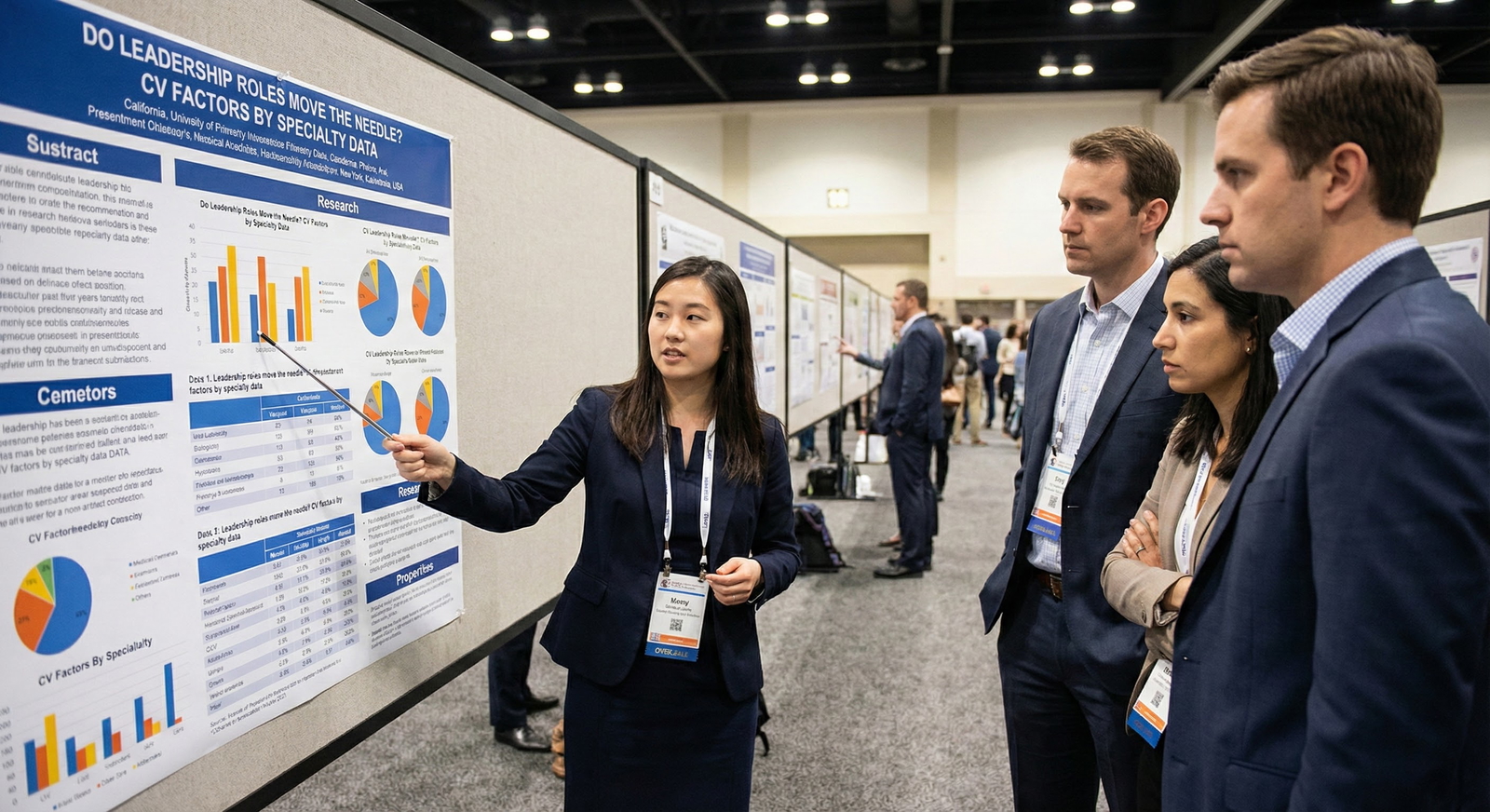
Publications, Posters, and Presentations
This section shows your ability to contribute to knowledge and communicate findings—highly valued in pathology.
Structure:
- Separate by type if you have several:
- Peer-reviewed publications
- Abstracts and posters
- Oral presentations
Use consistent citation formatting (e.g., AMA style). Indicate “submitted” or “in preparation” only when there is clear, active work and a realistic plan.
Example:
Peer-Reviewed Publications
- Doe J, Smith J, YourName, et al. Immunohistochemical characterization of triple-negative breast carcinoma in a tertiary center. Journal of Surgical Pathology. 2024;XX(X):XX–XX. (Accepted, In Press)
Posters and Abstracts
- YourName, Lee K, Smith J. Patterns of HER2 expression in early-stage breast carcinoma. Poster presented at: State Pathology Society Annual Meeting; May 2024; Chicago, IL.
For US citizen IMG applicants, even case reports or local posters can be valuable; they show initiative and familiarity with the academic side of pathology.
4. Beyond Pathology: Leadership, Teaching, and Professionalism on Your CV
Pathology is not isolated from patient care or healthcare systems. Strong programs seek applicants who communicate well, collaborate, and contribute to the department.
Teaching Experience
Pathology residents frequently:
- Teach medical students during sign-out
- Lead small group discussions
- Present at tumor boards
If you have any teaching activities, include a Teaching Experience section:
- Peer tutoring (especially in anatomy, histology, pathology)
- Small-group facilitation
- Teaching assistant roles
- Informal workshops you organized
Example:
Anatomy and Histology Tutor
University of XYZ Faculty of Medicine — September 2022–May 2023
- Conducted weekly review sessions for first-year students (10–15 students/session).
- Prepared structured slide decks covering histology of major organ systems.
- Received positive feedback scores (average 4.8/5.0) on anonymous evaluations.
These experiences indirectly reassure programs that you’ll be a capable teacher in residency.
Leadership, Committees, and Involvement
Even as a US citizen IMG, you can demonstrate integration into your school and local communities through:
- Student pathology interest group leadership
- Class council roles
- National or international pathology student societies
- Conference organizing committees
- Quality improvement committees in clinics or hospitals
List them under Leadership & Professional Involvement:
- Position
- Organization
- Dates
- Concise bullet points highlighting accomplishments and scope of responsibility
Example:
President, Pathology Student Interest Group
University of XYZ Faculty of Medicine — 2023–2024
- Organized monthly pathology case conferences with local and international faculty.
- Established a mentorship program pairing 25 pre-clinical students with pathology residents and faculty.
- Coordinated virtual sessions with US-based pathologists for IMG career guidance.
Volunteer Work and Community Service
While volunteer work is not pathology-specific, it can:
- Show consistency of character
- Highlight communication and teamwork
- Demonstrate commitment to underserved populations
Prioritize:
- Health-related volunteering
- Activities that involved organization, reliability, and responsibility
Example:
Volunteer, Free Community Health Clinic
City, State — June 2021–Present (Summers)
- Assisted with patient intake and coordination for 30+ patients per clinic session.
- Educated patients on lab test preparations and aided in scheduling follow-up visits.
5. Tailoring Your CV as a US Citizen IMG in Pathology: Strategy and Details
As an American studying abroad or a US citizen IMG, you must use your CV to strategically address key concerns program directors may have:
- Can you adapt to US hospital culture?
- Are you genuinely dedicated to pathology?
- Have you sought out US-based experiences?
- Do you understand academic expectations?
Emphasize Your “American” Connection Without Overstating It
Subtly highlight:
- US citizenship or permanent residency (e.g., under Contact Information or a “Personal Details” line: “US Citizen”).
- Any US-based education (undergraduate, post-bac).
- Summers or gap years spent in US clinical or research environments.
This reassures programs you won’t have visa issues and that you’re familiar with US culture.
Aligning Your CV with Pathology Program Priorities
Program directors in pathology often look for:
- Strong academic performance and test scores
- Demonstrated interest in pathology
- Research or scholarly work
- Professionalism and reliability
- Communication skills
Translate this into CV decisions:
- Put Pathology-related experiences and research higher within each relevant section.
- If you have a lot of non-pathology clinical experiences, keep them but prioritize those with any diagnostic or lab component.
- Use action-oriented bullet points that emphasize:
- Analysis
- Correlation
- Documentation
- Presentations
- Quality improvement
Weak bullet:
“Helped in the lab.”
Stronger bullet (for pathology):
“Assisted in correlating histologic findings with immunohistochemical staining patterns in 40+ lymphoma cases under supervision.”
Handling Gaps, Failures, or Non-Traditional Paths
US citizen IMGs often have non-linear paths: post-bac years, exam retakes, degree switches.
You don’t need to explain everything on the CV (save explanations for the personal statement and interviews), but:
- Avoid unexplained gaps of > 6 months. Use:
- “Dedicated USMLE preparation”
- “Full-time research assistant”
- “Family responsibilities (brief)” if absolutely necessary, phrased professionally.
- For exam failures, list scores honestly and succinctly; don’t highlight them with extra commentary on the CV.
Residency CV Tips: Common Mistakes to Avoid
Including personal details that don’t belong
- No photos (ERAS will handle that if applicable).
- Avoid marital status, religion, or social security numbers.
Overcrowding with irrelevant experience
- High school achievements are usually unnecessary unless exceptional and directly relevant.
Inconsistency
- Dates, font, bullet formatting must be uniform; attention to detail is a must in pathology.
Overly long descriptions
- Aim for 2–4 concise bullet points per entry.
Typos and grammar errors
- Ask a mentor or advisor to review; mistakes create doubt about your care and precision.
6. Action Plan: How to Build Your Pathology Residency CV Over Time
If you’re still in medical school or early in your application timeline, you can proactively build the content that will eventually appear on your CV.
Pre-Clinical Years (Years 1–2)
- Join or start a Pathology Interest Group.
- Seek a faculty mentor in pathology, even virtually in the US.
- Assist with small research or literature projects.
- Participate in student conferences or local poster sessions.
Early Clinical Years
- Aim for strong performance in pathology courses; seek honors if available.
- Arrange observerships or electives in US pathology departments during breaks.
- Start or join case report projects with pathologists.
Final Year / Application Year
- Secure US-based pathology electives if possible.
- Finalize research projects and submit abstracts to pathology or general medical conferences.
- Update your medical student CV every 3–4 months:
- Add new experiences
- Update responsibilities as they grow
- Track dates, hours, mentors’ names
Before ERAS Submission
- Convert your working document into a clean, structured residency CV.
- Cross-check that:
- All entries in ERAS work/experiences match your CV.
- There are no unaccounted time gaps.
- Pathology-focused and US experiences are clearly highlighted.
Having a polished CV also helps you:
- Prepare for interviews (your CV will guide many questions).
- Share your background with potential mentors.
- Apply for research positions and observerships.
FAQs: CV Building for US Citizen IMG in Pathology
1. How important is research for a US citizen IMG applying to pathology residency?
Research is highly valuable but not always mandatory. For pathology, even modest, well-presented research—especially in pathology or related fields—can significantly strengthen your application. If you don’t have formal lab research, aim for:
- Case reports with a pathologist
- Retrospective chart/slide reviews
- Quality improvement projects related to diagnostics or lab processes
Focus on producing at least one tangible output (poster, presentation, or publication) you can list on your CV.
2. I don’t have US pathology rotations yet. Can I still build a strong pathology CV?
Yes, but you should work to incorporate at least some US clinical experience before applying. In the meantime:
- Highlight any pathology exposure in your home country (electives, shadowing, tumor boards).
- Emphasize research, case reports, or pathology-related projects.
- Seek remote mentorship and collaborative research with US pathologists.
By the time you apply, having 1–2 US-based experiences (even short observerships) will significantly improve your CV.
3. Where should I mention that I am a US citizen IMG or American studying abroad?
You don’t need a separate section; you can integrate it naturally:
- In your contact section, include: “Citizenship: United States.”
- In your education section, if you completed US undergraduate studies, list them clearly.
This reassures programs you won’t need visa sponsorship and have some grounding in the US system.
4. Should I tailor my CV specifically to pathology, or keep it general for all specialties?
If you are committed to pathology, you should absolutely tailor your CV:
- Place pathology-related experiences and research at the top of relevant sections.
- Use bullet points that highlight diagnostic reasoning, data analysis, and academic engagement.
- Mention pathology-specific achievements, such as case presentations at pathology conferences or leadership in a pathology interest group.
A targeted CV makes it much easier for pathology program directors to see you as a clear fit for their specialty.
By intentionally structuring your CV and strategically building experiences over time, you can demonstrate that you are not just a US citizen IMG, but a well-prepared, pathology-focused applicant ready to contribute to a residency program from day one.