Understanding the Unique CV Needs of a US Citizen IMG Aiming for Pediatrics-Psychiatry
As a US citizen IMG (international medical graduate) targeting Pediatrics-Psychiatry or a peds psych residency track, you sit at a very particular intersection: American studying abroad, applying back to the US, and interested in a relatively niche, intellectually demanding pathway.
Your CV must therefore do three things simultaneously:
- Bridge the “IMG gap” – demonstrate that your international training meets (and ideally exceeds) US expectations.
- Show clear specialty fit – prove that you understand both pediatrics and psychiatry and genuinely want the combined or triple board path.
- Stand out in a small but competitive niche – triple board and integrated pediatrics-psychiatry pathways are few in number, and programs scrutinize every detail.
This guide will walk you step‑by‑step through how to build a strong medical student CV for residency, with special emphasis on peds psych residency and triple board (Pediatrics / General Psychiatry / Child & Adolescent Psychiatry) programs, tailored specifically to US citizen IMGs.
We’ll cover:
- How your background as an American studying abroad should shape your CV
- Section‑by‑section residency CV tips, including formatting and content
- What peds psych and triple board programs actually look for
- Concrete examples and phrases you can adapt
- Common pitfalls for US citizen IMGs—and how to avoid them
Mapping Out a Strong Residency CV Strategy as a US Citizen IMG
Before you start typing, clarify your strategy. This is the “big picture” that should guide every line in your CV.
1. Understand Your Image as a US Citizen IMG
As an American studying abroad, programs may have several questions in mind:
- Why did this applicant train outside the US?
- Can they function smoothly in the US healthcare system?
- Do they understand US children’s health systems and mental health care structure?
- Have they compensated for any perceived disadvantages (e.g., less US clinical exposure)?
Your medical student CV should proactively answer these concerns:
- Show substantial US clinical experience (USCE), especially involving children or behavioral health.
- Demonstrate fluent understanding of US healthcare through quality improvement (QI), community work, or research in US settings.
- Highlight reliability, adaptability, and professionalism via leadership, teaching, and longitudinal commitments.
2. Know What Peds Psych / Triple Board Programs Prioritize
Integrated pediatrics-psychiatry pathways and triple board programs look for candidates who:
- Are genuinely interested in both pediatrics and psychiatry, not using one as a backup.
- Handle complex, longitudinal, and interdisciplinary care (e.g., autism, chronic illness with behavioral overlay, child protection, psychosomatic medicine).
- Show academic curiosity—these programs often have strong scholarly cultures.
- Can communicate with children, families, and multidisciplinary teams.
Your residency CV tips here:
- Demonstrate continuity: repeated or longitudinal exposures to children, mental health, or neurodevelopmental conditions.
- Emphasize interdisciplinary experiences (e.g., working with psychologists, social workers, school systems).
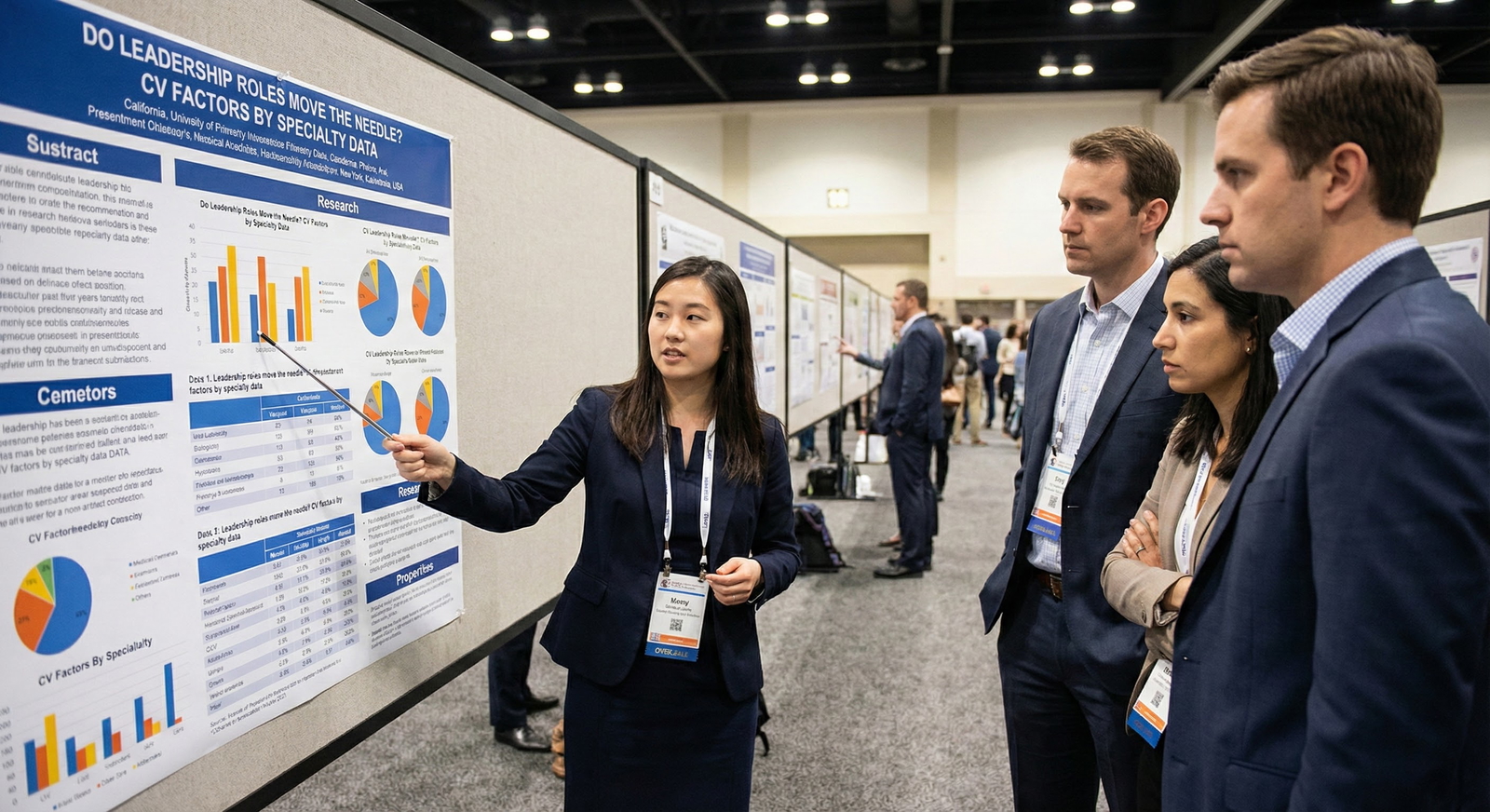
- Show evidence of reflective, humanistic, or systems-based thinking—through projects, QI, or essays that led to posters.
3. Decide on Your CV Format and Structure
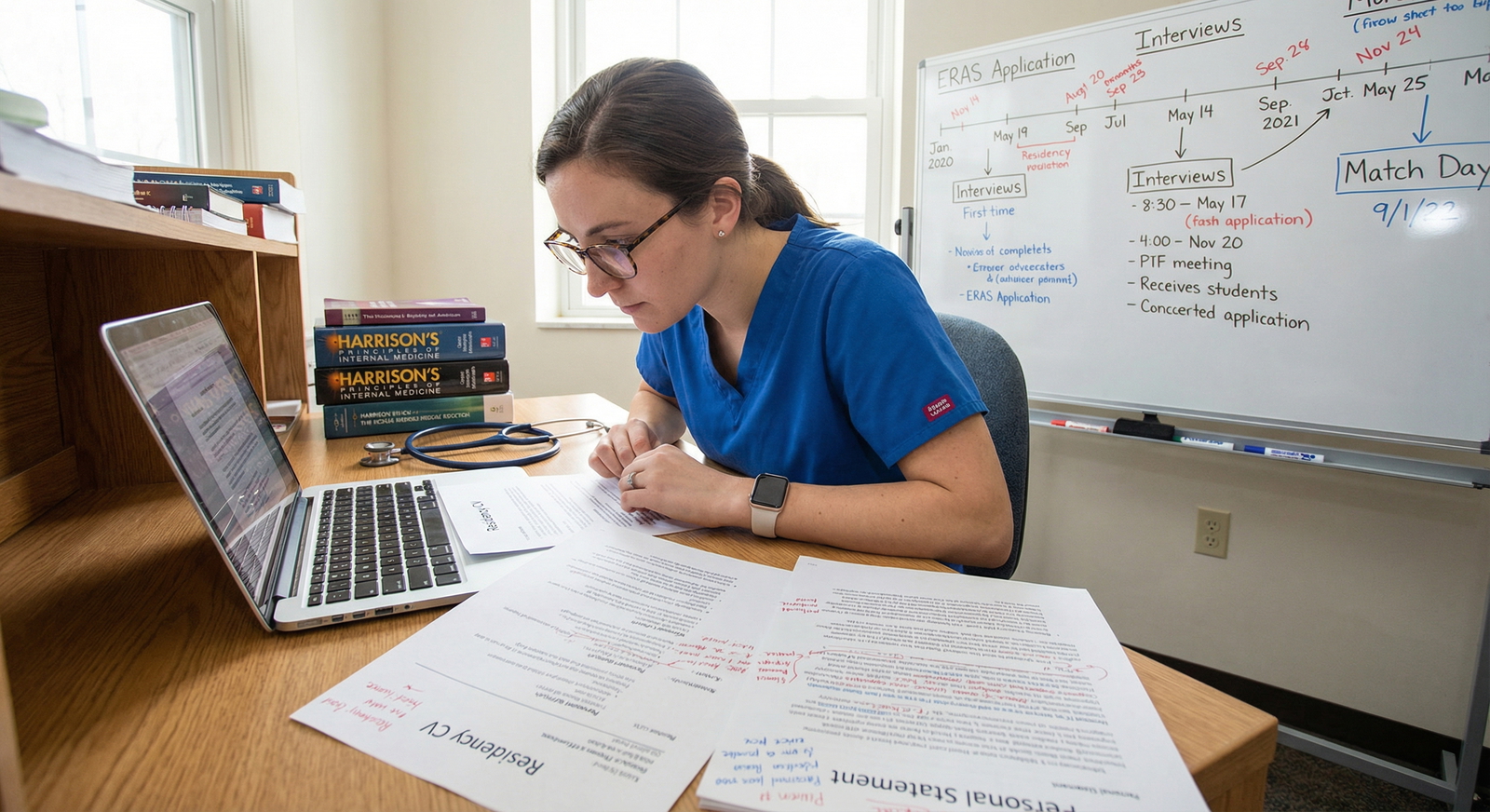
For ERAS, you’ll enter data into structured fields, but you should still maintain a polished PDF CV version for mentors, recommendation letter writers, and networking.
Recommended sections (in order):
- Contact information and personal data (simple header)
- Education
- USMLE / licensing exams (optional on standalone CV, but helpful if requested)
- Clinical experience
- Research experience
- Publications, posters, and presentations
- Leadership and extracurricular activities
- Teaching and mentoring
- Volunteer and community service
- Honors and awards
- Skills (languages, technical, other relevant skills)
The focus for you as a US citizen IMG: front-load experiences that show US readiness and peds psych relevance.

Section-by-Section Guide: How to Build a CV for Residency (Peds Psych Focus)
Contact Information and Professional Identity
Your header should be clean and professional:
- Full name, medical degree (e.g., Jane A. Smith, MD Candidate / MBBS)
- Current location (especially if you’re doing US rotations)
- Email (professional address), phone number, optional LinkedIn
Optionally, add a one-line professional tagline that quietly signals your interest:
US Citizen IMG with focused interest in integrated pediatrics and child & adolescent mental health.
Keep it subtle; your personal statement will carry the narrative. But this helps frame the CV.
Education: Emphasize Academic Credibility
List in reverse chronological order:
- Medical school (include location, dates, expected graduation)
- Undergraduate institution (major, minor, honors if applicable)
- Advanced degrees (MPH, MSc, etc.) if relevant
For a US citizen IMG:
- If your school is less known in the US, briefly add descriptors:
- “World Directory of Medical Schools listed”
- “Instruction in English” if applicable.
- Include class rank, decile, or GPA only if it strengthens your application.
Example entry:
International University of Medicine, Prague, Czech Republic
MD (equivalent), Expected Graduation June 2026
– US Citizen IMG, instruction in English, World Directory of Medical Schools listed
– Top 15% of class (unofficial rank)
If you have an undergraduate background relevant to peds psych (psychology, neuroscience, child development), highlight it:
University of Texas at Austin, Austin, TX, USA
B.A. in Psychology, Minor in Child Development, May 2019
– Dean’s List (6 semesters)
– Honors thesis on parent-child attachment and early behavioral regulation
USMLE / Licensing Exams (Optional on CV, Essential for Context)
Some mentors and programs ask for a CV that includes exam information. Place this near the top if your scores are strong or above average; otherwise, you can omit them on a general CV and keep them in ERAS only.
Example:
USMLE Step Examinations
Step 1: Pass (First attempt, 2024)
Step 2 CK: 24X (First attempt, 2025, score pending release at time of CV submission)
Residency CV tip: Avoid listing failed attempts on the CV; ERAS will have that information.
Clinical Experience: Building a Narrative of Peds Psych Competence
This is the core of your CV for peds psych and triple board. Think beyond just rotations; focus on what proves your specialty fit.
Break into subsections if helpful:
- US Clinical Experience
- International Clinical Experience
- Electives / Selectives in Pediatrics, Psychiatry, and Child Psychiatry
For each entry:
- Site name, city, state, country
- Dates
- Role (Clinical Clerkship, Sub-Internship, Observership, Externship)
- Brief bullet points (2–4) emphasizing scope and relevance
Example:
Clinical Elective – Pediatric Inpatient Service
Boston Children’s Hospital, Boston, MA, USA | Aug–Sep 2025
– Completed 4-week sub-internship on general pediatric ward under direct attending supervision.
– Independently managed daily notes and presentations on 6–8 patients with conditions including asthma, bronchiolitis, and functional abdominal pain.
– Collaborated with social workers and child life specialists in care of patients with chronic illness and emerging anxiety/depression symptoms.
Now a psychiatry-focused entry:
Clinical Elective – Child and Adolescent Psychiatry
New York-Presbyterian Hospital, New York, NY, USA | Oct–Nov 2025
– Participated in multidisciplinary evaluations of youth with ADHD, autism spectrum disorder, and mood disorders.
– Conducted supervised history-taking and mental status exams in adolescents with suicidality.
– Observed integration of psychiatric care into school and primary care systems; participated in family meetings and psychoeducation sessions.
For an American studying abroad, USCE is crucial. Whenever possible:
- Show direct patient care (not just observerships).
- Highlight exposure to both pediatric and psychiatric populations, including developmental and behavioral pediatrics, adolescent medicine, and integrated behavioral health in primary care.
Also include any integrated or cross-disciplinary rotations:
Clinical Rotation – Developmental-Behavioral Pediatrics & Neurodevelopmental Clinic
University Teaching Hospital, Dublin, Ireland | Jan–Feb 2025
– Evaluated children with autism spectrum disorder, global developmental delay, and learning disabilities under supervision.
– Collaborated with psychologists, speech therapists, and occupational therapists in creating multidisciplinary care plans.
– Participated in feedback sessions with parents, focusing on strengths-based, family-centered communication.
Research Experience: Show Depth in Child, Developmental, or Behavioral Topics
Peds psych and triple board programs are typically academic and highly appreciative of research. You don’t need to be a first author in a major journal, but you should show:
- Sustained engagement in at least one project
- Curiosity about developmental or psychiatric issues in children
- Some tangible outcome: abstract, poster, presentation, manuscript (even “in preparation”)
Example:
Research Assistant – Autism and Neurodevelopment Lab
Department of Child & Adolescent Psychiatry, University of X | Remote & On-site | 2023–Present
Mentor: Dr. Jane Doe
– Assisted in a longitudinal study examining sleep disturbances and behavioral dysregulation in children with autism spectrum disorder.
– Conducted chart reviews, data cleaning, and preliminary statistical analyses using SPSS.
– Co-authored abstract submitted to AACAP 2025 Annual Meeting.
If your research is outside peds psych (e.g., cardiology, surgery), still include it. Emphasize transferrable skills:
- Study design
- Data analysis
- Team collaboration
- Presentations and writing
Residency CV tip: For each research role, make your responsibilities and outcomes crystal clear. Vague descriptions (“helped with research”) are a missed opportunity.
Publications, Posters, and Presentations: Make Your Scholarly Work Visible
For how to build CV for residency, a common mistake is burying or underselling scholarly work. Use separate subsections:
- Peer-Reviewed Publications
- Book Chapters
- Abstracts and Posters
- Oral Presentations
Format consistently in standard citation style (e.g., AMA). Emphasize peds psych–related content:
Doe J, Smith JA, et al. Sleep and behavioral regulation in preschool children with autism spectrum disorder. Journal of Developmental & Behavioral Pediatrics. 2024;XX(X):XXX–XXX.
If still in progress:
Smith JA, et al. Emotional regulation in adolescents with type 1 diabetes during transition to adult care. Manuscript in preparation, planned submission to Pediatric Diabetes (2025).
Posters:
Smith JA, Doe J. Parent-reported barriers to accessing behavioral health services in children with chronic medical conditions. Poster presented at: American Academy of Child & Adolescent Psychiatry Annual Meeting; October 2024; Seattle, WA.
This level of detail shows seriousness and familiarity with academic conventions—both valued in peds psych and triple board tracks.

Leadership, Teaching, and Service: Proving You’re a Future Triple Boarder
Leadership and Extracurricular Activities
Programs want residents who will:
- Advocate for children and families
- Work well in teams
- Take initiative in quality and systems improvement
Highlight roles that demonstrate responsibility and long-term engagement.
Examples:
Co-Founder – Child Mental Health Interest Group
International University of Medicine, Prague, Czech Republic | 2023–Present
– Organized monthly case discussions on topics such as early-onset psychosis and school refusal.
– Coordinated guest lectures by child psychiatrists and developmental pediatricians from US and EU institutions.
Student Representative – Curriculum Committee
International University of Medicine | 2022–2024
– Advocated for increased content on developmental milestones, autism spectrum disorder, and trauma-informed care.
– Collaborated on integrating simulated patient encounters focusing on adolescent depression and suicidality.
These entries show your commitment to child mental health, your initiative, and your ability to navigate systems—exactly what integrated peds/psych and triple board programs need.
Teaching and Mentoring: Evidence You Can Educate Families and Teams
Teaching experience is especially attractive for academic and triple board programs.
Examples:
Peer Tutor – Neuroanatomy and Behavioral Sciences
International University of Medicine | 2022–2025
– Led weekly small-group review sessions for 10–12 junior students.
– Developed simplified visual aids to explain neurodevelopmental pathways and basic psychopharmacology.
Mentor – Pre-med Shadowing Program
Children’s Hospital Volunteer Program, Dallas, TX, USA | Summers 2022–2024
– Supervised undergraduate volunteers, oriented them to hospital policies, and modeled professional communication with children and families.
Even if your teaching is informal, include it if it reflects communication, patience, and leadership.
Volunteer and Community Work: Demonstrating Advocacy for Children and Families
US citizen IMGs targeting peds psych residency should use this section to underscore:
- Commitment to underserved or vulnerable children
- Interest in mental health promotion, education, or prevention
- Understanding of US community resources and systems
Examples:
Volunteer – Pediatric Behavioral Health Parent Support Group
Community Health Center, Houston, TX, USA | Summer 2023
– Assisted facilitators in organizing weekly support groups for parents of children with ADHD and autism.
– Provided informational materials on school accommodations and local mental health resources.
Volunteer – Child Abuse Prevention and Advocacy Program
Nonprofit Organization, Detroit, MI, USA | Remote & In-person, 2022–2024
– Participated in community outreach events educating parents and teachers on early signs of neglect and abuse.
– Collaborated with social workers to create culturally sensitive handouts in English and Spanish.
These activities showcase humanism, advocacy, and systems awareness—all crucial for integrated pediatrics-psychiatry applicants.
Tailoring and Polishing: Residency CV Tips That Matter for Peds Psych and Triple Board
1. Emphasize Integration, Not Just Parallel Interests
Your CV should not read like you are separately applying to pediatrics and psychiatry. Instead, connect the dots:
- Use repeated keywords that bridge both domains:
- “developmental,” “behavioral,” “family systems,” “chronic illness and mental health,” “trauma-informed care.”
- Show longitudinal involvement with child mental health across schooling, volunteering, and research.
For example, over several entries:
- Undergraduate psychology degree
- Medical school psychiatry research on adolescents
- Pediatric rotation QI project involving depression screening
- Electives in child psychiatry and developmental pediatrics
- Volunteering with families of children with behavioral disorders
Collectively, this reads as a coherent path toward pediatrics-psychiatry, not a coincidence.
2. Quantify and Specify Your Impact
Replace vague phrases with concrete details:
Instead of: “Helped with patient care”
Use: “Independently gathered interval histories on 5–7 pediatric inpatients per day and presented to the team.”Instead of: “Involved in research on ADHD”
Use: “Conducted chart review of 120 pediatric patients with ADHD to examine correlates of medication adherence.”
Numbers and specifics give programs confidence in your readiness.
3. Address the “IMG Factor” Through Strength, Not Excuses
Never apologize for being an IMG. Instead:
- Show strong US clinical experiences, especially in pediatric and psychiatric settings.
- Highlight experiences where you had to adapt to new healthcare systems (e.g., working in both European and US hospitals).
- Emphasize cultural competence and ability to manage diverse populations.
Example phrasing for bullet points:
– Navigated transitions between European and US healthcare systems, gaining insight into cross-cultural approaches to pediatric mental health care.
4. Keep Formatting Consistent, Clean, and Professional
- Use a single font family (e.g., Calibri, Arial, Times New Roman) for your PDF CV if you’re distributing it outside ERAS.
- Align dates on the right, positions and institutions on the left.
- Use bold for institution names and positions; italics for locations or role clarifiers if needed.
- Avoid excessive colors, graphics, or icons.
Programs often skim dozens of CVs in one sitting; clarity and readability directly influence their impression of your professionalism.
5. Common Mistakes to Avoid
Especially for US citizen IMGs applying to peds psych / triple board:
- Overloading with non-medical jobs: Mention major jobs (e.g., full-time work, leadership roles), but don’t overshadow your clinical and academic content.
- Listing every single short shadowing experience: Group similar experiences or list only the most relevant.
- Using casual language or subjective claims: Avoid “passionate,” “huge interest,” etc. Show your interest through activities, not adjectives.
- Not updating your CV regularly: Add new experiences, presentations, and publications as soon as they occur.
Putting It All Together: Example “Through-Line” for a Strong Peds Psych CV
Imagine a US citizen IMG whose CV includes:
- Undergraduate major in Psychology with a thesis on adolescent depression
- Volunteering with a child advocacy center during college
- Medical school clinical electives in pediatric wards and child psychiatry units (both abroad and in the US)
- A QI project on improving depression screening in a pediatric diabetes clinic
- Research on autism-related sleep problems, resulting in an AACAP poster
- Leadership in a student child mental health interest group
- Ongoing community work in a US-based parent support group for kids with ADHD
Even before reading the personal statement, a program director can see:
- This is not a last-minute specialty choice.
- The applicant thinks in integrated, developmental terms.
- They have experience in both pediatrics and psychiatry contexts.
- They can function in the US system and have academic potential.
Your goal is to craft a CV that tells a similarly clear, cohesive story—backed by specific, verifiable experiences.
FAQs: CV Building for US Citizen IMG in Pediatrics-Psychiatry
1. As a US citizen IMG, how much US clinical experience do I need on my CV for peds psych or triple board?
Aim for at least 3–4 months of meaningful US clinical experience, ideally including:
- One rotation in general pediatrics (inpatient or outpatient)
- One in psychiatry, preferably child & adolescent psychiatry or adolescent medicine
- Additional experiences in related areas (developmental-behavioral pediatrics, consult-liaison psychiatry, integrated behavioral health in primary care)
More is beneficial, but quality and relevance matter more than raw quantity. Show supervised, hands-on roles when possible, not just observerships.
2. How should I list an observership vs. hands-on clerkship on my residency CV?
Be transparent and specific:
Observership:
Observer – Child & Adolescent Psychiatry Service (no direct patient care)
Institution, City, State, Dates
– Observed multidisciplinary assessments and treatment planning sessions.Hands-on clerkship / sub-internship:
Clinical Elective – Pediatric Inpatient Clerkship (direct patient care under supervision)
Institution, City, State, Dates
– Performed histories and physicals, wrote daily progress notes, and presented on rounds.
Clarity builds trust and avoids concerns about misrepresentation.
3. I don’t have many publications. Can I still be competitive for peds psych or triple board?
Yes—publications are helpful but not mandatory. Programs look favorably on:
- Posters and oral presentations, even at local or regional levels
- Meaningful participation in ongoing projects (with clear roles listed on your CV)
- Quality improvement projects in pediatric or psychiatric settings
If you’re light on research, try to obtain at least one scholarly output before applying—e.g., a poster at a pediatric, psychiatry, or child psychiatry conference. Highlight this clearly in the “Presentations” section.
4. Should I create a separate CV tailored just to pediatrics-psychiatry or triple board programs?
You don’t need multiple entirely different CVs, but you can:
- Maintain one master CV with everything.
- Create a slightly tailored version emphasizing:
- Child and mental health–related activities
- Integrated or interdisciplinary work
- Relevant research and QI
For ERAS, tailoring is done more via personal statement and program signaling, but your CV content should naturally align with your pediatrics-psychiatry goals. For mentors and networking (e.g., emailing a triple board program director), sending the tailored version can strengthen your message.
By systematically aligning your education, clinical experiences, research, and service with the themes of child health, development, and mental health, your CV can convincingly demonstrate that you are not just a US citizen IMG returning home—but a future pediatrics-psychiatry or triple board physician in the making.