Building a strong CV as a US citizen IMG aiming for Physical Medicine & Rehabilitation (PM&R) is both strategic and highly achievable. As an American studying abroad, you have unique challenges—but also distinct advantages—if you plan early and build your experiences with intention.
Below is a comprehensive, practical guide to CV building for US citizen IMG in Physical Medicine & Rehabilitation, with specific residency CV tips, examples, and step‑by‑step advice on how to build a CV for residency that speaks directly to PM&R program directors.
Understanding the PM&R Landscape for US Citizen IMGs
Before you decide what to put on your medical student CV, you need to understand what PM&R programs actually look for—and how they may view US citizen IMGs and Americans studying abroad.
What PM&R Programs Value
Across programs, common themes include:
- Genuine interest in PM&R
- Exposure to inpatient rehab, consult services, outpatient musculoskeletal clinics, pain, and neurorehab
- Evidence that you understand the scope of physiatry (it’s not just “sports medicine”)
- Teamwork and communication
- PM&R is highly multidisciplinary: PT, OT, SLP, psychology, social work, nursing, case management
- Longitudinal patient care and function-focused thinking
- Experience managing chronic conditions, disability, rehabilitation goals, and transitions of care
- Procedural aptitude and comfort with technology
- Ultrasound, EMG, injections, and evolving rehabilitation technologies
- Research or scholarly interest
- Especially in neurorehab, musculoskeletal medicine, pain, quality improvement, or disability advocacy
- Professionalism and reliability
- Smooth transitions of care, communication with families, and detailed documentation are central in PM&R
How Being a US Citizen IMG Shapes Your CV Strategy
As a US citizen IMG / American studying abroad, programs may ask:
- Why did you study abroad instead of in the US?
- How did you maintain connection to the US healthcare system?
- Can you adapt quickly to US clinical expectations?
Your CV should answer these indirectly by showing:
- Meaningful US clinical experiences, ideally with letters from US physiatrists
- Clear, sustained interest in PM&R
- Evidence of strong communication and cultural alignment with US medical training
You can’t change the fact that you’re an IMG, but you can control the narrative through a strategically built CV.
Core Structure of a Strong Medical Student CV for PM&R
Your medical student CV should be clean, logical, and easy to scan. Think of it as a structured, factual counterpart to your personal statement.
Essential Sections for a PM&R-Focused Residency CV
A typical, well-organized residency CV for PM&R includes:
- Contact Information
- Education
- USMLE/COMLEX Scores (optional on CV depending on program instructions, but often included)
- Clinical Experience
- Sub-internships / acting internships
- PM&R electives (US and abroad)
- Other key clerkships (medicine, neurology, orthopedics)
- Research & Scholarly Activity
- Publications, Abstracts, Posters, and Presentations
- Leadership & Extracurricular Activities
- Work Experience (if relevant)
- Volunteer & Community Engagement
- Honors, Awards, and Scholarships
- Certifications & Skills
- Languages
- Interests (brief but curated)
Each section should support your physiatry match story: “I understand PM&R, I’m committed to it, and I will be an excellent resident.”
Formatting Principles that Matter
Program directors often skim dozens of CVs at a time. Keep yours:
- Simple and readable
- Standard fonts (e.g., Times New Roman, Arial, Calibri), 10–12 pt
- Consistent margins and spacing
- Reverse chronological
- Most recent experiences first
- Action-oriented
- Bullet points that start with strong verbs: “Led,” “Developed,” “Coordinated,” “Implemented,” “Analyzed”
- Transparent
- No exaggeration or vague, inflated language
Avoid:
- Overly stylized designs
- Photos of yourself
- Dense blocks of text with no bullets
- Unexplained gaps or odd date ranges
What to Prioritize on Your CV as a US Citizen IMG Targeting PM&R
This is where how to build a CV for residency becomes specific to PM&R and IMGs. Think in terms of four pillars: Clinical, Scholarly, Leadership/Service, and US Exposure.
1. PM&R-Oriented Clinical Experiences
For a PM&R residency, your clinical section should make it obvious you’ve actively sought out physiatry exposure.
Key experiences to highlight:
US PM&R electives (high priority)
- Inpatient rehab rotations
- Consult service (acute hospital PM&R consults)
- Outpatient clinics (MSK, spasticity, pain, brain injury, SCI, pediatric rehab)
Home-country or school-based PM&R exposure
- Even if your medical school doesn’t have a formal PM&R department, relevant experiences count:
- Neurology ward with focus on stroke rehabilitation
- Orthopedic clinics with post-op rehab follow-up
- Spinal cord injury or trauma medicine units
- Pain clinics, sports medicine clinics
- Even if your medical school doesn’t have a formal PM&R department, relevant experiences count:
Example bullet points for clinical experience:
- “Completed 4-week inpatient PM&R elective at [US Institution], managing 10–12 patients daily with stroke, TBI, and SCI under supervision; coordinated care plans with PT/OT/SLP.”
- “Performed detailed functional assessments and contributed to interdisciplinary team meetings, focusing on goal setting and discharge planning.”
These bullets show you understand the workflow of rehab medicine, not just that you “shadowed a physiatrist.”
If You Lack Dedicated PM&R Rotations
Use related rotations strategically:
- Internal Medicine: Emphasize chronic disease management and transitions to rehab.
- Neurology: Emphasize stroke, TBI, neuromuscular disease, and functional assessment.
- Orthopedics: Emphasize post-op rehab and functional outcomes.
- Family Medicine or Sports Medicine: Emphasize MSK exams and return-to-function planning.
Example (for a non-PM&R rotation):
- “Led patient counseling on post-stroke recovery expectations and early rehabilitation strategies during neurology ward rotation.”
This reframes general experiences in a PM&R lens.
2. Research and Scholarly Activities in PM&R and Related Fields
You don’t need dozens of publications to match into PM&R, but some evidence of scholarly curiosity significantly strengthens your residency CV.
High-yield research topics for physiatry match:
- Stroke, brain injury, spinal cord injury
- Mobility and gait analysis
- Spasticity, tone management, botulinum toxin use
- Chronic pain, low back pain, interventional procedures
- Sports injuries, MSK ultrasound
- Disability, quality of life, patient-reported outcomes
- Quality improvement in rehab settings
If you are a US citizen IMG abroad:
- Seek remote collaborations with:
- US PM&R faculty (via email, LinkedIn, conferences)
- Rehabilitation hospitals or departments that accept international students
- Participate in:
- Case reports (especially from unique or resource-limited settings)
- Chart reviews or retrospective studies
- Quality improvement projects within your hospital
Example CV entries:
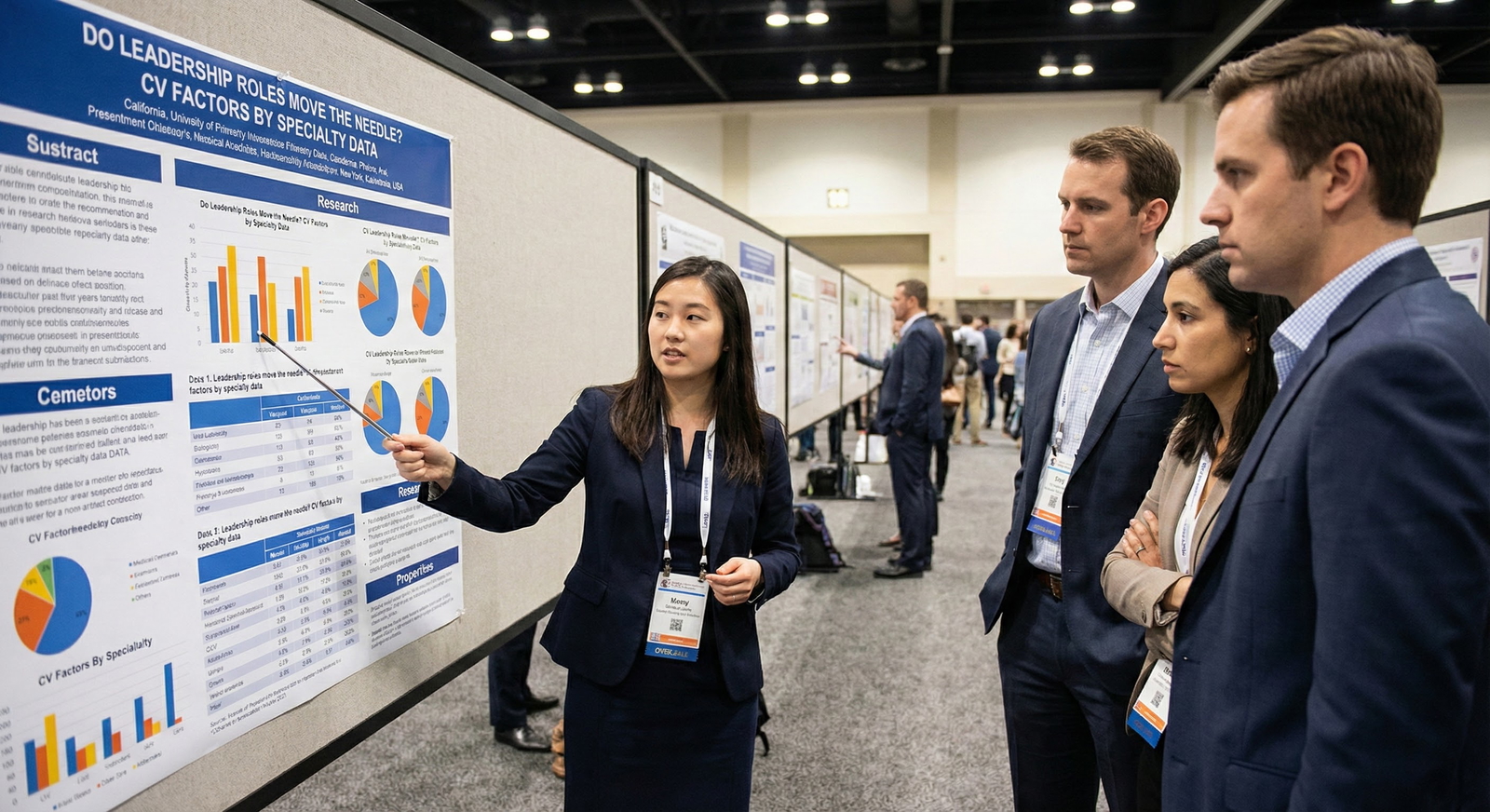
- “Doe J, Smith A. ‘Functional outcomes after early multidisciplinary rehabilitation in post-stroke patients in a resource-limited setting.’ Poster presented at American Academy of Physical Medicine and Rehabilitation (AAPM&R) Annual Assembly, 2024.”
- “Co-investigator, quality improvement project assessing timely initiation of PT consults for hospitalized patients with new mobility limitations.”
Even small projects can show you think like a physiatrist: function, outcomes, and systems of care.
3. Leadership, Teaching, and Team-Based Activities
PM&R is inherently team-based. Show that you thrive in these environments.
Strong entries for your residency CV:
- Founding or leading a PM&R Interest Group (even at an international school)
- Organizing interdisciplinary workshops (e.g., joint neuro + rehab session)
- Serving as student representative on curriculum or quality committees
- Teaching roles:
- Peer tutoring (anatomy, neuro, MSK)
- Teaching sessions on mobility assessment, gait, or disability
Example bullets:
- “Co-founded the PM&R Interest Group at [School Name]; organized 5 virtual lectures with US physiatrists for 80+ attendees.”
- “Led small-group MSK exam workshops for second-year students, emphasizing functional assessment and rehabilitation indications.”
This signals to program directors that you will integrate well into rehab teams and contribute actively.
4. US Clinical Exposure and Professional Integration
As a US citizen IMG, your CV should show you’re already integrating into the US medical environment.
Ideal experiences include:
- US PM&R electives or sub-internships (even 1–2 can be impactful)
- US Internal Medicine or Neurology rotations
- Volunteer work in US health or rehab settings:
- Adaptive sports programs
- Outpatient rehabilitation centers
- Free clinics that serve patients with disabilities
- Conferences or workshops attended in the US (AAPM&R, regional PM&R meetings)
Example CV entries:
- “Clinical elective, Inpatient PM&R Rotation – [US Hospital], [City, State], Summer 2024”
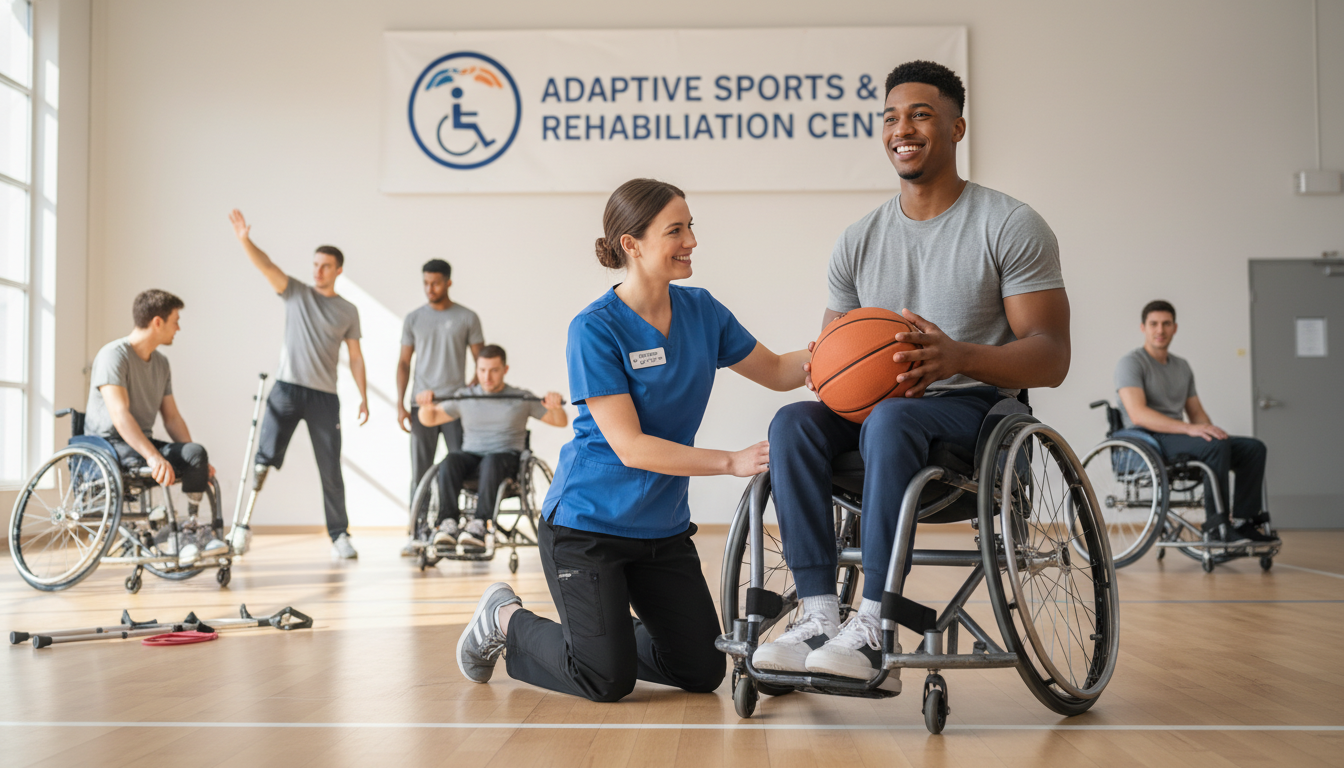
- “Volunteer, Adaptive Sports Program – Assisted wheelchair basketball practices, collaborated with PT and coaches to support athletes with SCI.”
These entries help reassure programs that you can transition quickly into their environment and culture.
Step-by-Step: How to Build a CV for Residency in PM&R (Timeline for US Citizen IMG)
Building a strong residency CV is a multi-year process. Here’s a practical timeline tailored to a US citizen IMG path.
Preclinical Years (M1–M2 Equivalent)
Goals: Build foundation, explore interest, and set yourself up for later PM&R-focused work.
Action steps:
- Clarify your interest in PM&R
- Shadow physiatrists (in the US during breaks, or locally if available)
- Attend virtual PM&R talks or webinars
- Start your first PM&R-relevant experiences
- Join or form a PM&R interest group
- Volunteer with:
- Rehabilitation centers
- Disability advocacy organizations
- Nursing homes or long-term care facilities
- Identify potential research mentors
- Faculty at your school (neuro, ortho, pain, geriatrics, or rehab-related)
- US faculty contacted via:
- AAPM&R member directory
- School alumni network
- LinkedIn or Twitter/X (with professional caution)
CV focus:
- Show early engagement and curiosity.
- Begin compiling a list of activities with dates, roles, and bullet points.
Core Clinical Years (M3–M4 Equivalent)
Goals: Solidify PM&R interest, gain concrete clinical and scholarly experiences.
Action steps:
- Schedule at least one PM&R elective early if possible
- Use this to confirm your interest and identify letter writers.
- Actively pursue PM&R-linked research or QI
- Even a small project or case report is better than none.
- Practice documentation that aligns with PM&R thinking
- Document functional status, mobility, ADLs, and rehab needs.
For US citizen IMG planning US rotations:
- Arrange US clinical experiences (USCE) strategically:
- At least one PM&R rotation in the US
- If possible, an internal medicine or neurology elective as well
- Use these to:
- Understand US residency workflows
- Build relationships for strong letters of recommendation
CV focus:
- Add entries as you go, not at the last minute.
- Emphasize:
- Specific patient populations (stroke, SCI, TBI, MSK, pain)
- Interdisciplinary collaboration
- Any leadership or teaching you undertook during rotations
Final Year / Application Year
Goals: Polish, refine, and tailor your CV (and supporting materials) for the physiatry match.
Action steps:
- Review and standardize all entries
- Consistent format for dates, locations, titles
- Clear, descriptive role titles: “Clinical Elective Student,” “Research Assistant,” “Volunteer Coordinator”
- Prioritize PM&R-relevant experiences
- These should be easy to find and interpret
- Non-PM&R research and activities still matter, but give them fewer lines if space is tight
- Remove or condense low-yield activities
- Very short-term, non-medical, or redundant experiences can be merged or omitted
- Align your CV with your personal statement
- If your PS emphasizes rehabilitation in resource-limited settings, ensure those experiences are clearly visible on your CV
CV focus:
- Your document should now read as a coherent story of:
- A US citizen IMG
- With genuine and documented interest in PM&R
- Who has bridged the gap between international training and US clinical practice
Concrete Residency CV Tips and Sample Phrasing for PM&R
Below are specific residency CV tips and example bullets that work well for a PM&R-focused medical student CV as a US citizen IMG.
Strong Verbs and Phrases for PM&R Context
Use action verbs that reflect PM&R values:
- Assessed, Evaluated, Coordinated, Collaborated
- Implemented, Facilitated, Educated, Advocated
- Analyzed, Developed, Initiated, Led
Example:
Instead of:
“Helped with patient care on rehab ward.”
Use:
“Assessed daily functional status and mobility goals for 8–10 patients on inpatient rehab unit; presented updates during multidisciplinary rounds.”
Show Functional Thinking and Teamwork
Try to include at least one bullet per clinical experience that reflects:
- Functional outcomes
- Team-based care
- Patient/family education
Example clinical entry:
- Clinical Elective Student, Inpatient PM&R – [Hospital], [City, State], [Dates]
- Managed 6–8 patients with stroke, TBI, and debility under supervision, focusing on ADLs, mobility, and safe discharge planning.
- Collaborated with PT/OT/SLP and nursing to tailor rehabilitation plans; presented functional progress in daily interdisciplinary rounds.
- Counseled patients and families on rehabilitation goals, equipment needs, and community reintegration.
Highlight IMG-Specific Strengths
As an American studying abroad, you can frame certain aspects as strengths:
- Cultural adaptability
- Experience with resource-limited environments
- Appreciation for different healthcare systems
Example CV bullet:
- “Provided rehabilitative counseling and mobility training in a resource-limited hospital setting; adapted patient education strategies across language and cultural barriers.”
This shows you can bring unique perspectives to a US PM&R program.
Common Mistakes to Avoid on a PM&R Residency CV
- Overloading with unrelated experiences (e.g., marketing job from college with 8 bullet points)
- Vague or generic bullets (“Assisted with patient care,” “Volunteered at hospital”)
- Inconsistent formatting for dates, locations, titles
- Listing activities without outcomes (what you did, not what you achieved or learned)
Final Checklist: Does Your PM&R CV Tell the Right Story?
Before you submit, ask yourself:
Does my CV clearly show I understand what PM&R is?
- At least one or two significant PM&R elective entries?
- Evidence of functional, team-based thinking?
Does my CV address my status as a US citizen IMG positively?
- US clinical experiences (ideally PM&R)?
- Some connection to the US system (rotations, conferences, volunteering)?
Does my CV show growth over time?
- Early exploration → deeper involvement → leadership or initiative?
Have I demonstrated professionalism and reliability?
- Long-term commitments (volunteer roles, leadership positions)?
- No unexplained gaps?
Is the document polished?
- No spelling or grammar errors
- Clean, consistent formatting
- Verified dates and titles
If you can answer “yes” to these questions, you’re likely presenting a compelling residency CV for the physiatry match.
FAQ: CV Building for US Citizen IMG in Physical Medicine & Rehabilitation
1. How important is PM&R-specific research for a US citizen IMG applying to PM&R?
PM&R-specific research is helpful but not mandatory. What matters most is:
- Demonstrated interest in PM&R
- Curiosity about clinical questions or systems of care
- Ability to complete projects responsibly
If you can’t secure PM&R research, related areas such as neurology, orthopedics, pain, geriatric medicine, or quality improvement in rehabilitation-adjacent settings are still valuable. Even case reports or posters can strengthen your residency CV and show scholarly engagement.
2. I don’t have access to PM&R rotations at my international school. How can I still build a strong CV?
Focus on three strategies:
- US-based PM&R electives during breaks or final years (even one or two is impactful).
- Reframe existing experiences (neurology, IM, ortho, geriatrics) to highlight rehabilitation, function, and team-based care.
- Engage in rehab-related volunteering or projects, such as adaptive sports, disability advocacy, or mobility-focused QI projects.
Your CV should make it clear that you proactively found ways to explore and commit to PM&R despite structural limitations.
3. Should I include all my pre-med or non-medical work on my residency CV?
Include pre-med or non-medical work if it:
- Shows leadership, responsibility, or long-term commitment
- Demonstrates skills relevant to PM&R (teaching, teamwork, communication)
- Fills meaningful time periods (e.g., full-time job before medical school)
However, keep these sections concise. For the physiatry match, prioritize medical and PM&R-related content. A brief “Work Experience” section with 1–3 bullets per job is usually sufficient.
4. How can I make my CV stand out compared to other US citizen IMGs?
Focus on elements you can control:
- Quality and depth of PM&R exposure (not just shadowing, but active clinical roles)
- Thoughtful, function-focused bullets in your clinical experiences
- Strategic US experiences, showing you can integrate into US healthcare
- Initiative and leadership, such as founding a PM&R interest group or organizing interdisciplinary education
- Consistency across application materials, so your personal statement, letters, and CV reinforce the same narrative: a motivated, informed applicant with a genuine commitment to Physical Medicine & Rehabilitation.
By deliberately building and presenting your experiences, you can transform your status as a US citizen IMG from a perceived weakness into a differentiated strength in the PM&R residency application process.