Understanding the Residency CV Landscape as a Non-US Citizen IMG
As a non-US citizen IMG (international medical graduate) targeting addiction medicine, your CV is more than a list of experiences—it is your narrative bridge between medical training abroad and clinical practice in the US. Program directors will use your CV to answer three core questions:
- Can you handle US residency training? (clinical ability, workload tolerance, professionalism)
- Are you committed to addiction medicine and substance use disorders?
- Will you fit in and contribute to our program’s culture and mission?
For foreign national medical graduates, there are additional filters: visa status, familiarity with US systems, and communication skills. A strong, well-structured CV can reduce program directors’ uncertainty and shift you from the “high-risk unknown” pile to the “credible candidate” pile.
This guide focuses on how to build a CV for residency applications in addiction medicine, with specific residency CV tips for non-US citizen IMGs who ultimately want to enter an addiction medicine fellowship or related substance abuse training pathways later.
Core Principles of a Strong Residency CV for Addiction Medicine
Before diving into sections and formatting, anchor your CV-building around these core principles.
1. Clarity and US-Style Professionalism
Your CV should follow US academic norms:
- Clear headings
- Reverse chronological order (most recent first)
- Consistent formatting (fonts, bullet style, spacing)
- 2–4 pages for residency (longer than a medical student CV, but not a 12-page portfolio)
Eliminate clutter (photos, colored fonts, decorative borders) unless a specific system explicitly asks for them.
Key point for IMGs: Program directors are busy and often unfamiliar with your country’s medical system. Make your training and achievements immediately understandable in US terms (e.g., “equivalent to US intern year”).
2. Strategic Focus on Addiction Medicine
Every residency program wants well-rounded applicants. However, if you are clearly oriented toward addiction medicine:
- Highlight substance use–related exposure in clinical experiences, research, and volunteering.
- Show an authentic, sustained interest rather than a last-minute pivot.
- Demonstrate readiness to care for vulnerable, stigmatized populations.
Even if you apply to Internal Medicine, Family Medicine, Psychiatry, or Pediatrics now, many programs value applicants who intend to pursue addiction medicine fellowship or substance abuse training later.
3. Evidence of Adaptability and Cultural Competence
As a foreign national medical graduate, your unique strength is global perspective. Use your CV to show:
- Experience with diverse or marginalized populations
- Comfort with cross-cultural communication
- Proficiency in multiple languages (especially useful in addiction care)
- Success adapting to new health systems or environments
Residency programs treating patients with substance use disorders often serve highly diverse communities. This can be a selling point for you.
Essential Sections of an Effective Residency CV
Below is a recommended structure tailored for a non-US citizen IMG aiming at addiction medicine–relevant training.
1. Contact Information and Citizenship/Work Authorization
At the top of your CV, clearly list:
- Full name (matching your ERAS application and passport)
- Current address (US or home country)
- Phone number (include country code if abroad)
- Professional email (avoid casual addresses; use firstname.lastname@…)
- LinkedIn (optional but beneficial if up to date)
For foreign national medical graduates, add a short line such as:
- Citizenship: India. Visa: Seeking J-1 sponsorship
- Citizenship: Nigeria. Current status: F-1 with OPT eligibility (if applicable)
Do not use this section to negotiate visa terms; just provide clarity. Programs filter heavily on visa issues, and transparent information helps your application be triaged correctly.
2. Education and Medical Training
Medical School
List:
- Name and location of the medical school
- Degree and graduation date (month/year)
- Class rank or GPA (if strong and easily interpretable)
- Honors (e.g., distinction, gold medal, dean’s list)
For IMGs, clarify any system differences:
- “Six-year MD program (equivalent to US MD), completed with honors”
- “5.5-year MBBS (4.5 years pre-clinical/clinical plus 1-year rotating internship)”
If your school is lesser-known, a one-line descriptor can help:
- “Leading tertiary-care teaching hospital with 1,500 beds and national referral center for addiction and psychiatric care.”
Additional Degrees or Training
Include any relevant advanced degrees:
- MPH with focus on Behavioral Health
- MSc in Epidemiology (Thesis on alcohol use patterns in urban youth)
- Addiction counseling certification (if formal and recognized)
These help build a research or public health narrative relevant to substance abuse training.
3. US Clinical Experience and Addiction-Relevant Exposure
For a non-US citizen IMG, US clinical experience (USCE) is critical. Program directors worry about your transition to US workflows, documentation, and communication. This section should be highly detailed and tailored.

How to List US Clinical Experience
Use a consistent format:
- Title: Clinical Observer, Sub-Intern, Extern, Research Intern, etc.
- Institution and location
- Dates (month/year – month/year)
- Supervisor name and title
- Bulleted responsibilities and achievements
Example:
Clinical Extern – Addiction Medicine Clinic
ABC University Hospital, New York, NY
06/2024 – 08/2024
Supervisor: Jane Smith, MD, FASAM
- Participated in initial assessments and follow-up visits for patients with alcohol, opioid, and stimulant use disorders under direct supervision.
- Practiced motivational interviewing techniques during supervised patient encounters.
- Observed initiation and titration of buprenorphine and naltrexone; reviewed induction protocols and monitored withdrawal symptoms using CIWA/ COWS scales.
- Assisted with coordination of care between addiction services, psychiatry, and primary care.
Such detail addresses both addiction medicine interest and familiarity with US clinical practice.
Non-Addiction USCE Still Matters
If your USCE was in general Internal Medicine, Family Medicine, or Psychiatry with limited explicit addiction exposure, emphasize:
- Managing patients with comorbid substance use
- Exposure to inpatient detox, withdrawal management, or overdose care
- Experience with social workers, case managers, or harm reduction services
Even if the rotation label is not “Addiction Medicine,” your experience can still demonstrate substance abuse training relevance.
4. International Clinical Experience with Addiction-Relevant Highlights
You will likely have extensive clinical experience in your home country. US programs know that structures differ, so emphasize what is transferable.
Include:
- Internship/housemanship details
- Specialty rotations (Psychiatry, Internal Medicine, Emergency, etc.)
- Any community addiction programs, TB-HIV clinics, mental health units, or prison health rotations
Example bullet points:
- Managed 15–20 inpatients daily in an Internal Medicine ward, including patients with alcohol-related liver disease and withdrawal syndromes.
- Participated in weekly multidisciplinary rounds for patients with co-occurring psychosis and substance use disorders.
- Conducted patient and family counseling sessions regarding alcohol cessation and medication adherence.
By integrating addiction-relevant points, you align your international experience with your stated interest.
Building a Compelling Addiction Medicine Profile on Your CV
To stand out as someone who will thrive in an addiction medicine fellowship later, you need a visible track record. This section focuses on how to build this track record and present it effectively.
1. Research Experience in Addiction or Related Areas
Programs value residents who can think critically and contribute academically. Even small projects can be meaningful if framed well.
Types of Relevant Research
- Studies on alcohol or drug use prevalence in specific populations
- Quality improvement (QI) projects in pain management, opioid stewardship, or safe prescribing
- Research on mental health, trauma, HIV, hepatitis C, or homelessness—conditions that frequently overlap with substance use disorders
- Evaluations of harm reduction programs (e.g., needle exchange, safe injection sites, naloxone distribution)
How to list research:
- Position: Research Fellow, Research Assistant, Medical Student Researcher
- Institution, location
- Dates
- Project title or topic
- Supervisor’s name
- Concrete responsibilities and outcomes
Example:
Research Assistant – Alcohol Use and Depression in Primary Care
XYZ Teaching Hospital, Lagos, Nigeria
01/2022 – 06/2023
Supervisor: Dr. A. Okafor
- Conducted chart reviews for 300 patients screened with AUDIT and PHQ-9 tools.
- Analyzed associations between hazardous drinking and depressive symptoms using SPSS.
- Co-authored abstract presented at National Conference on Mental Health and Addictions (2023).
Even if your research is ongoing or unpublished, include it—just label as “in progress” or “manuscript in preparation.”
2. Publications, Abstracts, and Presentations
Create a separate section titled Publications and Presentations. Use standard citation style and separate peer-reviewed from non-peer-reviewed work.
Include:
- Journal articles (even local or regional journals)
- Conference abstracts/posters
- Oral presentations
- Book chapters or educational materials on addiction, mental health, or public health
Example entry:
- Khan R, et al. “Patterns of Tobacco and Alcohol Use Among Urban Youth in Karachi.” Journal of Addiction Research and Therapy. 2023;15(2):101–108.
If you lack addiction-specific publications, list whatever you have, but emphasize any that involve:
- Chronic disease
- Psychiatric comorbidity
- Health disparities
- Social determinants of health
- Stigmatized conditions
These still support your fit for addiction medicine.
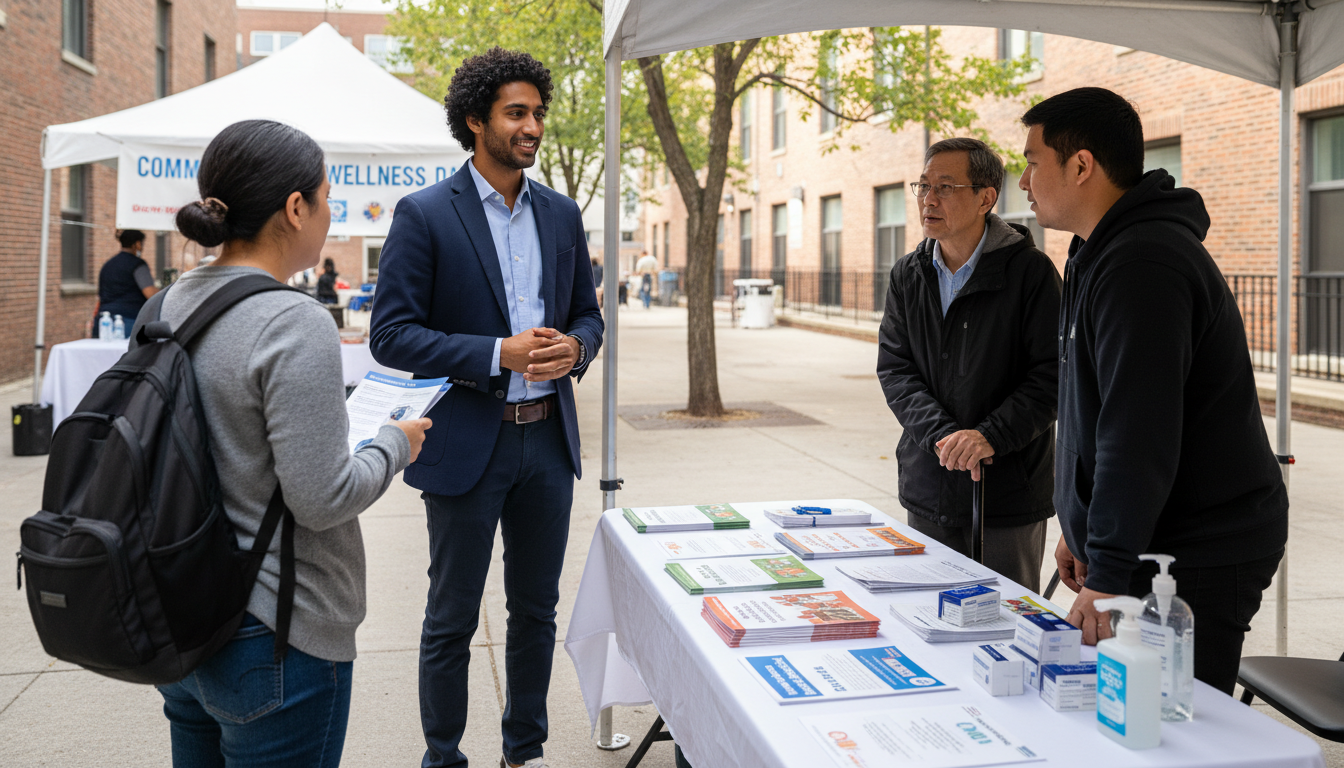
3. Volunteer Work and Community Engagement
Residency programs in addiction medicine–rich environments value service and empathy. Use this section strategically to show:
- Long-term commitment (more powerful than many short events)
- Work with marginalized populations (homeless, incarcerated, refugees, people who inject drugs, sex workers)
- Involvement in health education or stigma reduction
Examples of strong entries:
- Volunteer physician assistant, community opioid overdose prevention program (trained community members in naloxone use).
- Organizer, “Alcohol Awareness Week” at medical school; coordinated peer education sessions and public lectures.
- Volunteer, shelter for people experiencing homelessness—assisted with basic health screening and referral to addiction services.
Focus on role, responsibility, and impact, not just the name of the organization.
4. Leadership and Teaching Related to Addiction
Leadership and teaching demonstrate your potential as a future mentor in addiction medicine.
Examples:
- Founder, Medical Students for Addiction and Recovery (campus interest group).
- Peer tutor for psychiatry or behavioral health modules.
- Created a teaching session for junior students on safe opioid prescribing or brief interventions for alcohol.
In your bullet points, emphasize:
- Number of sessions held
- Audience size
- Any outcomes or feedback (e.g., “Improved knowledge scores by 20% on pre/post test”).
Crafting Each Section for Maximum Impact
Now that you have the building blocks, here are residency CV tips on formatting and prioritizing content to tell a coherent story.
1. Tailor Headings to Enhance Your Addiction Medicine Narrative
Instead of generic headings, consider:
- Clinical Experience – Addiction and Behavioral Health
- Clinical Experience – Internal Medicine and Primary Care
- Research Experience – Mental Health and Substance Use
- Community and Public Health Work – Vulnerable Populations
This structure subtly reinforces your area of focus whenever a reviewer skims.
2. Use Bullets that Demonstrate Skills, Not Just Tasks
Weak bullet:
- Worked in psychiatric outpatient clinic.
Stronger bullet:
- Evaluated 8–10 patients per day with depression, anxiety, and alcohol use disorders; performed suicide risk assessments and safety planning under supervision.
Whenever possible, include:
- Volume (number of patients, clinics, sessions)
- Scope (diagnoses, complexity)
- What you actually did, not just where you were
3. Quantify Where You Can
Program directors respond well to numbers; they provide quick context.
Examples:
- “Screened 200+ patients for alcohol use using AUDIT-C in a primary care clinic.”
- “Coordinated a team of 12 student volunteers for weekly health education sessions.”
- “Completed 30 hours of formal training in motivational interviewing for substance use.”
These are especially valuable for an IMG, as they help normalize experiences across different systems.
4. Address Gaps and Transitions Thoughtfully
Many non-US citizen IMGs have time between graduation and residency application. Use your CV to show productive activity:
- Research roles
- Clinical work (if safe and legal in your country)
- Teaching
- Exam preparation combined with part-time work
- Volunteering or community projects
Whenever possible, tie these activities to addiction medicine or broadly relevant skills (communication, teamwork, quality improvement).
If there is a true gap (>6 months) with little activity, be ready to explain in your personal statement or interviews, but avoid leaving completely blank periods. Even self-directed study or family responsibilities can be framed honestly and respectfully.
Special Considerations for Non-US Citizen IMGs
1. Translating Your Home-Country Credentials
Avoid unexplained local terminology or acronyms. For each unfamiliar term, either:
- Provide a short parenthetical explanation
- Replace with a US-equivalent descriptor (e.g., “resident,” “intern,” “junior doctor,” “general practitioner”)
Example:
- “Rotating Internship (equivalent to US PGY-1) in Internal Medicine, Surgery, Pediatrics, and Obstetrics & Gynecology.”
This reduces cognitive load for the reader and decreases the risk of underestimating your experience.
2. Language and Communication Skills
Working with patients with substance use disorders requires sensitive, nuanced communication. As an IMG, you need to counter the stereotype that language may be a barrier.
Include:
- Language proficiency (list languages and level: native, fluent, professional, conversational).
- Any formal courses in medical English, communication skills, or US health care culture.
- Experience counseling patients or delivering public talks in English or multiple languages.
This is especially important if you are applying from outside the US with no lengthy prior US experience.
3. Certificates and Short Courses
For addiction medicine–oriented CV building, targeted certificates can show commitment and foundational knowledge:
- Online courses from NIDA, SAMHSA, ASAM, WHO on substance use disorders
- CME or MOOCs on motivational interviewing, harm reduction, trauma-informed care, pain management, opioid prescribing
- Certification in SBIRT (Screening, Brief Intervention, and Referral to Treatment) if available
List them in a section like:
Certifications and Relevant Training
- ASAM Fundamentals of Addiction Medicine Online Course, 2024
- WHO e-Learning: Management of Substance Use Disorders in Primary Care, 2023
- SBIRT Training for Primary Care Clinicians, 2023
Practical Steps: How to Build CV for Residency Over 6–24 Months
If you are still a medical student or early graduate, you can actively design your experiences to strengthen your addiction medicine profile.
Step 1: Map Your Current Profile
Make a simple table with columns:
- Clinical exposure
- Research
- Teaching/leadership
- Community service
- US experience
- Addiction-specific elements in each
Identify weaknesses—for example: “No addiction research” or “No US-based addiction exposure.”
Step 2: Add 1–2 Targeted Experiences in Each Weak Area
Examples for a 12-month plan:
- Secure 1 US clinical experience with exposure to substance use (inpatient psychiatry, community health center, detox unit, pain clinic).
- Join a faculty member’s research project on mental health or substance use (even simple tasks like data entry or literature review).
- Initiate or join a student-led addiction awareness campaign.
- Take 2–3 structured online courses in addiction medicine–related topics.
- Volunteer monthly with a homeless shelter or community health NGO that sees patients with substance use disorders.
Step 3: Document As You Go
Keep a running document with:
- Dates
- Supervisor names and contact information
- Number of hours or sessions
- Specific responsibilities and skills
When it’s time to finalize your medical student CV or residency CV, you will have accurate, detailed data ready.
Step 4: Align CV with Personal Statement and LoRs
Your CV is most powerful when:
- Your personal statement tells a story that makes sense of your experiences.
- Your letters of recommendation reinforce your clinical strengths and addiction interest.
Share your updated CV with your letter writers and discuss your desire to pursue addiction medicine fellowship or related substance abuse training in the future. Ask them to highlight concrete examples of:
- Handling difficult conversations
- Caring for patients with substance use disorders
- Demonstrating empathy and nonjudgmental attitude
Frequently Asked Questions (FAQ)
1. How long should my residency CV be as a non-US citizen IMG?
For a foreign national medical graduate, a residency CV is typically 2–4 pages. Under 2 pages often underrepresents extensive clinical and research experiences; over 4 pages can feel unfocused. Focus on relevance and clarity rather than sheer length. Avoid attaching every minor certificate or school project—prioritize what supports your readiness for residency and, secondarily, your addiction medicine interest.
2. Do I need addiction-specific research to match into a program that will lead to an addiction medicine fellowship?
Addiction-specific research is helpful but not mandatory. Many successful residents enter addiction medicine fellowship with more general backgrounds (primary care, internal medicine, psychiatry) plus:
- Some exposure to patients with substance use disorders
- Demonstrated interest through coursework, volunteering, or US rotations
- A clear narrative in their personal statement and interviews
If you lack addiction-specific research, highlight projects that involve mental health, chronic disease, health disparities, or public health and explain in interviews how they shaped your interest in addiction care.
3. Should I mention my long-term goal of an addiction medicine fellowship in my CV?
Your CV itself does not usually include future career goals; that belongs in the personal statement and interviews. However, your CV should support that goal indirectly through:
- Addiction-related clinical experiences
- Relevant research, courses, and certifications
- Volunteer work and leadership aligned with mental health and vulnerable populations
Make sure your listed activities make it easy for program directors to see why you are a natural candidate for future substance abuse training.
4. How can I compensate if I have limited US clinical experience?
If you have little or no US clinical experience:
- Maximize home-country experiences that translate well (complex inpatient care, multidisciplinary teams, substance use exposure).
- Strengthen your application with online US-based courses, tele-mentoring programs, or remote research with US faculty if possible.
- Highlight strong English communication, teaching roles, and leadership.
- Obtain high-quality letters from supervisors who can speak in detail about your clinical skills, professionalism, and interest in addiction medicine.
As soon as feasible, aim for at least one substantial US-based rotation in a field where substance use disorders are common (psychiatry, internal medicine, emergency, or family medicine). Even a short, focused experience can significantly boost the credibility of your CV.
By deliberately shaping and documenting your experiences, you can build a powerful, coherent residency CV as a non-US citizen IMG. When your clinical exposure, research, community work, and training all point toward compassionate care for people with substance use disorders, you position yourself not only to match into residency, but also to thrive in an eventual addiction medicine fellowship and a career dedicated to this critically needed field.