Crafting a strong, targeted CV is one of the most powerful steps you can take as a US citizen IMG interested in addiction medicine. Your CV is not just a list of experiences—it’s the story of how you developed into a physician who understands substance use disorders, is committed to vulnerable populations, and can thrive in rigorous training.
Below is a detailed guide on how to build a compelling residency CV as an American studying abroad with a specific interest in addiction medicine, and how to shape that document so it supports your long-term goal of an addiction medicine fellowship.
Understanding the Role of the CV for a US Citizen IMG in Addiction Medicine
Your CV has three jobs:
- Document your qualifications
- Education, exams, clinical experiences, research, publications, leadership, and skills.
- Differentiate you as a US citizen IMG
- Showing readiness for US training and explaining your “American studying abroad” trajectory clearly and positively.
- Signal your trajectory toward addiction medicine
- Demonstrate authentic interest and experience in substance abuse training and related fields.
Residency programs—especially those with strong addiction medicine tracks—often scan CVs quickly to see:
- Evidence of sustained interest in addiction or related areas (psychiatry, internal medicine, family medicine, emergency medicine).
- Experience dealing with vulnerable populations (homelessness, incarceration, HIV/HCV, mental health, harm reduction).
- Scholarly curiosity (research, QI, presentations) and professionalism (leadership, reliability, continuity).
For a US citizen IMG, your CV also serves to:
- Reassure PDs about training quality from your international medical school.
- Highlight US-based clinical experience (USCE).
- Show that your trajectory toward an addiction medicine fellowship is intentional, not an afterthought.
Core Structure: How to Build a CV for Residency (Addiction Medicine Focus)
Think of your CV as modular, with sections that residency programs almost expect to see. Below is a structure tailored to US citizen IMG applicants, with emphasis on addiction medicine relevance.
1. Contact & Demographic Information (Header)
Include:
- Full name (as it appears in official documents)
- Professional email
- US phone number (if available)
- Current address (US address if you have one during application season)
- Citizenship: Clearly state “US Citizen”
- (Optional but helpful) ERAS AAMC ID once assigned
Do not include:
- Photo (ERAS handles this separately)
- Marital status, age, religion, or unrelated personal details.
Addiction medicine angle: None directly—but clean, professional contact info sets the tone. Use a neutral, professional email (e.g., firstname.lastname.md@gmail.com).
2. Education Section: Positioning Yourself as a US Citizen IMG
List in reverse chronological order:
Medical School
- Full name and country (e.g., “University of X Faculty of Medicine, Country”)
- Degree and expected or actual graduation date
- Class ranking or GPA if favorable and provided officially
- Honors (Dean’s List, distinctions)
Undergraduate Education
- University, degree, major, graduation date
- Relevant minors (e.g., psychology, public health, sociology, statistics)
Additional Degrees or Certificates
- MPH, MSc, addiction studies certificate, clinical research programs, etc.
Example (Addiction Medicine-Relevant):
- University of Zagreb School of Medicine, Croatia — MD equivalent, Expected July 2026
- US Citizen IMG, American studying abroad
- Coursework emphasis: Behavioral Sciences, Public Health, Epidemiology of Substance Use
- University of Florida — BS in Psychology, May 2020
- Minor in Public Health
Tips for US citizen IMG:
- Explicitly marking yourself as “US Citizen IMG (American studying abroad)” can preempt questions about visa status and context.
- If your school has strong addiction or behavioral health content, list relevant electives here or under “Selected Coursework” or “Addiction-Relevant Training.”
3. Clinical Experience: Make Your Addiction-Relevant Work Visible
This is often the most important section for residency programs. Separate into:
- US Clinical Experience (USCE)
- International Clinical Experience
- Optional: Addiction Medicine–Focused Clinical Experience (if you have multiple such rotations; otherwise, mark them clearly within the main subsections).
For each entry, include:
- Role (Clinical Elective, Sub-Internship, Observer, Research Assistant in Clinic)
- Institution and location
- Dates (month/year)
- Supervisor (optional but useful if well-known)
- Brief bullet points (2–4) focusing on:
- Patient population
- Level of responsibility
- Skills relevant to addiction medicine (motivational interviewing, managing withdrawal, co-occurring disorders, etc.)
Strong Example for Addiction Medicine:
US Clinical Experience
Clinical Elective, Addiction Psychiatry
Boston Medical Center, Boston, MA | 08/2024 – 09/2024- Participated in inpatient consults for patients with opioid, alcohol, and stimulant use disorders.
- Observed initiation and titration of buprenorphine, methadone, and naltrexone under attending supervision.
- Conducted supervised motivational interviewing and brief interventions focused on harm reduction and relapse prevention.
Sub-Internship, Internal Medicine
County Hospital, Chicago, IL | 06/2024 – 07/2024- Managed patients with advanced liver disease and alcohol use disorder under close supervision.
- Coordinated care with addiction counseling, social work, and hepatitis C treatment programs.
International Clinical Experience
- Psychiatry Rotation
University Teaching Hospital, Country | 01/2024 – 02/2024- Evaluated patients with co-occurring psychosis and substance use.
- Participated in group therapy sessions focusing on relapse triggers and coping strategies.
Residency CV tips for this section:
- Use action verbs (managed, evaluated, coordinated, counseled).
- Avoid generic bullets like “learned about addiction medicine” and instead describe what you did or observed with substance use patients.
- If you had limited formal addiction rotations, highlight patients with SUD in other contexts (emergency, family medicine, internal medicine, psychiatry).

Research, Quality Improvement, and Scholarly Work in Addiction Medicine
Residency programs with strong addiction medicine fellowship tracks pay close attention to your scholarly engagement. You don’t need a PhD or dozens of publications, but you should show that you can ask questions, analyze data, and communicate results.
1. Research Experience
Create a “Research Experience” section separate from “Publications.” For each project:
- Position (Research Assistant, Student Investigator)
- Institution and department
- Project title or focus
- Dates
- 2–4 bullet points describing:
- Your specific role (data collection, chart review, literature review, statistics).
- Patient population (e.g., opioid use disorder, adolescent vaping, alcohol withdrawal).
- Methods (surveys, retrospective chart review, QI project).
- Outcomes (poster, manuscript, local presentation).
Addiction Medicine Example:
Research Experience
- Student Research Assistant, Addiction Medicine Service
University Hospital, Country | 03/2023 – 12/2023
Project: “Hospital Readmissions Among Patients with Alcohol Withdrawal Syndrome”- Conducted retrospective chart review of 250 patients admitted for severe alcohol withdrawal.
- Extracted data on comorbid psychiatric diagnoses and documented follow-up with outpatient addiction services.
- Presented interim results to the department, leading to implementation of standardized discharge planning.
Even if your research isn’t purely addiction medicine, emphasize connections:
- Depression and SUD comorbidity
- Pain management and opioid prescribing
- Homelessness, incarceration, or HIV/HCV populations
2. Publications, Abstracts, and Presentations
Use separate subsections if possible:
- Peer-Reviewed Publications
- Abstracts and Posters
- Oral Presentations
Format them in standard citation style. Bold your name to highlight your role:
Example:
Peer-Reviewed Publications
- Smith J, Lee A, Johnson R. Implementing brief intervention for alcohol misuse in a primary care clinic: A quality improvement project. Journal of Addiction Medicine. 2024;18(3):210–217.
Posters and Abstracts
- Smith J, Alvarez M. “Barriers to Buprenorphine Initiation in a County Hospital.” Poster presented at: American Society of Addiction Medicine Annual Meeting; April 2024; Dallas, TX.
Residency CV tips for publications:
- If a paper is accepted but not yet published, note: “In press” or “Accepted for publication”.
- For manuscripts under review, clearly mark as “Manuscript under review” and list the journal name only if submission is confirmed.
Experiences That Show Commitment to Addiction Medicine
Programs want to see a pattern: not just a single elective but sustained involvement with addiction-related activities.
1. Volunteering and Community Service
This is critical for a CV in addiction medicine and often underused by US citizen IMG applicants.
Examples of high-yield experiences:
- Needle-exchange or harm reduction programs.
- Homeless shelters or street outreach.
- Peer recovery coaching or group facilitation (if adequately trained and supervised).
- Hotline or crisis counseling (suicide prevention, overdose response).
- Health education in schools about substance use and mental health.
Each entry should include:
- Organization, location
- Role and dates
- 2–3 bullets focusing on patient interaction, education, and advocacy.
Example:
Volunteer Experience
- Volunteer, Harm Reduction Outreach Program
City Health Department, New York, NY | 07/2022 – 05/2023- Distributed naloxone kits and provided overdose response education to community members.
- Engaged with individuals experiencing homelessness and substance use, offering information on shelters and treatment services.
- Collaborated with social workers to connect clients to detox and MAT programs.
Even if your volunteering isn’t explicitly addiction-related, highlight relevant skills: motivational interviewing, stigma reduction, nonjudgmental listening, advocacy.
2. Leadership and Advocacy
Addiction medicine is inherently advocacy-oriented. Demonstrating leadership in student or community organizations is a strong signal.
Possible roles:
- Founder or officer in a medical school “Addiction Medicine Interest Group.”
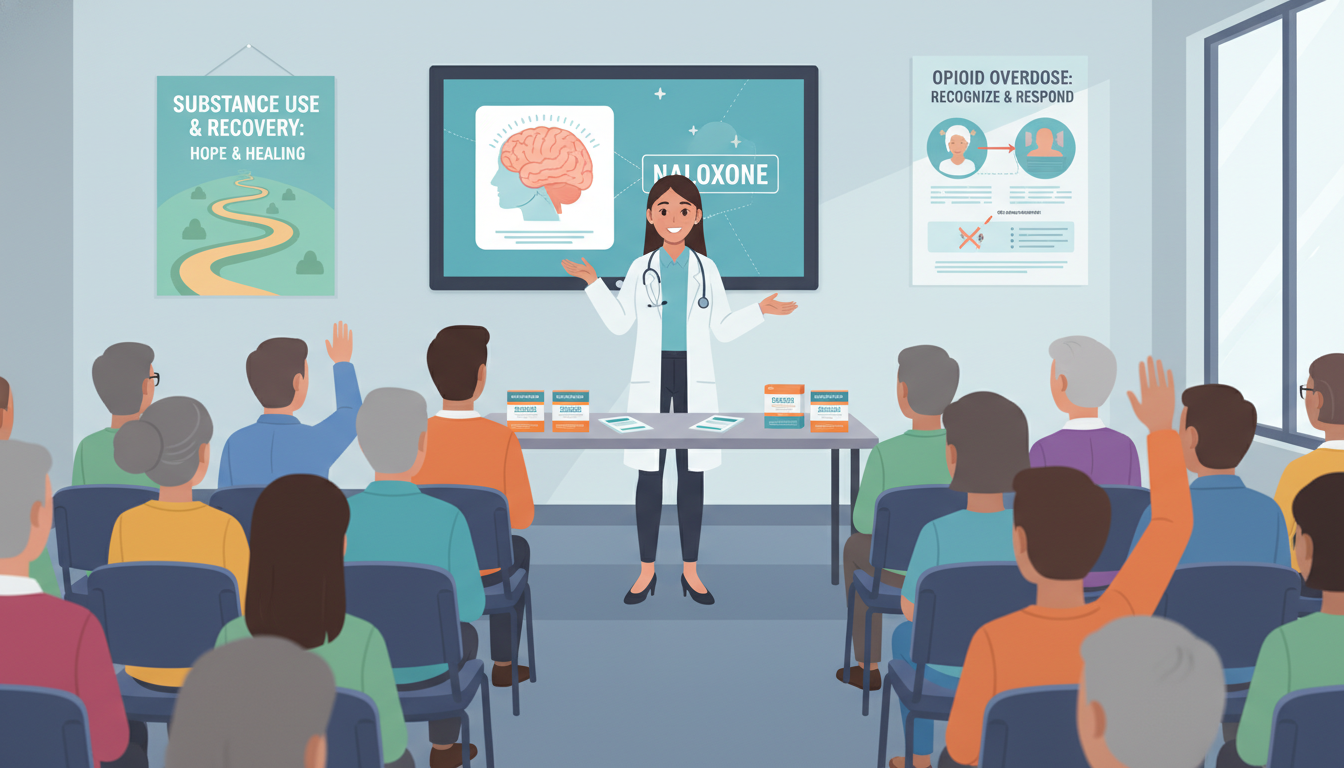
- Organizer of a campus-wide naloxone training event.
- Coordinator for an opioid education curriculum or journal club.
- Representative at national addiction conferences or student-led initiatives.
Example Entry:
Leadership Experience
- Co-Founder & President, Addiction Medicine Interest Group
University of X Faculty of Medicine | 09/2022 – 06/2024- Organized monthly case conferences on opioid use disorder and co-occurring mental illness.
- Invited addiction psychiatrists, recovery coaches, and public health officials as speakers.
- Coordinated a naloxone training event attended by 120 students and residents.
Skills, Certifications, and Additional Training that Strengthen an Addiction Medicine CV
Beyond rotations and research, your skills and certifications can strongly support your future addiction medicine fellowship applications.
1. Certifications to Highlight
For a US citizen IMG interested in addiction medicine, consider:
- Naloxone Training / Overdose Response Certification
- SBIRT (Screening, Brief Intervention, and Referral to Treatment) Training
- Motivational Interviewing Workshop Certification (if formal)
- Advanced Cardiac Life Support (ACLS) and Basic Life Support (BLS) (standard but expected)
- DEA X-Waiver training equivalent or educational modules (note current regulatory changes; emphasize training even if waiver is no longer separate)
List these in a “Certifications” or “Relevant Training” section with location and date.
Example:
Certifications & Specialized Training
- SBIRT Training Certificate, Substance Abuse and Mental Health Services Administration (SAMHSA) | 2023
- Naloxone Administration and Overdose Response Training, City Health Department | 2022
- Motivational Interviewing Basics Workshop, 12-hour course | 2023
- ACLS & BLS, American Heart Association | Current
2. Skills Section
Create a concise “Skills” section near the end of your CV. Focus on:
Clinical/Professional Skills
- Motivational interviewing (introductory or intermediate level)
- Screening for substance use disorders (AUDIT, CAGE, DAST)
- Brief counseling and safety planning
- Interprofessional collaboration (with social work, counseling, legal services)
Research and Technical Skills
- Statistical software (SPSS, R, Stata)
- REDCap, Excel for data management
- Systematic literature review, critical appraisal
Language Skills
- Any additional languages spoken (very helpful in public and addiction medicine)
Avoid generic lists like “teamwork, communication” unless you tie them to tangible contexts in other sections (e.g., leadership, volunteering).
Formatting and Strategy: Practical Residency CV Tips for US Citizen IMGs
Your CV might have excellent content but still underperform if it’s poorly formatted or not clearly aligned with addiction medicine. These strategic tips can help.
1. Length and Organization
For a typical US citizen IMG applying to residency, 2–4 pages is normal depending on experience.
Use clear H2/H3-style section headings:
- Education
- Clinical Experience
- Research Experience
- Publications & Presentations
- Volunteering & Community Service
- Leadership
- Certifications & Skills
- Awards & Honors
Order sections by impact:
- If you have strong addiction-related scholarship, move “Research Experience” higher.
- If your main strength is rich volunteer work in substance use, bring “Volunteer Experience” closer to the top.
2. Tailoring Your CV to Addiction Medicine-Oriented Programs
When applying to residencies that:
- Have addiction medicine fellowships,
- Emphasize substance abuse training, or
- Serve populations with high rates of SUD,
you should:
- Highlight your addiction content in bullet points.
- Consider a brief “Addiction Medicine–Relevant Experiences (Selected)” subsection or simply ensure addiction themes appear in multiple sections (clinical, research, volunteering, leadership).
- Make sure dates and locations align with what you mention in your personal statement and ERAS entries.
3. Addressing IMG-Specific Issues on Your CV
As a US citizen IMG, you may worry about:
- Perception of training quality:
- Emphasize reputable teaching hospitals, structured clerkships, exposure to diverse cases.
- Gaps in training:
- If you had a legitimate gap (e.g., COVID disruptions, family issues), don’t dwell on it in the CV. Ensure the timeline is accurate; explanations belong in your personal statement or ERAS “Additional Information” section.
- Highlighting US work authorization:
- Include “US Citizen” near your name or in the education or personal details line so programs know visas are not needed.
4. Avoiding Common CV Mistakes
Common pitfalls for residency applicants—especially those building a medical student CV abroad—include:
- Overcrowding
- Long paragraphs instead of concise bullet points.
- Too many minor activities diluting the impact of your addiction-related experiences.
- Inconsistency
- Date formats varying (MM/YYYY vs Month YYYY).
- Different styles of listing institutions or supervisors.
- Exaggeration
- Overstating independence in clinical care (e.g., “managed all aspects of patient care” when you were under close supervision).
- Claiming “expertise” in motivational interviewing or MAT without formal training or sustained practice.
- Typos or unprofessional language
- Proofread multiple times.
- Ask a faculty mentor or advisor familiar with US residency standards to review.
Linking Today’s CV to Tomorrow’s Addiction Medicine Fellowship
Building a residency CV with a long-term goal of addiction medicine fellowship means thinking several steps ahead.
Residency program directors and future fellowship directors will look for:
- Trajectory: A steady increase in addiction-related responsibility and sophistication—from volunteering and electives as a student to QI projects or scholarly work as a resident.
- Depth: Not just multiple short exposures, but one or two activities you invested in over a significant period (e.g., 1–2 years).
- Leadership and advocacy: Addiction medicine is at the intersection of medicine, public health, and social justice. Your CV should show you’re comfortable in that space.
Concrete steps you can take now as a US citizen IMG:
- Choose electives strategically
- Prioritize rotations that give you direct patient contact with SUD, in both your home country and the US.
- Attach a scholarly component
- Turn a clinical interest into a small research or QI project.
- Pursue certificate programs
- Free or low-cost online modules in SUD screening, MAT, harm reduction, and public health.
- Engage in advocacy
- Join or create student groups, attend addiction conferences (ASAM, AAP, APA, etc.), and present if possible.
When you eventually apply to an addiction medicine fellowship, your CV should read like a logical evolution of your early interests as a medical student and resident.
FAQs: CV Building for US Citizen IMG in Addiction Medicine
1. How can I show commitment to addiction medicine if my school has limited formal substance abuse training?
- Seek addiction-related opportunities in broader fields: psychiatry, internal medicine, family medicine, emergency medicine.
- Volunteer with community organizations that serve people with SUD (harm reduction programs, shelters, crisis hotlines).
- Do a student research project on SUD-related topics, even if it’s a chart review or literature-based project.
- Highlight addiction-related patient encounters and skills (screening, brief counseling) in your clinical experiences.
2. As an American studying abroad, how do I make my medical student CV competitive for US residency programs?
- Emphasize US Clinical Experience (USCE)—audition electives, sub-internships, or observerships.
- Clearly state that you are a US citizen IMG, so programs know visas are not an issue.
- Ensure your CV is well-structured, error-free, and consistent with US residency expectations.
- Showcase addiction medicine–relevant experiences (research, volunteering, leadership) to stand out in programs serving high-SUD populations.
3. What’s the difference between a medical student CV and the ERAS application? Do I need both?
- ERAS is the standardized online application system with structured fields (work, research, volunteering, etc.).
- A medical student CV is a flexible document you can share with:
- Letter writers (to help them write strong, tailored letters).
- Mentors, research supervisors, and potential rotation sites.
- Program coordinators at away electives.
- Maintain a detailed master CV. Use it to fill ERAS accurately and generate tailored versions if programs request a PDF CV.
4. How important is research in addiction medicine for my residency CV?
- Research is a strong plus, but not mandatory for every applicant.
- Quality matters more than quantity. A well-executed, clearly described single project can be more valuable than multiple superficial ones.
- If you don’t have formal addiction medicine research, consider:
- QI projects focused on screening, naloxone distribution, or follow-up for SUD patients.
- Case reports involving complex SUD cases.
- Public health or epidemiology projects related to overdose trends or access to treatment.
By intentionally shaping your experiences and documenting them clearly, you can transform your medical student CV into a powerful narrative: a US citizen IMG who has sought out substance abuse training, developed meaningful clinical and community work, and is ready to contribute to a residency program—and ultimately an addiction medicine fellowship—with maturity, compassion, and purpose.