Understanding the Med-Peds Residency CV as an IMG
As an international medical graduate, your residency CV is more than a list of experiences—it is your translation tool. It helps Medicine-Pediatrics (Med-Peds) program directors understand your training context, compare you fairly with U.S. graduates, and quickly see how you fit their program culture.
This IMG residency guide will walk you through how to build a CV for residency with a specific focus on Med-Peds. We will cover:
- What Med-Peds program directors look for in a CV
- How your CV should differ from a standard medical student CV
- Residency CV tips specific to international medical graduates
- Concrete examples of strong entries and how to avoid common mistakes
Throughout, keep one core principle in mind:
A strong Med-Peds residency CV tells a clear, consistent story:
You are a clinically ready, adaptable physician passionate about caring for patients across the lifespan—both adults and children.
Your CV should make that story obvious in 10–20 seconds of scanning.
Core Principles of a Strong IMG Med-Peds CV
Before we break down each section, understand the strategic goals. For an international medical graduate, your CV must:
Clarify your training and context
- Different degree titles, grading systems, and internship structures can confuse reviewers.
- Your CV should be organized and annotated in a way that’s easy to understand for U.S. faculty.
Demonstrate readiness for U.S. clinical training
- U.S. clinical experience (USCE), observerships, and hands-on roles carry great weight.
- Evidence that you can function in U.S. hospital systems is critical.
Show alignment with Medicine-Pediatrics
- Balanced and meaningful exposure to both Internal Medicine and Pediatrics.
- Activities that show comfort with complexity, continuity of care, and transition-age patients are a plus.
Highlight reliability and professionalism
- Consistent involvement, leadership, and longitudinal commitments impress program directors more than a long but shallow list.
- Clear timelines and explanations for any gaps build trust.
Tell a coherent story
- Your clinical work, research, volunteer experiences, and leadership should point toward Med-Peds themes: complexity, continuity, underserved populations, global health, systems thinking.
Structuring Your Med-Peds Residency CV: Section by Section
Below is a recommended structure tailored for an IMG residency guide. It aligns with ERAS content but is formatted for a stand-alone CV you might upload or email.
1. Contact Information & Professional Summary
Contact Information (top of page, clear and simple):
- Full Name (as it appears on your official documents)
- Current address (city, state, country)
- Email (professional: firstname.lastname@…)
- Phone number (with country code)
- AAMC ID and/or ECFMG ID
- LinkedIn profile (optional but recommended if well-maintained)
Common IMG mistakes:
- Using informal email addresses.
- Leaving out international dialing codes.
- Listing multiple phone numbers and creating confusion.
Professional Summary (2–4 lines, optional but powerful):
For Med-Peds, a targeted summary helps frame the rest of your document:
Example:
“International medical graduate (MBBS, India; ECFMG-certified) with 2+ years of clinical experience, including dedicated exposure in Internal Medicine and Pediatrics. Committed to a career in Medicine-Pediatrics with particular interest in transitional care for adolescents with chronic disease and global health. Brings strong academic performance, US clinical observerships, and multilingual communication skills.”
Use this to:
- Clearly identify yourself as an IMG.
- Signal Med-Peds interest immediately.
- Mention 1–2 standout strengths (USCE, research, language skills, etc.).
2. Education & Medical Training: Making Your Path Clear
Education is typically the first main section after contact info.
Order (reverse chronological):
- Postgraduate degrees or training (if any)
- Medical school
- Prior degrees (e.g., BSc, MPH, MSc, PhD)
For each entry:
- Institution name, city, country
- Degree earned (spell it out: “Bachelor of Medicine, Bachelor of Surgery (MBBS)”)
- Dates (Month/Year – Month/Year)
- Honors (e.g., “Graduated top 10%,” “Distinction in Pediatrics”)
- Brief clarifications if needed (e.g., 5-year integrated medical program equivalent to MD)
Example (strong):
Bachelor of Medicine, Bachelor of Surgery (MBBS)
All India Institute of Medical Sciences, New Delhi, India
08/2015 – 06/2021
- 5.5-year integrated medical program (equivalent to U.S. MD) including 1-year rotating internship in Internal Medicine, Pediatrics, Surgery, and Obstetrics & Gynecology
- Graduated with Honors; ranked in top 5% of class
For IMGs, clarity is critical: briefly explain your program structure if it differs from the U.S. model.
If you have postgraduate training (e.g., house officer, SHO, residency abroad), specify:
- Specialty (e.g., Internal Medicine, General Practice)
- Type of role (e.g., Junior Resident, Medical Officer)
- Responsibility level (in brief, in the description section later)
3. Clinical Experience: Highlighting Your Med-Peds Readiness
For Med-Peds residency, clinical experience is your core selling point. Divide this section into clear subsections:
- U.S. Clinical Experience (USCE)
- International Clinical Experience
- Additional Clinical Roles (e.g., telemedicine, COVID-19 duties)

A. U.S. Clinical Experience (USCE)
This is heavily weighted by program directors.
Types of USCE:
- Clinical electives
- Sub-internships
- Observerships (less strong, but still valuable)
- Externships
- Research with clinical exposure
For each:
- Title (e.g., “Clinical Observer, Internal Medicine,” “Sub-intern, Pediatrics”)
- Institution, city, state
- Dates (Month/Year – Month/Year)
- Average weekly hours (optional but helpful)
- 3–5 bullet points of responsibilities and skills
Focus on:
- Systems familiarity (EPIC/Cerner, sign-out, multidisciplinary rounds)
- Communication skills (presenting cases, writing notes)
- Demonstrated independence under supervision
Example (Med-Peds oriented):
Clinical Observer, Internal Medicine & Pediatrics
University Hospital, Chicago, IL, USA
09/2023 – 11/2023
- Participated in inpatient ward rounds with both Internal Medicine and Pediatric teams, observing care for adults and children with chronic conditions (e.g., diabetes, asthma, sickle cell disease).
- Observed transitions of care from pediatric to adult providers for young adults with congenital heart disease and cystic fibrosis.
- Attended Med-Peds continuity clinic sessions focusing on longitudinal management of patients across the lifespan.
- Gained familiarity with U.S. documentation practices in EPIC and multidisciplinary team communication.
Note the intentional emphasis on continuity and transitions of care—core Med-Peds themes.
B. International Clinical Experience
Many IMGs have rich experience that is difficult to interpret quickly. Make it easy.
Organize by role:
- Internship / House Officer / Foundation Training
- Resident / Medical Officer
- General Practitioner roles
For each:
- Title, specialty (specify if adult vs pediatric)
- Institution, city, country
- Dates
- 3–6 bullet points with quantifiable impact where possible
Example:
House Officer, Internal Medicine and Pediatrics
National Teaching Hospital, Lagos, Nigeria
08/2021 – 07/2022
- Completed 3-month rotations each in Internal Medicine and Pediatrics as part of rotating internship.
- Managed 15–20 adult inpatients daily under supervision, including admissions, daily assessments, and discharge planning.
- Provided care to pediatric patients with infectious diseases, malnutrition, and chronic conditions in both inpatient and outpatient settings.
- Participated in weekly morbidity and mortality conferences and quality improvement meetings.
Clearly link both adult and pediatric experience when possible to show alignment with Medicine-Pediatrics.
C. Additional Clinical Responsibilities
Include relevant COVID-19 service, rural postings, or telemedicine work, especially if they show adaptability, resilience, or systems thinking.
Example:
COVID-19 Ward Physician (Adults)
- Managed acutely ill adults with COVID-19 in high-volume ward settings.
- Coordinated with internal medicine, critical care, and infectious disease teams.
Tie this to Med-Peds by emphasizing complex, multi-system disease management and coordination of care.
Research, Quality Improvement, and Scholarly Work: Med-Peds Focus
While not mandatory, scholarly work can significantly strengthen your profile, especially at academic Med-Peds programs.
Divide as needed:
- Peer-Reviewed Publications
- Abstracts and Posters
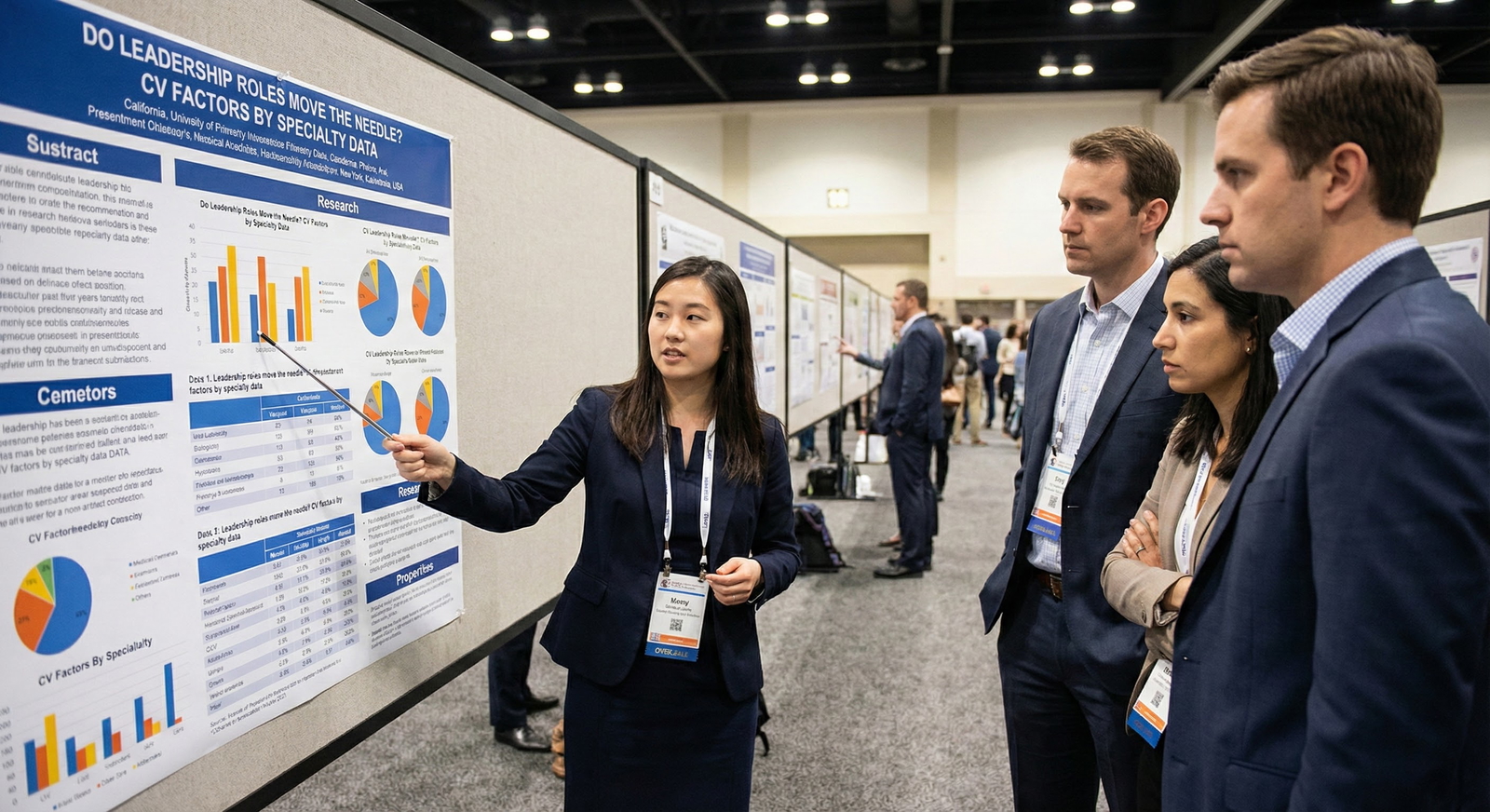
- Oral Presentations
- Quality Improvement (QI) Projects
Highlighting Med-Peds-Relevant Themes
Ideally, at least some of your work should touch on:
- Chronic disease management (adult or pediatric)
- Transition of care (adolescents to adult services)
- Health systems, quality improvement, or population health
- Underserved communities or global health
Publication example:
Publications
- Ahmed F, Li J, Kumar S. “Barriers to Successful Transition from Pediatric to Adult Care in Adolescents with Type 1 Diabetes in Low-Resource Settings.” Journal of Global Pediatrics and Adolescent Health. 2023;8(2):123–131.
QI project example:
Quality Improvement Project
- “Improving Vaccination Rates Among Adults with Chronic Disease in a Primary Care Clinic”
Community Health Center, Amman, Jordan | 01/2022 – 06/2022- Led a multidisciplinary team to design and implement reminder systems for adult patients with diabetes and COPD.
- Increased influenza vaccination rates from 45% to 70% over one season.
Even if your projects are not directly labeled “Med-Peds,” emphasize aspects that apply across the lifespan or involve chronic disease, prevention, and systems-based practice.
Leadership, Teaching, and Volunteer Work: Showing Your Med-Peds Identity
Med-Peds programs value residents who are:
- Teacher-mentors
- Advocates for vulnerable populations
- Comfortable working in interdisciplinary teams
- Interested in primary care, global health, or complex care (often, but not always)

Teaching Experience
Include any:
- Medical student or intern teaching
- Peer tutoring
- OSCE coaching
- Teaching assistant roles
Example:
Clinical Skills Tutor, Medical Students (Pediatrics & Internal Medicine)
09/2019 – 04/2020
- Conducted weekly small-group sessions on pediatric history-taking and adult physical examination skills for 10 third-year medical students.
- Provided structured feedback and developed checklists to standardize assessment.
Teaching demonstrates communication skills, patience, and a foundation for the educator role central to Med-Peds.
Leadership Roles
Program directors look for signs of responsibility and initiative:
- Student society roles (class representative, association president)
- Clinic coordinator positions
- Research team lead
- Hospital committee membership
Emphasize scope and outcomes:
- Size of team
- Frequency of meetings
- Any measurable improvements
Example:
President, Medicine-Pediatrics Interest Group (Founder)
Online IMG Network | 01/2023 – Present
- Founded a virtual interest group for IMGs pursuing Med-Peds residency, now with over 80 active members from 10 countries.
- Organized monthly webinars with U.S. Med-Peds residents and faculty on application strategies and career pathways.
If Med-Peds-specific groups are not available locally, roles in Internal Medicine, Pediatrics, family medicine, or global health groups should be highlighted.
Volunteer & Community Service
Med-Peds has a strong cultural emphasis on underserved communities and advocacy. Volunteer work that fits this is especially valuable:
- Free clinics
- Rural outreach
- Child health education programs
- Adult chronic disease screening initiatives
- Refugee/immigrant health work
Example (blending adult and child focus):
Volunteer Physician, Community Health Outreach Camps
Rural Health NGO, Punjab, India | 02/2022 – 12/2022
- Provided basic screening and counseling for both adults (hypertension, diabetes) and children (growth monitoring, vaccination status).
- Collaborated with local health workers to ensure continuity of follow-up in primary care centers.
Again, highlight the across-the-lifespan aspect whenever accurate.
How to Build a CV for Residency: Practical Formatting & Style Tips
Beyond content, presentation strongly influences how your CV is perceived. For residency CV tips, especially for IMGs, focus on clarity, consistency, and professionalism.
1. Length and Layout
- Aim for 2–4 pages for most IMGs; more only if you have substantial research.
- Use clear section headings and consistent formatting.
- Avoid dense paragraphs; use bullet points under each role.
2. Chronology and Dates
- Use reverse chronological order within sections.
- Include Month/Year – Month/Year for all activities.
- Avoid unexplained gaps longer than 3–6 months in recent years; address them briefly (e.g., “Exam preparation,” “Family responsibilities,” “Full-time research”).
3. Language and Style
- Use active verbs: “Led,” “Coordinated,” “Implemented,” “Managed.”
- Avoid overly casual wording or local slang.
- Keep bullets concise; 1–2 lines each is ideal.
Weak bullet:
- “Worked in pediatric ward.”
Strong bullet:
- “Managed daily care for 10–12 pediatric inpatients with infectious and chronic diseases under consultant supervision, including admission notes, daily progress documentation, and family counseling.”
4. Tailoring for Med-Peds
Throughout the CV, subtly shape language to highlight Med-Peds compatibility:
- Note experiences that span adult and pediatric care.
- Highlight any involvement in transition-age youth, chronic diseases starting in childhood, or family-centered care.
- Emphasize continuity (long-term follow-up) and care coordination.
You don’t need to repeat “Med-Peds” everywhere, but you should make it obvious that you have genuine exposure to both adult and pediatric medicine and enjoy that combination.
5. Addressing IMG-Specific Challenges
Different grading systems:
- If your school uses rankings or distinctions, explain briefly (e.g., “Distinction = top 10% of class”).
Older graduation year or gaps:
- Use a short, honest explanation:
- “09/2020 – 06/2021: Dedicated full-time to USMLE Step 1 and Step 2 CK preparation and examinations.”
- Pair any gap with whatever productive activity you had (USMLE prep, research, family caregiving).
Visa status and ECFMG certification:
- You can include a brief note under your name or in a final “Additional Information” section:
- “ECFMG certified, 2024.”
- “Require J-1 visa sponsorship.”
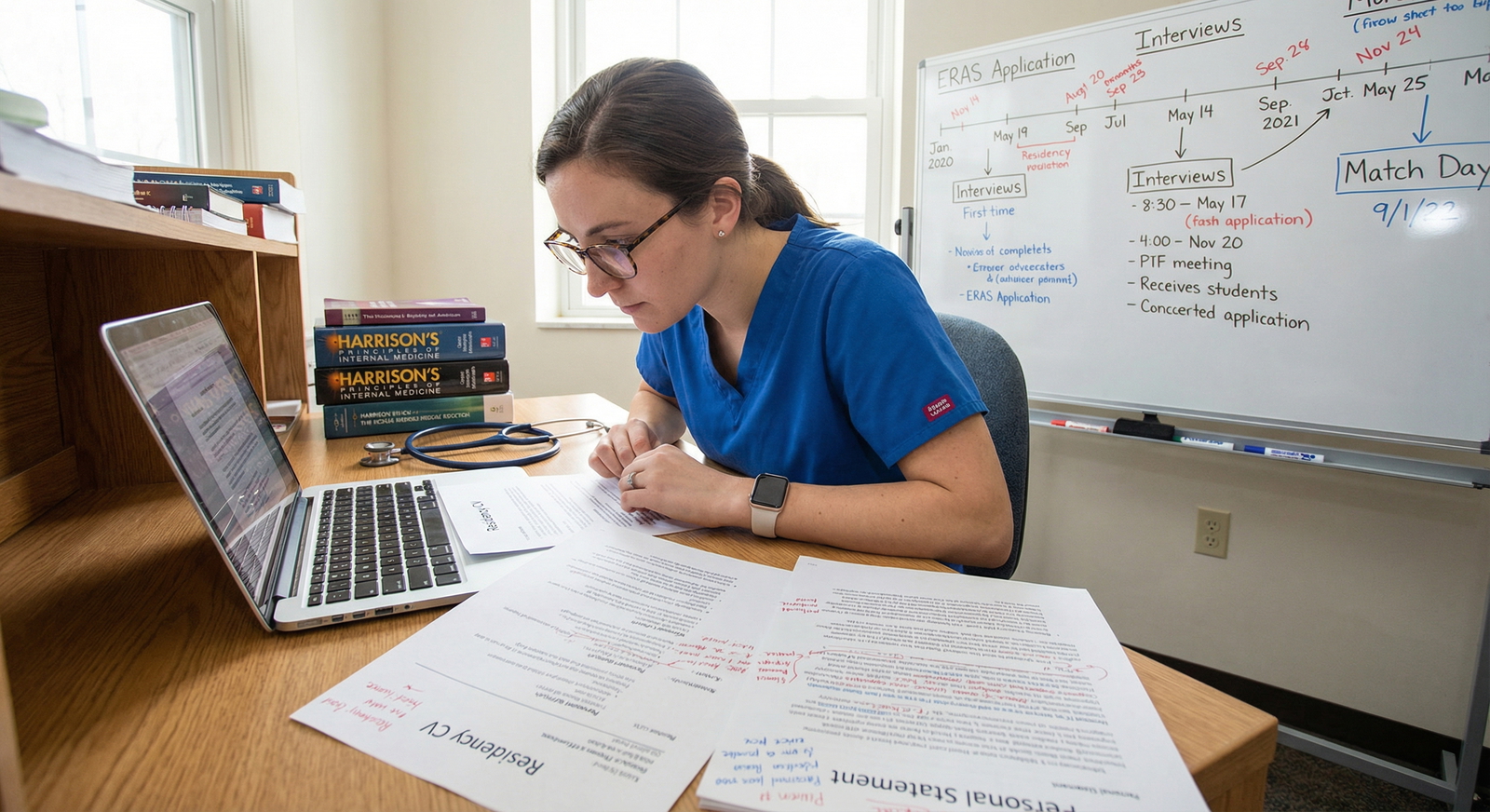
6. Aligning CV with ERAS Application and Personal Statement
Your residency CV, ERAS experiences, and personal statement should be consistent and reinforce one another:
- Dates and titles must match.
- Key Med-Peds-oriented experiences on your CV should also appear as significant entries in ERAS.
- Themes in your personal statement (e.g., love of continuity, interest in global health, complex chronic disease) should be backed by concrete evidence in your CV.
Optimizing Your Medical Student CV into a Residency-Ready Document
Many IMGs start with a generic medical student CV that chronicles everything they have done. For the medicine pediatrics match, you need to evolve that into a targeted, polished residency CV.
Stepwise Approach
Collect all experiences (long master list).
Identify what matters most for Med-Peds:
- Adult and pediatric clinical work
- USCE
- Research/QI, especially in chronic disease, transitions, or underserved populations
- Leadership and teaching
Prioritize and prune:
- Remove outdated high school activities.
- Combine minor, similar roles into one entry (“Various local health camps, 2017–2019”).
Re-write bullets to emphasize:
- Responsibility level
- Skills relevant to residency (clinical reasoning, communication, team work)
- Med-Peds themes where genuine.
Proofread relentlessly:
- Spelling/grammar.
- Consistent date formats.
- Uniform bullet style and fonts.
Get external feedback:
- Ask a U.S.-trained mentor, Med-Peds resident, or faculty to review.
- Specifically ask: “From my CV alone, what kind of doctor do I seem to be?”
- If the Med-Peds identity doesn’t come across, revise.
Frequently Asked Questions (FAQ)
1. How is a Med-Peds residency CV different from a regular Internal Medicine or Pediatrics CV?
The structure is similar, but the emphasis is different. A strong Med-Peds residency CV demonstrates:
- Meaningful exposure to both adult and pediatric medicine, not just one.
- Interest in continuity of care, chronic disease across the lifespan, and transition-age patients.
- Activities that show adaptability across settings (inpatient, outpatient, community).
Where an Internal Medicine CV might heavily focus on adult hospital work, and a Pediatrics CV might lean toward child health advocacy, a Med-Peds CV should show you comfortably bridging both worlds.
2. I do not have formal Med-Peds rotations. Can I still build a strong Med-Peds CV as an IMG?
Yes. Very few IMGs have official “Med-Peds” rotations. Instead:
- Highlight substantial experience in both Internal Medicine and Pediatrics separately.
- Emphasize any work involving family-centered care, chronic diseases that span ages, or systems-level projects.
- Pursue Med-Peds-related observerships, clinics, or shadowing experiences if possible in the U.S.
- Use your personal statement and interview to connect your experiences and explain why Med-Peds is the natural fit for you.
3. How much research do I need on my CV for the Medicine Pediatrics match?
There is no fixed minimum. Many successful Med-Peds applicants have limited or no research. However:
- Research or QI helps at more academic programs.
- Even small projects (case reports, posters, QI cycles) are valuable if clearly described.
- If research is limited, strengthen other areas: USCE, leadership, teaching, volunteer work, and Med-Peds-oriented clinical experiences.
Focus more on quality and relevance than on sheer number of publications.
4. Should I list all observerships and short-term shadowing experiences on my CV?
List the ones that:
- Are in Internal Medicine, Pediatrics, or Med-Peds.
- Provided meaningful exposure, teaching, or letters of recommendation.
- Show progression (e.g., from general pediatrics to subspecialties like adolescent medicine or cardiology).
For very short (<1–2 week) shadowing, consider either combining them into a single line or omitting the least relevant ones. Ensure that what you list matches your ERAS entries; do not inflate duration or responsibility.
By crafting a clear, targeted, and honest CV, you give Med-Peds program directors a compelling reason to invite you for an interview. For an international medical graduate, that CV is often the first—and sometimes only—window into your story. Use it to show that you are not just an IMG applicant, but a future Med-Peds physician ready to care for patients across the lifespan, in any system, with skill and compassion.