Understanding the Role of Your CV in the Anesthesiology Match
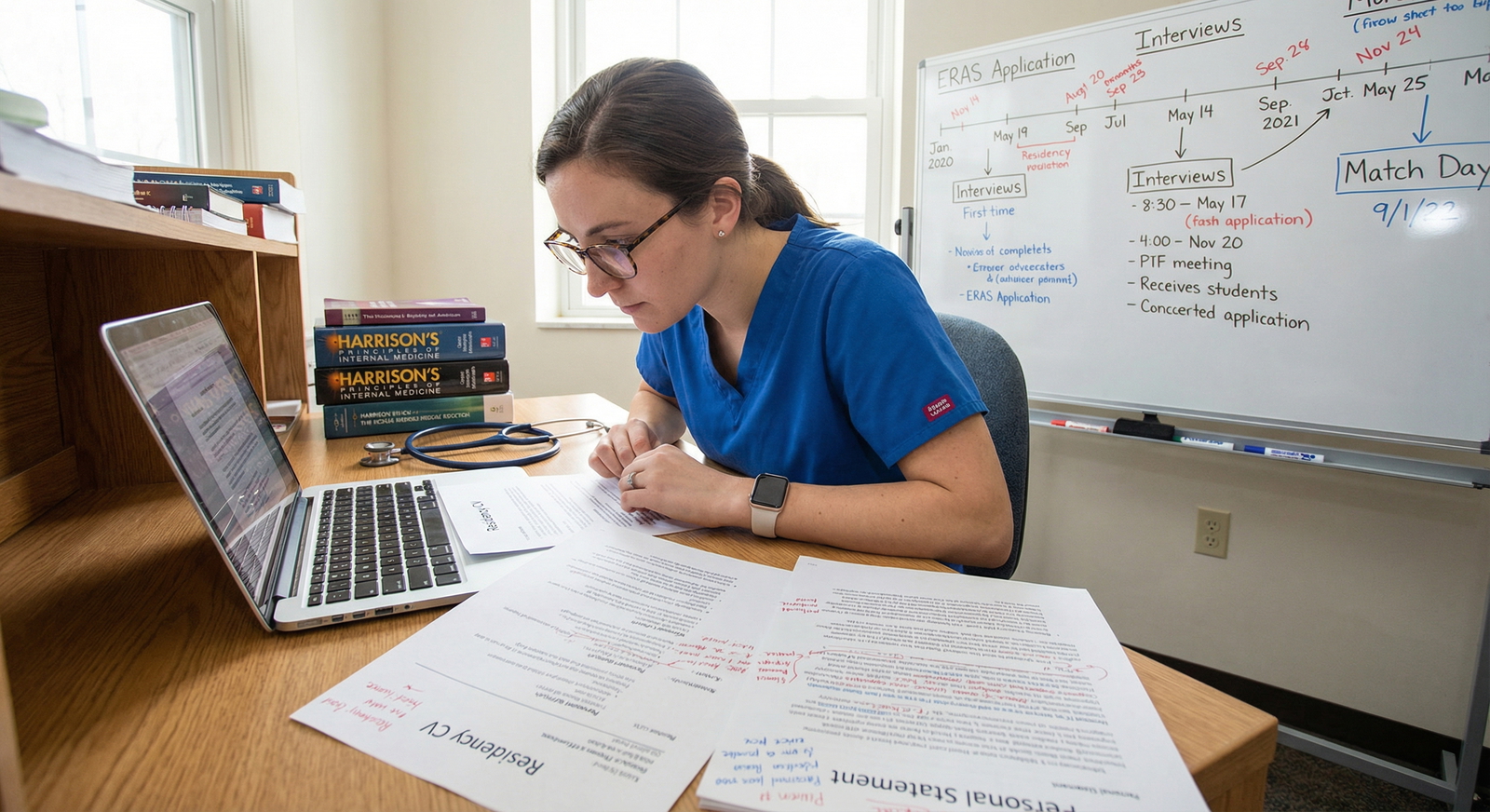
For an international medical graduate (IMG) applying to anesthesiology residency in the United States, your CV is more than a list of accomplishments—it is a strategic marketing document. Programs may glance at it for less than a minute on first review. In those few seconds, they are asking:
- Does this candidate have genuine interest in anesthesiology?
- Do they understand and have exposure to the U.S. system?
- Are they reliable, hardworking, and progressing over time?
- Will they contribute to our department’s clinical, academic, and team culture?
In the context of the anesthesia match, your CV works together with your ERAS application, personal statement, and letters of recommendation. But unlike those other pieces, a well-structured CV can be reused and adapted for:
- Emailing program coordinators or faculty
- Applying for observerships, research, or externships
- Scholarship, conference, and leadership applications
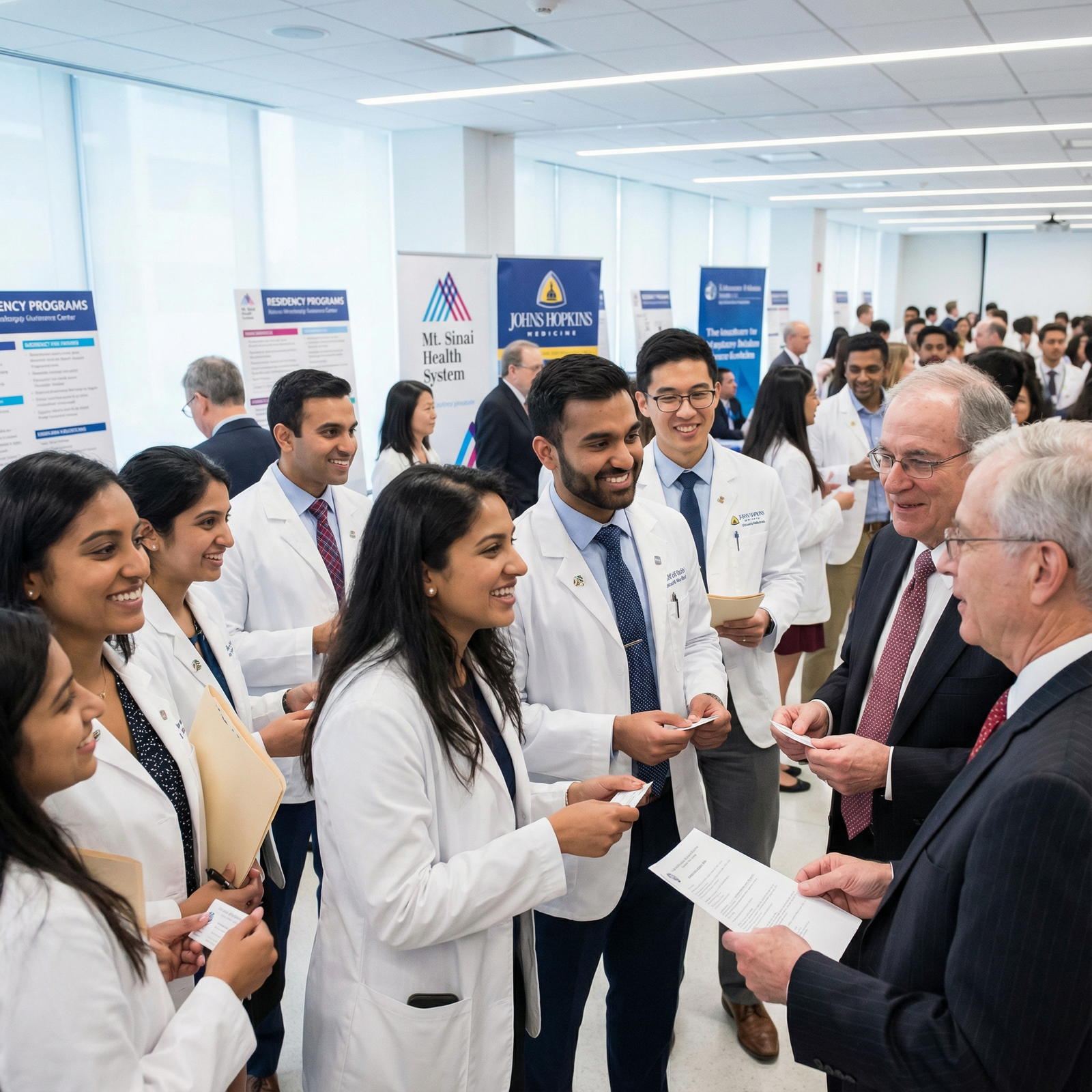
- Networking with anesthesiologists and mentors
This IMG residency guide will walk you through how to build a targeted, high-impact CV for anesthesiology—what to include, how to present it, and how to tailor your experiences to stand out as a competitive international medical graduate.
Core Structure: How to Build a CV for Anesthesiology Residency
While formats differ slightly by country, a U.S.-style residency CV is usually 2–4 pages for an IMG. The structure matters. Program faculty are busy anesthesiologists who need to find key information quickly.
Recommended CV Sections (Order)
- Header / Contact Information
- Education
- USMLE and Licensing (for U.S. match)
- Clinical Experience
- Anesthesiology-Specific Exposure
- Research & Publications
- Presentations & Conferences
- Teaching & Leadership
- Awards & Honors
- Professional Memberships
- Volunteer & Community Service
- Skills & Certifications
- Languages and Personal Interests (brief)
Not every applicant will have all sections, but you should aim to include as many as are relevant and honest.
Basic Formatting Principles
- Length: Typically 2–3 pages for most IMGs; 4 is acceptable if you have substantial research or experience.
- Font: Professional, readable font (Calibri, Arial, Times New Roman) 10.5–12 pt.
- Margins: Standard 1-inch or slightly smaller (0.7–1.0 inch).
- Consistency: Same style for dates, locations, headings, and bullet formatting.
- File name: “LastName_FirstName_CV_Anesthesiology_2025.pdf”
Avoid photos, personal demographic details (age, marital status, religion), or irrelevant personal data that are customary in some countries but not in U.S. residency applications.
Section-by-Section Breakdown with Anesthesiology Focus
1. Header and Contact Information
What to include:
- Full name (bold, slightly larger font)
- Professional email (e.g., firstname.lastname@gmail.com)
- Phone number (with country code if outside U.S.)
- Current address and city/country
- LinkedIn URL (if up to date and professional)
Example:
Priya Sharma, MD
Email: priya.sharma.md@gmail.com | Phone: +91-XXXX-XXXXXX
Current Address: New Delhi, India
LinkedIn: linkedin.com/in/priyasharmamd
No need to list multiple addresses or excessive contact details.
2. Education
As an international medical graduate, your education section is crucial for context.
Include:
- Medical school name, city, country
- Degree (e.g., MBBS, MD, MBChB)
- Dates of attendance (month/year – month/year)
- Class rank or GPA (if strong and objectively documented)
- Thesis/Capstone titles (if relevant to anesthesiology, critical care, pain, or perioperative medicine)
Example:
Medical Education
MBBS, All India Institute of Medical Sciences, New Delhi, India
Aug 2014 – Mar 2020
- Graduated with Distinction in Pharmacology and Physiology
- Class Rank: Top 10% (22/230)
If you have additional degrees (e.g., MPH, MSc, PhD), list them in reverse chronological order.
Tip for IMGs:
If your grading system is unfamiliar, a brief clarification can help (e.g., “Graduated in top 15% (based on cumulative exam scores)”). Avoid converting to U.S. GPA unless done professionally.
3. USMLE and Licensing Information
Programs will look at your USMLE performance, especially Step 2 CK, when evaluating your anesthesia match potential.
Include:
- USMLE Step 1, Step 2 CK, and (if applicable) Step 3 with scores and attempt status.
- ECFMG certification status and year.
- State license/limited permit information (if any research fellow positions required it).
Example:
USMLE & Certification
- USMLE Step 1: Pass (First Attempt), Jan 2022
- USMLE Step 2 CK: 247 (First Attempt), Aug 2022
- USMLE Step 3: Scheduled for Mar 2025
- ECFMG Certified, Sep 2023
If you have a lower score or a previous failure, do not hide it—ERAS will show the official record—but you don’t need to draw extra attention to it in the CV. Focus more on strengths (e.g., improvement between Step 1 and Step 2).
4. Clinical Experience: Highlighting Anesthesiology-Relevant Work
For an IMG residency guide focused on anesthesia, this is your most important section after education and exams.
4.1. Structure Your Clinical Experience
Group experiences under clear subheadings:
- U.S. Clinical Experience (USCE) – Observerships, electives, externships, sub-internships.
- Home Country Clinical Experience – Internships, house officer posts, resident positions.
- Other International Experience – If you trained in multiple countries.
Within each entry, include:
- Role (e.g., Clinical Observer, Extern, Junior Resident in Anesthesiology)
- Institution, department, city, country
- Dates (month/year – month/year)
- 3–5 bullet points describing responsibilities and achievements
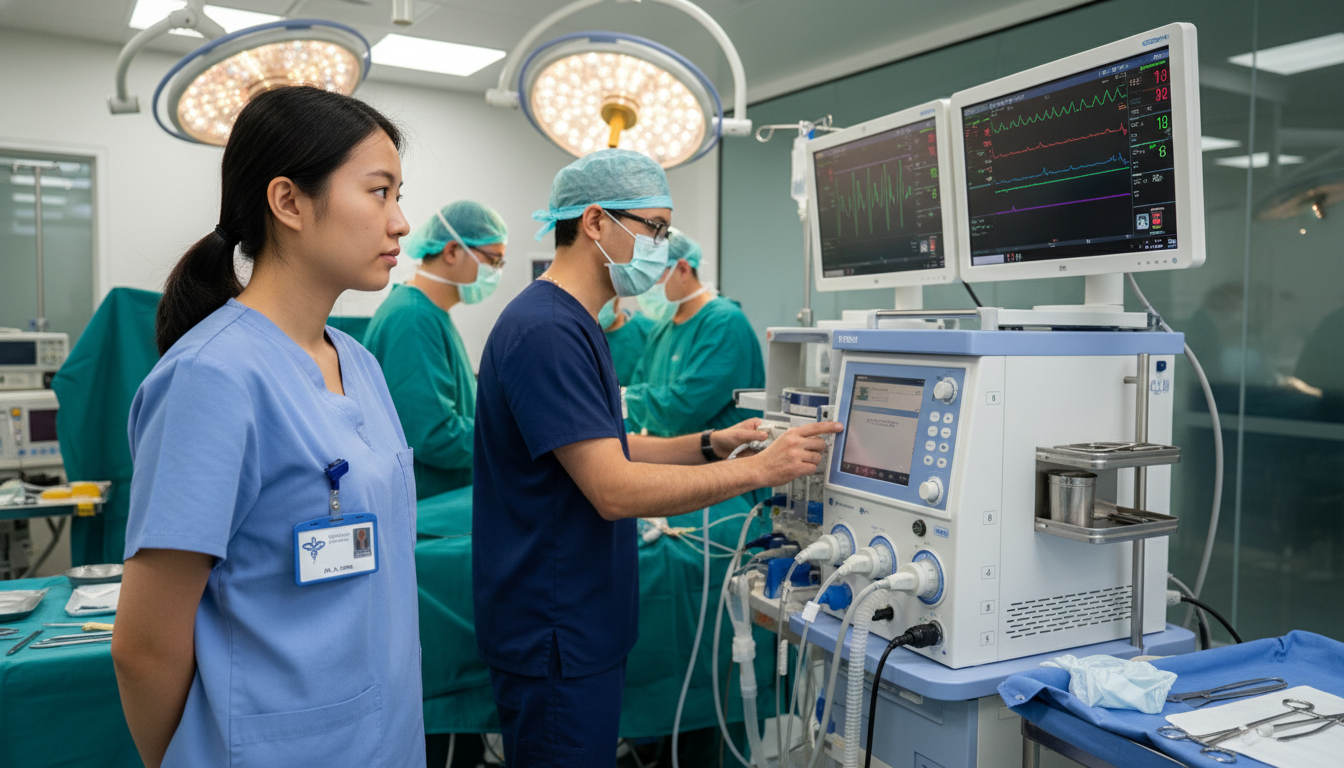
4.2. Emphasize Anesthesiology-Relevant Duties
Use action verbs and show increasing responsibility. Focus on:
- Pre-op evaluations, PAC visits
- OR workflow, case preparation
- Airway management exposure
- Post-op care, PACU, ICU exposure
- Pain management, regional anesthesia exposure
- Teamwork and communication with surgeons, nurses, and CRNAs/AAAs
Example:
Clinical Observer, Department of Anesthesiology
University Hospital, Chicago, IL, USA | Jun 2023 – Aug 2023
- Observed pre-operative assessment clinics for ASA I–III patients, focusing on optimization of cardiovascular and respiratory comorbidities.
- Assisted residents in preparing ORs for general, regional, and monitored anesthesia care cases.
- Participated in daily morning didactics on airway management, anesthetic pharmacology, and perioperative guidelines.
- Observed anesthesiologists performing intubations, central line placements, and ultrasound-guided regional blocks.
Even if you did not physically perform procedures in the U.S., you can still show meaningful learning and engagement.
4.3. Show Progression and Commitment
If you started in internal medicine or surgery but are now applying to anesthesiology, briefly show how your path evolved, and emphasize overlapping skills.
Example:
Junior Resident (PGY-1), General Surgery
XYZ Teaching Hospital, Cairo, Egypt | Jan 2021 – Dec 2021
- Managed perioperative care of surgical patients, collaborating closely with anesthesiology team on fluid management and hemodynamic monitoring.
- Developed strong interest in the perioperative and critical care aspects of surgical patients, leading to further anesthesiology-focused observerships.
This connects your previous path to your current anesthesia focus without looking inconsistent.
Research, Academic Output, and CV Strength for Anesthesiology
Anesthesiology is moderately research-oriented; applicants with strong scholarly activity have a clear edge, but you do not need dozens of publications to match. What matters is quality, relevance, and your role.
1. Research & Publications
Subdivide into:
- Peer-reviewed journal articles
- Book chapters
- Abstracts
- Quality improvement (QI) projects
- Submitted / in-press work (clearly labeled)
Use a consistent citation style (e.g., AMA). Number your entries; this makes them easier to reference during interviews.
Example:
Peer-Reviewed Publications
- Sharma P, Khan A, Rao S. “Postoperative delirium in elderly patients: Prevention strategies in low-resource settings.” Journal of Anesthesia & Clinical Research. 2023;15(2):145–152.
- Sharma P, Li J. “Implementation of a perioperative checklist to reduce wrong-site surgery: A quality improvement project.” BMJ Open Quality. 2022;11(3):e001234.
For in-progress projects:
- Sharma P, Garcia M. “Association between preoperative anemia and postoperative complications in elective orthopedic surgery: A retrospective cohort study.” (Manuscript in preparation)
Be honest—never label something as “submitted” or “accepted” unless it truly is.
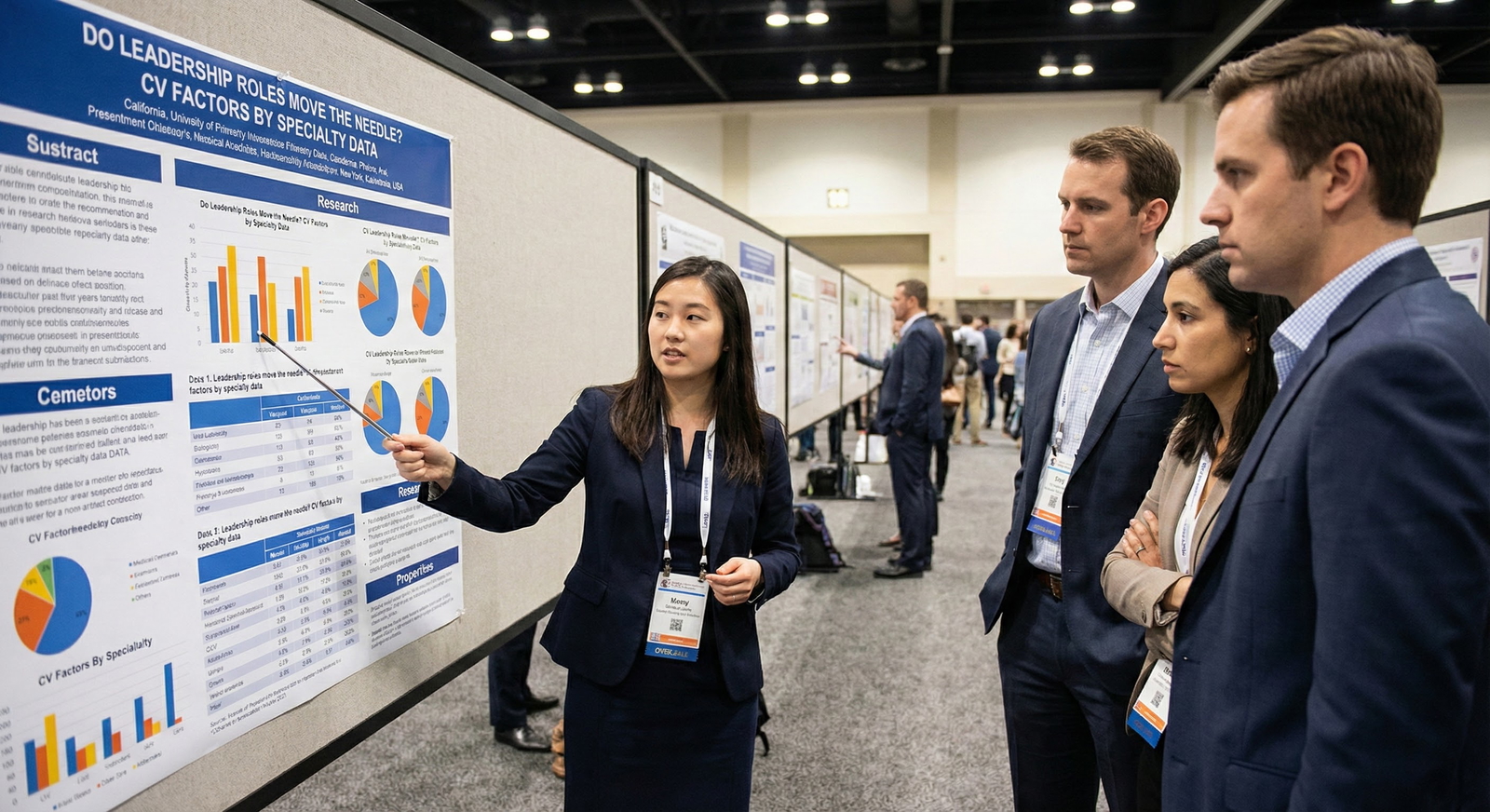
2. Presentations and Conferences
Programs look favorably on applicants who engage with the academic community, especially in anesthesiology and related fields.
Include:
- Oral presentations
- Poster presentations
- Case reports at conferences
- Local hospital or institutional talks
Example:
Presentations
- Sharma P. “Anesthesia considerations for patients with severe pulmonary hypertension.” Poster presented at the American Society of Anesthesiologists (ASA) Annual Meeting, San Francisco, CA, Oct 2023.
- Sharma P. “Improving preoperative fasting compliance in pediatric patients.” Oral presentation, Department of Anesthesiology Grand Rounds, XYZ Hospital, New Delhi, India, May 2022.
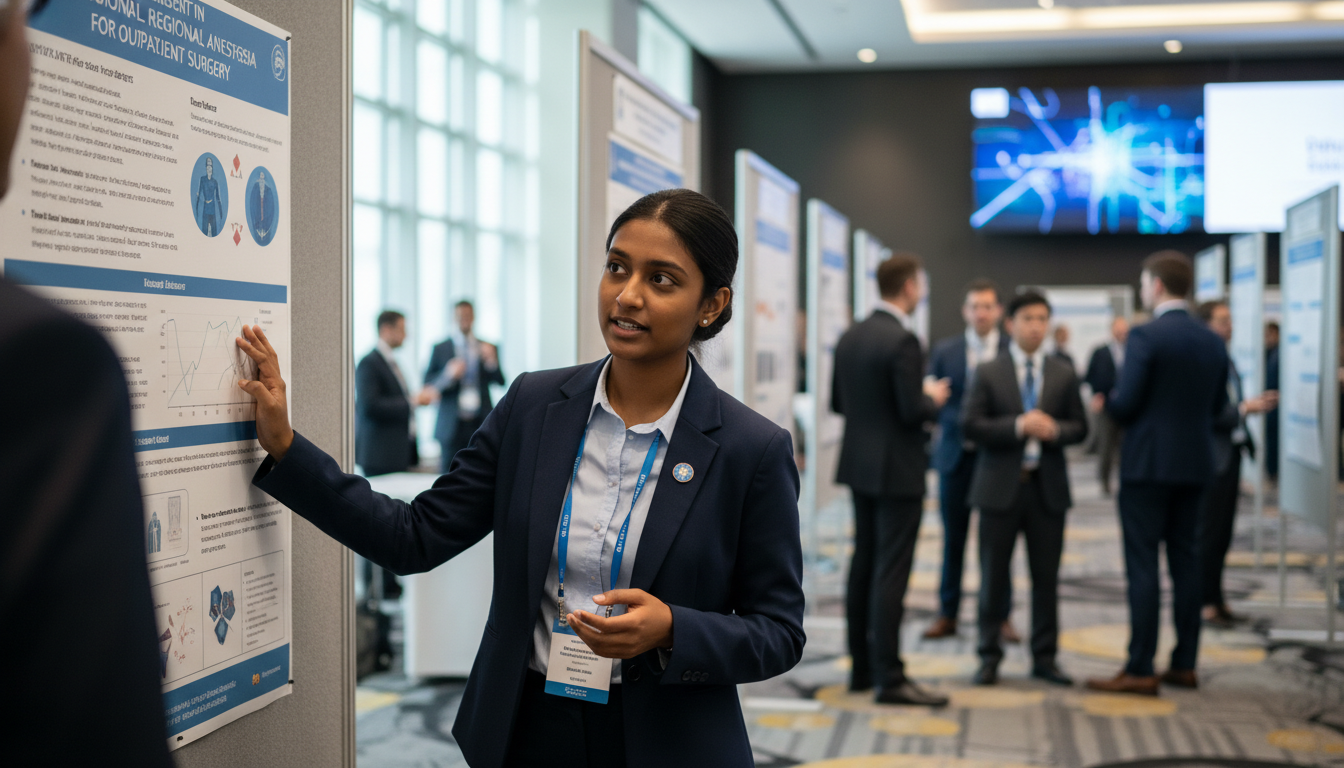
For an IMG residency guide, this is a key residency CV tip: even small institutional presentations count—include them, clearly labeled by level (local, regional, national, international).
3. Quality Improvement (QI) and Patient Safety
Anesthesiology places heavy emphasis on safety and systems-based practice. QI projects can be very impressive, especially for residency.
Examples of high-yield QI projects:
- Reducing OR turnover times
- Improving handoff quality between OR and PACU/ICU
- Enhancing medication labeling in the OR
- Preoperative antibiotic timing compliance
Example entry:
Quality Improvement Projects
“Improving compliance with perioperative time-out checklist in general surgery ORs.”
XYZ Hospital, São Paulo, Brazil | Jan 2022 – Jun 2022
- Prospective QI project to standardize surgical safety checklist use in 4 operating rooms.
- Developed checklist poster and staff education sessions.
- Increased compliance from 70% to 92% over 6 months.
Highlight measurable outcomes whenever possible.
Non-Clinical Experiences That Strengthen an Anesthesiology CV
Programs are not only looking for clinical skills; they also value leadership, communication, teaching, and resilience. This is where many strong IMGs differentiate themselves.
1. Teaching and Mentorship
Anesthesiology residents teach medical students, junior residents, and other team members daily. Show that you are already effective in these roles.
Examples to include:
- Medical student tutor (e.g., physiology, pharmacology)
- Teaching assistant for simulation labs
- Peer mentor for junior students or IMGs
- Lectures or teaching sessions you’ve delivered
Sample entry:
Teaching Experience
Small-Group Tutor, Physiology – Medical Student Peer Teaching Program
ABC Medical College, Lagos, Nigeria | Sep 2018 – May 2019
- Led weekly 2-hour small-group sessions (8–10 students) covering cardiovascular and respiratory physiology.
- Created interactive case-based discussions emphasizing anesthetic implications of cardiac and pulmonary disease.
Relate content to anesthesiology when possible (e.g., airway physiology, hemodynamics, analgesia).
2. Leadership and Organizational Roles
Leadership does not have to be high-level to be meaningful. Include any roles with responsibility and initiative:
- Class representative
- Organizer of anesthesia interest group
- Committee member for hospital safety, education, or wellness
- Volunteer coordinator
Example:
President, Anesthesiology Interest Group
XYZ University, Bogotá, Colombia | Jan 2021 – Dec 2021
- Organized monthly lecture series with anesthesiologists on topics such as ultrasound-guided regional anesthesia and airway emergencies.
- Coordinated OR shadowing opportunities for 25+ interested medical students.
- Increased membership from 8 to 35 within one year.
This directly shows anesthesiology interest and leadership.
3. Volunteer and Community Service
Residency programs value service-oriented applicants. For anesthesiology, experiences involving:
- Health education, especially about surgery, pain, or perioperative care
- Critical care outreach or emergency response
- Under-resourced communities or disaster relief
Example:
Volunteer Physician, Free Surgical Camp
Rural Health Initiative, Rajasthan, India | Feb 2022 (2-week camp)
- Assisted preoperative evaluations and basic perioperative care for low-resource surgical camp serving 120 patients.
- Coordinated postoperative pain control using WHO pain ladder and local resources.
When writing this section, avoid generic bullet points; focus on your specific role and outcomes.
Residency CV Tips: Style, Tailoring, and Common Mistakes
This section focuses on how to build a CV for residency in a way that is tailored specifically to anesthesiology and to your situation as an IMG.
1. Tailor Content Toward Anesthesiology
Use your CV to create a clear narrative: “I am an international medical graduate with sustained interest and growing experience in anesthesiology.”
Ways to do this:
- Prioritize anesthesiology experiences near the top of your CV.
- In multi-specialty rotations, highlight anesthesia-relevant skills:
- Hemodynamic management
- Airway evaluation
- Perioperative optimization
- ICU or high-dependency care
- Use anesthesia-related keywords where accurate: “perioperative,” “airway,” “analgesia,” “sedation,” “hemodynamic monitoring,” “patient safety,” “simulation training.”
2. Quantify Where Possible
Numbers add credibility:
- “Assisted in the care of ~150 surgical patients during 3-month anesthesiology rotation.”
- “Led 10+ simulation sessions on managing difficult airways.”
- “Improved checklist compliance from 60% to 85%.”
This also helps program directors quickly understand scale and impact.
3. Avoid Common IMG CV Mistakes
Listing every minor activity from 10+ years ago
- Prioritize the last 5–7 years and those most relevant to anesthesia.
Including unrelated personal data (marital status, passport number, religion)
- These are unnecessary and sometimes discouraged in U.S. applications.
Overly long narrative paragraphs
- Use bullet points for clarity; each bullet should be 1–2 lines.
Exaggerating roles or procedures
- Faculty can detect inconsistencies quickly. Overstating experience (e.g., claiming to routinely perform independent intubations in U.S. observerships) harms credibility.
Poor English or inconsistent formatting
- Ask a mentor or colleague to proofread your CV.
- Use one date format consistently (e.g., “Jan 2022 – Jun 2023”).
Not updating your CV
- Update every 3–6 months, especially before sending to programs or mentors.
4. Aligning CV and Personal Statement
Your CV and personal statement should tell the same story from different angles:
- CV: Objective evidence of what you have done.
- Personal statement: Why you did it, what you learned, and how it shaped your path to anesthesiology.
For example, if your residency CV shows two anesthesiology observerships and an ICU rotation, your personal statement can connect them into a coherent journey: interest in critical illness, perioperative care, and operating room teamwork.
Step-by-Step Plan to Build or Improve Your Anesthesiology CV as an IMG
If you feel your CV is currently weak, especially in anesthesiology-specific areas, you can still improve it strategically. Here is a practical roadmap.
Step 1: Audit Your Current Experiences
Make a list (even on paper) under these headings:
- Education & Exams
- Clinical Experience (home country & international)
- Anesthesiology Exposure
- Research/QI
- Presentations
- Teaching
- Leadership
- Volunteerism
- Certifications/Skills
Highlight anything even remotely related to:
- Operating room or perioperative care
- ICU or emergency response
- Pain management
- Airway and resuscitation skills
- Patient safety and protocols
Step 2: Identify Gaps for the Anesthesia Match
Common IMG gaps:
- No direct anesthesiology rotations or observerships in the last 2–3 years
- Limited or no U.S. clinical experience
- Little or no research or QI work
- Very few formal teaching or leadership roles
Prioritize filling at least 1–2 gaps in the next 6–12 months.
Step 3: Plan Targeted Activities
Examples of targeted steps:
- Apply for anesthesiology observerships at academic centers or community hospitals.
- Engage in a QI project in your current hospital, ideally related to patient safety or perioperative care.
- Submit a case report or poster to an anesthesiology or critical care conference.
- Join professional societies (e.g., ASA, your national anesthesia society, or an IMG interest group).
- Volunteer in acute or perioperative settings if possible.
Each activity should translate to 1–3 high-quality CV bullets.
Step 4: Refine and Reformat
Once your content is ready:
- Reorganize sections to emphasize anesthesiology, U.S. experience, and recent achievements.
- Shorten or remove outdated, less relevant experiences if your CV is too long.
- Use a clean hierarchy of headings and bullet points; make it skimmable for a busy program director.
Step 5: Seek External Feedback
Ask for feedback from:
- Anesthesiology faculty or fellows (especially those in the U.S. or similar systems)
- Senior residents who recently matched in anesthesiology
- IMG advisors or mentoring programs
Share your CV as a PDF and ask specific questions:
- “Is my anesthesiology interest clearly conveyed?”
- “Are there any red flags or confusing parts?”
- “Which areas should I strengthen before applying?”
Frequently Asked Questions (FAQ)
1. How is an anesthesiology residency CV different from other specialties?
Many general principles are the same, but for anesthesiology, program directors particularly value:
- Demonstrated interest in perioperative medicine, airway management, and critical care.
- Evidence of teamwork and communication in high-stakes environments (OR, ICU, ED).
- Engagement with patient safety, QI, and protocols.
- Comfort with physiology and pharmacology (highlighted via teaching, research, or honors).
Tailor your clinical experience, research, and QI work to emphasize these themes.
2. Do I need U.S. clinical experience in anesthesiology to match as an IMG?
While not absolutely mandatory, U.S. clinical experience (ideally anesthesiology-specific) significantly strengthens your application:
- It provides U.S.-style letters of recommendation.
- It shows that you understand the culture and workflow of U.S. hospitals.
- It helps interviewers feel confident that you can adapt to their system.
If you cannot secure purely anesthesiology rotations, ICU or perioperative medicine experiences can still be valuable. Make the anesthesiology relevance clear in your CV bullets.
3. How important is research for anesthesiology residency as an IMG?
Research is helpful but not mandatory for all programs. For highly academic institutions, it can be a major plus. For community programs, solid clinical performance and strong letters may matter more.
If you lack research, consider at least:
- One QI project related to safety or OR processes.
- A case report or poster at a regional or national meeting.
Even limited research, clearly described, can elevate your CV.
4. Should I customize my CV for each anesthesiology program?
You do not need entirely different CVs for every program, but you can:
- Maintain one master CV with everything.
- Create a slightly shorter “application CV” focused on anesthesiology for emailing coordinators, faculty, or attaching to observership applications.
- Adjust emphasis (e.g., highlight research more for academic programs; highlight clinical and QI for community programs).
Ensure that any version remains consistent with your ERAS application to avoid confusion.
By approaching your CV as a strategic, anesthesiology-focused document—rather than a simple list of activities—you can significantly improve your competitiveness as an international medical graduate. A clear, well-structured, and honest CV that highlights your journey, your skills, and your sustained interest in anesthesiology will support you strongly in the anesthesia match and open doors to mentorship, observerships, and ultimately, residency training.