Understanding the Unique CV Needs of an IMG in Pediatrics-Psychiatry
As an international medical graduate (IMG) targeting a Pediatrics-Psychiatry (Peds-Psych) or Triple Board residency, your CV must do more than list credentials. It has to:
- Translate your non‑US medical background into “US-readable” terms
- Demonstrate your fit for both pediatrics and psychiatry
- Show a clear, sustained trajectory toward Peds-Psych or Triple Board training
- Compensate for common IMG disadvantages (less U.S. clinical exposure, unfamiliar schools/programs, potential visa issues)
This IMG residency guide focuses specifically on how to build a CV for residency in the combined Pediatrics-Psychiatry pathway, with actionable residency CV tips tailored to your situation.
What Makes Peds-Psych and Triple Board Unique?
Peds-Psych and Triple Board (Pediatrics, Psychiatry, and Child & Adolescent Psychiatry) programs seek applicants who:
- Understand child development and psychopathology
- Are comfortable integrating medical and behavioral care
- Show resilience, emotional maturity, and strong communication skills
- Have sustained interest in both pediatrics and psychiatry, not a last‑minute pivot
Your medical student CV or early-career residency CV must make this dual interest unmistakable, with concrete evidence rather than broad statements like “I love working with children.”
The Two CV Audiences You Must Satisfy
- Program directors & faculty reviewers
- Skim quickly (30–90 seconds initially)
- Look for red flags, clear trajectory, and standout strengths
- Resident selection committees & interviewers
- Use your CV to guide interview questions
- Look for alignment with program culture and mission
Your goal is a clean, well-structured, and targeted CV that allows both audiences to immediately understand who you are as an IMG applicant in Peds-Psych or Triple Board.
Structuring an IMG-Friendly Residency CV for Peds-Psych
A strong structure is the backbone of your CV. Below is an effective order for an IMG residency CV focused on Pediatrics-Psychiatry:
- Contact Information & Professional Profile (optional short profile)
- Education
- USMLE/Board Examinations
- Clinical Experience
- U.S. Clinical Experience (USCE)
- International Clinical Experience
- Research Experience
- Publications, Presentations & Posters
- Teaching & Leadership
- Volunteering & Community Service
- Professional Development (courses, certifications, workshops)
- Honors, Awards & Scholarships
- Professional Memberships
- Languages & Technical Skills
- Interests (optional, but recommended)
1. Contact Information & Professional Profile
Include:
- Full name (consistent with ERAS/ECFMG)
- Email (professional, e.g., firstname.lastname@gmail.com)
- Phone (with country code if outside the U.S.)
- City & Country (or U.S. city if currently in the U.S.)
- LinkedIn URL (optional but helpful if well-maintained)
You may add a 2–3 line professional profile that primes the reader:
International medical graduate with 2+ years of pediatric clinical experience and focused exposure to child and adolescent mental health. Strong interest in integrated care models and underserved populations. Seeking Pediatrics-Psychiatry residency with emphasis on developmental and behavioral health.
Keep it factual—avoid buzzword-heavy or generic profiles.
2. Education: Make International Training Easily Interpretable
For IMGs, clarity is crucial. Program directors often don’t know your school or degree structure.
Include:
- Degree and equivalent (e.g., “MBBS (equivalent to MD)”)
- Institution, city, country
- Dates (month/year – month/year, or year – year)
- Class rank or GPA with explanation (if favorable and comparable)
- Thesis title (if clinically relevant to peds or psych)
Example:
Bachelor of Medicine, Bachelor of Surgery (MBBS; equivalent to MD)
University of Lagos College of Medicine, Lagos, Nigeria
2013 – 2019
Graduated top 10% of class; Distinction in Pediatrics
If you completed a postgraduate internship or house job, list it clearly under Education or create a separate Postgraduate Training / Internship section if it’s structured like residency.

Building High-Impact Clinical Experience for Peds-Psych as an IMG
Clinical experience is the heart of your residency CV. For Peds-Psych and Triple Board, it must show both breadth (pediatrics + psychiatry) and integration (how you think across mind and body).
Prioritize U.S. Clinical Experience (USCE) When Possible
Program directors often view U.S. clinical experience as a marker of:
- Familiarity with U.S. healthcare systems and EMR
- Ability to communicate with diverse patients
- Understanding of team-based care and professionalism standards
In your CV, separate USCE from international experience:
U.S. Clinical Experience
Clinical Extern – Pediatric Inpatient Service
Children’s Hospital of Philadelphia, Philadelphia, PA, USA
04/2023 – 06/2023
- Participated in daily rounds on a 24-bed pediatric ward; evaluated 5–7 patients/day under supervision
- Assisted in managing common pediatric conditions (asthma, bronchiolitis, febrile seizures) and developmental delays
- Collaborated with psychology and social work teams to coordinate care for children with behavioral challenges
Observer – Child and Adolescent Psychiatry Outpatient Clinic
Massachusetts General Hospital, Boston, MA, USA
01/2023 – 03/2023
- Observed diagnostic assessments for ADHD, anxiety disorders, and depression in children and adolescents
- Attended multidisciplinary case conferences integrating school, family, and social services perspectives
- Completed independent reading on DSM-5-TR pediatric diagnoses and presented a brief case review to team
Notice the verbs: participated, assisted, collaborated, observed, attended, completed, presented. Stay honest about your level of involvement (extern vs. observer), but show initiative and learning.
Highlight International Experience Strategically
Your home-country experience can be a strength, especially if:
- You managed high patient volumes
- You saw complex developmental and psychiatric presentations
- You worked in resource-limited or underserved settings
Under Clinical Experience – International, tailor bullet points for relevance to Peds-Psych:
House Officer – Pediatrics
Aga Khan University Hospital, Karachi, Pakistan
01/2021 – 12/2021
- Managed 15–20 pediatric inpatients daily with conditions including epilepsy, neurodevelopmental delays, and malnutrition
- Screened for behavioral and emotional concerns during chronic disease follow-up visits (e.g., diabetes, epilepsy)
- Coordinated with social services and school counselors for children with learning difficulties and suspected ADHD
Resident Medical Officer – General Practice with Child Mental Health Focus
Community Health Center, Lagos, Nigeria
02/2022 – 11/2022
- Provided first-line assessment and counseling for adolescents with anxiety, depression, and school refusal
- Implemented basic psychoeducation for parents about behavioral management and sleep hygiene
- Referred complex cases to regional psychiatric services and tracked outcomes where possible
The goal is to surface the psychiatric and developmental elements of your pediatric experience. Even if you did not formally rotate in child psychiatry, show your awareness and engagement with mental health.
Emphasize Integration of Pediatrics and Psychiatry
Peds-Psych and Triple Board programs are particularly interested in applicants who think about the whole child. In your bullets, emphasize:
- Behavioral components of chronic pediatric disease
- Liaison work between pediatrics and psychiatry/psychology
- Developmental-behavioral assessments (formal or informal)
- Family systems and parenting work
- Multidisciplinary collaboration (OT, PT, speech, social work, school)
Stronger bullet (integrated):
- Conducted developmental screenings (Ages & Stages Questionnaire) during well-child visits and referred children with concerns to developmental pediatrics or psychology services.
Weaker bullet (too generic):
- Conducted well-child visits and managed routine pediatric care.
Always ask: “Does this bullet help a Peds-Psych or Triple Board program see me as a future integrated care physician?”
Documenting Gaps and Non-Clinical Time
Many IMGs have gaps due to exam preparation, immigration processes, or personal circumstances. Don’t leave them unexplained.
Options:
- Create a small section: Professional Activities During Gap Periods
- Include roles like tutoring, caregiving, structured exam study combined with research, or structured observerships
Avoid simply writing “USMLE Preparation” with a multi-year gap and no other activity if possible. Even small part-time roles in mental health advocacy, teaching, or research are better than nothing.
Showcasing Research, Scholarship, and Academic Interest in Peds-Psych
Research is not mandatory to match, but for competitive tracks like Peds-Psych and Triple Board, even small scholarly contributions can strengthen your profile—especially when clearly related to psychiatry, pediatrics, or child development.
Organize Your Academic Output Clearly
Use subheadings where applicable:
- Publications (peer-reviewed)
- Manuscripts under review / in preparation (only if truly active)
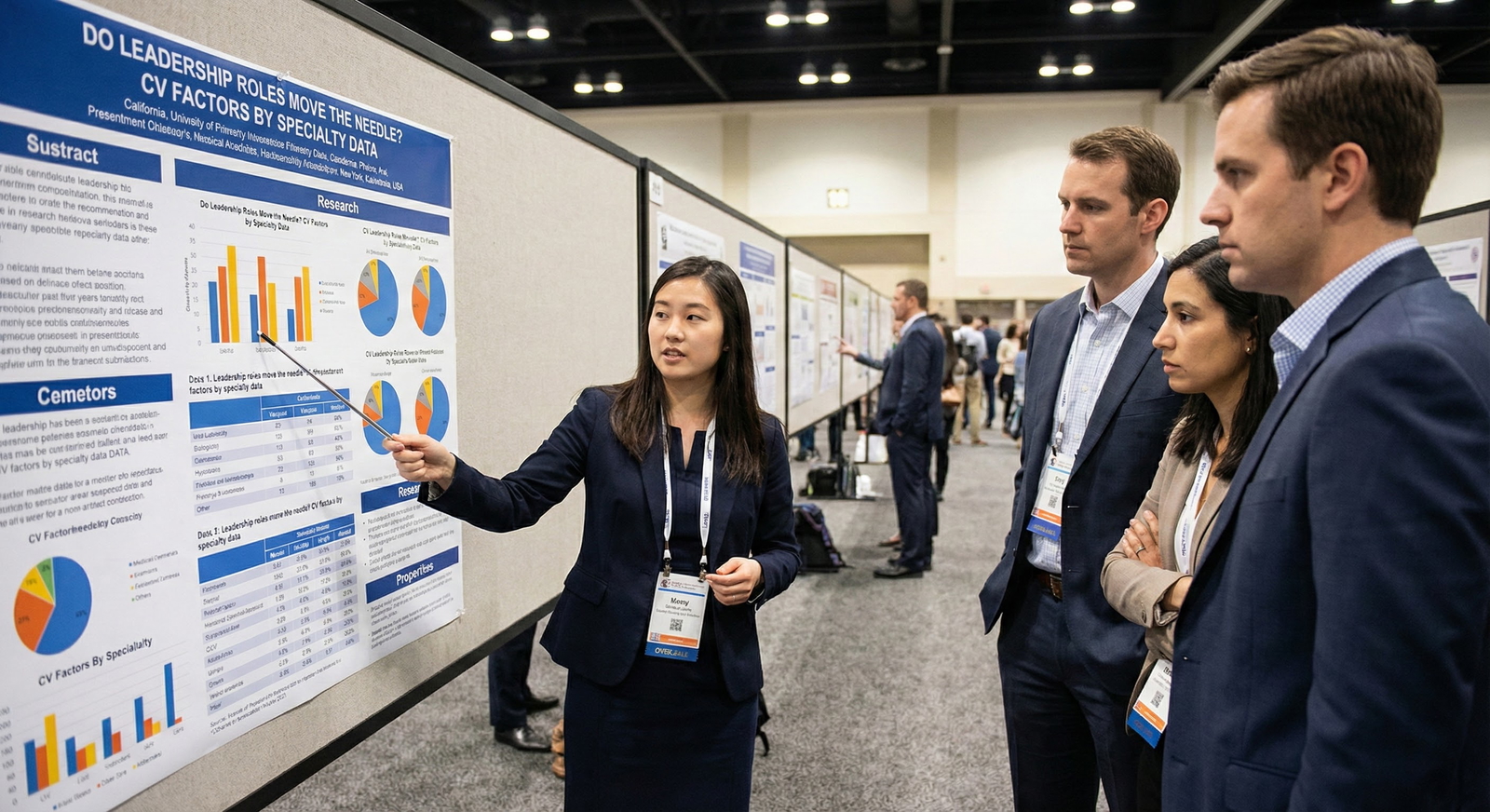
- Conference Presentations & Posters
- Quality Improvement (QI) Projects
Format consistently:
Patel R, Kumar S, [Your Name], et al. Prevalence of depressive symptoms in adolescents with type 1 diabetes in a tertiary care center. Journal of Pediatric Endocrinology. 2022;XX(X):XX–XX.
For posters:
Poster Presentation
Screening for ADHD in a resource-limited primary care pediatric clinic: A quality improvement project.
[Your Name], Ahmed F, Singh P.
American Academy of Child and Adolescent Psychiatry (AACAP) Annual Meeting, Virtual, 10/2023.
If You Lack Formal Research Experience
You can still build a research-leaning profile by:
- Joining case report projects with mentors in pediatrics or psychiatry
- Participating in simple QI projects in outpatient clinics
- Doing chart reviews on topics like:
- Somatic presentations of mental illness in children
- Adolescent self-harm presentations in emergency departments
- Developmental delays in malnourished children
Then, list them under Research Experience, even if not yet published:
Research Assistant – Pediatric Behavioral Health QI Project
Community Pediatric Clinic, Houston, TX, USA (Remote)
02/2024 – Present
- Assisting in retrospective chart review of behavioral screening outcomes using PSC-17 in primary care pediatrics
- Contributing to data collection, basic analysis, and drafting of an abstract for national conference submission
The key is to show ongoing, structured involvement rather than vague claims like “interested in research.”

Leadership, Teaching, and Service: Building Your Story Beyond the Wards
Programs want residents who can lead teams, communicate clearly, and serve vulnerable children and families. Your activities beyond direct clinical care can be especially powerful for a Peds-Psych application.
Teaching and Mentoring
Even informal teaching can be reframed professionally:
Peer Tutor – Behavioral Sciences and Pediatrics
University of Belgrade Faculty of Medicine, Belgrade, Serbia
09/2017 – 05/2019
- Led weekly small-group sessions (6–8 students) reviewing child development milestones and common pediatric conditions
- Developed case-based discussions linking medical illness with family and psychosocial stressors
Show:
- Audience (who you taught)
- Frequency (weekly, monthly)
- Content (peds/psych related if possible)
Leadership Roles
Highlight positions where you influenced systems, not just held a title.
Coordinator – Student Mental Health Initiative
Medical Students’ Association, Cairo University, Egypt
01/2018 – 12/2018
- Organized 3 mental health awareness campaigns reaching over 700 students
- Collaborated with university counseling services to create a referral guide for at-risk students
- Led a 5‑member team in creating educational materials on depression and anxiety in young adults
For Peds-Psych, leadership in:
- Child advocacy
- School mental health
- Anti-stigma campaigns
- Community outreach for families
…is particularly valuable.
Volunteering and Community Service
This is where many applicants can express mission fit. For example:
- Volunteered at weekly parent support group for families of children with autism, assisting with childcare and observing behavioral therapy sessions
- Conducted psychoeducational talks in local schools about bullying, internet addiction, and emotional regulation in adolescents
- Supported vaccination drives in underserved communities, providing culturally sensitive counseling to vaccine-hesitant parents
Avoid listing long catalogs of one-time activities. Prioritize longitudinal commitments (6 months+), especially those involving children, families, mental health, or vulnerable populations.
Tailoring Your CV: From Generic to Peds-Psych and IMG-Specific
Many IMGs submit what is essentially a generic medical student CV. You need a specialty‑aligned, IMG‑optimized residency CV.
Step 1: Extract Your “Peds-Psych Story”
Before you edit your CV, list:
- Every pediatric experience you’ve had (clinical, research, volunteering, teaching)
- Every psychiatry or mental health experience
- Any cross-cutting themes:
- Developmental delay
- Chronic illness & mental health
- Trauma and resilience
- School health
- Family systems
Then, for each CV section, prioritize items that support this story. For example:
- If you have 6 posters but only 2 are child/psych-related, list those first.
- If you have both adult and child psychiatry observerships, emphasize the child-focused ones more clearly.
Step 2: Translate International Context for U.S. Readers
Program directors may not understand local terms like “Senior House Officer,” “Foundation Year 1,” or “RMO.”
- Briefly clarify roles in parentheses:
- “Senior House Officer (equivalent to first-year resident)”
- Avoid unexplained acronyms
- Provide context for hospitals:
- “Tertiary care teaching hospital (800+ beds)”
- “Regional children’s referral center”
Step 3: Emphasize Outcomes and Skills, Not Just Duties
Restructure bullets from “I did tasks” to “I contributed and learned.”
Instead of:
- Responsible for pediatric inpatients
- Attended psychiatric outpatient clinic
- Observed therapy sessions
Use:
- Independently evaluated pediatric inpatients (history, exam, initial assessment) and presented management plans to supervising pediatrician
- Participated in child psychiatry clinics, observing diagnostic interviews and learning structured assessment tools (e.g., Vanderbilt, PHQ-A)
- Observed cognitive-behavioral therapy sessions for adolescents with anxiety and depression, reinforcing interest in integrated care models
Step 4: Make the CV Visually Clean and Easy to Scan
- Use consistent fonts, bullet style, and date alignment
- Avoid dense paragraphs; use 2–4 bullet points per position
- Keep to 2–4 pages for most IMG applicants (more than 4 only if extensive research/scholarship)
- No photos, decorative graphics, or colors—professional and simple
Step 5: Align With Program Priorities
Review websites of several Peds-Psych and Triple Board programs. Look for:
- Recurrent themes (integrated care, underserved populations, trauma-informed care, etc.)
- Program-specific emphases (research, advocacy, primary care, academic careers)
Mirror those priorities in your CV where truthful. For example, if a program emphasizes trauma-informed care, draw out any experience you have with:
- Refugee populations
- Child abuse/neglect
- War-affected or displaced children
- Domestic violence shelters
Practical CV Building Timeline and Strategies for IMGs
If You Are 1–2 Years Before Applying
Focus on:
- Securing at least 1–2 U.S. clinical experiences, ideally including pediatrics or child/adolescent psychiatry
- Joining at least one small research or QI project related to Peds/Psych
- Committing to a longitudinal volunteer role with children or mental health
- Improving English communication skills (consider adding a “Professional Development” line for U.S.-based communication workshops or ESL courses if relevant)
If You Are 6–12 Months Before Applying
Focus on:
- Refining CV structure and content
- Seeking mentors to review your CV (ideally one pediatrician and one psychiatrist, or someone in a combined program)
- Converting unfinished projects into at least abstract submissions or case reports
- Filling small gaps with short-term but focused activities (e.g., tele-volunteering for adolescent mental health helplines, remote research assistance)
If You Are Close to Application Deadline
Even small improvements matter:
- Rewrite vague bullets into specific, impact-oriented statements
- Reorder entries to highlight Peds-Psych-relevant experiences
- Ensure there are no unexplained gaps
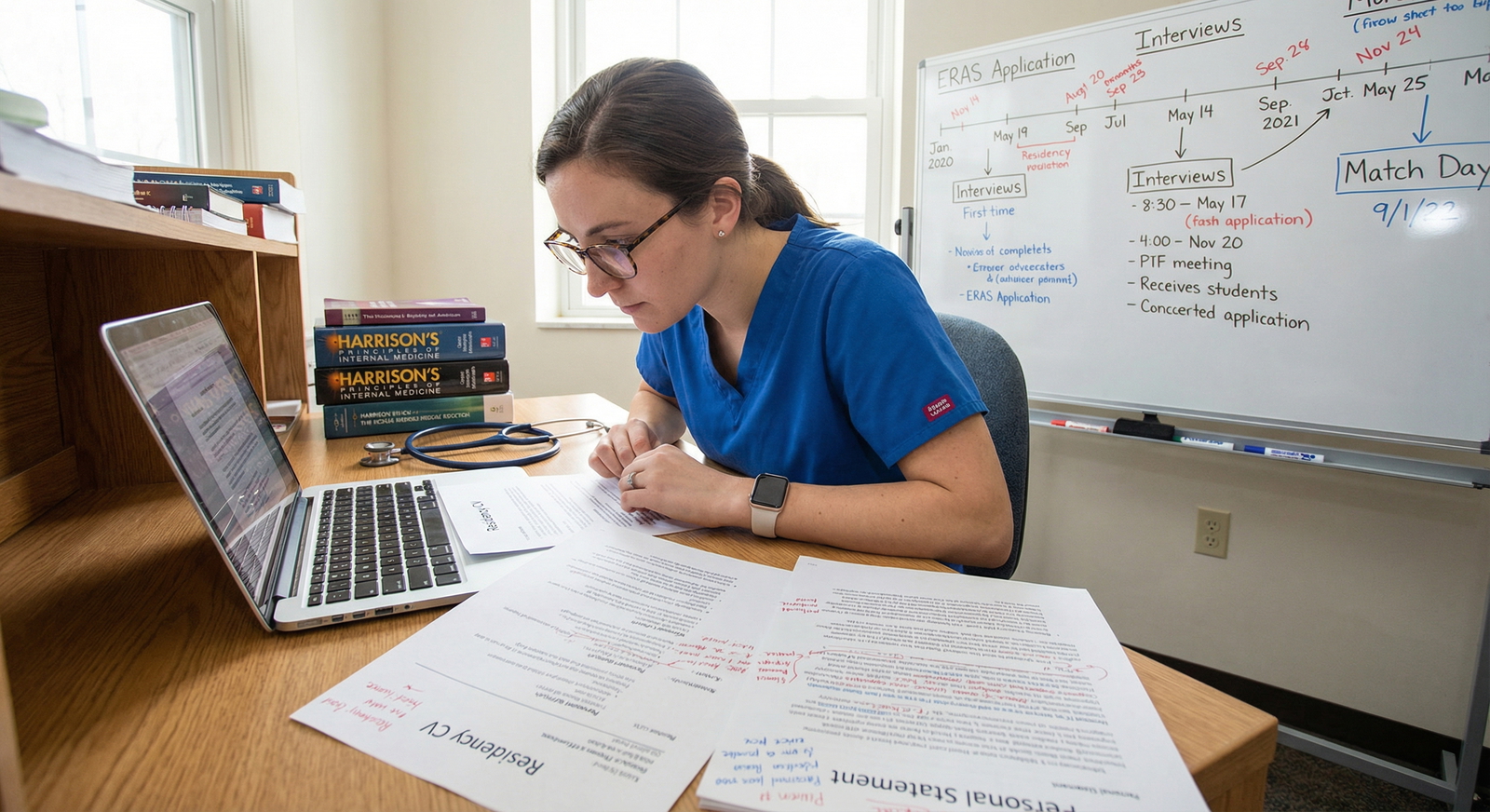
- Cross-check that your CV aligns with your ERAS application and personal statement for consistency
Frequently Asked Questions (FAQ)
1. How is a residency CV different from a general medical student CV for an IMG?
A residency CV is narrowly focused on matching into a specific specialty and context (in your case, Peds-Psych as an IMG). It prioritizes:
- Clinical experience in the target specialty
- U.S. clinical experience and exam performance
- Evidence of fit with program priorities
- Clarity and translation of international experience
A generic medical student CV may include a wider variety of items (student clubs, general interests) without strategic ordering or emphasis. For residency, every line should help answer: “Why is this applicant a strong, realistic, and committed candidate for this specialty?”
2. I have mostly adult psychiatry exposure—can I still be competitive for Peds-Psych or Triple Board?
Yes, but you must show genuine interest in children and adolescents. Strategies:
- Highlight any cases of adolescents or transition-age youth seen in adult psych settings
- Undertake at least one child-focused experience (even if short), such as:
- School mental health volunteering
- Children’s hospital observership
- Research on adolescent mental health
- On your CV and in your narrative, explicitly connect your adult psychiatry exposure to a growing focus on pediatric and adolescent populations.
3. I don’t have publications. Will that hurt my chances?
Publications are helpful but not mandatory. Many successful IMGs have:
- Small-scale QI projects
- Conference posters or oral presentations
- In-progress manuscripts
Your CV can still be strong if you demonstrate clinical excellence, clear Peds-Psych interest, and meaningful service/leadership. If time permits, aim for at least one scholarly product (e.g., a case report on a complex pediatric psychiatric presentation).
4. How should I list clinical experience where I mainly observed and didn’t have hands-on responsibilities?
Be transparent and precise. Use titles such as “Observer” or “Observership” rather than implying direct patient care. Focus on:
- What you learned (assessment tools, integrated care concepts, teamwork)
- Academic activities (conferences, journal clubs, case discussions)
- Any small but legitimate tasks allowed (chart review, literature search, educational presentations)
For example:
Observer – Child and Adolescent Psychiatry Clinic
- Observed 4–6 patient encounters per clinic session, focusing on diagnostic interviewing and family engagement
- Participated in weekly teaching sessions on ADHD, autism spectrum disorder, and mood disorders in youth
- Prepared a 15-minute literature review on non-pharmacological interventions for adolescent depression
This approach maintains honesty while conveying active engagement and learning.
By carefully structuring your residency CV, emphasizing the integrated nature of your pediatric and psychiatric experiences, and translating your international background for U.S. programs, you can present yourself as a compelling IMG applicant to Pediatrics-Psychiatry and Triple Board residencies. Every section of your CV should support the same clear message: you understand, care about, and are prepared for the complex intersection of child health and mental health.