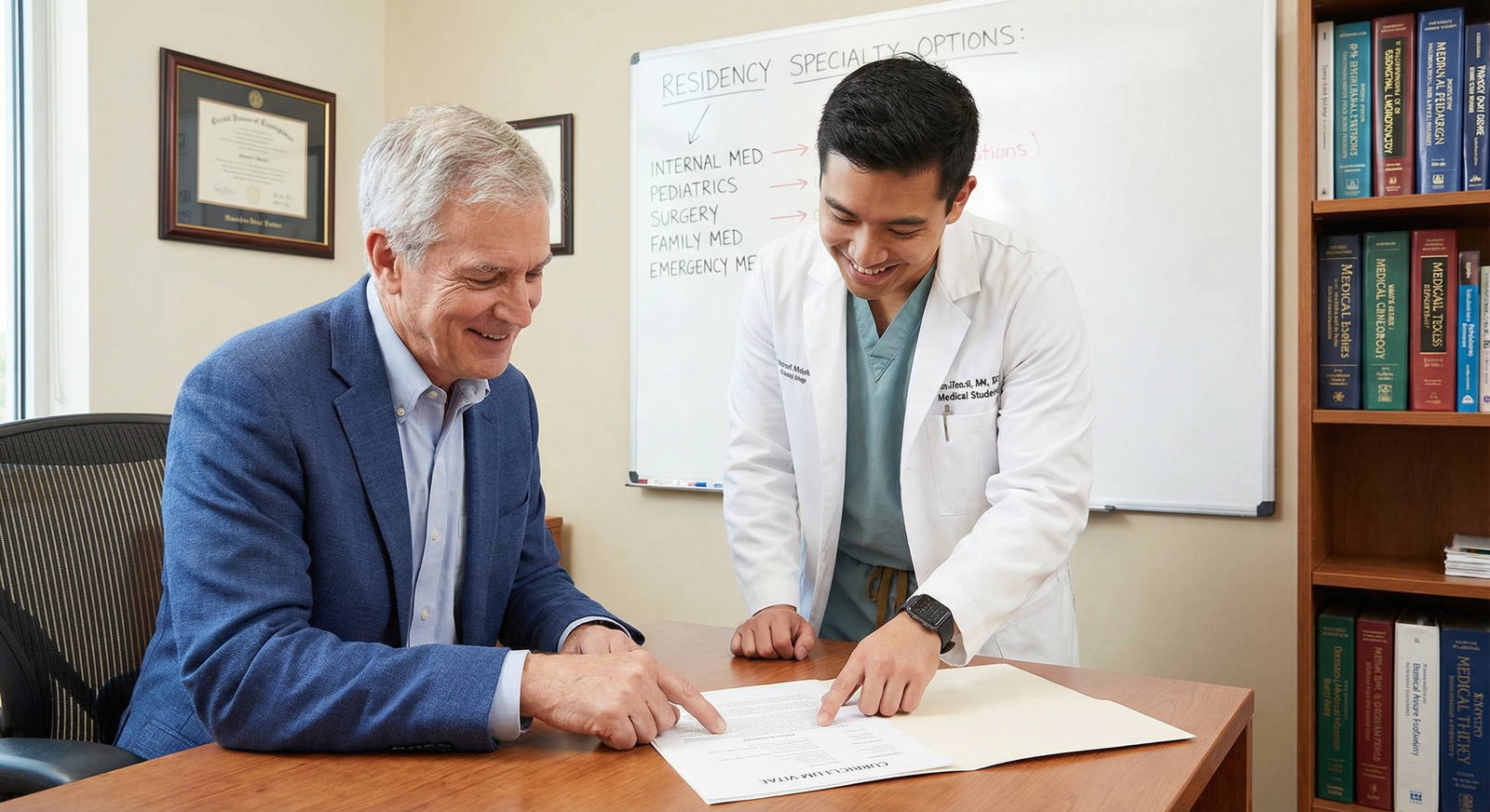
Introduction: Why Extracurricular Activities Matter for Residency Applications
When students think about residency applications, their minds usually go straight to USMLE/COMLEX scores, clerkship grades, and letters of recommendation. Those are critical. But in a landscape where many applicants have similar academic metrics, extracurricular activities can be the distinguishing factor that turns a solid application into a memorable one.
Thoughtful engagement beyond required coursework—through leadership, service, research, teaching, and advocacy—shows residency programs who you are as a colleague, teammate, and future physician. Strong extracurriculars demonstrate maturity, resilience, and leadership skills in ways that test scores simply cannot.
This guide explains:
- How extracurricular activities strengthen your residency application
- Which types of activities are most valuable for your specialty and goals
- How to strategically choose, develop, and sustain meaningful roles
- The best ways to present your experiences on your CV and ERAS application
By the end, you’ll understand how to use extracurricular activities intentionally to boost your CV for residency applications and stand out as a well-rounded candidate in today’s competitive match environment.
How Extracurriculars Strengthen Your Residency Application
Demonstrating a Truly Well-Rounded Profile
Residency programs want more than high-performing test-takers. They want residents who will:
- Work effectively in teams
- Communicate clearly with patients and colleagues
- Handle stress and competing priorities
- Adapt, lead, and grow within complex healthcare systems
Extracurricular activities provide concrete evidence of these qualities.
Examples of how your activities can communicate key traits:
- Team sports or performance arts → show discipline, teamwork, and time management
- Student organization leadership → reflects initiative, organization, and leadership skills
- Long-term community service → demonstrates empathy, reliability, and commitment to service
- Teaching and mentoring → highlights communication skills and investment in Medical Education
Programs interpret a sustained, coherent pattern of extracurricular involvement as a sign that you can manage multiple responsibilities—just like you’ll need to do as a resident.
Meeting and Exceeding Program Expectations
Many residency programs explicitly value applicants who have contributed beyond the classroom and clinical rotations. They want to see:
- Evidence of professionalism and accountability
- Commitment to service and health equity
- Participation in team-based initiatives and quality improvement
- Engagement with the broader medical community
For example:
- Internal Medicine or Pediatrics programs may look closely at community health, advocacy, and longitudinal volunteer roles.
- Surgical programs may appreciate leadership in skills labs, surgical interest groups, or simulation workshops.
- Psychiatry programs may value mental health advocacy, hotline volunteering, or peer support initiatives.
Thoughtful extracurricular choices can signal alignment with a specialty’s culture and priorities—helping programs envision you as a productive, engaged member of their team.
Building and Demonstrating Leadership Skills
Leadership is central to residency success. Even as an intern, you will:
- Coordinate care across multiple disciplines
- Supervise medical students
- Lead family meetings and care discussions
- Advocate for patients and workflow improvements
Extracurricular activities provide a safe environment to practice and develop leadership skills before you’re responsible for patient outcomes.
Leadership roles that resonate strongly on residency applications include:
- President or officer of a student interest group (e.g., IMIG, SIG, EMIG)
- Chair of a committee (curriculum, wellness, diversity, quality improvement)
- Organizer of a conference, workshop, or community health fair
- Founder of a new initiative (e.g., free clinic project, mentoring program, health education series)
When described effectively on your CV and in interviews, these roles give programs confidence that you will step up, not step back, when leadership is needed.
Creating Meaningful Networking and Mentorship Opportunities
Networking is not just about “who you know”—it’s about who knows your work and your character.
Involvement in extracurricular activities naturally expands your professional network:
- Faculty advisors for clubs and projects can become mentors and letter writers.
- Upper-level students and residents you work with can offer insight into residency programs and specialties.
- Participation in national organizations (e.g., specialty interest societies, AMSA, SNMA, LMSA, APAMSA) opens doors to conferences, scholarships, and research collaborations.
In a competitive matching environment, mentors who truly know you can advocate for you, provide targeted advice, and help you avoid common pitfalls in the application process.
Providing Unique and Memorable Interview Talking Points
Residency interviews often include similar questions:
- “Tell me about yourself.”
- “What are your strengths and weaknesses?”
- “Describe a challenge you faced and how you handled it.”
- “Tell me about a leadership experience.”
Strong extracurricular activities give you specific, engaging stories to draw from:
- Organizing a community screening event that nearly fell apart—and how you salvaged it
- Mediating conflict within a student committee
- Designing a new peer-tutoring model and measuring its impact
- Navigating cultural or language barriers in a volunteer clinic
Well-chosen examples from your extracurriculars bring your application to life, show your reflective capacity, and make you far more memorable to interviewers than another discussion about Step scores or shelf exams.
High-Value Types of Extracurricular Activities for Residency CVs
Not all extracurriculars carry the same weight. Programs value depth, continuity, impact, and reflection more than a long list of brief, unrelated activities. Below are categories that typically strengthen Residency Applications when done thoughtfully.
Volunteering and Community Service
Longitudinal service—especially with underserved communities—demonstrates compassion, reliability, and a commitment to health equity.
Examples that translate well on a residency CV:
- Volunteering regularly at a free clinic or mobile health unit
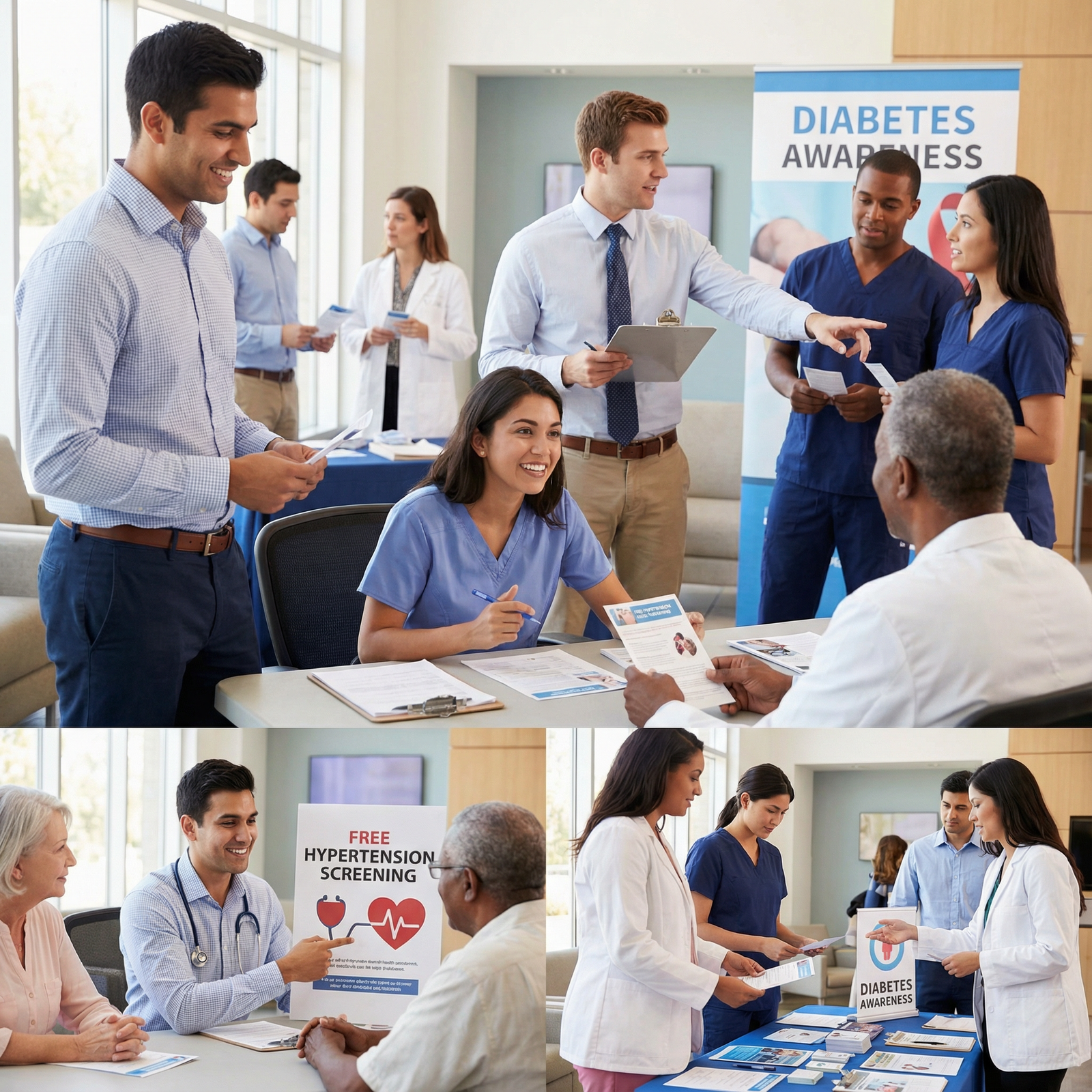
- Organizing screening events (BP, diabetes, vaccination, STI testing)
- Leading health education workshops in schools, shelters, or community centers
- Involvement in disaster relief, refugee support, or public health campaigns
How to maximize impact:
- Choose one or two meaningful service commitments and stick with them over time.
- Look for opportunities to transition from participant to coordinator or leader.
- Track outcomes (e.g., number of patients reached, materials created, partnerships formed) to highlight impact.
Student Organizations, Interest Groups, and Committees
Student-led organizations are a powerful way to demonstrate Leadership Skills and initiative in Medical Education.
High-yield examples:
- Specialty interest groups (e.g., EMIG, SURGIG, FMIG, PIG, Neurology interest group)
- Medical student government or class councils
- Wellness, diversity, curriculum, or professionalism committees
- National student sections of specialty societies
What programs look for:
- Progressive responsibility (member → committee lead → officer → president)
- Concrete accomplishments: events organized, policies influenced, resources created
- Evidence that you improved something: communication, scheduling, access, or student support
Research, Quality Improvement, and Scholarly Projects
While research is often considered its own category, it functions as a high-value extracurricular, especially if it’s not mandatory in your curriculum.
Activities that strengthen your profile:
- Clinical, translational, or basic science research with clear roles and deliverables
- Quality Improvement (QI) projects in clinics or hospital units
- Educational scholarship (e.g., developing curricula, evaluating teaching interventions)
- Public health projects or implementation science initiatives
To make these experiences stand out:
- Aim for tangible outcomes: posters, presentations, abstracts, or publications.
- Understand the project well enough to explain the study question, methods, results, and limitations clearly in interviews.
- Highlight your specific contributions, not just the project’s overall goal.
Teaching, Tutoring, and Mentoring
Teaching is central to residency. Residents are educators—to students, patients, and often colleagues.
Relevant roles include:
- Peer tutoring for pre-clinical or clinical courses
- Leading USMLE/COMLEX review sessions
- Serving as a peer mentor for new students, first-gen trainees, or underrepresented groups
- Formal roles in skills labs (e.g., teaching physical exam or procedural skills)
- Designing or co-leading workshops, boot camps, or simulation sessions
Programs value applicants who:
- Seek feedback and improve their teaching over time
- Reflect on how teaching has shaped their communication or clinical reasoning
- Demonstrate commitment to the growth of others—not just their own advancement
Cultural, Diversity, and Advocacy Initiatives
Residency programs increasingly prioritize diversity, equity, and inclusion (DEI) and want residents who are culturally sensitive and aware of healthcare disparities.
Examples of meaningful engagement:
- Leadership in identity-based groups (e.g., SNMA, LMSA, APAMSA, LGBTQ+ groups, women in medicine)
- Participation in DEI committees or task forces at your medical school
- Advocacy work (e.g., policy initiatives, letter-writing campaigns, legislative visits)
- Projects addressing language access, interpreter use, or culturally tailored education
When discussing these activities:
- Emphasize specific outcomes (e.g., new initiatives, policy changes, training programs).
- Reflect on what you learned about systemic barriers and your role in addressing them.
- Connect these experiences to how you will care for patients and contribute to residency culture.
Personal Passions and Non-Medical Extracurriculars
Non-medical pursuits can absolutely belong in your application—if they show continuity, dedication, and personal growth.
Examples:
- Competitive sports, marathon training, or dance
- Music, visual arts, or creative writing
- Entrepreneurship, startups, or community organizing
- Long-term involvement in religious or spiritual communities
These experiences can highlight resilience, discipline, and work-life balance—qualities that matter deeply in residency. They also humanize you and often make for excellent interview conversation starters.
Strategically Choosing and Managing Extracurricular Activities
Depth Over Breadth: Building a Coherent Story
For Residency Match and Applications, a few well-developed activities are more powerful than many superficial ones.
Aim for:
- 3–6 major activities with clear roles and sustained involvement
- A coherent narrative: activities that align with your interests (e.g., primary care and community health; surgery and technical skills; psychiatry and mental health advocacy)
- Visible progression: starting as a member, then taking on more responsibility
Ask yourself:
- Does this activity fit my time and energy realistically?
- Can I see myself committing to this for at least 1–2 years?
- How might this align with my potential specialties or long-term goals?
Balancing Academics and Extracurriculars Safely
Your academic performance still matters most. No extracurricular activity can compensate for consistent poor performance or professionalism issues.
Strategies to maintain balance:
- Treat your coursework and clinical duties as the non-negotiable foundation.
- Start with 1–2 hours/week of extracurricular time and scale up only if sustainable.
- During high-stress periods (e.g., exam weeks, key clerkships), temporarily reduce non-essential commitments.
- Communicate early and clearly with your teams if your availability changes.
Residency programs respect students who can set boundaries and manage time responsibly—it mirrors the judgment required to prevent burnout in residency.
How to Showcase Extracurricular Activities on Your CV and ERAS Application
Create a Clear, Professional Section Structure
On your CV (and similarly in ERAS), it’s helpful to separate experiences into logical sections:
- Leadership and Extracurricular Activities
- Volunteer and Community Service
- Research and Scholarly Activities
- Teaching and Mentoring
Under each entry, include:
- Organization name
- Your role/title
- Location (institution/city, state)
- Dates (month/year – month/year)
- 2–4 bullet points describing impact and responsibilities
Prioritize Relevance for Each Specialty and Program
For each application or specialty focus, emphasize the experiences that:
- Align most closely with that field’s values and practice (e.g., community health for Family Medicine, research for Dermatology)
- Demonstrate skills highlighted in the program’s mission statement (e.g., leadership, advocacy, innovation)
- Support your personal statement narrative
You don’t need to list every activity in depth. Instead, curate your application to present the clearest, strongest version of your professional story.
Quantify Your Impact Whenever Possible
Numbers make your contributions tangible and impressive.
Instead of:
- “Volunteered at a community clinic.”
Write:
- “Coordinated weekly volunteer shifts at a student-run free clinic, contributing to over 600 patient visits per year.”
Other examples:
- “Led a team of 12 volunteers…”
- “Organized 5 community health fairs reaching 400+ participants…”
- “Increased event attendance by 40% after implementing targeted outreach…”
These details help program directors quickly grasp the scope of your involvement and your effectiveness in each role.
Highlight Reflection and Professional Growth
If appropriate on your CV or more fully in your ERAS descriptions and personal statement, include brief reflection-oriented statements, such as:
- “Learned to navigate interprofessional communication across nursing, pharmacy, and social work teams.”
- “Deepened my understanding of barriers to care for uninsured patients.”
- “Developed conflict-resolution skills while mediating disagreements within the leadership board.”
Reflection signals maturity and insight—qualities programs value highly.
Keep Your CV Updated and Application-Ready
Don’t wait until fourth year to reconstruct everything from memory.
- Update your CV every 3–6 months with new roles, responsibilities, and metrics.
- After major events or projects, take 5–10 minutes to log key details and outcomes.
- As match season approaches, refine your entries to be concise, polished, and specialty-appropriate.
A current, well-organized CV makes letter writers’ jobs easier and ensures you’re ready to apply early—an important advantage in many specialties.

FAQs: Extracurricular Activities and Residency Applications
1. How many extracurricular activities should I include on my residency CV and ERAS application?
Aim for quality over quantity. Most students benefit from highlighting 4–8 substantial activities across leadership, volunteering, research, and teaching. It’s acceptable to list smaller roles, but the emphasis should be on the experiences where you had clear responsibility, impact, and growth. Remember: depth, continuity, and reflection impress programs more than long, unfocused lists.
2. Are non-medical extracurricular activities worth including?
Yes—if they are meaningful and sustained. Long-term involvement in sports, music, arts, entrepreneurship, or community organizations can demonstrate discipline, resilience, teamwork, and stress management. These activities often spark engaging interview conversations and help programs see you as a well-rounded person, not just a test score. However, prioritize your most relevant and impactful experiences first.
3. What if my extracurricular involvement started late or has gaps? Will that hurt my application?
Programs understand that students’ interests evolve and that life circumstances (family responsibilities, financial constraints, health issues) can limit involvement at times. If you started later:
- Focus on demonstrating commitment and impact in the time you did have.
- Emphasize continuity and progression from that starting point.
- If relevant, you can briefly explain major gaps in your MSPE or during interviews, focusing on what you learned and how you grew, rather than on excuses.
4. How should I handle short-term or one-time activities on my CV?
Short-term activities (e.g., a weekend health fair, a single mission trip, a few isolated volunteer shifts) can be grouped when appropriate:
- Combine similar one-time events under a broader heading like “Community Health Outreach Events” and summarize them in 1–2 bullets.
- Highlight only the most important or unique one-time experiences individually (e.g., a national conference presentation).
Avoid cluttering your CV with many brief entries that do not add substantial insight into who you are.
5. How can I use extracurriculars to strengthen my application to a competitive specialty?
For competitive fields (e.g., Dermatology, Orthopedics, Plastic Surgery, ENT, Radiology):
- Prioritize specialty-related research and try to secure abstracts, posters, or publications.
- Join and lead specialty interest groups, skills workshops, or journal clubs.
- Seek mentors within the specialty through your extracurriculars, and work closely enough with them that they can write strong letters.
- Use your extracurricular narrative—leadership, scholarship, advocacy—to demonstrate that you’ll contribute meaningfully to the specialty’s future, not just benefit from its prestige.
Thoughtfully selected and well-presented extracurricular activities can significantly elevate your residency application. By focusing on depth, leadership, impact, and reflection, you can turn your experiences outside the classroom into compelling evidence that you are ready to thrive in residency and contribute meaningfully to your future program and patients.