Understanding the Med-Peds CV: Purpose and Priorities
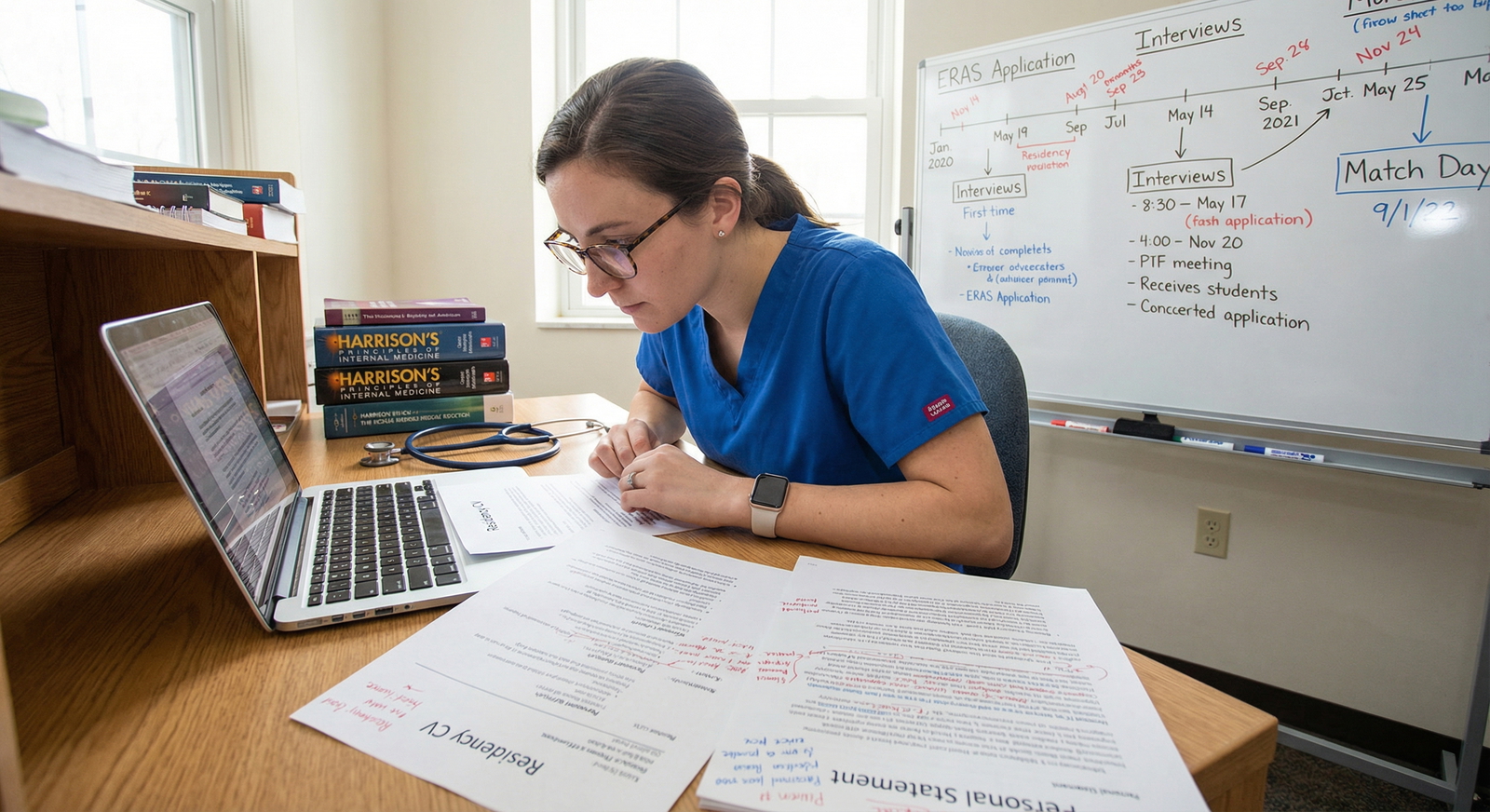
A strong CV for a Medicine-Pediatrics (Med-Peds) residency is more than a list of activities; it is a strategic document that tells a coherent story about who you are as a clinician in training. Programs review your CV alongside your ERAS application, personal statement, and letters to answer three questions:
Can you do the work?
Clinical readiness, knowledge, work ethic, and professionalism.How will you fit and contribute here?
Med-Peds identity, collaboration, advocacy, and long-term commitment to dual-trained practice.Where are you going?
Career vision: primary care, hospitalist medicine, subspecialty, global health, academic medicine, or leadership.
Your goal is to build and present a medicine pediatrics–aligned CV that shows:
- Depth in both internal medicine and pediatrics
- Evidence of continuity across the age span
- Commitment to vulnerable and complex populations
- Potential for leadership, teaching, and quality improvement
This guide focuses on how to build a CV for residency, specifically tailored to the medicine pediatrics match, and how to present your experiences clearly and strategically.
Core Structure: What Belongs on a Med-Peds Residency CV
A residency CV is typically organized into standard sections. The order can vary slightly, but this structure works well for most medical students:
- Contact Information
- Education
- USMLE/COMLEX (optional on CV, required in ERAS)
- Clinical Experience (if substantial and distinct from rotations)
- Research and Scholarly Activity
- Work Experience
- Leadership and Involvement
- Teaching and Mentorship
- Quality Improvement and Patient Safety
- Volunteer and Community Service
- Honors and Awards
- Professional Memberships
- Skills (selective and relevant)
- Interests (optional but recommended)
Below is what each section should include and how to align it with med peds residency expectations.
1. Contact Information
Keep it minimal and professional at the top of page 1.
Include:
- Full name (bold, slightly larger font)
- Professional email (e.g., firstname.lastname@domain.com)
- Phone number
- City, State (full address optional)
- LinkedIn or professional website (if well maintained)
Do not include:
- Photo
- Personal demographics (age, marital status, etc.)
- Unprofessional email addresses
2. Education
This anchors your training timeline.
Include:
- Medical school, city/state, degree, expected graduation date
- Undergraduate institution, major, degree, graduation date
- Additional degrees (MPH, MBA, MS, PhD), if applicable
- Class rank or quartile (if known and favorable)
- Thesis titles for graduate degrees (if relevant)
Example:
MD Candidate, Expected May 2026
University of X School of Medicine – City, State
AOA (expected), Clerkship Honors in Internal Medicine and Pediatrics
For the medicine pediatrics match, any dual-interest coursework (e.g., combined adult-peds electives, med-peds seminars) can be mentioned under Selected Coursework or in your experiences rather than here, to avoid clutter.
3. Clinical Experience (Optional but Helpful if Distinct)
Routine core clerkships usually don’t need their own section. However, include clinical experiences that show:
- Longitudinal care across age groups
- Med-Peds continuity clinic exposure
- Free clinic work seeing both adults and children
- International rotations with broad age ranges
- Extra sub-internships in IM, peds, or Med-Peds
Example entry:
Sub-Internship, Medicine-Pediatrics Inpatient Service
University Hospital – City, State | 08/2025 – 09/2025
- Managed a mixed census of adult and pediatric patients under resident supervision, including transitions from PICU/NICU to adult services.
- Led pre-rounding and wrote daily notes focusing on age-specific management and family-centered communication.
This demonstrates comfort with transitions of care and patient complexity—core Med-Peds themes.

Research, Leadership, and Service: Building a Med-Peds Narrative
The heart of CV building in Medicine-Pediatrics is not just having experiences, but arranging them to support a clear narrative: you are someone who cares about complex patients across the lifespan and can thrive in a dual residency.
4. Research and Scholarly Activity
You don’t need a PhD or dozens of publications, but you do need to present your scholarly work clearly and accurately. For Med-Peds, research that touches on chronic disease, transitions of care, disparities, pediatric-onset conditions in adulthood, or population health is particularly powerful.
Include, when applicable:
- Peer-reviewed publications
- Manuscripts under review or in preparation (clearly labeled)
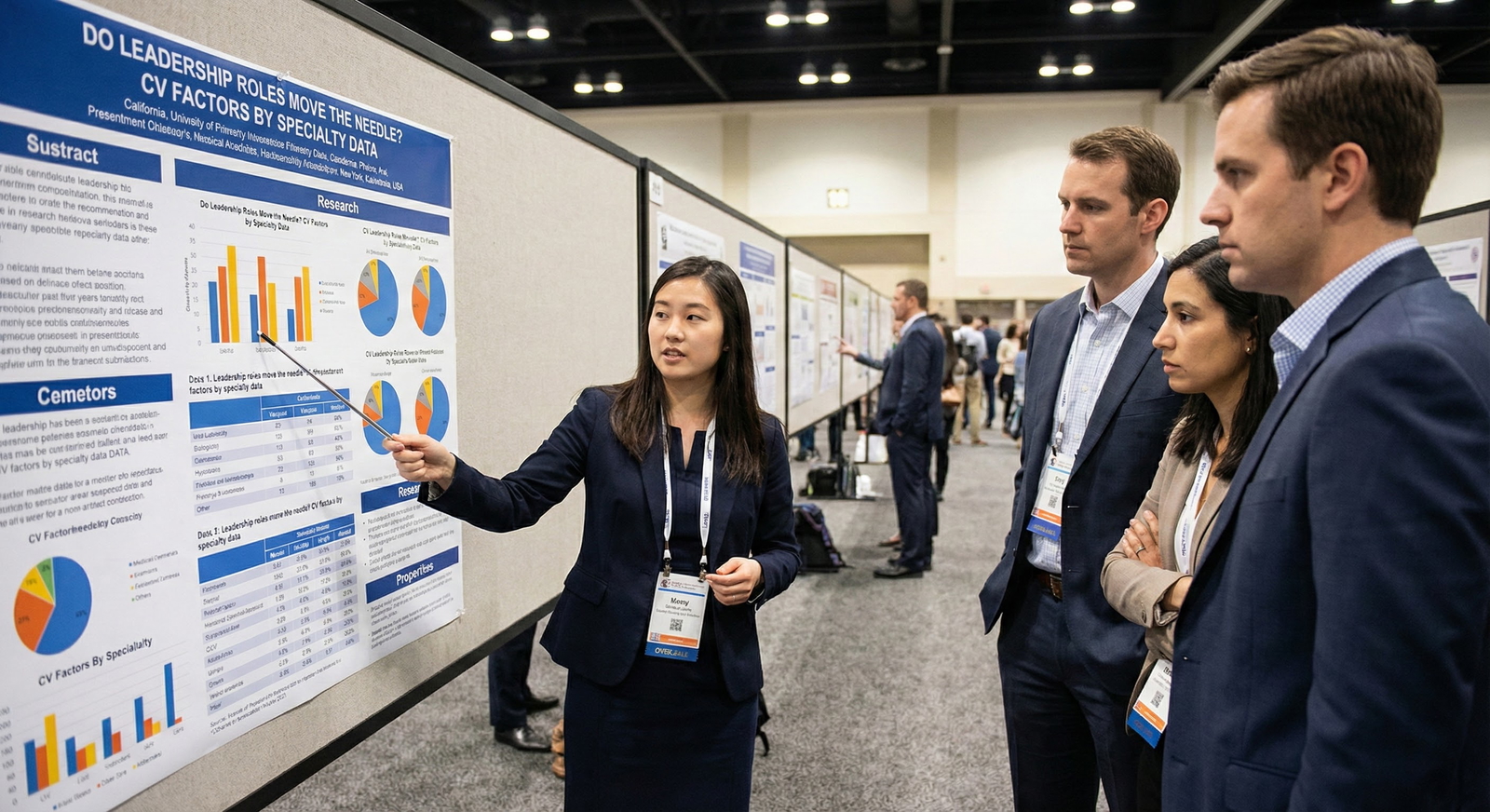
- Abstracts and poster presentations
- Oral presentations
- Quality improvement projects (if not in a separate QI section)
- Case reports, especially involving adolescent/transition-age patients or complex care
Formatting tips:
- Use a consistent citation style (e.g., AMA).
- Bold your name in author lists.
- Separate Publications from Presentations for clarity.
Example:
Publications
Doe J**,** Smith A, Lee R. Transition of care outcomes in adolescents with congenital heart disease entering adult services. J Adolesc Health. 2024;75(2):123–130.Presentations
Doe J**,** Patel S, Nguyen T. Reducing 30-day readmissions in young adults with sickle cell disease: A multi-disciplinary approach. Poster presented at: National Med-Peds Residency Association (NMPRA) Annual Meeting; 2024; Virtual.
If your research is not obviously Med-Peds-related (e.g., basic science), that’s fine. Focus on what it shows about your skills: discipline, curiosity, data analysis, teamwork.
5. Work Experience
This section is especially important if you have non-traditional pathways or meaningful prior employment.
Relevant examples for Med-Peds:
- Scribe in an ED seeing both children and adults
- Medical assistant in a primary care or family medicine clinic
- Case manager or social work assistant
- Public health roles
- Nursing, EMT, paramedic, or allied health work
Example:
Emergency Department Medical Scribe
City Medical Center – City, State | 06/2020 – 07/2022
- Documented clinical encounters for attending physicians in a mixed adult-pediatric ED, observing high-acuity care across the age spectrum.
- Gained insight into triage, resource utilization, and the unique challenges of pediatric family-centered care versus adult autonomy.
For the medicine pediatrics match, this type of work reinforces your comfort in both age groups and busy clinical settings.
6. Leadership and Involvement
Leadership roles show programs you can function well in a team-based, resident-driven environment.
Examples valuable for Med-Peds:
- Founder or president of a Med-Peds Interest Group
- Leadership in pediatric or internal medicine interest groups
- Positions in student government focusing on wellness or curriculum
- Roles in free clinics, advocacy organizations, or health equity groups
Example:
Co-President, Medicine-Pediatrics Interest Group
University of X School of Medicine | 05/2024 – Present
- Organized panels with Med-Peds faculty and residents to educate students about combined training and career pathways.
- Coordinated a longitudinal mentorship program pairing M1–M2 students with Med-Peds residents.
This directly reflects your understanding of and commitment to the specialty.
7. Teaching and Mentorship
Med-Peds physicians are frequently educators and team leaders. Show early evidence of this.
Examples:
- Peer tutor for pre-clinical courses
- Clinical skills teaching assistant
- Near-peer anatomy or OSCE coach
- Mentor for pipeline or pre-med programs
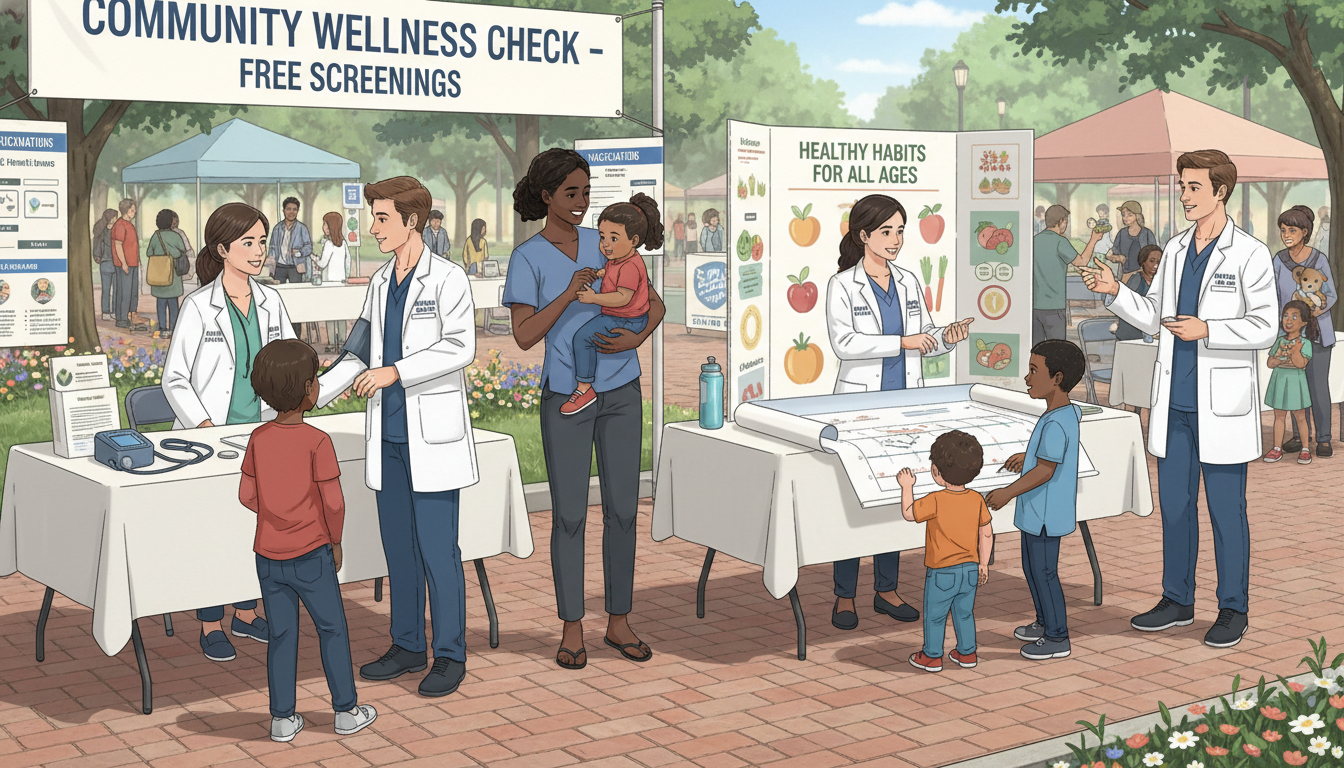
- Teaching in community health education (e.g., asthma classes for children and parents)
Example:
Peer Tutor, Physiology and Pathophysiology
University of X School of Medicine | 09/2023 – 05/2025
- Led weekly small-group sessions for M1 students, adapting teaching strategies to different learning styles.
- Received consistent positive feedback for clear explanations and supportive learning environment.
Emphasize communication, patience, and adaptability—qualities crucial in both adult and pediatric care.
8. Volunteer and Community Service
For Med-Peds, this section can be especially influential. Programs want residents who care about underserved populations, health equity, chronic illness, and vulnerable groups across ages.
High-yield examples:
- Free clinic with mixed-age population
- Work with adolescents, foster care, or justice-involved youth
- Homeless shelter or transitional housing clinics
- Global health electives or trips with continuity and reflection
- Camp for children with chronic illnesses (e.g., diabetes, congenital heart disease, oncology)
Example:
Volunteer Physician Assistant, Community Transition Clinic
City Transition Clinic – City, State | 01/2024 – Present
- Assisted in continuity care for adolescents with pediatric-onset chronic diseases transitioning to adult providers.
- Helped develop age-appropriate educational materials about self-advocacy and medication management.
This directly echoes one of the strongest themes in Med-Peds practice: transitions of care.
Quality Improvement, Honors, and Skills: Fine-Tuning Your Profile
9. Quality Improvement and Patient Safety
QI is central to modern residency training. If you’ve engaged in any QI projects—especially those involving chronic disease management, readmissions, or transitions—they belong on your Med-Peds CV.
Example:
QI Project: Reducing Missed Follow-Up Appointments After Pediatric Hospitalization
University Children’s Hospital – City, State | 01/2025 – 06/2025
- Collaborated with a multidisciplinary team to streamline discharge instructions and schedule follow-ups before discharge.
- Implemented reminder calls and text messaging systems for caregivers, reducing no-show rate from 35% to 18% over 6 months.
If your QI work crosses pediatric and adult systems (e.g., patients with cystic fibrosis aging into adult care), emphasize that clearly.
10. Honors, Awards, and Scholarships
List academic recognition, scholarships, and notable distinctions. This section signals excellence and reliability.
Examples:
- AOA, Gold Humanism Honor Society
- Clerkship awards (especially IM or pediatrics)
- Service or leadership awards
- Research prizes
- National scholarships or competitive grants
Format:
Gold Humanism Honor Society Inductee – 2025
Recognized for compassionate care, integrity, and service to patients and peers.
11. Professional Memberships
Memberships in relevant organizations support your Med-Peds identity.
Priorities for Med-Peds:
- National Med-Peds Residency Association (NMPRA) – even as a student member
- American College of Physicians (ACP)
- American Academy of Pediatrics (AAP)
- Local or state medical societies
- Specialty interest group memberships
Example:
Student Member, National Med-Peds Residency Association (NMPRA) | 2024 – Present
Student Member, American Academy of Pediatrics (AAP) | 2023 – Present
Student Member, American College of Physicians (ACP) | 2023 – Present
This quiet but clear signal reinforces a long-term commitment to dual-trained practice.
12. Skills and Interests
Use these sections strategically. They should support your overall candidacy rather than appear as filler.
Skills (only if genuinely relevant):
- Languages (with proficiency level)
- Data analysis (R, STATA, Python), especially if linked to research/QI
- Teaching or curriculum design tools
- Global health experience and cultural competence
- Basic life support courses (if not already in ERAS)
Interests: Include 3–6 concise interests that are authentic and specific. These are excellent conversation starters in interviews and can humanize your application.
Examples:
- Long-distance running and community fun runs
- Cooking and adapting recipes for pediatric dietary restrictions (e.g., celiac disease)
- Playing saxophone in a community jazz band
- Writing narrative medicine essays
Avoid overly generic interests like “reading” or “travel” without context.
Strategic Residency CV Tips for Med-Peds Applicants
Beyond listing experiences, the residency CV tips below will help you present a polished, competitive document.
1. Align the CV With Your Med-Peds Story
Ask yourself: If a PD read only my CV, would they understand why I’m choosing Med-Peds?
Ways to reinforce this:
- Highlight experiences that span both adults and children
- Use language that emphasizes transitions, continuity, complex care, underserved populations
- Group similar activities to show depth (e.g., all transition-of-care related work under one heading in descriptions)
Example of targeted wording:
- “Provided primary care for patients ages 2–72 at a free clinic…”
- “Focused on adolescents with chronic pediatric conditions preparing to transition to adult services…”
- “Worked closely with interprofessional teams caring for medically complex children and adults.”
2. Show Depth, Not Just Breadth
For the medicine pediatrics match, programs value sustained commitment. A two-year involvement in one clinic often matters more than ten one-day volunteering events.
Emphasize:
- Longitudinal roles
- Increasing responsibility over time
- Leadership upgrades (member → coordinator → director)
If you have multiple small activities, combine them under a single heading with bullets that show themes (e.g., “Community Health Outreach”).
3. Quantify and Specify
Where possible, quantify your impact:
- “Tutored 6 first-year students in physiology over two semesters.”
- “Coordinated scheduling and follow-up for approximately 50 patients per month.”
- “Led a team of 8 volunteers during weekly health education sessions.”
Specificity transforms vague claims into credible evidence.
4. Consistent, Clean Formatting
Residency program directors quickly skim CVs. Poor formatting can distract from strong content.
Formatting rules:
- Use a single, professional font (e.g., 11–12 pt for body text).
- Left-align all content; avoid multiple columns that can break in ERAS uploads.
- Use bold for headings and role titles; italics sparingly for institutions or journals.
- Maintain consistent date format (e.g., 08/2023 – 05/2024 throughout).
Save and share as PDF to preserve formatting outside ERAS.
5. Integrate Your CV With ERAS
ERAS will hold much of the same information as your CV. To avoid inconsistencies:
- Use the CV as your master document; copy into ERAS from it.
- Make sure dates, titles, and descriptions match exactly.
- Use your CV to help you select which experiences to designate as “most meaningful” in ERAS.
Think of your medical student CV as the full archive of your development; ERAS is the curated version for the match.
How to Build Your Med-Peds CV Year by Year
Many students ask not just how to write their CV, but how to build it over time. Here is a practical roadmap.
Pre-Clinical Years (M1–M2)
Focus on:
- Establishing strong academic performance
- Joining Med-Peds, IM, and Pediatrics interest groups
- Exploring community service with mixed-age populations
- Starting or joining a research project, even at a small role initially
Actionable steps:
- Keep a running document or spreadsheet logging activities, dates, hours, and brief reflections. This makes CV writing easy later.
- Ask early about Med-Peds mentors—residents or faculty—to guide your choices.
Core Clinical Year (M3)
Focus on:
- Doing well in IM and Peds clerkships (Honors when possible)
- Demonstrating reliability and teamwork on the wards
- Seeking feedback and acting on it
- Identifying potential letter writers
Actionable steps:
- After IM and Peds rotations, add specific responsibilities and memorable cases (HIPAA-compliant) to your experience log.
- If you encounter Med-Peds physicians, ask about shadowing or joining ongoing projects.
Application Year (M4)
Focus on:
- Sub-internships in IM, Peds, and ideally Med-Peds if available
- Finalizing your CV and ERAS entries
- Engaging in one or two meaningful, ongoing activities rather than starting many new ones
Actionable steps:
- Review your CV with a Med-Peds advisor, career office, and at least one resident.
- Tailor language in your experience descriptions to highlight Med-Peds themes.
Common Mistakes to Avoid on a Med-Peds Residency CV
Overcrowding with minor activities
Do not list every 1-hour volunteering session. Focus on what reflects sustained commitment and aligns with Med-Peds values.Inflating roles or responsibilities
Program directors can spot exaggeration. Be precise and honest, especially for leadership and research roles.Unclear timelines
Always include start and end dates (month/year). Gaps are OK; confusion is not.Typos and inconsistent formatting
This is interpreted as lack of attention to detail—concerning in a resident who will write orders and notes.Non-specific descriptions
“Helped with research” or “Volunteered at clinic” tells little. Add what you actually did and what skills you used or gained.Ignoring the Med-Peds angle
A strong general CV that doesn’t highlight continuity or both age groups is a missed opportunity. Adjust language to bring that out.
FAQs: CV Building in Medicine-Pediatrics
1. How is a Med-Peds residency CV different from a categorical internal medicine or pediatrics CV?
The general structure is similar, but a Med-Peds CV should:
- Emphasize experiences across the full age spectrum
- Highlight transitions of care and complex chronic disease
- Show involvement in both IM and Peds communities (e.g., ACP and AAP)
- Demonstrate an identity aligned with combined training (e.g., Med-Peds interest group, NMPRA membership)
Subtle wording and experience selection can make your medicine pediatrics match orientation clear.
2. Do I need Med-Peds–specific research to match into a med peds residency?
No. Many successful applicants have research in unrelated fields (e.g., basic science, surgery, psychiatry). What matters is:
- Demonstrated ability to follow through on scholarly work
- Clarity and honesty in describing your role
- Overall alignment of your experiences and narrative with Med-Peds
If you do have Med-Peds–relevant research (transitions of care, chronic pediatric conditions in adults, complex patients), highlight it—but it is not mandatory.
3. How long should my CV be for residency applications?
Most medical student CVs for residency are 2–4 pages. Length depends on:
- Amount of research/publications
- Prior careers or degrees
- Number of substantial experiences
Avoid padding just to increase length. Prioritize clarity, relevance, and depth. A concise, well-structured 2–3 page CV is ideal for most Med-Peds applicants.
4. Where can I find examples of strong Med-Peds residency CVs?
Good places to start:
- Your medical school’s career office (they often have anonymized sample CVs)
- Med-Peds mentors or residents who may share de-identified examples
- NMPRA resources and conferences, which sometimes include application workshops
Use examples only as templates for structure and formatting—never copy language or content. Your own experiences and voice should guide how you present your CV.
By approaching CV building as an ongoing, intentional process rather than a last-minute task, you can create a medicine pediatrics–focused CV that clearly supports your candidacy for the med peds residency of your choice. Thoughtful documentation, aligned experiences, and careful presentation will help your CV work with—not against—the rest of your application as you enter the next phase of your training.