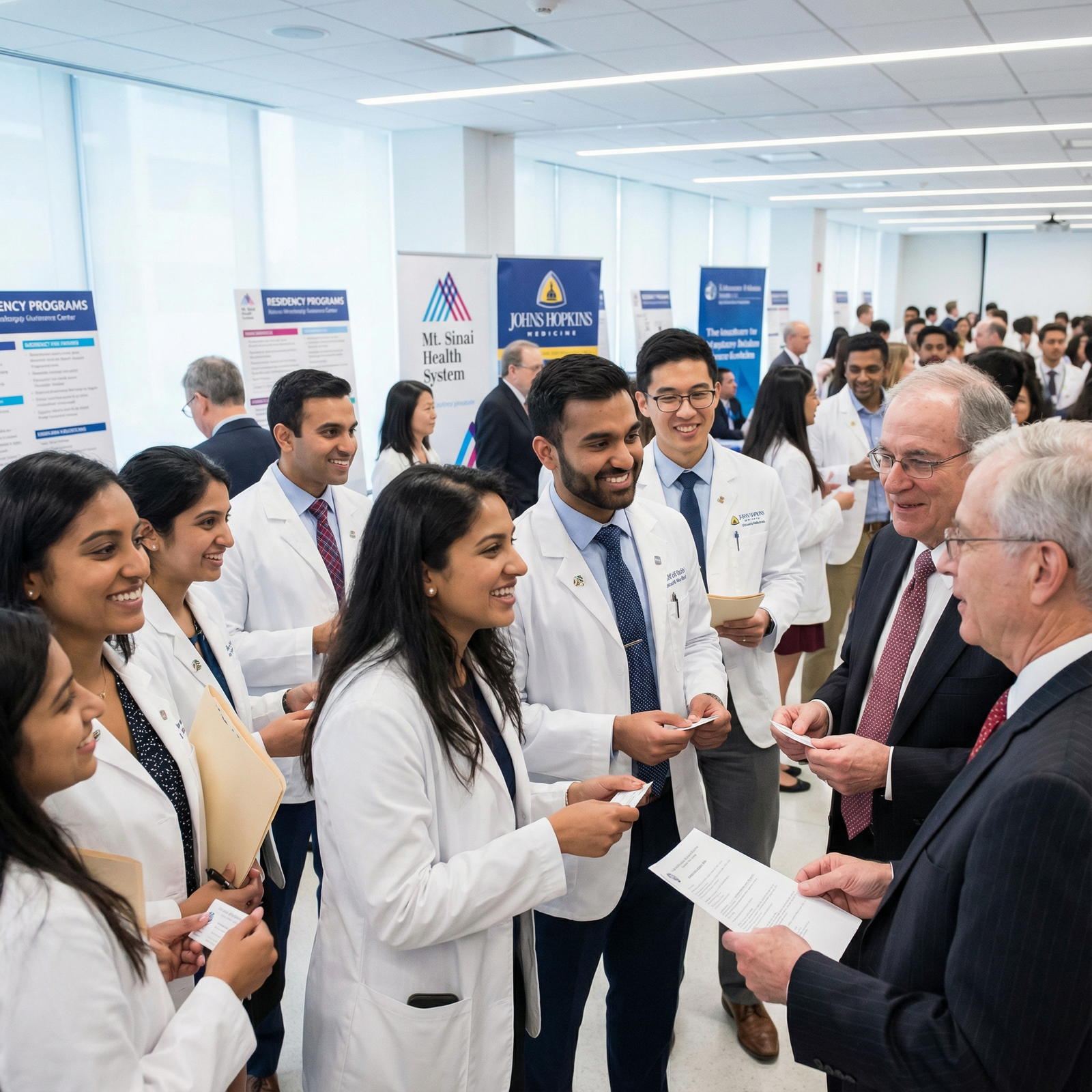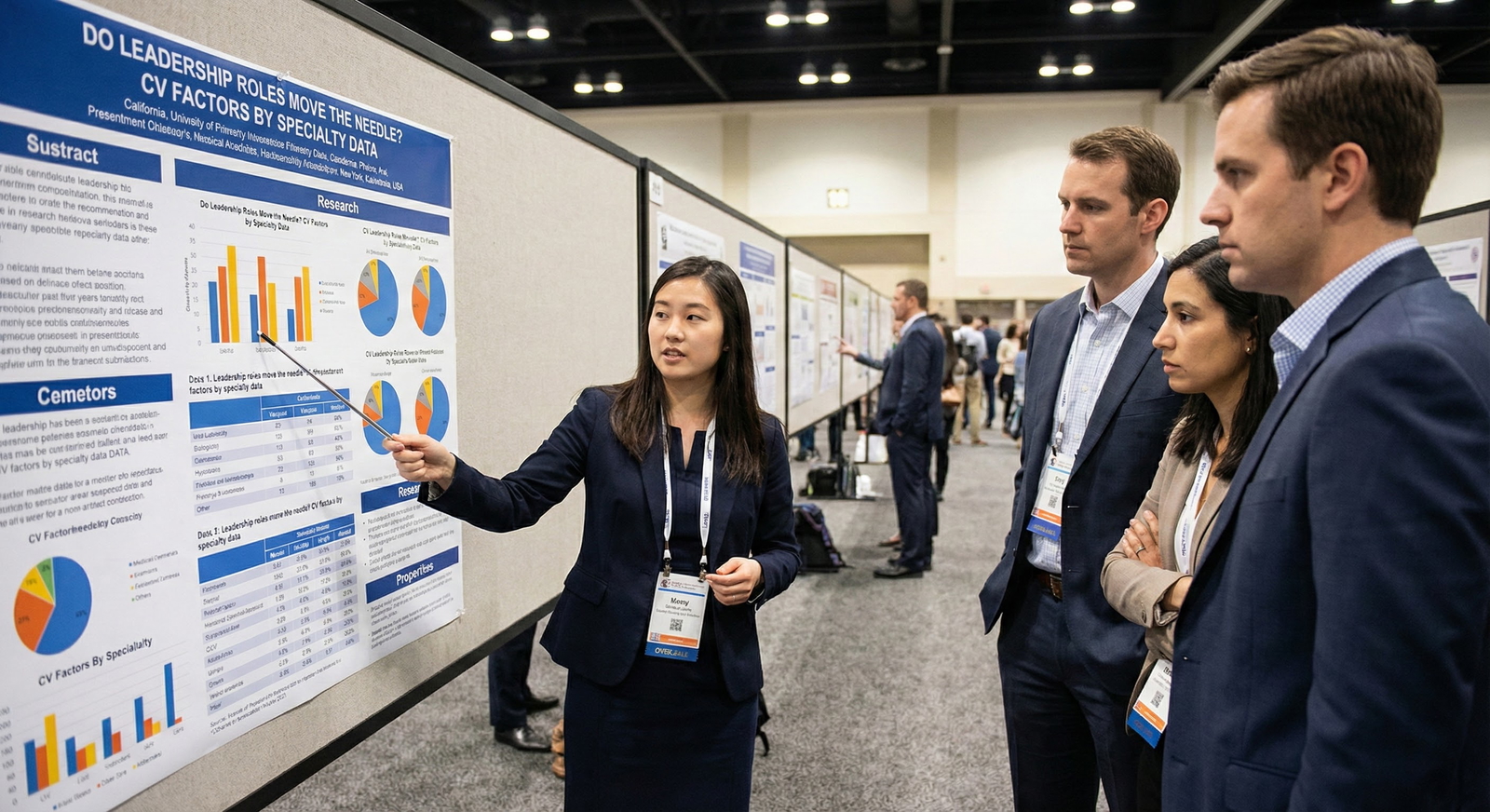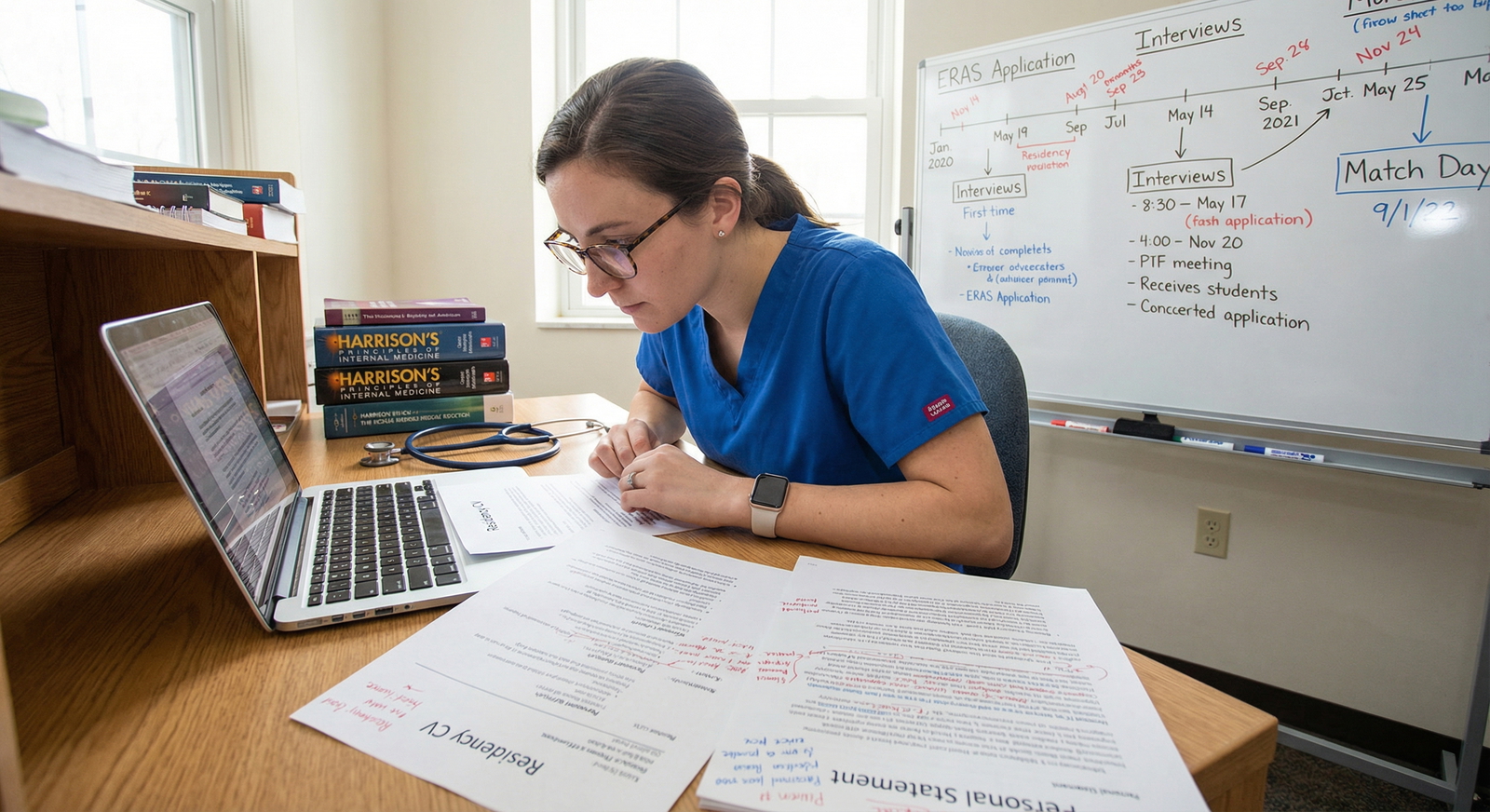
Crafting a stand-out CV for nuclear medicine residency requires more than listing your experiences; it demands a targeted strategy that shows programs you understand the specialty and are ready to contribute on day one. This guide walks you step-by-step through how to build a strong medical student CV specifically for the nuclear medicine match.
Understanding the Nuclear Medicine Residency Landscape
Before you can optimize your CV, you need to understand what nuclear medicine residency programs actually value.
What Makes Nuclear Medicine Unique?
Nuclear medicine sits at the intersection of:
- Imaging and diagnostics (SPECT, PET, hybrid imaging such as PET/CT and PET/MR)
- Theranostics (e.g., Lu-177 DOTATATE, I-131 therapy, Ra-223)
- Physics and radiobiology
- Quantitative analysis and informatics
Programs are looking for residents who:
- Are comfortable with technology and data
- Have strong anatomy and physiology foundations
- Think analytically and quantitatively
- Communicate clearly with patients and multidisciplinary teams
- Can handle longitudinal patient care for therapies
Your nuclear medicine residency CV should make these strengths easy to see.
Core Qualities Programs Seek
Across programs, selection committees commonly emphasize:
Commitment to the specialty
Evidence that you understand what nuclear medicine is and have explored it meaningfully.Academic and analytic ability
Enough performance in core clerkships, especially radiology, internal medicine, and oncology, to suggest you can handle complex imaging and therapy cases.Professionalism and reliability
Continuous engagement in activities, leadership, and follow-through on projects.Research or scholarly activity
Especially imaging, oncology, physics, dosimetry, or quality improvement.Teamwork and communication
Shown via leadership, teaching, and multidisciplinary involvement.
When you think about how to build a CV for residency in nuclear medicine, keep these selection priorities in mind and frame your experiences accordingly.
Structuring a Strong Residency CV: Essential Sections
Your nuclear medicine residency CV should be clean, consistent, and easy to scan in minutes. Think: a professional, well-organized, 2–4 page document (for most medical students) that complements, but does not duplicate, ERAS.
A typical structure:
- Contact Information
- Education
- Examination Scores & Certifications (optional on stand-alone CV, often omitted if using ERAS)
- Clinical Experience
- Research & Scholarly Activity
- Presentations & Publications
- Teaching & Mentorship
- Leadership & Extracurricular Activities
- Professional Memberships
- Awards & Honors
- Skills (including technical and language skills)
1. Contact Information
Keep this straightforward and professional:
- Full name (as it appears on official documents)
- Current address (optional if you prefer email-only contact)
- Phone number (with country code if relevant)
- Professional email (avoid nicknames; use school or neutral address)
- LinkedIn or professional website (optional, but helpful if well-developed)
Avoid including:
- Photos (unless explicitly requested by a specific program or country)
- Personal details like age, marital status, or religion (unnecessary and sometimes inappropriate)
2. Education
List in reverse chronological order:
- Medical school name, city, country
- Expected graduation date
- Degree (e.g., MD, DO, MBBS)
- GPA or class rank only if strong and customary in your system
You can optionally include:
- Undergraduate degree and major
- Relevant advanced degrees (e.g., MSc in Medical Physics, MPH, PhD)
- Selected coursework relevant to nuclear medicine (e.g., medical imaging, radiobiology, statistics, machine learning)
This section anchors your academic background. If you have physics, engineering, or quantitative training, highlight it—it’s valued in nuclear medicine.
Tailoring Each CV Section to Nuclear Medicine
This is where you move from a generic medical student CV to one that speaks directly to nuclear medicine residency.
3. Clinical Experience: Making Your Rotations Work for You
Under clinical experience (or “Clinical Clerkships”), don’t just list:
Internal Medicine, Radiology, Surgery, Pediatrics
Instead, use brief bullet points that:
- Emphasize exposure to imaging and oncology
- Show progressive responsibility
- Link to nuclear medicine themes when appropriate
Example: Strong vs. Weak Entries
Weak:
- Radiology Clerkship, 4 weeks, University Hospital
Stronger:
- Radiology Clerkship, 4 weeks, University Hospital
- Participated in interpretation of cross-sectional imaging and basic nuclear medicine scans (bone, V/Q, thyroid) under supervision
- Presented case-based imaging rounds focusing on oncologic staging and follow-up
If you have done a nuclear medicine elective, highlight it prominently and in detail:
Nuclear Medicine Elective, 4 weeks, Department of Nuclear Medicine, University Hospital
- Observed and assisted in interpretation of PET/CT and SPECT/CT studies (oncologic FDG PET/CT, cardiac perfusion, bone scans, thyroid uptake)
- Participated in patient counseling and informed consent for radioactive iodine therapy
- Completed a mini-project on standardized reporting for bone scans in prostate cancer
For students without a dedicated nuclear medicine rotation:
- Emphasize related experiences:
- Oncology, cardiology, endocrinology, radiology, radiation oncology
- Tumor boards, cardiac conferences, multidisciplinary imaging rounds
- Mention specific interactions with nuclear imaging when they occurred, even if only occasionally.
4. Research & Scholarly Activity: A Major Advantage in Nuclear Medicine
Programs in nuclear medicine often have a strong research culture. Your research experience can be a significant differentiator in the nuclear medicine match.
When listing research:
- Use a consistent format:
- Project title (or topic)
- Role (e.g., student researcher, co-investigator)
- Institution and mentor(s)
- Dates (month/year)
- 2–3 concise bullets emphasizing your contributions and the skills gained
Examples of High-Yield Research Topics for Nuclear Medicine
You don’t need to have done a PET radiotracer trial to be relevant. Many related areas are valuable:
- Imaging-based oncology research (CT, MRI, PET, SPECT)
- Outcomes research where imaging plays a role in staging or treatment planning
- Radiobiology or radiation safety projects
- Dosimetry or physics projects
- AI in image analysis, segmentation, or radiomics
- Quality improvement in diagnostic imaging workflows
Example Entry:
Research Assistant, Nuclear Medicine & Molecular Imaging
Department of Radiology, University Hospital, 06/2023–Present
Mentor: Dr. A. Smith
- Evaluated the impact of FDG PET/CT on staging accuracy in lymphoma patients compared to conventional imaging
- Collected and analyzed data from 120 patient scans using Excel and R, focusing on sensitivity, specificity, and change in management
- Co-authored an abstract accepted for presentation at the Society of Nuclear Medicine and Molecular Imaging (SNMMI) annual meeting
Even if your work is in early stages (no publications yet), include it as “Ongoing Research” and emphasize methods and skills: data analysis, literature review, imaging interpretation under supervision, statistics, etc.
5. Publications, Abstracts, and Presentations
Nuclear medicine is a relatively small, academic specialty; scholarly activity signals your potential as a future contributor.
Separate into categories if you have multiple items:
- Peer-reviewed publications
- Book chapters
- Abstracts and conference presentations (oral/poster)
- Non–peer-reviewed publications or blog posts (clearly labeled)
Follow a standard citation style (e.g., AMA) and bold your name in author lists so your role is obvious.
Example:
Doe J, Smith A, Lee K. The role of FDG PET/CT in early response assessment in Hodgkin lymphoma. J Nucl Med. 2024;65(3):123–131.
Doe J, Chen L. Implementing structured reporting for bone scintigraphy. Poster presented at: SNMMI Annual Meeting; June 2024; Toronto, Canada.
If you lack formal publications, consider:
- Case reports involving nuclear imaging
- Educational posters at your institution
- Short invited talks to student groups or grand rounds (clearly labeled as institutional)
These still demonstrate scholarly engagement.
Demonstrating Commitment to Nuclear Medicine on Your CV
One of the most important nuclear medicine residency CV tips: show you chose the specialty thoughtfully. Program directors want to see evidence of true interest, not last-minute decisions.
6. Electives, Shadowing, and Observerships
Create a dedicated subsection like “Nuclear Medicine & Imaging Experiences” if you have several relevant entries.
Include:
- In-hospital electives in nuclear medicine or molecular imaging
- Radiology electives with significant nuclear content
- Shadowing with nuclear medicine physicians
- Observerships or summer experiences in imaging or oncology
Example:
Nuclear Medicine Observership, 2 weeks
Community Cancer Center, City, Country
- Shadowed nuclear medicine physicians in PET/CT interpretation and radiopharmaceutical therapy clinics
- Observed multidisciplinary tumor boards discussing PET findings and treatment planning
Even short exposures, if well-described, reinforce your narrative.
7. Conferences, Courses, and Certificates
List nuclear medicine–related educational activities under “Conferences & Courses” or “Professional Development”:
- SNMMI annual or regional meetings
- EANM (European Association of Nuclear Medicine) congresses
- Local radiology/nuclear medicine society meetings
- Online nuclear medicine courses or certificate programs (e.g., imaging physics, dosimetry, theranostics)
- Radiation safety training, ALARA principles, or radiopharmacy intern experiences
Example:
Attendee, SNMMI Annual Meeting, 2024
- Participated in educational sessions on theranostics, PET/CT interpretation, and nuclear cardiology
- Completed hands-on workshop on standardized PET/CT reporting (PERCIST guidelines)
This signals proactive engagement beyond your school’s curriculum.
8. Leadership, Teaching, and Advocacy in Imaging
Nuclear medicine physicians frequently:
- Teach trainees and technologists
- Lead imaging protocols and dosimetry initiatives
- Advocate for rational imaging and radiation safety
Show your potential in these areas:
- Leadership in radiology or nuclear medicine interest groups
- Teaching sessions for junior students on imaging basics
- Organizing journal clubs focusing on imaging in oncology or cardiology
- Participating in committees about radiation safety or imaging utilization
Example:
Founder and President, Medical Imaging Interest Group
Medical School, 2023–Present
- Organized monthly case-based seminars featuring radiologists and nuclear medicine physicians
- Led a session on “Introduction to PET/CT in Oncology” for pre-clinical students (30 attendees)
Even if your activities weren’t labeled “nuclear medicine,” you can frame them in a way that aligns with nuclear medicine’s focus on imaging, technology, and multidisciplinary care.
Practical Strategies: How to Build CV for Residency in Nuclear Medicine
Now that you know which sections matter, here are specific, actionable steps to strengthen your medical student CV for the nuclear medicine match—whether you’re early in medical school or close to applying.
For Pre-Clinical Students (Years 1–2)
Join or start an imaging or nuclear medicine interest group.
- Invite nuclear medicine faculty for talks.
- Organize anatomy–imaging correlation sessions.
Seek early research exposure.
- Approach radiology or nuclear medicine faculty about small projects:
- Retrospective chart review involving PET/CT
- Quality improvement in imaging protocols
- Educational projects (e.g., teaching cases, atlases)
- Approach radiology or nuclear medicine faculty about small projects:
Build a foundation in physics and statistics.
- Electives in medical physics, biostatistics, or data science.
- Online courses (Coursera, edX) related to imaging or AI in medicine.
Attend at least one imaging-related conference.
- Even as a student observer, this can go on your CV and help you understand the field’s direction.
For Clinical Students (Years 3–4)
Prioritize electives strategically.
- Nuclear medicine, radiology, oncology, cardiology, endocrinology.
- Try to do at least one away elective (if possible) where nuclear medicine is strong.
Align your scholarly output with nuclear medicine.
- Turn interesting nuclear imaging cases into case reports or educational posters.
- Present at multidisciplinary tumor boards or local conferences.
Deepen your involvement in imaging organizations.
- Student membership in SNMMI or local nuclear medicine societies.
- Apply for student scholarships/travel awards (these stand out on a CV).
Develop at least one longitudinal activity.
- A year-long research project, a teaching role, or leadership position.
- Continuity shows reliability and commitment.
For International Medical Graduates (IMGs) Interested in Nuclear Medicine
IMGs applying to nuclear medicine residency need a CV that addresses both specialty interest and system familiarity.
Strengthening your residency CV as an IMG:
- Include observerships or externships in U.S./Canadian/European nuclear medicine or radiology departments.
- Highlight:
- Experience interpreting imaging studies in your home country.
- Familiarity with international guidelines (SNMMI, EANM).
- Any board-equivalent examinations or certifications (e.g., radiology boards).
Make sure your CV clearly displays:
- Dates of clinical practice
- Nature of your role (resident, attending, fellow)
- Scope of imaging responsibilities
- Steps you have taken to adapt to the target country’s healthcare system
Residency CV Tips: Formatting, Style, and Common Mistakes
Even excellent content can be undermined by poor presentation. Your CV is a professional document; treat it as such.
Formatting Essentials
- Length: Typically 2–4 pages for medical students; don’t pad it.
- Font: Clean and readable (e.g., 10–12 pt Times New Roman, Calibri, or Arial).
- Consistency: Uniform bullet styles, date formats, and headings.
- Order: Most recent experiences first within each section.
Use clear headings:
- EDUCATION
- CLINICAL EXPERIENCE
- RESEARCH & SCHOLARLY ACTIVITY
- PUBLICATIONS & PRESENTATIONS
- LEADERSHIP & TEACHING
- PROFESSIONAL MEMBERSHIPS
- AWARDS & HONORS
- SKILLS
Style Tips to Strengthen Your Entries
- Use strong action verbs: led, developed, implemented, analyzed, coordinated.
- Quantify where possible:
- “Reviewed 100+ PET/CT cases under supervision”
- “Taught imaging workshops to 60+ students”
- Emphasize outcomes:
- “Resulted in poster at national meeting”
- “Improved reporting turnaround time by 15%”
Common CV Mistakes in the Nuclear Medicine Match
Generic CV with no clear specialty focus
If someone removed your name and specialty labels, your CV should still obviously look like it belongs to a future nuclear medicine physician—through your experiences and interests.Over-listing irrelevant activities
Leadership in a non-medical organization can be valuable, but 10 lines on your undergraduate soccer career is not. Prioritize depth over volume.Not explaining your role
“Retrospective PET/CT study” means little without specifying:- What did you actually do?
- What skills did you gain?
- Was there any dissemination (poster, abstract)?
Typos and inconsistent formatting
They signal lack of attention to detail—a red flag in a field where precision matters.Misrepresenting contributions
Nuclear medicine is a small community; exaggerations are often obvious. Be honest and precise about your role, especially in publications.
Final Polish: Aligning Your CV with the Rest of Your Application
Your nuclear medicine residency CV should be consistent with:
- ERAS (or equivalent) entries
- Your personal statement
- Letters of recommendation
If your personal statement emphasizes enthusiasm for theranostics and oncology, your CV should reflect relevant research or clinical exposure. If you highlight teaching, your CV should show concrete teaching roles.
Before submitting:
- Ask a nuclear medicine or radiology faculty member to review your CV.
- Ask a non-medical friend to skim it for clarity and basic errors.
- Ensure that dates, titles, and authorship exactly match what appears in your other application documents.
Frequently Asked Questions (FAQ)
1. How early should I start building my CV for a nuclear medicine residency?
Ideally, begin in pre-clinical years by:
- Joining imaging or nuclear medicine interest groups
- Seeking early research or shadowing experiences in imaging or oncology
- Attending at least one relevant conference
However, even if you decide later, you can still strengthen your CV within 12–18 months by focusing on targeted electives, a focused research project, and increased involvement in imaging-related activities.
2. Do I need nuclear medicine–specific research to match?
Not strictly, but it helps. Programs understand that opportunities may be limited. Strong substitutes include:
- Radiology or oncologic imaging research
- Radiation oncology or radiobiology projects
- AI, data science, or quantitative imaging work
What matters is that your scholarly activity aligns conceptually with nuclear medicine and demonstrates skills in analysis, critical thinking, and collaboration.
3. How important is it to list technical skills on my CV?
Technical skills can be a plus, especially in a technology-heavy field. Consider listing:
- Basic familiarity with imaging software (e.g., PACS, OsiriX, Horos)
- Data analysis tools (Excel, R, Python, SPSS)
- Experience with AI/ML, radiomics, or image processing (if applicable)
- Language skills that might benefit a diverse patient population
Keep this section concise and honest. You don’t need to be a programmer, but comfort with technology and data analysis aligns well with nuclear medicine.
4. Is a separate CV necessary if I’m applying through ERAS?
While ERAS captures much of the content, a separate professional CV can be useful when:
- Networking at conferences
- Communicating with potential research mentors
- Applying for electives, observerships, or fellowships
- Providing background information to letter writers
Ensure that your stand-alone CV and ERAS entries are consistent and mutually reinforcing.
By intentionally shaping your medical student CV around nuclear medicine’s priorities—imaging, analytics, theranostics, and multidisciplinary care—you send a clear message to programs: you understand the specialty, you’ve tested your interest through concrete experiences, and you’re ready to grow into a nuclear medicine physician who contributes clinically, academically, and professionally.