Understanding the Orthopedic Surgery Residency CV as a US Citizen IMG
Orthopedic surgery is one of the most competitive specialties in the Match. As a US citizen IMG (an American studying abroad), you start with both advantages and challenges:
- Programs are often more comfortable with US citizens than non‑US IMGs for administrative and visa reasons.
- But you must still overcome the “IMG” label and prove you can compete with US MD/DO applicants.
Your CV (curriculum vitae) is one of the most powerful tools you have to do that. It’s more than a list of experiences—it’s your professional narrative on paper. For orthopedic surgery, your CV must:
- Demonstrate academic excellence and exam readiness
- Show clear, sustained commitment to orthopedics
- Highlight work ethic, grit, and team orientation
- Provide evidence of research productivity
- Show you understand and can integrate into the US clinical and academic culture
This article breaks down how to build a CV for residency in orthopedic surgery as a US citizen IMG, step by step, with specific residency CV tips and examples tailored to your situation.
Core Principles of an Orthopedic Surgery CV for US Citizen IMGs
1. Think Like an Orthopedic PD
Orthopedic surgery program directors often look for:
- Strong board scores / exam performance
- Orthopedic-specific research and scholarly activity
- Strong letters of recommendation from US orthopedists
- Clear commitment to orthopedics (electives, sub‑I’s, conferences, leadership)
- Evidence that you are reliable, teachable, hard‑working, and resilient
Your medical student CV must support all of these. Every entry should, in some way, support one or more of the following themes:
- “I can handle the academic rigor and technical aspects.”
- “I’ve been committed to orthopedics over time, not just last minute.”
- “I function well in teams and high‑stress settings.”
- “I understand US clinical culture and expectations.”
2. Treat the CV as a Strategic Document, Not a Diary
Everything on your residency CV should be:
- Relevant (medical, academic, leadership, service, research)
- Verifiable (no exaggeration)
- Organized (clear headings, reverse chronological order)
- Impact‑oriented (what you did, not just your title)
For American students studying abroad, the CV also needs to counter concerns about:
- Quality and rigor of your medical training
- Familiarity with US systems
- Communication and professionalism standards
You do this through US clinical experiences, US mentors, and US‑based achievements featured prominently.
Structuring Your Orthopedic Surgery Residency CV
You’ll eventually plug experiences into ERAS, but having a polished CV helps you plan and organize your entries. A common and effective structure is:
- Contact Information & Professional Summary (optional)
- Education
- Examination Scores (or “Examinations and Certifications”)
- Honors and Awards
- Research & Publications
- Presentations & Posters
- Clinical Experience
- Teaching & Mentorship
- Leadership & Organizational Involvement
- Volunteer & Community Service
- Skills & Additional Information
Let’s walk through each section with residency CV tips specifically for US citizen IMGs in orthopedics.

Section-by-Section: How to Build a CV for Orthopedic Residency
1. Contact Information & Optional Professional Summary
Include:
- Full name as you use it on applications
- Email (professional: firstname.lastname@…)
- Phone number (US number if possible)
- Current location (city, country)
- LinkedIn (optional but can help show professionalism and consistency)
- If applicable, personal website or portfolio (for research‑heavy applicants)
Professional summary (2–3 lines, optional):
If used, it should be specific and factual, not buzzword‑heavy.
Example (good, concise):
US citizen IMG at [University Name] in [Country] with strong interest in orthopedic trauma and sports medicine. Completed two US orthopedic sub‑internships and participated in outcomes research with 3 accepted abstracts at national meetings.
Avoid generic statements like “Hard‑working, team player, passionate about orthopedics.”
2. Education
For American studying abroad profiles, the education section must remove doubts about training quality.
Include:
- Medical school: Name, city, country, dates (start–expected graduation)
- Degree (MD, MBBS, etc.)
- USMLE‑aligned curriculum elements (if applicable)
- Undergraduate institution(s): degree, major, graduation year, honors
- Significant additional degrees (e.g., MS, MPH, MEng)
Tips:
- If your med school is not widely known, consider one brief line explaining its recognition:
[University Name] is a WHO‑listed and ECFMG‑recognized medical school with a 6‑year integrated curriculum.
- Press any US‑based coursework, exchange, or visiting student programs you’ve done.
Example entry:
Doctor of Medicine (MD) Candidate
[International University School of Medicine], [City, Country]
Aug 2020 – Expected Jun 2026
- US citizen IMG enrolled in a 6‑year integrated medical curriculum
- Completed core clinical clerkships in internal medicine, surgery, pediatrics, OB/GYN, psychiatry, and family medicine
3. Examination Scores & Certifications
For orthopedics, exam scores are heavily screens‑based. While this is not always a formal “CV” section, as a US citizen IMG you benefit from highlighting exam strength clearly.
Can include:
- USMLE Step 1 (Pass, with date) – score if already known AND strong relative to average
- USMLE Step 2 CK – score, percentile if strong
- OET or other English proficiency (if relevant)
- BLS/ACLS certifications (important for hospital readiness)
Example format:
Licensing Examinations and Certifications
- USMLE Step 1 – Pass, 2024
- USMLE Step 2 CK – 252 (approx. 75th percentile), 2025
- Basic Life Support (BLS), American Heart Association, valid through 2026
- Advanced Cardiovascular Life Support (ACLS), American Heart Association, valid through 2026
Tips:
- If you’re still waiting on Step 2, leave it out and update later.
- Avoid listing poor scores prominently; context can be explained in the personal statement instead.
4. Honors and Awards
Orthopedic programs value excellence and consistency. This section helps distinguish you from other US citizen IMGs.
Include:
- Dean’s list, top % of class
- Distinctions in surgery or orthopedic‑related courses
- National or school‑level academic awards
- Research or leadership scholarships
- US‑based recognition (if any)
Example:
Honors and Awards
- Distinction in Surgery Clerkship, [University Name], 2024
- Top 10% of class, Pre‑clinical Years 1–3, 2020–2023
- Best Research Presentation, Student Research Day, [University Name], 2023
If your school does not formally rank or grant honors, you can note other performance indicators (e.g., highest exam scores in specific modules).
5. Research & Publications: Critical for Ortho Match
Orthopedic surgery places a premium on research productivity—especially for IMGs. As a US citizen IMG, robust research signals that you can compete academically and contribute to an academic department.
Sub‑headings you might use:
- Peer‑Reviewed Publications
- Manuscripts Under Review / In Preparation
- Abstracts and Posters
- Book Chapters
- Quality Improvement Projects
Key residency CV tips for research:
- Prioritize orthopedic surgery–related work (trauma, sports, joints, spine, hand).
- Include non‑ortho research if it’s methodologically strong (quality improvement, outcomes research, etc.).
- List authors in the original order, bold your name.
- Use proper citation format consistently (e.g., AMA or journal style).
- For in‑progress work, be honest about the stage: In preparation, Submitted, Under review.
Example entries:
Peer‑Reviewed Publications
- Smith JM, Lopez R, Chen T. Early weight‑bearing after ankle ORIF: A systematic review of functional outcomes. J Orthop Trauma. 2024;38(2):123–130.
Abstracts and Poster Presentations
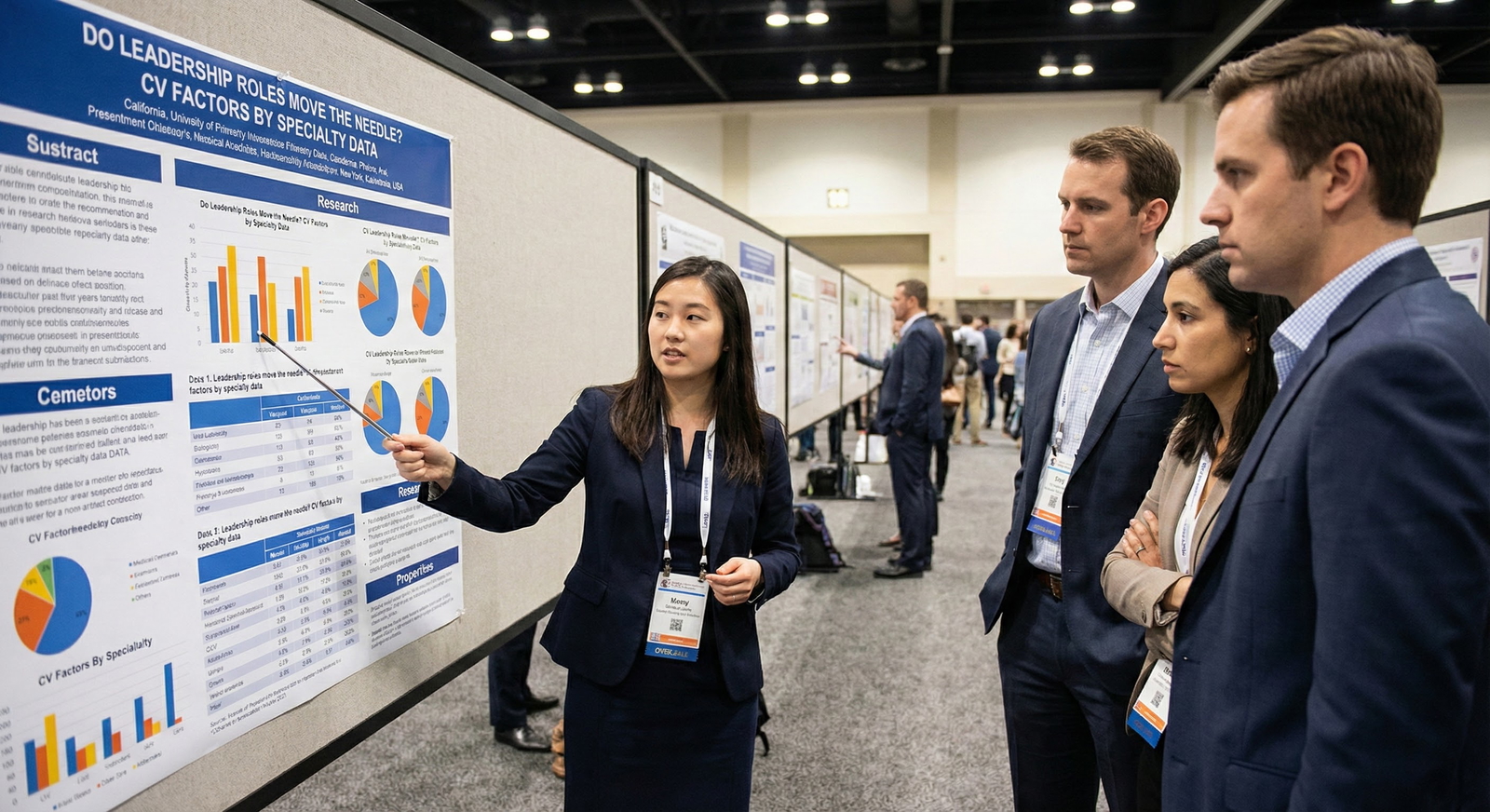
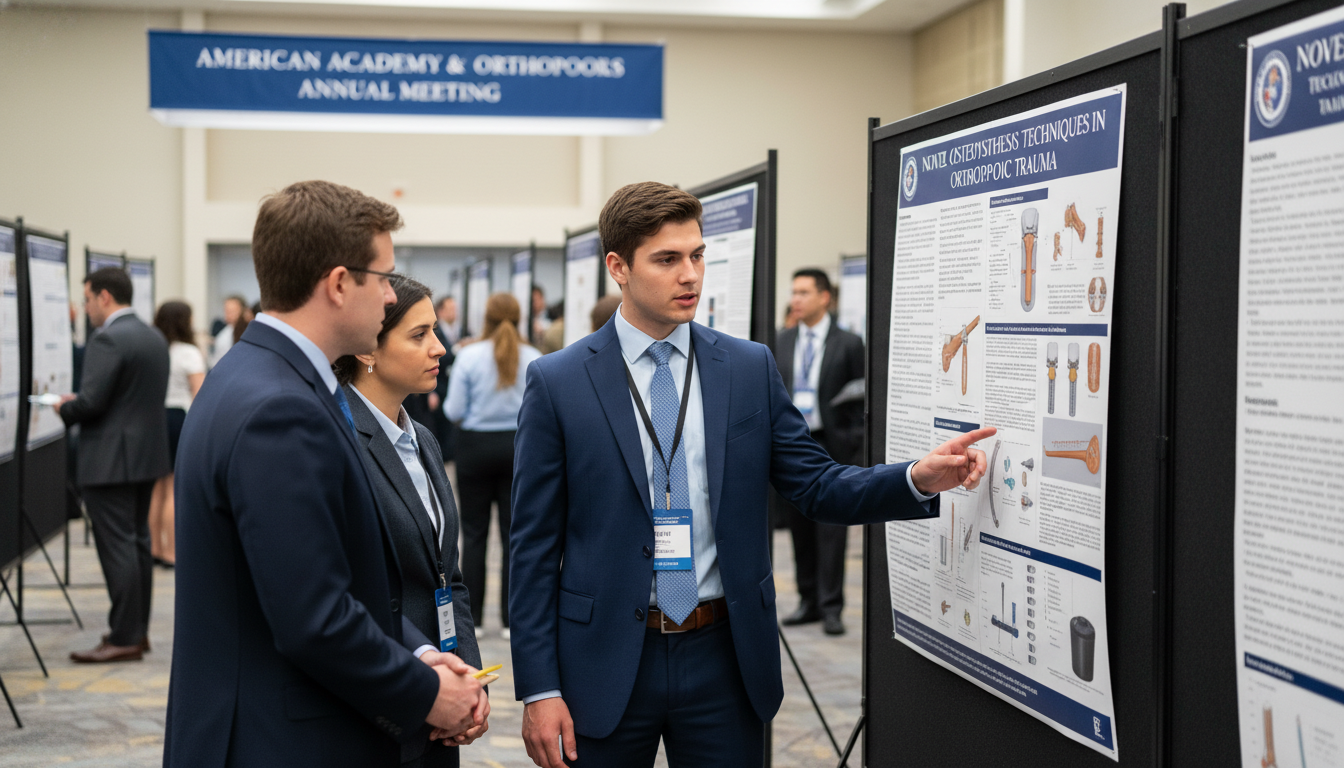
- Smith JM, Patel N, Brown A. Factors associated with return to sport after ACL reconstruction in collegiate athletes. Poster presented at: American Academy of Orthopaedic Surgeons Annual Meeting; March 2024; San Francisco, CA.
If you don’t yet have ortho research:
- Seek remote research roles with US orthopedic surgeons.
- Start with chart reviews, case series, or retrospective studies—feasible from abroad.
- Present at regional orthopedics meetings or student conferences, not just general student events.
6. Presentations: Own Your Voice as a Future Ortho Surgeon
Don’t bury your presentations inside “research” if you have multiple; consider a dedicated “Presentations” section.
Include:
- Oral and poster presentations
- Grand rounds or departmental conferences (if student‑led or presented)
- Educational talks you delivered to peers or community groups (especially ortho‑related)
Example:
Presentations
- Smith JM, Rahman S. Approach to acute knee injuries in athletes: An evidence‑based review. Oral presentation at Department of Orthopedics Clinical Case Conference, [Hospital Name], [City, Country], 2023.
This helps show you can communicate complex information clearly—a core competency in surgery.
7. Clinical Experience: Highlight US and Ortho-Relevant Rotations
For an orthopedic surgery residency CV, clinical experiences are about two things:
- Proving you’ve seen how medicine is practiced in the US.
- Showing depth of exposure to orthopedics and surgery.
Divide this section into US Clinical Experience (USCE) and International Clinical Experience if applicable.
US Clinical Experience (Critical for American Studying Abroad)
You want at least:
- 1–2 US orthopedic surgery sub‑internships (sub‑Is)
- 1–2 other US surgical or medicine rotations that show you can function in the US system
Example entry:
Orthopedic Surgery Sub‑Internship
[US Hospital Name], Department of Orthopaedic Surgery, [City, State]
Aug 2025 (4 weeks)
- Managed 6–10 inpatients daily on the trauma service under supervision
- Participated in pre‑ and post‑operative care, fracture reductions, and daily rounds
- Assisted in the operating room and documented operative notes under resident guidance
- Presented a case‑based talk on management of open tibial fractures
Tips:
- Emphasize responsibility and progression: show that you did more than observe.
- Mention case volume, types of cases, and any independent tasks under supervision (notes, presentations, call shifts).
- These entries help reassure PDs that you won’t be completely “green” on day one.
International Clinical Experience
Your home rotations still matter, especially in surgery.
Example:
General Surgery Clerkship
[University Teaching Hospital], [City, Country]
Apr 2024 – Jun 2024 (8 weeks)
- Assisted in 20+ major surgeries (appendectomy, cholecystectomy, hernia repair) and 40+ minor procedures
- Conducted pre‑operative assessments and post‑operative rounds with attending surgeons
- Evaluated ED consults and developed differential diagnoses for acute abdomen and trauma cases
Make sure to use US‑standard language (e.g., “attending,” “resident,” “rounds”) so the experience feels relatable to US programs.
8. Leadership, Teaching, and Volunteer Work: Show Ortho Values
Orthopedic surgery values:
- Team leadership
- Work ethic and service
- Ability to teach and mentor
- Physical and mental resilience
Your leadership, teaching, and volunteer sections help program directors see you as a future senior resident and faculty member.
Leadership & Organizational Roles
Examples:
- President or officer of an Orthopedic or Surgery Interest Group
- Organizer of student workshops (splinting, casting, suturing)
- Roles in national or international orthopedic student groups
Sample entry:
President, Orthopedic Surgery Interest Group
[International University School of Medicine], 2023–2024
- Organized 6 educational sessions on orthopedic trauma, sports medicine, and joint replacement
- Coordinated hands‑on workshops on casting and basic splinting techniques with local orthopedic faculty
- Led a mentorship program pairing 30 pre‑clinical students with clinical‑year mentors
Teaching and Mentorship
Include:
- Peer tutoring in anatomy, MSK system, or surgery
- Teaching sessions for junior students or nurses
- Simulation lab teaching
Example:
Peer Tutor, Musculoskeletal Anatomy
[International University School of Medicine]
Sept 2022 – Jun 2023
- Conducted weekly small‑group review sessions for 10–15 first‑year medical students
- Developed diagrams and clinical vignettes focusing on common orthopedic injury patterns
- Received positive anonymous feedback (average 4.8/5 rating)
Volunteer and Community Engagement
Orthopedics involves caring for trauma and often underserved populations. Show that you:
- Volunteer in community clinics
- Participate in health fairs or sports medicine events
- Provide education on injury prevention
Example:
Volunteer, Community Sports Injury Screening Program
[City, Country] — 2022–2023
- Assisted orthopedic residents in assessing musculoskeletal injuries in local youth athletes
- Provided counseling on injury prevention and safe return‑to‑play guidelines
- Helped coordinate referrals to local orthopedic clinics for further care
These experiences support your narrative as a service‑oriented future surgeon.
9. Skills, Interests, and Additional Sections
This smaller section rounds out your profile and can spark interview conversation.
Technical and Research Skills
- Statistical software (SPSS, R, Stata)
- Reference managers (EndNote, Mendeley)
- Data collection tools (REDCap)
- Office software (Word, Excel, PowerPoint—only note if you’ve used them extensively in research or leadership roles)
Example:
Technical and Research Skills
- Proficient in data analysis using SPSS (logistic regression, survival analysis)
- Experienced with REDCap for data collection and management
- Skilled in systematic literature review and PRISMA‑guided methodology
Language Skills
As a US citizen IMG, additional languages are a plus, especially Spanish.
Example:
- English (native), Spanish (conversational), Arabic (basic medical terminology)
Personal Interests
Include genuine interests that suggest resilience, team orientation, or manual skill (e.g., competitive sports, woodworking, musical instruments).
Avoid long lists; 2–4 meaningful items are enough.
Strategic CV-Building Timeline for US Citizen IMGs in Orthopedic Surgery
Because you’re an American studying abroad, you must start planning earlier than a typical US med student. Below is a general roadmap:
Pre‑clinical Years (Years 1–2)
Focus on:
- Strong academic performance (to later show honors/distinction)
- Joining or starting an orthopedic interest group
- Learning research basics; seek a mentor (local or remote US faculty)
- Attending virtual ortho conferences or webinars
CV goals:
- 1–2 small research projects initiated
- At least one leadership or organizational role started
Early Clinical Years (Years 3–4)
Focus on:
- High performance on core rotations (especially surgery)
- Starting USMLE Step 1 and Step 2 CK preparation early
- Producing tangible research outputs (poster, small publication)
- Identifying US rotation sites and mentors
CV goals:
- At least one poster or oral presentation
- Clear orthopedics experience at your home institution
- Defined US rotation plans
Late Clinical Years (Final 1–2 Years)
Focus on:
- US orthopedic sub‑Is and strong letters of recommendation
- Converting research into publications and national presentations
- Taking Step 2 CK early enough to use in applications
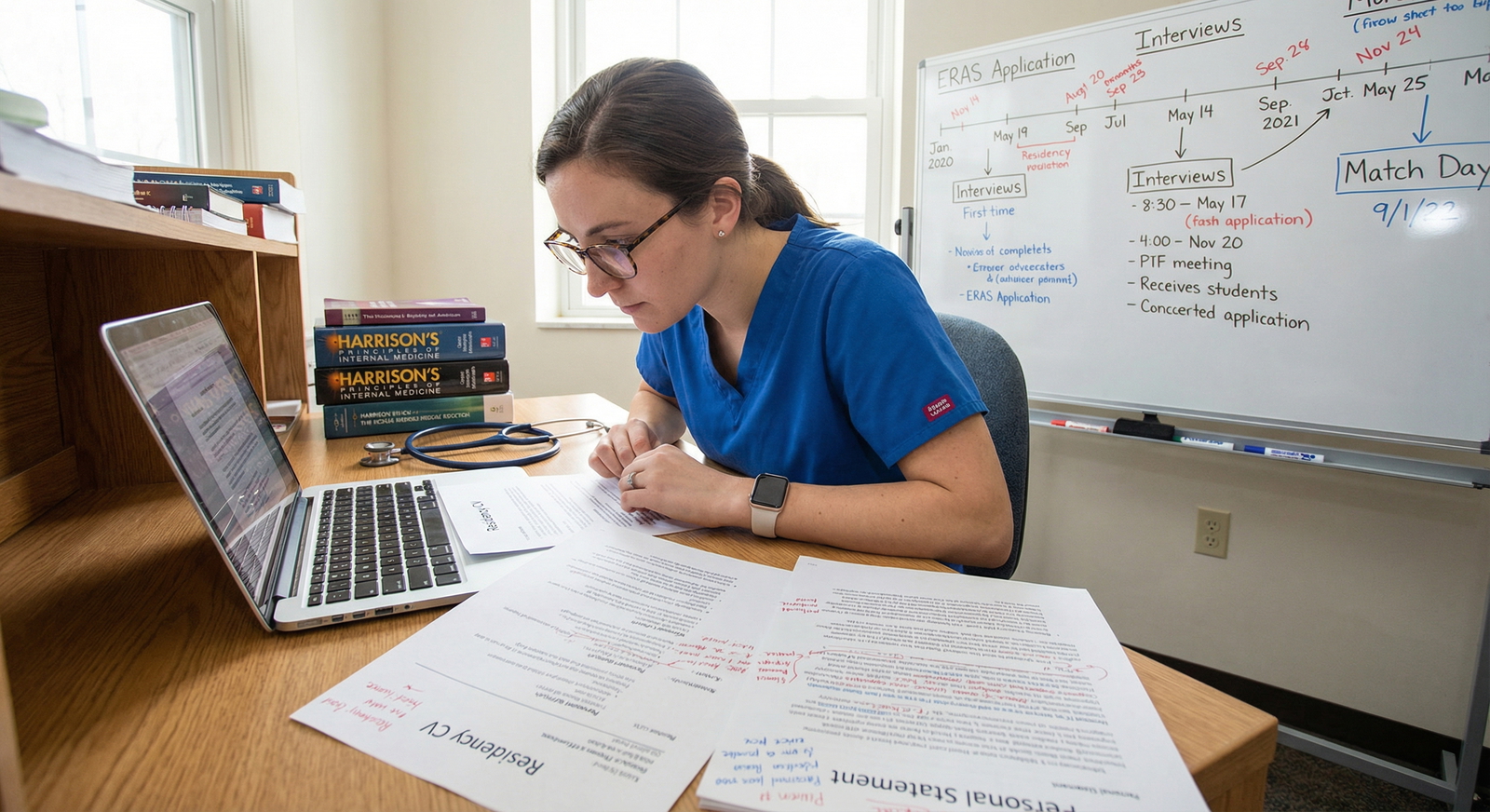
- Refining your CV and aligning it with ERAS formatting
CV goals by time of application:
- 1–2 US ortho sub‑Is + 1–2 other US experiences
- Several orthopedic‑related abstracts/posters; ideally 1–2 publications
- Leadership role, teaching role, and ongoing service activities
Common Mistakes US Citizen IMGs Make on Orthopedic CVs (and How to Fix Them)
1. Overloading with Unrelated Experiences
Listing every shadowing experience or short‑term non‑medical job can dilute the orthopedic and academic narrative.
Fix: Prioritize experiences that show clinical, academic, leadership, or service value, and especially those that relate to orthopedics or surgery.
2. Underselling Responsibilities
Many IMGs write vague bullet points like “Assisted with patient care.”
Fix: Use specific, action‑oriented bullet points:
- “Managed daily progress notes for 8–10 orthopedic inpatients.”
- “Performed focused MSK exams under supervision on 20+ trauma patients.”
3. Not Differentiating Observerships vs. Hands‑On Rotations
US programs care whether you had direct patient care or only observed.
Fix: Label experiences accurately:
- “Orthopedic Surgery Observership” vs. “Orthopedic Surgery Sub‑Internship”
- In observerships, focus on learning, presentations, and system familiarity—not hands‑on tasks you didn’t perform.
4. Inconsistent or Unprofessional Formatting
Messy formatting undermines credibility.
Fix:
- Use consistent formatting: same font, date style, and bullet type.
- Reverse chronological order for sections.
- Ensure spacing and alignment are clean; export as PDF for sharing outside ERAS.
5. Weak Integration of “US Citizen” Advantage
Being a US citizen IMG is an administrative advantage but doesn’t automatically get you interviews.
Fix:
- Make your US experience and US‑based mentors obvious.
- Highlight your ability to function in a US academic environment.
- Use your personal statement and interviews to articulate why you chose to study abroad but are fully committed to returning to the US system.
Putting It All Together: Crafting a Cohesive Ortho Match Narrative
Ultimately, your CV, personal statement, and letters together must tell a coherent story:
- You’re a US citizen IMG who intentionally built a path back to the US system.
- You have sustained interest in orthopedic surgery, with clinical exposure, research, and leadership to back it up.
- You have demonstrated academic strength (exams, honors) and professional readiness (US clinical experience, mentorship, communication skills).
- You bring added value from your international training—adaptability, cultural competence, and resilience.
When programs review US citizen IMG applications, they are asking:
“Can this applicant truly function like our US grads? Will they succeed in our demanding, team‑based, high‑volume orthopedic environment?”
A strategically crafted orthopedic surgery residency CV—focused, honest, well‑organized, and achievement‑oriented—helps them answer “yes.”
FAQs: CV Building for US Citizen IMGs in Orthopedic Surgery
1. How many research projects or publications do I need for an orthopedic surgery residency CV?
There’s no fixed number, but for a competitive ortho match as a US citizen IMG, many successful applicants have:
- Several abstracts/posters (3–6 is common), and
- Ideally 1–3 peer‑reviewed publications (ortho‑related if possible).
If you’re late in the process, focus on projects that can realistically yield posters and abstracts before application season, and keep publications as a medium‑term goal.
2. Should I list non‑medical jobs and experiences on my residency CV?
Yes, selectively. Include non‑medical work if it:
- Shows significant responsibility, leadership, or resilience (e.g., managing a team, long‑term employment while studying)
- Is clearly and professionally described
Don’t fill your CV with minor or very short jobs. One concise section for “Additional Work Experience” with 1–3 entries is enough.
3. How can I compensate on my CV if I have limited US clinical experience?
If you have limited USCE:
- Maximize the details of the rotations you do have.
- Highlight your engagement with US mentors through research, virtual electives, or collaborations.
- Strengthen other areas: more research output, leadership, and teaching roles.
- Use your personal statement to explain the logistical or financial reasons for limited US time, and emphasize readiness to adapt to US systems.
Aim to add at least one strong US orthopedic sub‑I before applying, even if you are late.
4. What’s the difference between a medical student CV and what I enter into ERAS?
Your medical student CV is a flexible, stand‑alone document you can share with mentors, letter writers, and potential research supervisors. ERAS breaks your CV into predefined sections.
You should:
- Build and refine your CV first (in Word or similar).
- Then transfer the information into ERAS fields, adapting descriptions to fit character limits.
- Keep your master CV updated; it remains useful after residency for fellowships and jobs.
By intentionally crafting and continuously refining your CV throughout medical school, you position yourself as a serious, competitive US citizen IMG candidate for orthopedic surgery residency—someone programs can trust to thrive in their operating rooms, clinics, and call rooms for years to come.