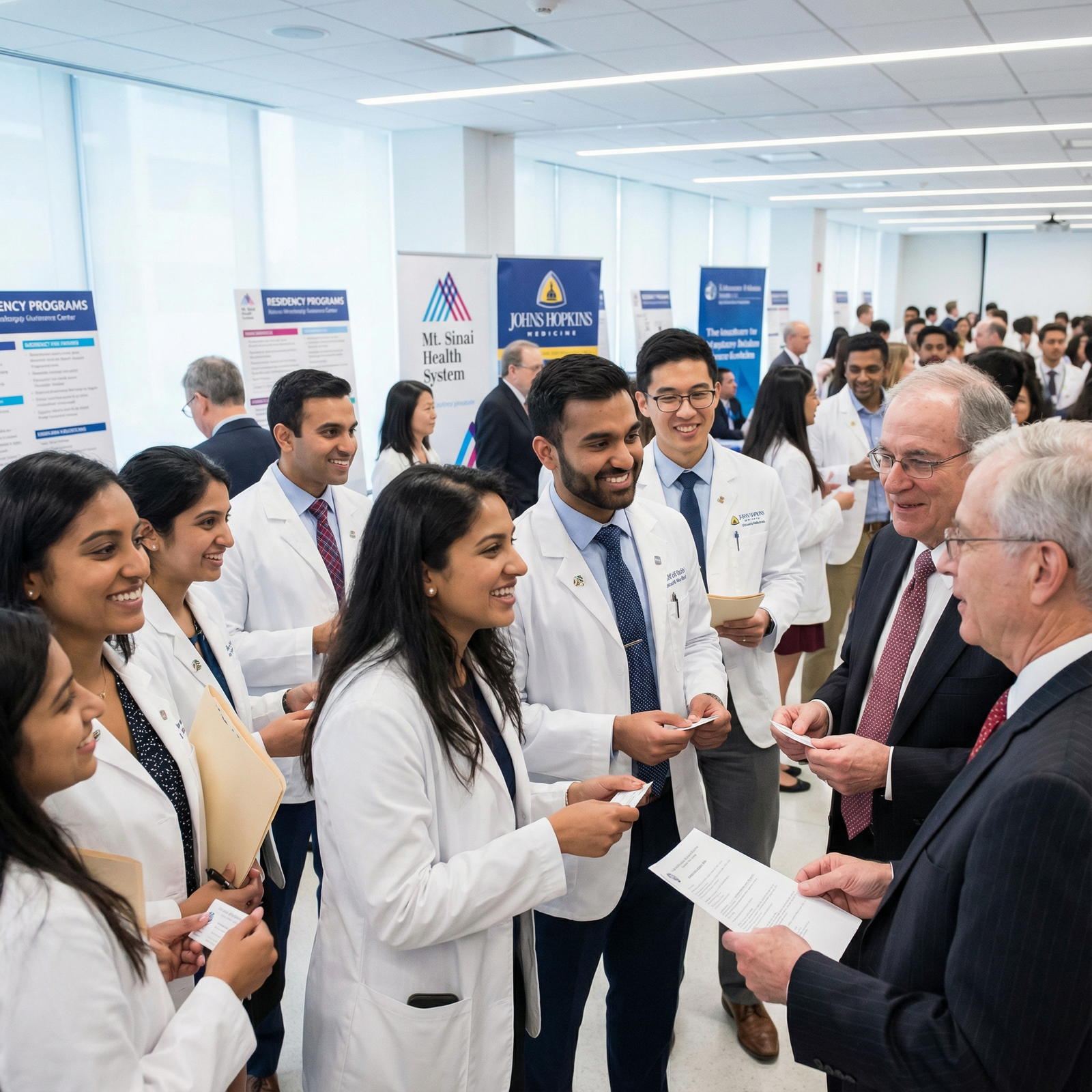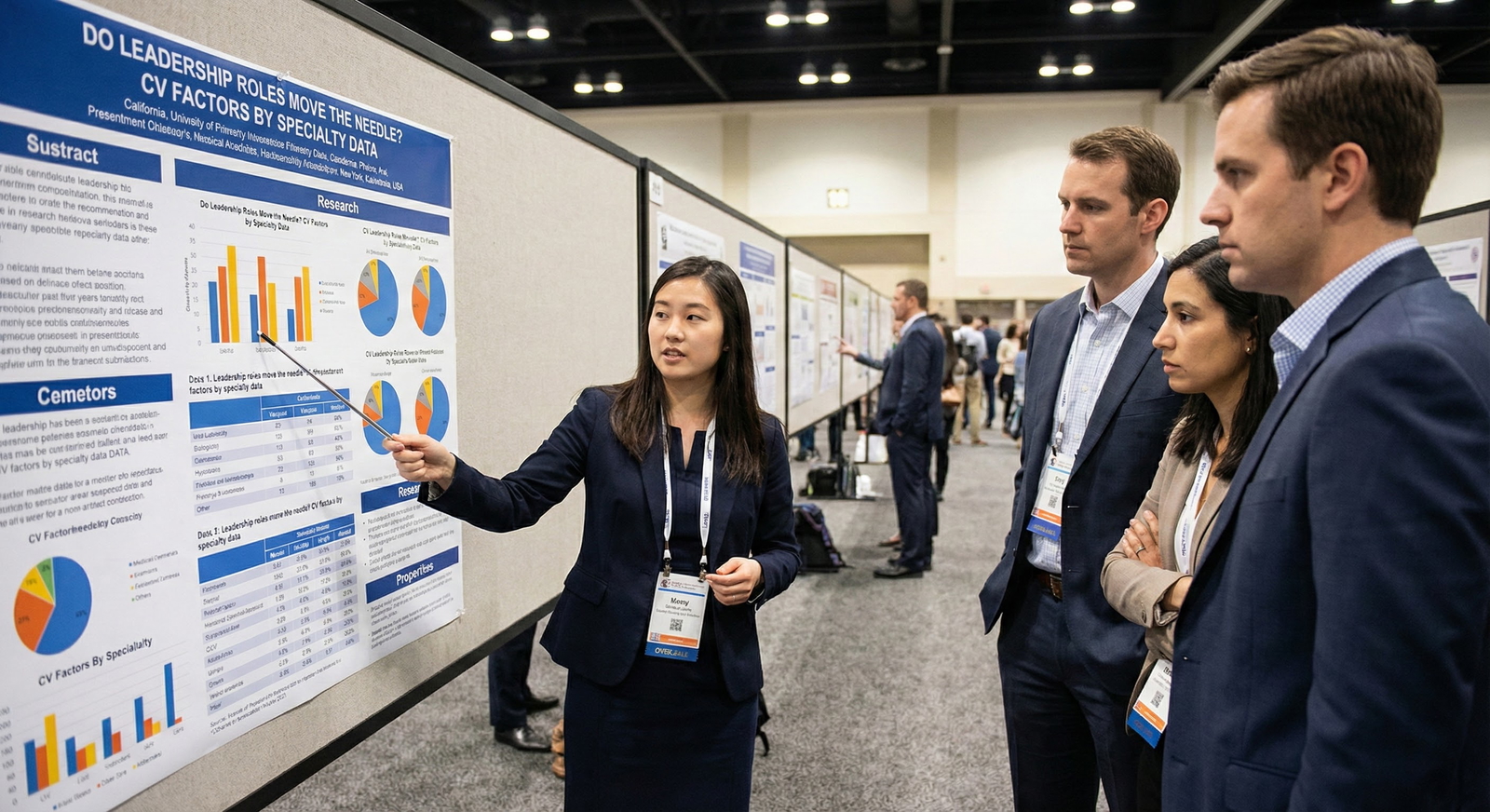
Psychiatry is one of the few specialties where who you are and how you think matter just as much as what you’ve done. Your CV is the first structured snapshot programs see of that story. For a strong psych match, you need more than a generic medical student CV—you need a psychiatry-focused document that highlights your clinical maturity, interpersonal skills, and genuine interest in behavioral health.
This guide walks you through how to build a compelling CV for psychiatry residency, what to include (and what to leave out), and practical residency CV tips tailored to the psych match.
Understanding the Psychiatry Residency CV
Before you start writing, you need a clear vision of what your psychiatry residency CV is supposed to do.
The purpose of your CV in the psych match
Your psychiatry residency CV should:
- Provide a clear, organized record of your education, experiences, and achievements
- Demonstrate sustained interest in psychiatry and behavioral health
- Highlight evidence of empathy, communication, and professionalism
- Make it easy for reviewers to assess “fit” for their program
- Serve as a reference during interviews (faculty often have your CV in front of them as they talk to you)
Programs typically review your ERAS application plus your attached CV. While there’s overlap, a polished, well-structured CV:
- Reinforces your psychiatry narrative
- Helps faculty quickly see your trajectory
- Makes you look prepared, detail-oriented, and serious about the specialty
What psychiatry programs look for in a CV
Across programs, PDs and faculty commonly scan your CV for:
- Consistent interest in psychiatry
- Psych electives, sub-Is, away rotations
- Psychiatry-related research or QI
- Mental health advocacy, crisis hotline work, peer counseling
- Evidence of interpersonal and reflective skills
- Longitudinal volunteering
- Leadership in student wellness or mental health organizations
- Teaching and mentorship experiences
- Academic potential & professionalism
- Scholarly projects (even small QI or case reports)
- Honors, awards, and any upward trend in performance
- Completed tasks and roles that show reliability
Think of your CV as a map of your professional development into a future psychiatrist.
Core Structure: Sections Every Psychiatry CV Should Have
There is no single “correct” format, but a standard, professional structure helps programs quickly find what they need. Below is a strong sequence for a psychiatry residency CV.
1. Contact information and identifiers
Place this at the top, clearly and simply:
- Full legal name (bolded, slightly larger font)
- Current address (optional if using ERAS; keep on standalone CV)
- Professional email (e.g., firstname.lastname@… not a casual handle)
- Phone number
- AAMC ID and/or ERAS ID (if known/assigned)
- Medical school and expected graduation year
Avoid adding:
- Personal photo (ERAS handles this)
- Date of birth, marital status, or other demographic details
2. Education
List in reverse chronological order:
- Medical school: Name, city, state/country, dates (month/year – month/year or “Expected [Month Year]”), degree (e.g., MD, DO)
- Undergraduate institution: Degree, major, honors (if any)
- Additional degrees or certificates: MPH, MA, PhD, postbacc programs
Example:
Education
Doctor of Medicine (MD), Expected May 2026
University of X School of Medicine, City, StateBachelor of Science in Psychology, Magna Cum Laude, May 2021
University of Y, City, State
If you completed a postbacc, formal research program, or a prior career-related degree (e.g., social work, neuroscience), highlight this—it often aligns well with psychiatry.
3. Medical licensure and exams (if relevant)
For most applicants, this is simple:
- USMLE/COMLEX Step scores (if you include them on your CV; follow your school’s guidance)
- State licenses (for international grads or those with prior training)
If you’re uncertain about listing scores, you can omit them from the CV and let ERAS handle score reporting.
4. Clinical experiences (Clerkships, sub-internships, electives)
Psychiatry programs care deeply about your psychiatric clinical exposure.
Include:
- Required psychiatry clerkship
- Additional psych electives or sub-internships (e.g., inpatient psych, CL psych, addiction psych, child & adolescent psych)
- Away/audition rotations in psychiatry
- Relevant non-psych experiences that illustrate transferable skills (primary care, neurology, EM, etc.)
Format each entry with:
- Role (e.g., “Psychiatry Sub-Intern”)
- Site (hospital/clinic name, department, city, state)
- Dates
- 1–3 concise bullet points describing your responsibilities and scope
For psychiatry, emphasize:
- Patient load and level of responsibility
- Types of patients or settings (inpatient, outpatient, consult-liaison, ED psych)
- Interdisciplinary collaboration (social work, psychology, nursing, case management)
- Any leadership or teaching roles (e.g., oriented junior students on the rotation)
Example bullet:
- Managed a caseload of 6–8 inpatients with mood, psychotic, and personality disorders under direct faculty supervision; performed full psychiatric evaluations and daily follow-up notes.
If you completed rotations in community mental health, addiction centers, VA, or integrated behavioral health clinics, spell that out—it shows breadth in psychiatry.
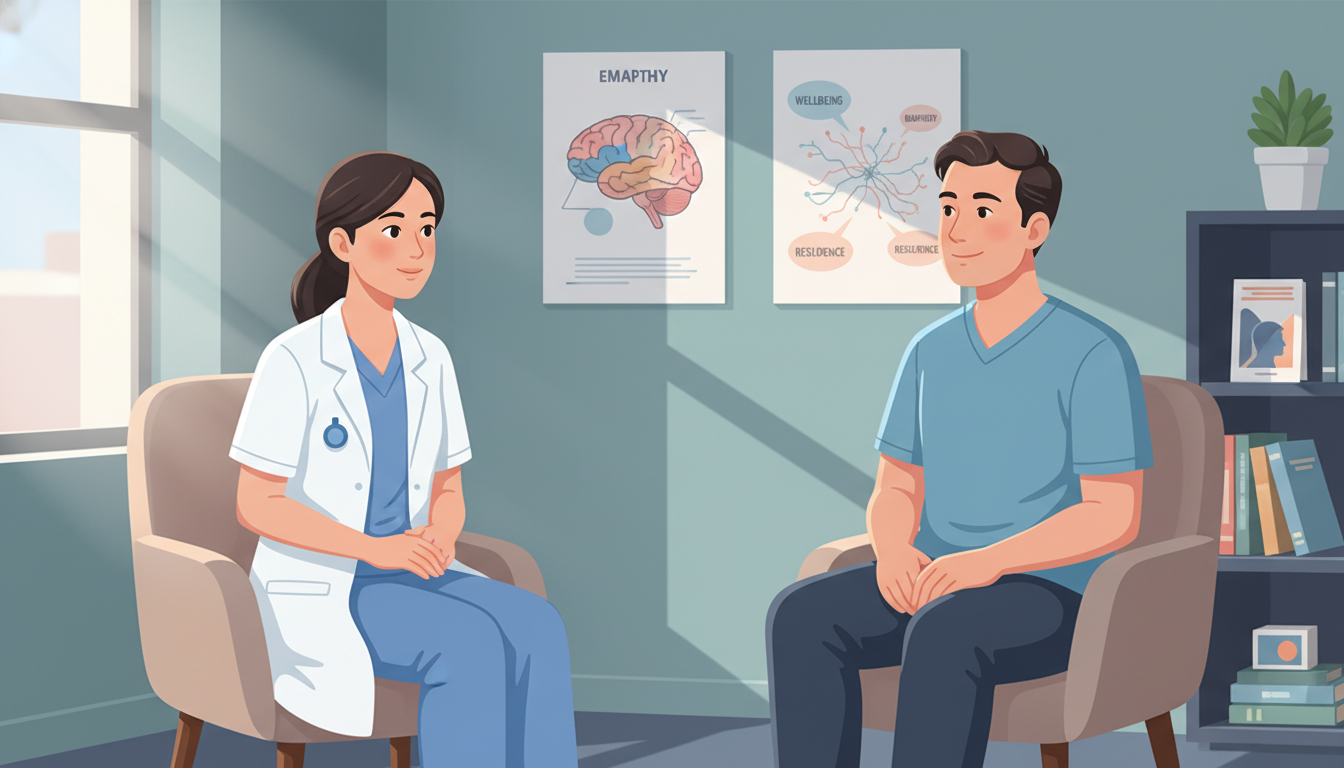
Highlighting Psychiatry-Specific Experience
This is where your CV stops being generic and starts becoming a psychiatry residency CV tailored to your psych match story.
1. Psychiatry-related research and scholarly work
You don’t need a PhD or dozens of publications, but you should present any scholarly work clearly and professionally.
Include:
- Psychiatry or mental health–focused research projects
- Quality improvement projects in psych units or mental health clinics
- Case reports or case series (especially with psych or neuro focus)
- Posters and oral presentations at psychiatric or medical conferences
- Publications (peer-reviewed, book chapters, online articles with academic relevance)
Structure entries as:
- Authors (last name, initials; your name bolded if possible)
- Title
- Venue (journal name, conference, institution)
- Status (Published, Accepted, Submitted, In Preparation—use “In Preparation” sparingly)
Example:
Research Experience
Clinical Research Assistant, Department of Psychiatry
University of X School of Medicine, City, State | 2023 – Present
- Conducted chart reviews on 120 patients with first-episode psychosis to identify predictors of treatment adherence.
- Co-authored a poster presented at the American Psychiatric Association Annual Meeting 2024.
If your research is not psychiatry-specific (e.g., cardiology, basic science), you can still include it—but add a brief bullet that highlights transferable skills:
- Data analysis, critical thinking, teamwork
- Long-term project commitment
- Collaboration with interdisciplinary teams
2. Volunteering and service aligned with psychiatry values
Psychiatry programs highly value genuine service and advocacy, particularly in mental health.
Experiences to highlight:
- Crisis hotlines or text lines
- Peer counseling or student wellness roles
- Volunteering at shelters, domestic violence centers, substance use programs
- Work with homeless populations or high-risk groups
- School-based mental health education programs
- Community talks or workshops on mental health, stigma reduction, or suicide prevention
When writing bullets, emphasize continuity, impact, and reflection:
- “Provided weekly peer counseling to medical students experiencing stress, burnout, and family issues, using active listening and motivational interviewing techniques.”
- “Collaborated with a multidisciplinary team at a community mental health center to support patients with serious mental illness transitioning from inpatient to outpatient care.”
Longitudinal, consistent service (e.g., 2–3 years with the same organization) looks especially strong in psychiatry.
3. Leadership that reflects psych-relevant skills
Leadership in psychiatry isn’t just about titles; it’s about influence, team function, and advocacy.
Particularly valuable roles:
- Leader in psychiatry interest group
- Organizer of mental health awareness events on campus
- Chief or co-chief of student wellness initiatives
- Leadership in diversity, equity, and inclusion groups
- Committee work on professionalism, learning environment, or curriculum reform (particularly around behavioral health or wellness)
Show what you did, not just the position:
- “Co-led monthly psychiatry interest group events, increasing member engagement by 40% and coordinating panels with residents and attending psychiatrists.”
- “Advocated for improved mental health resources for medical students, resulting in expanded after-hours counseling services.”
4. Teaching and mentorship
Psychiatry values educators—many future psychiatrists become teachers and supervisors.
Include:
- Small group facilitation (e.g., clinical skills, ethics, communication)
- Peer tutoring (especially subjects like neuroanatomy, behavioral science, psychiatry, or clinical skills)
- Mentoring preclinical or premed students
- Teaching assistant roles in psychology, neuroscience, or related courses
Focus on:
- Audience (MS1s, undergrads, high school students)
- Frequency and duration
- Any feedback or outcomes if known (e.g., “Received outstanding peer evaluations”)

How to Build a CV for Psychiatry Residency: Practical Tips and Examples
This section focuses on residency CV tips that are especially relevant for psychiatry applicants—both what to add, and how to present it.
Tip 1: Build a coherent psychiatry narrative
Your CV should make it obvious—without explanation—that psychiatry is your natural next step.
Ask yourself:
- If a stranger read only my CV, would they know I’m aiming for psychiatry?
- Do my activities reflect sustained, authentic interest in mental health?
- Is there evidence of empathy, reflection, and communication skills?
Ways to strengthen your psychiatry narrative:
- Group psychiatry-related items together where possible
- e.g., “Psychiatry Research,” “Psychiatry Electives,” “Psychiatry-Related Volunteering” subsections
- Choose 1–3 activities to go “deep” on
- Long-term involvement with a crisis hotline
- A substantial research project with clear outputs
- A major leadership or advocacy initiative in mental health
A “spiky” profile—where one or two experiences show real depth—often stands out more than a long list of brief, surface-level activities.
Tip 2: Use bullets that show behavior and impact, not just duties
Programs want to know how you work, not just where you showed up. Each bullet should ideally demonstrate:
- What you did (behavior)
- How you did it (skills, approach)
- Why it mattered (impact, outcome where feasible)
Weak bullet:
- “Volunteered at crisis hotline.”
Stronger bullet:
- “Completed 40-hour crisis intervention training and provided 150+ hours of phone support for individuals experiencing suicidal ideation, anxiety, and acute stress, collaborating with supervisors for safety planning.”
Weak bullet:
- “Member, Psychiatry Interest Group.”
Stronger bullet:
- “Coordinated 6 faculty-led panels on career paths in psychiatry and current issues in mental health policy, increasing student attendance and engagement.”
Tip 3: Avoid clutter and irrelevant detail
Psychiatry faculty may only have a few minutes with your CV before interviews. Make every section purposeful.
Consider trimming or omitting:
- Old, minor high school achievements (unless truly exceptional and directly relevant)
- Short, one-time activities with little impact
- Excessively detailed technical descriptions for non-psych research (keep it high-level and skills-focused)
If including non-psychiatry activities, show transferable skills:
- Communication, collaboration, leadership
- Long-term commitment, reliability
- Systems thinking, QI, patient advocacy
Tip 4: Handle gaps, changes, or career switches thoughtfully
Many psychiatry applicants have nontraditional or nonlinear paths—older applicants, prior careers, time off for health, caregiving, or personal reasons. This is not inherently negative in psychiatry; in fact, lived experience can be a strength.
On your CV:
- List activities chronologically and transparently
- For a gap, you do not need to explain the reason on the CV itself
- Be accurate with dates (month/year) and avoid overlapping roles in a way that looks suspicious
You can address context (e.g., a leave of absence, career switch) in:
- Your personal statement
- The ERAS “Education/Experience” explanation fields
- Interview conversations
Example of a positive reframing in experience bullets:
- “Transitioned from a prior career as a social worker to medicine, applying skills in crisis management and trauma-informed care to clinical psychiatry rotations.”
Tip 5: Polish the presentation
Even the best experiences can be undermined by a sloppy CV.
Key presentation rules:
- Length: For most psychiatry applicants, 2–4 pages is appropriate. Longer is acceptable for those with significant prior careers or extensive research.
- Font & formatting:
- Use a clean, readable font (e.g., 11–12 pt Calibri, Arial, Times)
- Keep margins ~0.75–1 inch
- Use consistent formatting for dates, locations, and headings
- Consistency:
- Decide on a date format (“Aug 2022 – May 2023” vs. “08/2022 – 05/2023”) and stick to it
- Standardize bullet style and indentation
- Proofreading:
- Spell-check carefully, especially names, institutions, and terminology
- Remove repetition across sections where possible
- Ask a mentor, advisor, or resident to review your CV with a psychiatry lens
A clean, consistent layout communicates professionalism and attention to detail—traits programs expect from residents.
Common Sections and How to Tailor Them to Psychiatry
Below are important sections that often cause confusion—and how to handle them for a psychiatry residency CV.
Honors and awards
Include:
- AOA, Gold Humanism Honor Society
- Clerkship honors (especially in psychiatry, neurology, IM, FM)
- Medical school awards (professionalism, humanism, service, research)
- Scholarships or fellowships
- Undergraduate honors (cum laude, department awards, Phi Beta Kappa)
If you’ve received awards or recognition for:
- Empathy
- Humanism in medicine
- Teaching or mentorship
- Community service or advocacy
…these are particularly valuable in psychiatry and should be foregrounded.
Example:
Honors & Awards
Gold Humanism Honor Society, University of X School of Medicine, 2025
Psychiatry Clerkship Honors, University of X School of Medicine, 2024
Outstanding Peer Mentor Award, Office of Student Affairs, 2023
Professional memberships
Include:
- APA (American Psychiatric Association) and state psychiatric societies
- AAFP or ACP if you’re involved, but place psych organizations first
- Student sections of mental health or neuroscience organizations
- Specialty interest groups where you held leadership roles
If you simply paid dues but never engaged, keep entries brief—don’t inflate involvement.
Skills and additional training
This section should be short and focused.
Good items to include:
- Languages and proficiency level (especially if you can conduct psychiatric interviews in another language)
- Motivational interviewing training, trauma-informed care, or other communication frameworks (if formal training completed)
- Basic research skills (stats software, SPSS, R—if relevant to your research involvement)
- Mental health–related certifications (e.g., Mental Health First Aid, ASIST, QPR)
Avoid:
- Generic skills like “time management” or “Microsoft Office”
- Long lists of apps and software with no clear relevance
Personal interests
Psychiatry programs often do read this section. It’s one of the most human parts of your CV and can spark meaningful interview conversation.
Choose 3–6 specific, authentic interests:
- “Long-distance running (completed 3 half-marathons)”
- “Mindfulness and meditation (daily practitioner; occasionally lead peer sessions)”
- “Creative writing and narrative medicine essays”
- “Learning about behavioral economics and decision-making”
Avoid:
- Vague or cliché entries (“music,” “travel,” “reading”)
- Highly controversial or polarizing hobbies without context (you can include them if meaningful, but think strategically about how they’ll be perceived)
This section can subtly reinforce psychiatry-relevant attributes: curiosity about people, introspection, creativity, and resilience.
Step-by-Step: Building Your Psychiatry CV From Scratch
If you’re starting with a blank page or an undergraduate CV, here’s a practical sequence for how to build a CV for residency in psychiatry.
Collect everything in one place
- Transcripts, old CVs, application forms, research summaries
- List of all activities since starting college (and selected prior ones if major)
Draft a master CV (no length limit)
- Include every academic, clinical, research, teaching, and service activity
- Don’t worry about length yet—this is your archive
Identify psychiatry-relevant experiences
- Highlight anything related to mental health, neuro, communication skills, advocacy, or humanism
- These will be your core “anchors”
Design your psychiatry-focused CV structure
A common framework:- Contact info / identifiers
- Education
- Clinical Experience (with a subheading for Psychiatry Clinical Experience if strong)
- Research & Scholarly Activity (psychiatry-focused first)
- Volunteering & Service (highlight mental health)
- Leadership & Teaching
- Honors & Awards
- Professional Memberships
- Skills & Certifications
- Personal Interests
Convert master entries into focused, high-yield bullets
- Use behavior + skill + impact where possible
- Limit each role to 2–4 bullets unless it’s a central experience
Trim and refine for clarity and length
- Prioritize depth over breadth
- Remove redundant or minimal-impact items
Psychiatry-specific review
- Ask yourself: “If this CV landed on a psychiatry PD’s desk, what would they conclude about me?”
- Share with a psychiatry mentor, resident, or advisor for feedback
Update periodically
- Add new experiences, publications, and conferences as they occur
- Keep a running document so updating for ERAS is less painful
Frequently Asked Questions (FAQ)
1. How long should my psychiatry residency CV be?
For most medical students applying directly to psychiatry residency, 2–4 pages is typical and appropriate. If you have a previous career, advanced degrees, or extensive research, it may be longer. Programs are used to reading academic CVs, but conciseness still matters—include what adds real value to your psych match story.
2. Do I need psychiatry research to match into psychiatry?
Psychiatry research is helpful but not mandatory. Many strong psychiatry residents had little or no formal psych research before matching. What matters more is:
- Clear interest in psychiatry demonstrated through electives, volunteering, or advocacy
- Evidence of curiosity and critical thinking (which can come from any research field)
- Depth and consistency in your activities
If you do have psych research, feature it prominently. If not, lean into your clinical experiences, service work, and personal fit with the specialty.
3. Should I list all my experiences, even small or short-term ones?
Not necessarily. A focused, thoughtfully curated CV is better than an exhaustive list of every conference you attended or one-day events. Include:
- Experiences with meaningful time commitment or responsibility
- Activities that support your psychiatry narrative or show important skills
- Longitudinal roles, leadership, or impactful projects
Consider leaving out very brief, low-impact activities, especially if your CV is becoming crowded.
4. How is my CV different from my ERAS application, and do programs really look at both?
Your ERAS application is structured and standardized; your CV is more flexible. Many programs will primarily use ERAS, but faculty often have your CV on hand during interviews, especially if you submitted one with supplemental materials or emails.
Use your CV to:
- Present a clear, professionally formatted overview of your career development
- Emphasize psychiatry-focused experiences more cohesively
- Provide context for roles that don’t fit neatly into ERAS categories
Think of your CV as the polished, narrative-friendly companion to your ERAS data—both matter, and together they should tell a coherent story of why you belong in psychiatry.