The Future of Medicine: How Tech‑Savvy Physicians Are Redefining Healthcare
The practice of medicine is being fundamentally reshaped by Healthcare Technology. For today’s residents and early-career physicians, clinical excellence alone is no longer enough; the ability to understand, evaluate, and deploy Digital Health tools is rapidly becoming a core competency. From Telemedicine to Artificial Intelligence–driven decision support and remote monitoring, tech‑savvy physicians are emerging as leaders in a healthcare system that is increasingly virtual, data-driven, and patient‑centered.
This transformation is not simply about “using more gadgets.” It reflects a deeper shift in how care is delivered, how medical teams collaborate, how systems are designed, and how value is created—particularly relevant if you are considering roles in medical startups or health systems leadership after residency. This article explores how technology‑literate physicians are shaping the future of medicine, the key technologies driving change, and practical steps you can take now to position yourself for the post‑residency and job market landscape.
The Rise of the Tech‑Savvy Physician
From Clinician to Clinician‑Innovator
The modern physician is increasingly a hybrid professional: part clinician, part informatician, part systems thinker. Core clinical skills are now interwoven with competencies in:
- Interpreting and using data from EHRs and registries
- Leading Telemedicine programs
- Evaluating and integrating Artificial Intelligence tools
- Understanding privacy, cybersecurity, and digital ethics
- Collaborating with engineers, product managers, and data scientists
- Participating in or launching Digital Health and medical startup initiatives
As healthcare organizations compete on quality, efficiency, and patient experience, tech‑savvy physicians are being recruited to drive enterprise‑wide initiatives—everything from virtual care expansion to predictive analytics for population health.
Why Technology Literacy Is a Career Differentiator
For residents and fellows, technology literacy is a powerful differentiator in the post‑residency job market. Employers increasingly look for physicians who can:
- Serve as clinical champions for Healthcare Technology rollouts
- Translate between frontline clinicians and IT/development teams
- Identify workflow pain points and co‑design digital solutions
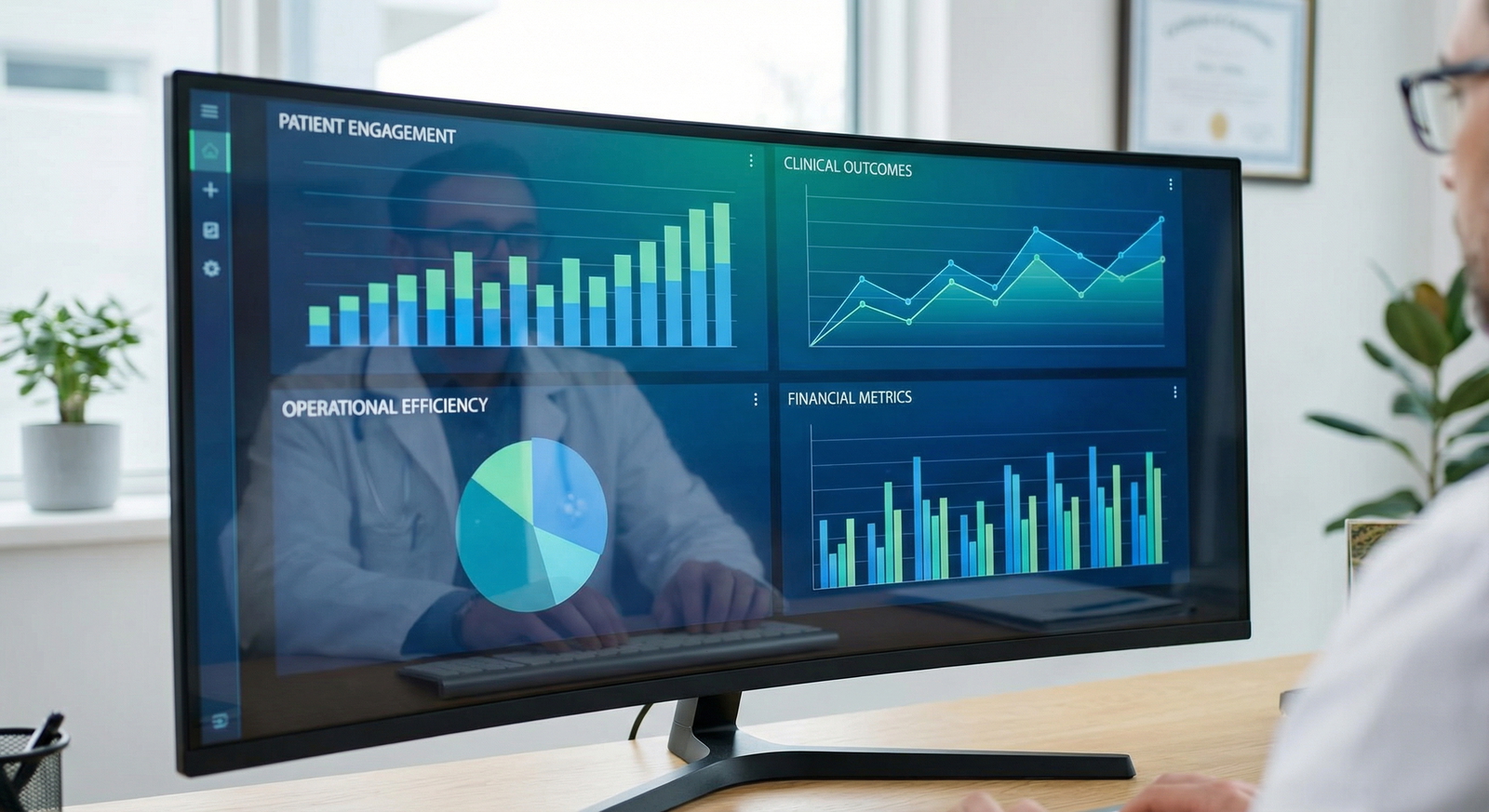
- Interpret metrics generated by digital platforms (utilization, quality, engagement)
- Support organizational strategies in value-based care using digital tools
Physicians who can move comfortably between the exam room and a product roadmap meeting, or between a tumor board and a data science huddle, will be positioned for impactful roles in health systems, payers, and MEDICAL_STARTUPS alike.
Digital Health Foundations: EHRs, Interoperability, and Beyond
Electronic Health Records (EHRs) remain the backbone of Digital Health. While many physicians experience EHRs primarily as a source of frustration, tech‑savvy clinicians understand how to extract clinical and strategic value from these systems.
Making the Most of Electronic Health Records
EHRs can support much more than documentation and billing. When used effectively, they facilitate:
- Clinical decision support (CDS): Integrated alerts for drug–drug interactions, guideline-based order sets, and reminders for preventive care.
- Population health management: Registries that identify patients with uncontrolled chronic disease or gaps in care.
- Quality and safety analytics: Monitoring readmissions, adverse events, and guideline adherence.
- Care coordination: Shared access across specialties, hospital–outpatient communication, and structured handoffs.
Case Study: EHRs and Patient Outcomes
A 2019 study in JAMA found that meaningful use of EHR capabilities in primary care—such as e-prescribing, problem lists, and structured documentation—was associated with fewer medication errors and improved timeliness of care. Tech‑savvy physicians in that study weren’t just using the EHR as a digital notepad; they were leveraging templates, order sets, and CDS tools to standardize and elevate care.
For a resident or early‑career physician, actionable steps include:
- Volunteering to join your institution’s EHR optimization or physician advisory group.
- Learning to customize smart phrases, order sets, and flowsheets to fit your clinical practice.
- Asking your quality or analytics team for access to basic dashboard reports about your patient panel.
These activities not only improve day‑to‑day practice but also demonstrate leadership and systems awareness to future employers.
Interoperability and Data Liquidity
A crucial frontier is interoperability—the ability of different Health IT systems to exchange and use information. Tech‑savvy physicians increasingly advocate for and help design:
- Standardized data formats (e.g., FHIR APIs)
- Seamless sharing of clinical summaries across institutions
- Integration of external data (such as wearable or home monitoring feeds) into the clinical record
This “data liquidity” is foundational for AI tools, population health programs, and multi‑institution research networks. Clinicians who understand both the clinical context and the technical constraints become invaluable implementation partners.

Telemedicine and Virtual Care: Expanding Access and Redesigning Workflows
Telemedicine has moved from a niche service to a core modality of care, a shift dramatically accelerated by the COVID‑19 pandemic. For residents entering practice now, virtual care is simply part of the standard toolkit.
How Telemedicine Is Restructuring Patient Care
Telemedicine enables:
- Access for rural and underserved communities who previously faced travel, time, or specialist shortages
- Continuity of care for patients with mobility limitations, immunosuppression, or tight work schedules
- Efficient triage and follow‑up for low‑acuity conditions, medication checks, and chronic disease management
- Multidisciplinary virtual visits, bringing together patients, families, and multiple specialists
Physicians are using platforms like Zoom for Healthcare, Doxy.me, Teladoc, Amwell, and health system–specific portals to deliver care across settings and time zones.
Practical Telemedicine Example
A tech‑savvy internist managing a large panel of heart failure and diabetes patients might:
- Set up structured telehealth follow‑ups after hospital discharge
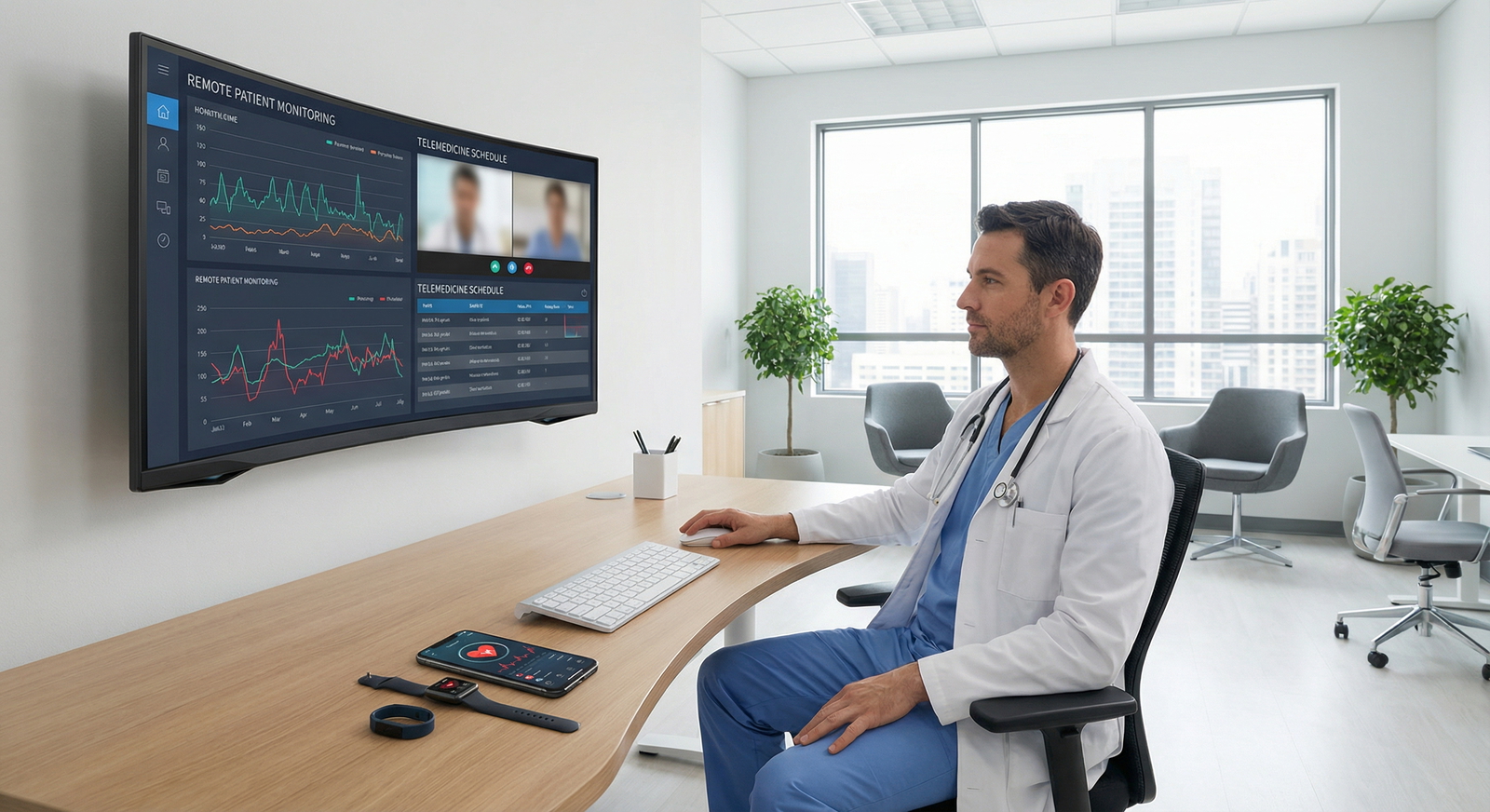
- Use remote vital sign monitoring (weight, blood pressure, glucose) integrated into the EHR
- Develop protocols with nursing and pharmacy for medication titration based on remote data
- Advocate for appropriate coding and documentation to sustain the service financially
The result: fewer avoidable admissions, better patient satisfaction, and more controlled chronic disease metrics.
Telemedicine Skills for Residents and New Attending Physicians
To be competitive and effective in the job market, residents should build concrete telemedicine competencies:
- Clinical: Performing focused virtual physical exams; knowing which complaints are appropriate for video vs. in‑person
- Technical: Navigating platforms, troubleshooting basic connectivity issues, using digital tools like e-prescribing and e-consent in visits
- Communication: Maintaining rapport and empathy via video; managing multi-party video visits effectively
- Regulatory and billing: Understanding state licensure issues, consent requirements, and documentation elements for telehealth codes
Seeking elective time in your institution’s virtual care program, or asking to participate in Telemedicine pilots, can provide experience that translates directly into post‑residency opportunities.
Artificial Intelligence in Medicine: Partner, Not Replacement
Artificial Intelligence and machine learning are changing how information is interpreted, risk is predicted, and workflows are prioritized. For physicians, the key is not learning to build algorithms, but learning how to critically evaluate, safely deploy, and ethically use AI tools.
Clinical Applications of AI and Machine Learning
Today’s AI applications in healthcare include:
- Radiology and pathology: Image classification and pattern recognition (e.g., lung nodules, diabetic retinopathy, breast lesions).
- Predictive analytics: Forecasting risk of sepsis, deterioration on wards, readmissions, or complications after surgery.
- Natural language processing (NLP): Extracting structured data from free-text notes, automating coding, drafting clinical documentation.
- Clinical decision support: Suggesting diagnoses or management options based on EHR data and guidelines.
Case Study: AI in Radiology
A 2020 Nature study reported AI systems that detected lung cancer in CT scans with accuracy comparable to experienced radiologists—and in some scenarios, even outperformed them. Importantly, the best performance often comes from human–AI collaboration, where radiologists review both the images and the AI output.
For tech‑savvy physicians, this means:
- Learning to interpret sensitivity, specificity, AUC, calibration, and bias in AI performance reports.
- Understanding when AI predictions are extrapolating beyond their training data (e.g., in different populations or settings).
- Knowing the limitations of “black box” models and when explainability matters for patient trust or regulatory approval.
AI in Day‑to‑Day Clinical Practice
Many clinicians already use AI without labeling it as such: triage scores, risk stratification dashboards, and automated ECG interpretations. As newer tools enter the market:
- Residents can pilot AI decision support in sepsis or DVT prophylaxis pathways.
- Primary care physicians can use risk prediction models to identify patients who need outreach.
- Surgeons can use predictive analytics to adjust perioperative management based on individualized risk.
Being conversant in AI allows you to participate in vendor selection, implementation, and evaluation—activities increasingly central to leadership roles in large organizations and MEDICAL_STARTUPS alike.
Wearables, Remote Monitoring, and the Quantified Patient
Wearable technology and connected devices have moved from consumer fitness tools to clinically meaningful sources of continuous, real‑world data.
Clinical Uses of Wearable and Remote Monitoring Technologies
Examples include:
- Cardiology: Continuous rhythm monitoring via patches or smartwatches to detect atrial fibrillation; remote ICD and pacemaker monitoring.
- Endocrinology: Continuous glucose monitors (CGMs) informing real‑time insulin adjustments and pattern recognition.
- Pulmonology: Home spirometers and pulse oximeters to monitor COPD or interstitial lung disease.
- Sleep medicine: Home sleep testing devices and sleep trackers feeding into virtual consults.
Example: Remote Patient Monitoring in Chronic Disease
A tech‑forward primary care clinic might enroll high‑risk hypertension patients in a remote monitoring program. Patients receive Bluetooth‑enabled blood pressure cuffs that automatically upload readings to the clinic’s platform. Algorithms flag dangerous trends; nurses or pharmacists adjust medications according to protocols; physicians intervene for complex decisions.
Outcomes can include fewer hypertensive emergencies, improved blood pressure control rates, and higher patient engagement. For residents, participating in such programs teaches:
- How to interpret longitudinal home data alongside clinic readings
- How to design escalation protocols and define “actionable” thresholds
- How to avoid alert fatigue by setting meaningful parameters
Integrating Patient‑Generated Data into Clinical Workflows
The challenge is not just collecting data, but integrating it into care without overwhelming clinicians. Tech‑savvy physicians help:
- Define which metrics truly change management
- Co‑design dashboards that present trends, not raw data overload
- Create team‑based workflows, where nurses or care coordinators handle first‑line review
- Advocate for reimbursement models that support remote monitoring and team‑based care
These are precisely the kinds of problems that attract medical entrepreneurs and Digital Health startups—an area where clinically fluent, tech‑comfortable physicians can shape product design and strategy.
Collaboration, Innovation, and Medical Startups
The future of medicine is being built at the intersection of clinical care, engineering, data science, and business. Tech‑savvy physicians increasingly work with MEDICAL_STARTUPS, innovation hubs, and corporate partners.
Hackathons, Incubators, and Co‑Creation
Medical hackathons and innovation sprints bring together:
- Physicians and residents who understand real clinical pain points
- Developers and designers who can rapidly prototype solutions
- Business experts who understand reimbursement and regulatory pathways
For example, at a Boston medical hackathon, a team created a mobile app that used real‑time vitals and symptom tracking to predict heart failure decompensation and prompt early intervention, reducing readmissions.
Participation in such events can help physicians:
- Learn the language of product design (MVP, user stories, wireframes)
- Understand regulation and reimbursement for Digital Health tools
- Build networks that lead to advisory roles, part‑time CMO positions, or co‑founder opportunities after residency
Career Paths at the Intersection of Medicine and Technology
For physicians thinking beyond traditional full‑time clinical roles, technology opens multiple pathways:
- Clinical innovation leadership (Chief Medical Information Officer, Digital Health Director)
- Medical advisor or CMO for health tech startups
- Product management or strategy roles in Digital Health companies
- Entrepreneurship, launching your own Healthcare Technology venture
- Academic innovation, leading research and implementation of AI, telemedicine, or remote monitoring
Building a portfolio that includes QI projects with a tech component, EHR optimization efforts, or pilot work with telemedicine or AI tools can significantly strengthen your candidacy for these roles.
Medical Education in the Digital Age: Preparing for a Tech‑Driven Career
Medical Education is gradually evolving to reflect the central role of technology in practice, but many curricula are still catching up. Savvy residents and students proactively fill the gaps.
How Training Programs Are Adapting
Leading institutions are adding:
- Courses in clinical informatics, data analytics, and population health
- Electives in Digital Health, telemedicine, and innovation
- Joint programs (MD/MS in Biomedical Informatics, MD/MBA with a Digital Health focus)
- Simulation labs that incorporate virtual reality, augmented reality, and AI‑driven feedback
Stanford University, for example, has integrated coursework on Healthcare Technology, coding basics, and data science into parts of its training, preparing graduates to work comfortably in highly digital environments.
What You Can Do During Training
Regardless of where you train, you can:
- Seek mentors in clinical informatics, quality improvement, or innovation centers.
- Join or start a Digital Health interest group in your residency or medical school.
- Take online courses in basic statistics, R/Python for health data, or healthcare AI fundamentals.
- Lead a QI or research project that evaluates a digital tool’s impact on workflow or outcomes.
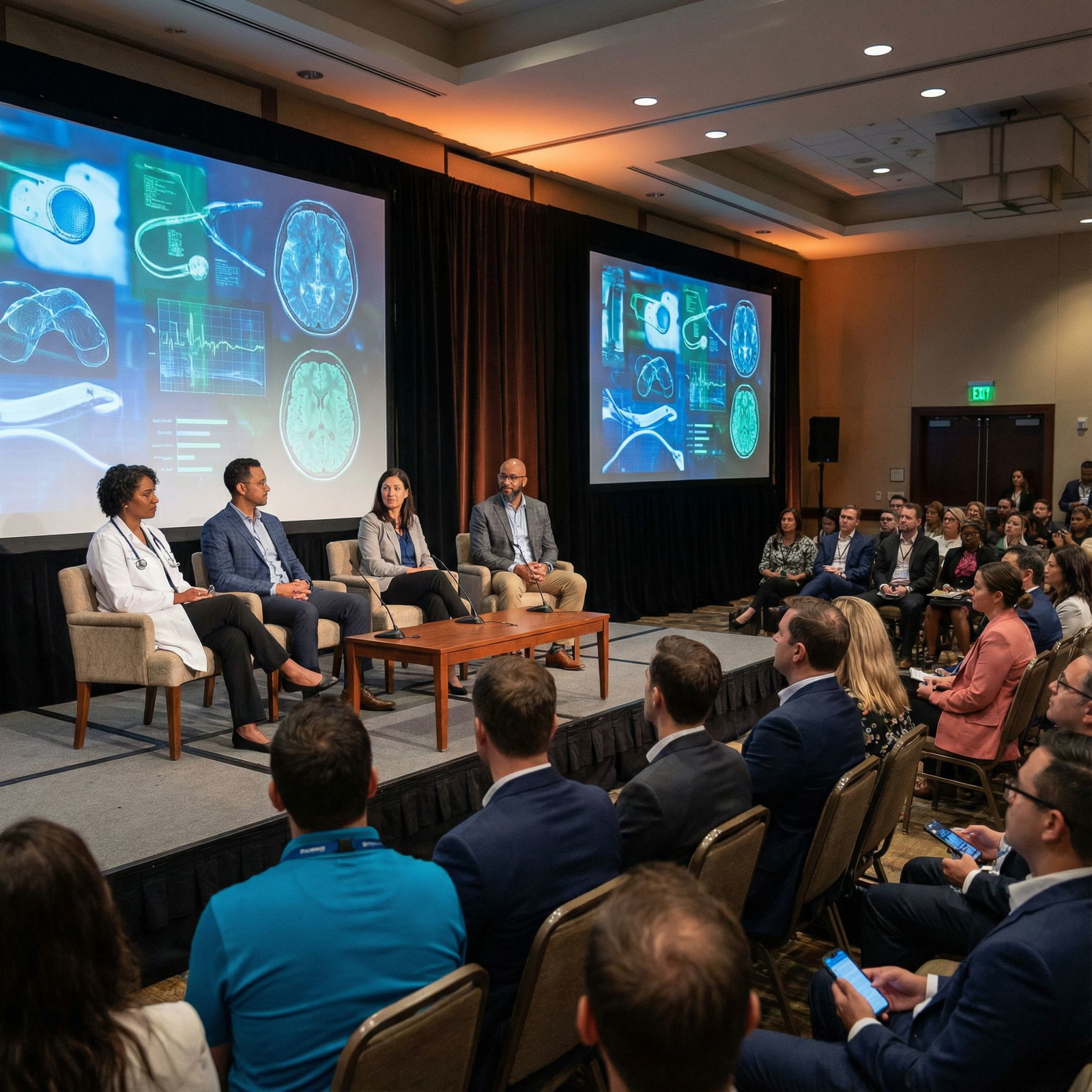
- Present at conferences on Telemedicine, AI in medicine, or digital quality initiatives.
By graduation, you can present yourself not only as a competent clinician, but as someone ready to shape your institution’s Digital Health strategy.
Challenges, Ethics, and the Responsible Use of Technology
Despite its promise, Healthcare Technology introduces real challenges. Tech‑savvy physicians must also be tech‑critical physicians, advocating for responsible, equitable, and ethical implementation.
Data Privacy, Security, and Trust
The more data is collected and shared, the greater the risk of:
- Data breaches and ransomware attacks
- Misuse of sensitive information (e.g., for discrimination in employment or insurance)
- Loss of patient trust if systems are not transparent and secure
Physicians need to understand the basics of:
- HIPAA and related privacy regulations
- Informed consent for digital tools and remote monitoring
- How to communicate risks and benefits of data collection to patients
Algorithmic Bias and Health Equity
AI systems can perpetuate or amplify bias if trained on non‑representative data or if objective functions ignore equity considerations. For example, algorithms that underestimate disease severity in certain racial or socioeconomic groups can worsen disparities.
Tech‑savvy physicians can:
- Ask critical questions about training data composition and validation in diverse populations.
- Advocate for equity‑oriented metrics in evaluating digital tools.
- Participate in governance committees that oversee AI deployment.
Training, Support, and Burnout
New tools often arrive without adequate training or workflow redesign, increasing cognitive load and documentation burden. To avoid exacerbating burnout, physicians should:
- Demand user‑centered design and robust pilots before system‑wide rollouts.
- Advocate for training time and technical support as part of implementation.
- Help identify automation opportunities that genuinely reduce low‑value tasks.
A core insight: technology is not inherently good or bad. Its impact depends on clinical relevance, design quality, and organizational culture. Physician leadership is essential in each of these domains.
FAQs: Tech‑Savvy Physicians, Digital Health, and Your Career
1. What role do tech‑savvy physicians play in advancing Healthcare Technology?
Tech‑savvy physicians do far more than “use” technology. They:
- Identify real clinical problems that technology can address
- Help design, test, and refine Digital Health solutions with engineers and product teams
- Lead implementation of EHR enhancements, telemedicine programs, AI tools, and remote monitoring pathways
- Evaluate impact on patient outcomes, workflow, and equity
- Advocate for ethical and evidence‑based use of emerging tools
In health systems and MEDICAL_STARTUPS alike, such physicians are central to turning promising technologies into safe, effective, and scalable solutions.
2. How has Telemedicine changed patient care and physician practice?
Telemedicine has:
- Increased access for rural, homebound, and busy patients
- Enabled new care models (e.g., hospital‑at‑home, virtual chronic care management)
- Altered physician schedules and workflows, with mixed in‑person and virtual sessions
- Shifted some aspects of the physical exam and communication style
For physicians, it creates opportunities to design virtual‑first clinics, integrate remote monitoring, and reach broader populations—but also requires new skills in digital communication, virtual exam techniques, and telehealth regulations.
3. What are the most important impacts of Artificial Intelligence on clinical practice?
AI’s most important contributions include:
- Improving diagnostic support (especially in imaging, pathology, and risk prediction)
- Prioritizing worklists and identifying high‑risk patients for proactive outreach
- Reducing administrative burden through automated documentation and coding assistance
- Enabling population health and precision medicine approaches via large‑scale data analysis
However, AI must be implemented carefully to avoid overreliance, bias, and safety issues. Physicians remain responsible for clinical judgment, contextualization, and communicating decisions to patients.
4. What challenges do tech‑savvy physicians face when integrating new technologies?
Common challenges include:
- Resistance to change from colleagues or leadership
- Inadequate training and support during implementation
- Alert fatigue, workflow disruption, and increased cognitive load
- Data privacy and cybersecurity concerns
- Navigating complex vendor ecosystems and regulatory requirements
Addressing these challenges requires strong change‑management skills, interdisciplinary collaboration, and a commitment to user‑centered, evidence‑based implementation.
5. How is Medical Education adapting to prepare future physicians for a digital health environment?
Medical Education is beginning to:
- Incorporate coursework in informatics, data science, and Healthcare Technology
- Offer electives in Telemedicine, AI, and innovation
- Create dual‑degree pathways (e.g., MD/MS in Informatics, MD/MBA)
- Integrate digital tools—simulation, virtual reality, decision support—into training
Residents can accelerate their readiness by seeking mentors in Digital Health, participating in QI and tech‑focused projects, attending health tech conferences, and taking online courses to build foundational data and AI literacy.
By embracing Digital Health, Telemedicine, Artificial Intelligence, and wearable technology—not as add‑ons but as core components of modern practice—tech‑savvy physicians are rewriting what it means to be a clinician. For those approaching the post‑residency and job market phase, building these skills now is not optional; it is one of the most effective ways to shape your career, improve patient outcomes, and contribute meaningfully to the future of medicine.