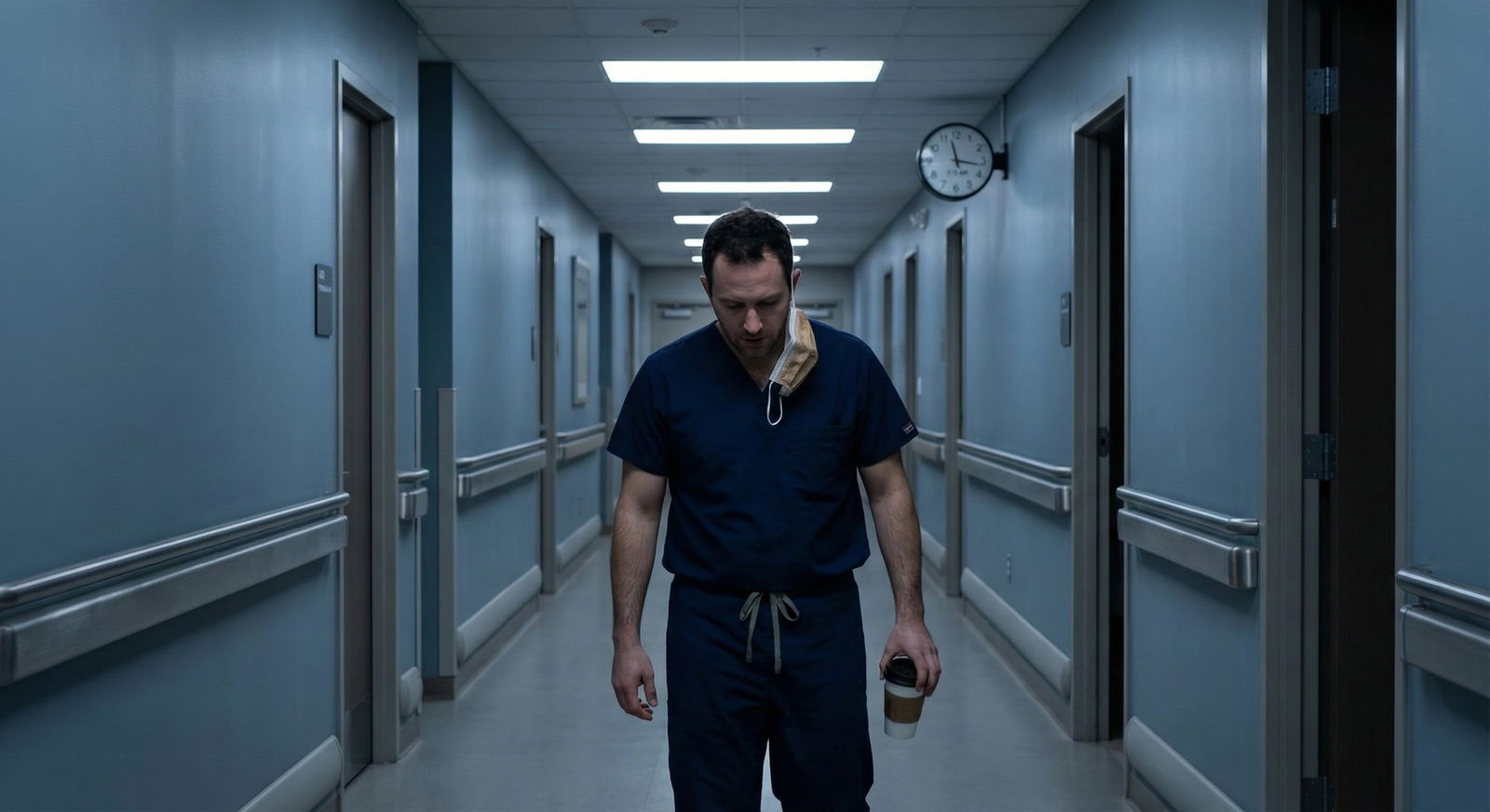
Resident attrition is almost never “just a personality problem.” When a program keeps losing trainees, that’s a systems failure until proven otherwise.
I’ve heard the same lazy line from program leadership too many times:
“Oh, they just weren’t a good fit.”
“They had some personal stuff going on.”
“Not everyone is cut out for this specialty.”
That’s how programs excuse avoidable harm. And how applicants walk straight into toxic environments they could’ve sidestepped if they’d taken attrition seriously.
If you’re a med student or an early resident, I want you to tattoo this on your brain:
A program with repeated resident departures is not “unlucky.” It’s waving a giant red flag.
Your biggest mistake is assuming it won’t affect you.
Let’s break down exactly where people go wrong, and how you can avoid being the next “personality issue” they talk about behind closed doors.
The Core Mistake: Believing the Official Story
Programs almost never say, “Our culture is toxic and we burned that resident out.”
They say:
- “They struggled with professionalism.”
- “There were concerns about their commitment.”
- “We had to uphold standards for patient safety.”
- “They had some mental health issues we tried to support.”
I’ve watched program meetings where faculty nodded along, convinced they were doing the right thing, while residents were quietly texting each other:
“They destroyed her.”
“He was fine; they just hated that he pushed back.”
“She got pregnant and suddenly she was ‘not committed.’”
The mistake you can’t afford:
Taking a single narrative from leadership at face value when the pattern says otherwise.
If one resident leaves over five years, maybe that’s personal.
If one resident every year leaves, or is “counseled out,” or “takes a leave and doesn’t come back,” that’s not individual pathology. That’s institutional behavior.
What High Attrition Usually Really Means
When multiple residents disappear from a program, here’s what is most commonly going on behind the “personality” smokescreen.
1. Abusive or unchecked faculty
You’ll hear:
- “Dr. X is old school but fair.”
- “She’s demanding, but you learn a lot.”
- “He has high expectations; some people just can’t handle it.”
Reality behind the curtain:
- Public humiliation on rounds
- Screaming in the OR
- Threats about careers and letters of recommendation
- Vindictive evals for residents who ask for help or push back
I’ve seen one attending be the primary reason for multiple resignations over just a few years, and yet leadership defended that person as “a powerhouse educator.”
If residents keep leaving and the same names come up in whispered warnings, you’re not dealing with “bad fits.” You’re dealing with tolerated abuse.
2. Unsafe workload disguised as “rigorous training”
Programs love to brag: “We’re busy. You’ll see everything.”
Translation in high-attrition places:
- Chronic violation of work-hour rules (documented or just “don’t log it” culture)
- Zero buffer when someone is out sick; everyone else just absorbs the work
- Home call that’s essentially in-house because the pager never stops
- Night float that feels like slow organ failure
Residents don’t often quit because of one bad month. They quit when there’s no end in sight and no meaningful support.
When three residents in five years “decide to pursue a different path,” chances are at least one of them was just trying to escape a constant, grinding, unsafe workload.
3. No remediation structure, only punishment
This is huge. Every human being struggles at some point in residency.
Healthy programs:
- Have a transparent remediation process
- Use mentors and coaching
- Distinguish clearly between “you need help” and “you’re unsafe”
Toxic programs:
- Use opaque “informal remediation” with vague goals
- Weaponize “professionalism” for anyone they don’t like
- Tie remediation to threats: “We can’t guarantee we’ll renew your contract”
- Make residents beg for feedback, then use that desperation against them
When multiple residents “fail to meet expectations,” that’s not multiple bad personalities. That’s a program that doesn’t know how—or doesn’t care—to develop people.
How Programs Rebrand Attrition So You Ignore It
You’ll rarely hear “We’ve had six residents quit in eight years.”
You’ll hear these sanitized, misleading phrases instead:
- “A few residents have transitioned to other fields.”
- “Some found their true passion in a different specialty.”
- “Life circumstances came up for a couple of people.”
- “We had one or two professionalism concerns, but we handled them fairly.”
Watch how the language shifts:
| What Actually Happened | How It’s Usually Described |
|---|---|
| Resident resigned mid-year | “Left for personal reasons” |
| Resident transferred programs | “Found a better specialty fit” |
| Resident was fired or non-renewed | “Due to professionalism concerns” |
| Resident burned out and left | “Needed time to focus on well-being” |
| Multiple resignations | “Occasional turnover like any program” |
If a PD tells you, “Only one resident left recently,” push gently:
- “What about the last 5–7 years?”
- “Did anyone transfer or leave for non-academic reasons?”
- “Has anyone not had their contract renewed in that timeframe?”
If they start dancing around the answers, that’s instructive.
The Big Red Flags You’re Missing When You Shrug Off Attrition
Here’s where smart people get burned:
They see one or two warning signs and say, “Every program has problems.”
Correct. But not every program bleeds residents.
When you see attrition, start looking hard for these paired red flags.
1. Residents give vague, overly polished answers
On interview day, you ask, “Have any residents left recently?”
Watch for:
- “Yeah, a couple, but they weren’t really into the specialty.”
- “They had some personal stuff going on; the program was very supportive.”
- “There was one situation, but it was more of a professionalism thing.”
If every answer feels like it’s been rehearsed, or they look at each other before answering, that’s not loyalty. That’s fear.
A resident who can’t even hint at problems in private—outside the earshot of leadership—is not in a psychologically safe environment.
2. Faculty change the subject when you ask about wellness
You ask about burnout, mental health, time off. They respond with:
- “We have a wellness committee.”
- “We do pizza nights.”
- “Statistically, our duty hour violations are low.”
They give you features, not outcomes. No one says:
- “People actually use their sick days with no retaliation.”
- “We’ve had residents go on leave and come back successfully.”
Where there’s high attrition, wellness is almost always theater.
3. PGY-3s and PGY-4s look exhausted and oddly detached
Big mistake: only talking to the interns. Interns often still have hope because they don’t yet know what’s “normal.”
Pay attention to senior residents:
- Do they talk about the program with any genuine pride?
- Are they sending out ERAS applications for fellowships—or for lateral transfers?
- Do they say things like, “Just get through it,” or “You’ll survive”?
In high-attrition programs, upper-levels often look like survivors, not mentors.
How to Actually Investigate Attrition (Instead of Accepting Excuses)
Most applicants do a terrible job here. They ask once, hear a sugar-coated answer, and move on. Don’t do that.
Here’s a more ruthless approach.
Step 1: Get specific, not general
Bad question:
“Do you have much attrition?”
Better questions:
“How many residents in the last 7–10 years have:
- resigned mid-year,
- transferred to another program, or
- not had their contract renewed?”
“How many residents have taken medical or personal leave and then successfully returned to training?”
Watch for numbers. Vague answers = problem.
Step 2: Separate “fit” from pattern
If they say, “We had one resident leave for performance issues,” follow-up:
- “How did you support them before that decision?”
- “Do you have a formal remediation pathway?”
- “Has that happened more than once in the past several years?”
If performance problems are a pattern, that’s not about them. That’s about how the program teaches, supervises, and documents.
Step 3: Talk to ex-residents if you can
Yes, this feels uncomfortable. Do it anyway.
- Check LinkedIn for residents listed in older program rosters who aren’t there now.
- Ask current residents quietly: “Has anyone left who you’re still in touch with?”
- Reach out with a simple message:
“Hi, I’m applying/interviewing at [Program]. I noticed you’re no longer there. Would you be open to sharing your experience—good or bad—in confidence?”
You’re not asking for gossip. You’re collecting survival data.
If multiple ex-residents separately say “culture issue,” “unsafe workload,” or “no support when I struggled,” you’ve got enough to walk away.
The Psychological Trap: “I’m Different. I’ll Be Fine.”
This is where very capable people sabotage themselves.
You see attrition. You hear some diplomatic answers. You think:
- “Those residents probably weren’t as tough.”
- “I’ve worked in rough hospitals before; I can handle it.”
- “I’m so committed to this specialty I’ll push through anything.”
- “I need this location; I’ll just adapt.”
I’ve watched star med students walk into clearly troubled programs because they thought their work ethic or resilience would protect them.
Guess what? Toxic systems don’t care how “strong” you are.
The worse the system, the more it chews up the best people—because those are the ones who try the hardest to fix it from within.
You’re not special enough to override a broken culture.
That’s not an insult. That’s just how systems work.
Why “Personality Issues” Is Such a Convenient Lie
Calling it “personality” lets everyone off the hook:
- The program doesn’t have to examine its culture.
- Faculty don’t have to rethink their teaching or behavior.
- Other residents can pretend it won’t happen to them.
- Applicants feel reassured enough to rank the program.
It also silences the departed resident.
If they speak up, their account is dismissed as “bitter” or “not objective.”
Here’s what you need to remember:
Residents almost never blow up their own careers lightly.
If they transferred, resigned, or got pushed out, something substantial drove it.
Not always injustice. But often far from the clean “personality” narrative you’ll hear.
Distinguishing a Tough but Healthy Program from a Toxic One
Some programs are intense and demanding but don’t have pathological attrition. The trick is figuring out which is which.
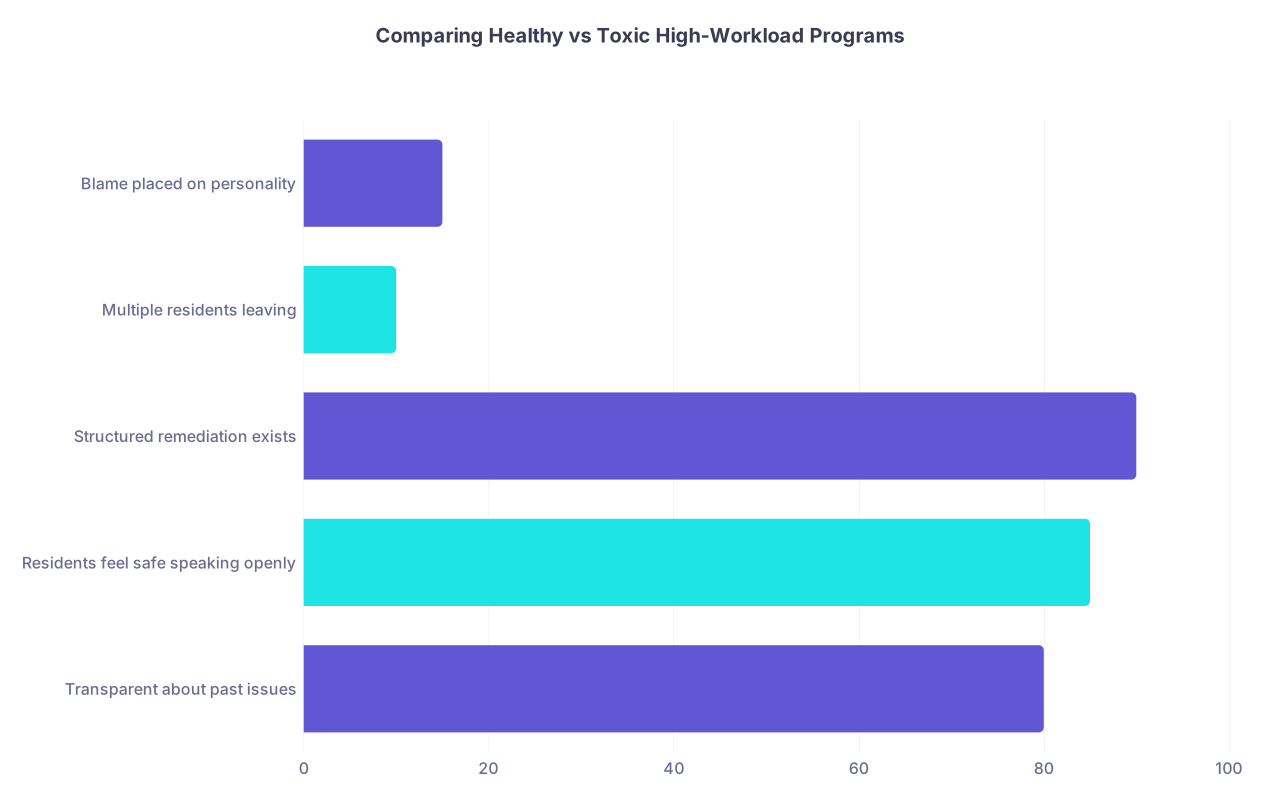
| Category | Value |
|---|---|
| Transparent about past issues | 80 |
| Residents feel safe speaking openly | 85 |
| Structured remediation exists | 90 |
| Multiple residents leaving | 10 |
| Blame placed on personality | 15 |
That’s your mental contrast. Healthy, high-workload programs:
- Are brutally honest about past problems and what they changed
- Have very few residents who actually leave, even if they complain a lot
- Can describe real examples of residents who struggled and improved
- Are willing to name systems issues honestly when talking about stressful rotations
Toxic high-workload programs:
- Minimize or obscure attrition numbers
- Blame the departed every time
- Have residents who speak in code (“It’s… intense”) but won’t elaborate
- Use “professionalism” as a catch-all for anything they don’t like
You want hard but fair. Not “hard and disposable.”
Subtle Signals on Interview Day That Point to Attrition Risk
You won’t get this from brochures. You see it in the cracks.
Watch for these tells:
Roster weirdness
The website shows a PGY-2 and PGY-4, but PGY-3 is missing.
Or PGY-1 class is smaller than advertised.Residents dodge questions about call
They laugh, change the subject, or give wildly different answers.
That lack of consistency is not a good sign.Everyone jokes about survival
“You’ll cry but you’ll be stronger.”
“We call it character building.”
Constant “we suffer together” humor usually means they’re not joking.Faculty dominate resident conversations during interview day
In secure, healthy programs, residents are allowed to talk frankly among themselves with you. When leadership hovers constantly, that’s control, not support.
The Hidden Future Cost of Ignoring Attrition
You’re not just risking a miserable three years. You’re risking:
- Having to repeat a year if you transfer
- Being labeled as “trouble” in letters
- Delayed graduation and delayed attending salary
- Developing anxiety, depression, or PTSD that follows you for years
- Losing your love for a specialty you once cared deeply about
I’ve known people who loved, truly loved, a field—OB, surgery, EM—who left it permanently because their program, not the work, broke them.
Do not underestimate what a bad program can do to you.
You only get one residency shot in that specialty. Don’t waste it on a place already known for losing residents and blaming their personalities.
How to Protect Yourself Before You Rank
You can’t control where you match, but you can control how blind you are going into it.
At minimum, do these:
Make a short list of programs you’re uneasy about.
Specifically flag any where:- You noticed missing residents by PGY year
- People gave vague answers about past trainees
- You heard even one story of someone “just disappearing”
Send one email to a current or recent grad at each of those programs.
Ask:- “If your best friend were ranking this program, what would you tell them honestly?”
- “Did anyone leave during your time there? Why?”
Be willing to drop a higher-prestige name lower on your list
if you hear consistent stories of:- Residents leaving mid-training
- Being pushed out with “professionalism” labels
- No support when people hit normal, human limits
Prestige will not hold your hand when you’re crying in the call room at 3 a.m. wondering how you’re going to get through the year.
The residents who’ve already left tried to warn someone. Pay attention.
Open your rank list—or, if you’re earlier, your target program list—right now and put a star next to every place where any resident has “mysteriously” left in the last few years. Your next step today: for one of those programs, track down a former resident and ask what really happened.