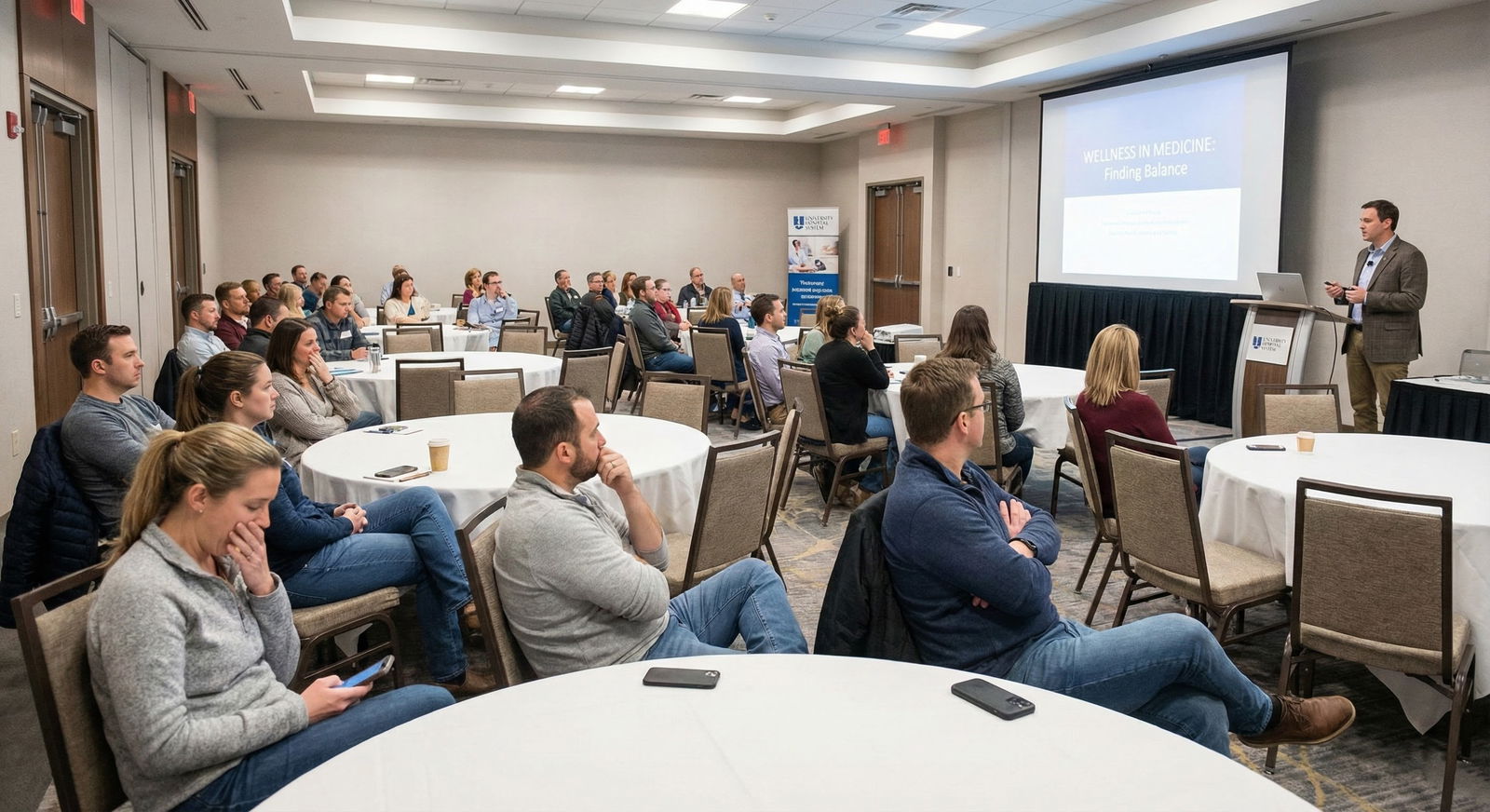
The glossy “wellness” flyer on the wall is not your friend if the culture behind it is rotten.
Residents keep missing this. Programs talk a big game about wellness, throw pizza at you on Fridays, hand out yoga mats once a year, and everyone nods like progress is happening. Meanwhile, the call rooms are unsafe, the schedule is abusive, and anyone who asks for a mental health day gets quietly punished.
That disconnect—between what they say and what they actually do—is wellness tokenism. And if you ignore it on the interview trail or as a current resident, you are walking straight into a culture that will grind you down and blame you for breaking.
Let me walk you through the small signs that scream “big problem” if you know how to read them.
What Wellness Tokenism Really Looks Like
Wellness tokenism is when a program performs wellness instead of practicing it.
They slap “resident wellness” on the website, maybe create a “Wellness Committee,” but the lived experience is unchanged: relentless workloads, fear-based feedback, retaliation for asking for help, and zero real power in resident hands.
Common patterns I have seen:
- A monthly “wellness lunch” you are too busy to attend.
- Wellness “resources” buried in a PDF nobody reads.
- Grand rounds on burnout… scheduled after a 28‑hour call.
- Leadership “wants feedback” but never changes the schedule or staffing.
The mistake residents make is judging wellness by the brochure, not by the behavior. You cannot afford that mistake. Not with the current burnout, depression, and suicide rates in medicine.
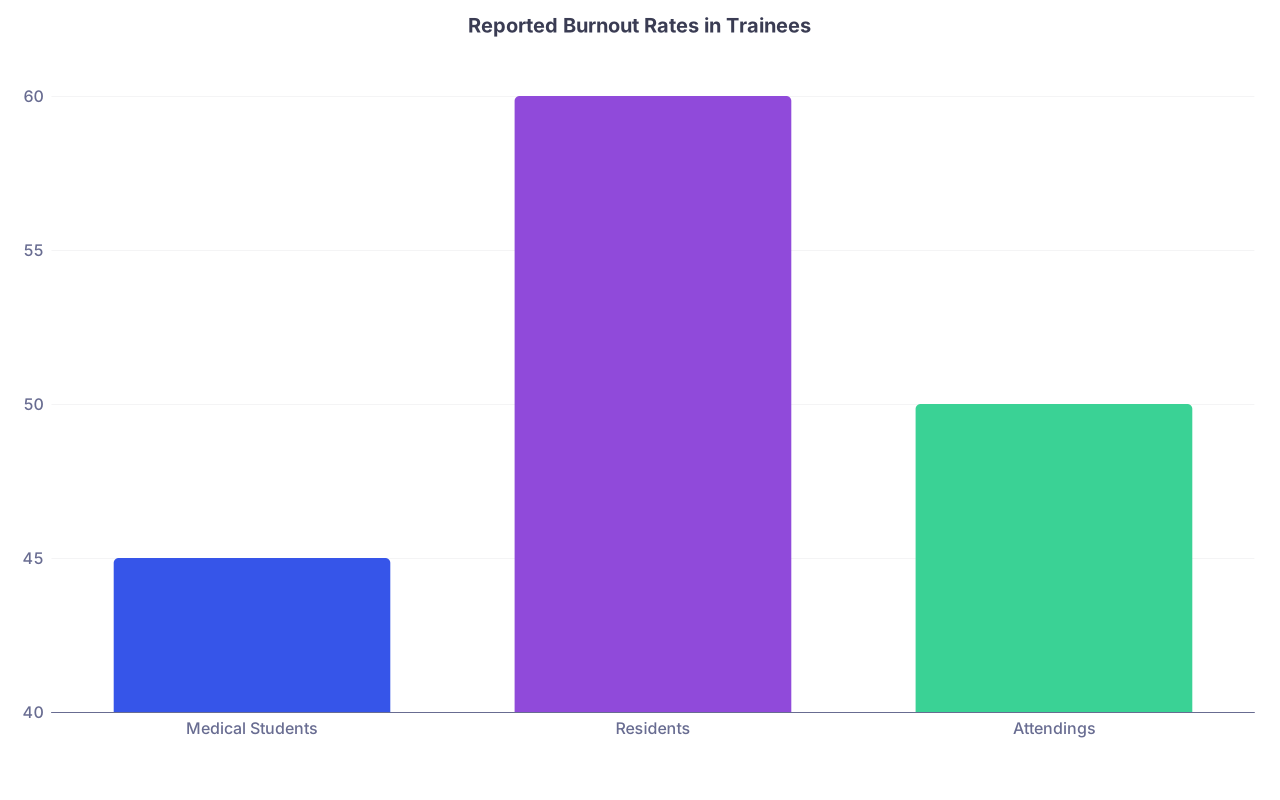
| Category | Value |
|---|---|
| Medical Students | 45 |
| Residents | 60 |
| Attendings | 50 |
Those numbers are not abstract. They are the intern crying in the stairwell at 2 a.m. They are the senior who stops speaking up because “nothing changes anyway.” Wellness tokenism keeps those numbers high while pretending to care.
Red Flag #1: Wellness Events You Cannot Actually Attend
If you remember only one thing: any wellness initiative that is consistently inaccessible to frontline residents is a prop.
Pay close attention to when and how wellness activities occur. That tells you exactly where you rank in the program’s priorities.
Classic tells:
- “We have wellness lunches monthly.” Residents say: “We never get to go because we are slammed on the wards.”
- “We have a resident retreat every year!” In reality: PGY‑2s on ICU or night float “cannot be spared.”
- “We protect your time for therapy.” Except clinic “needs you” and you are asked to reschedule indefinitely.
I have seen programs proudly show interviewees photos from a “residency retreat” where half the class was missing because the service could not be covered. That is not wellness. That is optics.
Ask direct questions. Then watch how residents answer in the room.
Questions you must ask:
- “Are wellness activities protected by schedule or only ‘encouraged’?”
- “Do residents on ICU, nights, and busy rotations actually get to attend?”
- “When your schedule conflicts with wellness time, what wins?”
If you hear: “We try, but the service is too busy sometimes,” understand what that means: patient care and billing always win, your well-being does not. A program that is serious about wellness will do the hard, expensive thing—bring in moonlighters, adjust census caps, or temporarily lighten clinics—so you can attend.
If their wellness strategy depends on you miraculously not being busy on an inpatient service, it is fake.
Red Flag #2: The Wellness Champion Who Has No Power
Programs love to introduce you to their “Wellness Champion” or “Director of Resident Well-Being.” Sounds impressive. Often it is not.
Here is the trap: titles without power.
I have seen this play out repeatedly:
- The wellness lead is a genuinely kind attending. They run a few workshops, send emails with mindfulness apps, maybe bring snacks.
- But they do not control:
- Call schedules
- Service staffing
- Evaluation policies
- Vacation approvals
- Clinical workload expectations
So what happens? You still do 28‑hour call Q4, still get publicly shamed in conference, still need three signatures to see a therapist. But hey—there was a resilience talk last week.
On interview day, do not just ask who the wellness person is. Ask what they actually control.
Sharper questions:
- “Who decides the call schedule—the chief residents, the PD, or GME?”
- “Has the wellness lead ever successfully changed a rotation, schedule, or policy based on resident feedback?”
- “Can you give me a concrete example of a wellness concern that resulted in a change within 3–6 months?”
If everybody talks vaguely about “starting conversations” and “raising awareness” but no one can name a single concrete improvement (capped census, reduced call frequency, protected half-days, changed evaluation process), you are looking at decor, not leadership.
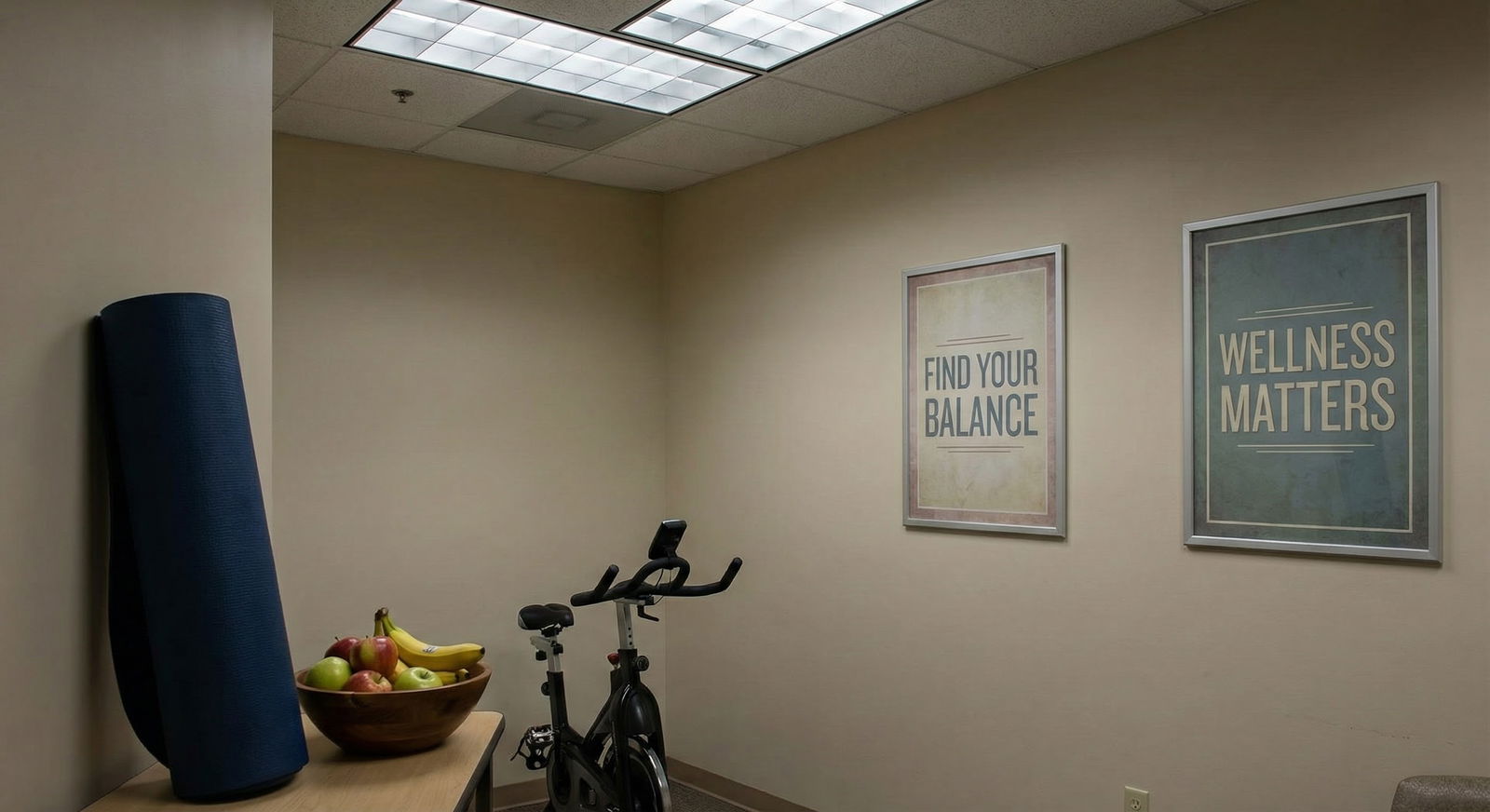
Red Flag #3: Mental Health Support That Punishes You Quietly
The most dangerous wellness red flag is subtle: programs that say “we support mental health” while informally punishing anyone who uses it.
You will not see this on a website. You will see it in whispered stories.
Patterns that should make you step back:
Residents discouraged from taking leave: “Are you sure you want this on your record?”
People who took time for depression/anxiety mysteriously get:
- Fewer leadership opportunities
- Delayed graduation with no clear rationale
- Comments in evaluations about “reliability” or “commitment”
Therapy technically “available,” but no:
- Protected time
- Clear confidentiality boundaries
- Reassurance about licensing/credentialing impact
When you ask about mental health, do not ask, “Do you have counseling?” They all do. The question is whether using it costs you.
Better questions:
- “Do residents have protected time to attend recurring therapy or medical appointments?”
- “If someone needs leave for mental health, who knows, and how is that documented?”
- “Have any residents taken medical or parental leave and still held chief or fellowship leadership roles?”
Watch for hesitation, glances between residents, or answers that shift to generic ACGME language. That means the real answer is ugly.
Here is the hard truth: a program that quietly stigmatizes mental health care will let you drown, then act shocked when something catastrophic happens. Do not join a place that treats your brain like an inconvenience.
Red Flag #4: All Talk, No Data, No Follow-Through
Mature programs treat wellness like any other serious quality issue: they track it, trend it, respond to it, and close the loop. Token programs send surveys and file the results in a shared drive.
Here is the line in the sand: if a program cannot show you what they did with resident feedback in the last 1–2 years, their wellness work is cosmetic.
Look for:
Regular, anonymous wellness or climate surveys—plus:
- Transparent sharing of key results with residents
- Concrete action items
- Timelines and responsible people
Examples like:
- “Survey showed clinic was unsafe → we added an extra attending and lowered patient caps.”
- “Residents rated step-up ICU nights as unmanageable → we added an NP or second resident.”
- “Sleep rooms felt unsafe → we upgraded locks and lighting within three months.”
If what you hear instead is “We are working on it” and “We value your feedback” with no specifics, you are being sold a story.
This is where you can press a bit:
- “Can you give 2–3 examples of specific changes in the last year based on resident feedback?”
- “How do residents find out what was done with survey results?”
- “What happens if the same issue shows up on surveys year after year?”
A pattern of chronic unresolved issues—same complaints, different year—is not just poor organization. It is contempt dressed as concern.
Red Flag #5: Culture That Blames Individuals Instead of Systems
Wellness tokenism always leans hard into “resilience” and “mindset” while dodging schedule, staffing, and leadership accountability.
Watch for language like:
- “We focus on resilience training.”
- “We teach strategies to handle stress.”
- “We emphasize personal responsibility for well-being.”
None of that is wrong, but when it stands alone, it is a red flag. It is easier to host a mindfulness session than to admit your call schedule is illegal or your patient caps are unsafe.
Real wellness work looks grubby and operational:
- Adjusting rotations
- Fixing toxic attendings
- Firing abusive staff
- Increasing staffing or lowering caps
- Building real coverage for vacations and leave
Programs that only offer yoga and “burnout talks” are telling you the quiet part: the system will not change, so you must break differently.
| Feature | Token Wellness Talk | Real Wellness Action |
|---|---|---|
| Main focus | Mindset, resilience | Workload, staffing, policies |
| Time of day | After hours, post-call | Protected, during workday |
| Required changes | Resident behavior | Program leadership decisions |
| Cost to institution | Minimal | Real financial/time investment |
| Impact on schedule | None | Caps, shifts, or coverage change |
If you hear about extensive resilience training but nobody can tell you the last time a rotation was fixed or a toxic attending was removed, assume you will be blamed for burning out.
Red Flag #6: “We Are Like a Family Here”
The “we are a family” line sounds comforting on interview day. It often is not.
Here is how “family” language can hide wellness problems:
- Boundaries get blurred. You are expected to “pitch in” constantly, stay late “for the team,” and feel guilty for saying no.
- Favoritism thrives. Some residents are “family,” others are expendable.
- Serious issues (harassment, bullying, unsafe conditions) get handled informally or minimized: “That is just how he is.”
If a program sells “we are a family” while also:
- Lacking clear policies for:
- Duty hours
- Harassment
- Retaliation
- Reporting unsafe situations
you should hear a siren.
You are not looking for a family. You are looking for a workplace with:
- Professional boundaries
- Transparent policies
- Predictable consequences for bad behavior
- Actual enforcement
Ask residents privately:
- “When someone reports a problem, what usually happens?”
- “Have residents ever felt retaliated against for speaking up?”
- “Do you feel safe giving honest feedback about attendings or rotations?”
If they drop their eyes, lower their voice, or say, “We can talk later off site,” they have already told you the answer.

| Step | Description |
|---|---|
| Step 1 | Resident Distress |
| Step 2 | Peer support |
| Step 3 | Program leadership |
| Step 4 | Improved wellness |
| Step 5 | Burnout or exit |
| Step 6 | Informal support enough |
| Step 7 | Real change or retaliation |
A healthy program makes the D → F path real. A toxic one takes you to G and calls it professionalism.
Red Flag #7: Future-of-Medicine Talk With Present-Day Hypocrisy
Here is a newer twist: programs that brand themselves as “innovative,” “future-focused,” or “leaders in physician well-being,” while their day-to-day culture still runs on fear, hierarchy, and exhaustion.
You will see:
- DEI statements, wellness mission statements, anti-burnout language.
- Grand rounds on “the future of humane training.”
- Faculty on national panels about resilience and burnout.
Yet residents whisper:
- “We still chart at home every night.”
- “We do not feel safe calling in sick.”
- “Everyone is afraid of that one attending but nothing ever changes.”
When a program’s external reputation on wellness and the internal resident experience do not match, that is not an accident. That is brand management.
Compare what leadership says to what residents live.
You can even be explicit:
- “I see you have a strong wellness brand publicly. Do residents feel that inside the program? Can you each share something concrete that changed your day-to-day life because of this focus?”
If answers are vague, repetitious (“we really care”), or oddly rehearsed, you are hearing marketing, not medicine.
How To Protect Yourself: Concrete Moves
You cannot fix systemic wellness problems alone, but you can avoid walking blindfolded into the worst ones.
During interviews and away rotations:
Ask residents questions leadership will not volunteer:
- “If you had a really bad month emotionally, what would you actually do? Who would you tell? What would happen next?”
- “What are the top 2–3 things residents complain about year after year?”
- “Has anyone ever regretted raising a wellness or mistreatment concern?”
Look for alignment between:
- Website claims
- PD/leadership statements
- Resident stories
Misalignment is the red flag, not any single bad day.
Pay attention to how they handle sick calls:
- “Can you call in post-call if unsafe to drive?”
- “Do people call in sick without drama?”
- “Is there a backup system, or do they shame you for creating extra work?”
Read the room, not just the slides:
- Resident body language when PD talks.
- Jokes residents make about “wellness” (sarcasm says a lot).
- How they talk about the few people who struggled.
And if you are already in a program with wellness tokenism, your move is to stop internalizing it. Their failure to support you is not a moral failing on your part. Document issues, use formal channels when you can, seek support outside the program, and be strategic about when to fight and when to plan your exit.
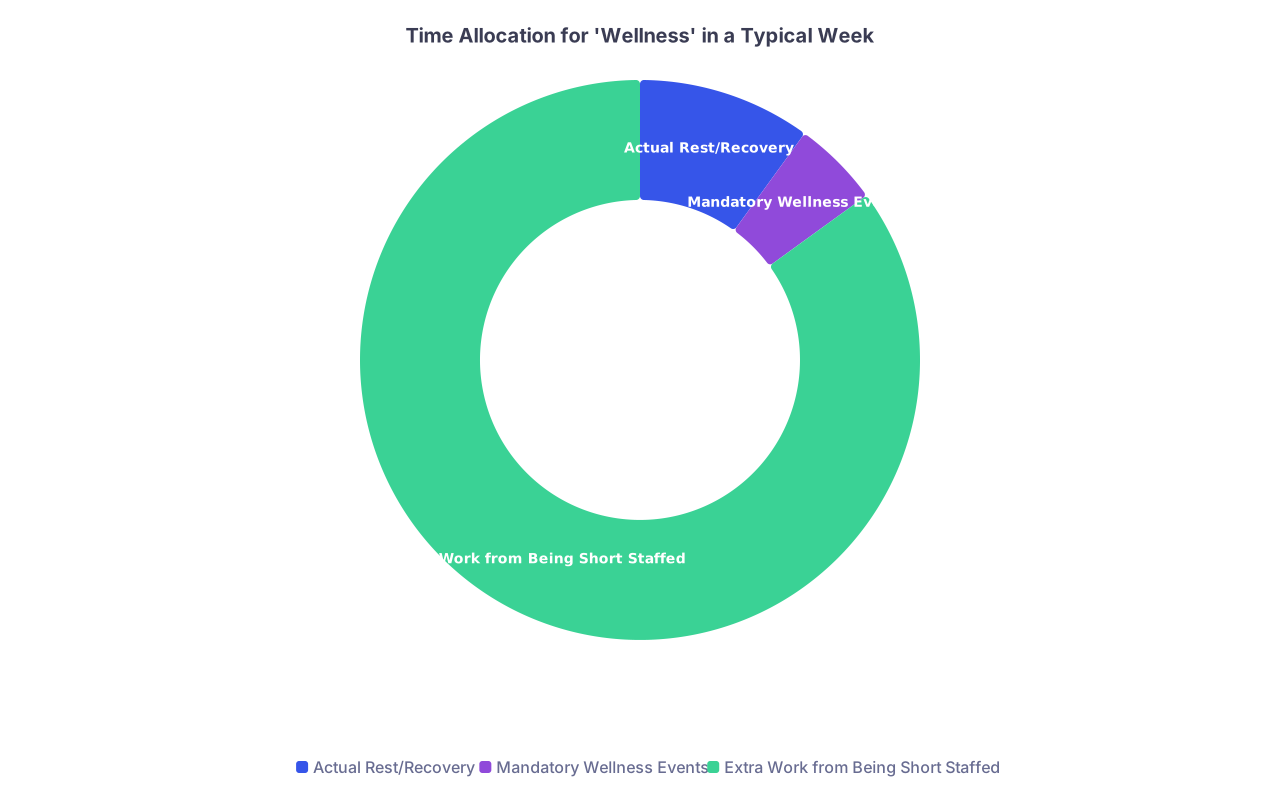
| Category | Value |
|---|---|
| Actual Rest/Recovery | 10 |
| Mandatory Wellness Events | 5 |
| Extra Work from Being Short Staffed | 85 |
If your week feels like that chart, the problem is not a lack of gratitude or resilience. It is the system.
FAQs
1. Is any wellness effort better than nothing, or is tokenism always bad?
Token gestures can be a start if they are clearly step one in a longer process that changes schedules, staffing, and policies. The problem is when leadership stops there and calls the job done. Yoga plus unsafe call schedules is not “better than nothing.” It creates gaslighting: you feel worse because the message is “help is here” while nothing meaningful improves.
2. How do I tell if residents are being honest on interview day?
Watch for nonverbal cues and inconsistencies. If one resident hints at workload being rough and another instantly jumps in with a polished reassurance, that is rehearsed. Ask to speak with a resident one-on-one or in a smaller, unmoderated group. Ask specific questions (“How many days off did you actually get last month?”) rather than “Are you happy here?”
3. What if the program is perfect on paper but something feels off?
Trust the unease. Usually it means the tone, micro-interactions, or resident energy are contradicting the sales pitch. Ask yourself: Would I feel safe asking for help here? If the answer is no and you cannot pinpoint why, that alone is enough to move the program down your rank list. You will not discover a secret healthy culture after matching. It only gets more honest, not better.
4. Are new wellness committees or initiatives a good sign or just branding?
They are neutral until proven otherwise. A new committee tied to actual authority and budget—able to change call schedules, modify rotations, or address toxic behavior—is a good sign. A committee that only plans events and sends newsletters is theater. Ask what has changed already and what is scheduled to change in the next 6–12 months, with specifics.
5. How much should wellness factor into my rank list versus reputation or fellowship match rates?
More than most people admit. A prestigious name will not carry you through three years of chronic sleep deprivation, fear, and isolation. Programs with better cultures often produce stronger letters, better learning, and fewer career-derailing crises. You are building a 30–40 year career. Sacrificing your mental health for marginal brand value is a bad trade.
Key points to keep straight: wellness tokenism is not harmless, accessibility and follow-through matter more than posters and pizza, and any culture that punishes vulnerability is not one you owe your life to.