
The fantasy of the “no call” job is one of the most persistent lies in modern medicine.
You hear it in resident lounges, on Reddit, in whispered hallway consults: “I just want something with no call.” As if you’ve discovered a cheat code. As if “no call” automatically means sane hours, emotional safety, and total control of your life.
Reality is a lot messier. And a lot less magical.
Let me be blunt: every “no call” job has a tradeoff. If you are not paying the price at 2 a.m. with a pager, you are paying it somewhere else—income, autonomy, pace, emotional load, job security, or the kind of work you get to do. Sometimes more than one of those at once.
What “Call” Actually Is (And Why You Can’t Just Delete It)
Residents talk about call like it’s a binary switch: call vs no call. That’s not how hospitals, clinics, or patient needs work.
Call is just one way a system distributes unavoidable work across time. Get rid of one mechanism and another quietly appears.

| Step | Description |
|---|---|
| Step 1 | Acute patient needs |
| Step 2 | Overnight/weekend coverage |
| Step 3 | More daytime work |
| Step 4 | Longer clinic days |
| Step 5 | More add on cases |
| Step 6 | More inbox and messages |
| Step 7 | Formal call? |
No one eliminates “call.” They repackage it:
- Into late-running clinics and “urgent add-ons”
- Into constant EMR inbox fires and patient portal chaos
- Into stacked OR days with no breaks because someone has to cover the nights you refuse
- Into lower pay because you’re opting out of the worst hours that someone else now has to do
So whenever you see “no call” in a job description, translate it correctly: “We’ve shifted the call burden into some combination of schedule intensity, scope limitations, or compensation cuts.”
The Lifestyle Specials: What Actually Happens When You Say “No Call”
Let’s go specialty by specialty and drag this myth into the light.
Dermatology: The Classic “No Call” Poster Child
Derm is the dream cliché: no nights, minimal weekends, high pay, happy patients.
And to be fair, compared to surgery or OB, it really is a lifestyle winner. But the “no call” fantasy still has a bill.
Where do you pay?
- Incredible competitiveness on the front end. You traded call for years of being the gunner in med school.
- Clinic days that run like a conveyor belt. Twenty-five to forty patients in a day is not rare. Sometimes more.
- RVU and cosmetic pressure. Want the high income side of derm? It’s volume, cosmetics, procedures, business hustle.
- Narrowed scope. Many “no call” derm jobs avoid complex medical derm or hospital consults entirely. Interesting pathology often gets siphoned to the few who still do inpatient consults or take pseudo-call.
You gave up call. You bought schedule density, throughput pressure, and a smaller slice of the disease spectrum.
Radiology: “No Call” Equals Nights, Volume, Or Less Pay
Teleradiology and outpatient imaging centers love the “no call” marketing line. But look at what replaces it.
Common tradeoffs:
- Shift work and nights: You may not carry a pager, but you’re on 5 p.m.–1 a.m. or 11 p.m.–7 a.m. “shifts.” That’s…call wearing a fake mustache.
- Brutal volume: Outpatient “no call” groups often expect nonstop reading. No teaching, minimal collegiality, just grind.
- Lower compensation: Part of radiology’s income premium historically came from call and nights. Delete those and the pay falls in line with other lifestyle fields.
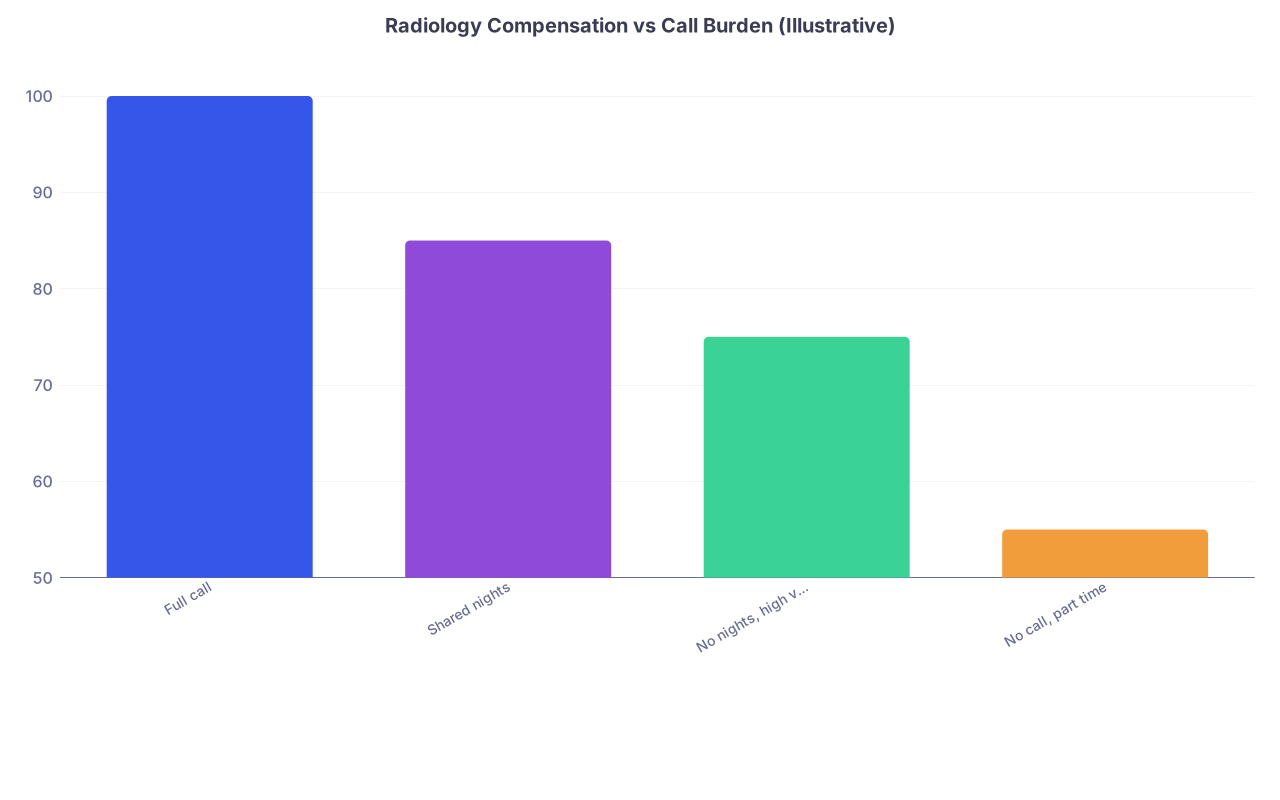
| Category | Value |
|---|---|
| Full call | 100 |
| Shared nights | 85 |
| No nights, high volume | 75 |
| No call, part time | 55 |
Think of it as a slider: remove call, and something else moves—nights, volume, flexibility, or money.
Pathology: Quiet Halls, Silent Tradeoffs
Pathology is another specialty people call “chill” and “no call.” That’s only partially true.
Many private groups absolutely have call—frozen sections, transfusion issues, grossing coverage, sometimes weekends. But let’s look at the actual “no call” setups: academic or boutique subspecialty roles.
The quiet costs here?
- Lower pay than other “lifestyle” fields in a lot of markets
- Heavy cognitive workload, constant microscopic interpretation anxiety (one miss can haunt you)
- Increasing corporatization and job market uncertainty in some regions
- Limited geographic flexibility if you insist on very specific, cushy academic niches
No call on paper. But you carry the risk of one missed cancer diagnosis for years. Emotionally, that’s a tax too.
Outpatient Psych: “No Call” Meets never-ending Inbox
Outpatient psychiatry often sells itself to residents as “no call, flexible hours, telehealth options.” And a lot of that is real. But the workload doesn’t vanish because the pager is quiet.
Here’s where it leaks out:
- Message and refill chaos. Many “no call” psych jobs are buried in refill requests, portal messages, pharmacy callbacks, and prior auths.
- Overbooked schedules. Eight to sixteen patients a day sounds fine until every one is high acuity, complex trauma, or treatment-resistant.
- Liability and burnout from constant emotional weight, even if you’re not in the ED at 3 a.m.
And the big one: if you never do call or inpatient, your skill set narrows. You’re likely more tied to a specific outpatient model and less competitive for broader roles later.
PM&R, Allergy, and the Other “Lifestyle Darlings”
Physical medicine & rehab? Allergy & immunology? Outpatient-focused GI, cards, or rheum? These all have “no call” or “light call” versions.
But the pattern repeats:
- The cushier the hours, the worse the pay relative to your specialty peers
- Or the less procedural work you get
- Or the more RVU grinding and clinic density you face
- Or the more you’re geographically boxed in to a few employer types

The Hidden Levers: If Not Call, Then What?
Think of every attending job as a bundle of levers. Hospitals and groups can pull only so many to make a job appealing while still staying solvent and covered 24/7.
Remove call, and they inevitably adjust other levers.
| Lever Pulled | Typical Direction in No Call Jobs | What You Feel Day to Day |
|---|---|---|
| Call/Nights | Decrease or eliminated | Better sleep, fewer disruptions |
| Compensation | Decrease | Lower base, fewer bonuses |
| Volume/Throughput | Increase | Shorter visits, packed schedule |
| Autonomy | Decrease | More rules, protocol-driven |
| Case Complexity | Decrease | Less variety, more routine |
Nobody says this in the recruitment brochure. But if a job truly had:
- No call
- No nights/weekends
- High pay
- Low volume
- High autonomy
- Interesting cases
…there’d be a waiting list five years deep. Those jobs exist in stories and outliers, not as a reproducible plan.
Academic vs Private: Different Flavors of “No Call”
A lot of residents fall for this trap: “Academics will give me no call and a good lifestyle.” Sometimes true. Often oversimplified.
In academic jobs with “no call,” here’s what usually shifts:
- Salary is lower than private counterparts
- Committees, teaching, research, and admin creep into your “free” time
- Clinic templates still get squeezed for access
- You may still do nights/weekends—just labeled as “coverage,” “late clinic,” or “in-house service” instead of call
In private practice “no call” arrangements:
- You frequently accept lower partnership track earnings
- Or you’re not offered partnership at all
- Or you’re the dump site for routine, mind-numbing cases while partners keep the procedures, complex cases, or high-paying work
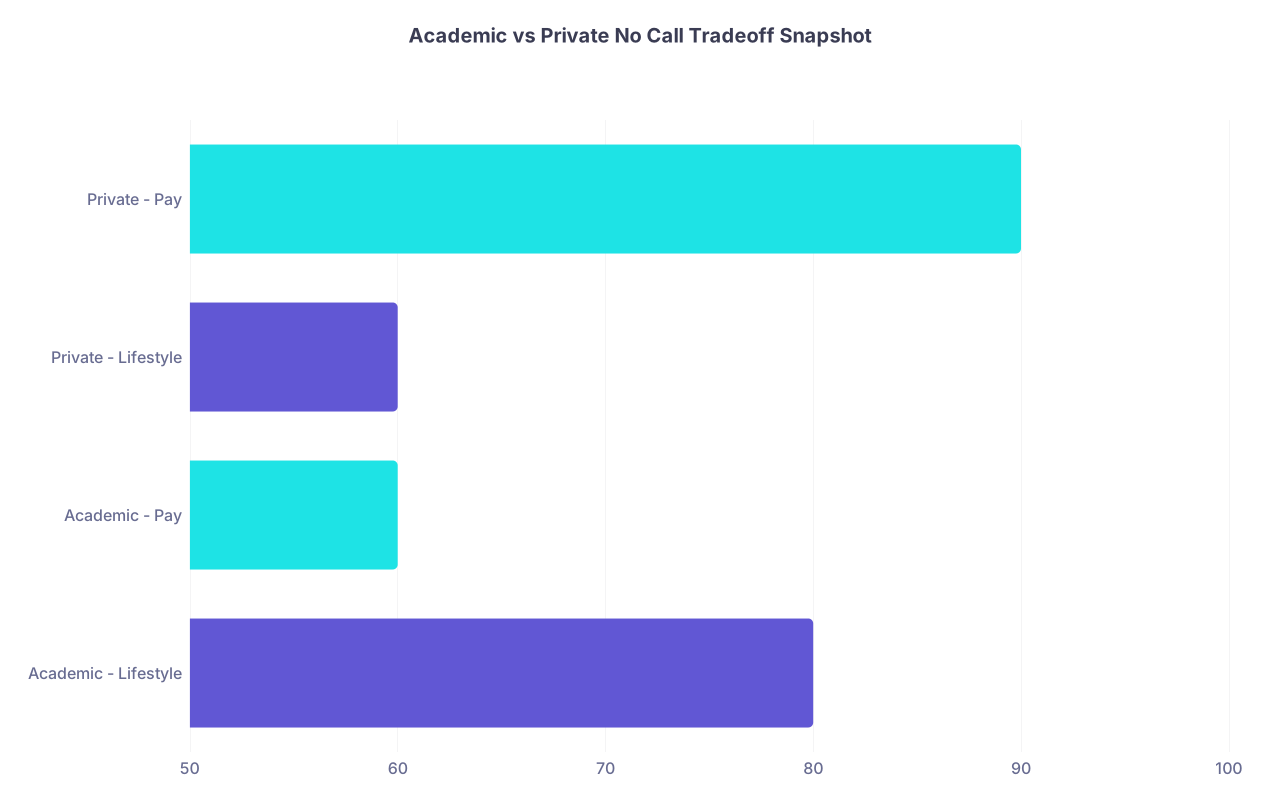
| Category | Value |
|---|---|
| Academic - Lifestyle | 80 |
| Academic - Pay | 60 |
| Private - Lifestyle | 60 |
| Private - Pay | 90 |
Again, not a moral judgment. Just math. Systems do not hand out low-call, high-pay, low-volume, high-autonomy packages for fun.
The Psychological Trap: You’re Overfocusing on One Variable
The obsession with “no call” is understandable. Residency call is brutal and often poorly structured. But if you build your entire specialty choice on eliminating one unpleasant experience, you’re thinking like a traumatized intern, not like a future attending.
I’ve seen this play out in real time:
A resident chooses a “no call” specialty they don’t actually like, grinds through residency, then realizes their attending job is just a different flavor of misery. It’s not 3 a.m. misery. It’s “I see 30 people a day for problems I don’t care about” misery.
Which, long-term, is worse.
Shift your question from “How do I avoid call?” to “What kind of hard am I willing to live with for 20–30 years?”
Because you will have some kind of hard. Guaranteed.
Where Call Is Bad… And Where It Actually Buys You Something
Here’s the contrarian part: call is not always the villain people make it out to be. Badly designed call is. Unsafe call is. Exploitative call is.
But in some specialties, call also buys you:
- Better compensation relative to peers
- Procedural volume and skill retention
- Reputation and leverage inside your group
- Control over your income by taking more or less
- A sense of real responsibility and clinical challenge, which, for some, is energizing
I’ve worked with surgeons who happily take extra call because it funds their kids’ college and pays for time off elsewhere. I’ve seen hospitalists who take a string of night shifts, then buy themselves a week off. That’s not a nightmare; that’s just a different way to structure your time and income.
The key distinction:
Are you in a system where call is:
- Predictable
- Safely staffed
- Reasonably compensated
Or are you in a system where call is:
- Free labor
- A dumping ground for bad planning
- The result of chronic understaffing
Those are very different things. Saying “no call, ever” lumps them together and guarantees you’ll miss some legitimately good opportunities later.
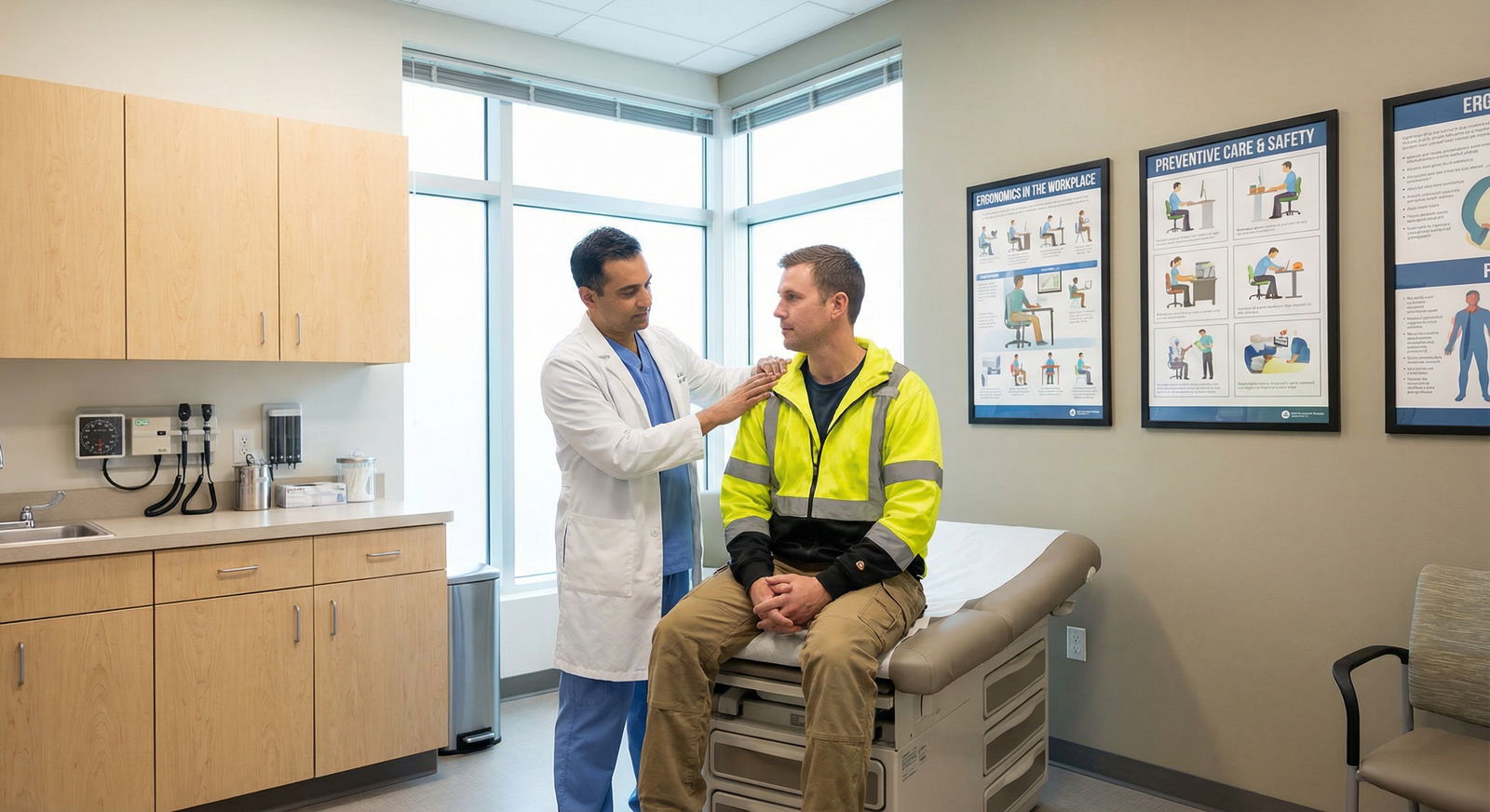
How to Evaluate a “No Call” Job Like an Adult, Not a Burned-Out PGY-2
If you’re serious about your future, here’s the uncomfortable homework.
When someone pitches you a “no call” role, you ask very concrete questions:
- If there is truly no call, who covers nights/weekends and how does that affect my day?
- What is the average patient volume per day in clinic, and what is the expectation for RVUs or wRVUs?
- What was the last year’s average compensation for someone in this exact role, not theoretical max?
- How often do people in this role stay more than 2–3 years? If not, why do they leave?
- What work bleeds into my home life—EMR, inbox, refills, portal messages—and how is that controlled or compensated?

| Step | Description |
|---|---|
| Step 1 | Offered no call job |
| Step 2 | Longer days or lower pay |
| Step 3 | Check volume expectations |
| Step 4 | Consider seriously |
| Step 5 | Keep looking |
| Step 6 | Who covers nights? |
| Step 7 | Happy with trade? |
If they dodge these questions or hand-wave the details? There’s your answer. The tradeoff is likely worse than they want you to see.

So What Should You Actually Optimize For?
If you want a genuinely sustainable career, stop playing the “no call at any cost” game.
You’ll do better optimizing for:
- Fit with the type of patients and problems you like
- Reasonable hours overall (not just nights)
- A group culture that isn’t toxic
- A structure where bad call is fixable, not baked in
- The flexibility to adjust your workload later – including taking or dropping call as your life changes
Ironically, this more mature approach often leads you to better lifestyle outcomes than the rigid “no call ever” mindset. Because it widens your options and gives you leverage, instead of backing you into the same over-subscribed few specialties and jobs everyone else is fighting for.
Bottom Line: No Free Lunch, Just Different Bills
Let me strip this all the way down.
There is no such thing as a truly “no tradeoff” no call job. The system will always balance itself. If you are not paying in sleep and weekends, you are paying in some mix of:
- Money
- Volume
- Autonomy
- Geographic flexibility
- Scope and complexity of practice
- Job stability
You get to choose which of those you’re willing to sacrifice. But you do not get to choose “none.”
FAQ
1. Are there any specialties that are truly lifestyle friendly without major tradeoffs?
No. Some are more lifestyle friendly than others (derm, outpatient psych, allergy, PM&R in certain niches), but every one of them gives up something—income ceiling, cases, geographic flexibility, or some combination. The question is not “Which specialty has no tradeoffs?” but “Which mix of tradeoffs can I live with?”
2. Is it a mistake to choose a specialty mainly to avoid call?
Usually, yes. If your primary driver is avoiding call, you’re making a long-term decision based on a short-term trauma (residency call). You’re much better off prioritizing what type of patients, procedures, and problems you enjoy, then finding the most sustainable version of that field, which may or may not be fully “no call.”
3. Can I start in a heavier call job and later move into no call work?
Often, yes—and this is usually a smarter path. Many fields let you earn skills, reputation, and financial cushion in higher-intensity roles, then transition later to lower-call or no-call positions. That can mean outpatient-only jobs, part-time, telehealth, or industry roles. Flexibility tends to increase, not decrease, as you gain experience.
4. Why do so many residents fixate on no call if the tradeoffs are so real?
Because residency call is often poorly designed, unsafe, and miserable. It conditions you to equate “call” with suffering. You don’t yet see the nuance between exploitative call and well-compensated, reasonably structured call that might actually benefit you as an attending. Plus, everyone around you talks the same way, so it becomes dogma.
5. How can I tell if a specific ‘no call’ job is actually a good deal?
Get granular. Ask exactly who covers nights/weekends, what your daily volumes are, how EMR/inbox work is handled, what the real (not theoretical) compensation is, and how long people stay in the role. If the answers show clear tradeoffs that you can honestly accept—and the work itself interests you—then yes, it can be a very good deal. Just don’t pretend it’s free.