What do you do when you’re 32, have a full-time job, maybe a kid or two, and you realize you actually want to be a doctor?
You do not quit your job tomorrow and throw yourself into a random full-time post-bacc because some Reddit thread said “that’s what serious applicants do.” That’s how people blow up their finances, burn out, and still end up with a weak application.
You structure a post-bacc around your actual life, not around some fantasy version of yourself who has unlimited time, money, and energy.
Let’s walk through how to do that like an adult, not like a panicked undergrad.
Step 1: Get Brutally Clear on Your Starting Point
Before you look at a single post-bacc brochure, you need a reality check on three things: your academics, your life constraints, and your timeline.
1. Your Academic Baseline
Pull every transcript you have. Not from memory—actual PDFs.
You need to know:
- Overall undergrad GPA
- Science GPA (biology, chemistry, physics, math – “BCPM”)
- What prereqs you’ve already taken, when, and the grades
If you’ve never done the prereqs:
- You’re looking at a “career changer” post-bacc structure: usually Gen Chem → Bio → O Chem → Physics + maybe Biochem/Psych/Soc.
- This is roughly 2 years if done in a traditional, sequential way.
If you have done the prereqs but:
- Grades are weak (e.g., 2.7–3.1 in science), you’re considering an academic enhancer approach: retakes, upper-division sciences, possibly an SMP down the line.
- Or if they’re >7–10 years old, some schools will want more recent work, especially in core sciences and biochem.
Here’s the mental model:
- Career changer = “I haven’t taken the science.”
- Enhancer = “I took the science and it did not go well, or it’s ancient.”
You can be both. Many people are.
2. Your Real-Life Constraints
Sit down and answer this without lying to yourself:
Work:
- How many hours a week are you actually working?
- Could you go part-time?
- Is your job mentally exhausting, physically exhausting, or both?
Family:
- Do you have kids? Their ages?
- Do you have a partner with a stable income? Supportive or grudgingly tolerant?
- Any caregiving for parents?
Money:
- Savings?
- Debt?
- Health insurance situation if you reduce work?
Here’s the rule:
Your post-bacc cannot exist in a vacuum. If it ignores your work, kids, commute, or health, it will collapse by midterms.
3. Your Timeline
Reality check on age:
- Starting post-bacc at 30–35 is common.
- You’re likely looking at:
- 2 years for coursework (often overlapping with MCAT prep late in year 2)
- 1 application year “lag”
- 4 years of med school
- 3–7 years residency depending on specialty
You might start residency in your 40s. Plenty of people do this and are fine. But you should know it going in.
Step 2: Pick the Type of Post-Bacc That Fits Your Life, Not Your Ego
This is where people mess up. They pick prestige or aesthetics over fit. Don’t.
The Main Structures You’re Choosing Between
- Formal, structured post-bacc program (often at a university)
- DIY/post-bacc “à la carte” using local university/extension/CC
- Hybrid approach: maybe formal for one year, then DIY cleanup
- Full-time vs part-time
Let’s break it down.
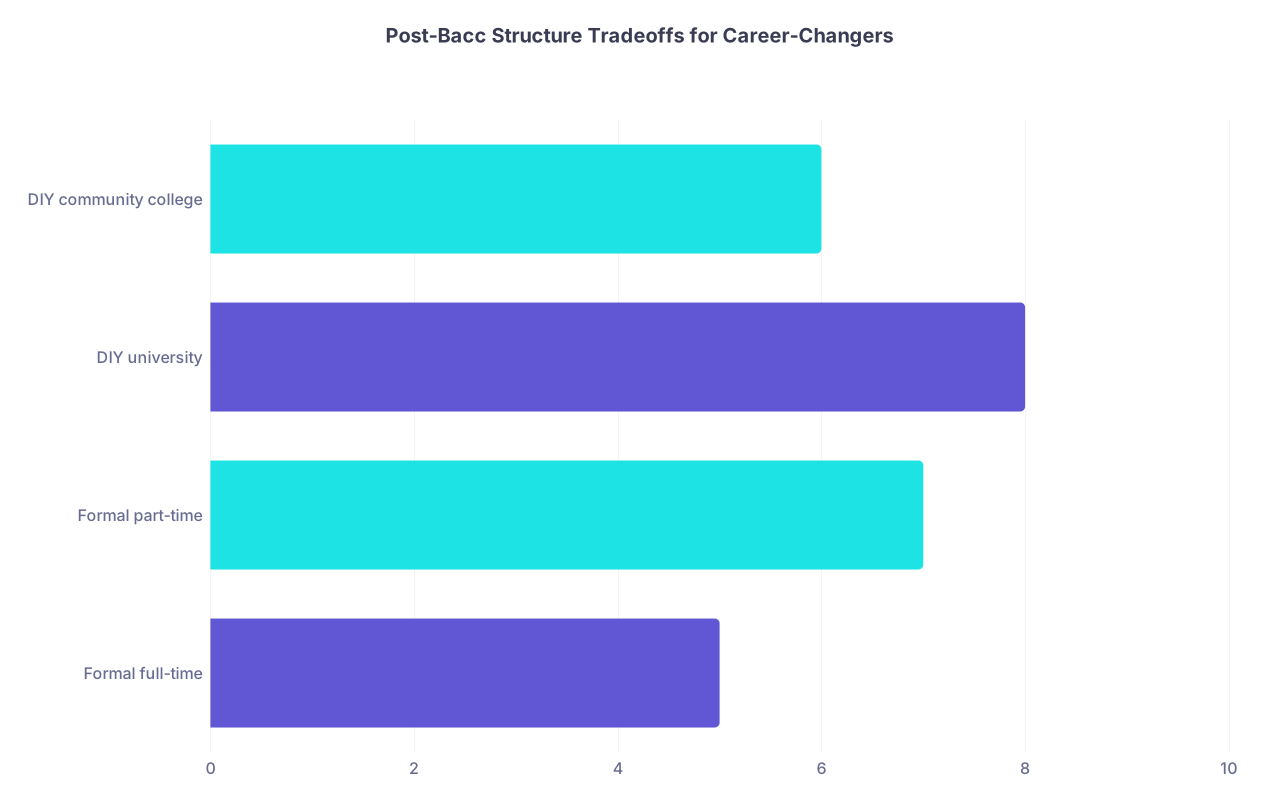
| Category | Value |
|---|---|
| Formal full-time | 5 |
| Formal part-time | 7 |
| DIY university | 8 |
| DIY community college | 6 |
(Scale here is “flexibility for adults”: higher = more flexible.)
1. Formal Full-Time Programs
Think Columbia, Bryn Mawr, Goucher, some state schools’ structured programs.
Pros:
- Tight advising
- Built-in cohort of people like you
- Linkages sometimes (conditional early admission)
- Usually strong name recognition
Cons:
- Often designed assuming you’re not working full-time
- Brutal if you try to combine with a 40-hour job
- High tuition, plus city living costs in many cases
- Less flexibility to go slower
Who this actually works for:
- People who can step away from full-time work (savings, partner income, etc.)
- No small kids, or major childcare support
- Mentally ready to treat this like a second undergrad sprint
If you need to keep a full-time job, this is usually the wrong choice.
2. Formal Part-Time or “Evening” Career-Changer Programs
Some universities have extension or continuing ed programs targeting working adults. Classes at night or in 2–3 day blocks.
Pros:
- Built for exactly your situation
- Cohort of other career changers with jobs
- You often get access to premed advising and committee letters
- Schedule is more predictable
Cons:
- Still not magic. A 3-hour evening O Chem lab after a 9-hour workday is rough.
- Might take longer (3+ years instead of 2)
- Sometimes more expensive per credit
This is usually the “adult sanity” option if you must keep working.
3. DIY Post-Bacc Using Local 4-Year or Extension
You sign up as a non-degree or second-bachelor’s student and build your own course path.
Pros:
- Maximum scheduling freedom
- Can adjust course load semester to semester
- Often cheaper than glam formal programs
- You can mix in upper-division sciences strategically
Cons:
- Less hand-holding
- No guaranteed committee letter
- You have to map prereqs + MCAT yourself (or with an advisor you hustle to find)
- Easy to overdo it or under-challenge yourself
This works well for:
- People with solid time-management and self-direction
- Those with very irregular work schedules (travel, shifts, etc.)
- People near a solid state university with decent advising options
4. Community College Post-Bacc (or Hybrid CC + 4-Year)
Hot topic. Here’s the reality:
Pros:
- Cheap
- Often closer to home
- More evening/weekend options
- Less cutthroat atmospheres
Cons:
- Some med schools strongly prefer or expect core prereqs at a 4-year institution
- CC rigor can vary wildly
- You’ll probably need some upper-level 4-year work anyway to prove yourself
Smart way to use CC:
- Early foundational work (e.g., math, intro chem if your background is weak)
- While planning to do Organic Chem, Biochem, and some upper-level Bio at a 4-year
Step 3: Build a Course Plan That Won’t Break Your Life (or Your GPA)
You’re not 19. You do not have the brain or schedule of a 19-year-old. Use that to your advantage. You actually know how you function now.
The Non-Negotiable: Protect the GPA
Med schools don’t care that “you were so busy.” They care what you produced under those constraints. You need A’s or close to it, especially if your earlier GPA was mediocre.
So you ask one question every semester:
“Can I get A’s in this load while keeping the rest of my life upright?”
If the honest answer is no, your course load is too heavy.
Sample Structures That Actually Work for 30+ Adults
Assume you’re working full-time, no prior science:
Year 1 (part-time, realistic pace):
- Fall: Gen Chem I + Lab (or Intro Chem if rusty), maybe 1 light non-science
- Spring: Gen Chem II + Lab
- Summer: Intro Bio (if available) or psych/soc (useful for MCAT)
Year 2:
- Fall: Bio I + O Chem I
- Spring: Bio II + O Chem II
- Summer: Physics I
Year 3:
- Fall: Physics II + Biochem
- Spring: 1–2 upper-level bios (physiology, cell bio) + start MCAT prep
- Apply next cycle
Yes, that’s 3 years before applying. And yes, that might be exactly what keeps you from burning out and bombing O Chem.
If you can cut your work hours to 20–30/week:
- You might compress to 2 years by doubling up more aggressively.
- But test this with one heavier semester before you commit to a 2-year sprint.
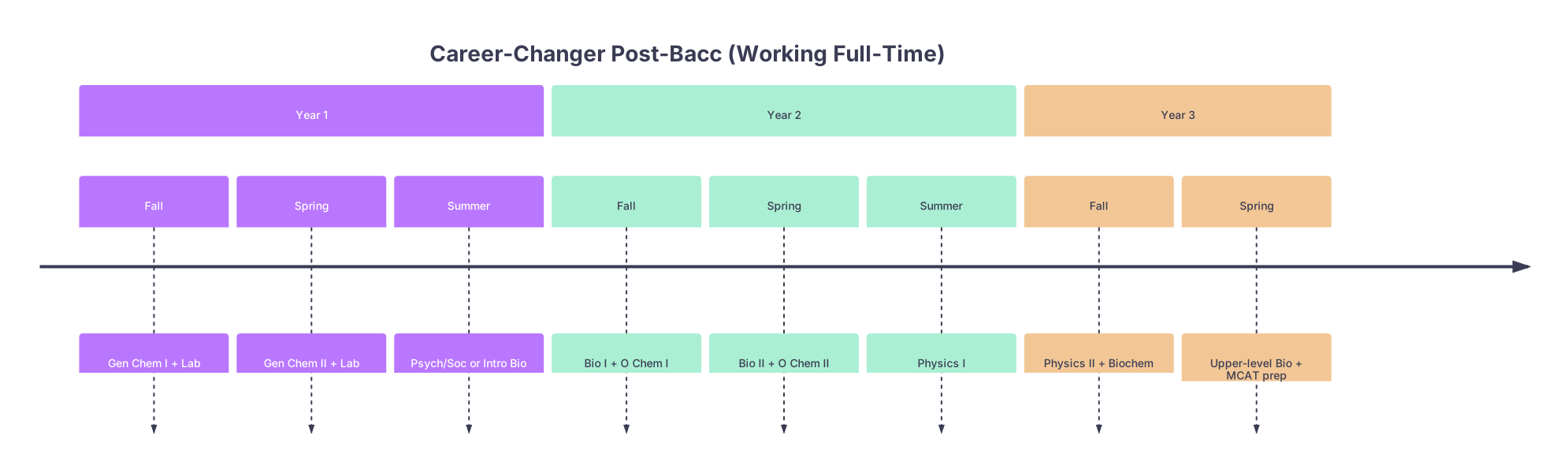
| Period | Event |
|---|---|
| Year 1 - Fall | Gen Chem I + Lab |
| Year 1 - Spring | Gen Chem II + Lab |
| Year 1 - Summer | Psych/Soc or Intro Bio |
| Year 2 - Fall | Bio I + O Chem I |
| Year 2 - Spring | Bio II + O Chem II |
| Year 2 - Summer | Physics I |
| Year 3 - Fall | Physics II + Biochem |
| Year 3 - Spring | Upper-level Bio + MCAT prep |
Warning Signs Your Plan Is Unrealistic
- You’re planning 8–10 science credits + full-time work + kids
- You need “just one B” to maintain GPA goals
- You already know your job drains you by 6 pm daily
- You’re counting on “I’ll use weekends to catch up” every single week
The sustainable version:
- Usually 1–2 hard sciences at a time while working
- Build in at least one lighter semester somewhere
- Leave space for MCAT and clinical experiences
Step 4: Fit in MCAT and Experiences Without Imploding
You don’t get into med school on coursework alone. The application still needs MCAT, clinical, shadowing, and (ideally) something that shows service and maturity.
MCAT Timing for Adults With Jobs
You want:
- Most core sciences done or nearly done (especially Biochem)
- At least 4–6 months of consistent study time
- Minimal overlap with the heaviest course loads
Common pattern that works:
- Start light MCAT prep toward the end of your last heavy semester (e.g., doing content review 5–8 hours/week).
- Ramp up to 10–15 hours/week during a lighter semester or a summer with fewer classes.
- Sit for the exam about 12–18 months before intended med school start.
What’s dumb:
- “I’ll do 20 hours/week of MCAT plus O Chem II plus full-time work.”
People say this all the time. Then their MCAT score is 505 and they wonder why.
Clinical + Shadowing for 30+ Career Changers
You don’t need 800 hours. You need:
- Proof you know what patient care looks like
- Some direct contact with illness, discomfort, and messy human stuff
- Ideally some continuity (not three random one-off days)
Smart ways to fit this in:
- Medical scribe (good for nights/weekends, high-yield exposure)
- EMT if your schedule can handle it (better for flexible or per-diem work)
- Hospital volunteering 3–4 hours/week consistently
- Shadowing concentrated in small blocks (e.g., 1–2 days/mo across multiple months)
Here’s how adults screw this up:
- They postpone all clinical exposure until after the post-bacc.
Then AMCAS opens and their “clinical experience” is 30 hours from last month. Weak.
Start small early. Even 2–4 hours/week is fine if it’s consistent over a year or two.
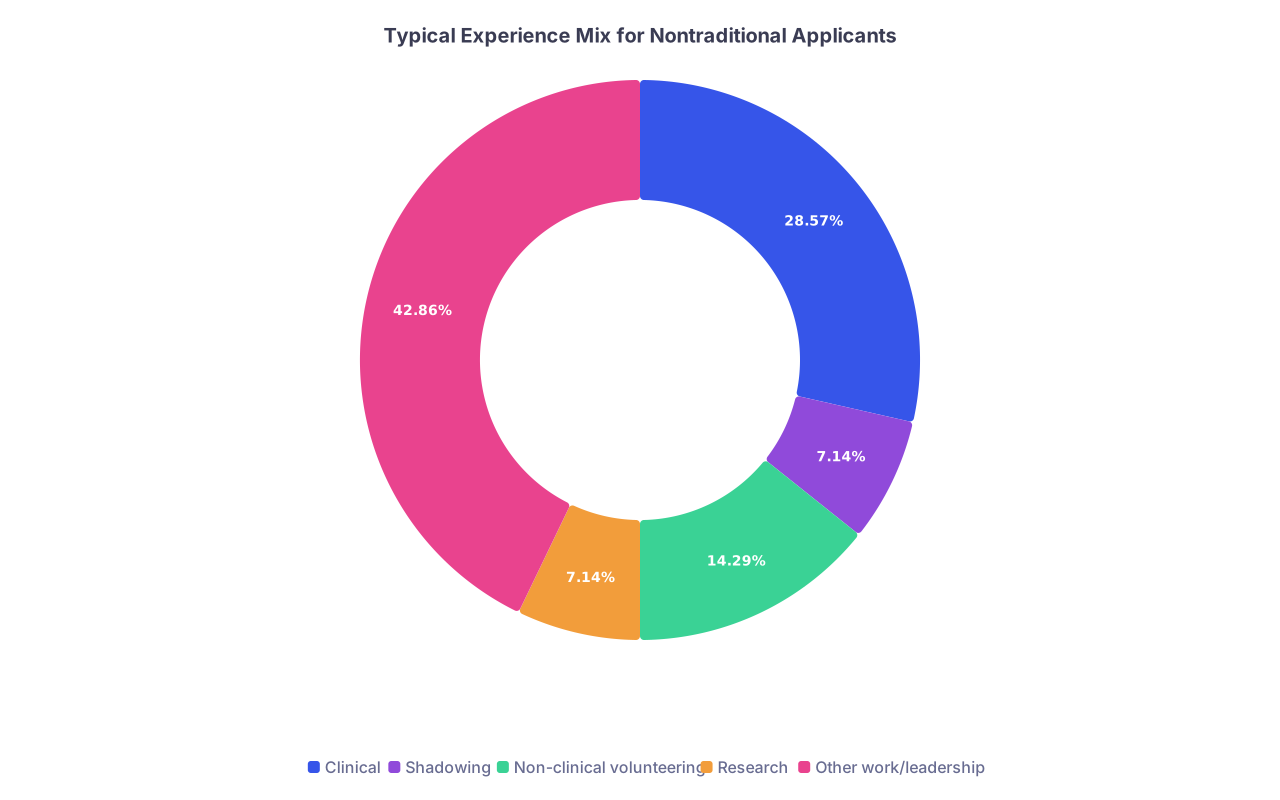
| Category | Value |
|---|---|
| Clinical | 200 |
| Shadowing | 50 |
| Non-clinical volunteering | 100 |
| Research | 50 |
| Other work/leadership | 300 |
Your advantage as a 30+ applicant: your work history counts as real-life, real-responsibility experience. Don’t throw that out in favor of random 2-hour volunteering gigs just to pad a list.
Step 5: Money, Insurance, and Not Destroying Your Future Self
No one talks enough about this.
If you’re 30+, you can’t act like loans are fake money. You might have:
- Existing undergrad loans
- Maybe a mortgage
- Maybe kids who might want college themselves
- Health issues that make going uninsured suicidal
So, before you commit to a full-time post-bacc:
- Price out tuition + fees + books + commuting/parking.
- Figure out how you’re getting insurance if you drop hours.
- Look at loan eligibility for non-degree or second-bachelor’s status (varies).
- Decide what “red line” of total debt you’re not willing to cross.
A lot of people do this:
- Keep working full-time during the first year or two of part-time classes
- Pay as much as possible out of pocket
- Use loans strategically for MCAT courses, later heavier years, or SMP if needed
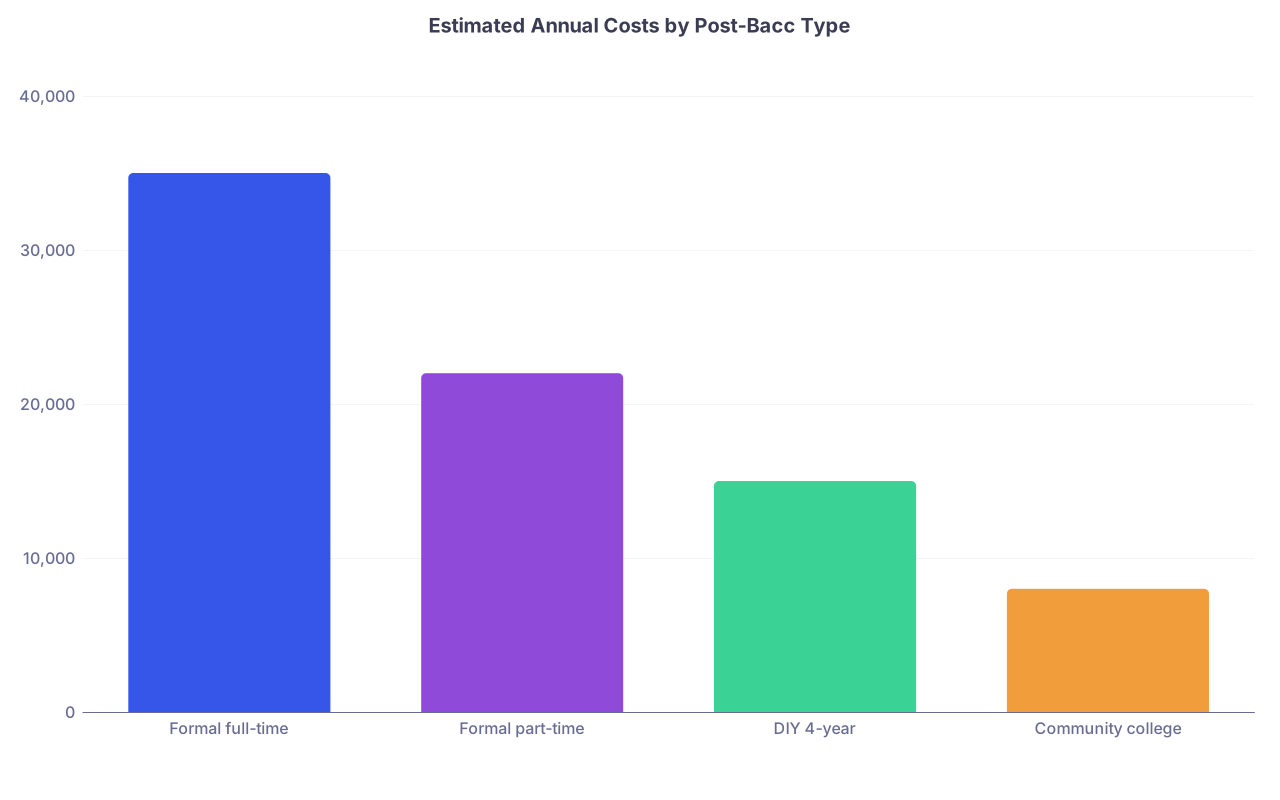
| Category | Value |
|---|---|
| Formal full-time | 35000 |
| Formal part-time | 22000 |
| DIY 4-year | 15000 |
| Community college | 8000 |
These numbers aren’t universal, but the ranking usually holds.
You don’t win any prizes for finishing the post-bacc fastest if the cost is financial disaster. The goal is “med school-ready and not bankrupt.”
Step 6: Age, Narrative, and Using Your 30s as an Asset
You’re not competing with 21-year-olds to be more 21-year-old than they are. You’re bringing something different.
So your post-bacc plan should:
- Show academic readiness (A’s in hard science, solid MCAT)
- Show maturity and clear understanding of medicine
- Show you can sustain effort over years, not just a semester
You want your path to say:
“I had a prior career. I did the hard work to pivot thoughtfully. I can handle demanding science, real patients, and adult responsibilities. I’m not running from something—I’m committing to something.”
That means:
- No chaotic withdrawals every semester
- No “explaining away” bad grades with personal drama every year
- A visible upward trend and stable engagement

How to Actually Decide on a Structure in the Next 30 Days
If you’re deep in research paralysis, here’s what you do this month:
Gather your data:
- Transcripts, GPA numbers, previous science grades
- Work schedule, commute times, family obligations
Have at least one brutally honest planning session:
- “What’s the max number of nights I can be gone from home per week?”
- “How many total hours of focused work (job + school + study) can I handle before I turn into a zombie?”
Make a shortlist of 2–3 local-ish options:
- One formal or semi-formal program
- One DIY plan at a nearby 4-year
- Maybe a CC + 4-year hybrid if money’s tight
Email the programs:
- Ask explicitly: “Do you have many students who work full-time?”
- “What’s a typical course load for those students?”
- If they say, “Most are full-time students,” believe them.
Draft a 2–3 year plan on paper:
- Literally write: Semester → Classes → Work hours → Other commitments
- If you look at a semester and think “I’d die,” adjust it now, not midterms.
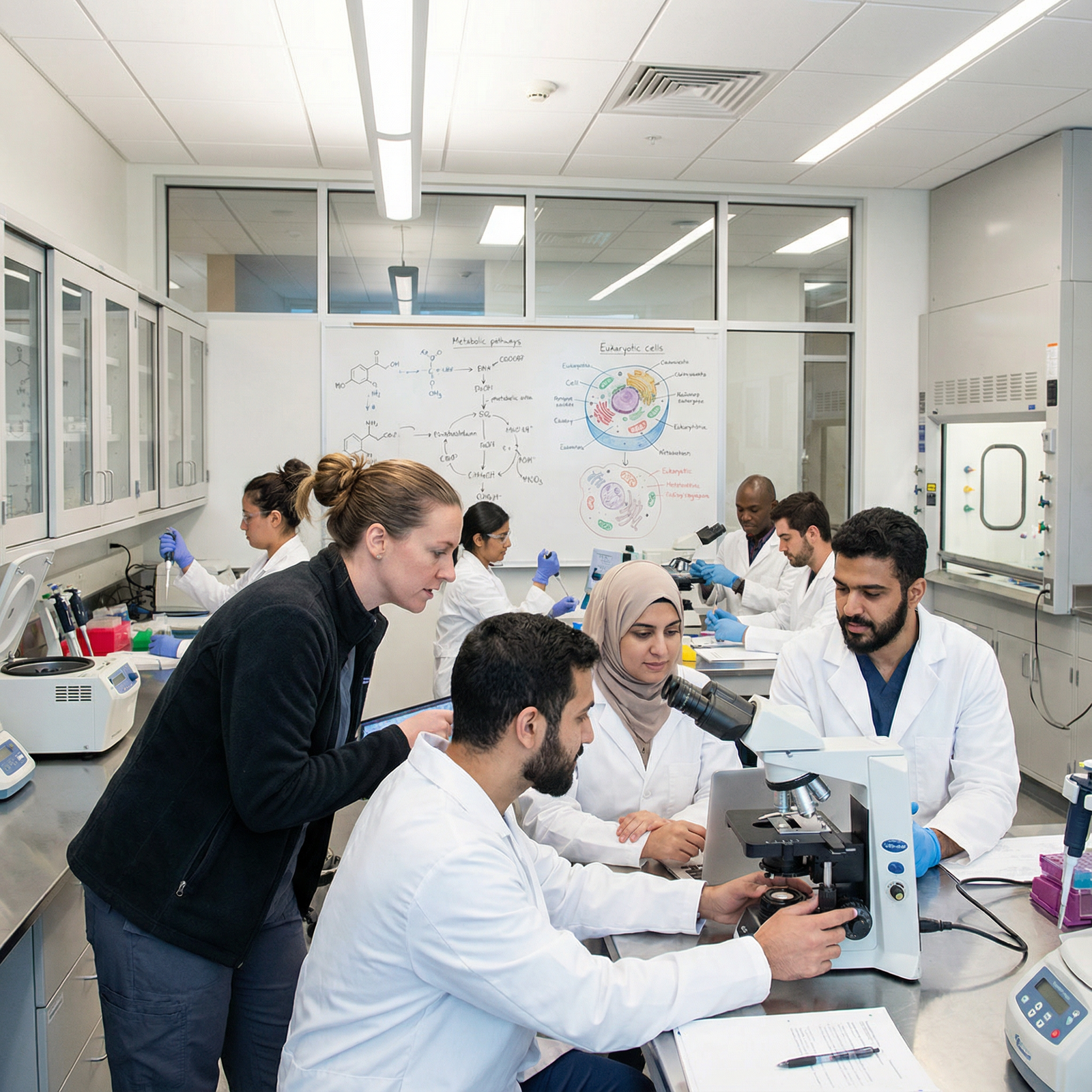
Then pick a path and commit for at least a year. Stop re-litigating your choice every week. That’s how people lose momentum.
Quick Reality Checks Before You Lock It In
Ask yourself:
- Can I maintain A-level work in this plan for at least 2–3 consecutive semesters?
- Does this structure still allow me 1–2 nights a week where I am not doing school or work?
- Is there a built-in way to get advising and a strong letter package, or do I need to create that myself?
- If something goes wrong (job loss, illness), is this plan flexible, or does it collapse?
If all your answers are “I’ll just power through,” you’re relying on adrenaline, not planning. Fix the plan.
FAQ (Exactly 3 Questions)
1. Is it “too late” to start a post-bacc at 32, 35, or 38?
No. Med schools admit plenty of people in their 30s and early 40s. What they don’t admit is people with sloppy preparation and thin clinical exposure, regardless of age. If you can show strong recent academic work, a solid MCAT, and a mature, sustained commitment to medicine, your age is more often framed as a plus—life experience, resilience, perspective—rather than a disqualifier.
2. Will doing prerequisites at community college hurt my chances?
Some schools are snobby about community college; many are not. The safer route: do what you must at CC for cost and schedule reasons, but make sure you also have a track record of A’s at a 4-year in upper-division science (like Biochem, Physiology, Microbiology). That combination usually reassures admissions that you can handle med school rigor, while still letting you control costs and logistics.
3. Should I quit my job to go full-time post-bacc?
Only if the math, logistics, and your stress tolerance all line up. Quitting can make sense if you have savings, partner income, no major dependents, and you want a faster, immersive path. But if quitting means losing insurance, taking on massive debt, or putting your family in a precarious spot, it’s a bad trade. A slower, part-time path that preserves your financial stability and mental health is almost always better than a “heroic” full-time sprint that torpedoes your GPA and your life.
Key points: build your post-bacc around your real life, not your fantasy self. Protect your GPA and your health by pacing the coursework. And use your 30s as an asset—your maturity and planning are exactly what should make this path work, not what holds you back.