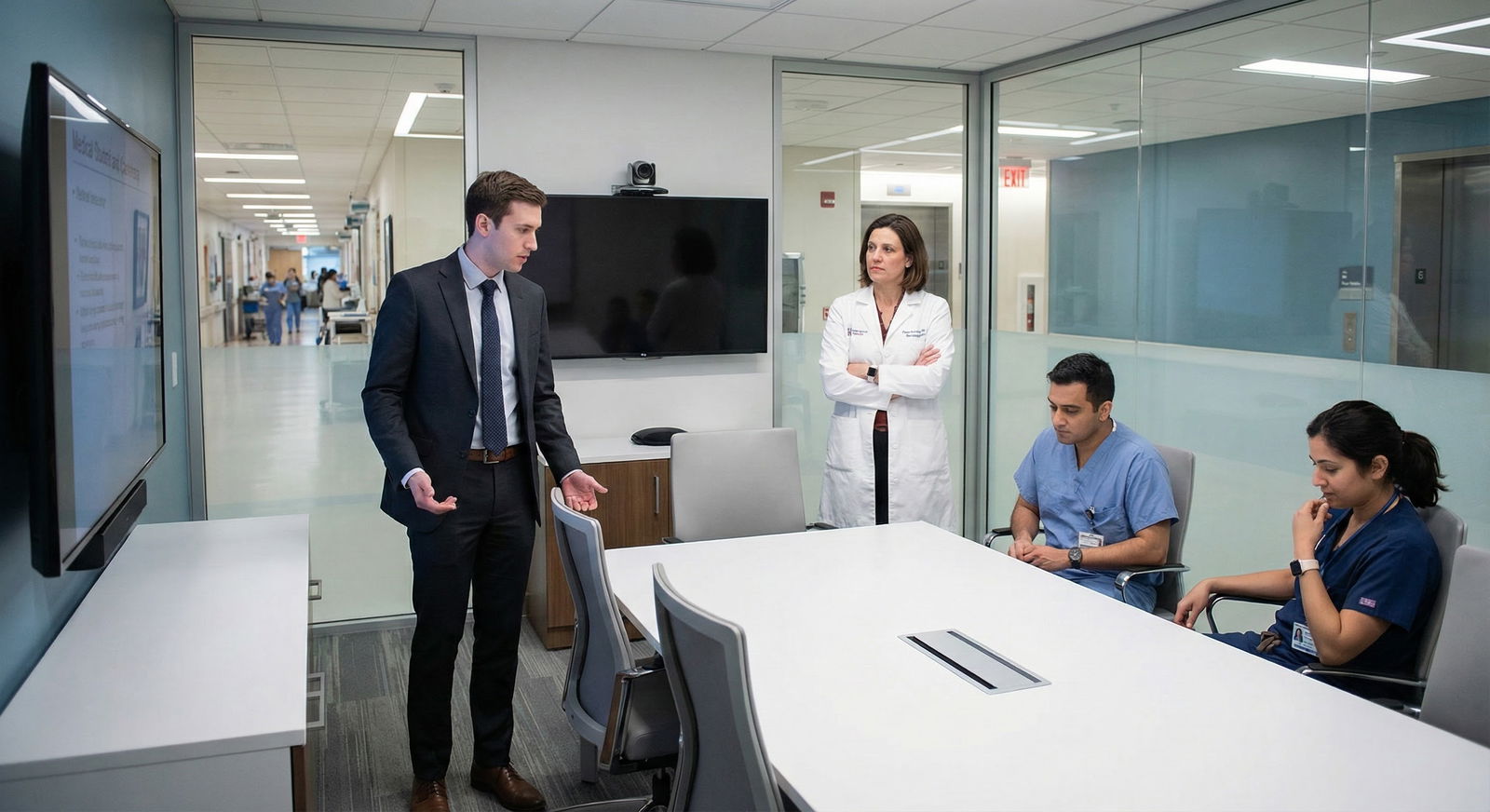
You are PGY-1, sitting at a plastic table during a noon conference that has already run ten minutes over. A PGY-3 you trust leans over and says quietly, “Just wait until you see our ‘research rotation’—it’s basically cross-cover with a different name.”
That sentence tells you almost everything you need to know about that program’s priorities.
Elective and research time are the clearest structural “truth serum” in residency. Mission statements lie. Websites exaggerate. But how a program carves out, protects, and uses non-service time—electives, research blocks, “scholarship time,” tracks—will show you what they actually care about: patient care, billing units, fellowships, wellness, or just survival.
Let me break this down specifically.
1. Why Elective and Research Structure Is Not Cosmetic
Programs love to throw around the word “flexible.” Flexible curriculum. Flexible electives. Flexible research time. That word has been abused enough that it is almost meaningless.
What matters is structure. How many weeks. How scheduled. How protected. Who controls it.
There are three hard constraints every program lives under:
- ACGME requirements (mandatory rotations, continuity clinic, ICU exposure).
- Hospital service needs (who is covering the floor, ICU, nights).
- Faculty bandwidth (who can teach, supervise, mentor).
Whatever is left—that is what becomes “electives” and “research.” If there is nothing left, you will see creative lies: “selectives,” “scholarly half-days,” “self-directed scholarship.”
So when you look at elective and research time, you are not looking at decoration; you are looking at what survived after every competing priority took its cut.
2. Core Patterns of Elective Time: What They Really Mean
Start with something simple: number and timing of elective weeks. But do not stop at the top-line number. The pattern and rules matter more than the count.
A. The Basic Elective Archetypes
You will see a few common structures.
| Program Type | Typical Elective Weeks PGY1–3 | Timing Pattern |
|---|---|---|
| Heavy-Service Academic | 0–2 / 4 / 4–6 | Mostly PGY3, late blocks |
| Balanced Academic | 2–4 / 4–6 / 6–8 | Mixed PGY2–3, some early |
| Community with Teaching | 2–4 / 4–6 / 4–6 | Scattered yearly |
| Malignant Service | 0–1 / 2–3 / 3–4 | Very late, front-loaded service |
| Research-Heavy | 0–2 / 4–8 / 8–12 | Big PGY2–3 research blocks |
What these patterns usually indicate:
All elective time stacked at the end of PGY-3
Translation: Service-first program. “You earn your freedom” as a senior. Good if you already know your fellowship and want late sub-specialty time. Bad if you need early exposure or letters.Electives scattered throughout PGY-2 and PGY-3
This usually signals actual commitment to career exploration and some semblance of wellness. Also often reflects a more stable staffing model so they can release residents throughout the year.0 elective time in PGY-1
In some specialties, that is normal. In others, it screams: you are cheap labor. It does not automatically make a program malignant, but it tells you where you sit in the pecking order.
B. Rules and Limitations That Reveal Priorities
Elective policies hide some of the best red flags.
Common restrictive patterns:
- “Maximum 2 away electives total.”
- “No away electives in PGY-1 or first half of PGY-2.”
- “Research electives must be pre-approved by the research committee.”
- “Must maintain at least X weeks of in-house electives per year.”
Sometimes this is just GME bureaucracy. Sometimes it is control.
You want to ask: are these restrictions patient-safety driven, or are they about keeping bodies in the hospital?
Here is the difference:
- Reasonable safety-driven restriction: “We do not allow away electives during your first six months so you can acclimate to our system; after that, you can do up to two away rotations if they are accredited and supervised.”
- Service-driven choke: “We strictly limit away electives to one 4-week block during PGY-3 due to service needs.” That means you are staffing their hospital, not building your career.
Pay attention to phrases like “due to service needs” and “to maintain adequate coverage.” Completely honest. And a clear signal that resident development is secondary.
3. How Programs Use Elective Time as a Dumping Ground
This is the sleight of hand you will see over and over: electives that are electives in name only.
The most common flavors:
“Jeopardy” or “swing” electives
You are technically on elective, but you are the first one called to fill sick coverage, ICU gaps, or unanticipated service expansions. Residents will describe this bluntly: “If someone calls out, your elective disappears.”“Research” that is actually clinic / admin time
Labeled as “scholarship” or “research,” but you are covering extra clinics, doing QI busywork for someone’s grant, or chart-review audits with no real mentorship.“Community elective” that is just another service in disguise
Rotations like “community hospital wards” coded as electives instead of core, so they do not look like they are overstuffing your inpatient months.
A quick test: ask a senior, “If you really need to get something done for fellowship applications—papers, letters, niche rotations—what blocks do you actually use?”
If the answer is “None, there is no true protected time,” that is your red flag.
4. Research Time: Real Support vs CV Theater
Now the research side. This is where programs can look spectacular on paper and be miserable in reality.
A. Basic Structures You Will See
You will see phrases like:
- “Dedicated research block(s) during PGY-2 and PGY-3.”
- “Longitudinal scholarly track across training.”
- “Protected half-days for research.”
- “Optional research year.”
These sound similar. They are not.
Let me separate the usual patterns.
| Structure Type | Typical Implementation | What It Usually Signals |
|---|---|---|
| Single 4-week research block | One block PGY2 or PGY3 | Minimal but real effort |
| Multiple blocks (8–12 weeks) | Split PGY2–PGY3 | Strong research expectations |
| Longitudinal half-day / week | Yearlong PGY2–PGY3 | Good for continuity, bad if not protected |
| Optional research year | Extra funded year | Serious research institution |
The key variables:
- Timing (early vs late).
- Size (4 weeks vs 12+ weeks).
- Protection (are you still on call, clinic, cross-cover?).
- Mentorship (pre-identified mentors vs “find your own”).
B. Signs of Genuine Research Support
Real research programs typically show:
- At least 8–12 weeks of contiguous or near-contiguous time if they claim to be research-heavy.
- Clear infrastructure: a research director, coordinators, IRB support, stats help.
- Resident-led publications and posters every year, not just faculty names with resident add-ons.
- Honest expectations. They do not pretend every resident will publish in NEJM; they match project to resident interest and career needs.
And crucially: their research residents do not secretly resent the research block because they are still getting paged 20 times a day.
You will hear phrases like:
- “When you are on research, you have no call and no inpatient duties.”
- “We frontload calls PGY-1 so you can have real research time later.”
That is what actual prioritization sounds like.
C. Research-Themed Red Flags
On the flip side, here is what sets off alarms for me:
“Research time is typically used for QI projects.”
Translation: no robust research culture; you will be doing M&M-lite process audits.“Residents are expected to identify mentors on their own.”
At a strong research place, mentors are tripping over themselves to recruit residents. If you have to chase people down, the culture is weak.“We do not formally track resident publications or outcomes.”
This is either disorganized or deceptive. Either way, it tells you research is nice-to-have, not structured.“You will have one half-day per week for research—when service allows.”
That last clause kills it. “When service allows” = never during winter, never during surge, never when someone is out. So essentially never.
5. Signal vs Noise Across Different Types of Programs
You have to interpret these structures in context. A tiny community program and a massive research powerhouse will look different, but each still reveals its priorities.
A. Academic Powerhouses
Think: MGH, Hopkins, UCSF, Penn, Brigham.
Patterns you might see:
- Heavy PGY-1–2 service, then big PGY-2/3 research blocks for those on research tracks.
- Very clear pathways: physician-scientist track, clinician educator track, etc.
- Multiple away / specialized electives, but often internal to their own system (transplant, advanced imaging, subspecialty consults).
Major tell: how they handle residents not interested in research.
Good programs will openly say: “You do not have to do bench research. Scholarship includes QI, education projects, clinical research. We will tailor.”
Bad ones treat everyone like a failed postdoc if you are not in a lab.
B. Community Programs with Academic Affiliation
These can be fantastic clinically and mediocre to terrible for research.
Common structures:
- 4–8 weeks of electives per year; most “research” is just an elective labeled differently.
- Realistically: 1–2 projects per class that get presented at local or regional meetings.
- A few research-minded faculty, but no pipeline or infrastructure.
You are looking for honesty here, not miracles. If a community program sells itself as “research heavy” but cannot name more than 2–3 recent resident publications, they are overselling.
On the other hand, if they say, “Our main strength is clinical training; you can absolutely do some research if motivated, but we do not have big blocks,” that is actually fine—as long as you understand it.
C. Malignant Service-Heavy Programs
They rarely label themselves this way, obviously. You will see:
- Minimal elective time, mostly PGY-3.
- Electives constantly cannibalized by service coverage.
- “Research” exists on paper to satisfy ACGME scholarly activity, but no one does more than a forced QI poster.
Listen to the residents, not the PD:
- “You can do research if you want, but it is on your own time.”
- “Yeah, we have research blocks, but they often get repurposed.”
- “I meant to do a project, but I was just too tired.”
That is a system problem, not a resident motivation problem.
6. How to Read Schedules, Not Brochures
You need to get past the program summary slide and into the actual block schedule. That is where priorities live.
Here is how to dissect it.
A. Look at the Year as a Whole
On interviews or second looks, ask for a sample rotation schedule for each PGY year. Not just a one-line summary.
You want to see:
- How many total weeks of wards, ICU, nights.
- Where electives sit in relation to heavy blocks (e.g., always following an ICU month because they know you will be wrecked).
- Whether research is clumped or scattered.
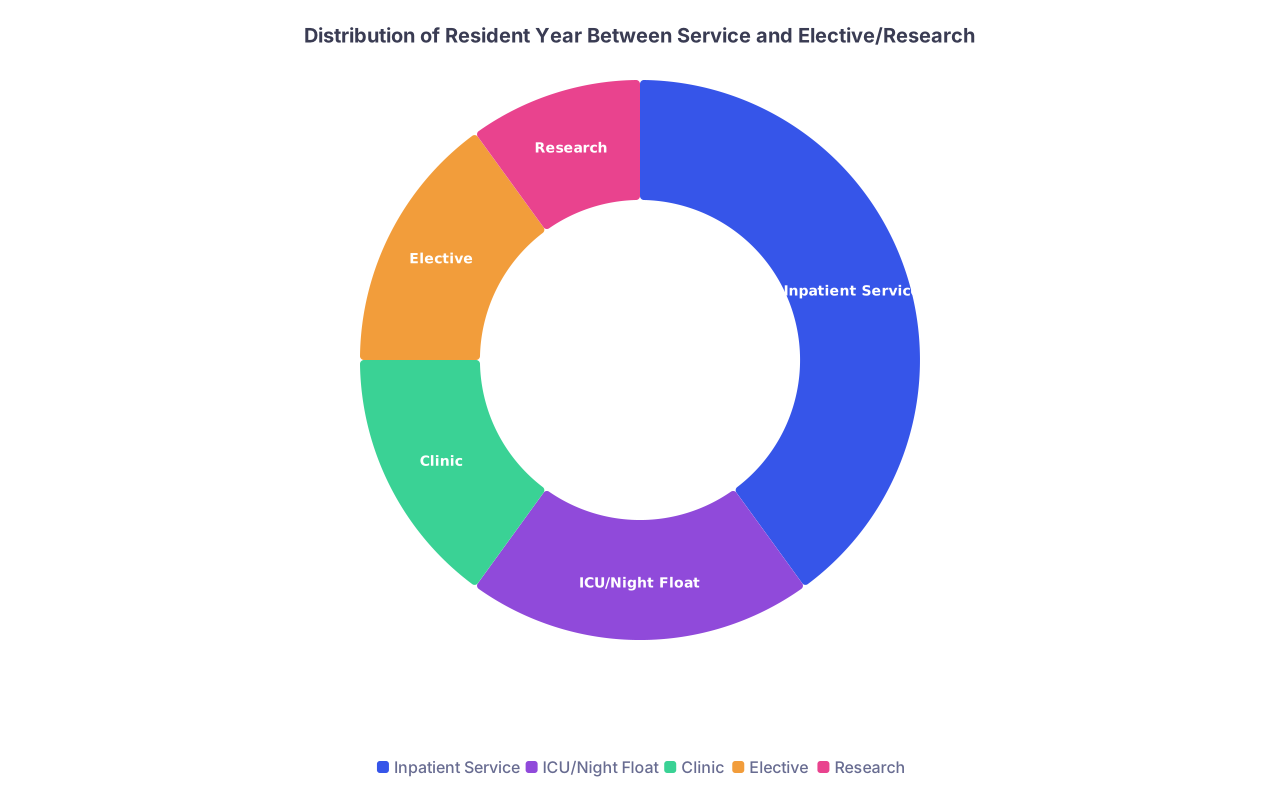
| Category | Value |
|---|---|
| Inpatient Service | 40 |
| ICU/Night Float | 20 |
| Clinic | 15 |
| Elective | 15 |
| Research | 10 |
This kind of distribution is typical of a balanced academic IM program. If you see 60–70 percent as pure service and electives crushed into the final months, you know what you are signing up for.
B. Ask the Right Questions (and Whom to Ask)
Do not ask, “Is elective time protected?”
Every PD will say yes.
Ask:
- “In the last year, how often have you had to pull residents from electives to cover service?”
- “If a resident’s research block conflicts with a surge on wards, what happens?”
- “If a resident does not have a project set up by the time their research block starts, what do they end up doing?”
Ask seniors and chiefs:
- “Which blocks would you protect with your life if you could do residency again?”
- “Did your electives and research time actually feel like your own, or were you constantly covering something?”
The content of their answer matters less than their facial expression and the speed of their response. If they hesitate, you already know.
7. Tracks, Pathways, and “Customizable” Curricula
You will see programs advertising:
- Clinician educator tracks.
- Global health pathways.
- Research tracks.
- Health policy, leadership, informatics, etc.
Conceptually, these are good. But they can also be lipstick on a pig if the base schedule is miserable.
A. Real Tracks vs Marketing Tracks
Real track:
- Defined entry process (often PGY-1 or pre-residency).
- Named leadership and faculty.
- Guaranteed dedicated time: added electives, project time, course work.
- Clear output: certificate, tangible projects, presentations.
Marketing track:
- A “track” that is essentially one elective and a few noon conferences.
- No schedule changes, no added protected time.
- No consistent deliverables or graduate outcomes.
Ask: “What changes in my schedule if I join this track?”
If the answer is vague, it is fluff.
B. Beware of “Stacked” Responsibilities
Some programs quietly assume that your research / education / global health work will be done on top of full clinical responsibilities. That is not a track. That is unpaid overtime.
You want:
- Either reduced call / service during research-intensive periods.
- Or discrete blocks where your only job is scholarship.
If the expectation is: “You will complete a project across three years in your spare time,” then do not be surprised when almost no one finishes anything meaningful.
8. Away Electives and External Research: A Stress Test
How a program handles residents leaving the home institution for electives or research is another stress test of culture.
A. Programs That Empower vs Programs That Hoard
Empowering behavior:
- They actively encourage you to do a specialized away elective if it benefits your fellowship goal.
- They help arrange institutional agreements, housing suggestions, etc.
- They shift schedules to cluster your clinics to allow you to be away.
Hoarding behavior:
“We discourage away rotations because we have everything you need here.”
Maybe in rare cases that is true. Usually it is about staffing.They technically allow away electives but make the process so bureaucratic and painful that almost no one does them.
Again, listen to residents:
- “Has anyone gone to MD Anderson / Sloan Kettering / NIH for an elective recently?”
- “How many people in your last class did away electives?”
If the answer is “none, really,” and everyone looks tired and resigned, you have your answer.
B. External Research Collaborations
Some residents will already be plugged into research at another institution (e.g., prior PhD, established PI). Programs that respect that will:
- Help arrange formal joint appointments or visiting researcher status.
- Align your research blocks with that external mentor’s availability.
- Not insist that “all research must be with our faculty.”
Programs that do not get it will try to claim territorial control over your scholarly work. That is small-minded and usually reflects insecurity and weak internal research culture.
9. Wellness vs Extraction: How Non-Service Time Gets Eaten
You will hear a lot of noise about wellness. Yoga sessions, resilience talks, ice cream in the lounge. None of that offsets a program that constantly raids elective and research time for coverage.
Here is the actual wellness question:
“When the system breaks, whose time gets sacrificed—faculty or residents?”
Many programs answer that question, silently, by always bending resident schedule first.
Signs of extraction:
- Chronic “voluntary” calls to pick up extra shifts that mysteriously become expected.
- Elective blocks that are routinely remapped at the last minute to plug gaps.
- A culture where saying no to losing your elective for coverage is viewed as selfish.
Signs they actually care:
- Chiefs protect research and senior electives like gold.
- Attending coverage, moonlighters, or hospitalists are used as a buffer before hitting residents.
- Honest discussion: “We are in a temporary crunch this month; here is how we are shielding your key blocks.”
10. Putting It Together: What to Watch and How to Decide
Let me put the main structural tells side by side.
| Area | Green Flag Pattern | Red Flag Pattern |
|---|---|---|
| PGY-1 Electives | 2–4 weeks, real choices | 0 weeks, or “electives” used for coverage |
| Research Time | 8+ wks protected, no call | Labeled research, but clinic/cross-cover |
| Away Electives | Clear process, multiple recent examples | “Discouraged” or bureaucratically blocked |
| Tracks/Pathways | Schedule changes, deliverables | Just branding, no real protection |
| Coverage Use | Electives rarely cannibalized | Chronic repurposing for service |
And one more thing: look at outcomes.
- Fellowship match lists—where do their residents go? Do research-track residents match at research-heavy fellowships?
- Resident scholarly output—do they show recent posters, publications, QI projects with resident first authors?
- Resident satisfaction—when you ask, “Would you choose this program again?” do seniors flinch or answer immediately?
If outcomes are strong despite limited elective/research time, that usually means motivated residents plus some hidden support system. If outcomes are weak while the brochure brags about “customizable scholarly pathways,” then the structure is paper-thin.
11. Quick Pattern Recognition: Three Composite Examples
Let me sketch three composites I have actually seen.
Program A: “We Value Scholarship” (But Not Really)
- 2 weeks “research elective” PGY-3, but you keep continuity clinic and one night-float week inside that block.
- No formal research mentorship. Residents scramble to find projects.
- Away electives technically allowed but require 6 months’ notice and PD plus GME plus department chair signatures.
Result: every year, 1 or 2 hyper-motivated residents publish small projects. Everyone else does a QI poster that never leaves the hospital walls.
Priority revealed: service stability > real scholarship.
Program B: “Service-Heavy but Honest”
- PGY-1: 0 electives, 9 months wards/ICU, 3 months clinic/ambulatory.
- PGY-2: 4 weeks elective, 4 weeks research.
- PGY-3: 8 weeks elective, 4 weeks research.
- Research time is truly off-service—no call, no nights.
They openly tell applicants: “You will work very hard here. You will be clinically outstanding. You can get solid research done if you plan early; we will protect those blocks.”
Residents confirm that story.
Priority revealed: clinical training + selective support for motivated residents. Not a bad deal if you know what you want.
Program C: “We Built the Program Around Research”
- First six months of PGY-1 frontloaded service.
- Starting mid-PGY-2, research track residents get 20–30 percent of total time as protected research (one full research day per week + multiple 4-week blocks).
- Clear physician-scientist track with guaranteed mentor, formal coursework, and expectation of at least one first-author paper.
- Non-research residents still have 8–12 weeks of electives that are mostly respected.
Priority revealed: academic career development is core, not optional. If you are research-averse, this may feel excessive. If you want an R01 someday, this is gold.
12. How to Use This As an Applicant or Resident
If you are applying:
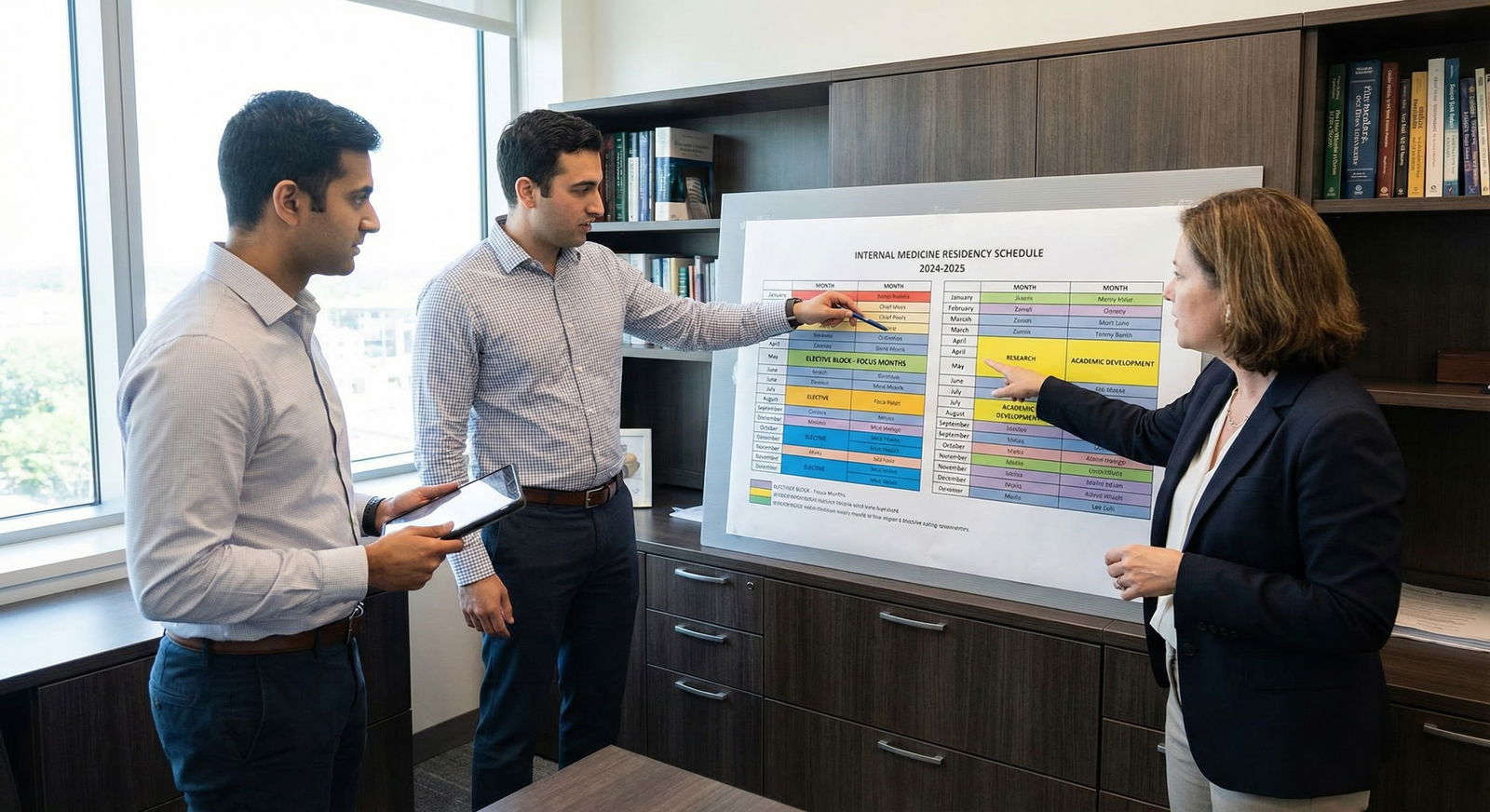
- During interviews, push past the glossy slides. Ask to see sample schedules with elective and research blocks labeled.
- Ask senior residents how often those blocks survive intact.
- Ask where the last 3 years of grads went and what concrete scholarship they produced.
If you are already a resident:
- Map your remaining elective and research time now. Do not wait.
- Identify which blocks are likely to survive vs which are at risk.
- Get your project, mentor, and goals set before the block starts so you do not waste half of it “figuring things out.”
If the structure is bad and not fixable—remember it is a 3-year (or more) contract, not a life sentence. People transfer. People adjust goals. Just do it with eyes open.
| Category | Value |
|---|---|
| PGY1 | 10 |
| PGY2 | 25 |
| PGY3 | 35 |
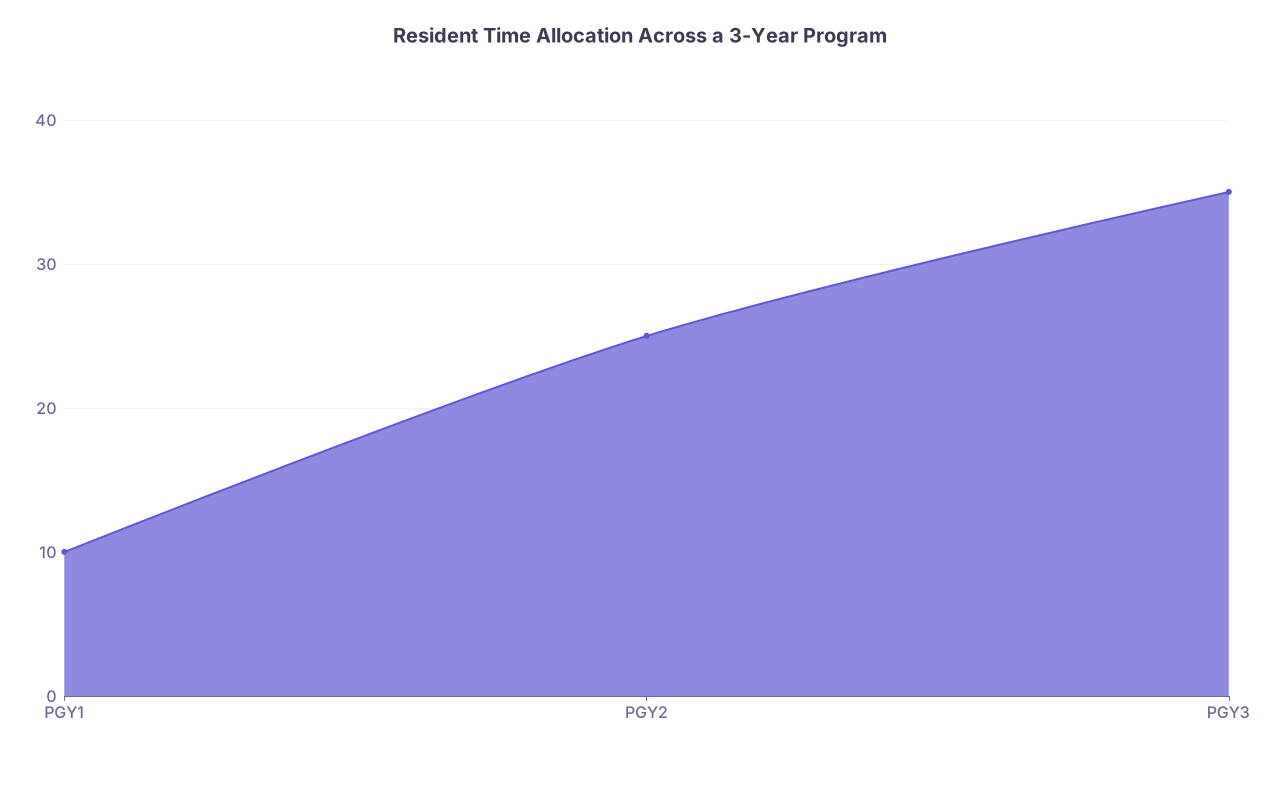
(Think of that area as “truly flexible time”—if the curve stays flat and low, you know where that program’s heart lies.)

| Step | Description |
|---|---|
| Step 1 | Look at sample schedule |
| Step 2 | Service priority |
| Step 3 | Electives flexible but service driven |
| Step 4 | Structure good, execution weak |
| Step 5 | Program aligns with development |
| Step 6 | Elective weeks >= 12 total? |
| Step 7 | Research blocks protected? |
| Step 8 | Resident outcomes strong? |

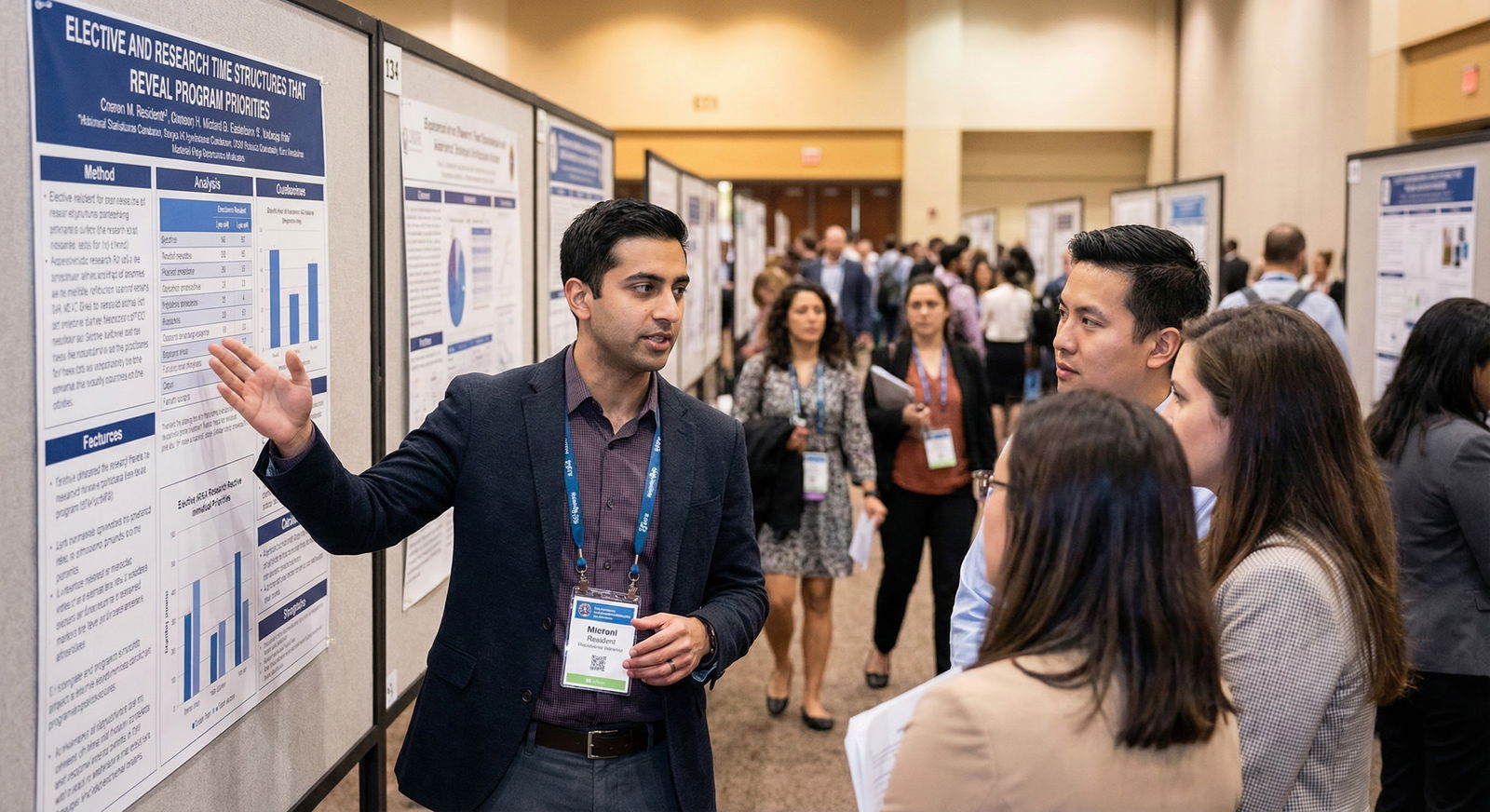
Key Takeaways
- Elective and research structures are not cosmetic; they are the clearest operational evidence of what a program truly values: service coverage, scholarship, or resident growth.
- Ignore brochures. Read actual block schedules, ask how often elective and research time get cannibalized, and look at real outcomes—fellowship matches and resident scholarship.
- A “good” structure depends on your goals, but one thing is universal: if non-service time is consistently sacrificed for coverage, the program is telling you that your development is optional. Believe them.