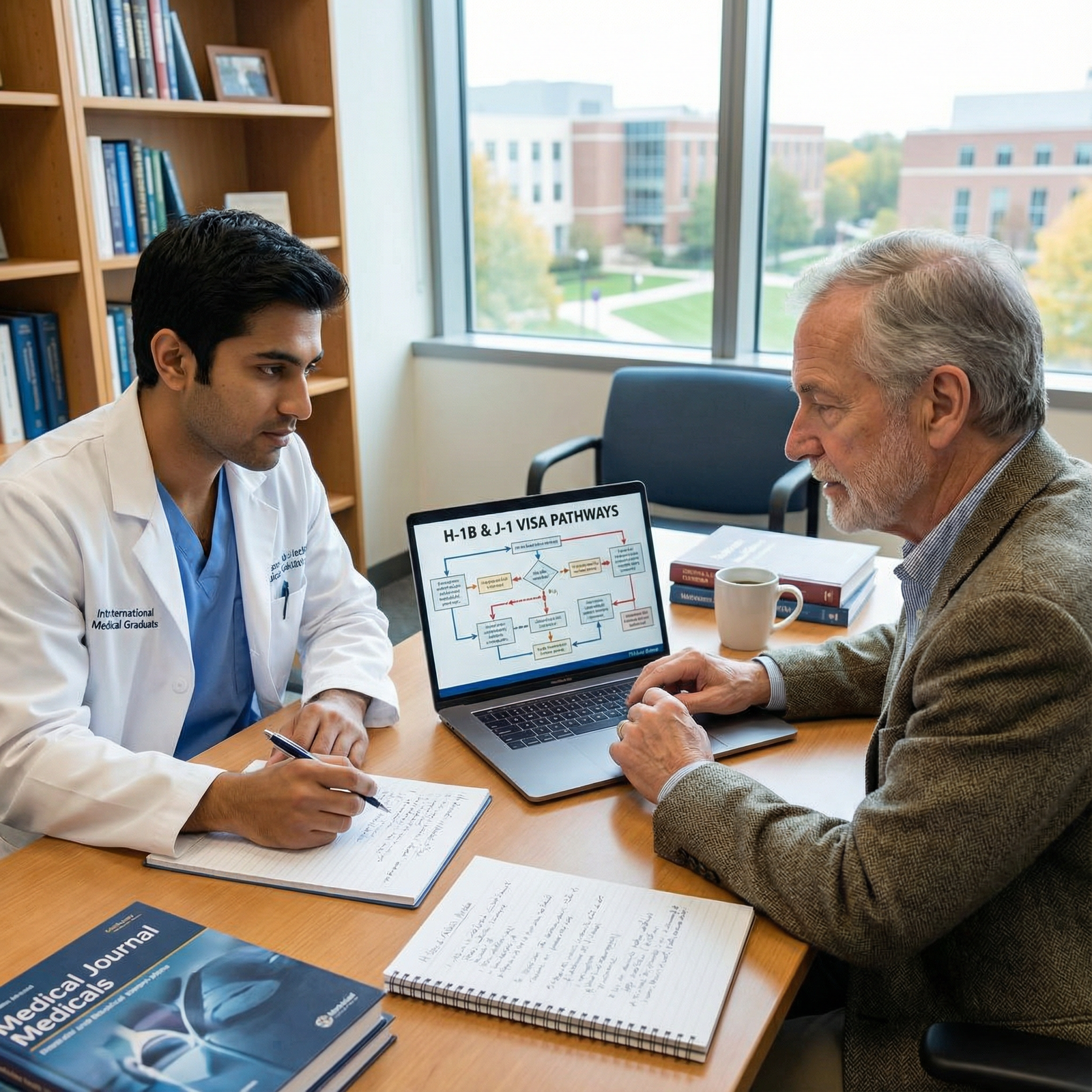
Understanding J-1 Waivers for OB GYN Residents in California’s Central Valley
For many international medical graduates (IMGs) pursuing an OB GYN residency in the United States, the J-1 visa is the most common training pathway. But the J-1 comes with a major string attached: the two‑year home residency requirement. To stay in the U.S. and practice independently after training—especially in a region like California’s Central Valley—securing a J-1 waiver is often essential.
This guide focuses specifically on Obstetrics & Gynecology programs in the California Central Valley (including Fresno residency and nearby communities) and how IMGs can strategically position themselves for a successful J-1 waiver—whether through Conrad 30, an underserved area waiver, or other federal programs.
We’ll walk through:
- How OB GYN training and practice align with J-1 waiver programs
- The reality of OB GYN workforce needs in the Central Valley
- Concrete strategies you can implement before and during residency
- Post-residency job search tactics to maximize your waiver options
Throughout, keep in mind: your visa and waiver planning should run in parallel with your OB GYN career planning—not as an afterthought.
Why the Central Valley Matters for OB GYN J-1 Waiver Candidates
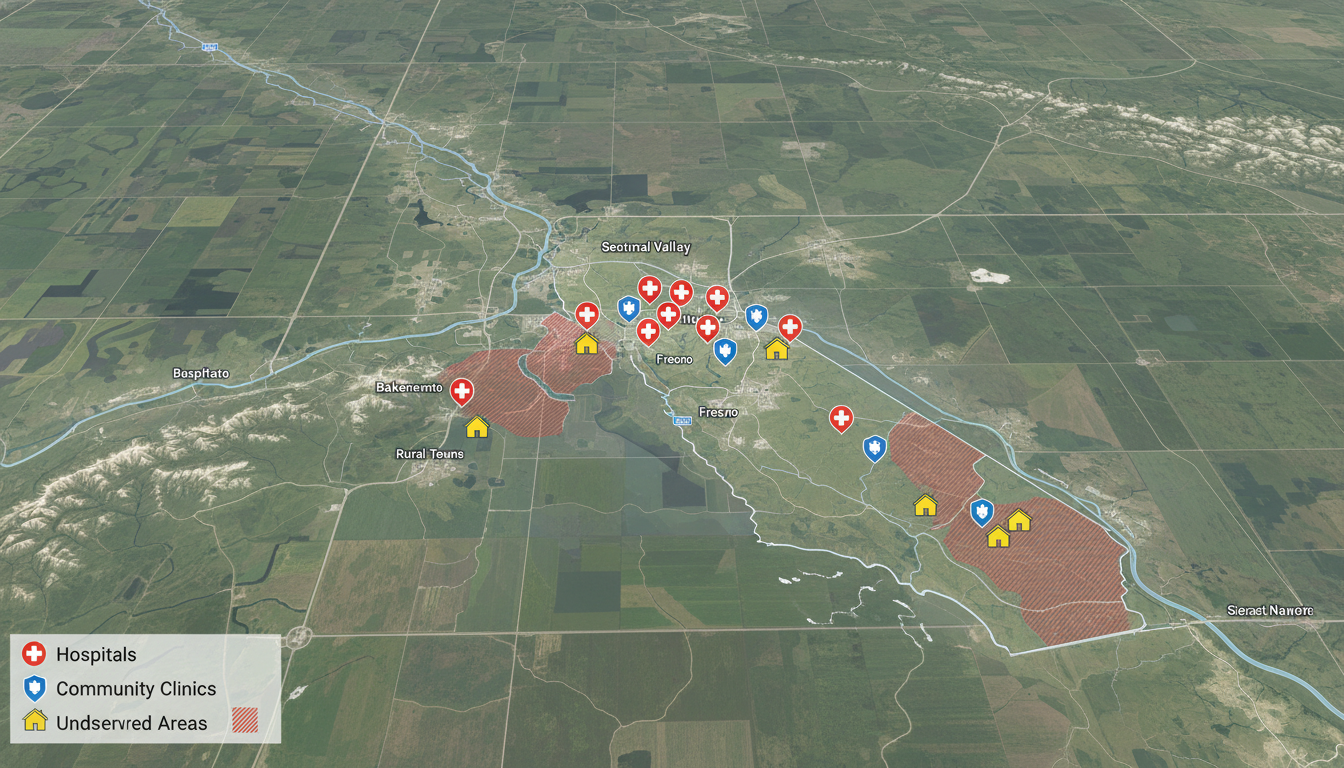
California’s Central Valley—stretching from Redding down through Stockton, Modesto, Fresno, Bakersfield and many smaller communities—is one of the most medically underserved regions in the state. For OB GYNs, the mismatch between patient needs and available physicians is especially visible.
OB GYN Workforce Gaps in the Central Valley
Key realities that matter for IMGs:
High OB GYN demand
- Many Central Valley counties have significantly fewer OB GYNs per capita than coastal or metropolitan regions (e.g., San Francisco, LA, San Diego).
- Hospital closures, maternity unit consolidations, and an aging physician workforce intensify this shortage.
Large underserved and rural populations
- High proportions of Medicaid (Medi‑Cal) and uninsured patients
- Large Latino/a, migrant farmworker, and low‑income communities
- Limited access to maternal-fetal medicine, high-risk obstetrics, and gynecologic subspecialties
Health outcome disparities
- Higher rates of maternal morbidity and mortality
- Reduced access to prenatal care
- Long travel distances for labor & delivery services
The combination of high need + difficulty recruiting makes the Central Valley a prime region for Conrad 30 and other underserved area waivers—and a powerful opportunity space for J-1 OB GYN physicians.
How This Links to OB GYN Residency and the Obstetrics Match
If you are considering an OB GYN residency with an eventual goal of practicing in the Central Valley on a J-1 waiver, it’s smart to think about the region even before the obstetrics match:
- Identify Central Valley residency or nearby programs that have historical links to the region (e.g., residents rotating in Valley hospitals or clinics, academic affiliations with Central Valley health systems).
- Understand how often their graduates accept underserved area waiver positions in California or similar regions.
- During interviews, ask program leadership how they support IMGs in visa and waiver planning.
Even if you train elsewhere (e.g., on the coast or out of state), you can still end up working in a Central Valley underserved area waiver job after residency, but early awareness helps you build the right portfolio.
Core J-1 Waiver Pathways Relevant to OB GYN in the Central Valley
For OB GYN physicians finishing training on J-1 visas, there are several potential waiver routes. Some are more realistic than others for jobs in California’s Central Valley.
1. Conrad 30 State Waiver Program
The Conrad 30 program is one of the most common J-1 waiver options. Each U.S. state may sponsor up to 30 J-1 physicians per year to work in underserved settings.
Key features:
- Who sponsors?
- In California, the California Department of Health Care Access and Information (HCAI) administers the Conrad 30 program.
- Service requirement
- Typically a 3-year, full-time service commitment in a designated area or qualifying facility.
- Eligible locations
- Health Professional Shortage Areas (HPSAs)
- Medically Underserved Areas/Populations (MUA/Ps)
- In some cases, facilities serving large underserved populations even if not strictly in a HPSA (check current criteria).
Relevance for OB GYN in the Central Valley:
- Multiple Central Valley counties and communities qualify as underserved.
- OB GYNs are highly recruitable under Conrad 30 because they fill critical maternal health gaps.
- Many community hospitals and Federally Qualified Health Centers (FQHCs) in the Valley actively seek OB GYN applicants on J-1 waivers.
You and your future employer will work together to submit a Conrad 30 application to the state, typically in a limited annual window. Because slots can be competitive, strategic timing and early job search are crucial.
2. Underserved Area Waivers via Federal Agencies
Beyond Conrad 30, several federal J-1 waiver options exist that may be relevant, especially for OB GYNs in high-need areas:
- Appalachian Regional Commission (ARC) Waiver – Not applicable to California
- Delta Regional Authority (DRA) Waiver – Not applicable to California
- U.S. Department of Health and Human Services (HHS) waivers – Traditionally limited and often research-focused, though maternal health may draw attention in certain programs
For OB GYNs specifically seeking a Fresno residency or other Central Valley practice, Conrad 30 is usually more practical than most federal programs. However, you should stay aware of potential policy shifts that might expand federal waivers for clinical primary and maternal care.
3. VA and Federal Facility Waivers
- Some J-1 waivers can be obtained by serving in Veterans Affairs (VA) or other federal facilities.
- OB GYN roles may be more limited compared to primary care or psychiatry, but women’s health services in large VA centers can occasionally fit.
Given the Central Valley’s demographic and infrastructure, Conrad 30 and other underserved area waiver roles remain the core, realistic pathways for OB GYNs in this region.
Strategic Planning Timeline: From Residency Match to Waiver Job
To maximize your options, think of J-1 waiver planning as a multi-year project spanning pre-residency, residency, and fellowship or early practice.
Phase 1: Pre-Residency and Obstetrics Match Planning (MS4 / Pre-Match)
Before you match into an OB GYN residency:
Clarify that you will likely be on a J-1 visa
- If there’s any possibility of an H-1B, discuss it with programs, but most OB GYN residencies default to J-1.
Research program visa history
Ask programs directly:- How many J-1 residents do you have?
- Do your graduates commonly obtain J-1 waivers after residency?
- Which regions or states do they go to (Central Valley, other underserved areas)?
Explore California Central Valley connections
- Check whether faculty, alumni, or affiliated sites have links to Fresno residency programs, Central Valley hospitals, or FQHC networks.
- Ask if residents can do electives or away rotations in Central Valley communities (e.g., Fresno, Bakersfield, Visalia, Madera, Merced).
Start reading about California Conrad 30 rules
- Note timing, eligibility, and priority specialties (if listed). OB GYN is often favored due to maternal health shortages.
Phase 2: Early Residency (PGY-1 to Early PGY-2)
Once you start your OB GYN residency:
Clarify your visa and long-term intentions with GME leaders
- Let your program director and coordinator know you are on a J-1 and anticipate seeking a waiver in an underserved area (possibly the Central Valley).
- Ask if they have alumni in Central Valley residency or practice sites who used J-1 waivers.
Build a CV tailored to underserved work
- Participate in clinics serving Medicaid, uninsured, rural, or migrant populations.
- Seek QI (quality improvement) or research projects related to maternal health disparities, access to prenatal care, or perinatal mortality in underserved areas.
- Volunteer in community outreach programs, mobile prenatal clinics, or health fairs.
Strengthen language and cross-cultural skills
- Spanish language skills are especially valuable in the Central Valley.
- Highlight cross-cultural communication training or experience with diverse patient populations.
Network with faculty who have rural/underserved experience
- Identify mentors who have worked in rural OB, FQHCs, or safety-net hospitals.
- Let them know your long-term interest in Central Valley practice and J-1 waiver options.
Phase 3: Mid-Residency (Late PGY-2 to PGY-3)
This is the planning sweet spot for J-1 waiver strategy:
Narrow your geographic focus
- Decide whether you are open to any underserved area waiver in California, or specifically drawn to the Central Valley (Fresno, Bakersfield, Modesto, etc.).
- Be realistic: the more narrow your preferences, the more you must plan and start early.
Attend career fairs and talk with Central Valley recruiters
- Many health systems and FQHCs actively recruit at regional OB GYN or residency career events.
- Ask recruiters directly:
- “Do you have experience hiring J-1 OB GYNs?”
- “Have you sponsored Conrad 30 waivers before?”
- “Which of your sites are HPSA or MUA-designated in the Central Valley?”
Learn the annual Conrad 30 application cycle
- In California, the state typically has a clearly defined application window each year.
- Work backwards: you will likely need an offer and completed paperwork months before that deadline.
Decide about fellowship vs. going straight into practice
- Many OB GYNs consider MFM, REI, Gyn Onc, or minimally invasive gynecologic surgery fellowships.
- If you stay on a J-1 for fellowship, you will still owe the two-year home rule unless you later obtain a waiver.
- Some candidates strategically complete residency, obtain a waiver job, and then pursue fellowship later on a different visa status or after obtaining permanent residency.
Phase 4: Late Residency / Job Search (PGY-3 to PGY-4)
This is where timing and organization matter most.
Begin active job search 12–18 months before graduation
- Especially for Central Valley residency-like roles (community-based practices attached to local teaching hospitals), high-need employers recruit early.
- Focus on HPSA/MUA-designated communities in the Central Valley.
Target employers with proven J-1 hiring history
- County hospitals, critical access hospitals, and FQHCs that have previously sponsored Conrad 30 or underserved area waivers are ideal.
- Ask explicitly: “How many J-1 waiver OB GYNs have you hired in the last 5 years? Did they complete their three-year commitment?”
Review contract and waiver terms carefully
- Ensure your contract meets the Conrad 30 requirements (full-time, duration, location).
- Confirm that the employer will handle (and pay for) Conrad 30 application, USCIS petition, and related legal fees beyond standard immigration costs.
Coordinate with an experienced immigration attorney
- While your employer usually retains counsel, having your own immigration lawyer (even briefly) to review your situation can safeguard against errors.
- Ask about combining waiver planning with longer-term goals (e.g., eventual EB‑2 NIW or family-based options).
Practical Strategies to Maximize J-1 Waiver Opportunities in the Central Valley
Here are concrete, actionable steps you can take to strengthen your position as a J-1 OB GYN candidate for Central Valley underserved area waiver jobs.
1. Align Your Clinical Interests with Regional Needs
The Central Valley has particular maternal health challenges. Tailor your training accordingly:
- High-risk obstetrics: Exposure to gestational diabetes, preeclampsia, obesity in pregnancy—conditions highly prevalent in the Valley.
- OB triage and L&D management: High-volume labor and delivery experience is a plus for many Valley hospitals.
- Procedural skills:
- VBAC counseling and management
- Basic and operative laparoscopy
- Colposcopy and LEEP
- Office procedures (IUDs, Nexplanon, endometrial biopsies)
Example: A PGY-3 OB GYN resident intentionally chooses research on gestational diabetes outcomes in underserved Latina populations and spends electives in high-volume safety-net L&D units. When applying for a J-1 waiver job in the Central Valley, this directly reflects the community’s needs.
2. Build an “Underserved Care” Narrative
Waiver reviewers and employers often favor candidates who show a long-term commitment to underserved care, not just a short-term visa necessity.
You can demonstrate this through:
- Personal statement and CV emphasizing:
- Previous work with low-resource or rural communities (in your home country or in the U.S.)
- Motivation to improve maternal health equity
- Interest in serving Spanish-speaking or migrant populations
- Letters of recommendation highlighting:
- Your strengths in caring for complex, socioeconomically vulnerable patients
- Leadership roles in resident-run free clinics or outreach projects
When employers submit your Conrad 30 packet, this narrative supports the argument that you are a particularly good fit for an underserved area waiver position.
3. Prioritize Sites with Strong Support Infrastructure
Not all underserved jobs are equal. When considering a Central Valley opportunity, evaluate:
- Mentorship and coverage
- Will you be the only OB GYN, or part of a small team?
- Is there backup for high-risk deliveries and C‑sections?
- Facilities
- Is there a NICU?
- Access to MFM consultation (on site or via telemedicine)?
- Workload and call
- Reasonable call schedule to avoid burnout, especially in high-need communities.
- Salary and benefits
- Competitive compensation for the region
- Loan repayment options (NHSC, state programs) may be available if the site qualifies.
A sustainable, well-supported role makes it much likelier you will complete your 3-year J-1 waiver term, which is crucial for your future immigration pathways.
4. Consider FQHCs and Community Health Centers
In several Central Valley communities, FQHCs and large community health organizations play a central role in providing prenatal and gynecologic care.
Advantages for J-1 OB GYNs:
- Extensive experience onboarding international physicians
- Existing HR and legal structures for Conrad 30 submissions
- Multidisciplinary teams (midwives, family medicine with OB, nurses, case managers, social workers)
- Emphasis on continuity of care in the community
These environments can be particularly supportive for an IMG adjusting to independent practice while fulfilling a J-1 waiver commitment.
5. Keep Backup Options Open
Despite strong planning, some years see Conrad 30 slots fill quickly or policies change. To reduce risk:
- Stay open to multiple regions
- While your top choice might be a specific Fresno residency-affiliated hospital or Central Valley town, consider several communities within the Valley and even other California regions.
- Monitor non-Conrad options
- Family-based immigration (e.g., U.S. citizen spouse)
- Academic or research roles that may lead to different visa categories
- Track deadlines across states
- Some IMGs apply for positions in more than one state initially, then finalize once they know where they have a secure offer and confirm slot availability (coordinate closely with attorneys to avoid conflicts).
Special Considerations for OB GYN Fellows on J-1 Visas
If you complete an OB GYN residency on a J-1 and then pursue a fellowship (MFM, Gyn Onc, REI, etc.) also on a J-1, the two-year home requirement remains until waived.
Key points:
- You can still seek a Conrad 30 or underserved area waiver after fellowship, but the specialty and job availability may differ.
- MFM or Gyn Onc specialists may find fewer “classic” Conrad 30 jobs compared to general OB GYN roles, but some tertiary Central Valley centers may recruit subspecialists due to regional referral demands.
- In some career plans, doing generalist practice in a Central Valley underserved area waiver job after residency, then subspecializing later (perhaps on a different visa or after permanent residency) offers more flexibility.
Discuss long-term strategy with both your program leadership and an immigration attorney before committing to additional J-1–sponsored training.
Frequently Asked Questions (FAQ)
1. Can I get a J-1 waiver to work in a California Central Valley OB GYN job directly after residency?
Yes. Many OB GYN graduates on J-1 visas transition directly into Central Valley underserved area waiver positions using the Conrad 30 program. You must:
- Obtain an offer from a qualifying employer in a HPSA/MUA or similar underserved setting
- Ensure the employer is willing and able to sponsor a Conrad 30 application
- Submit all required documentation within the California Conrad 30 application window
If approved, you then file the corresponding USCIS petition and begin your 3-year service.
2. Are Fresno residency programs better for J-1 waiver prospects than other California programs?
A Fresno residency or other Central Valley-based program may offer:
- Closer proximity to regional hospitals and clinics that ultimately hire waiver physicians
- More exposure to Central Valley patient populations and health systems
- Mentors and alumni already working in Conrad 30 roles nearby
However, you do not need to train in Fresno or the Central Valley to secure a waiver job there. Many OB GYN residents from coastal or out-of-state programs successfully move into Central Valley positions. The key is early networking and targeted job search.
3. Is OB GYN considered a favorable specialty for Conrad 30 and underserved area waivers?
In many states, including California, OB GYN is in high demand, especially in rural and underserved regions. While official priority lists vary by state and year, OB GYN often fits into the broader category of maternal and women’s health, which is a major shortage area.
This means:
- Employers in underserved regions frequently have OB GYN vacancies they struggle to fill.
- State waiver programs generally recognize the importance of OB GYN in improving community health indicators.
- As a J-1 OB GYN, you are often a competitive candidate for available waiver slots—provided the timing and documentation align.
4. What happens after I finish my 3-year J-1 waiver obligation in the Central Valley?
After you successfully complete your 3-year, full-time service in the waiver position:
- The two-year home residency requirement is considered waived.
- You may be able to change employers, pursue fellowships, or relocate within the U.S. (subject to your prevailing immigration status at that time).
- Many physicians transition from their J-1 waiver positions onto:
- H-1B transfers with new employers
- Permanent residency applications (e.g., EB‑2 NIW, employer-sponsored green card)
- Academic or leadership roles within the same health system
Planning for this “post-waiver” phase should ideally begin well before you complete your three years, so that you avoid gaps in status and maintain career momentum.
By understanding the structure of J-1 waivers, recognizing the unique opportunities in California’s Central Valley, and planning deliberately from the obstetrics match through residency and beyond, IMG OB GYNs can carve out meaningful, stable careers serving communities that truly need them—while successfully navigating the complex U.S. immigration landscape.